2026 Best Guide to Measure Counter Height vs Bar Stools?

Time:2026-08-20 Author:Sophia
0%

When it comes to furnishing your space, the right seating choice can make a significant difference. Understanding how to measure for counter height stools vs bar stools is crucial for both comfort and style. Counter height stools typically range from 24 to 27 inches in seat height, while bar stools sit higher, usually between 28 to 33 inches.

Choosing the ideal height ensures a harmonious balance between your seating and the surface they accompany. Many people overlook the importance of this detail, leading to mismatched seating arrangements and discomfort. It’s essential to take precise measurements of both your counter and your bar area before making a decision.

Consider the ambiance you want to create. Are you aiming for a casual vibe with counter stools or an upscale feel with bar stools? This decision will impact not only the look but also the overall experience of your space. Reflecting on these choices helps avoid potential disappointments and enhances your home’s functionality.
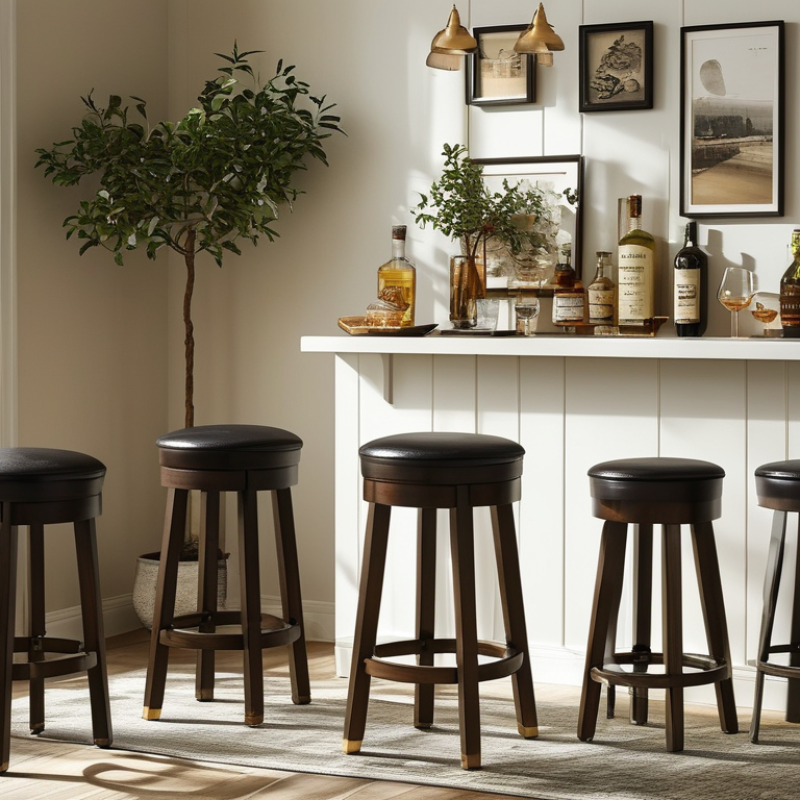
2026 Best Guide to Measure Counter Height vs Bar Stools?

Understanding Counter Height and Bar Stools: Key Differences

When selecting seating for kitchen counters or bars, understanding the key differences in height is essential. Counter stools generally range from 24 to 26 inches high, aligning with counter heights of about 36 inches. In contrast, bar stools are taller, typically between 28 to 32 inches, catering to bar heights of 40 to 42 inches. This distinction is crucial; incorrect stool height can lead to discomfort and inconvenience.


Reports from the American Home Furnishings Alliance indicate that proper seating enhances user satisfaction in kitchens and bars. Comfort plays a significant role. A stool that is too low may cause awkward sitting positions. On the other hand, stools that are too high can lead to straining during use. These factors are often overlooked, yet they significantly affect daily experiences.


Additionally, the style of the stool can impact functionality. Many homeowners struggle with choosing between aesthetic appeal and comfort. For example, minimalist designs may sacrifice back support. Research shows that a supportive design increases average usage time by over 30%. Each choice has its drawbacks, making it crucial to evaluate personal needs and preferences carefully.

Recommended Height Ranges for Counter Height and Bar Stools

When selecting counter height and bar stools, understanding their recommended height ranges is essential for comfort and functionality. Typically, counter height stools range from 24 to 27 inches. This height matches standard kitchen counters, which are generally 36 inches tall. Bar stools, on the other hand, are taller, ranging from 28 to 33 inches, ideal for home bars or pub tables that often stand around 42 to 44 inches high.

A recent report from the National Kitchen and Bath Association emphasizes the importance of suitable seating heights. They suggest that improper stool heights can cause discomfort and poor posture. Many buyers overlook this aspect, leading to frequent complaints about back strain during meals. The right measurement can significantly enhance dining experiences and overall satisfaction with space design.

Moreover, it is crucial to consider the space available. Some kitchens may feature taller countertops or unique designs that require customized stool heights. This need for adaptation can create confusion, as not all manufacturers follow the same sizing standards. Investing time to measure your furniture accurately can save you from future inconveniences.

Choosing the Right Stool Height for Your Counter or Bar Height

When selecting the right stool height for your counter or bar area, it's essential to understand the standard measurements. Typical counter height ranges between 34 to 36 inches. For this height, stools should be approximately 24 to 26 inches tall. Bar height stools, suitable for 40 to 42 inch counters, generally measure 28 to 32 inches in height. Ensuring proper stool height enhances both comfort and usability, creating a pleasant seating experience.

A survey conducted by the American Home Furnishings Alliance indicates that 68% of consumers prioritize comfort and ergonomics when choosing seating. This data highlights the significance of correct dimensions. Too high stools can lead to discomfort and strain, while those too low can disrupt the dining experience. It’s crucial to account for the user's height as well. Taller individuals may require slightly different measurements for optimal comfort.

Additionally, consider the space around the stools. A minimum of 6 inches between the seat of the stool and the underside of the counter is recommended. This allows for ample legroom. It’s often overlooked, yet this detail can affect the overall satisfaction of the seated individuals. Reflect on your own experience. Have you ever chosen a height that just didn’t feel right? Testing different options is vital. Finding the right fit makes all the difference in a home's style and function.

2026 Best Guide to Measure Counter Height vs Bar Stools

Stool Type Height Range (inches) Recommended Counter Height Recommended Bar Height Usage
Counter Stools 23 - 28 35 - 39 N/A Kitchens, Breakfast Bars
Bar Stools 28 - 32 N/A 40 - 42 Bars, High-Top Tables
Adjustable Stools 20 - 30 N/A N/A Versatile Use

Style and Design Considerations for Counter Height and Bar Stools

When selecting counter height and bar stools, style and design play a key role. It's essential to consider the overall aesthetic of your space. Counter stools typically range from 24 to 27 inches in height. They work well with counters that are 34 to 39 inches high. The design can vary from sleek and modern to rustic and vintage. Choose materials like wood or metal to match your kitchen or bar décor.

Bar stools, on the other hand, stand taller, usually between 28 and 32 inches. They pair best with counters that measure 40 to 42 inches. Color and finish are equally important. Light colors can brighten your area, while dark finishes offer a classic look. Comfort should not be overlooked. Opt for stools with back support and cushioning to enhance the seated experience.

Reflecting on personal taste can guide your choices. Mixing styles can create a unique vibe, but it may also lead to a clash in design. Stars of different heights should be considered for visual balance. Ultimately, the goal is to find stools that complement your environment, enhancing both functionality and style.

Height Comparison of Counter and Bar Stools

Practical Tips for Measuring and Selecting the Perfect Stool Height

Selecting the right stool height is essential for comfort and aesthetics. A good rule of thumb is to allow 10 to 12 inches between the seat of the stool and the top of the counter or bar. However, this measurement can sometimes feel off. Personal preferences, body types, and the intended use can significantly affect what feels comfortable.

Take a moment to consider the height of your counter or bar. Measure it accurately with a tape measure. Ensure it's a straight measurement from the floor. Often, people's expectations may not align with reality—some may prefer a higher seat, while others want a lower one. It’s all about finding what suits you best.

When shopping, keep the atmosphere in mind. A tall stool may seem appealing but could feel awkward at a lower counter. Try sitting on different stool heights in-store to see what feels right. If testing isn’t an option, check return policies. Don’t rush this decision; the right height can enhance your dining or entertainment experience.

FAQS

: What is the standard height for counter stools?

: Counter stools should typically measure between 24 to 26 inches tall for standard counter heights of 34 to 36 inches.

How high should bar stools be?

Bar stools generally range from 28 to 32 inches tall, suitable for counters measuring 40 to 42 inches.

Why is stool height important?

Correct stool height improves comfort and usability. Incorrect heights can cause discomfort and diminish the dining experience.

How much legroom should there be between the stool and counter?

A minimum of 6 inches between the stool seat and the counter's underside is recommended for adequate legroom.

What should I consider when choosing stool height?

User height, personal preference, and the intended use are all important factors in selecting the right stool height.

How can I ensure I select the right height stool?

Measure both the counter height and your comfort preferences. Testing different stool heights is crucial for finding the best fit.

What if I can’t test the stools in-store?

Check the store's return policy before purchasing. You might need to adjust if the height feels wrong at home.

Can personal body types affect what's comfortable?

Yes, individual body types and preferences impact comfort. What's ideal for one person may not work for another.

How can I make sure my choice is practical?

Don't rush your decision. Take time to reflect on past experiences with stool heights to inform your choice.

Why is aesthetics important in stool height selection?

The right height contributes to both comfort and the overall style of your space, enhancing your dining or entertainment experience.

Conclusion

When it comes to selecting the perfect seating for your kitchen counter or bar, understanding the differences between counter height stools and bar stools is essential. The article provides a comprehensive guide on how to measure for counter height stools vs bar stools, emphasizing the recommended height ranges and how to choose the right stool height based on your specific counter or bar dimensions.

In addition to practical measurement tips, the guide also delves into style and design considerations, ensuring that your chosen stools complement your space aesthetically. Following these recommendations will help you create a comfortable and visually appealing area that suits your needs, making entertaining and daily activities more enjoyable.

Sophia

Sophia

Sophia is a dedicated marketing professional with an exceptional depth of knowledge about her company's products and services. With a keen understanding of market trends and customer needs, she crafts insightful blog posts that not only inform but also engage readers, enriching the company’s online......