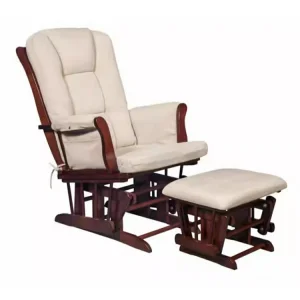
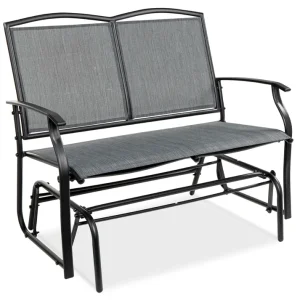
Glider Chair Factory & OEM/ODM Supplier Partnerships

Empowering global B2B procurement networks with advanced structural mechanics, certified material ergonomics, and Industry 4.0 high-efficiency manufacturing systems.

The Evolution of the Glider Chair: Industry Trends & Structural Dynamics

An in-depth analysis of kinetic engineering, materials innovation, and evolving consumer ergonomics.

Glider chairs have undergone a significant evolution from traditional domestic furniture pieces to complex, highly engineered comfort systems. In today’s competitive B2B landscape, commercial buyers, hospital procurement officers, and major retailers must recognize the deep structural shifts defining the modern glider seat. Driven by advancements in kinematic linkages, material sciences, and automation, glider chair manufacturing has moved far beyond simple wooden rockers.

Crucial Industry Driver: Traditional rocking chairs rely on a curved path that shifts the user's center of gravity drastically. Modern gliders utilize a parallel swing arm linkage, keeping the user in a flat translational plane. This minimizes vestibulocochlear fatigue, providing an ultra-smooth gliding movement highly sought after in modern pediatric clinics, high-end hotel lounges, and smart homes.

Key Trends Transforming the Glider Chair Market

As consumer expectations elevate, several technological and design paradigms are shaping the product landscape:

  • Motorization & Intelligent Integration: Manual mechanisms are increasingly accompanied by high-torque, ultra-silent brushless DC electric motors. Modern electric gliders offer seamless power reclining, integrated USB ports, and smart sensor controls to prevent accidental pinching of infant fingers or pets under the glider platform.
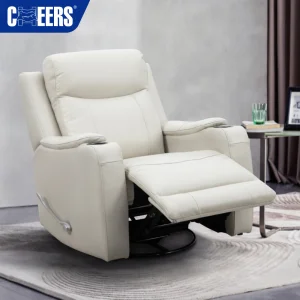
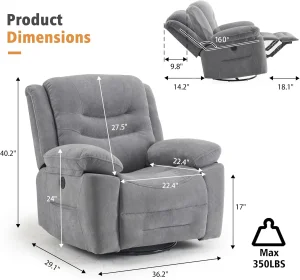
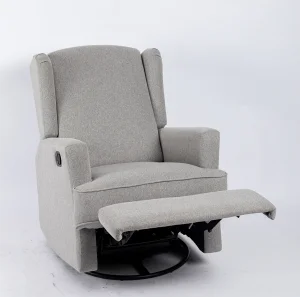
  • High-Performance, Multi-Functional Geometries: Consumers now demand chairs that combine three essential movements: 360-degree rotation (swivel), translational forward-backward movement (glider), and variable angular relaxation (recliner). Integrating all three mechanics requires tight tolerance control during factory machining to eliminate metal-on-metal squeaks.
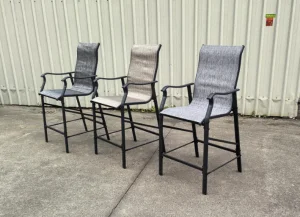
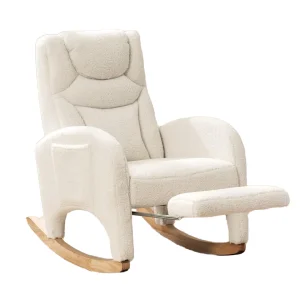
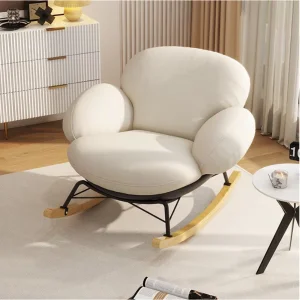
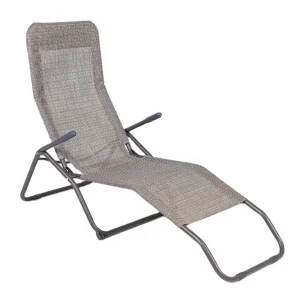
  • Advanced Textile Engineering: From high-density Sherpa and Teddy bouclé fabric for nurseries to heavy-duty, UV-stabilized, non-fading Teslin mesh for outdoor applications, the upholstery layer is being designed for maximum cycles in abrasion resistance (Martindale test standards exceeding 50,000 rubs).
  • Material Circularity and Eco-Compliance: Environmental regulation (e.g., California Proposition 65, REACH, RoHS, CertiPUR-US) requires factories to utilize non-toxic, flame-retardant-free foams, sustainably harvested solid timber frames, and recyclable HDPE (High-Density Polyethylene) for weather-resistant outdoor glider configurations.
10+
Export Destinations
100%
QC Precision Checked
4.0
Smart Factory Workflow
50K+
Martindale Rub Cycles

Global Sourcing Challenges & Enterprise Procurement Requirements

Understanding supply chain risks, regulatory compliance, and mechanical specifications for commercial volume buyers.

B2B furniture procurement directors face unique challenges when auditing glider chair factories. Given that a glider chair is a dynamic mechanical assembly subject to constant kinetic friction, mechanical failure represents a significant liability risk. High-volume sourcing requires strict auditing of mechanical design tolerances, raw material certifiability, and logistics efficiency.

1. Mechanical Durability & Safety

Dynamic mechanisms must pass ANSI/BIFMA X5.1 tests. The glider hardware must endure at least 100,000 cycles under maximum rated weight limits (typically 300 lbs/136 kg). Low-tier factories often cut costs by utilizing sub-standard steel tubes or low-density plastic bushings, leading to mechanism bending and bearing wear.

2. CBM Optimization & KD Designs

Sea freight rates demand volume optimization. Smart factories offer Knock-Down (KD) structural designs. By designing armrests, backs, and glider bases to pack flat, the Cubic Meter (CBM) per carton is reduced by up to 45%, maximizing the quantity of chairs packed into a single 40ft HQ shipping container.

3. Regulatory Compliance

International imports require certified flame retardancy (such as CAL117-2013 standards for the US market) and low formaldehyde wood emissions (CARB Phase 2 compliance). Sourcing partners must supply legitimate third-party testing documentation (e.g., from SGS, TÜV, or Intertek) to ensure rapid customs clearance.

Furthermore, local market adaptation is highly critical. A glider chair designed for the North American market requires a wider seat pan and reinforced steel plates to accommodate higher weight percentiles, whereas European markets prioritize compact footprint footprints and minimalist aesthetics.

Zhejiang MAZIS Furniture: Leading Factory 4.0 & Supply Chain Resilience

Leveraging high-precision automation and independent R&D to deliver world-class outdoor and leisure furniture.

Zhejiang MAZIS Furniture Co., Ltd. is a modern enterprise specializing in the design, research and development, and manufacturing of high-quality outdoor and indoor leisure furniture. Located in Zhejiang Province, MAZIS Furniture benefits from a strong regional manufacturing foundation and a well-developed industrial supply chain. The company operates with a dedicated independent R&D department, enabling continuous innovation in product design, materials, and manufacturing techniques.

MAZIS Furniture is equipped with advanced production facilities, including laser welding systems, precision cutting equipment, and automated plastic spraying lines. These capabilities ensure high production efficiency and consistent product quality across all categories. The company’s main product range includes Teslin mesh furniture, synthetic rattan furniture, and other premium outdoor leisure furniture series, widely used in gardens, patios, balconies, hotels, resorts, and commercial outdoor spaces.

With a strong focus on quality control, sustainable materials, and modern design aesthetics, Zhejiang MAZIS Furniture Co., Ltd. has established long-term cooperative relationships with buyers in more than 10 countries and regions, including Europe and North America. Its products are well recognized in international markets for their durability, weather resistance, and contemporary style. Looking ahead, MAZIS Furniture continues to uphold the principles of innovation, quality, and customer satisfaction, striving to become a trusted global supplier in the outdoor furniture industry.

Our Manufacturing Process Walkthrough

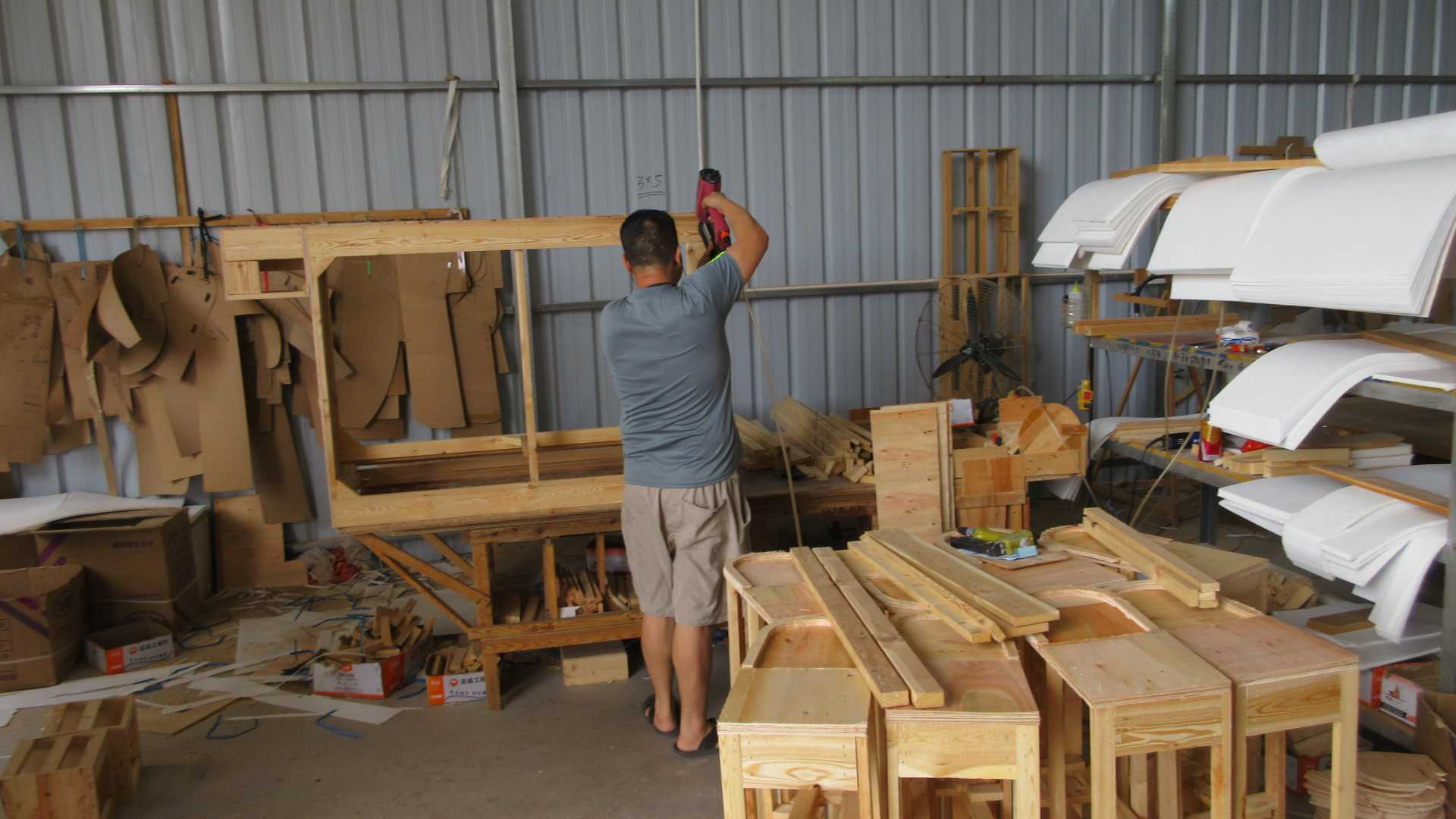
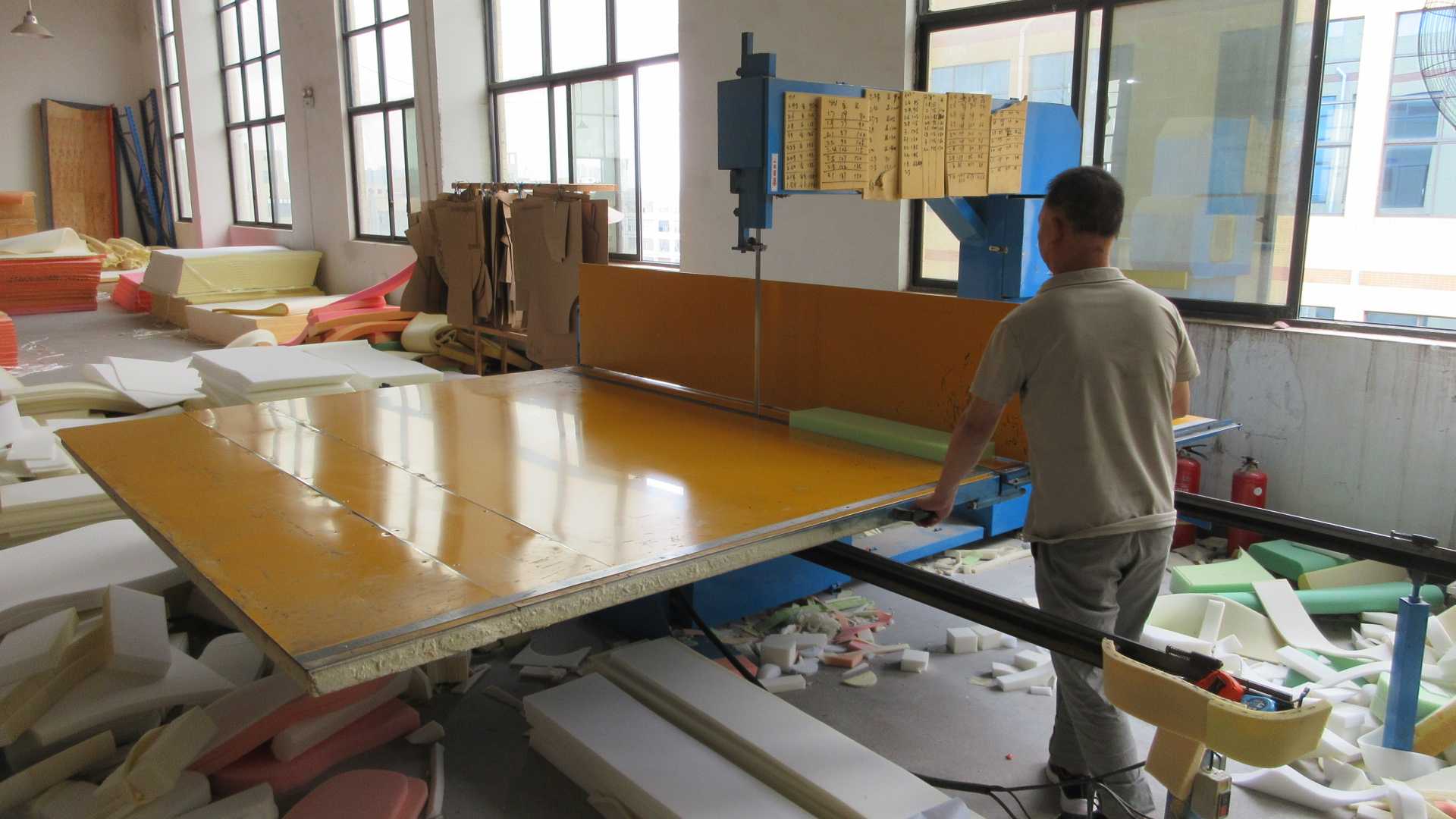
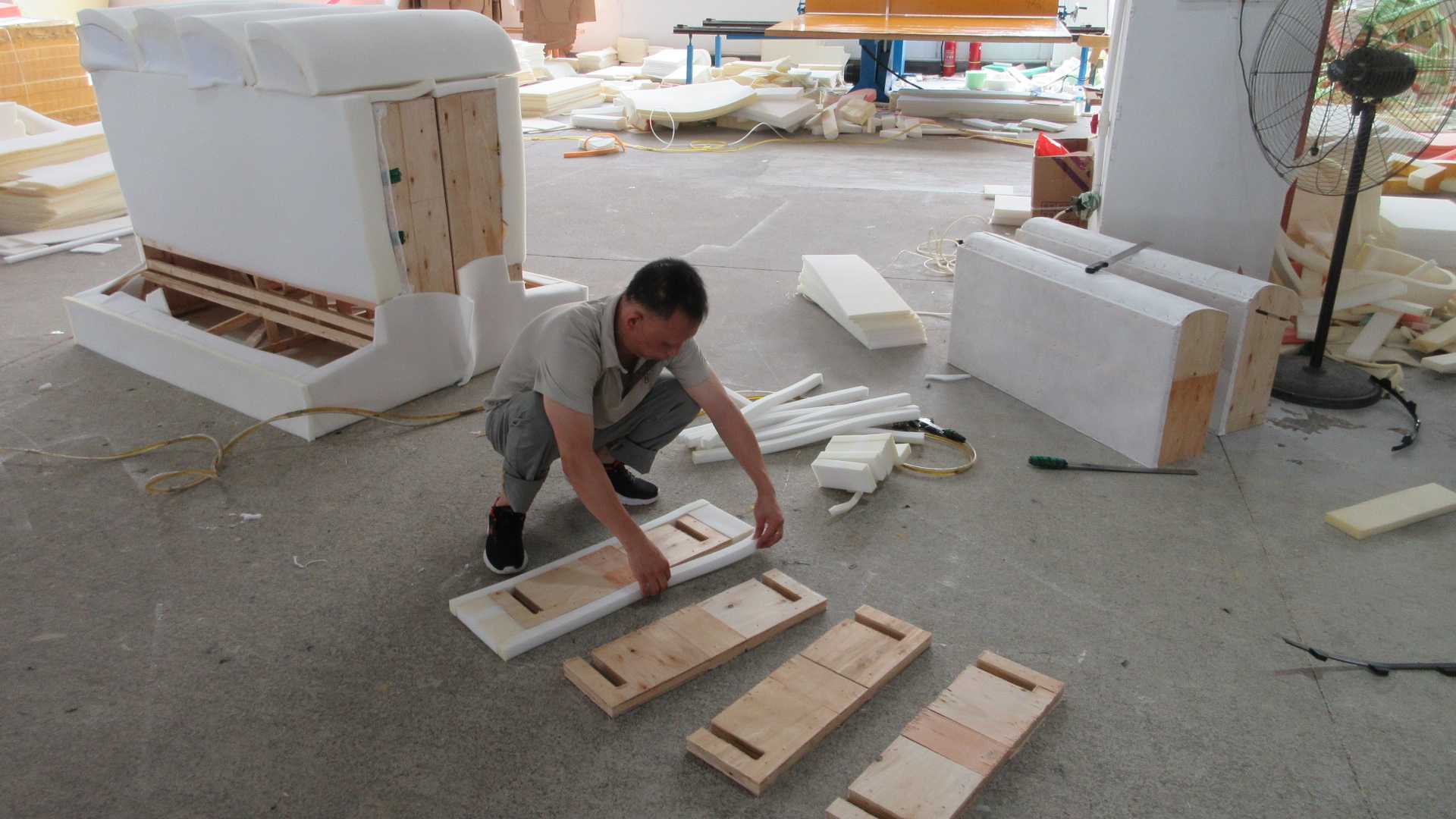
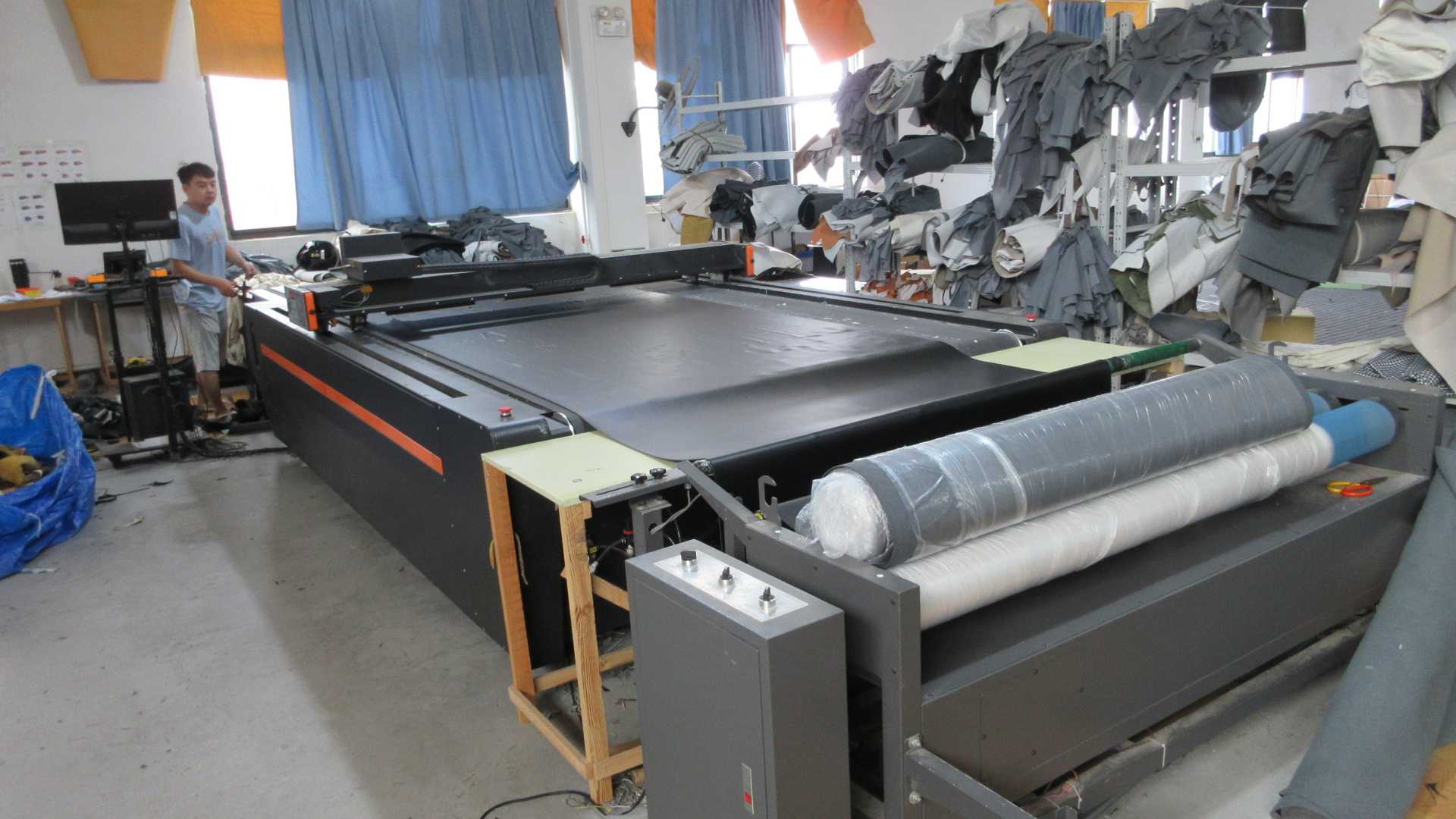
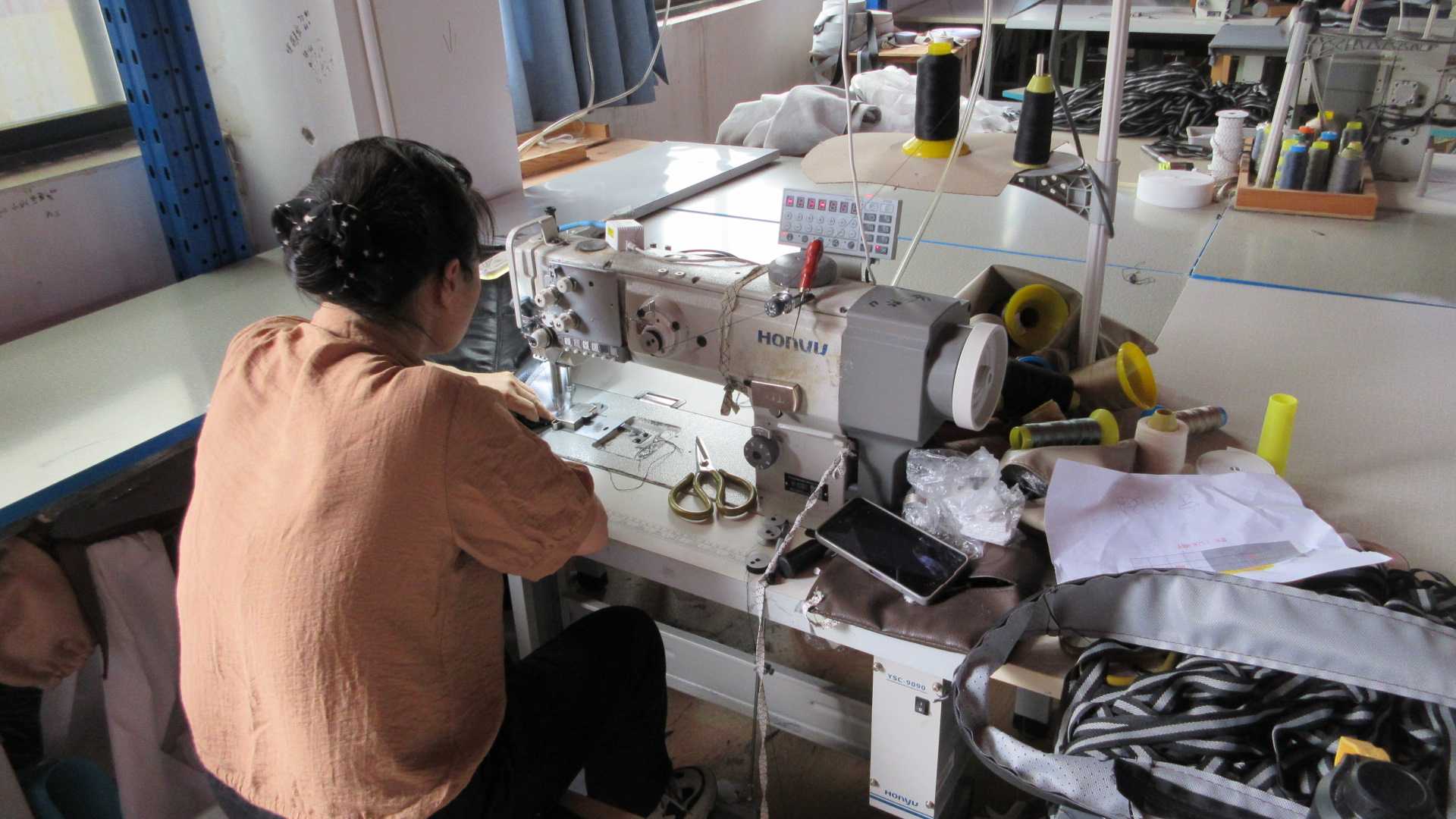
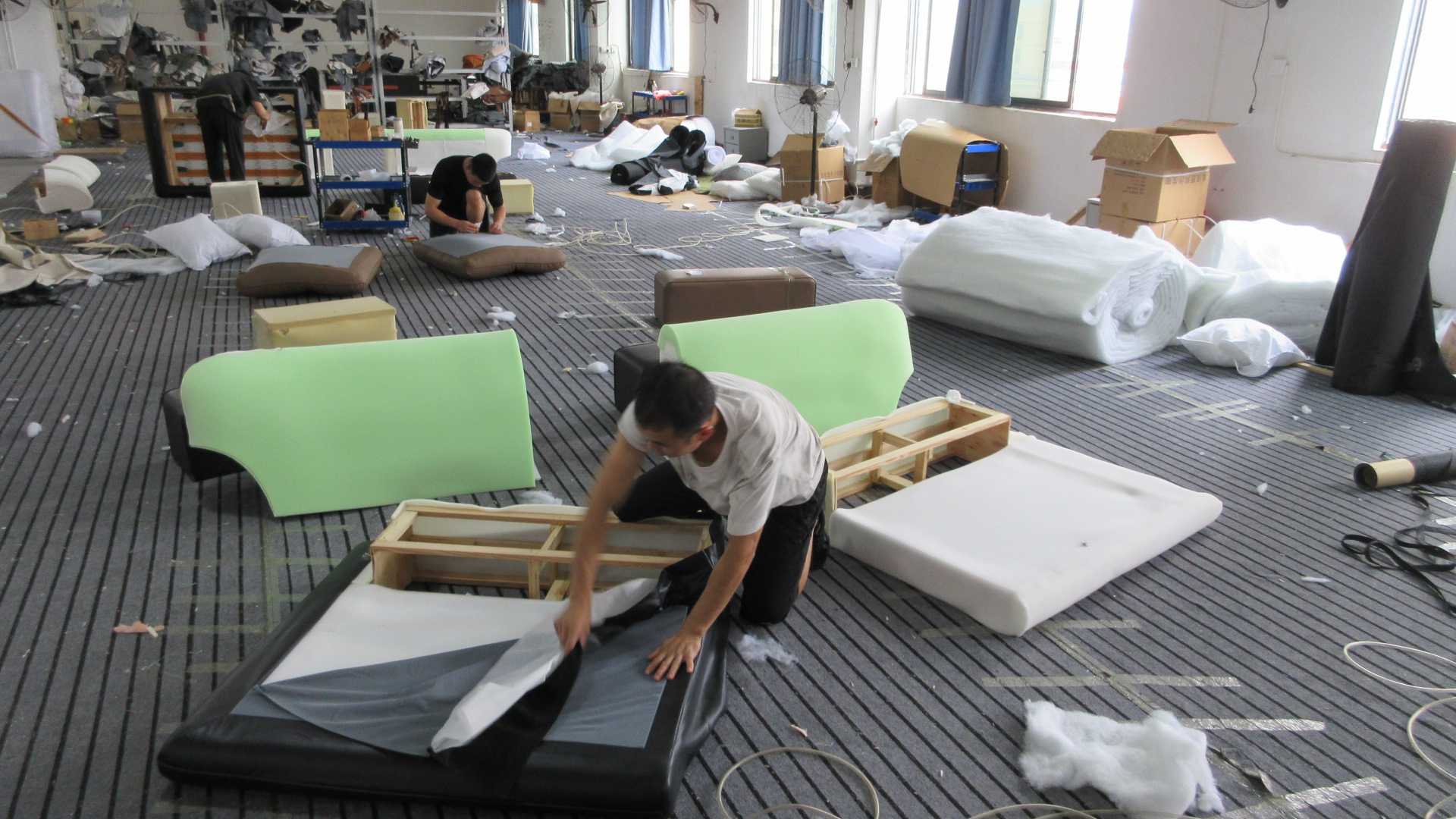
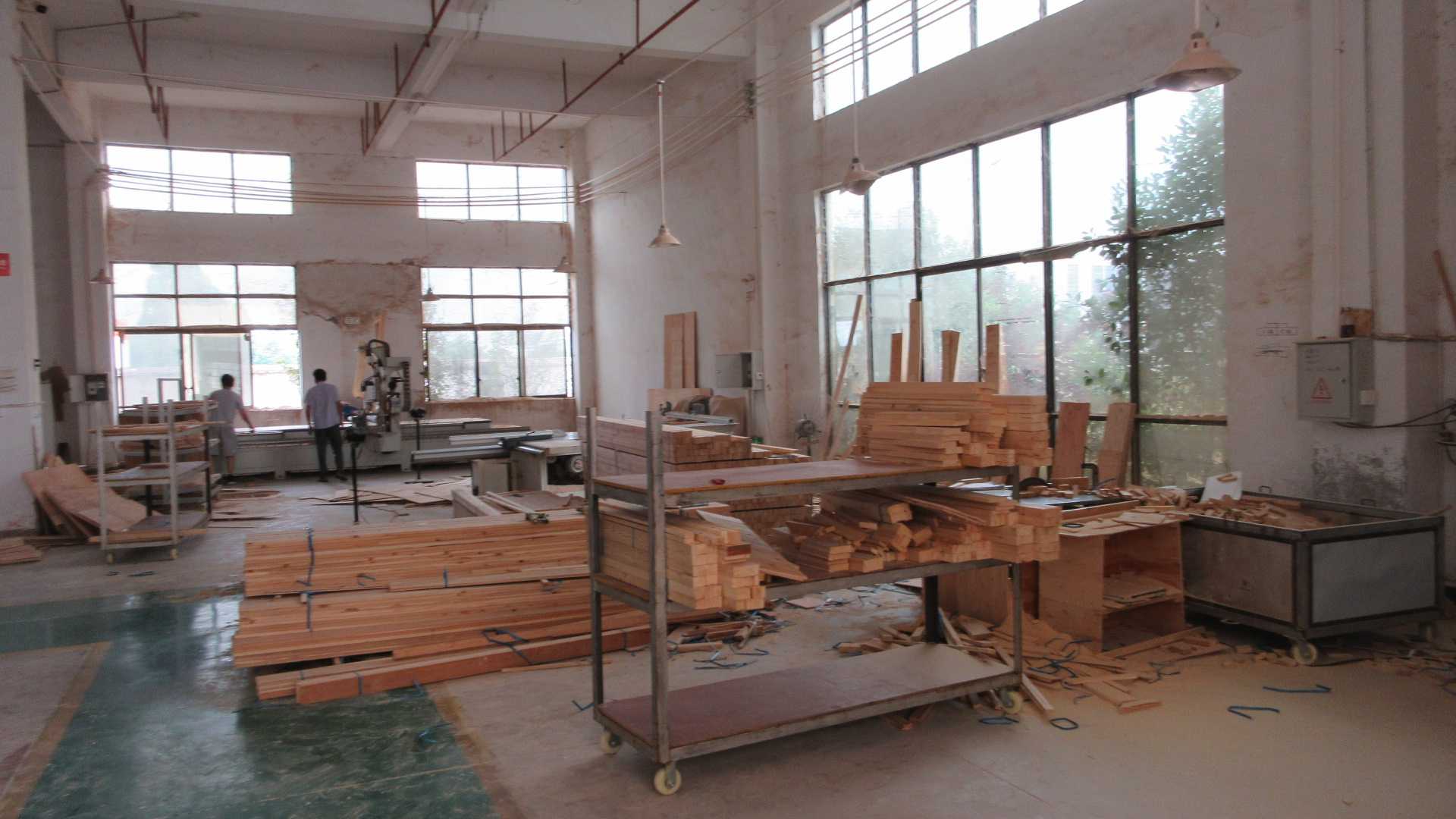
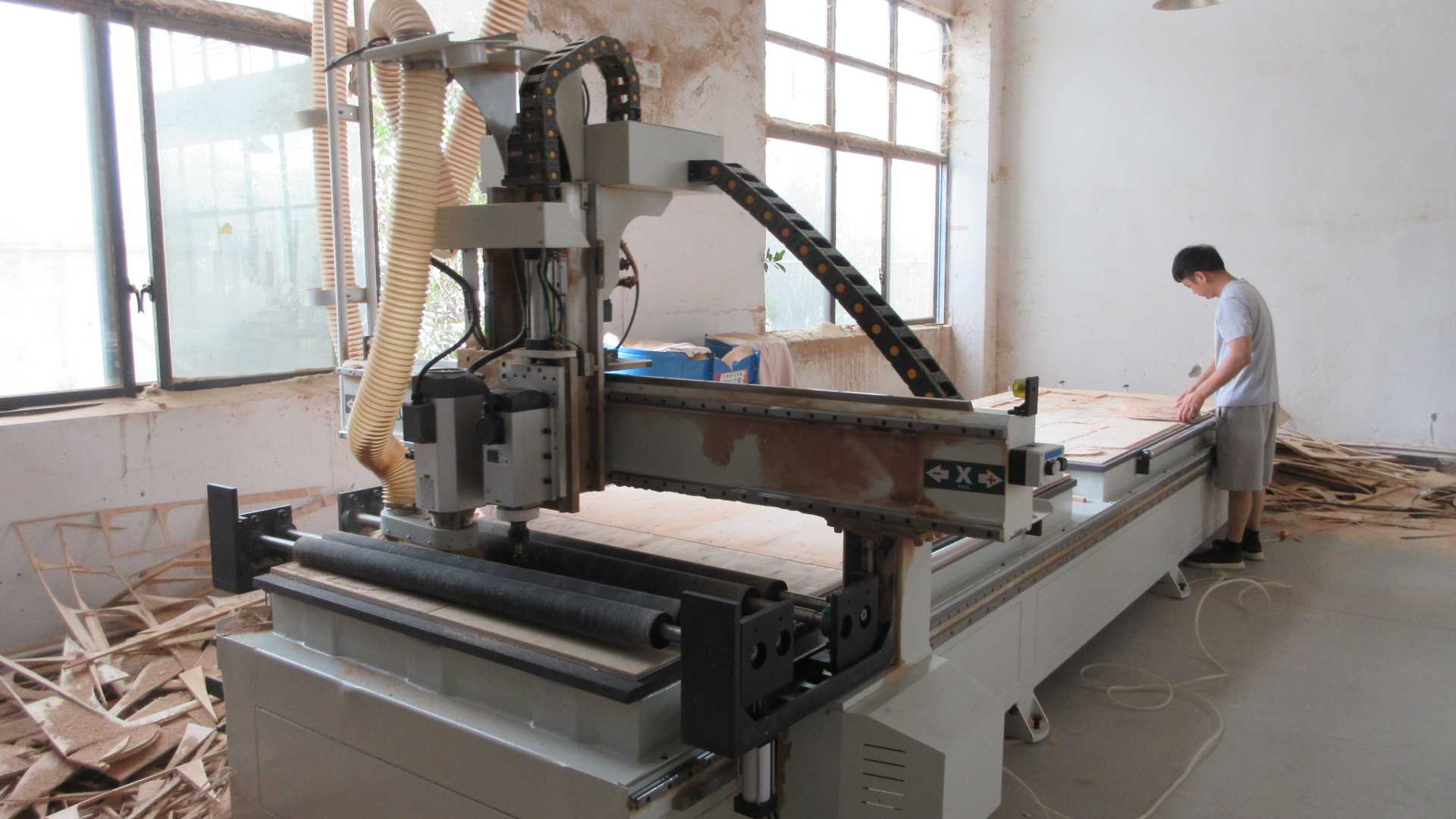
Consistent production output starts with rigorous shop-floor workflows. Below is our visual step-by-step production framework, displaying how we maintain zero-tolerance defect rates throughout our automated facilities:
Raw Material Inspection
Raw Material
Precision Wood Cutting
Wood Cutting
Wood Frame Assembly
Wood Frame Assembly
Cotton Cutting
Cotton Cutting
Apply Cotton Padding
Leather Cutting
Leather Cutting
Sewing & Upholstery
Sewing
Finished Product Assembly
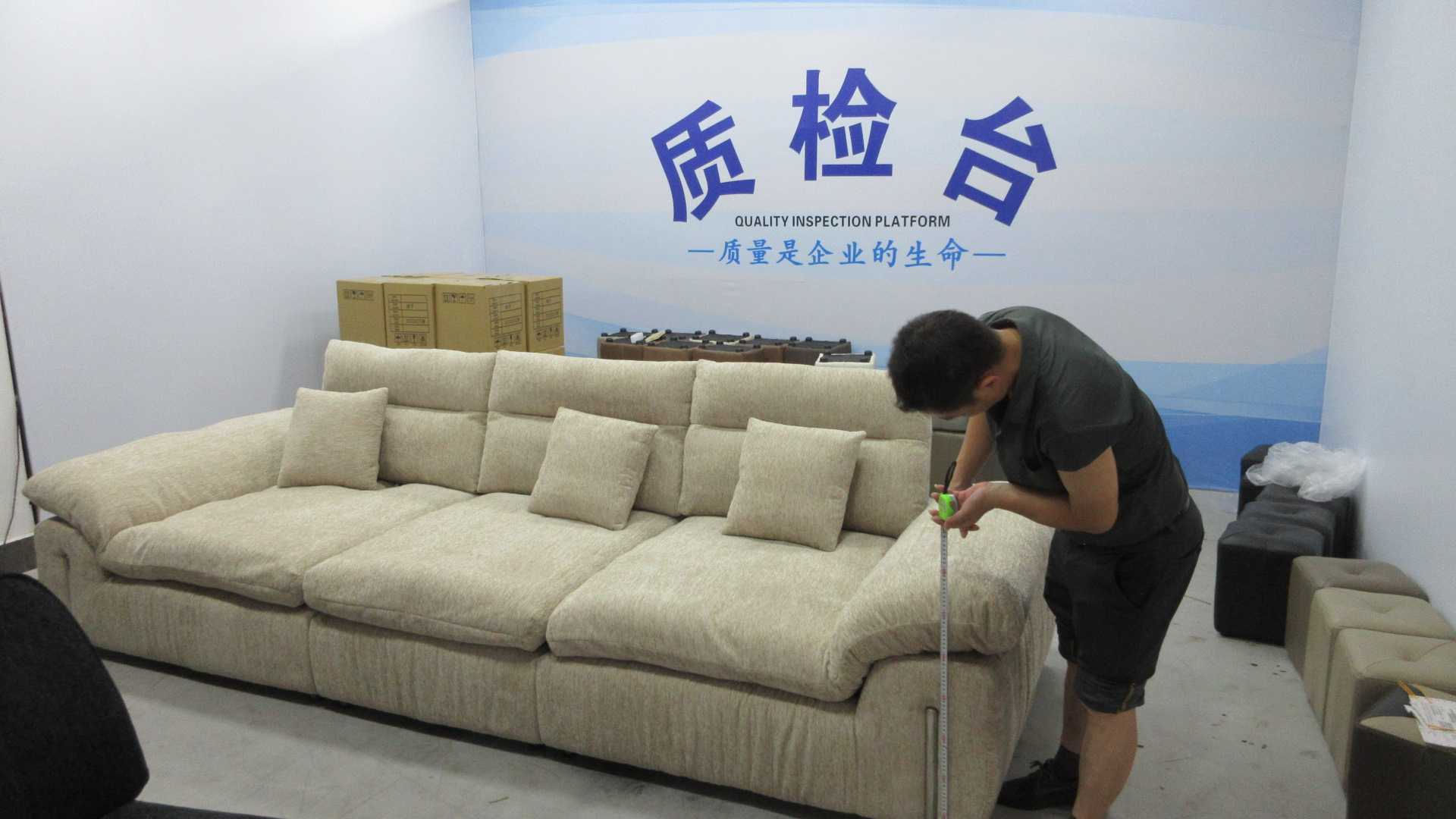
Quality Check Standard
Quality Check
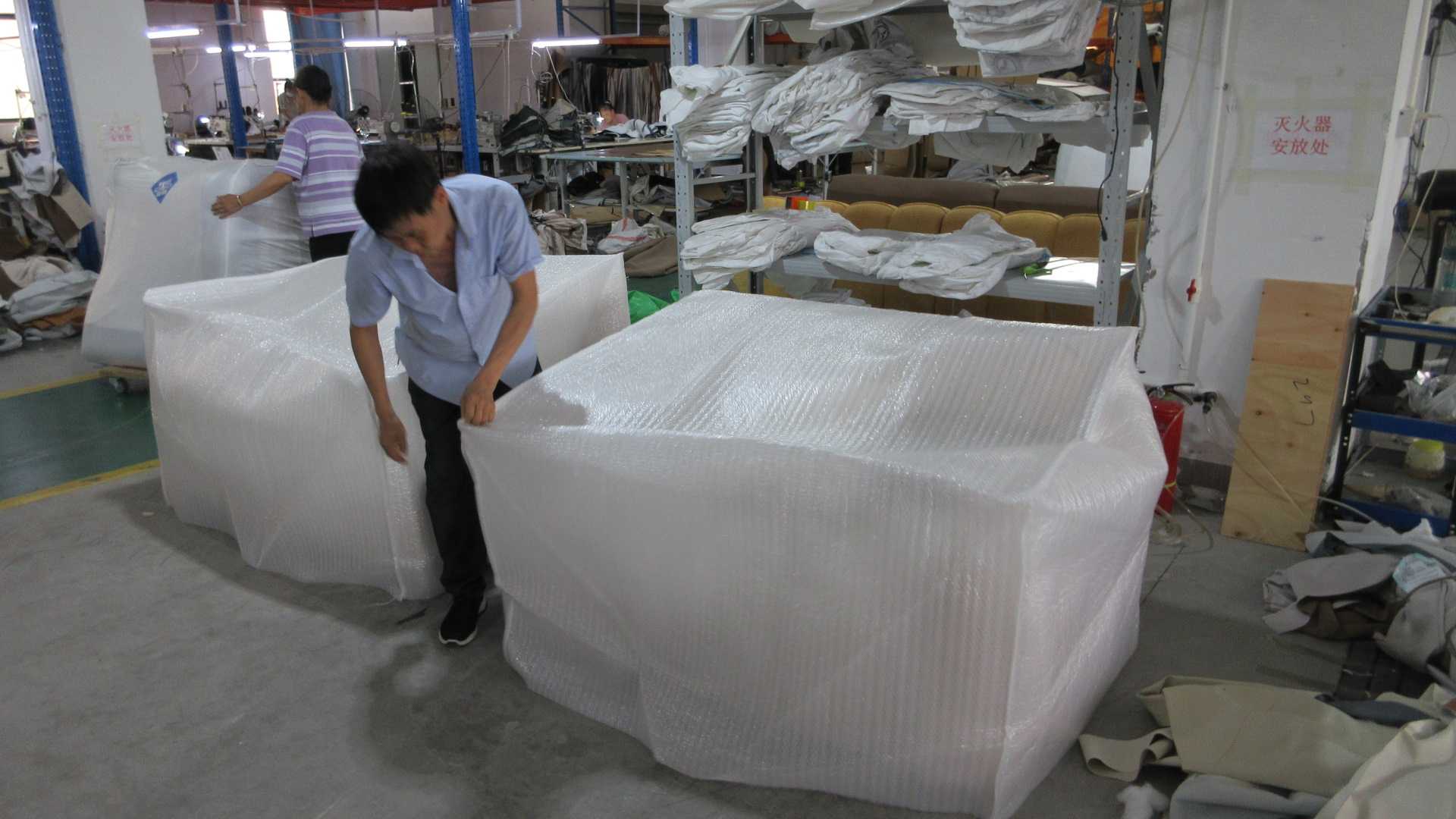
Export Packing
Packing
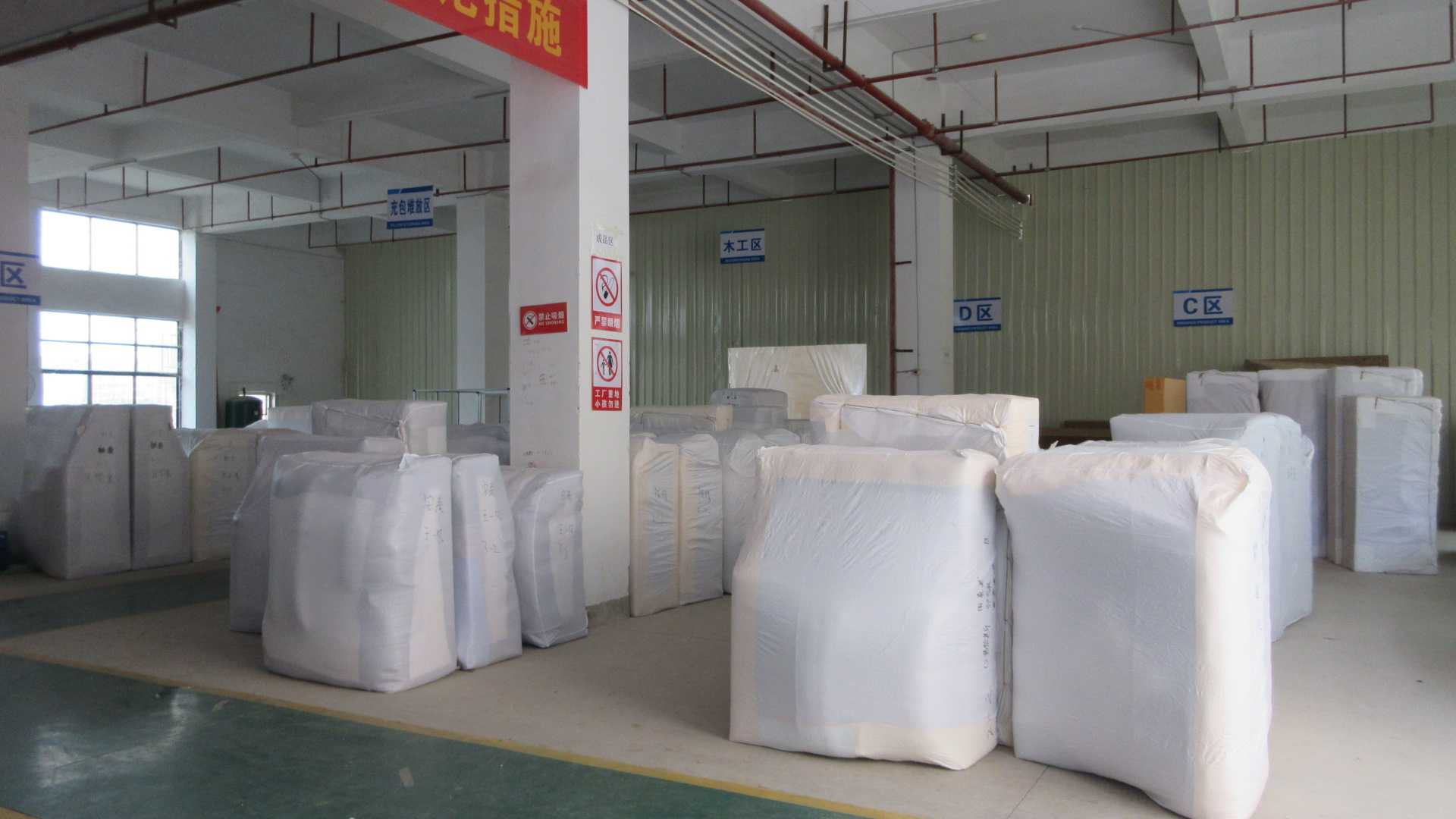
Finished Goods Warehouse
Finished Goods
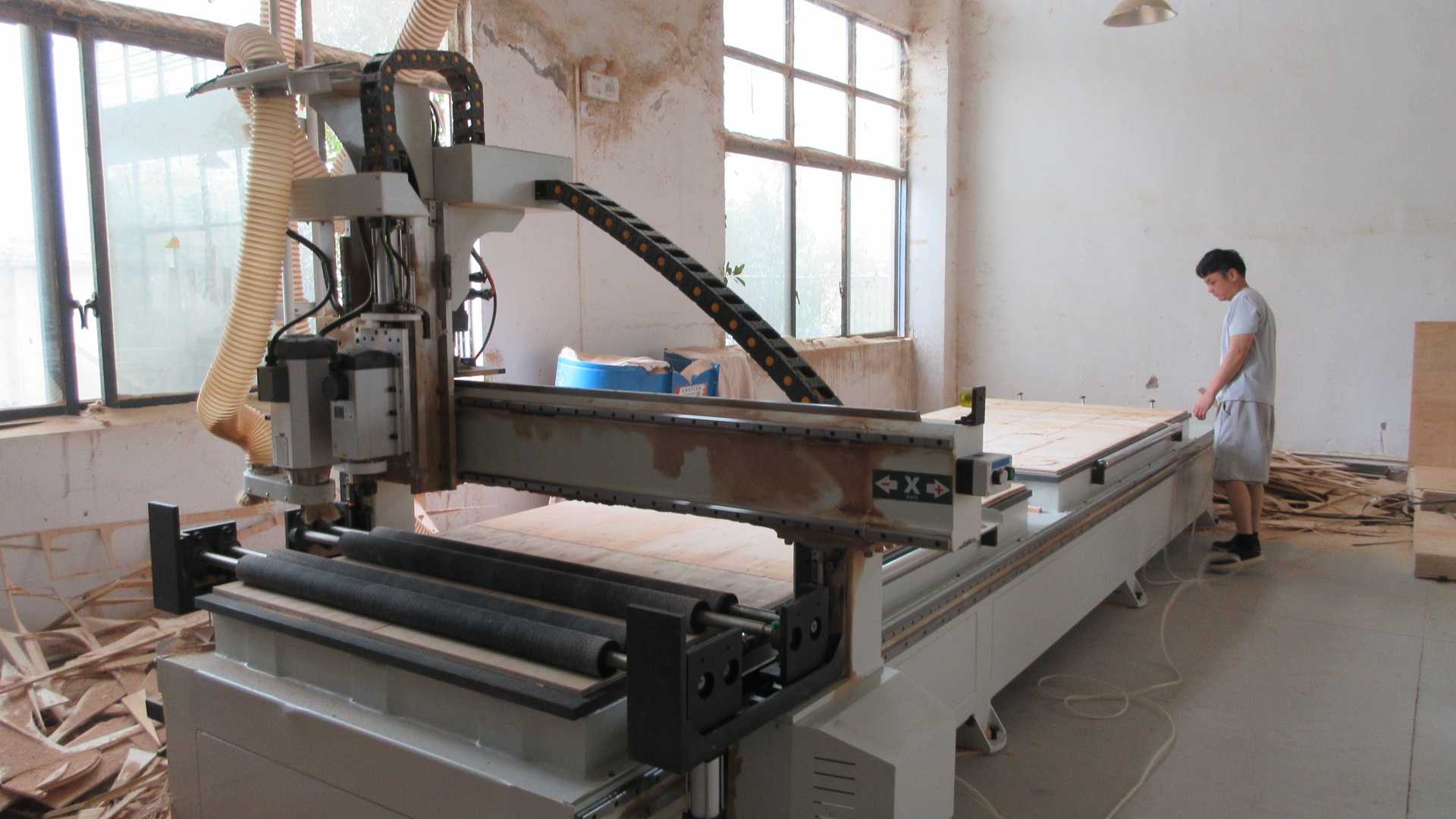
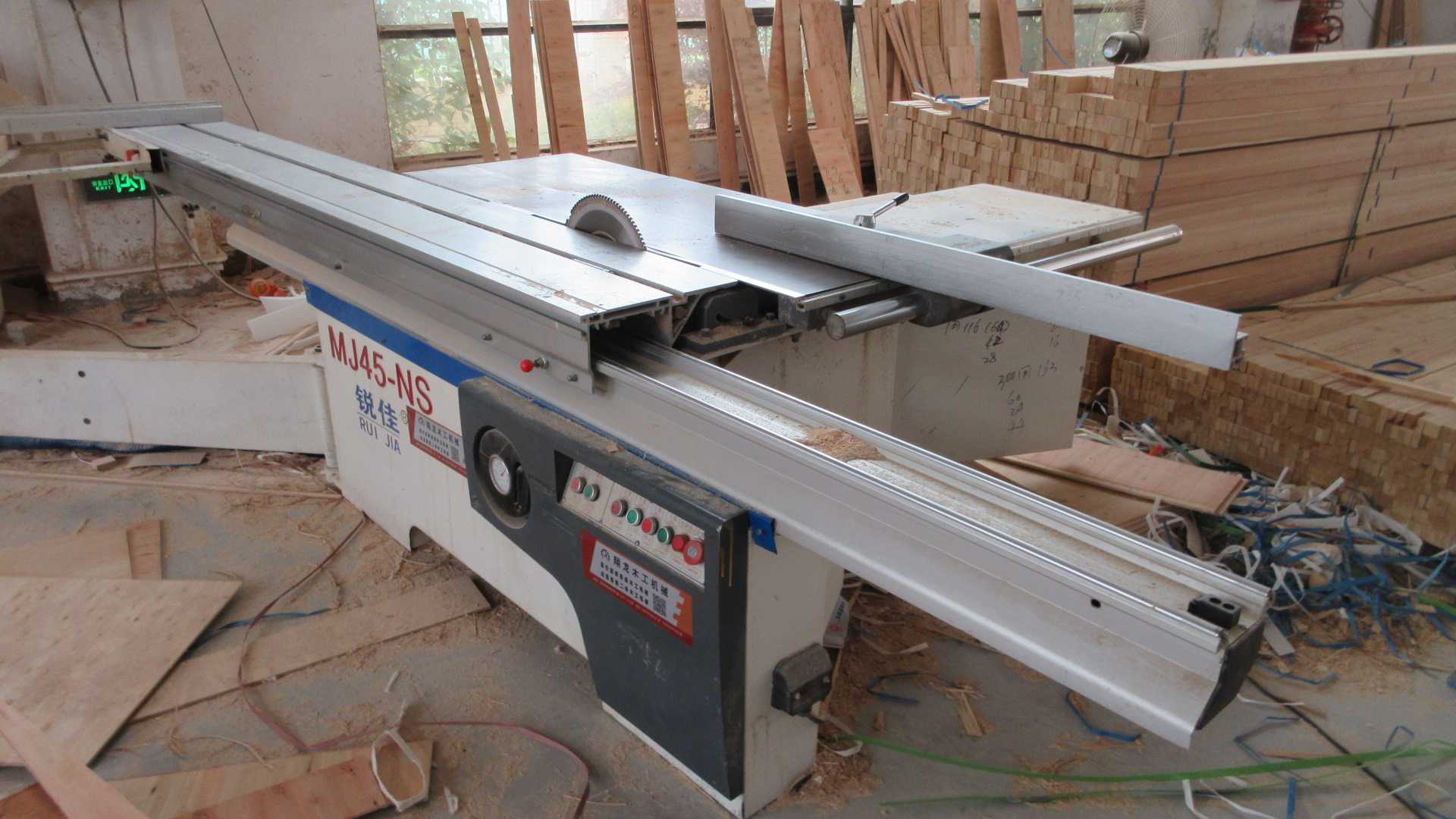
Automatic Sawing Machinery
Automatic Sawing
Precision Sawing Machine

Localized Commercial & Residential Application Scenarios

How our glider chairs perform in diverse private and public environments globally.

Glider chairs are no longer confined to the baby nursery. Today, commercial architects and interior designers integrate gliders into various environments, leveraging their unique health and therapeutic movement benefits.

Pediatrics & Healthcare

In pediatric wards, maternal-infant care units, and senior living facilities, specialized gliders are clinical essentials. Upholstered with antimicrobial, easy-to-sanitize medical-grade synthetic leather, they support new mothers during breastfeeding and offer non-pharmacological calming motion therapy for distressed infants or dementia patients.

Hospitality & Luxury Resorts

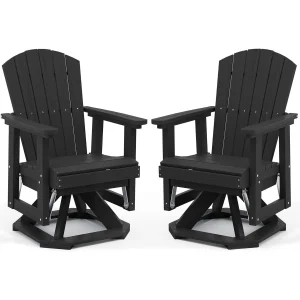
Premium hotels and outdoor eco-resorts position weather-resistant all-weather glider setups on balconies, terraced lawns, and pool decks. HDPE Adirondack swivel gliders are highly valued here, resisting salt spray corrosion, intense UV radiation, and heavy rainfall while maintaining their luxurious wood-grain finish.

Modern Residential Living Spaces

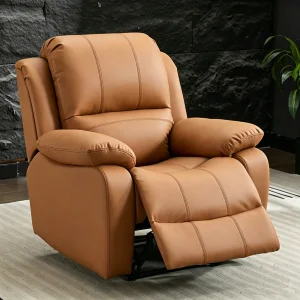
From minimal urban apartments to spacious suburban family rooms, motorized and space-saving gliders double as stylish accent chairs. Using premium top-grain leather or textured boucle, residential gliders integrate with smart-home systems to offer customized reclining profiles for reading, watching television, or relaxing.

Technical FAQ & Procurement Insights

Addressing the core questions asked by B2B buyers, sourcing managers, and compliance auditors.

What testing standards do Zhejiang MAZIS glider chairs comply with?
Our commercial-grade glider chairs are tested against the rigorous ANSI/BIFMA X5.1 standards for office and lounge seating, ensuring structural integrity over 100,000 mechanical glide repetitions. Additionally, our fabrics meet California Technical Bulletin 117-2013 (CAL 117) and European REACH flame retardancy and chemical toxicity regulations.
What is your Minimum Order Quantity (MOQ) for custom OEM/ODM production runs?
Our standard factory MOQ starts at 50 units per design variant for fabric customization. For major ODM re-engineering of the internal steel glider frame, the minimum runs begin at 100-200 units, depending on the tooling adjustments required. We also accommodate mixed-container orders for established distribution networks.
How does MAZIS ensure the quality and quietness of the glider's linkage system?
We use precision-machined, high-strength carbon steel linkages with enclosed ball bearings lubricated with specialized, non-migrating synthetic grease. Every single batch undergoes load-bearing kinetic tests, ensuring noise levels remain under 30 decibels during operation to eliminate squeaks and friction-related structural wear.
Do you offer flat-pack (Knock-Down) options for e-commerce retailers?
Yes. We specialize in designing knock-down (KD) packaging solutions optimized for mail-order delivery (ISTA 3A package standards). This dramatically reduces shipping volumes, minimizing residential delivery costs and optimizing retail warehousing efficiency for digital and traditional store platforms.
How does MAZIS handle quality control for raw materials like lumber and steel?
Our IQC (Incoming Quality Control) team tests every delivery. Lumber must meet moisture-content thresholds (8%-12%) to prevent cracking and warping. Steel tubing undergoes wall-thickness testing via digital calipers, ensuring high-tensile resistance under heavy load requirements.
All glider chair Products