Engineered to BIFMA structural standards, delivering targeted lumbar relief and resilient synchro-tilt performance.
Analyzing global B2B procurement trends, macro-economic shifts, and the surging demand for ergonomic workspace infrastructure.
Modern workplaces are shifting from static, rigid seating to dynamic, health-centric furniture. Global procurement models now emphasize occupational longevity, driving significant investment in high-performing swivel designs.
By leveraging regional clusters and specialized material suppliers, manufacturers are optimizing lead times and components. This vertical integration allows for scalable, highly cost-effective production runs.
Enterprise procurement departments mandate compliance with international performance guidelines. Products undergo strict mechanical testing for load limits, tilt cycles, and mesh elasticity before shipment.
Strategic Growth Insight: Global enterprise procurement has evolved. B2B buyers no longer evaluate swivel chairs purely based on cost per unit. Modern procurement directives prioritize orthopedic prevention metrics (such as pelvic stabilization and dynamic thoracic tracking), extended structural warranty lifespans (8-10 years minimum), and direct supply-chain transparency. Companies sourcing at scale must partner with factories that offer certified traceability across all components, from pneumatic gas cylinders to recyclability of the structural mesh polymers.
Demystifying the technical configurations that separate standard task chairs from high-performance ergonomic solutions.
A professional-grade swivel chair is an intricate assembly of mechanical linkages designed to mitigate the physical strain of prolonged sedentary work. The human spine is not structurally optimized for prolonged static loading. In a seated position, pressure on the intervertebral discs increases by up to 40% compared to standing. Modern ergonomic engineering aims to stabilize the pelvis, preserve the natural lordotic curve of the lumbar spine, and encourage active sitting.
The foundation of any high-performance ergonomic chair is its ability to support the lower spine. When a user sits, the pelvis naturally tilts backward, flattening the lumbar curve. This misalignment leads to unequal pressure distribution on the intervertebral discs and strain on the surrounding muscle groups. High-end swivel chairs incorporate dynamic, height- and depth-adjustable lumbar support modules. These systems apply firm, targeted pressure to the L3-L5 vertebrae, encouraging the pelvis to maintain its natural anteverted alignment. Advanced models feature self-adjusting tension systems that automatically calibrate resistance based on the user's weight, keeping the spine in balance without manual adjustment.
Traditional chairs rely on basic pivot joints that tilt the seat and backrest at a 1:1 ratio. This design compresses the abdomen, reduces the hip angle, and pulls the user's feet off the floor, restricting circulation. Modern professional seating uses synchronized tilt mechanisms, typically featuring a 2:1 or 3:1 ratio. As the backrest reclines, the seat pan tilts at a much lower angle. This relative motion keeps the user's hips open, maintains a stable center of gravity, and ensures their feet remain flat on the floor. This structural synchronization supports healthy blood flow and allows the user to transition smoothly between tasking and resting postures.
The choice between mesh and upholstered foam is more than just cosmetic; it dictates the distribution of pressure across contact zones.
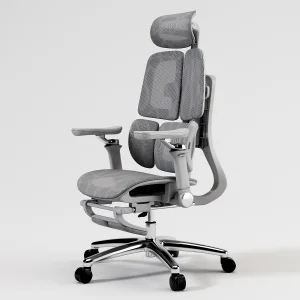
Repetitive strain injuries (RSI) in the neck and shoulders are often linked to unsupported forearms. Standard fixed arms force users to either hunch forward or raise their shoulders. High-performance models feature 3D or 4D armrests that adjust in height, depth, width, and angle. These adjustments allow the user to support their arms close to their body, keeping the shoulders relaxed and reducing tension in the trapezius muscles.
Exploring the industrial advantages of Zhejiang's manufacturing corridors and the advanced production capabilities of MAZIS Furniture.
China's position as the global hub for commercial furniture production is built on robust industrial supply chains, advanced automation, and vertical integration. Major manufacturing regions, like Zhejiang Province, offer comprehensive ecosystems that house raw material processing, component manufacturing, and final assembly in close proximity. This concentrated infrastructure minimizes logistics costs, speeds up prototyping, and allows factories to scale production rapidly to meet global demand.
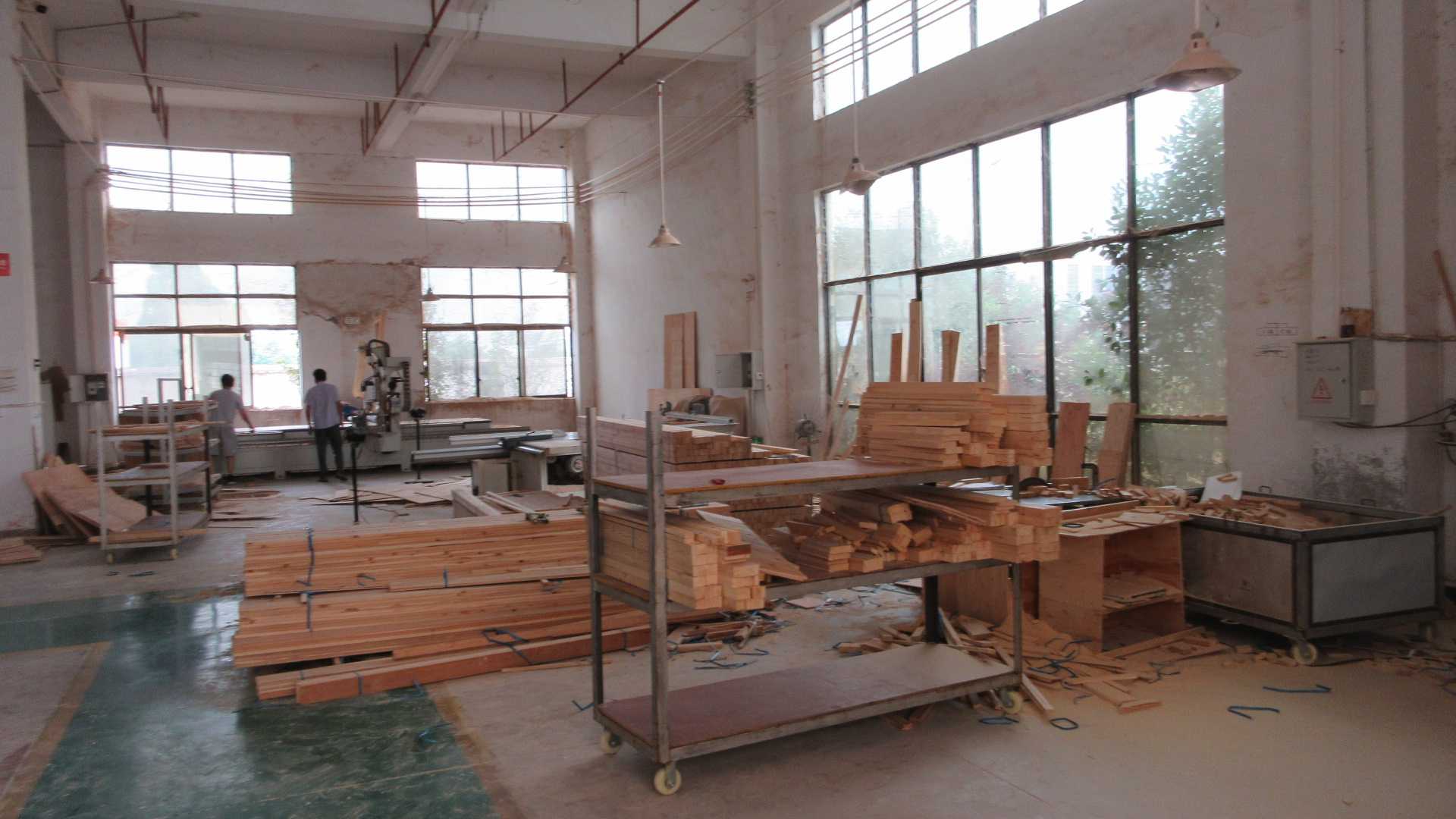
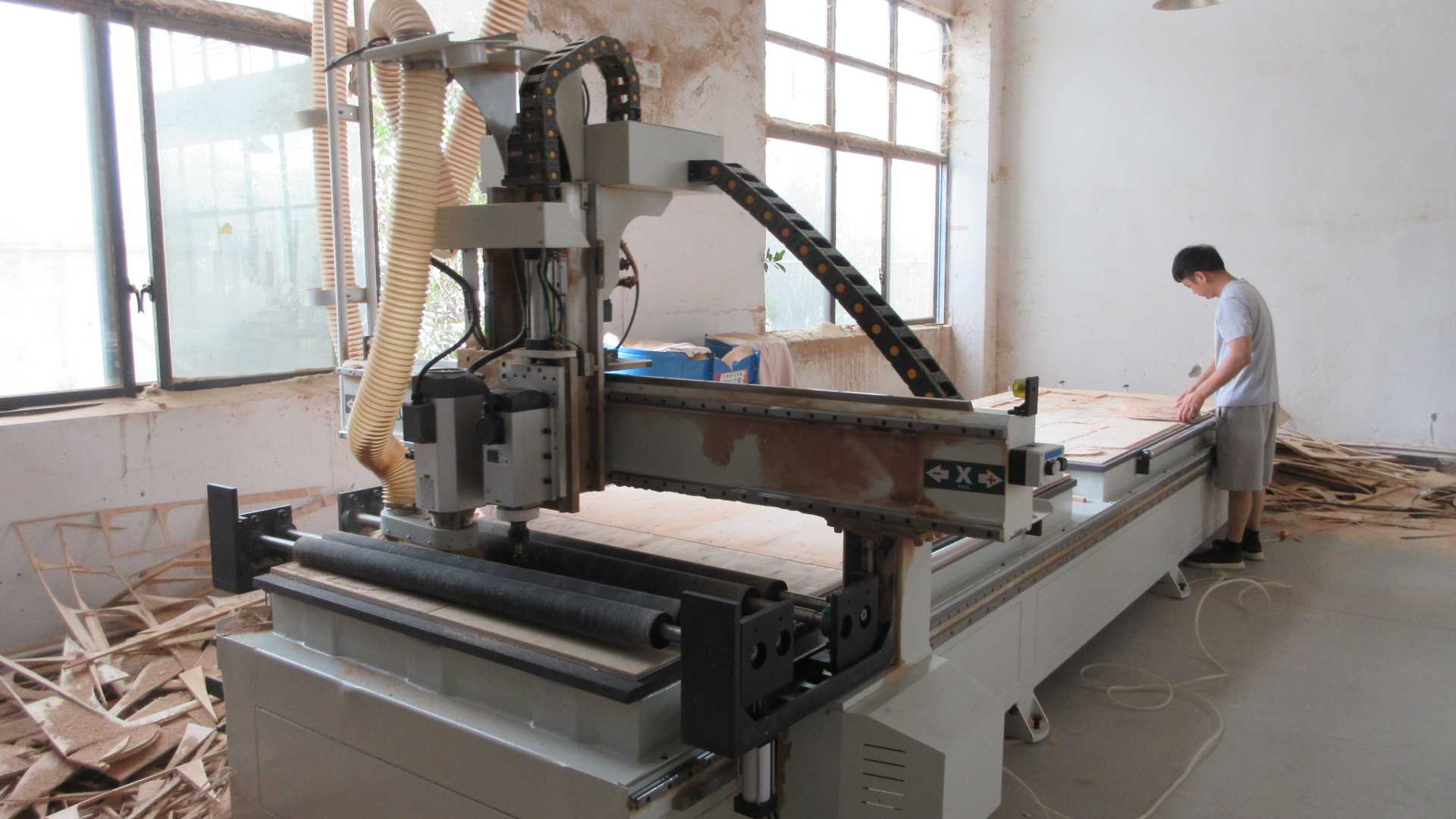
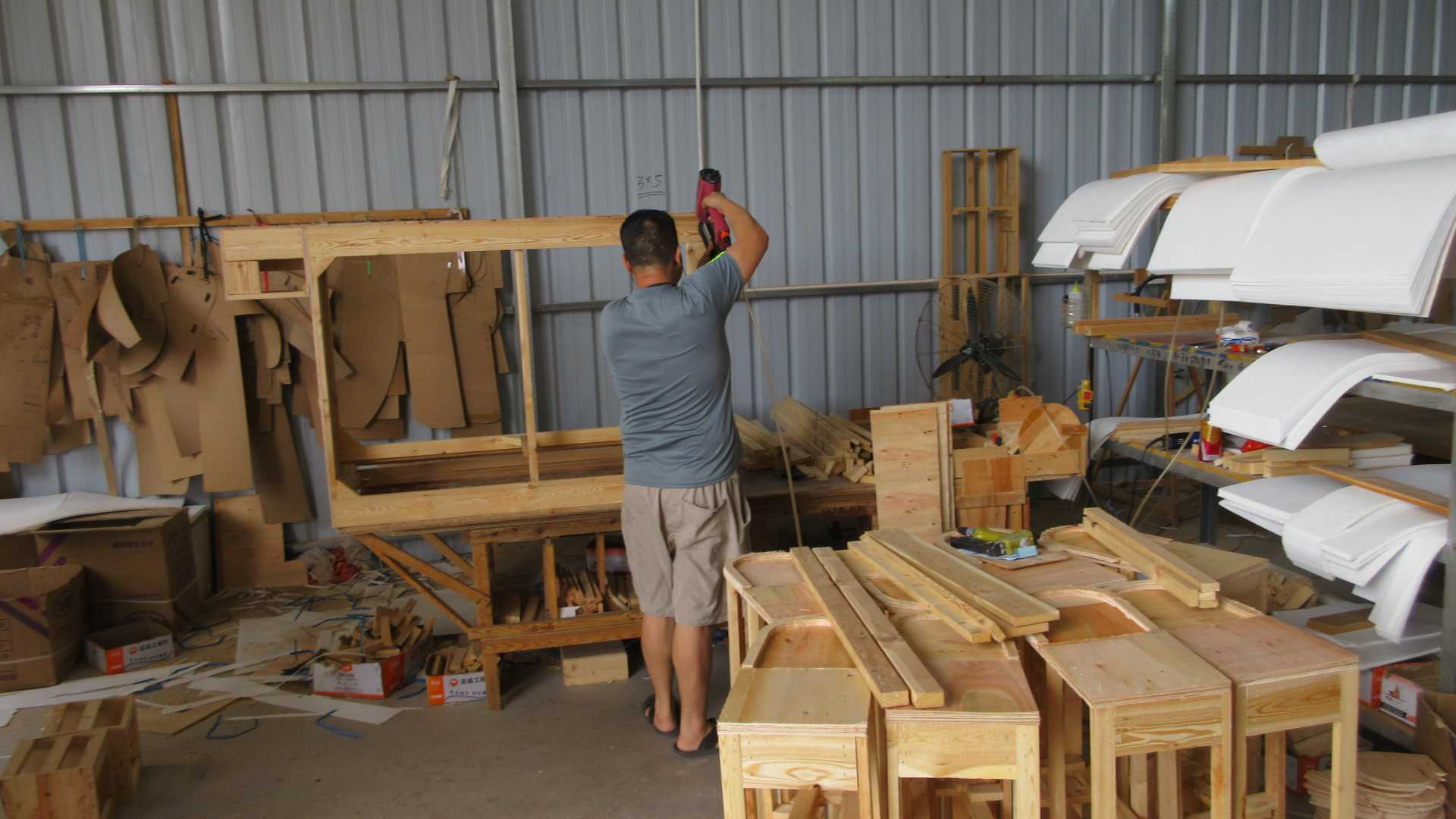
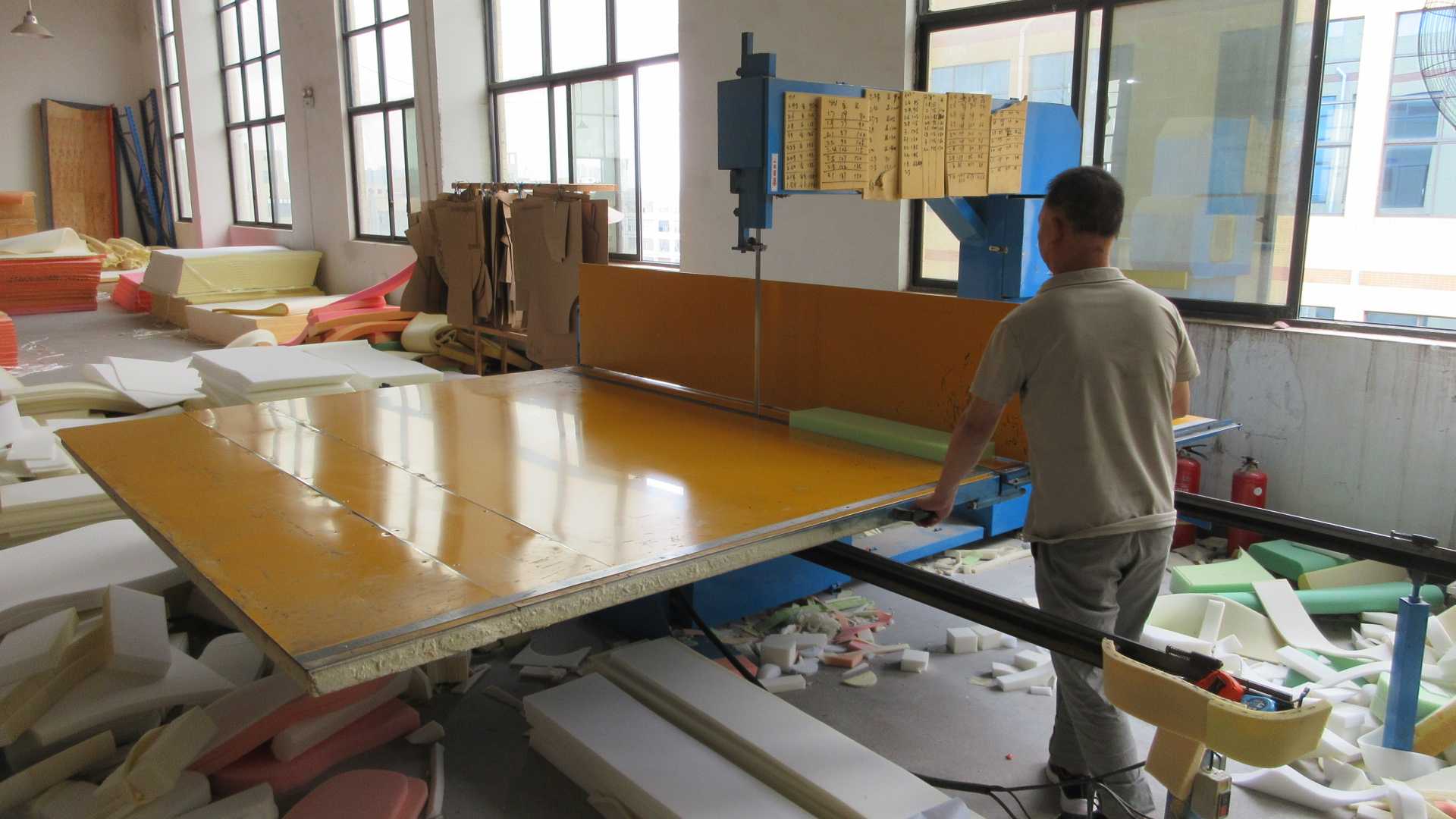
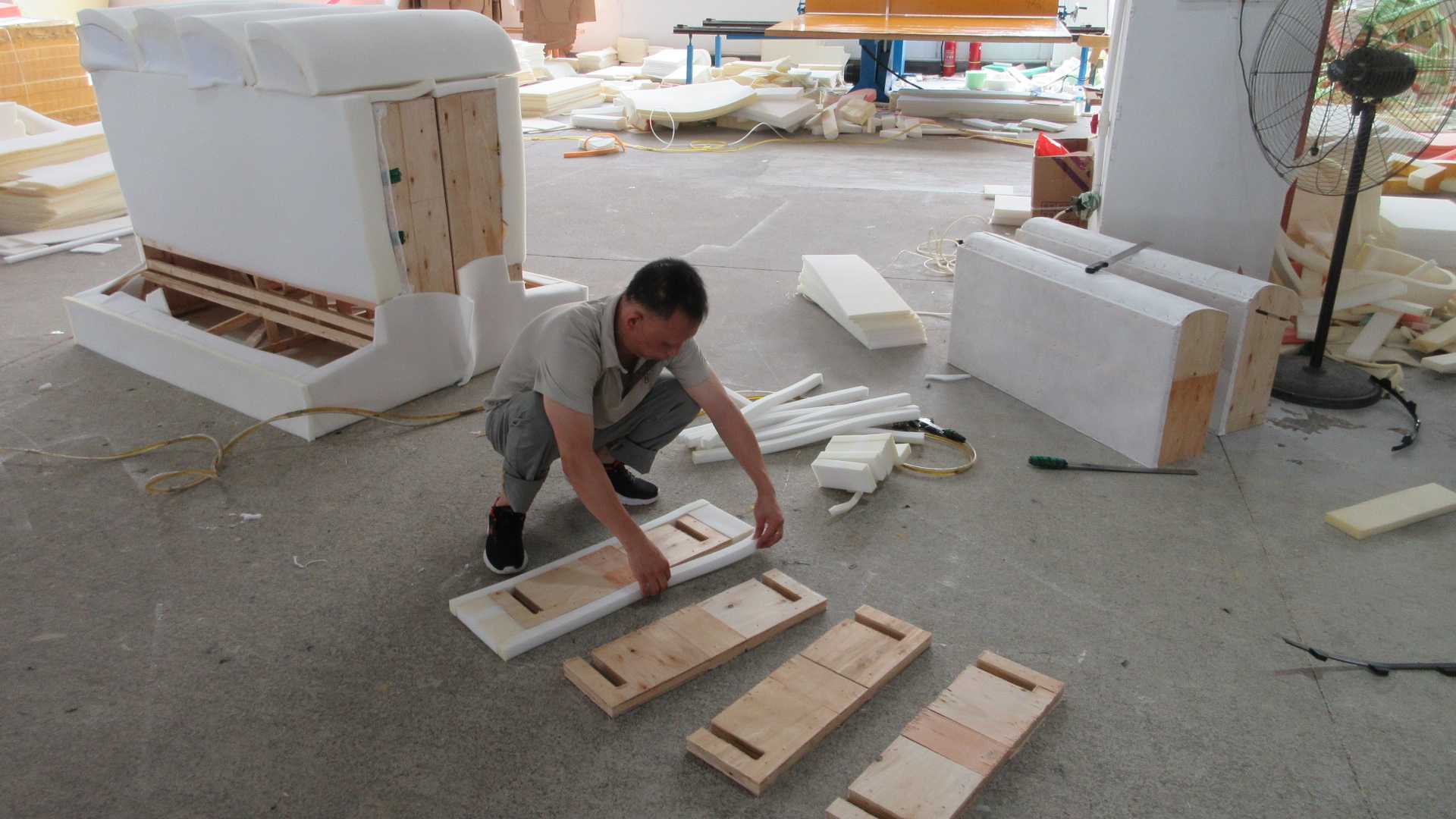
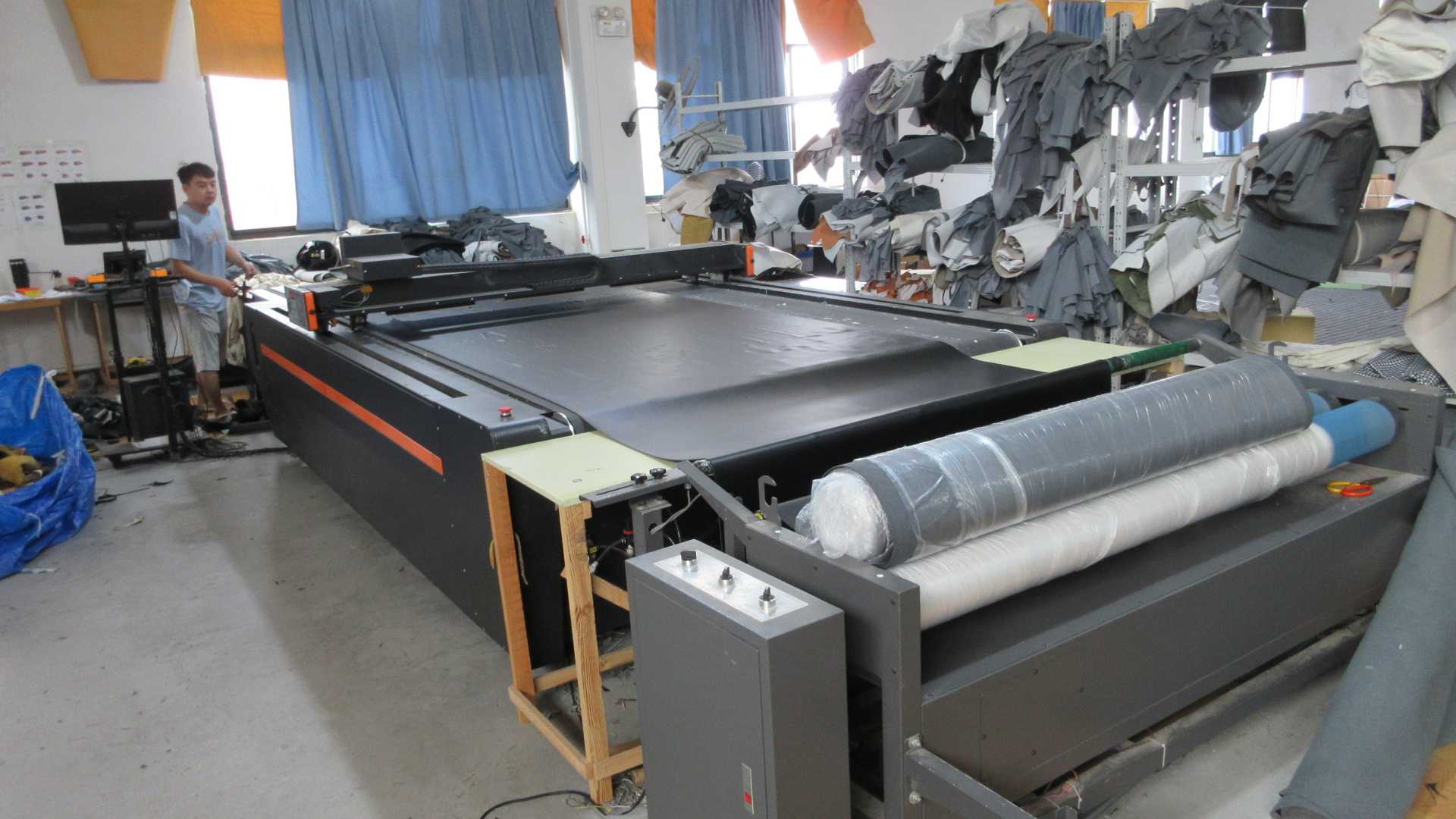
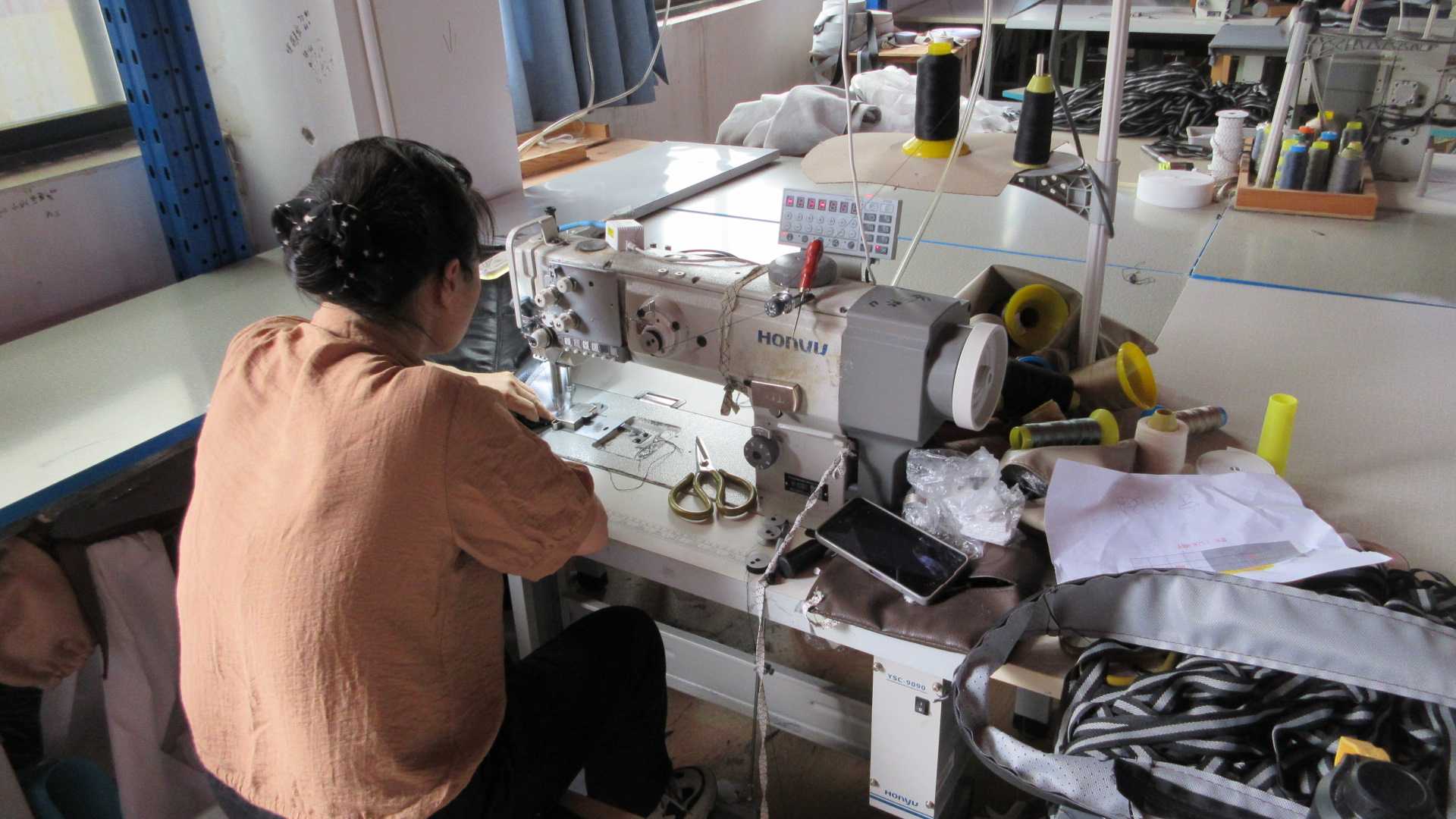
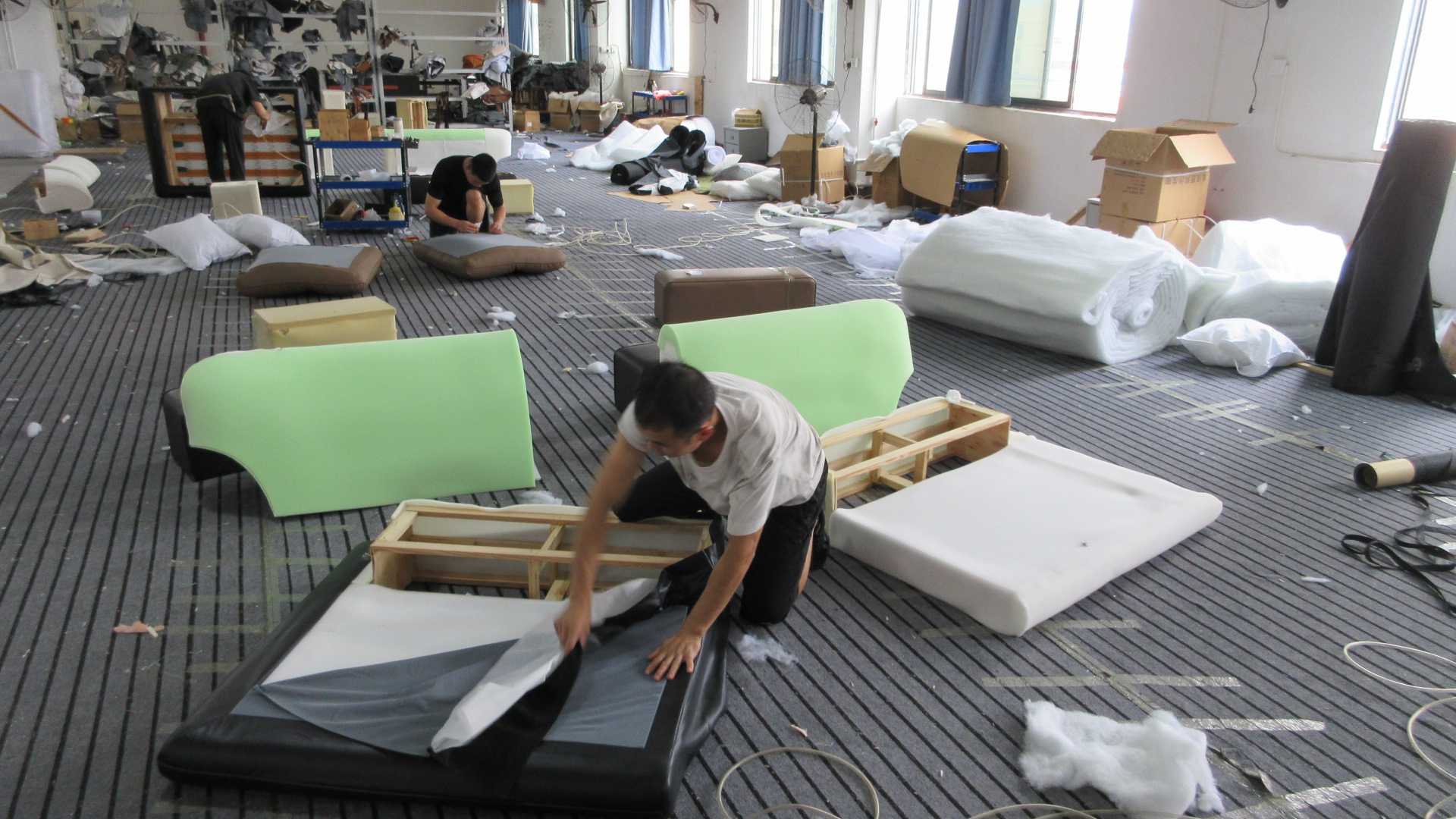
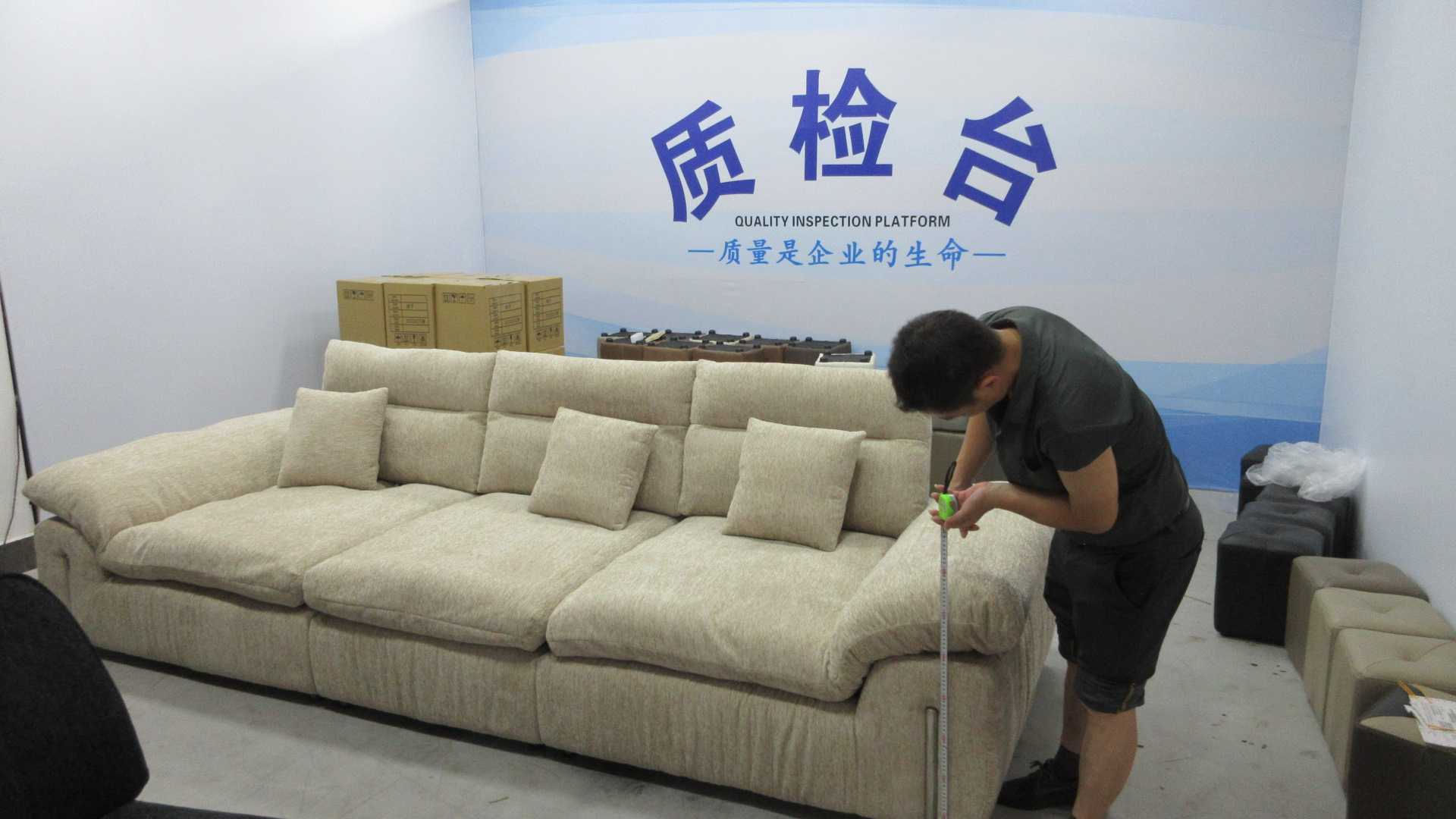
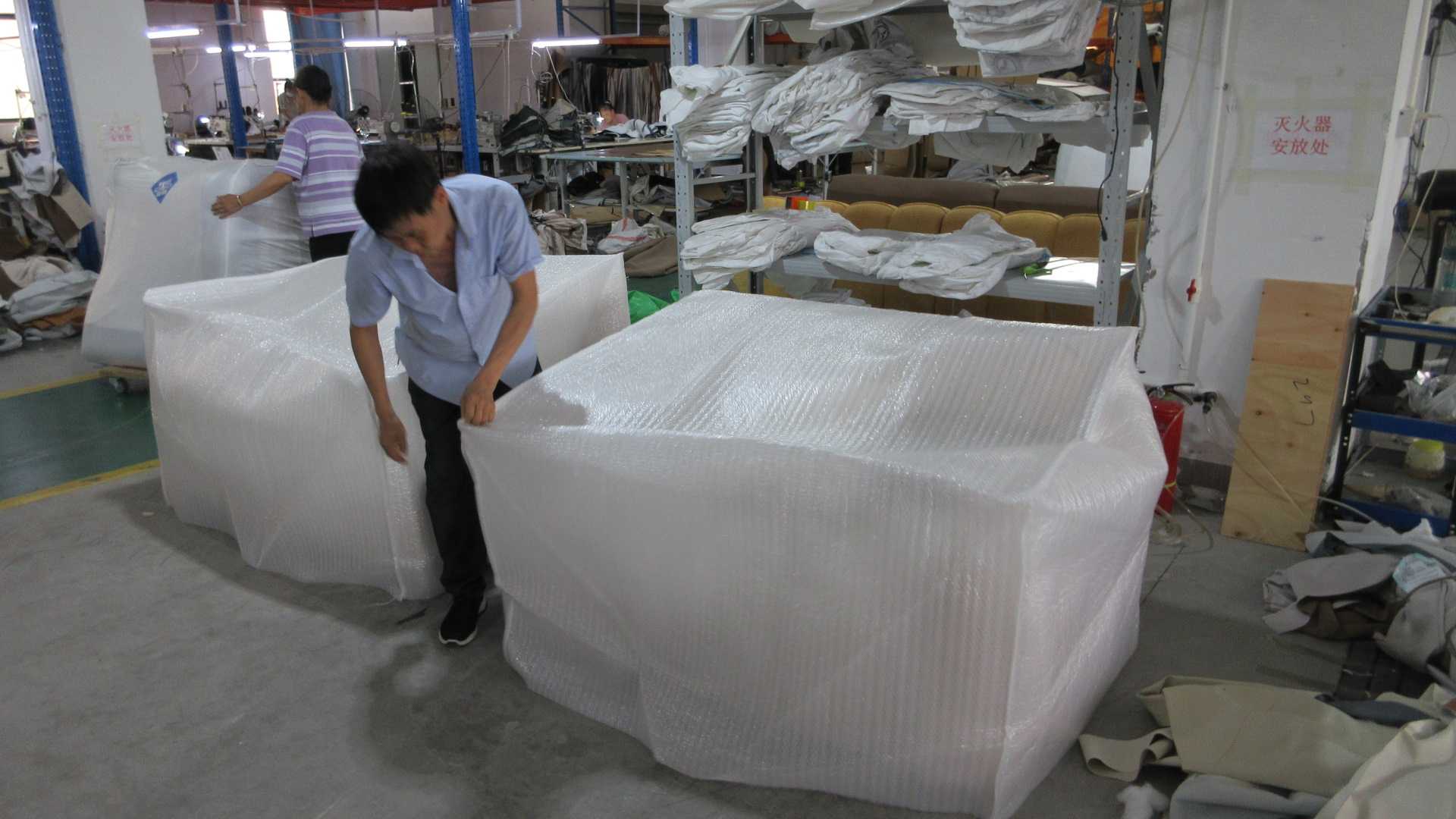
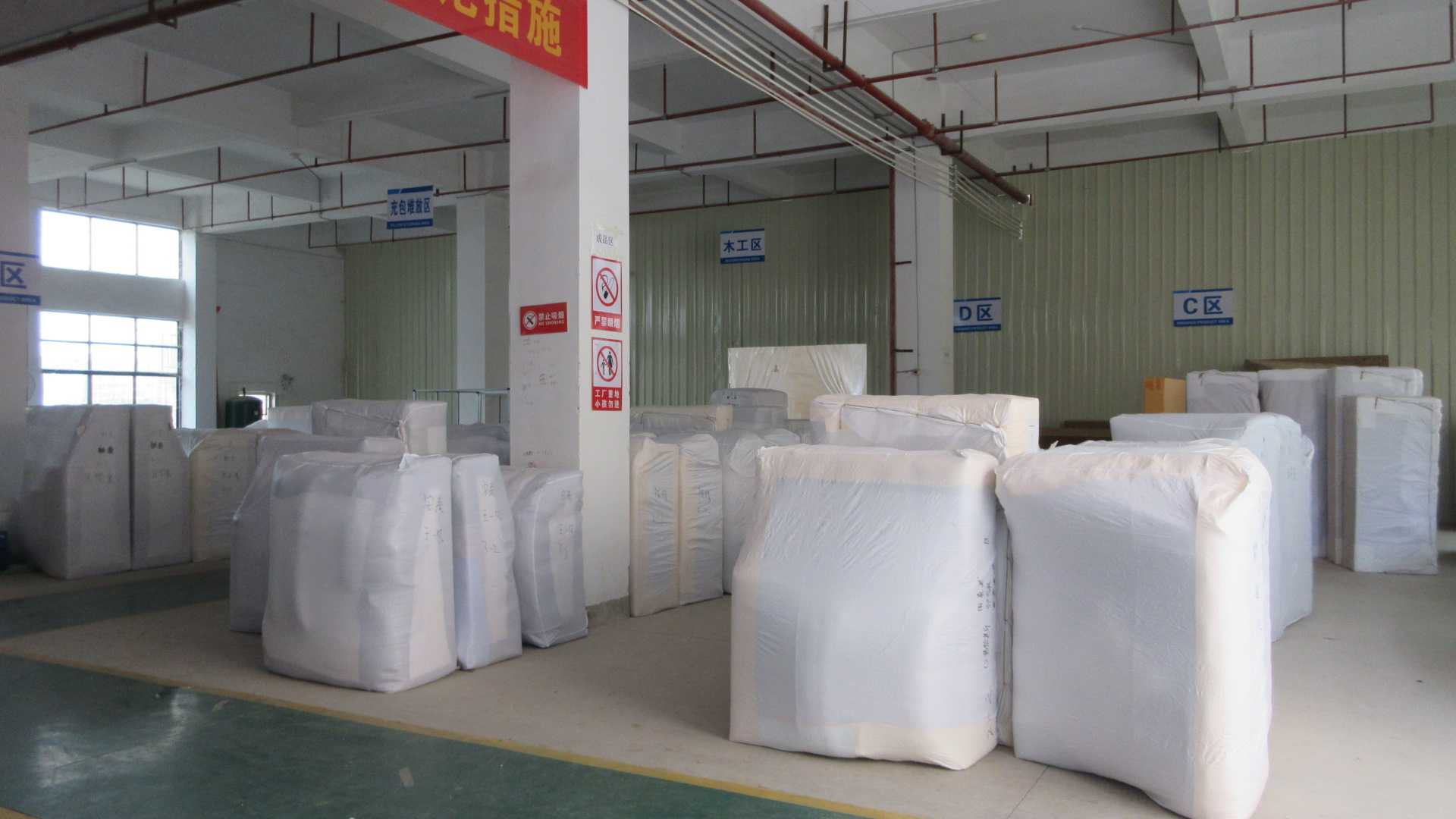
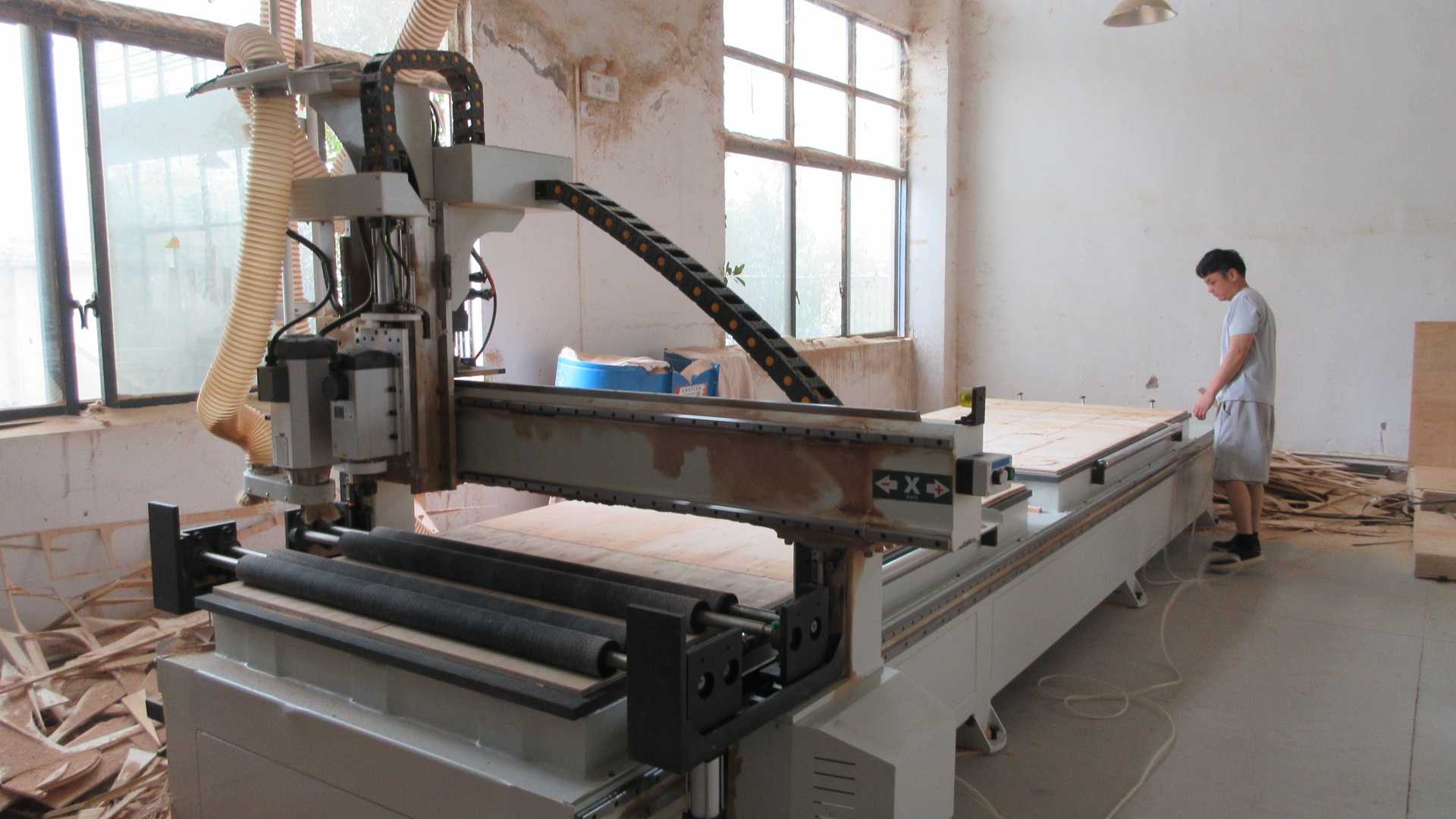
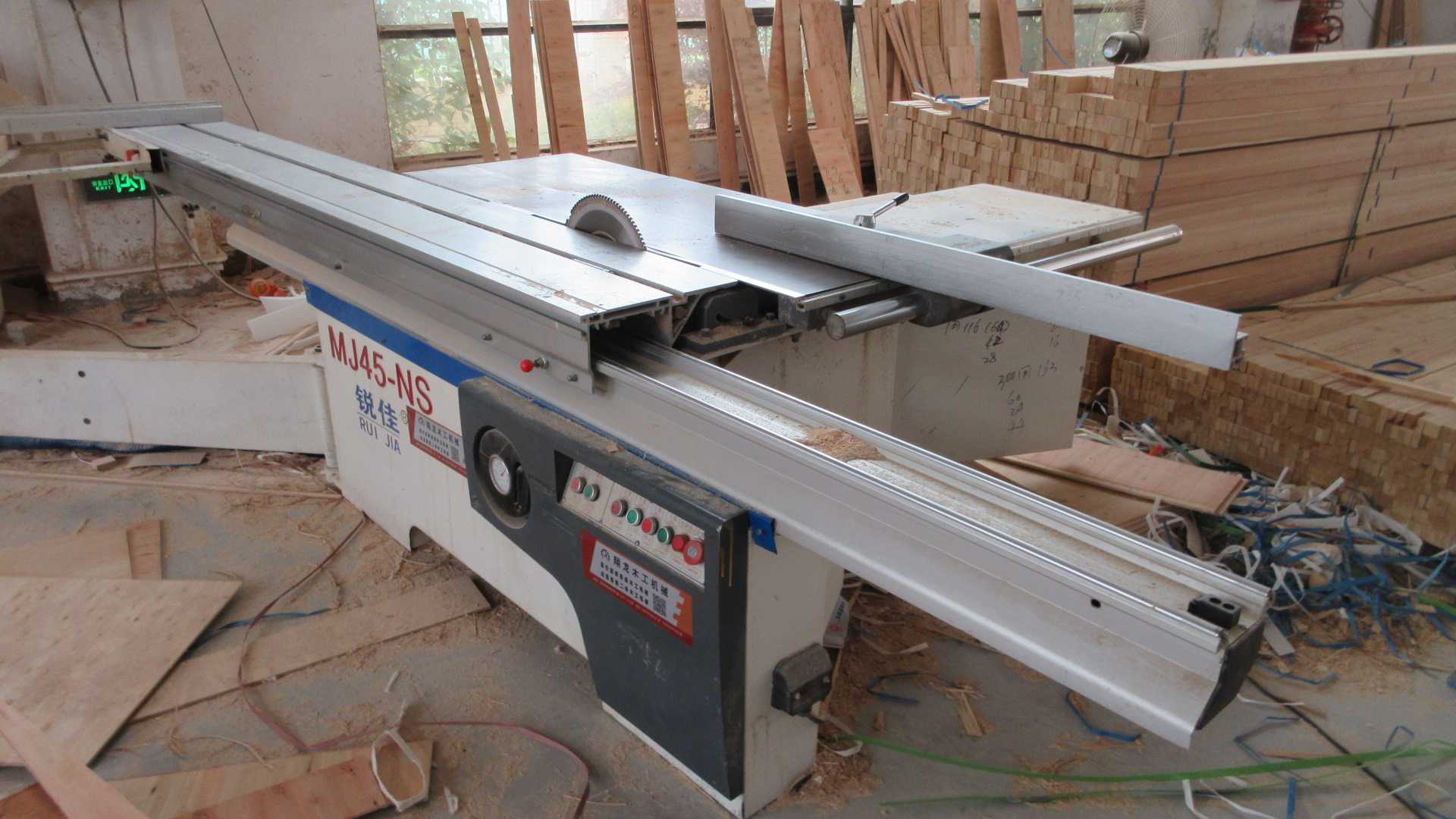
Zhejiang MAZIS Furniture Co., Ltd. combines advanced manufacturing technology with robust production capacity. The facility features automated plastic spraying lines, high-precision laser cutters, and advanced welding systems, ensuring consistent tolerances and high structural integrity across all components. Our QA workflow monitors every stage of production—from raw steel and polymer selection to load limit and tilt cycle testing. This systematic approach guarantees that every swivel chair meets high international standards for safety and longevity.
How specialized swivel chairs meet the unique physical and aesthetic demands of different modern environments.
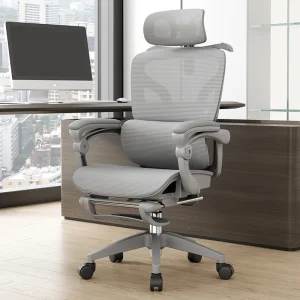
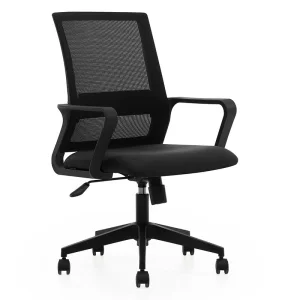
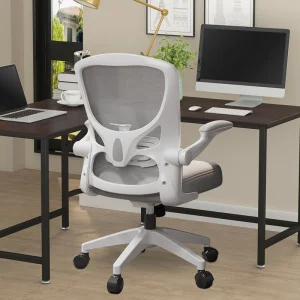
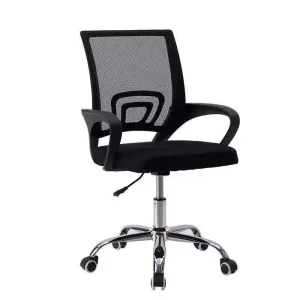
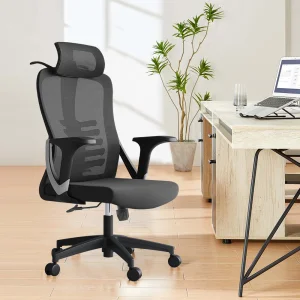
Designed for dynamic, collaborative spaces and long work hours. These models feature highly adjustable ergonomics, including 4D armrests, synchro-tilt systems, and breathable mesh backrests, reducing fatigue and support health throughout the day.
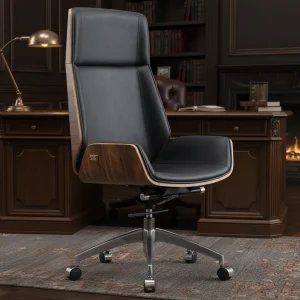
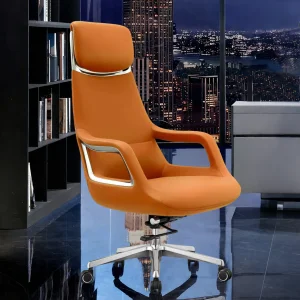
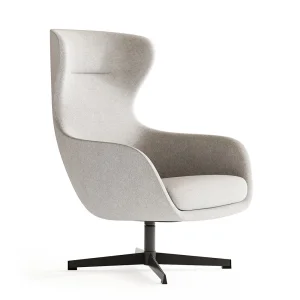
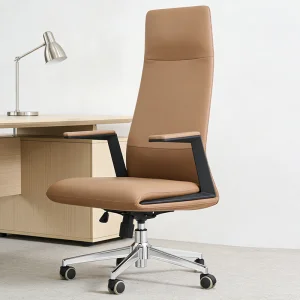
Combining comfort with a refined aesthetic. These premium executive chairs feature polished aluminum frames, high-density molded foam, and hand-stitched leather or synthetic upholstery, offering excellent support and a professional look.
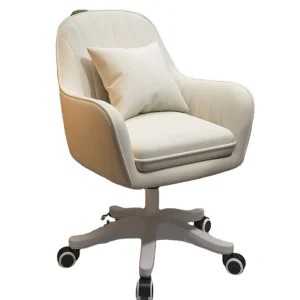
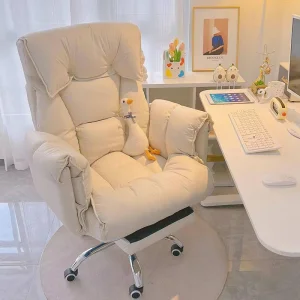
Tailored for remote and hybrid professionals. Combining space-saving profiles with professional-grade support, these chairs blend easily into residential settings without compromising on performance or comfort.
A practical blueprint for commercial furniture distributors, project planners, and procurement professionals.
Sustainability is no longer a niche preference; it is a core procurement requirement. Major enterprises are actively seeking furniture constructed from post-consumer recycled (PCR) plastics, ocean-bound plastic fibers, and fully recyclable aluminum alloys. Forward-thinking factories are adapting by sourcing certified eco-friendly materials and designing chairs for easy disassembly, ensuring that at the end of its life cycle, each component can be sorted and recycled with minimal environmental impact.
The next frontier in office seating is the integration of smart sensor technology. Embedded pressure sensors and responsive mechanical linkages are being developed to monitor user weight distribution and sitting posture in real-time. These systems can nudge the user to adjust their stance or automatically fine-tune the lumbar tension and tilt angle. This active support helps prevent long-term spinal strain and promotes better posture throughout the workday.
When selecting a supplier, look beyond aesthetic samples. Ensure your vendor's facility is certified to standard quality management protocols (ISO 9001) and request verified, third-party laboratory reports. Key criteria to evaluate include:
Expert answers to common B2B procurement queries regarding certifications, materials, customization, and lead times.
Browse our range of heavy-duty, highly adjustable task and executive chairs built for demanding workspaces.