When choosing outdoor furniture, durability is key. Also, rust resistance plays a crucial role in longevity. According to industry expert Dr. Emily Franks, “The right materials can make all the difference in outdoor longevity.” This insight highlights the importance of understanding what materials are best for rust proof outdoor furniture.
Selecting the right materials is not straightforward. Many options are available. Each material has its pros and cons, which can lead to confusion. For instance, aluminum is lightweight and resist rust effectively. However, it might not endure harsh climates as well as steel or synthetic materials. Every choice has its trade-offs, requiring thoughtful consideration and research.
Exploring options is essential. Wood, though beautiful, can require more maintenance to prevent deterioration. Meanwhile, resin and polyethylene offer strong resistance to rust but may lack the natural aesthetic some seek. When it comes to durability, choices matter. Reflecting on personal preferences and local climates can aid in making an informed decision for your outdoor space.
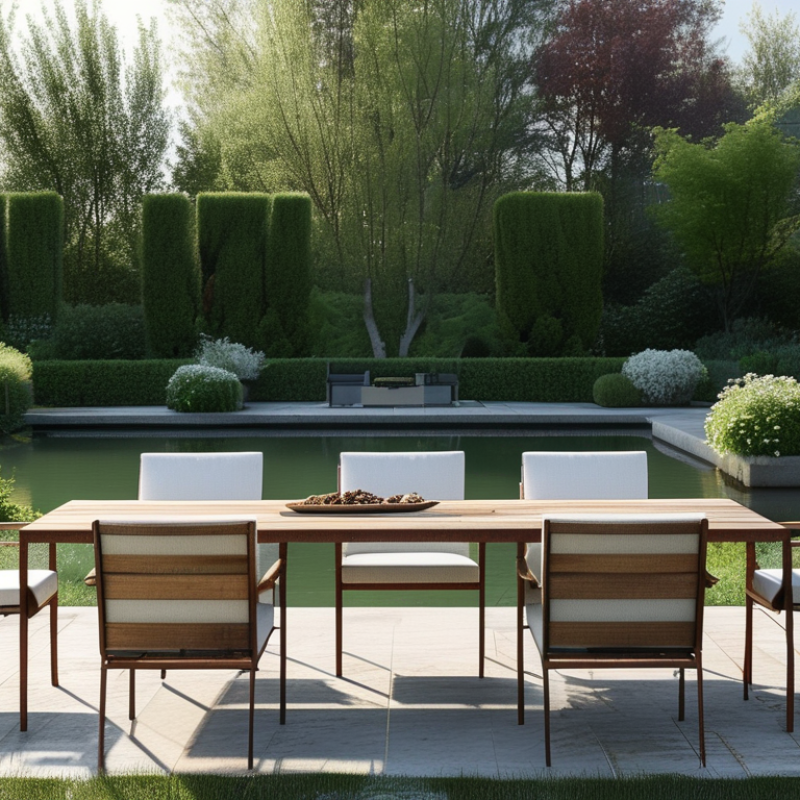
Best Materials for Rust Proof Outdoor Furniture in 2026
When choosing materials for rust-proof outdoor furniture in 2026, durability is key.
Aluminum is a popular choice due to its lightweight nature and resistance to corrosion. It can effortlessly withstand various weather conditions. Additionally, stainless steel has gained traction for its strength and sleek appearance. However, even stainless steel can develop surface rust over time if not properly maintained.
Another intriguing option is synthetic wicker. This material offers the charm of natural rattan while being highly resistant to rust and fading. Easy to clean, it is perfect for outdoor settings. But, while it looks appealing, some may find it less comfortable than traditional wood.
Recycled plastic furniture is also worth considering. This option is eco-friendly and offers excellent resistance to rust. Yet, aesthetic appeal can vary. Some pieces may appear more utilitarian than stylish. Finding that balance between beauty and functionality remains a challenge for outdoor furniture design.
Understanding the Importance of Rust Resistant Materials in Outdoor Furniture
When choosing outdoor furniture, rust resistance is crucial. Rust can severely shorten the lifespan of metal furniture. This is especially problematic in regions with high humidity or frequent rainfall. Selecting suitable materials directly influences durability and maintenance needs.
Stainless steel is a popular option. It combines strength with aesthetic appeal. However, not all stainless steel is created equal. Some grades are more resistant to rust than others. Aluminum is another good choice; it's lightweight and corrosion-resistant. Yet, it can be less sturdy than steel in extreme conditions.
Wood can also be an option, but it requires treatment. Untreated wood tends to absorb moisture, leading to rot. Composite materials offer a blend of realistic wood looks with durable performance. They resist fading, splintering, and insects.
Nevertheless, they may require periodic cleaning to maintain appearance. Choosing the right material for outdoor furniture is not just about style; it's also about understanding the environment in which it will be used.
Top Materials for Durability and Rust Resistance in 2026
When selecting outdoor furniture for 2026, durability and rust resistance are paramount.
Aluminum is a top choice for many homeowners. It’s lightweight yet sturdy, making it easy to rearrange.
Aluminum’s natural resistance to rust and corrosion means it can withstand harsh weather.
However, not all aluminum looks great over time—finishes can fade or peel.
Stainless steel is another excellent option. This material is known for its strength and sleek appearance.
It resists rust, but it can get hot under direct sunlight. Additionally, stainless steel may require regular maintenance to keep it looking sharp.
On the downside, it’s often heavier than aluminum. Some people may find moving it challenging.
Teak wood is favored for its aesthetic appeal. It has natural oils that offer some resistance to water and rust.
This material weathers beautifully and requires minimal effort to maintain.
However, the cost can be a barrier for some buyers. It's essential to consider the environmental impact as well.
Choosing sustainably sourced teak could be more eco-friendly but may limit options.
Aluminum vs. Stainless Steel: A Comparative Analysis for Outdoor Use
When choosing outdoor furniture, the materials used are crucial for durability and maintenance. Aluminum and stainless steel are among the most popular choices. Both materials exhibit excellent resistance to rust, making them suitable for various weather conditions. According to industry reports, aluminum is about one-third the weight of stainless steel, making it easier to move and rearrange.
Aluminum furniture can often be treated with powder coating, enhancing its resistance to scratches and fading. In fact, many studies suggest that powder-coated aluminum lasts up to 30% longer than untreated options. However, it may not be as structurally robust as stainless steel.
Stainless steel, on the other hand, offers superior strength, making it an excellent choice for heavy use and high winds.
Despite its advantages, stainless steel can develop surface rust if not properly maintained. This requires regular cleaning and occasional polishing. Some users find this upkeep tedious. In contrast, while aluminum might not have the same strength, its lightweight nature and relatively low maintenance needs appeal to many consumers. It is essential to weigh your lifestyle needs against the characteristics of each material before making a decision.
Innovative Coatings and Treatments for Enhanced Rust Protection
Rust-proof outdoor furniture is becoming increasingly important. Innovations in coatings and treatments provide extended durability. These advancements ensure furniture can withstand harsh environmental conditions.
One effective coating is a powder coating. It creates a hard shell that resists moisture. This barrier minimizes direct contact with elements that cause rust. Another promising option is a corrosion-resistant paint. This paint is designed specifically for metals exposed to weather. It offers a stylish finish while enhancing protection.
Specialized treatments, like galvanization, offer deep rust protection. This process involves coating metal with zinc. The zinc acts as a sacrificial layer. If scratched, the underlying metal is still safeguarded. Some newer methods involve nanotechnology applications. These create ultra-thin layers that repel water. However, the efficiency of these techniques can be variable. Regular maintenance still plays a crucial role in longevity. Assessing the condition of the furniture is essential. Regular checks for scratches or wear can prevent larger issues later.
Consumer Preferences and Market Trends in Rust Resistant Furniture Materials
In 2026, consumer preferences are increasingly shifting towards rust-resistant materials for outdoor furniture. A recent report by the American Institute of Architects reveals that 72% of consumers prioritize durability. Metal options like aluminum and stainless steel are at the forefront. They provide strength and withstand harsh weather. These materials are not only pragmatic but also stylish, appealing to design-conscious buyers.
According to a survey from the Outdoor Furniture Manufacturers Association, about 65% of homeowners are willing to invest in higher-quality materials to avoid rust issues. The rise of innovative coatings has also influenced this trend. Powder coatings and protective finishes enhance the natural resistance of metal. This development highlights a need for consumers to balance aesthetics with functionality.
However, some consumers remain skeptical. Not all finishes are equally effective. Some wear down over time, exposing the underlying metal to moisture. This uncertainty calls for deeper research and awareness in the marketplace. Consumers should inquire about long-term durability when making purchases. As preferences evolve, manufacturers must respond to these concerns to establish trust and reliability in their products.
FAQS
: Aluminum and stainless steel are popular choices for rust-proof furniture. Both are durable and weather-resistant.
Aluminum is lightweight, sturdy, and resists corrosion well. It can handle harsh weather conditions easily.
While strong and sleek, stainless steel can get hot under sunlight. It may also require regular maintenance.
Synthetic wicker looks like natural rattan but is rust-resistant and easy to clean. Comfort may be a concern for some.
Yes, recycled plastic furniture is eco-friendly. However, its aesthetic appeal can vary greatly between different designs.
Though rust-resistant, aluminum finishes can fade or peel as time goes on, affecting its looks.
Teak wood offers natural beauty and some resistance to water. It needs little maintenance and weathers well.
Teak can be expensive, and sourcing sustainably may reduce options, making it a challenge for some buyers.
Stainless steel requires regular cleaning to maintain its appearance. Ignoring this can lead to rust over time.
Balancing functionality and beauty remains a challenge. Some durable materials may not appeal visually.
Conclusion
When considering what materials are best for rust proof outdoor furniture in 2026, it is essential to understand the significance of rust-resistant materials due to their impact on longevity and maintenance. Durable options, such as aluminum and stainless steel, stand out for their rust resistance, making them ideal choices for outdoor settings.
A comparative analysis of aluminum versus stainless steel reveals that while both offer excellent longevity, they come with distinct advantages depending on the usage context. Additionally, innovative coatings and treatments have emerged, enhancing the rust protection of various materials, addressing consumer preferences and current market trends. As outdoor furniture continues to evolve, selecting the right rust-proof material becomes increasingly vital for both aesthetic and functional purposes.

