A leisure sofa is a cozy addition to any home. Over time, however, cushions may start to sag. This issue can compromise comfort and aesthetics. Many people wonder how to repair sagging cushions on a leisure sofa effectively. With the right approach, you can restore your sofa’s original shape and comfort.
Repairing sagging cushions doesn’t have to be difficult. There are various methods to refresh your sofa. Some may require materials like foam, batting, or even simple household items. Each method has its own set of steps and tools. It’s important to choose one that fits your skills and materials on hand.
While there are effective solutions, you may face challenges along the way. Finding the right foam density or matching fabric can be tricky. Be ready to test options. Remember, not every repair will turn out perfectly on the first try. However, with patience and a willingness to learn, your efforts can lead to a comfortable, inviting sofa that enhances your living space.
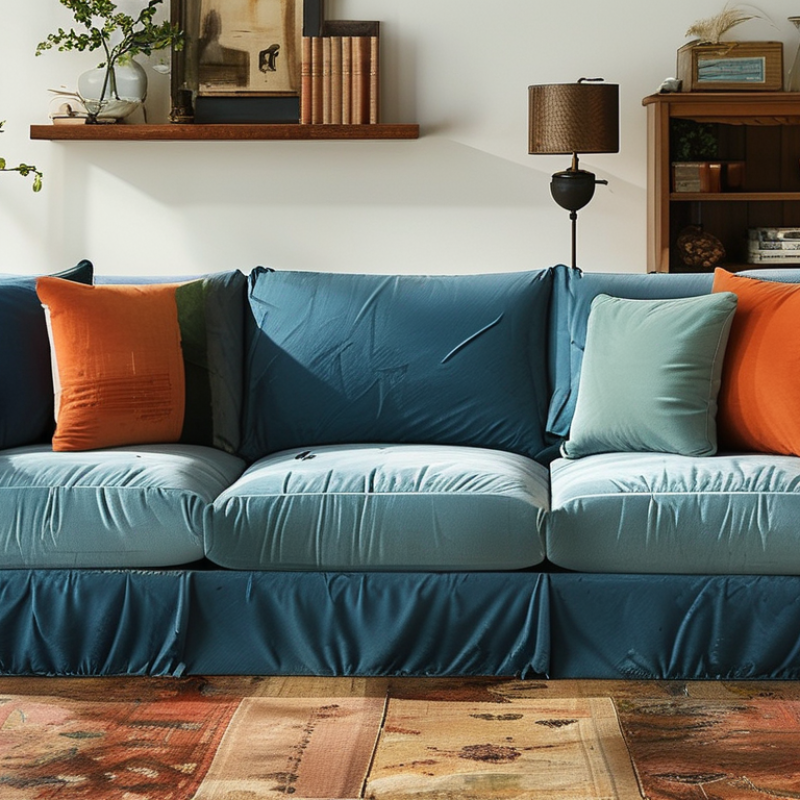
Sagging cushions on a leisure sofa can be frustrating. Understanding the root causes helps in addressing the issue effectively. One common reason for sagging is the wear and tear of foam over time. This often leads to inadequate support, making the sofa uncomfortable and less appealing. Another factor is the weight placed on the cushions. Heavy usage can compress materials, leading to a droopy appearance.
Regularly check your cushions for signs of wear. Adjusting the arrangement of cushions can distribute weight more evenly. This simple step can prolong their lifespan. Adding a supportive layer, such as a foam or a firmer insert, can also help restore shape and comfort.
Inspecting the sofa’s frame is essential too. A weak frame can contribute to the sagging of cushions. Tightening loose screws or reinforcing weak points may make a significant difference. Occasionally, even a quick flip or rotation of the cushions can refresh their support. Relying solely on your sofa’s design is not enough; proactive care ensures your leisure retreat remains cozy.
When it comes to assessing the condition of your cushions, start with a thorough inspection. Look for visible sagging or worn-out areas. Gently press down on the cushions to check for firmness and support. A quality cushion should bounce back. If it feels flat or lifeless, that’s a sign of wear. Check for any lumps or uneven spots, as these can affect comfort and aesthetics.
Consider the materials used in your cushions. Foam, polyester, and down have different lifespans and repair needs. A foam cushion might need replacing, while a down cushion can sometimes be rejuvenated. Take note of how often the sofa gets used. High-traffic areas will wear out faster. Pay attention to any odors, which could suggest mold or mildew. Identifying the condition accurately helps in choosing the best repair method. Getting this step right can save time and resources in the long run.
| Method | Materials Needed | Estimated Time | Effectiveness |
|---|---|---|---|
| Add Extra Foam | High-density foam | 1-2 hours | High |
| Use a Cushion Reviver | Cushion reviver spray | 30 minutes | Medium |
| Replace Batting | Polyester batting | 2-3 hours | High |
| Adjust Filling | Microfiber fill | 1 hour | Medium |
| Reupholster | New fabric, staples | 4-6 hours | Very High |
| Flip the Cushions | None | 10 minutes | Low |
| Add a Layer of Down | Down feathers | 1 hour | Medium |
| Use a Towel or Blanket | Old towel or blanket | 15 minutes | Low |
| Insert a Cushion Filler | Cushion fill material | 1 hour | High |
| Consult a Professional | None | Varies | Very High |
Over time, cushions on a leisure sofa may lose their firmness. This leads to sagging, discomfort, and an unappealing look. Fortunately, there are effective DIY methods to restore cushion firmness using foam and batting. Experts suggest that replacing worn-out materials can significantly enhance comfort and aesthetics. A study found that nearly 70% of consumers reported feeling more satisfied after reconditioning their sofas.
One effective approach is to use high-density foam. This type of foam offers excellent support, making it ideal for sofa cushions. Measure the dimensions of your cushions to purchase the right size. Cut the foam to fit snugly within the cushion cover. Adding a layer of batting can further increase softness and visual appeal. Batting not only adds comfort but also helps to shape the cushion, which is critical for a polished look.
However, this process isn’t without challenges. Achieving a perfect fit requires precision and sometimes multiple attempts. Measuring inaccurately can lead to uneven cushions, which detracts from the overall design. Understanding the density and type of foam is also crucial. Not all foams are created equal, and selecting the wrong one could lead to quick sagging again. DIY methods offer a chance to revitalize your sofa, but it is essential to approach with care and precision.
When it comes to repairing sagging cushions on a leisure sofa, commercial products can offer valuable solutions. Various options exist, from foam replacement kits to specialized cushion fillers. According to a recent industry report, nearly 40% of consumers prefer using pre-made solutions for cushion enhancement. These products often provide better longevity and support compared to DIY approaches.
Beyond foam, some products use memory gel or high-density foam, which help maintain shape. The right filler can significantly improve comfort. Upgrading to a higher density foam can enhance durability and provide a more firm seating experience. It's crucial to choose materials suited to the specific wear and tear your sofa has experienced over time.
However, not all commercial products deliver the results promised. A study showed that 30% of consumers were dissatisfied with their cushion repair solutions. Factors such as improper sizing or inadequate support are common pitfalls. Reflecting on consumer reviews can guide choices, but it's vital to consider personal preferences in comfort and aesthetics when selecting a product.
To keep your leisure sofa cushions from sagging, regular maintenance is key. Start by fluffing the cushions weekly. This action redistributes the filling and can enhance firmness. Over time, neglect can lead to uneven wear. Rotate the cushions monthly to ensure even support. This small effort can significantly prolong cushion life.
Cleaning is another vital aspect. Vacuum your sofa regularly to remove dust and debris. Consider professional upholstery cleaning every few years. It not only refreshes the fabric but also helps maintain structural integrity. Using a fabric protector can also guard against stains and dirt.
Mind your sitting habits too. Avoid sitting in the same spot for long periods. This can create unwanted indentations. If your sofa is heavily used, consider adding throw pillows for extra support. A little adjustment can make a noticeable difference. These strategies are not foolproof, but they are effective steps toward maintaining cushion quality. Regular care can delay the inevitable sagging and keep your sofa looking its best.
: Wear and tear of foam over time leads to inadequate support. Heavy usage can also compress materials, causing sagging.
Regularly check for wear and adjust the cushions’ arrangement to distribute weight evenly. This simple step can help.
Check the frame for weakness. Tightening screws and reinforcing weak points can significantly improve cushion support.
Look for visible sagging and press down to check for firmness. A quality cushion should bounce back when pressed.
Foam, polyester, and down are typical materials. Each has different lifespans and repair needs.
Odors may indicate mold or mildew. Inspect the cushions carefully to determine appropriate cleaning or replacement options.
Yes, foam replacement kits and specialized fillers are available. They often provide better support than DIY methods.
Some products may not fit properly or provide inadequate support. Consumer satisfaction can vary, so research is important.
Yes, down cushions can sometimes be revitalized. However, replacement might be necessary if they are too worn out.
High-traffic areas wear out faster. Frequent use can lead to quicker sagging and need for repair or replacement.
In the article titled "10 Best Ways to Repair Sagging Cushions on a Leisure Sofa," the focus is on addressing the common issue of couch cushion sagging. It begins by identifying the key causes, such as wear and tear or inadequate support. To effectively tackle how to repair sagging cushions on a leisure sofa, readers are encouraged to first assess the condition of their cushions, determining the level of repair needed.
The article then explores various DIY methods to restore cushion firmness using materials like foam and batting, highlighting simple techniques that can rejuvenate old cushions. For those who prefer ready-made solutions, it also examines commercial products designed for cushion repair and support. Lastly, it provides regular maintenance tips to help prevent the recurrence of sagging cushions, ensuring that your leisure sofa remains comfortable and visually appealing for years to come.
