When it comes to maintaining the beauty and durability of wooden outdoor furniture, understanding how to weatherproof it is essential. A recent study by the National Wood Flooring Association indicates that untreated wood can deteriorate significantly within just two years due to exposure to rain and sunlight. This highlights the importance of preventative measures.
Expert Bob Vila, a renowned authority in home improvement, emphasizes, "Weatherproofing is not just maintenance; it's an investment." His insight reminds us that effective techniques prolong furniture life and enhance aesthetics. Knowing how to weatherproof wooden outdoor furniture involves more than simply applying a sealant. It requires proper selection of materials, understanding the environment, and regular inspections.
Investing time in effective weatherproofing can save money and ensure long-lasting enjoyment of outdoor spaces. While many may overlook this crucial step, it is vital to recognize that neglecting weatherproofing can lead to unsightly damage. Overcoming these challenges allows for the continued use and appreciation of wooden outdoor furniture, even in unpredictable weather.
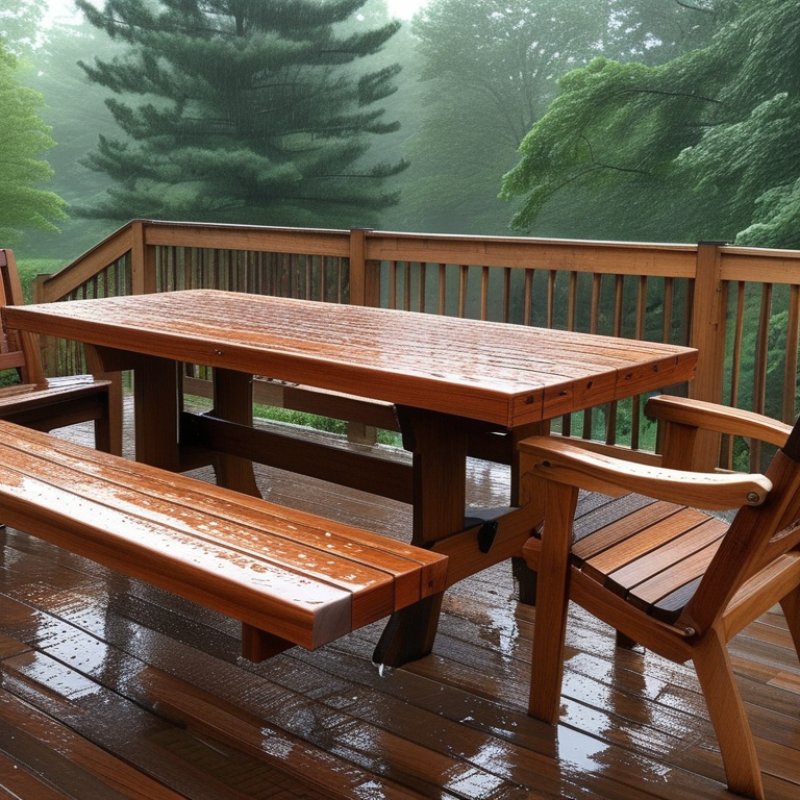
When choosing wood for outdoor furniture, durability is key. Hardwood types like teak and mahogany resist weather better than softwoods. These woods contain natural oils that fend off moisture and pests. Teak, with its rich grain, ages beautifully while standing up to rain and sun.
However, not all hardwoods are equal. Some may still warp or crack over time without proper care. Cedar is another viable option. It’s lightweight and resistant to decay. But, it requires regular maintenance to keep it looking fresh. Applying a sealant can greatly enhance its lifespan.
Consider the environment where the furniture will be placed. Extreme temperatures and moisture levels can affect wood performance. Reflecting on these factors will help in making a more informed choice. Ultimately, the right wood selection can lead to long-lasting outdoor enjoyment.
| Wood Type | Durability | Resistance to Elements | Maintenance Requirements | Cost |
|---|---|---|---|---|
| Teak | High | Excellent | Low | $$$ |
| Cedar | Moderate | Good | Medium | $$ |
| Redwood | High | Excellent | Medium | $$$ |
| Hardwood (e.g. Oak) | Very High | Good | High | $$$$ |
| Pine | Low | Fair | High | $ |
| Composite Wood | High | Excellent | Low | $$ |
: Hardwoods like teak and mahogany are ideal for outdoor furniture due to their durability and natural oils.
Regular maintenance and applying a sealant can help keep cedar looking fresh and extend its lifespan.
Inspect the damage closely. Minor cracks can be filled, but larger issues may require complete replacement.
It is best to clean your furniture monthly during warm months to prevent dirt and debris from accumulating.
Covers protect furniture from rain, UV rays, and temperature changes, potentially doubling its lifespan.
Yes, storing furniture in a clean, dry garage or shed during extreme weather is highly recommended for protection.
Durable, tear-resistant fabrics are best. Ensure the cover fits well to prevent moisture trapping.
Regular inspections are crucial. Check for rot or insect issues monthly to catch problems early.
Neglect can lead to significant damage and reduce the furniture’s lifespan. Regular check-ups are essential.
Tighten straps and replace torn covers promptly to ensure maximum protection for your outdoor furniture.
To understand how to weatherproof wooden outdoor furniture effectively, it is essential to start with selecting the appropriate type of wood that is naturally resistant to the elements. After choosing the right wood, applying protective finishes can significantly enhance durability, preventing water damage and UV exposure. Regular maintenance is also crucial; it involves consistent cleaning and inspection to identify any wear or damage early on.
Moreover, using covers and appropriate storage solutions helps to shield furniture from harsh weather conditions when not in use. Lastly, implementing proper placement, away from direct exposure to rain and sunlight, can further minimize potential weather-related damage. Adhering to these strategies will ensure that your wooden outdoor furniture remains in top condition throughout the seasons.

