Mold can be a pesky problem for outdoor beach chairs. It thrives in humid environments, leaving unsightly stains and odors. Learning how to clean mold off outdoor beach chairs is essential for those who love the beach. Many beachgoers struggle with this issue, unaware of effective cleaning methods.
Using the right techniques can restore your chairs to their former glory. Start with a simple solution: warm water and mild soap. This mix can be effective for light mold growth. For tougher cases, vinegar or baking soda may be necessary. These natural remedies are safe and often yield fantastic results.
Cleaning mold off chairs does require some elbow grease. It’s not always easy, and results may vary. Yet, with patience and the right approach, your chairs can look brand new. Remember, preventing mold from coming back is equally important. Always store your beach chairs in a dry place. Taking these steps ensures your outdoor furniture remains in excellent condition, ready for your next seaside adventure.
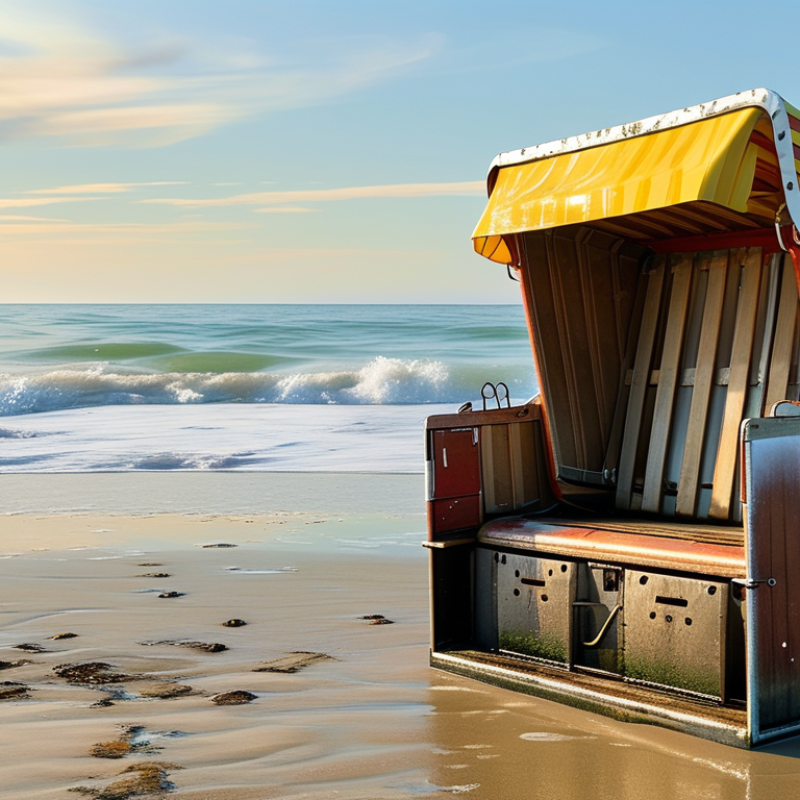
Mold often appears on outdoor beach chairs due to moisture and humidity. It thrives in damp environments, making coastal areas particularly susceptible. Understanding how mold develops is essential for effective cleaning. Mold spores are everywhere, and when they settle on wet surfaces, they can grow rapidly. The combination of heat and moisture creates the perfect breeding ground.
One method to combat mold is to use a mixture of vinegar and water. This natural solution can penetrate moldy surfaces effectively. Spray it on the affected areas, let it sit for 15 minutes, then scrub gently with a soft brush. Be sure to rinse thoroughly with clean water afterward. Regularly check your chairs for any signs of mold, especially after rain or if they’ve been stored away.
Consider storing your beach chairs in a cool, dry place when not in use. This simple step can help prevent mold growth. If you notice mold forming, act quickly to remove it. Prolonged mold exposure can weaken the material and create health risks. Always wear gloves and a mask when dealing with mold to protect your health. The effectiveness of your cleaning efforts might differ, so finding the right method for your specific situation is essential.
| Method | Ingredients | Instructions | Effectiveness |
|---|---|---|---|
| Use Vinegar | White vinegar | Spray vinegar directly on mold, let sit for an hour, then rinse. | High |
| Baking Soda Solution | Baking soda, water | Mix and scrub the affected area with a sponge. | Medium |
| Bleach Solution | Bleach, water | Dilute bleach in water, apply to mold and scrub. | High |
| Commercial Mold Remover | Store-bought cleaner | Follow the manufacturer's instructions. | High |
| Hydrogen Peroxide | 3% Hydrogen peroxide | Apply directly to mold, let sit, then scrub. | Medium |
| Soap and Water | Liquid soap, water | Mix, scrub mold off chair surface. | Low |
| Pressure Washing | Water | Use a pressure washer to remove mold. | High |
| Tea Tree Oil | Tea tree oil, water | Mix, spray, let sit and wipe off. | Medium |
| Cornstarch Paste | Cornstarch, water | Apply paste, let dry, then brush off. | Low |
| Regular Maintenance | N/A | Clean chairs regularly to prevent growth. | High |
: Wear gloves, goggles, and a mask for protection. These items shield your skin, eyes, and lungs.
Choose a well-ventilated area. Working outdoors is ideal to minimize health risks.
Inspect chairs closely. Mold can hide in crevices and may not always be visible.
Consult a professional for extensive mold contamination. They have the right experience and equipment.
Use a solution of vinegar and water. Spray, let it sit, then scrub and rinse well.
Mix warm water with mild detergent. Use a sponge gently, rinse, and allow to air dry.
Testing helps prevent unexpected stains or reactions on fabrics before cleaning the whole area.
Create a baking soda paste. Apply gently, scrub with a soft cloth, and rinse immediately.
Regular cleaning and inspection help reduce mold growth. Early detection is crucial for easier cleaning.
Remember that mold may not be fully visible. Regular maintenance is essential for long-term care.
When learning how to clean mold off outdoor beach chairs, it's crucial to first understand the conditions that lead to mold growth. Recognizing that mold thrives in damp, warm environments can help prevent future infestations. Before starting the cleaning process, essential safety precautions should be taken, such as wearing gloves and masks to protect against spores.
A step-by-step guide for preparing cleaning solutions is vital, along with effective cleaning techniques tailored to different chair materials, whether they are plastic, fabric, or metal. After cleaning, follow aftercare tips to maintain the chairs and prevent mold from returning. Regular maintenance and proper storage can significantly reduce the likelihood of mold growth, ensuring that your outdoor beach chairs remain clean and ready for use.

