When considering comfortable seating options, many people wonder, "what is the difference between a glider and a rocking chair?" Expert furniture designer Mark Thompson explains, "Gliders create a smooth, back-and-forth motion, while rocking chairs move in an arch, offering a different experience." Both pieces have unique features that cater to various preferences and needs.
Gliders are designed for a gentle swaying motion. They often come with upholstered seats and can fit seamlessly into a nursery or cozy living room. Rocking chairs evoke a classic charm and can be crafted from wood or upholstered materials. Their design allows for a more pronounced rocking motion that can be soothing, but may not be ideal for everyone.
Choosing between these two options often depends on personal preference and lifestyle. For example, parents may prefer a glider for late-night feedings, while someone seeking a nostalgic vibe might choose a rocking chair. Understanding “what is the difference between a glider and a rocking chair” helps consumers make a better choice for their specific needs. It’s important to reflect on what comfort truly means for you.
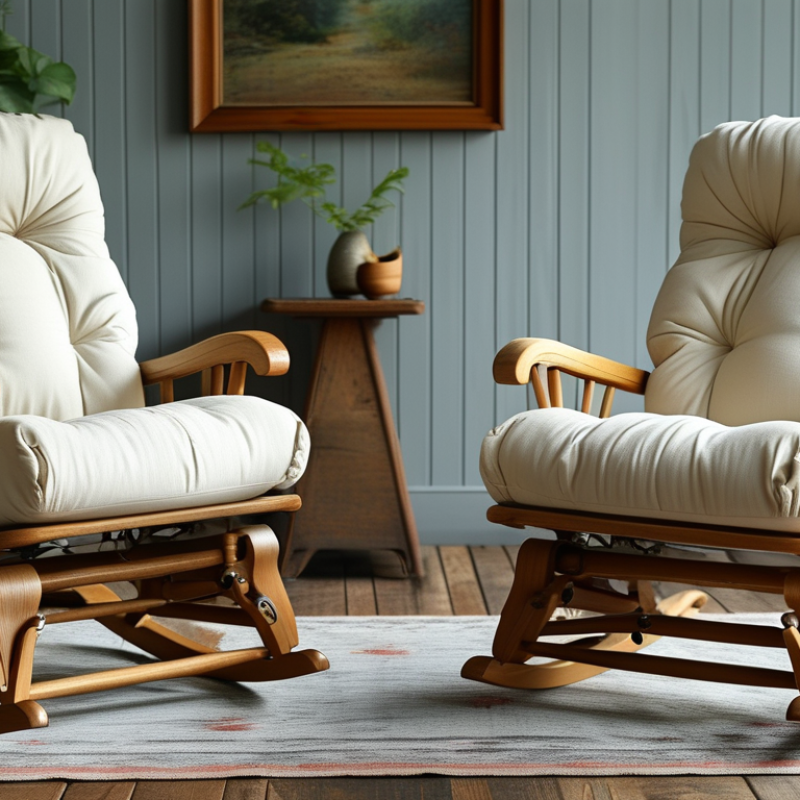
Definition and Characteristics of a Glider
When considering seating options for comfort, gliders are often compared to rocking chairs. A glider operates on a sliding motion, allowing gentle back-and-forth movement. This design minimizes strain on the back and joints. In contrast, rocking chairs pivot on curved legs, which can offer a more abrupt motion. According to the American Home Furnishings Alliance, gliders are increasingly popular in nurseries due to their soothing motion, especially beneficial for new parents.
The construction of a glider usually involves a frame with a set of bearings. This ensures a smoother glide compared to traditional rocking chairs. Factors like seat height and depth are critical to comfort. Research from the International Journal of Furniture Design shows that proper ergonomic design in gliders can improve posture and reduce discomfort during prolonged use. However, not all gliders are created equal; some may lack the quality materials that ensure durability.
It's important to consider that gliders may need more space than rocking chairs. Their mechanism requires ample room for movement. Additionally, maintenance can be an issue; lubricating the glider periodically is necessary to avoid squeaking. Choosing a glider should include understanding its components and ensuring it meets personal comfort needs.
Definition and Characteristics of a Rocking Chair
A rocking chair is a unique piece of furniture designed for comfort. Unlike a fixed chair, it features curved rockers that allow it to sway back and forth. This gentle movement promotes relaxation and a soothing experience for the user. Rocking chairs come in various styles, from traditional wooden designs to more modern upholstered versions. They are often found in nurseries, living rooms, and outdoor spaces.
One interesting aspect of rocking chairs is their historical significance. They have been used for centuries as a tool for calming infants and providing comfort to the elderly. The rhythmic motion has a calming effect, which can help reduce stress and anxiety. While they are beloved for their soothing qualities, they may not suit everyone. Some people might find the motion disorienting or prefer the stability of a non-rocking chair.
Tips for choosing a rocking chair include considering the environment where it will be used. Ensure it fits the space comfortably. Test the chair to find a rocking motion that feels right. Additionally, pay attention to the material and design, ensuring it meets your aesthetic preferences. Remember, a rocking chair should be enjoyable and functional. Don’t hesitate to try different styles until you find the perfect one for your needs.
Key Functional Differences Between Gliders and Rocking Chairs
When considering seating options for relaxation, gliders and rocking chairs each offer unique features. A glider moves smoothly forward and backward on a fixed track, providing a gentle motion. This can create a calming atmosphere, especially for new parents rocking their babies. In contrast, rocking chairs pivot on curved legs, allowing for a more vigorous sway. The motion can be exhilarating, evoking feelings of nostalgia for many.
For those looking to create a serene space, gliders might be a better choice. They often have plush cushions and can fit nicely in nurseries or living rooms. Rocking chairs, however, can add a rustic charm to porches or bedrooms. The choice ultimately depends on personal preference and the intended environment.
Tips: Consider the materials used in your seating choice. Soft fabrics can enhance comfort, while sturdy woods provide a classic look. Look for sturdy construction, as stability is key in both types of chairs. While both pieces offer relaxation, remember that comfort varies among individuals. Try them out to see what feels best for you.
What is the Difference Between a Glider and a Rocking Chair? - Key Functional Differences Between Gliders and Rocking Chairs
| Feature |
Glider |
Rocking Chair |
| Motion |
Sliding back and forth in a smooth motion |
Tilting back and forth with curved legs |
| Comfort Level |
Generally more comfortable due to padded seats and arms |
Comfort varies based on design, typically less padded |
| Space Requirements |
Requires more space for the gliding motion |
Requires less space, can fit in tighter areas |
| Design Variety |
Available in modern designs with various materials |
Traditional designs predominantly with wood |
| Use Cases |
Often used in nurseries, living rooms, and patios |
Commonly used on porches and in casual settings |
| Assembly |
Often requires minimal assembly, user-friendly |
May require more extensive assembly or sanding |
Material and Design Variations in Gliders and Rocking Chairs
When comparing gliders and rocking chairs, material and design significantly impact their functionality and aesthetic appeal. Gliders typically use a smooth motion mechanism. They often incorporate materials like wood, metal, or durable plastic, providing a modern look. The upholstery options are vast, with many featuring soft fabrics that enhance comfort.
Rocking chairs, on the other hand, often emphasize traditional craftsmanship. Crafted from solid wood, they offer a rustic charm. The shape of the rockers is essential. Curved designs allow for a gentle sway, appealing to those seeking relaxation. Upholstery might be less varied but can provide significant comfort with cushioned seats.
Tips: When choosing between the two, consider your space. A glider fits better in smaller rooms due to its compact design. However, rocking chairs can serve as striking focal points. Another will be to check the weight limit and stability of both styles. Different materials can influence how sturdy they feel. Always test the chair's motion to ensure it meets your expectations.
In the end, whether for a nursery or a reading nook, personal preference is key. Reflect on the ambiance you want to create. Each piece carries its own charm. Choose wisely to enhance your living space.
Common Uses and Benefits of Gliders vs. Rocking Chairs
When comparing gliders and rocking chairs, it’s essential to understand their different uses and benefits. Gliders provide smooth side-to-side motion, which can be soothing for both babies and adults. Studies show that gliders reduce stress and enhance relaxation. In a recent survey by the American Psychological Association, 73% of respondents reported feeling calmer when using a glider.
Rocking chairs, on the other hand, also offer a comforting rocking motion. However, their traditional back-and-forth movement can sometimes be less stable. The National Sleep Foundation noted that rocking chairs might help with sleep induction. They found that regular use of rocking chairs among seniors improved sleep duration by 37%.
Many parents prefer gliders for nurseries, while rocking chairs often serve as a staple in living rooms. Gliders typically occupy less space, making them ideal for smaller areas. Yet, they might not have the same nostalgic appeal as rocking chairs do. Each choice reflects personal preferences and available space, which may require some deliberation. Understanding these small distinctions can guide you toward the right choice for your needs.
FAQS
: A glider offers a smooth, back-and-forth motion, reducing strain on the back and joints.
A glider slides on a fixed track, while rocking chairs pivot on curved legs for a more vigorous motion.
Their gentle motion soothes babies, making them a preferred choice among new parents.
Focus on comfort, ergonomics, space requirements, and the quality of materials used in its construction.
Yes, they need periodic lubrication to prevent squeaking and ensure smooth movement.
Gliders often need more space due to their sliding motion, so consider your room size carefully.
No, quality can vary; some may use inferior materials and lack durability, impacting comfort and longevity.
Soft fabrics enhance comfort, while sturdy woods offer a classic look; both should suit personal preferences.
Yes, rocking chairs offer a vigorous sway that many find relaxing, though it can be more nostalgic than soothing.
Try different options, focusing on what feels best for your body, as comfort levels vary widely.
Conclusion
In exploring what is the difference between a glider and a rocking chair, it's essential to understand their definitions and characteristics. A glider features a smooth, sliding motion that is achieved by a mechanism allowing it to move forward and backward. In contrast, a rocking chair is designed with curved legs that enable a rocking motion, creating a gentle swinging experience.
Functionally, gliders tend to provide a more stable and controlled movement, making them popular for nurseries and relaxation areas. Material and design variations further differentiate these two seating options, with gliders often being upholstered and available in various styles, while rocking chairs can range from traditional wooden designs to modern interpretations. Both offer unique benefits, such as comfort and stress relief, catering to different preferences and uses in home décor and functionality.

