A China best outdoor patio sofa can last five to fifteen years, but the label alone proves very little. The real answer depends on its frame, cushions, fabric, drainage, and daily exposure. A sofa beneath a covered terrace may remain comfortable for a decade. One facing strong sun, heavy rain, and winter frost may fade or weaken much sooner.
So, what is the average lifespan of an outdoor patio sofa? Outdoor furniture specialist and designer Bobby Berk says, “Quality materials and consistent care usually matter more than the sofa’s original price.” This practical view fits what many homeowners discover after several seasons. Powder-coated aluminum usually resists rust well. Teak can age beautifully when maintained. Low-grade steel may develop corrosion around hidden joints. Cushion foam can also collapse, even when the frame still looks attractive.
Small details matter. Water trapped under a cushion creates a sour smell. Direct sunlight can turn dark fabric dusty gray. Loose stitching may appear after only one summer. I have seen attractive sofas fail because their covers held moisture overnight. That is easy to overlook.
A reliable buying decision should examine welds, hardware, fabric ratings, foam density, and replacement-part availability. Ask whether the manufacturer offers tested outdoor materials and clear care instructions. Do not trust impressive photographs alone. They show the sofa on its best day.
Five years is not failure. Fifteen years is not guaranteed. Your climate, storage habits, and maintenance routine will shape the result. Even careful estimates remain imperfect, and that uncertainty deserves honest attention.
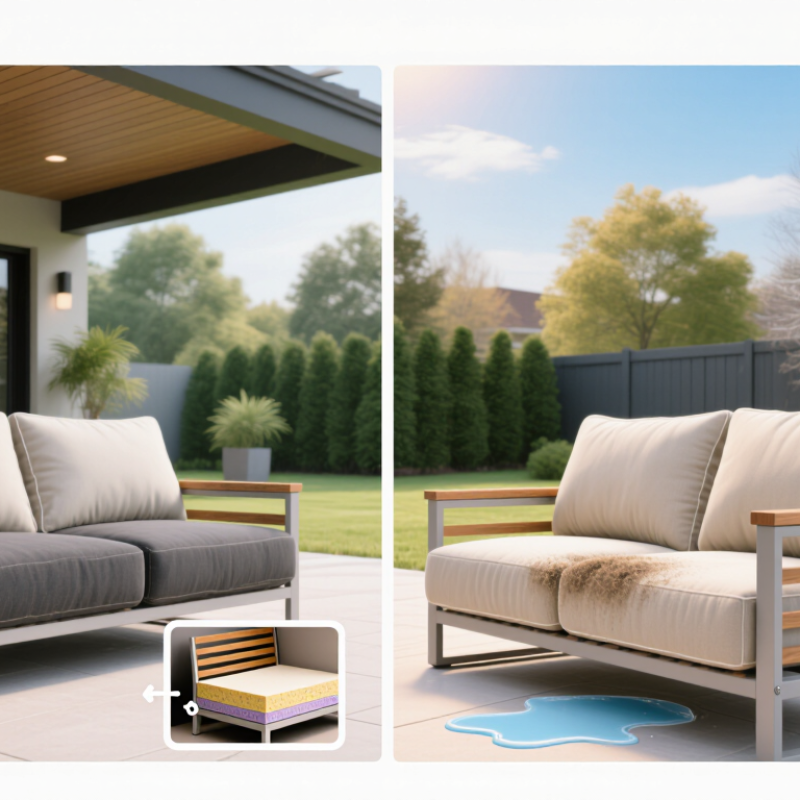
Cushion quality also shapes the sofa’s useful life. Quick-dry foam helps water escape after rain. Dense foam usually keeps its shape longer than soft, low-density filling. Solution-dyed outdoor fabric can resist fading, yet constant sunlight still weakens fibers over time. Check the stitching closely. Loose seams and thin zippers may fail before the frame does. Small details matter.
Assembly and shipping deserve attention too. Poorly tightened joints can loosen after repeated use. Salt air, freezing temperatures, and heavy humidity accelerate damage. A covered, ventilated storage area can add several seasons of service. Clean spills quickly, dry cushions completely, and inspect bolts twice yearly. It is not difficult.
A realistic lifespan estimate must include daily habits. A sofa used beside a pool faces different stress from one placed on a covered balcony. I have seen expensive-looking sets age quickly because water remained under the cushions. That assumption is easy to miss. Request material specifications, load guidance, finish details, and replacement-part support before buying. Even then, predictions remain imperfect.
The typical lifespan of an outdoor patio sofa depends heavily on its material, climate, and daily use. Powder-coated aluminum frames often last 10 to 15 years because they resist rust and remain lightweight. Teak can serve for 15 to 25 years when it dries properly between rainy periods. Its silver-gray surface is natural, not necessarily damage.
Synthetic wicker over aluminum usually lasts 8 to 15 years. Direct sunlight may make cheaper strands brittle sooner. Steel frames can remain strong for 5 to 10 years, but scratched coatings may expose metal to moisture.
Outdoor fabric commonly lasts 3 to 7 years, while foam cushions may need replacement earlier. These figures are practical ranges, not promises. Harsh coastal air, standing water, and weak storage habits can shorten them quickly.
I have seen well-made sofas fail early because water stayed inside the cushions. Small details matter.
Tips: Check frame joints each season. Wipe salt and dirt with mild soap. Let cushions dry fully before storage. Use breathable covers, not sealed plastic. Keep furniture away from constant sprinkler spray.
A quick inspection after winter can reveal loose screws, fading fabric, or cracked wicker. Do not ignore those signs. Repairing one joint may be cheaper than replacing an entire sofa. Even careful estimates can be imperfect, especially in hot and humid regions.
China Best Outdoor Patio Sofa: How Long Does It Last?
How Weather and Outdoor Conditions Affect Sofa Durability
A quality outdoor patio sofa commonly lasts five to fifteen years. Its actual life depends heavily on local weather and daily care. Climate matters more. Strong sunlight gradually fades fabric and weakens some synthetic fibers. Rain can soak cushions, especially when covers trap moisture underneath. This creates a damp environment for mildew and unpleasant odors. Breathable, quick-drying cushions usually perform better in humid areas.
Temperature changes also stress sofa materials. Repeated freezing and thawing can crack wooden frames or split trapped moisture inside joints. Coastal air adds another challenge. Salt can corrode metal fasteners and leave a rough film on exposed surfaces. Aluminum resists rust, but its coating can still scratch and deteriorate. Small gaps matter. Water often enters through seams, feet, and unfinished edges.
In my experience, placing a sofa beneath a roof makes a noticeable difference. However, shade does not stop humidity or wind-driven rain. I once underestimated this and left cushions outdoors for several wet weeks. The covers looked fine, but the inner foam stayed damp. Regular cleaning, proper drainage, and indoor cushion storage during storms can extend service life. Check screws, joints, and fabric seams every few months. Tighten loose hardware carefully, without crushing the frame. Even durable materials need attention. A neglected sofa may fail early, while a modestly priced one can remain comfortable for years with sensible protection.
Estimated service life of a quality outdoor patio sofa under different weather and outdoor conditions.
Typical lifespan ranges from about 3 to 12 years. UV exposure, moisture, salt air, freezing temperatures, and maintenance greatly affect durability. Using a waterproof cover, providing shade, improving ventilation, and storing cushions during severe weather can extend service life.
China Best Outdoor Patio Sofa: How Long Does It Last?
An outdoor patio sofa can last five to fifteen years, depending on climate, materials, and care. Grand View Research valued the global outdoor furniture market at approximately USD 20 billion in 2023. This growth reflects stronger demand for weather-resistant materials, not maintenance-free furniture. Even durable frames suffer when water sits inside cushions or joints.
Clean the sofa monthly during warm seasons. Remove leaves, rinse dust, and use mild soap with a soft brush. Avoid pressure washing; it can force water into seams and weaken finishes. Dry cushions vertically in sunlight, but do not leave them exposed for hours. The U.S. Environmental Protection Agency links prolonged ultraviolet exposure with material degradation, especially for plastics and coated fabrics. A breathable cover helps, but trapped moisture creates mildew. I once assumed a fully covered sofa stayed dry. It did not.
Inspect screws, welds, straps, and cushion zippers every three months. Tighten loose hardware before movement causes larger damage. Store cushions indoors during heavy rain, snow, or long periods without use. A 2024 Houzz outdoor-living study reported continued investment in exterior living spaces, making preventive care increasingly relevant. Still, reports cannot predict every patio. Coastal salt, intense sunlight, and poor drainage may shorten service life dramatically. Test cleaning products on a hidden area first. Small discoloration is easier to accept than a damaged cushion cover.
Choosing a long-lasting outdoor patio sofa from China requires more than checking its appearance. In procurement practice, frame materials usually decide service life. Powder-coated aluminum resists rust better than untreated steel, especially in humid coastal areas. Look for welded joints, reinforced corners, and stainless-steel fasteners. Loose screws are an early warning.
Market evidence supports careful material selection. Grand View Research valued the global outdoor furniture market at about USD 18.98 billion in 2023, with continued growth expected through 2030. More suppliers are entering the market. Quality differences are therefore significant. Ask for coating test results, not vague claims. ISO 9227 salt-spray testing and ASTM G154 ultraviolet exposure testing can reveal weaknesses, although laboratory results cannot perfectly copy your balcony.
Fabric deserves equal attention. Solution-dyed acrylic or outdoor-grade olefin generally performs better under strong sunlight than ordinary polyester. Check fabric weight, stitching density, zipper quality, and drainage speed after rain. A cushion that stays wet overnight may develop odor or internal mildew. The American Society of Interior Designers recommends selecting outdoor textiles according to exposure, maintenance, and climate conditions. That advice sounds simple, but buyers often ignore local weather.
Request a sample sofa or a small trial order first. Inspect welds, coating thickness, cushion recovery, and packaging damage. Confirm replacement covers and hardware availability in writing. A realistic lifespan may reach five to ten years, but sunlight, salt air, pets, and poor storage can shorten it sharply. I would not trust a “ten-year” promise without test records and inspection photos. Even then, one mistake remains possible: the supplier may send better samples than production units.
Most outdoor sofas last about five to fifteen years. Material, weather, and daily use change the result. These are practical ranges, not promises.
Teak can last fifteen to twenty-five years with proper drying. Powder-coated aluminum often lasts ten to fifteen years. Untreated or scratched steel may fail sooner.
Strong sunlight fades fabric and weakens some synthetic fibers. Cheaper wicker strands may become brittle. Use shade, but remember that shade is not complete protection.
Rain can soak cushions through seams and covers. Trapped moisture may cause mildew and unpleasant odors. Let cushions dry fully before storage.Keep them dry.
Salt air can corrode fasteners and leave rough deposits on exposed surfaces. Rinse salt and dirt with mild soap. Inspect metal joints regularly.
Check welded joints, reinforced corners, coating quality, stitching, zippers, and cushion drainage. Request inspection photos and test records. A sample may not match production perfectly.
No. Outdoor fabric commonly lasts three to seven years. Foam cushions may need replacement earlier. Fast-drying fillings usually suit humid locations better.
Check joints every season and tighten loose hardware carefully. Keep furniture away from sprinklers and standing water. Use breathable covers instead of sealed plastic.Small details matter.
Look for loose screws, fading fabric, cracked wicker, damaged coating, and damp foam. Water may enter through feet or unfinished edges. Repairing one joint can cost less than replacement.
The lifespan of a China-made outdoor patio sofa depends on its frame quality, material selection, construction, cushioning, and protective finishing. Aluminum and treated metal frames can provide many years of service when properly coated, while solid hardwood requires regular sealing to resist moisture and cracking. Synthetic wicker, outdoor-grade fabric, and high-density foam also influence comfort and durability. If you are asking, “what is the average lifespan of an outdoor patio sofa,” a well-made sofa commonly lasts around 5 to 15 years, depending on its materials and care.
Sunlight, rain, humidity, wind, temperature changes, and coastal air can gradually weaken fabrics, fade colors, cause rust, or damage joints. Regular cleaning, quick removal of standing water, protective covers, proper storage during severe weather, and timely replacement of worn cushions can significantly extend its useful life. When choosing a long-lasting outdoor patio sofa from China, evaluate the frame, joints, fabric performance, drainage design, finish quality, customization options, and warranty support rather than focusing only on price.