Mixing accent chairs with a sofa can make a living room feel collected, comfortable, and personal. Yet the pairing often fails when every piece competes for attention. This guide explains how to mix and match accent chairs with an existing sofa through proportion, color, texture, and placement. The goal is balance, not a showroom-perfect match. A cream sofa beside a rust velvet chair creates warmth. A black leather chair adds structure. Soft cushions can prevent it from feeling severe. Small choices matter.
Experienced interior designers usually study the sofa’s visual weight before choosing a chair. A deep, low sofa may need a similarly substantial chair. A slim sofa can pair well with an open-frame design. Measure the room, doorways, and walking paths before shopping. Leave enough space for movement. Ideally, the chair should support conversation rather than block it. Color does not need to match exactly. Shared undertones often work better than identical shades. For example, olive, camel, and muted blue can connect through warm wood flooring. Texture also helps. Combine linen, boucle, leather, or woven fabric carefully. Too many bold materials may create visual noise.
There is no flawless formula. Test fabric samples beside the sofa during morning and evening light. Some combinations look excellent online but feel wrong at home. Trust your eyes, then question them. A slightly imperfect pairing may feel more welcoming than a carefully matched set. This approach helps create a room that feels intentional, practical, and genuinely lived in.
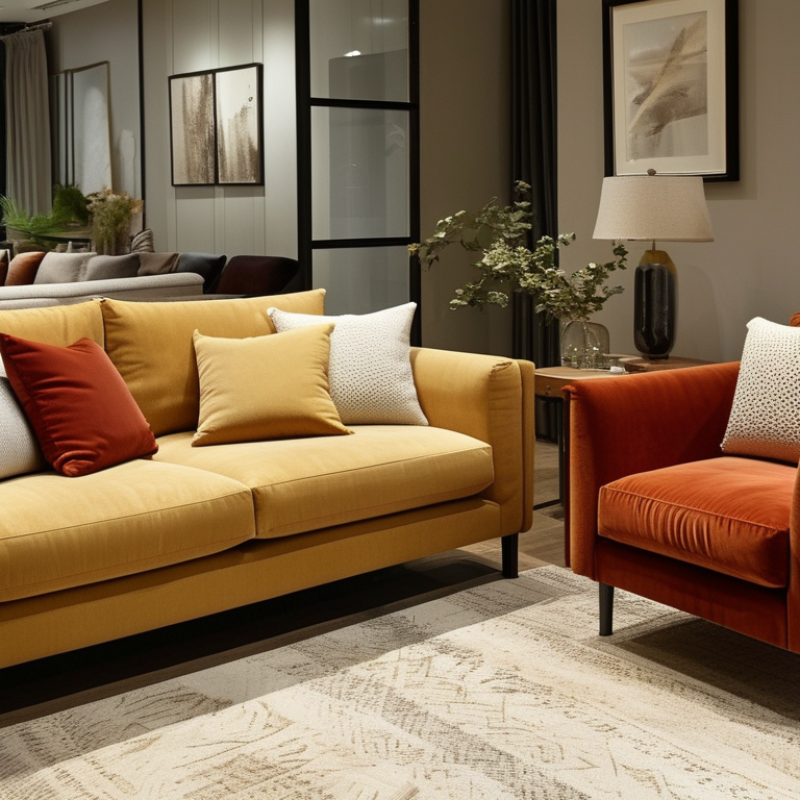
A sofa sets the room’s visual grammar, so an accent chair should respond to it, not compete with it. Begin with style. A tailored sofa suits a chair with clean legs and controlled curves. A relaxed slipcovered sofa can accept woven texture, softened edges, or a small vintage detail. Matching every line is unnecessary. Too much coordination can feel staged.
Measure before shopping. Record the sofa’s width, depth, seat height, and arm height. Keep the chair’s seat height within about two inches of the sofa’s height for comfortable conversation. Allow at least 18 inches between the coffee table and seating. Houzz’s 2024 U.S. Houzz & Home Study reported living-room updates in roughly one quarter of renovation projects, showing how often this space receives practical attention. I once chose a chair that looked elegant online but crowded the walkway. Measurements would have exposed that mistake.
Study the sofa’s color palette in daylight. Pull one quiet tone from its fabric, then introduce a related shade or restrained contrast. A gray sofa may welcome olive, rust, or muted blue. A patterned sofa usually needs a calmer chair. The U.S. Environmental Protection Agency reports indoor pollutant levels can be two to five times higher than outdoors, so inspect upholstery labels and favor low-emission materials when possible. Color matters, but touch matters too. Sit in both pieces. A beautiful mismatch can still be uncomfortable.
When pairing an accent chair with a sofa, start with the sofa’s visual language. A low, squared sofa usually suits a chair with clean arms and a similar seat height. A rounded sofa can welcome softer curves, woven texture, or gently angled legs. Matching every line is unnecessary. Too much matching can make the room feel staged.
Use contrast carefully. Place a rust-colored chair beside a muted blue-gray sofa, then repeat one small tone in a cushion or rug. If the sofa has a busy pattern, choose a quieter chair with tactile fabric, such as boucle-like loops or visible linen slubs. A plain sofa gives you more freedom. You might add a sculptural chair, but check its width first. Leave about 18 inches between pieces for comfortable movement.
In room styling work, I measure the chair before judging its appearance. Deep seats can overpower a narrow sofa, while delicate chairs may look lost beside a heavy frame. I also test both pieces under the room’s actual lighting. Colors shift dramatically near windows. I do not always get this right. A chair that looked balanced in a showroom once felt too bright at home. A softer cushion and a lower side table improved it, though the arrangement still needed patience.
Top Ways to Mix and Match Accent Chairs with a Sofa?
In a living room, the sofa usually carries the largest visual area, so the chair needs a measured response. An accent chair should relate to the sofa, not imitate it. Start with color. Choose one shade from the sofa, rug, or artwork, then repeat it subtly on the chair. A deep green chair can connect with small green details in cushions or curtains. Keep the remaining colors quieter.
Patterns need breathing space. If the sofa has stripes, consider a chair with a small geometric print or a plain woven fabric. Mixing two large patterns can make the room feel restless. Texture adds interest without demanding attention. Pair smooth upholstery with linen, boucle, leather, or visible wood grain. Touch matters here. A room may look balanced in a photograph but feel cold when every surface is hard.
Visual weight is easy to overlook. A broad chair with dark legs can overpower a delicate sofa, even when their colors match. Compare their heights, arm shapes, and base designs from across the room. I once placed a heavy chair beside a slim sofa, and the corner felt strangely crowded. Moving it twenty centimeters away helped, but replacing it with a lighter frame worked better. The first choice was not terrible; it simply needed more honest reflection. Leave enough space for movement, and test the arrangement under both daylight and evening lighting.
Arrange the sofa and accent chairs around people, not an empty floor plan. Place two chairs opposite the sofa or angle them 30 to 45 degrees toward it. This layout keeps faces visible and supports natural conversation. Leave about 30 to 36 inches between the coffee table and seating. Keep at least 36 inches for a main walking path. These measurements reflect common residential planning guidance and help prevent knees from meeting table edges.
Comfort depends on matching proportions. Choose chairs with a similar seat height to the sofa, ideally within two inches. A chair that sits much lower can feel decorative rather than useful. The 2024 ASID Trends Outlook highlights adaptable, wellness-focused living spaces as a continuing design priority. Flexibility matters here. Lightweight chairs can turn toward guests, sunlight, or a television without disturbing the room. BIFMA X5.4-2020 also emphasizes stability, strength, and durability in lounge seating, so appearance should never lead the decision.
I once placed matching chairs too close together. The room looked balanced but felt oddly crowded. Leave 18 to 24 inches between separate chairs when possible. Add a small table within easy reach of each seat. Avoid forcing perfect symmetry. One chair may face the sofa more directly, while another supports the walkway. Test the arrangement by sitting down and speaking across the space. If voices feel strained, move the chairs closer. If movement feels blocked, move them back.
A coordinated seating area feels intentional when accessories connect the sofa and accent chairs. Match one quiet feature, such as the chair’s warm wood legs or a cushion’s muted blue. Do not copy every color. Repetition works better than duplication. A woven throw on the sofa can echo a basket beside the chair. The effect feels layered, not staged.
The National Association of Realtors’ 2023 Remodeling Impact Report found that 88% of consumers wanted to stay home more after remodeling. Comfortable, visually connected seating supports that emotional response.
Use a rug large enough to touch every seating piece, or at least the front legs. Add two or three cushions with related tones, then vary their shapes and fabrics. A ceramic lamp, framed print, or small side table can repeat one accent color without shouting. Interior designers often recommend odd groupings because they feel less rigid. Still, I sometimes over-coordinate a room. It can become too polite. Let texture lead.
Tips
Place a patterned cushion on the chair, then repeat only one color on the sofa. Keep metallic finishes consistent across the table and lighting. The American Society of Interior Designers’ 2024 Trends Outlook highlights wellness and adaptable spaces as continuing priorities, so leave clear walking paths. Aim for about 30 inches of circulation where possible. Test the arrangement at night, too. Daylight can hide awkward gaps. The room may still feel slightly unresolved. That is often useful.
Choose one quiet color from the sofa, rug, or artwork. Repeat it subtly on the chair. Avoid making both pieces identical.
Pair a striped sofa with a plain woven chair or a small geometric print. Two large patterns may make the room feel restless.
Combine smooth upholstery with linen, boucle, leather, or visible wood grain. Soft textures prevent the room from feeling cold.
Compare their width, height, arms, and leg designs from across the room. A dark, broad chair can overwhelm a delicate sofa.
Leave about 30 to 36 inches between seating and the coffee table. Keep roughly 36 inches for the main walking path.
Two chairs can face the sofa or angle toward it by 30 to 45 degrees. Keep faces visible for easy conversation.
Keep their seat heights within about two inches when possible. A much lower chair may look decorative instead of comfortable.
Repeat one quiet detail, such as warm wood, muted blue, or woven texture. Use a rug touching every piece, or at least their front legs.
No. One chair can face the sofa while another supports the walkway. Test the arrangement by sitting, speaking, and moving through it.
Check it in daylight and evening light. Move pieces during testing. The room may remain slightly unresolved, and that can be useful.
Mixing and matching accent chairs with a sofa begins with understanding the sofa’s style, size, and color palette. When considering how to mix and match accent chairs with an existing sofa, look for a chair design that complements rather than perfectly matches it. Similar lines, finishes, or proportions can create harmony, while a contrasting silhouette adds personality. Keep the room balanced by coordinating colors, patterns, textures, and visual weight. For example, a bold chair can be paired with a quieter sofa, while a simple chair may help soften a patterned seating piece.
Comfort and conversation should guide the arrangement. Place the chairs close enough to the sofa to encourage interaction, while leaving clear walking space around the furniture. Finally, use coordinated accessories such as cushions, throws, rugs, lamps, or artwork to connect the different seating pieces. Repeating one or two colors or textures throughout the room can make the arrangement feel intentional, comfortable, and visually unified without making every item identical.