Rocking chairs are cherished for their soothing motion, yet many owners face an annoying problem: squeaking. Understanding "why is my rocking chair making a squeaking noise" can help improve your experience. As furniture expert Dr. Emily Foster states, "A squeaky rocking chair can disrupt your relaxation and indicate underlying issues."
In a recent study by the Furniture Quality Institute, it was noted that up to 40% of rocking chair owners reported experiencing squeaking sounds. This noise often stems from joints loosening or dried-out wood. Identifying the source requires a keen eye and some hands-on assessment. A quick inspection can reveal where lubrication is needed or if bolts have loosened.
Neglecting these sounds can lead to further damage. For instance, prolonged squeaking might signal that parts are wearing out. While it may be tempting to overlook the noise, addressing the issue will extend the chair's life. Remember, sometimes the simplest solutions require the most reflection. You may just need a little oil or a simple tightening.
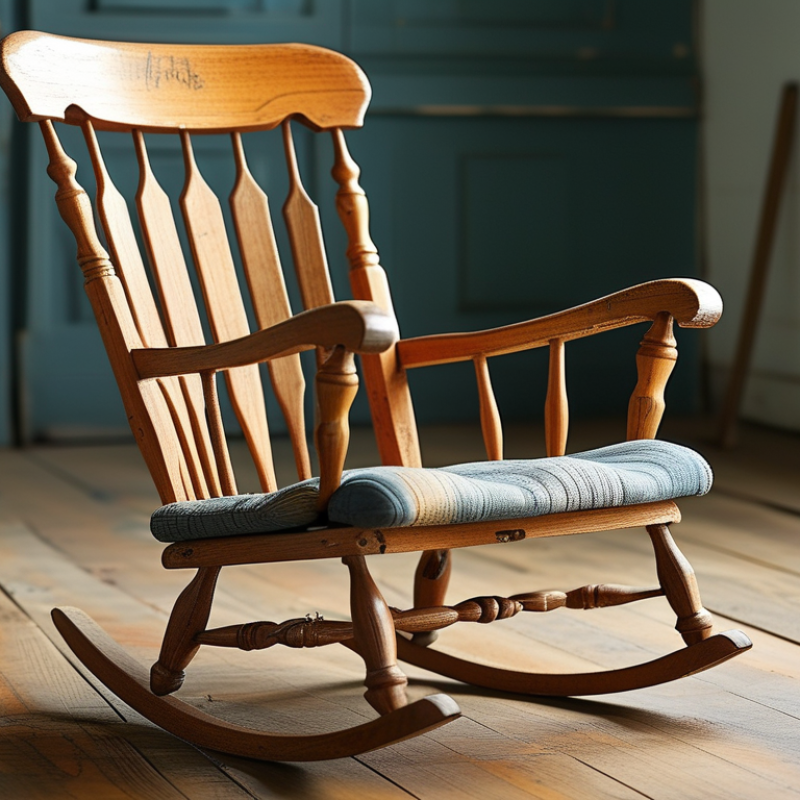
Rocking chairs often squeak due to various reasons. One common cause is the friction between wooden joints. These chairs have moving parts that can rub against each other. Over time, this friction leads to annoying squeaking sounds. Inspection of the joints can reveal wear and tear. Loose screws or bolts may also contribute to the problem.
Another reason for the noise is a lack of lubrication. Many rocking chairs need oil or wax to ensure smooth movement. Without these, the wood can dry out and produce a squeak. Applying a suitable lubricant can reduce this friction. Look for natural substances that won’t damage the finish.
Lastly, uneven surfaces can exacerbate squeaking. If the chair rocks unevenly, it may create additional noise. Placing a small shim under one leg can help stabilize the chair. It’s essential to regularly check these factors to maintain a quiet, comfortable environment.
The sounds your rocking chair makes often stem from the wear and tear of its joints. Over time, the constant back-and-forth motion can loosen screws and even cause wood to expand or contract. This is especially true in humid environments. The friction between joints can create those annoying squeaks that disrupt your peaceful rocking experience.
Understanding the impact of joint wear is essential for maintaining your rocking chair. As these joints age, they must be regularly inspected. A simple routine can help you catch issues early. Tightening loose screws can often resolve the problem. If a joint appears worn down, it might need more extensive repairs.
Sometimes, despite your best efforts, a squeak remains. It may indicate deeper problems within the chair's structure. Consider lubricating the joints with a suitable product. However, ensure you do not saturate the wood, which can cause more damage. Regular maintenance goes a long way, but even the most cared-for rocking chairs can develop quirks that require patience to address.
Squeaky rocking chairs are a common issue that can disrupt your relaxation. Maintaining a quiet chair requires effective lubricants and consistent care. According to the National Wood Flooring Association, over 80% of furniture noise stems from friction in joints and moving parts. A good lubricant penetrates the joints, reducing friction and preventing further wear.
When addressing squeaks, consider using silicone spray or paraffin wax. These options are non-toxic and provide excellent lubrication without harming wood finishes. Apply the lubricant sparingly, focusing on creaky joints. It's essential to wipe away excess to avoid dust accumulation. A study by the Furniture Industry Research Association indicates that regular maintenance can prolong the life of wooden furniture by up to 20%.
Inspecting your rocking chair regularly is crucial. Look for loose screws or worn-out parts that may contribute to noise. Tightening screws can often resolve the issue. However, a comprehensive check may reveal deeper issues needing professional attention. Investing in proper care not only silences your chair but enhances its aesthetic and functional longevity.
Wooden and metal rocking chairs can develop squeaks over time. Understanding the reasons behind these irritating sounds is crucial. For wooden rocking chairs, the joints tend to become loose due to regular use. A survey by the National Association of Home Builders indicates that approximately 30% of homeowners experience issues with wooden furniture squeaks. Applying a suitable wood lubricant, such as beeswax, can help restore quietness.
Metal rocking chairs typically squeak because of friction between metal components. Rust build-up or dust accumulation often exacerbates the problem. According to the Furniture Manufacturers Association, squeaking issues in metal chairs can occur in 40% of units after extended periods of use. A simple solution involves using a penetrating lubricant. Make sure to clean the areas before applying it. Tightening any loose bolts or screws as a preventive step can also maintain the chair's quietness over time.
Common mistakes occur during the repair process. Some may use excessive force while tightening screws, risking damage to the wood or metal. Others might overlook applying lubricant in hard-to-reach areas, prolonging the issue. Awareness of these pitfalls can lead to more effective maintenance, ensuring a peaceful seating experience in your rocking chair.
| Chair Type | Common Reasons for Squeaking | Fixing Method | Maintenance Tips |
|---|---|---|---|
| Wooden Rocking Chair | Worn joints, loose screws, moisture damage | Tighten screws, apply wood glue, use lubricant | Keep dry, polish regularly, check joints periodically |
| Metal Rocking Chair | Rust, loose components, lack of lubrication | Tighten bolts, clean rust, apply oil or grease | Store indoors, lubricate moving parts, inspect regularly |
| Upholstered Rocking Chair | Loose frame, squeaking fabric, springs | Reinforce frame, check springs, lubricate moving parts | Check fabric for wear, vacuum regularly, avoid excessive weight |
Persistent squeaking from your rocking chair can be a frustrating issue. If you've tried common solutions but the noise continues, it may be time to consider professional help. A squeak could be a sign of deeper problems, such as loose joints or worn-out hardware. These issues often require expertise to resolve properly.
When assessing whether to call a professional, observe the severity of the noise. Is it a soft creak or a loud squeal? Take note of when it occurs. If the sound gets worse with use, immediate action might be necessary. A trained furniture technician can effectively identify underlying issues. They possess the tools and knowledge needed to fix intricate mechanisms that are not easily accessible.
It's also wise to evaluate your comfort level with DIY repairs. Some people may enjoy tinkering, while others may feel anxious about causing more damage. If you fall into the latter category, seeking help is a smart move. Negative experiences can lead to stress and dissatisfaction with your furniture. Trusting a professional can give you peace of mind and ensure your rocking chair is restored to its former glory.
: Sounds often stem from joint wear and tear. The motion can loosen screws and create friction.
Regular inspections are crucial. Tightening loose screws can often resolve noise issues effectively.
Persistent squeaks may indicate deeper structural problems. Consider using lubricants to address the issue.
Use silicone spray or paraffin wax. Apply it sparingly and focus on creaky joints.
If noise worsens with use or if previous fixes fail, professional evaluation is recommended.
Yes, consistent care may prolong its life by up to 20%. Regular checks can prevent bigger issues.
Yes, even well-cared-for rocking chairs can develop quirks. Patience is needed to address these issues.
Severe noise or discomfort with DIY repairs are signs a professional should assess your chair.
Apply lubricant carefully and wipe away excess. Avoid saturating the wood to prevent further damage.
Humidity, wear, and the condition of joints can significantly impact noise levels in rocking chairs.
If you've ever wondered, "why is my rocking chair making a squeaking noise," you're not alone. This common issue often arises from several factors, including wear and tear on joints, loose screws, or lack of lubrication. Understanding these causes is essential for effective troubleshooting. To silence your rocking chair, consider using appropriate lubricants and following maintenance tips that can prevent squeaks from becoming a persistent problem.
For those looking to fix the issue themselves, a step-by-step guide for both wooden and metal rocking chairs can help you address squeaks efficiently. However, if the noises persist despite your efforts, it may be time to consult a professional to ensure your rocking chair is restored to its quiet glory. Regular maintenance and prompt attention to any signs of distress can prolong the life of your beloved rocking chair.
