In today’s compact living spaces, small kitchens are becoming more common. According to the National Kitchen and Bath Association, about 75% of homeowners prioritize efficient use of space. This shift leads many to wonder, "why do people put bar tables in small kitchens?" Bar tables serve as versatile solutions. They fit snugly into limited areas and provide essential dining space.
People appreciate how bar tables enhance functionality without overwhelming the kitchen’s layout. Many homeowners report a 30% increase in usability with bar tables, transforming unused corners into social hubs. These tables also cater to various needs—cooking, dining, or working, making them a multi-functional asset.
The aesthetic appeal is another reason for their popularity. A stylish bar table can elevate a kitchen’s overall look. However, challenges exist. Choosing the right height and size can be tricky for space constraints. This necessitates careful planning and decision-making. Ultimately, bar tables blend practicality with style, prompting many to rethink their kitchen designs.
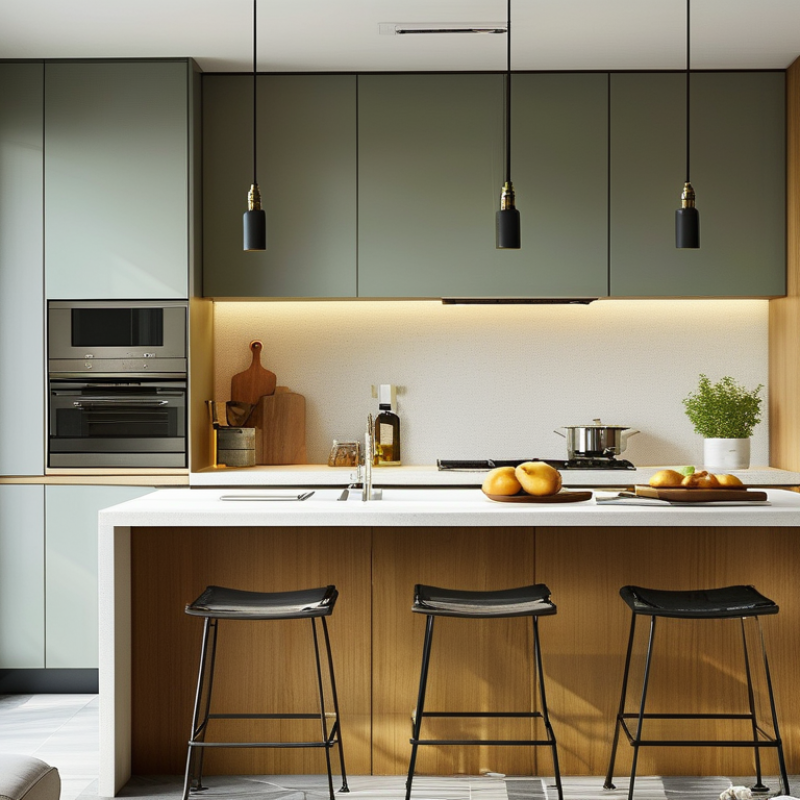
Benefits of Bar Tables for Maximizing Space in Small Kitchens
In small kitchens, space can be a significant challenge. Bar tables serve as a versatile solution. They offer dining space without taking up too much room. A well-placed bar table can fit snugly against the wall or in a corner. This allows for efficient use of available square footage. With seating for two or three, families can enjoy meals comfortably.
Additionally, bar tables can function as extra prep space. They provide a surface for chopping vegetables or assembling dishes. Some designs even feature storage options beneath. This can free up cabinets and keep the kitchen organized. However, selecting the right height is essential for comfort. A table too high or too low can create awkward experiences.
While bar tables add functionality, they may also pose challenges. If the dining area is too cramped, it can hinder movement. Careful planning is necessary to avoid a cluttered feel. People often underestimate their kitchen space needs. Balancing aesthetics with utility can be tricky. A well-chosen bar table can transform how you use your kitchen. Yet, it is crucial to reflect on the layout and the flow of the space.
Enhancing Style: Aesthetic Appeal of Bar Tables
Bar tables can dramatically enhance the aesthetic appeal of small kitchens. Their sleek design offers a contemporary touch without overwhelming the space. These tables often come in various materials and finishes, from wood to metal, allowing for a mix of styles. A thoughtfully chosen bar table can serve as a focal point, drawing attention and elevating the overall design.
One effective way to incorporate a bar table is to choose one with built-in storage. This functionality can help reduce clutter while maintaining a stylish appearance. A bar table can serve as a transitional space for meals, coffee, or snacks. Positioning it near a window can create a cozy nook, bathed in natural light. It’s essential to select the right height and seating style for comfort.
Lighting plays a crucial role in the aesthetic. Pendant lights or wall sconces above the bar area can enhance the charm. Experimenting with plants or decorative items on the table adds personality. However, it’s important to avoid overcrowding. Too many accessories can lead to a cluttered look, overshadowing the table’s sleek lines. Balancing style and functionality is key to achieving that perfect blend.
Versatility: How Bar Tables Serve Multiple Functions
Bar tables are becoming a go-to solution for small kitchens. Their design offers unique versatility. These tables can serve as dining areas, prep spaces, and even mobile workstations. In limited square footage, they maximize functionality without sacrificing style. They can fit into corners, making them ideal for tight spaces. A bar table encourages social interaction during meal prep or casual dining.
Using bar tables can enhance the kitchen experience. They provide a place for quick breakfasts and late-night snacks. When entertaining, they can become buffet stations or cocktail bars. The height adds a casual vibe. It’s easy to add stools, creating a relaxed space for family and friends. Some might find it challenging to adjust to the height. Over time, this can be a positive learning curve.
With different materials and finishes, bar tables are customizable. They blend seamlessly with existing décor. However, choosing the right style can be overwhelming. Not every design will fit every need. Ultimately, these tables offer a creative solution to optimizing a small kitchen. Their multifunctionality makes them a desirable option for those seeking efficiency.
Socializing in Small Spaces: The Importance of Dining Areas
In small kitchens, creating a dining area is essential for socializing and enhancing the overall living experience. Research shows that 74% of people feel more connected to family and friends when sharing meals together. Bar tables are an excellent solution for these intimate spaces. They provide a functional area for dining while adding a stylish element to the decor.
Consider these tips when incorporating bar tables into your kitchen. Choose a table height that complements your seating arrangement. Adjustable stools can add versatility. Select materials that are durable yet appealing. This reflects both practicality and aesthetic appeal. A well-placed bar table can encourage casual conversations, making the kitchen the heart of your home.
Some may find it challenging to balance space and comfort. A bar table takes up less room than traditional dining sets. Yet, it must be positioned carefully to avoid cramping the area. Look for tables with storage options to maximize functionality. According to industry experts, multifunctional furniture increases perceived space by up to 30%. This is critical in smaller kitchens where every inch counts.
Top 10 Reasons to Use Bar Tables in Small Kitchens
This bar chart illustrates the top ten reasons to incorporate bar tables into small kitchens, showcasing their importance on a scale of 1 to 10. Not only do they save space, but they also enhance social interaction and serve multiple functions, making them a valuable addition to compact dining areas.
Design Tips for Integrating Bar Tables into Small Kitchen Layouts
Integrating bar tables into small kitchens can maximize utility and comfort. A bar table serves multiple purposes, from casual dining to extra prep space. When selecting a bar table, consider the height. A standard height is around 40-42 inches, while counter height ranges from 34-36 inches. Choose a design that allows for stools to fit underneath, maintaining a clean look.
Lighting plays a vital role in enhancing the space. Hanging pendant lights above the bar table can create a cozy atmosphere. Use warm lighting to encourage a relaxed vibe. Additionally, wall-mounted shelves above the bar can provide storage without cluttering counter space. Opt for sleek designs that serve both functionality and aesthetics.
It's essential to reflect on the kitchen's flow. Ensure that the bar table does not obstruct movement. A narrow, elongated table works well in tight spaces. Make sure the arrangement fosters easy access to appliances and sinks. If a permanent installation feels too rigid, consider a foldable design. This allows flexibility while retaining functionality.
Top 10 Reasons to Use Bar Tables in Small Kitchens
| Reason |
Description |
| Space Saver |
Bar tables take up less space than traditional dining tables, making them ideal for small kitchens. |
| Multi-Functionality |
Can be used for cooking prep, eating, and even as a workspace. |
| Stylish Design |
Available in various designs to complement your kitchen decor. |
| Communal Space |
Encourages socializing while cooking or enjoying a meal. |
| Easy to Move |
Many bar tables are lightweight and easy to reposition within the kitchen. |
| Varied Heights |
Different height options allow for versatile seating arrangements. |
| Increased Storage |
Some designs include shelves or cabinets for extra storage. |
| Enhanced Aesthetics |
Can serve as an attractive centerpiece in a compact kitchen. |
| Budget-Friendly Options |
A variety of affordable choices are available to fit different budgets. |
| Flexible Seating |
You can choose from stools or benches, adapting to your space and style. |
Conclusion
In small kitchens, bar tables have become a popular choice for many reasons. One primary reason is their ability to maximize space; bar tables provide a compact dining area without overwhelming the kitchen layout. This versatility allows them to serve multiple functions—from a quick breakfast nook to additional prep space. Additionally, bar tables enhance the aesthetic appeal of a kitchen, adding a modern touch while promoting a more social atmosphere for family and friends.
When considering why do people put bar tables in small kitchens, it's evident that they not only optimize limited space but also create inviting dining areas that foster social interaction. Integrating a bar table into kitchen designs can be simple with effective layout planning, making it a practical solution for those looking to enhance both functionality and style in small kitchen environments.

