When anxiety rises, a rocking chair can offer more than a comfortable place to sit. Its steady motion creates a gentle rhythm, similar to slow breathing or quiet walking. The chair moves beneath the body, while the feet remain grounded and supported. This combination may help the nervous system shift away from constant alertness.
So, why does sitting in a rocking chair reduce anxiety? The answer may involve several connected effects. Repeated movement stimulates the vestibular system, which helps the brain process balance and motion. It also provides predictable sensory input through the back, hips, and legs. Predictability matters when thoughts feel scattered. A slow rocking rhythm may also encourage longer exhalations and reduce muscle tension around the shoulders and jaw. These effects are plausible, but they do not prove that rocking chairs treat anxiety disorders.
The experience can be very concrete. Imagine sitting near a window, hearing the chair’s wooden runners touch the floor with each forward movement. Your hands rest on the armrests. Your breathing becomes easier to notice. For some people, this simple pattern feels reassuring. For others, rocking may cause dizziness, discomfort, or even more agitation. The explanation is not complete. Individual responses differ, and research on rocking, anxiety, sleep, and stress continues to develop. Mental health professionals may recommend rocking as one calming tool, not a replacement for assessment or evidence-based care. A quiet chair can help. It cannot solve everything.
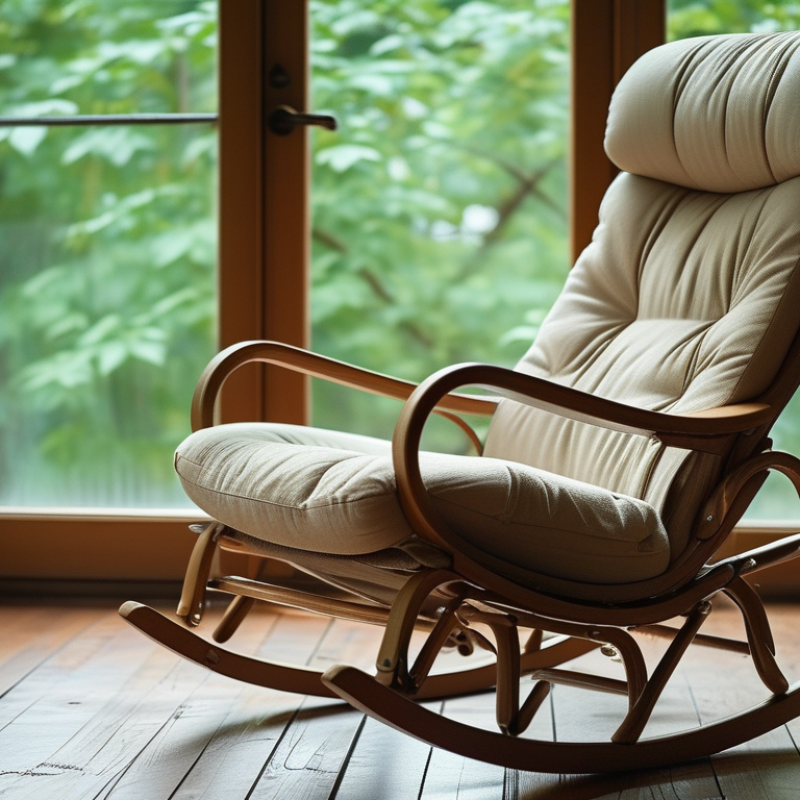
Why Does Sitting in a Rocking Chair Reduce Anxiety?
Gentle rocking can influence the nervous system through rhythm, balance, and repeated sensory signals. The inner ear detects movement, while muscles and joints report changes in body position. Together, these signals may help the brain organize its response to stress.
Slow motion can also support parasympathetic activity, often linked with rest and recovery. As the chair moves forward and backward, breathing may become steadier. Heart rate can gradually settle. Tension in the shoulders may soften. The repeated rhythm gives attention something predictable to follow, which can interrupt racing thoughts.
Research on rhythmic movement suggests possible benefits for relaxation, sleep, and emotional regulation. However, the response is not identical for everyone. Some people feel calmer within minutes. Others may feel dizzy, restless, or even more alert. I may be oversimplifying the brain’s work here, because anxiety involves many interacting systems, not one simple switch.
A quiet room helps.
From a practical perspective, a slow pace is usually more comfortable than vigorous rocking. Keeping both feet supported can improve stability. Pairing the movement with longer exhales may add another calming signal. Still, a rocking chair is not a treatment for severe anxiety. Persistent symptoms deserve assessment from a qualified health professional.
A rocking chair changes stillness into a slow, predictable rhythm. Your feet press the floor, then release. The chair moves again. This repeated motion may give the brain a steady sensory anchor when thoughts feel scattered. Gentle vestibular stimulation can also encourage slower breathing and reduce muscle tension. It is not magic.
The need is substantial. The World Health Organization’s World Mental Health Report estimated that 301 million people lived with anxiety disorders in 2019. The U.S. National Institute of Mental Health estimates that 19.1% of American adults experience an anxiety disorder annually. These figures do not prove that rocking chairs treat anxiety. They show why accessible calming strategies deserve careful study.
Research in Current Biology found that rhythmic rocking improved sleep onset and strengthened sleep-related brain rhythms in adults. Sleep and anxiety are closely connected, but the evidence does not yet establish a direct anxiety cure. That distinction matters. A chair may help someone pause before reacting, especially with dim lighting and quiet surroundings. The faint creak can become a breathing cue. Yet personal experience varies, and comfort may come from feeling safe rather than movement alone. More controlled research should compare rocking speed, duration, age, and existing anxiety conditions.
Gentle rocking may support calmer breathing and softer muscle tone. Its steady rhythm gives the body a predictable sensory signal. This can reduce the need to monitor every sound or thought.
A slower breath often follows the movement. In a 2023 review published in Frontiers in Physiology, slow-paced breathing was linked with lower stress and improved autonomic balance. Rocking does not guarantee this response. However, it may make longer exhales feel easier. The shoulders can drop. The jaw may loosen. Current Biology reported that rhythmic rocking helped 18 adults fall asleep faster and experience more stable sleep patterns. The study examined sleep, not anxiety, so its findings need careful interpretation.
Sit with both feet supported and keep the movement small. Inhale gently for four seconds, then exhale for six. Continue for two minutes. Keep it gentle. Notice your ribs, hands, and forehead. If dizziness, pain, or breathlessness appears, stop and return to normal breathing. A chair cannot replace professional care, especially when anxiety repeatedly disrupts sleep, work, or daily relationships. My own observation is imperfect: some people relax quickly, while others feel restless during the first few minutes. That difference matters.
A rocking chair can soften anxiety’s sharp edges through gentle, repeated motion. The slow rhythm stimulates the vestibular system, which helps the brain process balance and movement. For some people, this predictable pattern feels safer than complete stillness. The chair also supports the back, presses lightly beneath the legs, and creates a quiet wooden sound. These physical signals may compete with racing thoughts.
Attention shifts toward the body. You may notice the chair moving forward, returning, and settling again. This simple focus resembles a brief grounding exercise. Mental-health professionals often recommend grounding because it reconnects attention with present sensations. Rhythmic movement may also support emotional regulation by giving restless energy a controlled outlet. Breathing can become slower without forced effort.
It does not work for everyone. Some people may feel dizzy, trapped, or more distracted while rocking. The effect can change with fatigue, pain, or the intensity of anxiety. A gentle pace matters. I would begin with two quiet minutes, feet supported, and stop if discomfort appears. The chair is not a treatment by itself. Still, its sensory comfort can create a small pause between an anxious feeling and an immediate reaction. That pause may be imperfect, but it can be useful.
Rocking may reduce anxiety, but relief depends on more than the chair. Rhythm, posture, speed, surroundings, and personal sensitivity all matter. A slow, predictable motion can give attention a gentle anchor. Your feet should rest firmly on the floor, while your shoulders remain loose. This steady position may reduce muscle tension and encourage slower breathing.
The evidence remains limited. A small 2019 study in Current Biology found that gentle rocking synchronized brain activity and helped healthy adults fall asleep faster. It did not directly measure anxiety. The World Health Organization reported about 301 million people lived with anxiety disorders in 2019, showing why simple coping tools deserve careful research. Rocking may work best when anxiety feels restless or physically agitating. Fast movement, loud surroundings, or motion sensitivity could worsen discomfort. I would not call the effect automatic. One person may feel held; another may feel trapped.
Tips: Start with five minutes. Use a slow, even rhythm. Keep the room softly lit. Try breathing out longer than you breathe in. Notice your jaw, hands, and stomach. Stop if dizziness, nausea, or distress appears. Writing down your anxiety level before and after rocking can reveal patterns. The result may be modest, inconsistent, or surprisingly helpful. That uncertainty matters. A rocking chair can support self-regulation, but it should not replace professional care when anxiety persists or disrupts daily life.
Gentle rhythmic movement may support anxiety relief by encouraging slower breathing, providing predictable sensory input, increasing the feeling of control, and shifting attention away from stressful thoughts. The chart uses the validated GAD-7 interpretation bands; it does not claim that rocking alone produces a specific clinical improvement.
: Gentle movement sends repeated signals through the inner ear, muscles, and joints. These signals may help the brain organize stress responses. The rhythm feels predictable. The explanation is not complete.
Slow rocking may encourage steadier breathing and longer exhales. Heart rate may gradually settle. Shoulder tension can soften. Results differ among people.
The repeated motion gives attention something concrete to follow. You may notice the chair moving forward, returning, and stopping. This can create a short grounding pause.
Back support, gentle pressure beneath the legs, and soft movement may provide sensory comfort. A quiet wooden sound can also attract attention. A quiet room helps.
Start with a slow pace for about two quiet minutes. Keep both feet supported on the floor. Pair the motion with relaxed, longer exhales. Vigorous rocking may feel uncomfortable.
No. Some people may feel dizzy, restless, trapped, or more alert. Fatigue, pain, and anxiety intensity can change the experience. Stop if discomfort appears.
No. It may offer temporary comfort, but it does not treat severe or persistent anxiety. A qualified health professional can assess ongoing symptoms.
Rocking may create space between an anxious feeling and an immediate reaction. That space can be useful, even when imperfect. The effect may be subtle.
Why does sitting in a rocking chair reduce anxiety? The gentle, repeated motion may help calm the nervous system by providing a steady rhythm that encourages the body to shift away from heightened alertness. This predictable movement can support slower, more regular breathing and ease tension in the shoulders, back, and legs. As the body settles, the mind may also become less focused on stressful thoughts.
Rocking can create a sense of sensory comfort and safety, especially when paired with a supportive seat and a quiet environment. The consistent motion gives attention something simple to follow, which may improve emotional regulation and reduce mental overload. However, the level of relief can vary depending on personal preferences, the chair’s comfort, rocking speed, surroundings, and the source or intensity of anxiety. For some people, rocking works best as one calming habit alongside rest, mindful breathing, and other healthy coping strategies.
