CE Certified Stackable Chair Manufacturers & Factories

Architectural space-saving solutions, compliant engineering, and global OEM/ODM manufacturing capability for high-traffic contract applications.

Whitepaper: Architectural Requirements for CE Certified Stackable Chairs

Understanding EN standards, structural compliance, and load distribution mechanics in global sourcing.

In commercial architecture and contract furniture supply, the selection of stackable seating goes beyond aesthetic visual synergy. Facility managers, hospitality purchasing groups, and logistics officers face strict mechanical safety mandates when deploying temporary or semi-permanent seating configurations. CE Certification serves as the definitive passport of compliance for the European Economic Area, assuring structural integrity under repetitive loading stresses, anti-toppling protection, and non-toxic materials.
CE compliance for stackable seating typically centers around EN 16139:2013 (L2 level for extreme public environments like airports, night clubs, and sport stadiums) and EN 581-1/2/3 for contract-grade outdoor applications. The core mechanical testing protocols examine vertical fatigue, forward-and-backward stability, and structural endurance. When stackable chairs are nested, their center of gravity shifts. Uncertified models risk physical failure under pressure, putting commercial operators in legal jeopardy in the event of failure.

EN 16139 Compliance

Specifies the mechanical safety, strength, and durability requirements for all types of non-domestic seating intended for adult use, including chairs used in public reception zones and hotels.

Stability & Toppling Tests

Tests including EN 1022 ensure seating remains stable when loaded. Stacked profiles must withstand lateral force vector stresses and tilt angles without losing balance.

Material Safety (REACH)

Requires zero hazardous emissions from synthetics, heavy metals in paint coatings, and carcinogenic plasticizers, complying with global environmental mandates.

Beyond mechanical durability, semantic design innovation relies heavily on space maximization. Stackability scales down logistical footprints, saving storage and shipping volume. For instance, exporting stackable contract chairs reduces transport volumes by up to 70%, dramatically lowering container usage, lowering supply chain costs, and reducing corporate carbon footprints.

Zhejiang MAZIS Furniture Co., Ltd.

Precision manufacturing, advanced infrastructure, and custom R&D processing capabilities.

Zhejiang MAZIS Furniture Co., Ltd. is a modern enterprise specializing in the design, research and development, and manufacturing of high-quality outdoor furniture. The company is committed to creating durable, comfortable, and aesthetically refined outdoor living solutions for global customers. Located in Zhejiang Province, MAZIS Furniture benefits from a strong regional manufacturing foundation and a well-developed industrial supply chain. The company operates with a dedicated independent R&D department, enabling continuous innovation in product design, materials, and manufacturing techniques.
MAZIS Furniture is equipped with advanced production facilities, including laser welding systems, precision cutting equipment, and automated plastic spraying lines. These capabilities ensure high production efficiency and consistent product quality across all categories. The company's main product range includes Teslin mesh furniture, synthetic rattan furniture, and other premium outdoor leisure furniture series, widely used in gardens, patios, balconies, hotels, resorts, and commercial outdoor spaces.
With a strong focus on quality control, sustainable materials, and modern design aesthetics, Zhejiang MAZIS Furniture Co., Ltd. has established long-term cooperative relationships with buyers in more than 10 countries and regions, including Europe and North America. Its products are well recognized in international markets for their durability, weather resistance, and contemporary style. Looking ahead, MAZIS Furniture continues to uphold the principles of innovation, quality, and customer satisfaction, striving to become a trusted global supplier in the outdoor furniture industry.
10+
Global Regions Served
100%
CE Compliant Materials
0
Structural Failures
ISO 9001
Certified Factory Floor

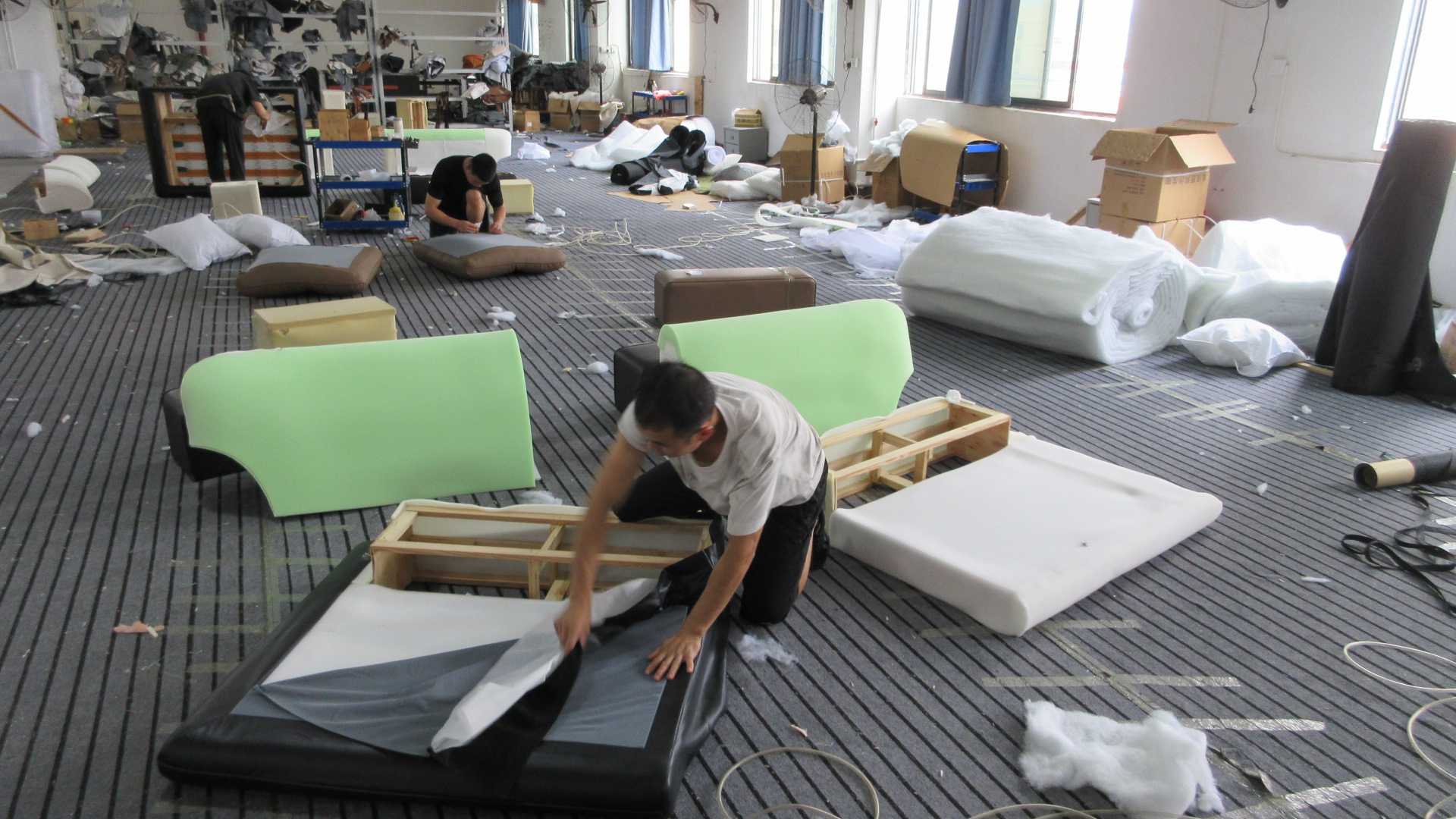
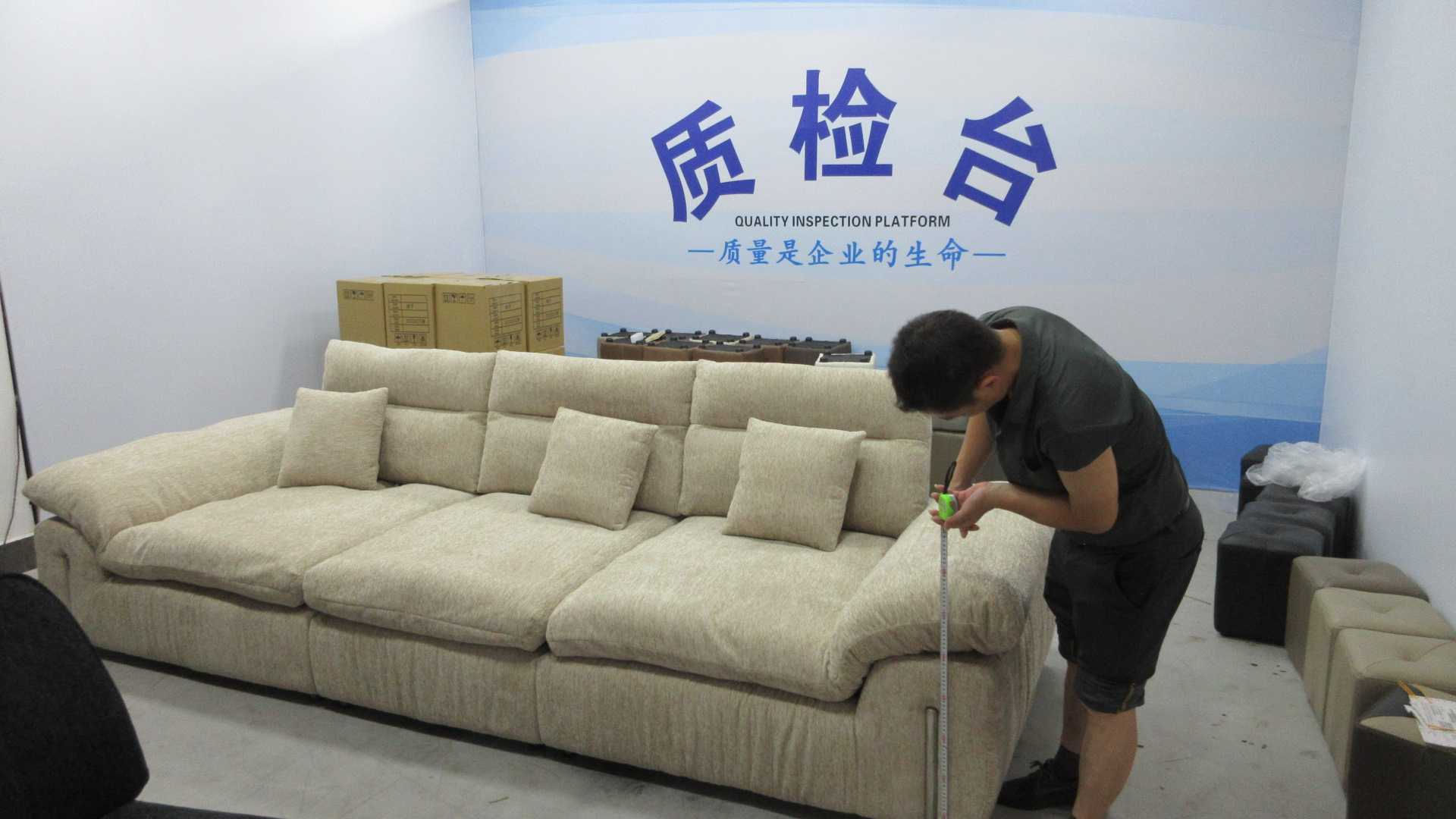
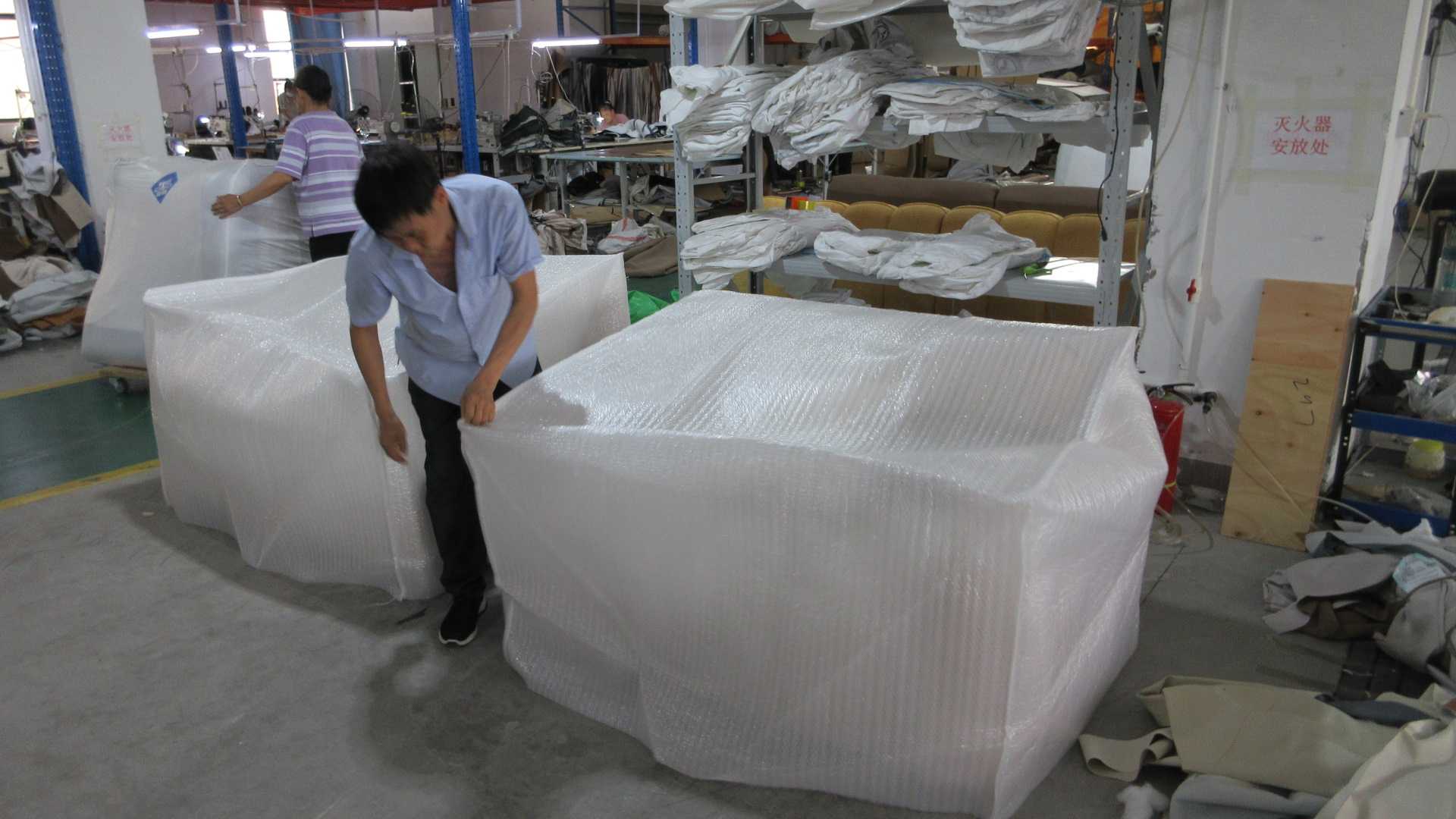
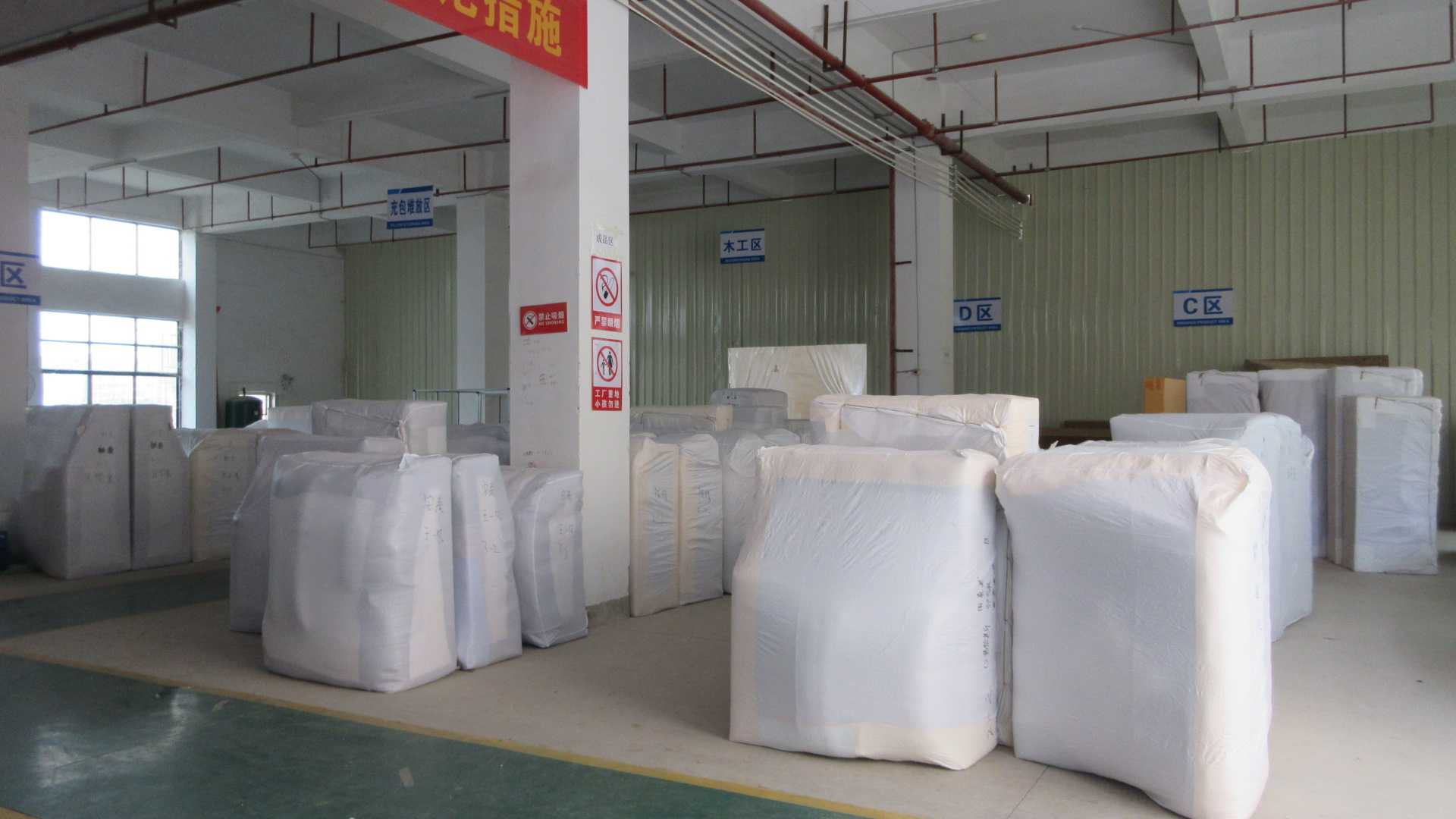
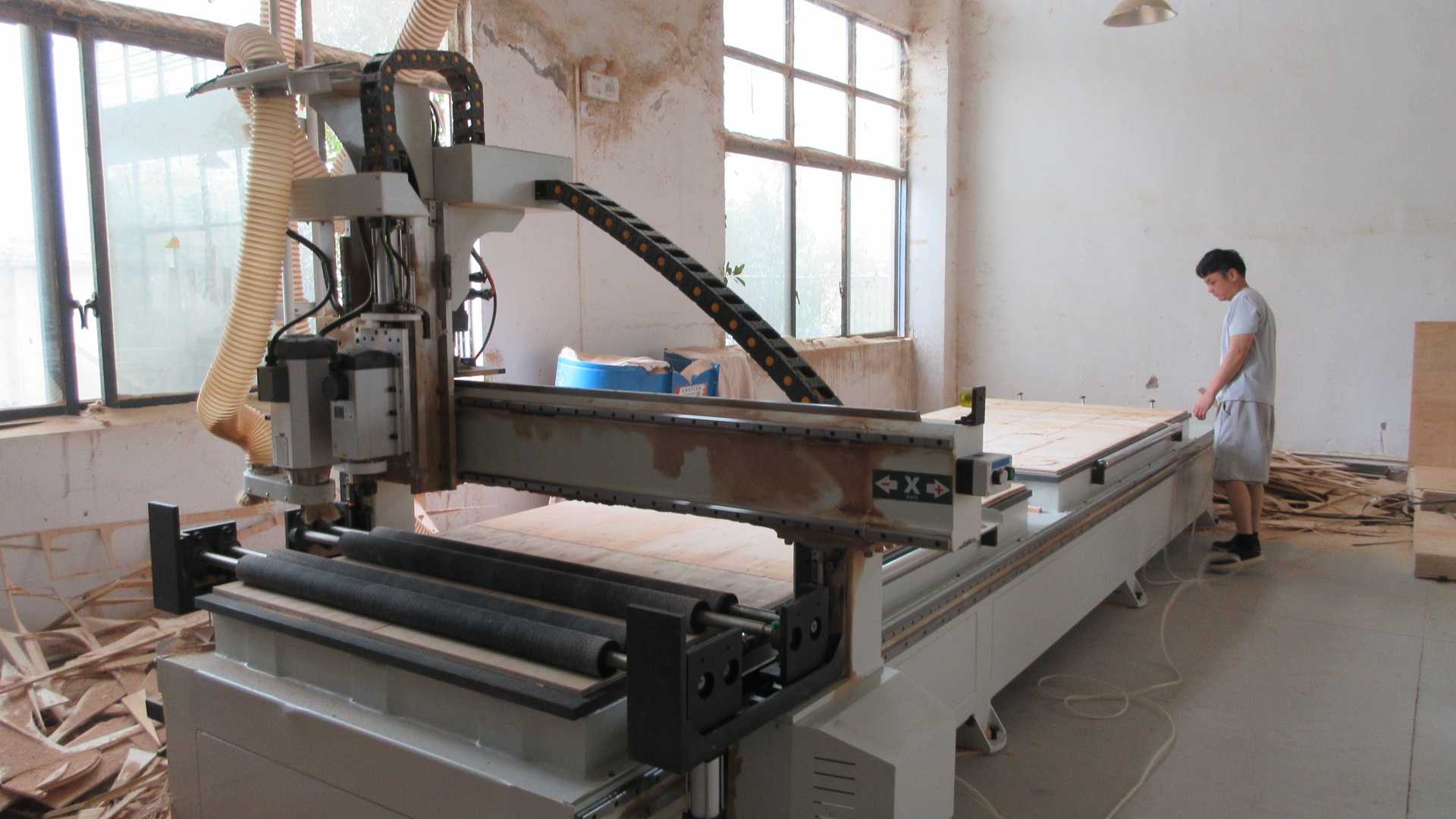
Under the Hood: Process Flow & Machinery

Strict quality control tracing every manufacturing stage from raw materials to final packaging.
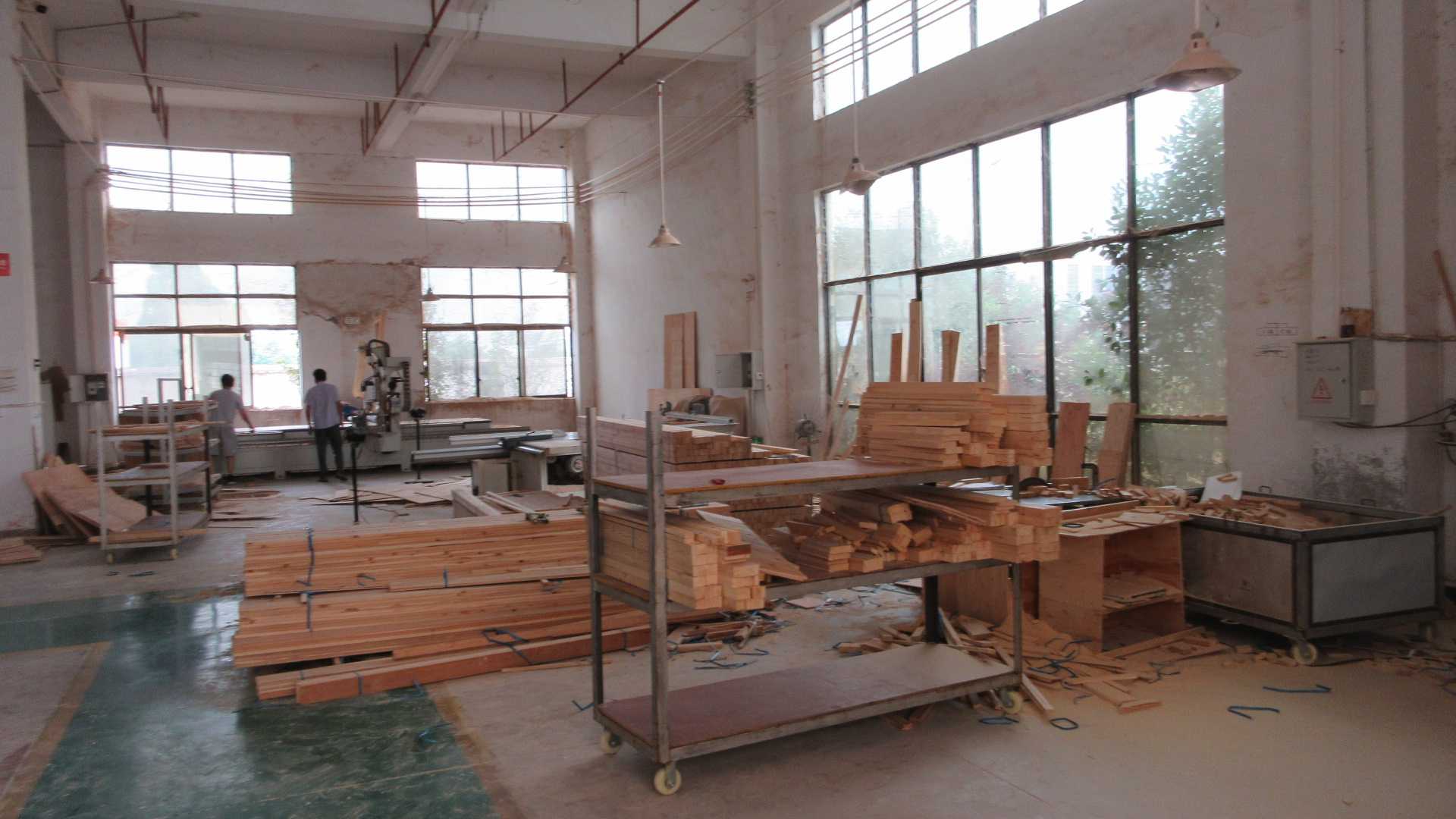
Raw Material Inspection
Raw Material
Wood Cutting
Wood Cutting
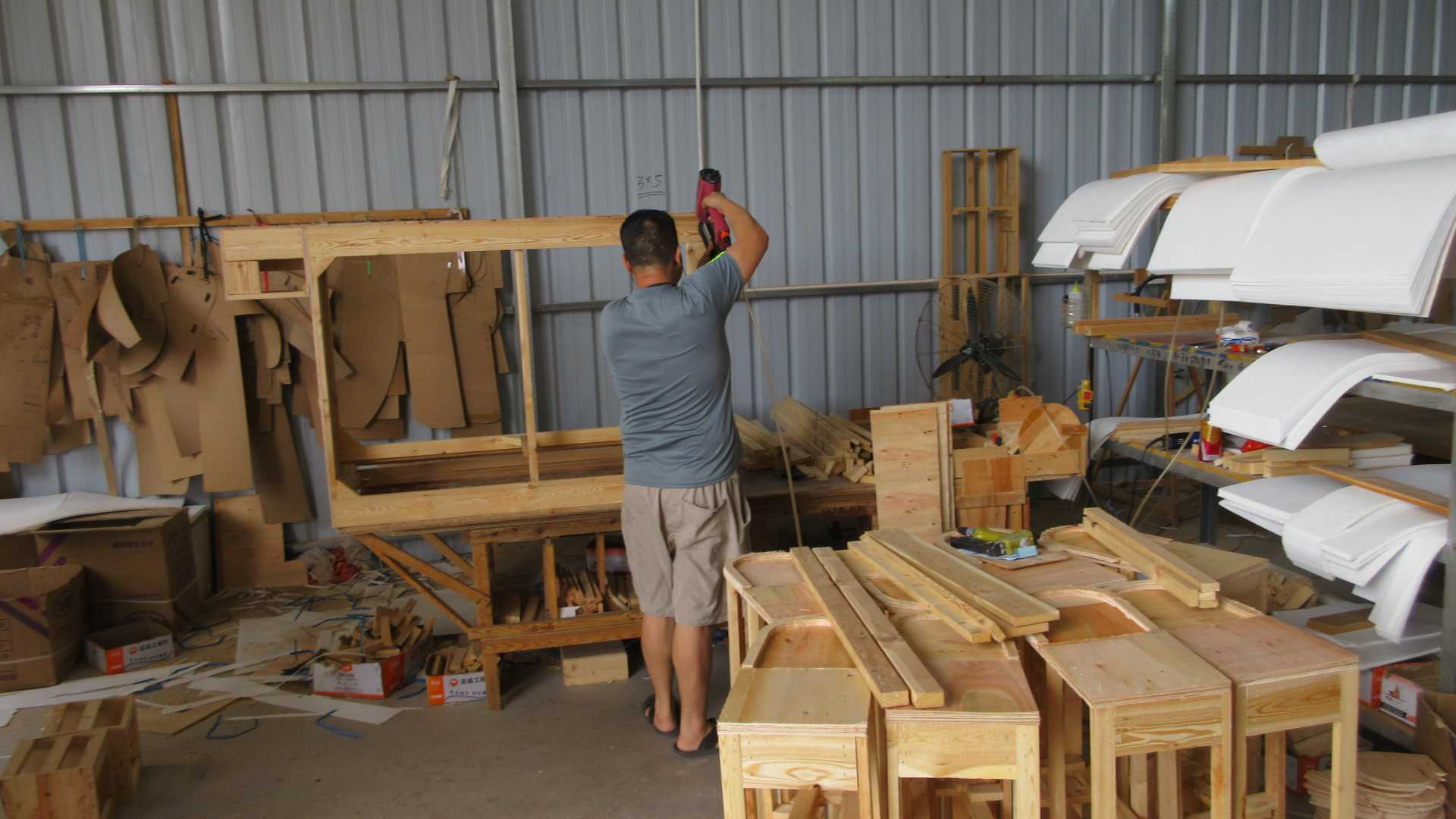
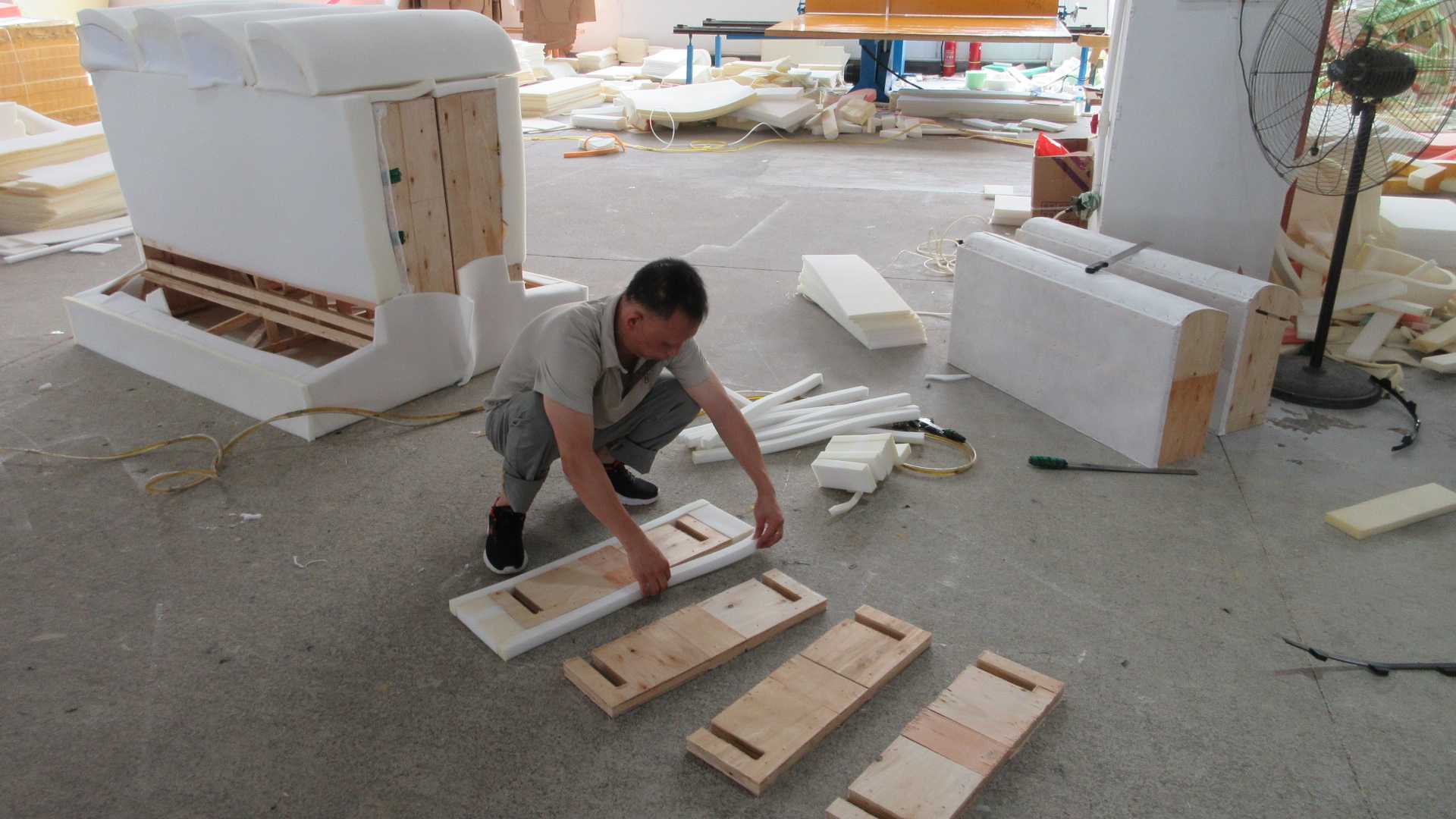
Wood Frame Assembly
Wood Frame Assembly
Cotton Cutting
Cotton Cutting
Apply Cotton Padding
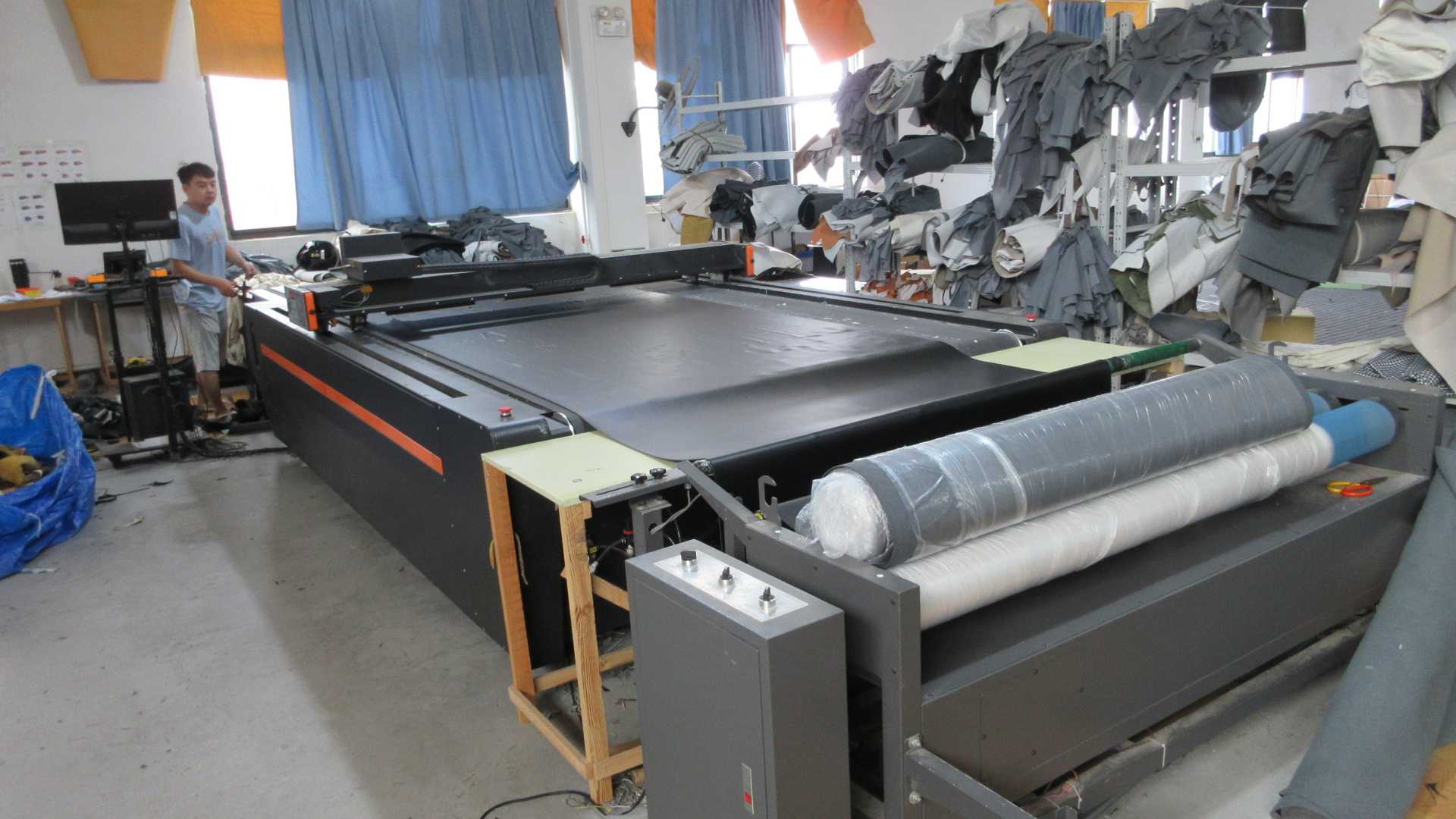
Leather Cutting
Leather Cutting
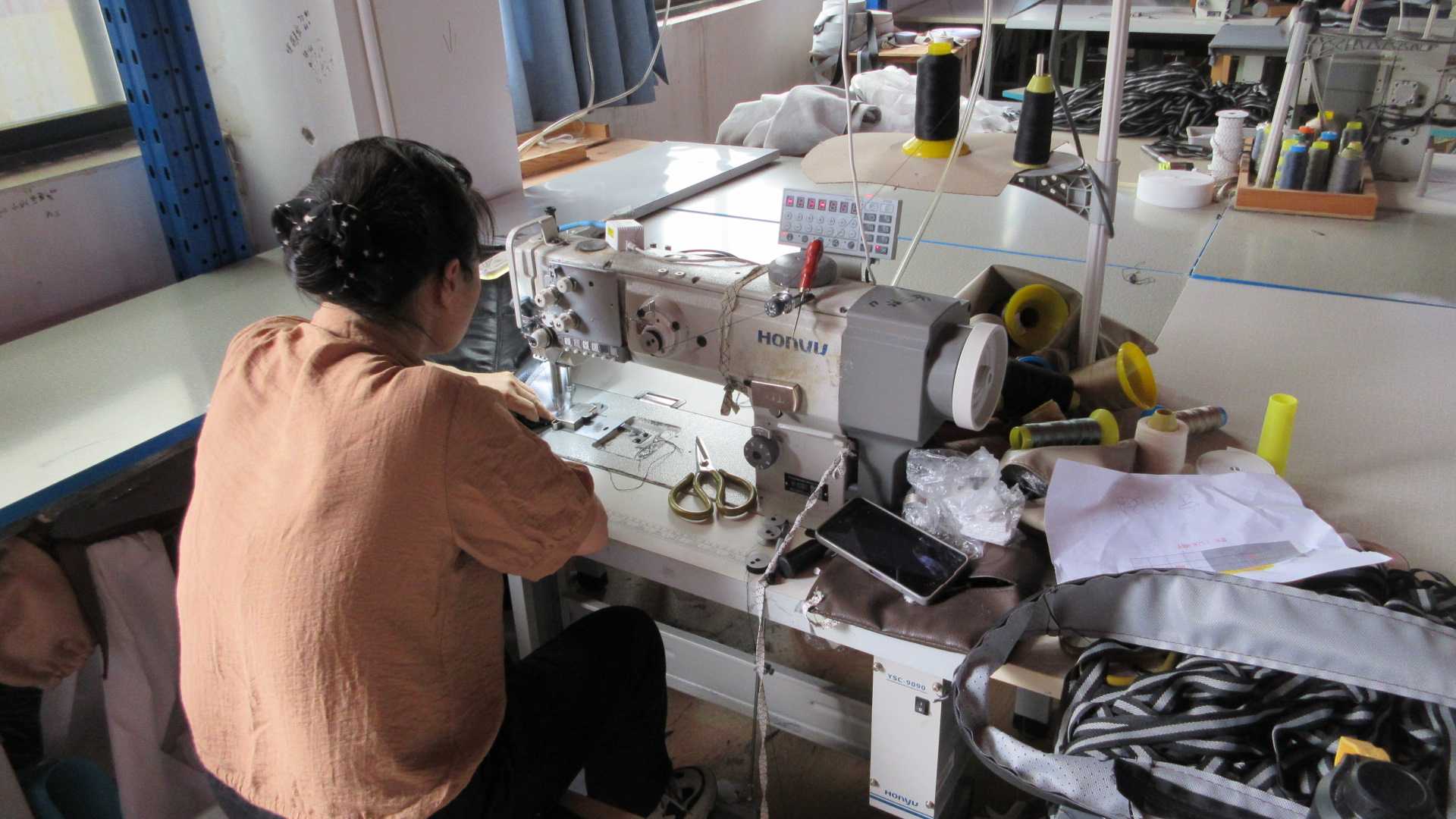
Sewing process
Sewing
Finished product assembly
Finished Product Assembly
Quality check and testing
Quality Check
Packaging department
Packing
Finished Goods storage
Finished Goods
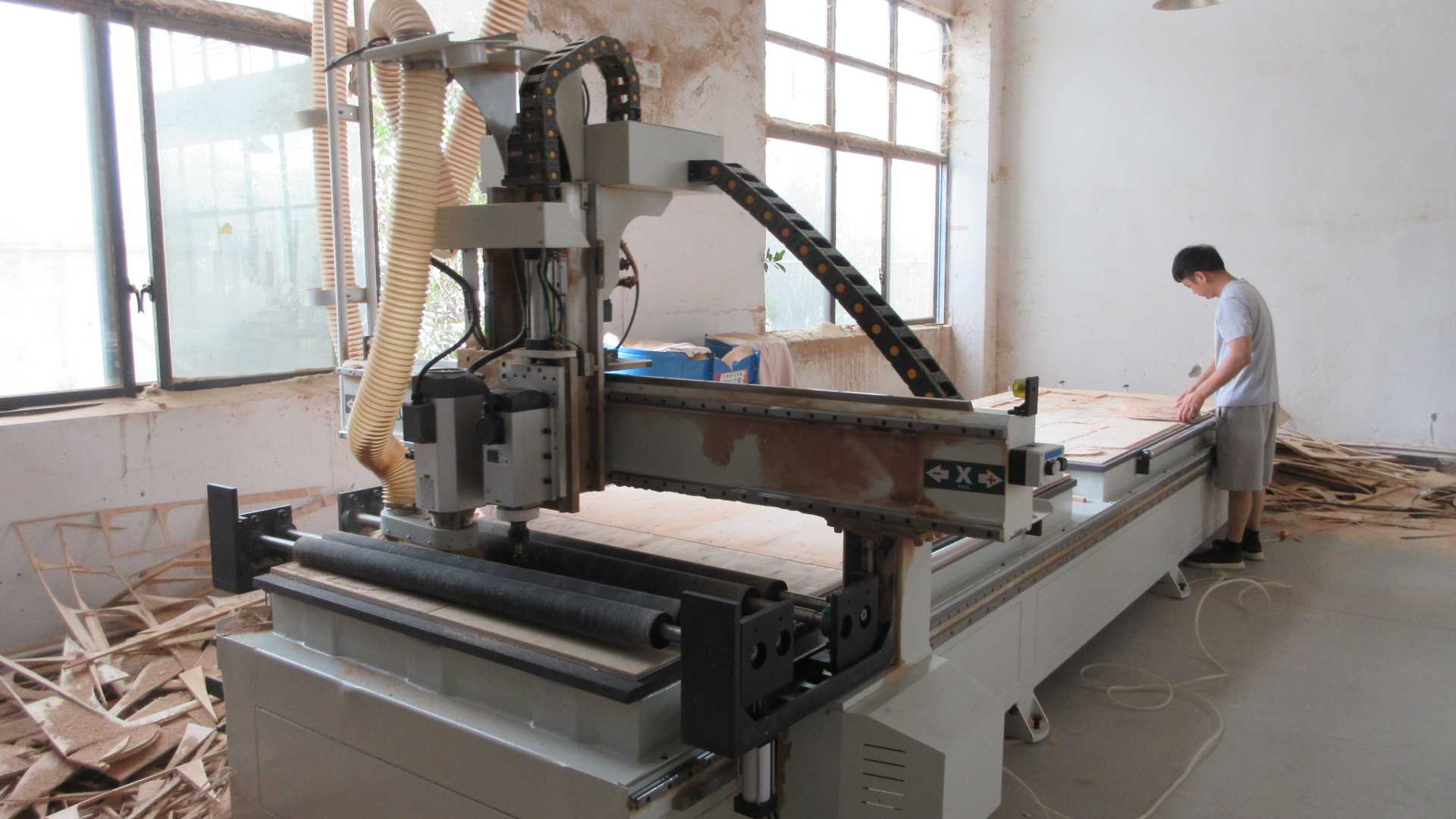
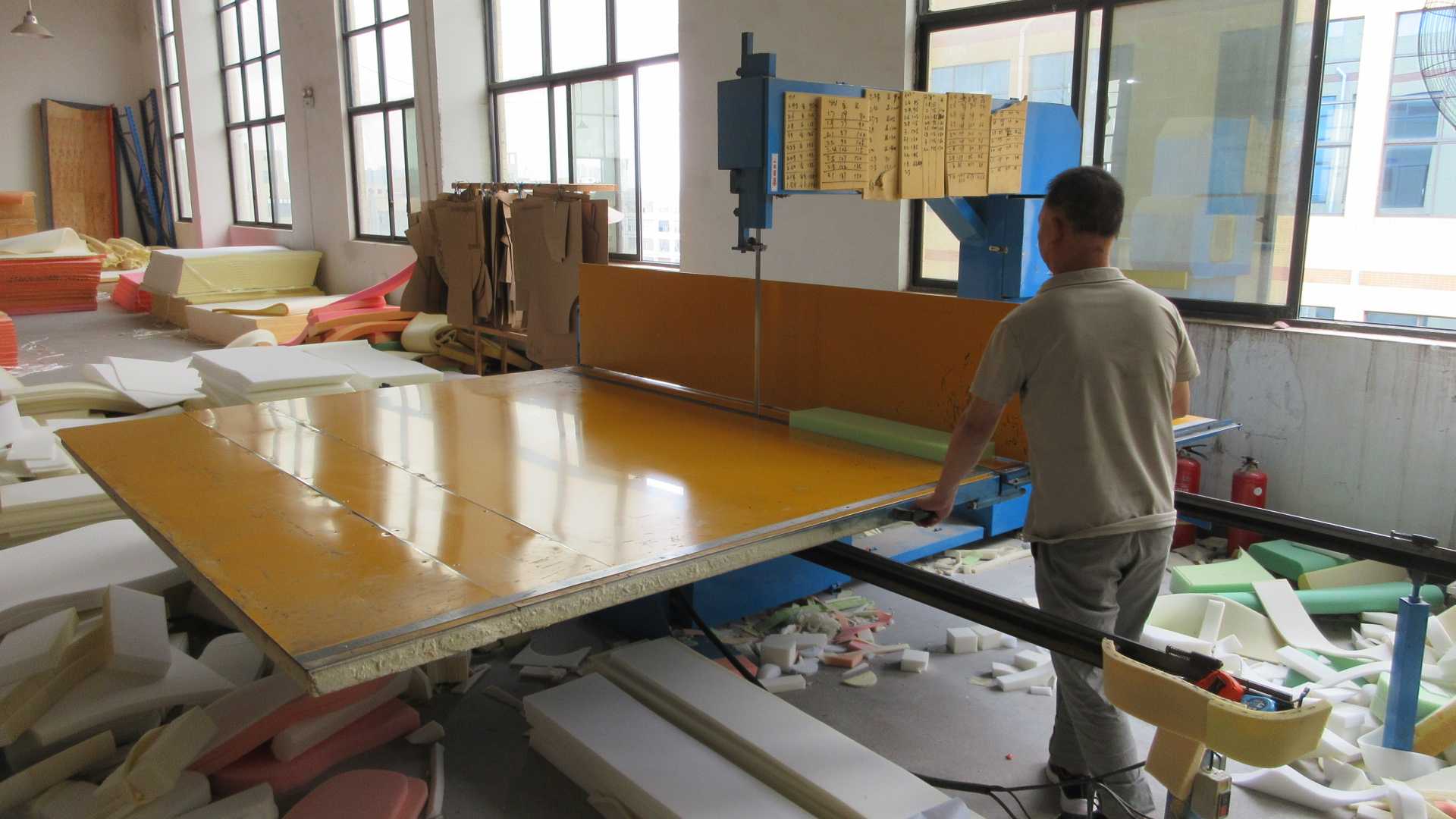
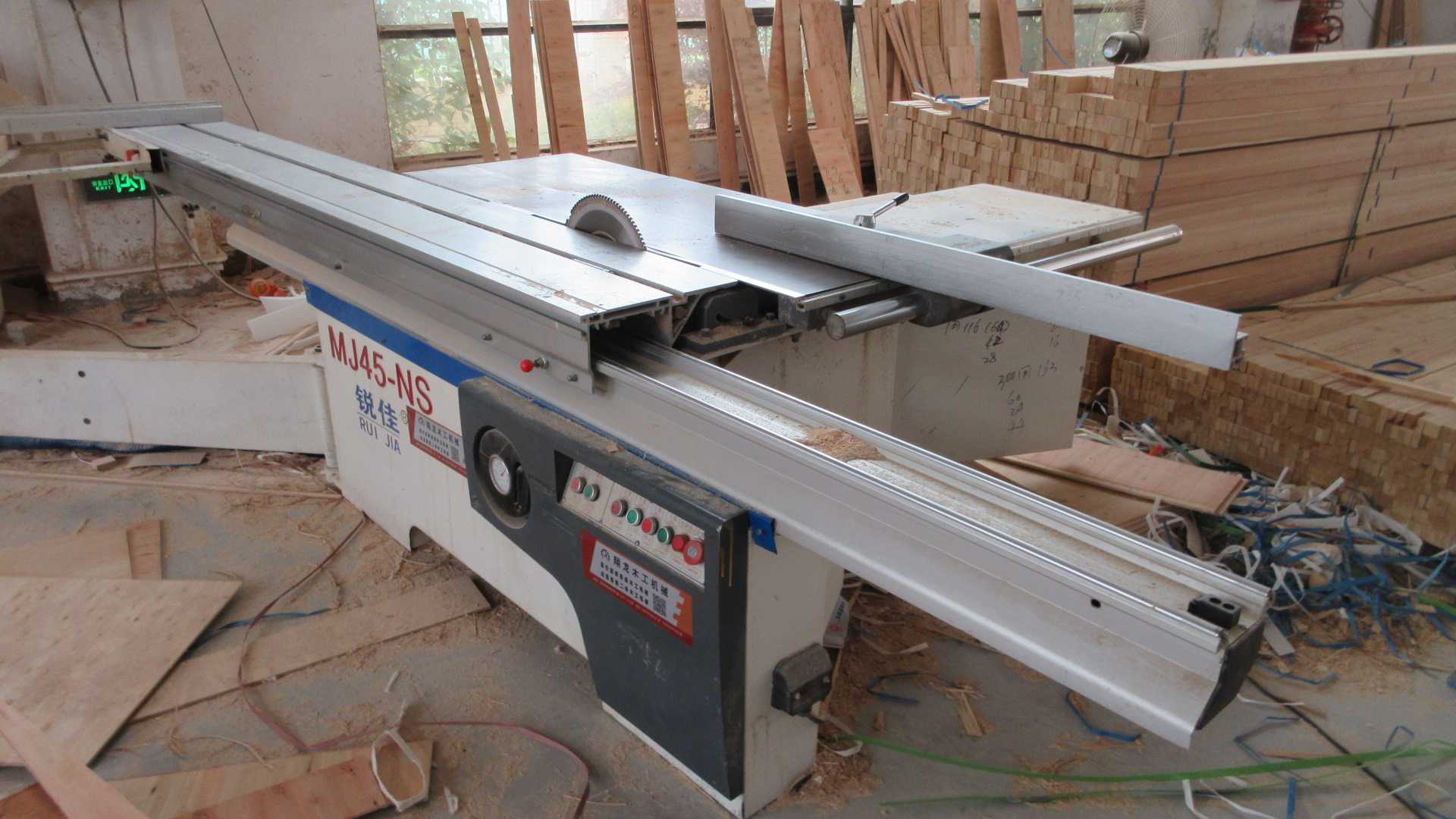
Automatic sawing machinery
Automatic Sawing
Precision Sawing Machine

China Manufacturing Advantages in the Seating Industry

Why Zhejiang serves as the epicenter for scale, material optimization, and fast dispatch.

Zhejiang is renowned globally as an elite manufacturing cluster for commercial contract seating and outdoor recreation systems. This regional centralization provides distinct advantages that allow us to balance production scale with competitive costs:
  • Deep Material Supply Chain Integration: The immediate proximity to raw aluminum suppliers, premium high-tensile steel facilities, outdoor-grade PE rattan extrusion mills, and synthetic textiles (like high-performance Teslin) reduces lead times. We acquire components quickly, keeping manufacturing cycles within tight parameters.
  • Advanced Automation Ecosystem: Our production floors use CNC laser tube cutting, automatic profile bending, and robotic MIG/TIG welding. Automation reduces manual errors, guarantees consistent tolerances on stacking frames, and lowers labor overhead, passing direct cost savings to buyers.
  • Logistical Connectivity: Positioned in Zhejiang, we are close to Ningbo and Shanghai ports. This gives us access to frequent global shipping lanes, minimizing road transit times and reducing cross-border delivery friction.
  • Scalability and Customization: Our factories manage large production runs, while maintaining the flexibility to customize finishes, select fabric grades (such as UV-resistant, hydrophobic, or fire-retardant weaves), and adjust dimensions to match specific architectural projects.

Macro Solutions: Stackable Chairs Across Global Sectors

Versatile applications for high-traffic environments, commercial properties, and outdoor hospitality projects.

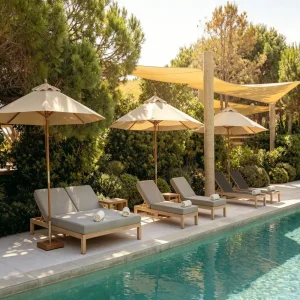
Hotel & Resort Poolsides

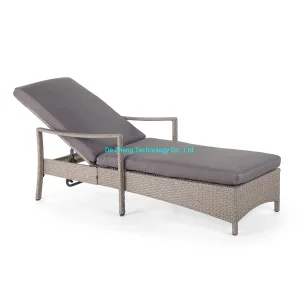
Stackable patio daybeds and accent chairs can be set up in the morning and cleared away at night. Built with anti-UV, saline-resistant coatings, these pieces withstand intense sunlight and chlorinated water without corroding or fading.

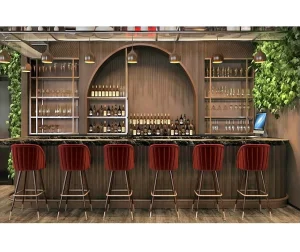
Bistro & Urban Food Hubs

High-density dining spaces require durable furniture that cleans easily. Our lightweight aluminum frames, combined with woven synthetic rattan, look stylish while standing up to high turnover and frequent cleaning.

Multi-purpose Corporate Spaces

Convert training hubs into open meeting areas quickly. Stackable configurations allow facilities staff to clear spaces in minutes, storing seating on compact transport dollies with minimal storage footprint.

For commercial properties like hotels, large-scale conference centers, and multi-tenant offices, space is premium real estate. Stackable seating helps maximize this space. Using premium materials ensures these chairs endure frequent setup and storage cycles without scratching or suffering structural wear.

Procurement Quality Assurance Checklist for B2B Importers

Essential benchmarks for sourcing staff during factory audits and compliance checks.

When importing large quantities of contract furniture from China, B2B purchasing managers should verify several key technical details to ensure durable performance:
  • Wall Thickness of Metal Framing: Ensure metal tubing is at least 1.5mm to 2.0mm thick for heavy-duty commercial use. Thinner walls (under 1.2mm) are prone to bending under stress.
  • Welding Quality: Look for full 360-degree welds at joints rather than simple spot welds. Robotic welding provides the most uniform, crack-resistant seams.
  • Powder Coating and Prep: Raw metal should undergo chemical cleaning and pre-treatment before powder coating. This prevents paint chipping, bubbling, and rusting in humid environments.
  • Stacking Protection: Quality designs feature integrated bumper guards or spacer pads under the seat. These prevent direct metal-on-metal or resin-on-resin contact, protecting finishes when stacked.
  • Regulatory Certifications: Ask for verifiable CE, SGS, and EN test reports. These documents ensure the furniture meets mechanical safety standards for public spaces.

Future Trends: Eco-Design and Ergonomics in Stackable Seating

The shift toward circular economy materials, modular configurations, and smart storage systems.

The contract furniture industry is changing as buyers focus more on sustainability. Modern commercial projects seek out products made from recycled components, ocean plastics, and bio-composites. Future designs must balance environmental sustainability with long-term durability:
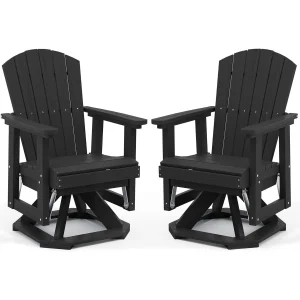
1. High-Density Polyethylene (HDPE) and Circular Loop Synthetics: Using recycled HDPE, as seen in modern all-weather glider furniture, reduces reliance on new plastics. HDPE is durable, weather-resistant, and recyclable at the end of its life cycle.
2. Ergonomic Integration: Stackable chairs historically sacrificed comfort for storage efficiency. Today, advanced ergonomic engineering allows for contoured lumbar support and flexible backrests that still nest together compactly.
3. Hybrid Materials: Designers are combining lightweight metal frames with woven elements, mesh, or molded seats. This creates versatile chairs that work well in both indoor and outdoor spaces.

Frequently Asked Questions (FAQ)

Expert technical answers regarding compliance, material performance, and factory logistics.

What specific certifications should a quality stackable chair have for EU contract use?

For commercial projects in the European Union, seating should carry the CE mark and meet the EN 16139:2013 standard (non-domestic seating). Outdoor options must comply with EN 581. These standards certify the product is safe and structurally sound for public spaces.

How does Zhejiang MAZIS Furniture control quality across production runs?

MAZIS maintains quality control at every stage. We inspect raw materials, run automated sawing and CNC frame cutting, use precise welding systems, and check every finished item before packing. This systematic process ensures uniform quality across large orders.

Why are stackable chairs more cost-effective for international shipping?

Because they nest together, stackable chairs occupy much less space. This significantly increases the number of units that fit into a standard shipping container, lowering per-unit freight costs and reducing carbon emissions per item delivered.

What custom options (OEM/ODM) can your factory provide?

We offer customized frame thicknesses, custom powder-coat colors, specific fabrics (like weather-resistant or fire-retardant weaves), and adjusted dimensions. We work with clients from initial concept drawings through to finished production.

How does wood frame assembly compare to aluminum or steel construction?

Metal frames (aluminum and steel) are typically lighter and easier to stack in high configurations. Wood frames offer a classic, high-end look suitable for luxury interiors. We manufacture both options, matching the materials to the specific project requirements.