Engineered to meet international hospitality, commercial, and residential benchmarks.
Analyzing supply chain mechanics, raw timber sourcing stability, and compliance vectors for contract furniture distribution.
The global demand for high-quality, certified wooden furniture has experienced a profound paradigm shift. Modern commercial procurement managers, architects, and high-volume importers are no longer searching merely for aesthetically pleasing products. Today, the criteria have evolved to prioritize verifiable raw material traceability, structural integrity certified under CE frameworks, and resilient manufacturing capacity. The wooden chair, a foundational item in domestic, office, and hospitality fit-outs, serves as a primary marker of this shift.
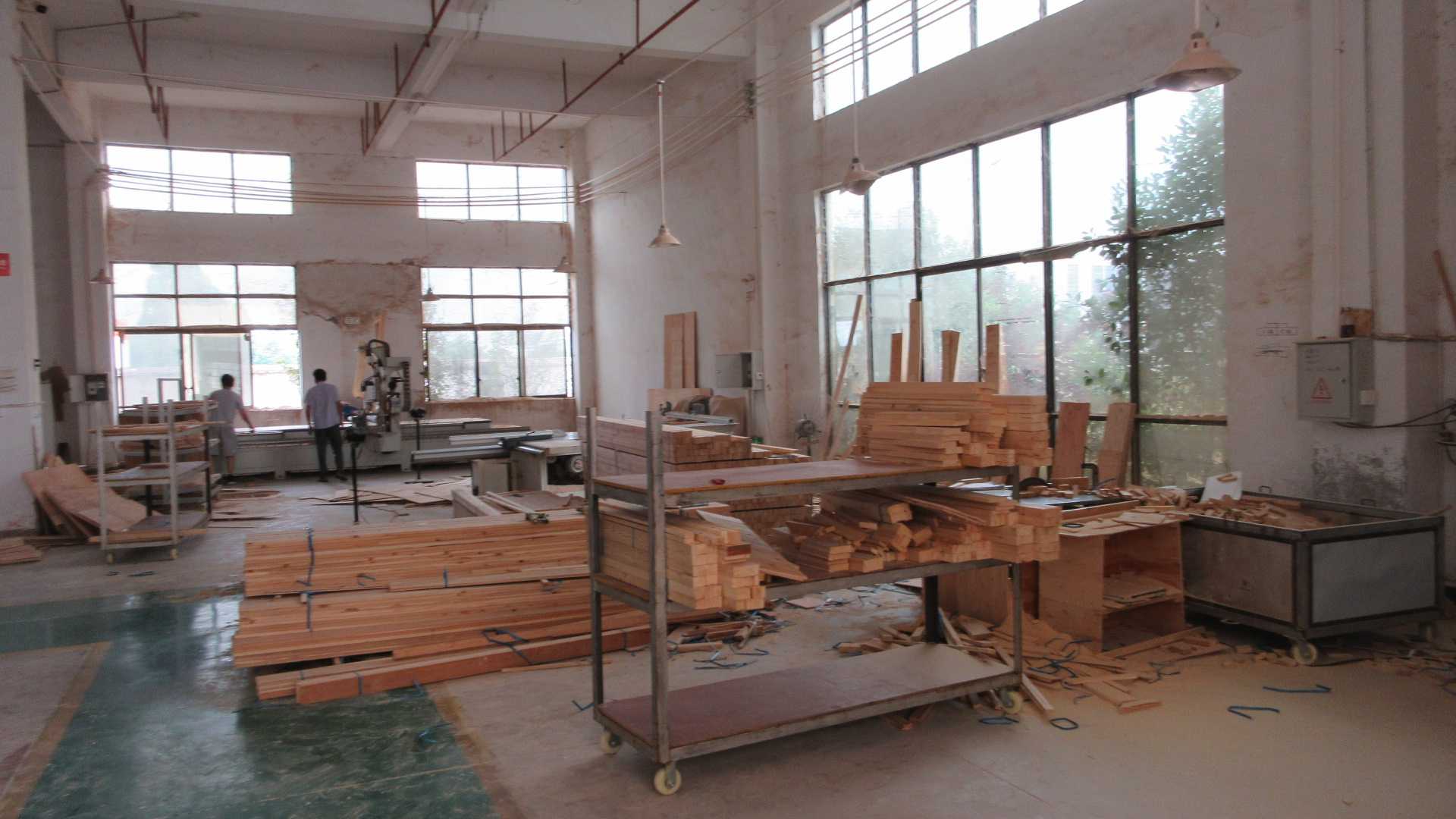
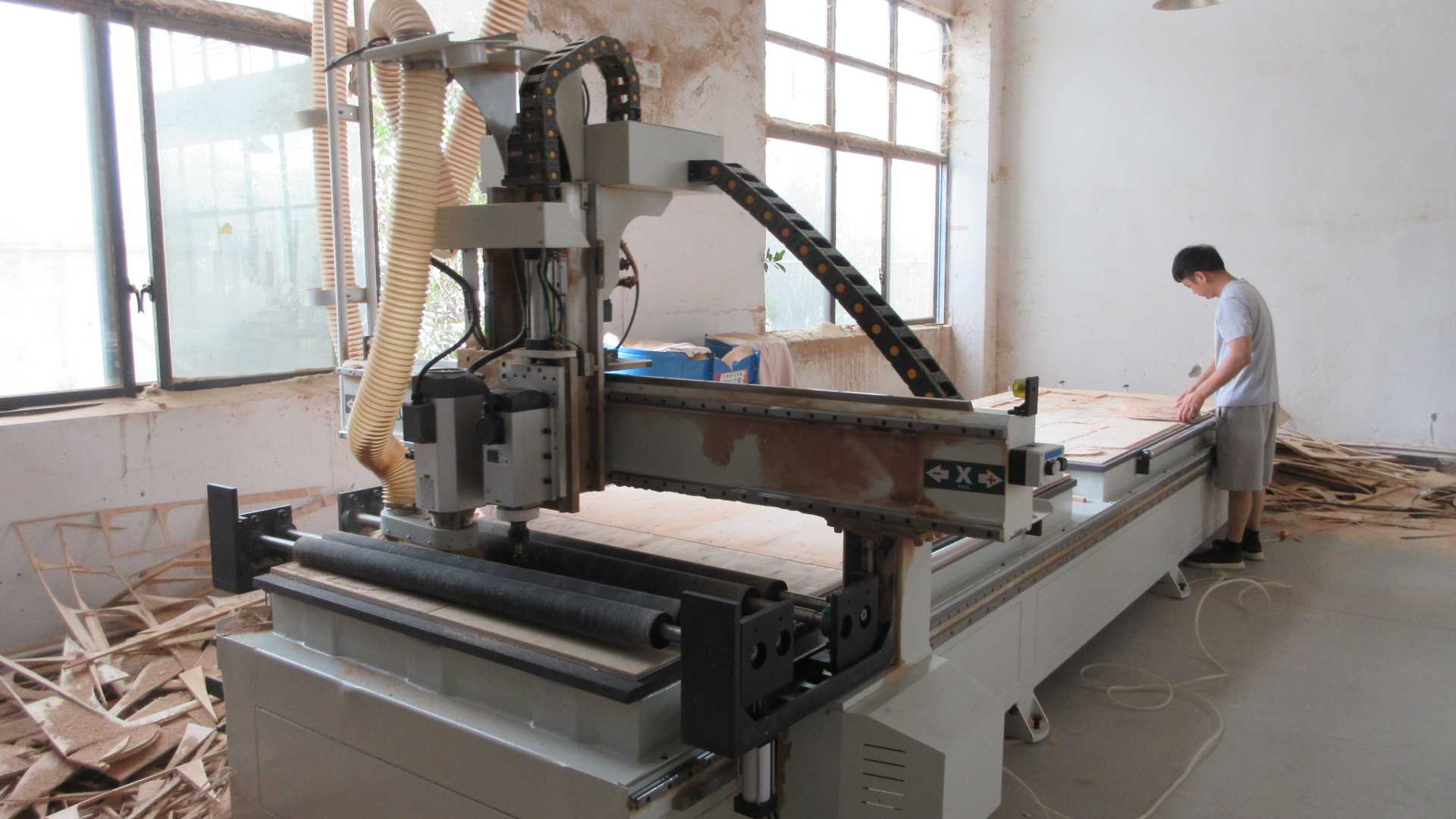
In the post-industrial era, manufacturing wooden furniture is a high-tech discipline. Advanced CNC precision tooling, combined with automated material sorting, allows exporters to mitigate the natural variations inherent in timber. Modern factories must balance wood moisture levels to match the target market's relative humidity (typically between 8% to 12% equilibrium moisture content), preventing structural warping, joint separation, or checking under varied climatic zones. For exporters, this demands high-capacity drying kilns and real-time electronic moisture monitoring across the production floor.
Urbanization, paired with the expansion of the global travel and leisure industry, continues to drive demand. Hospitality projects require furniture that complies with rigorous public space safety standards, including flame-retardant fabric/padding guidelines (e.g., BS 5852 or CAL 117) and heavy contract use load ratings (EN 1728). Exporters who integrate dynamic mechanical stress testers directly within their QA departments can significantly shorten delivery schedules, eliminating the long loops associated with third-party verification facilities.
A pioneer in high-performance outdoor and indoor seating production architectures.
Zhejiang MAZIS Furniture Co., Ltd. is a modern enterprise specializing in the design, research and development, and manufacturing of high-quality outdoor furniture. The company is committed to creating durable, comfortable, and aesthetically refined outdoor living solutions for global customers.
Located in Zhejiang Province, MAZIS Furniture benefits from a strong regional manufacturing foundation and a well-developed industrial supply chain. The company operates with a dedicated independent R&D department, enabling continuous innovation in product design, materials, and manufacturing techniques.
MAZIS Furniture is equipped with advanced production facilities, including laser welding systems, precision cutting equipment, and automated plastic spraying lines. These capabilities ensure high production efficiency and consistent product quality across all categories.
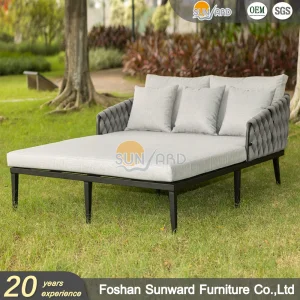
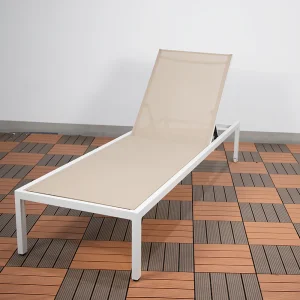
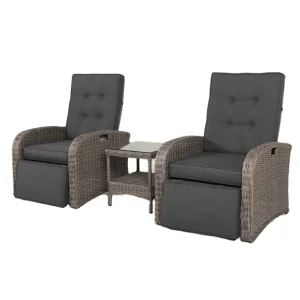
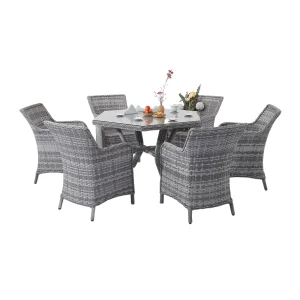
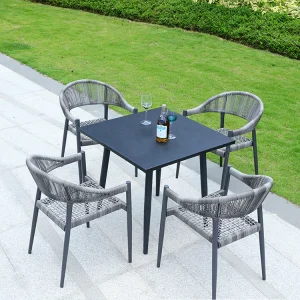
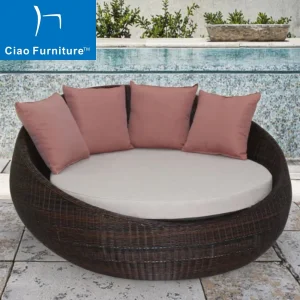
The company’s main product range includes Teslin mesh furniture, synthetic rattan furniture, and other premium outdoor leisure furniture series, widely used in gardens, patios, balconies, hotels, resorts, and commercial outdoor spaces.
With a strong focus on quality control, sustainable materials, and modern design aesthetics, Zhejiang MAZIS Furniture Co., Ltd. has established long-term cooperative relationships with buyers in more than 10 countries and regions, including Europe and North America. Its products are well recognized in international markets for their durability, weather resistance, and contemporary style.
Looking ahead, MAZIS Furniture continues to uphold the principles of innovation, quality, and customer satisfaction, striving to become a trusted global supplier in the outdoor furniture industry.
A step-by-step technical breakdown of our factory operations, highlighting our focus on safety, quality, and structural compliance.
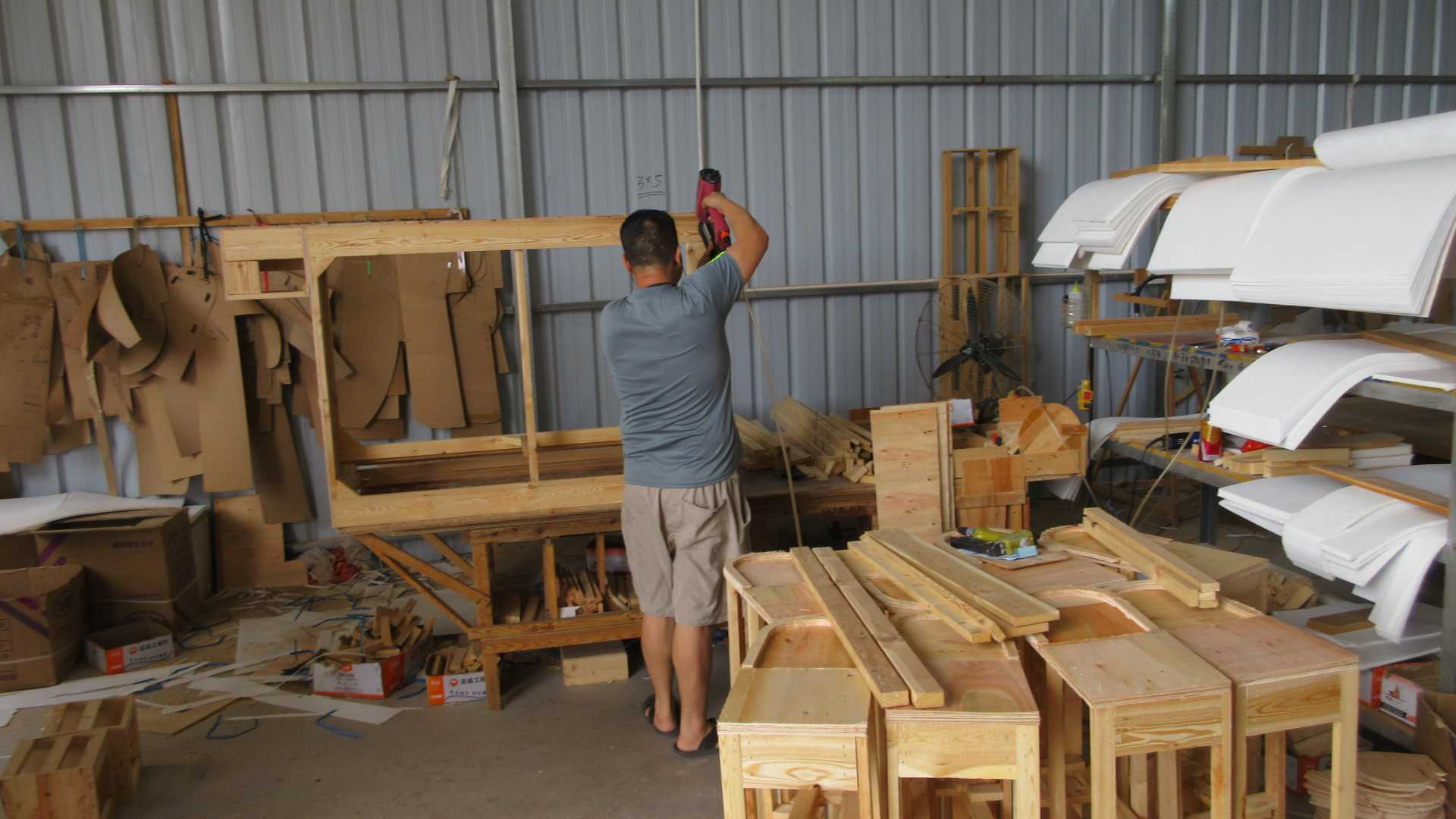
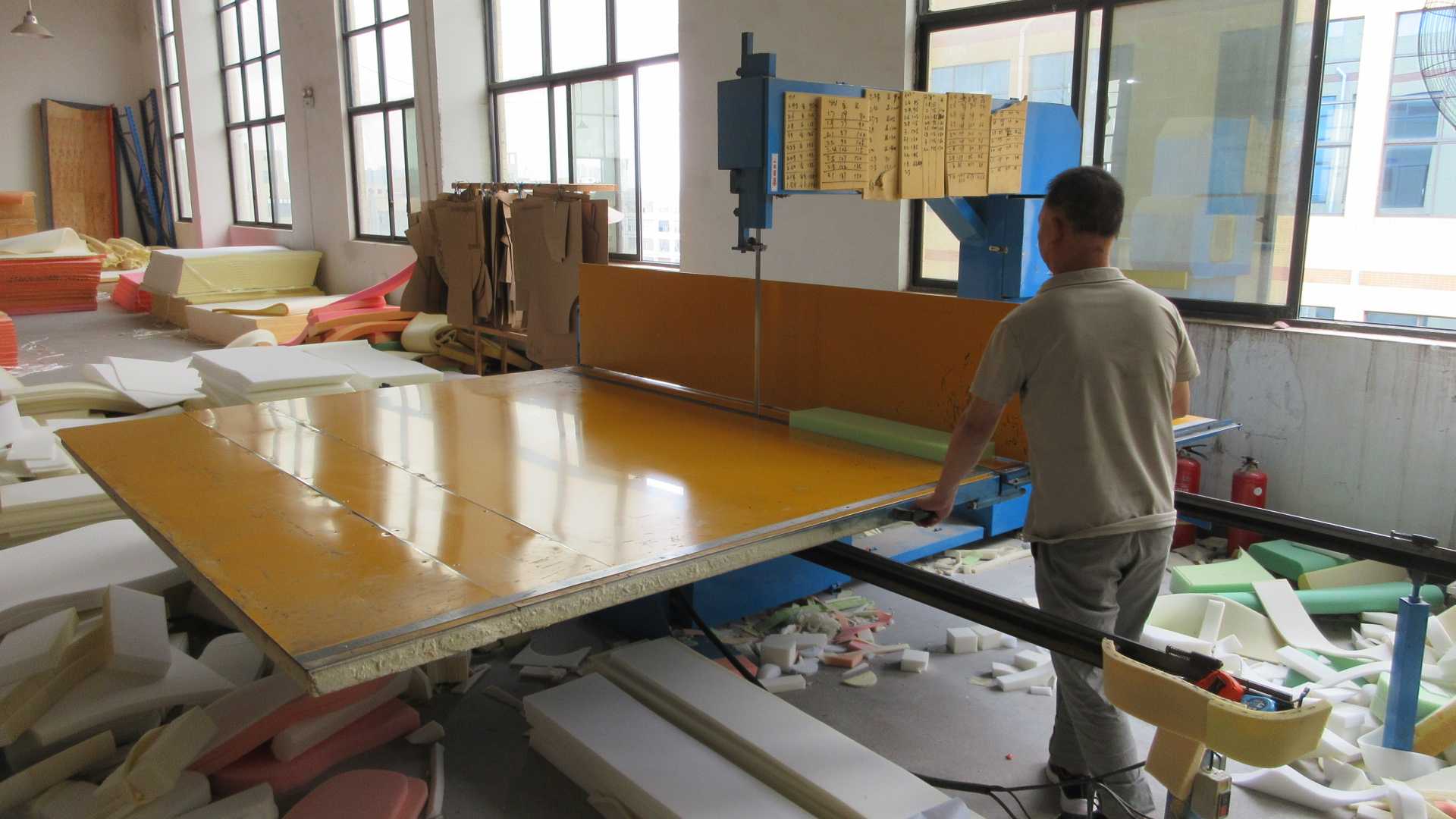
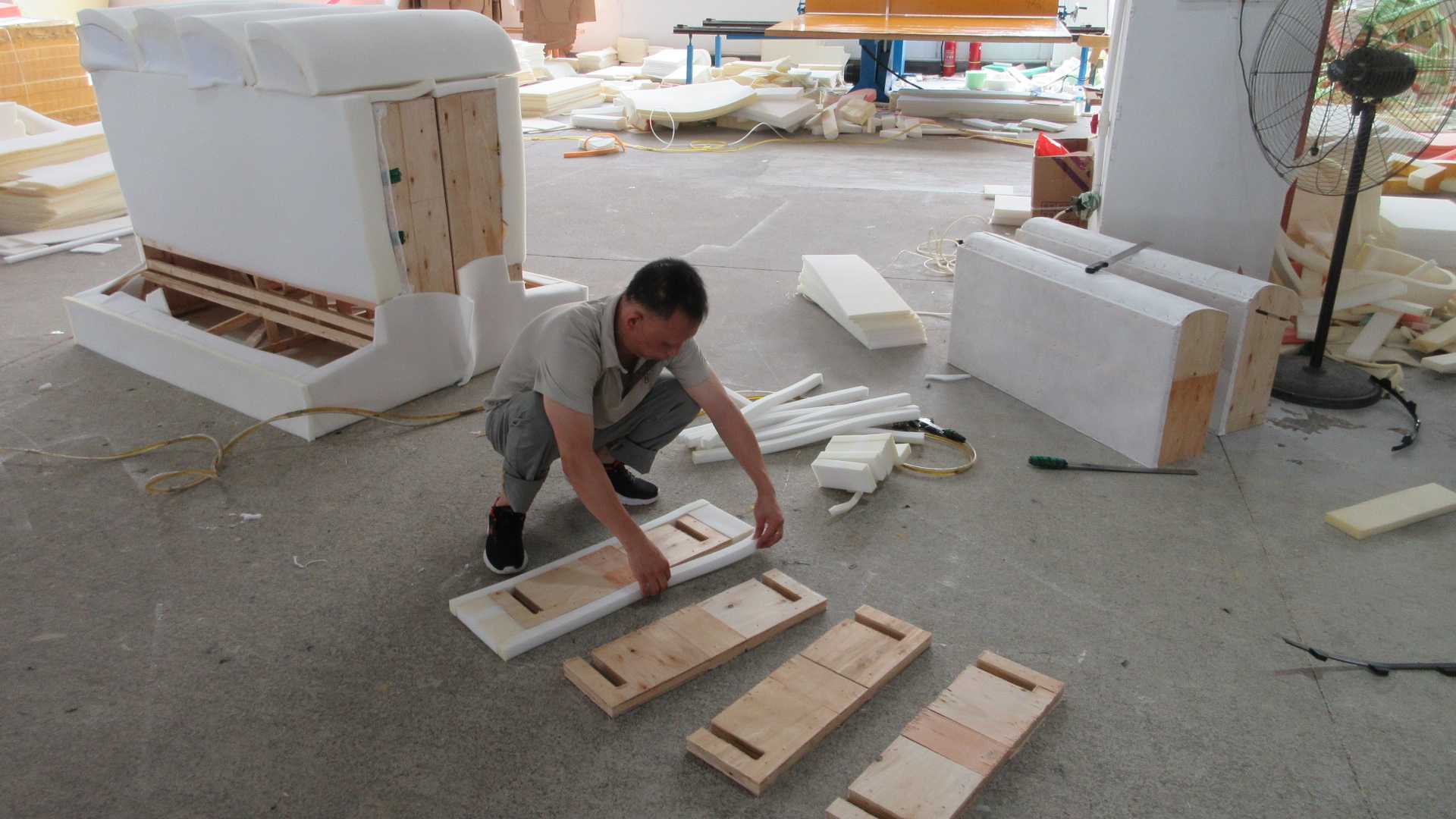
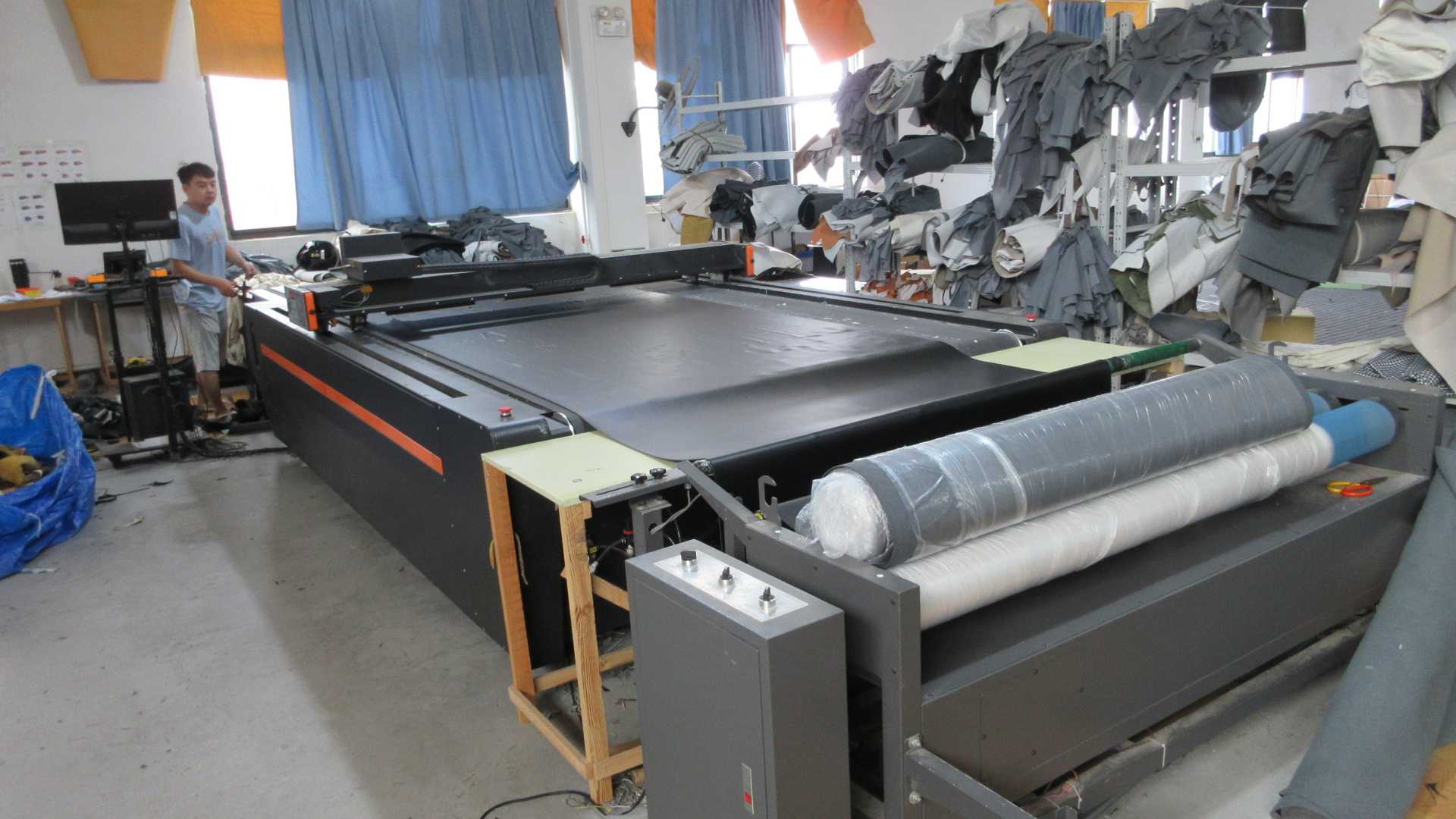
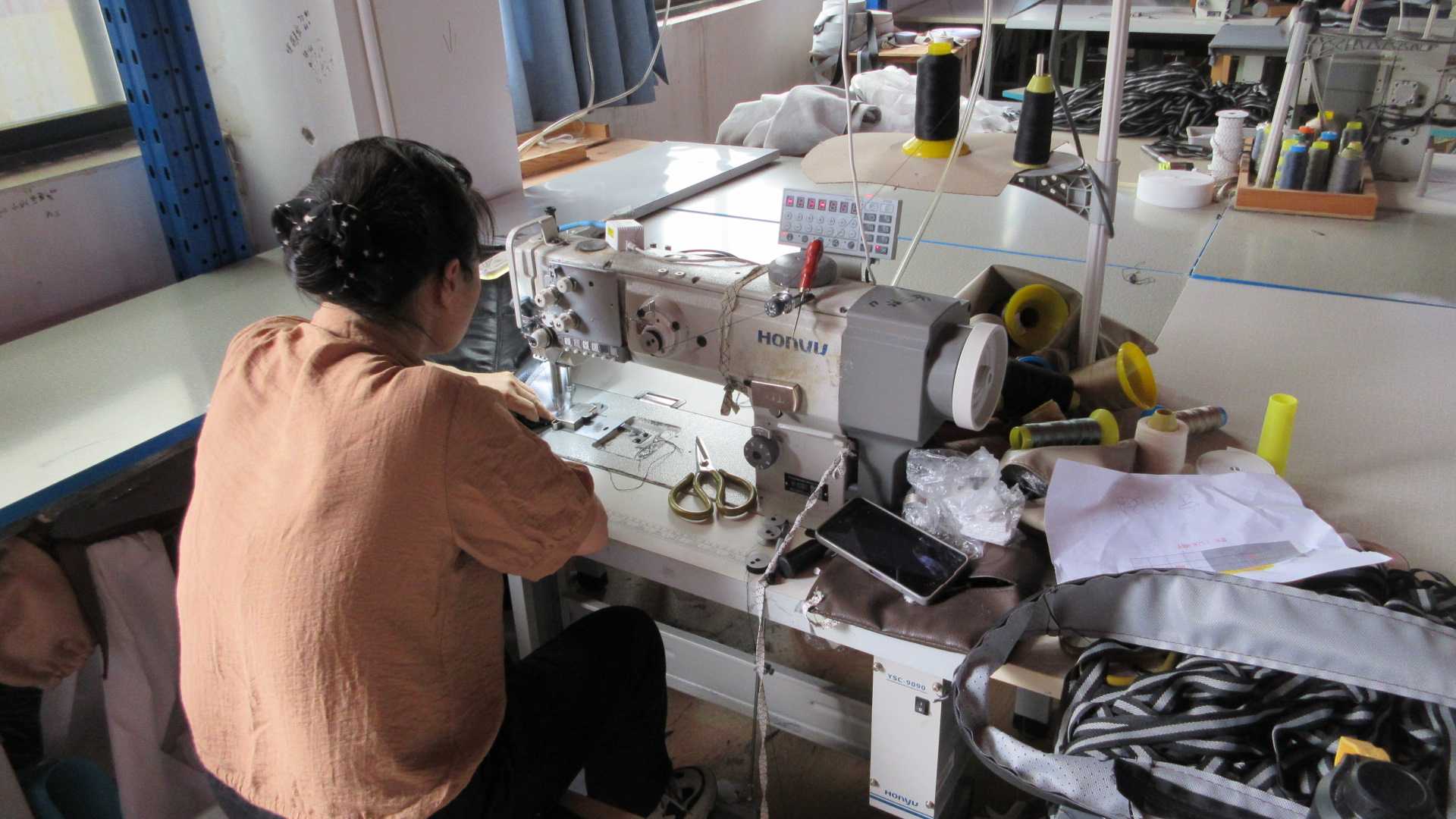
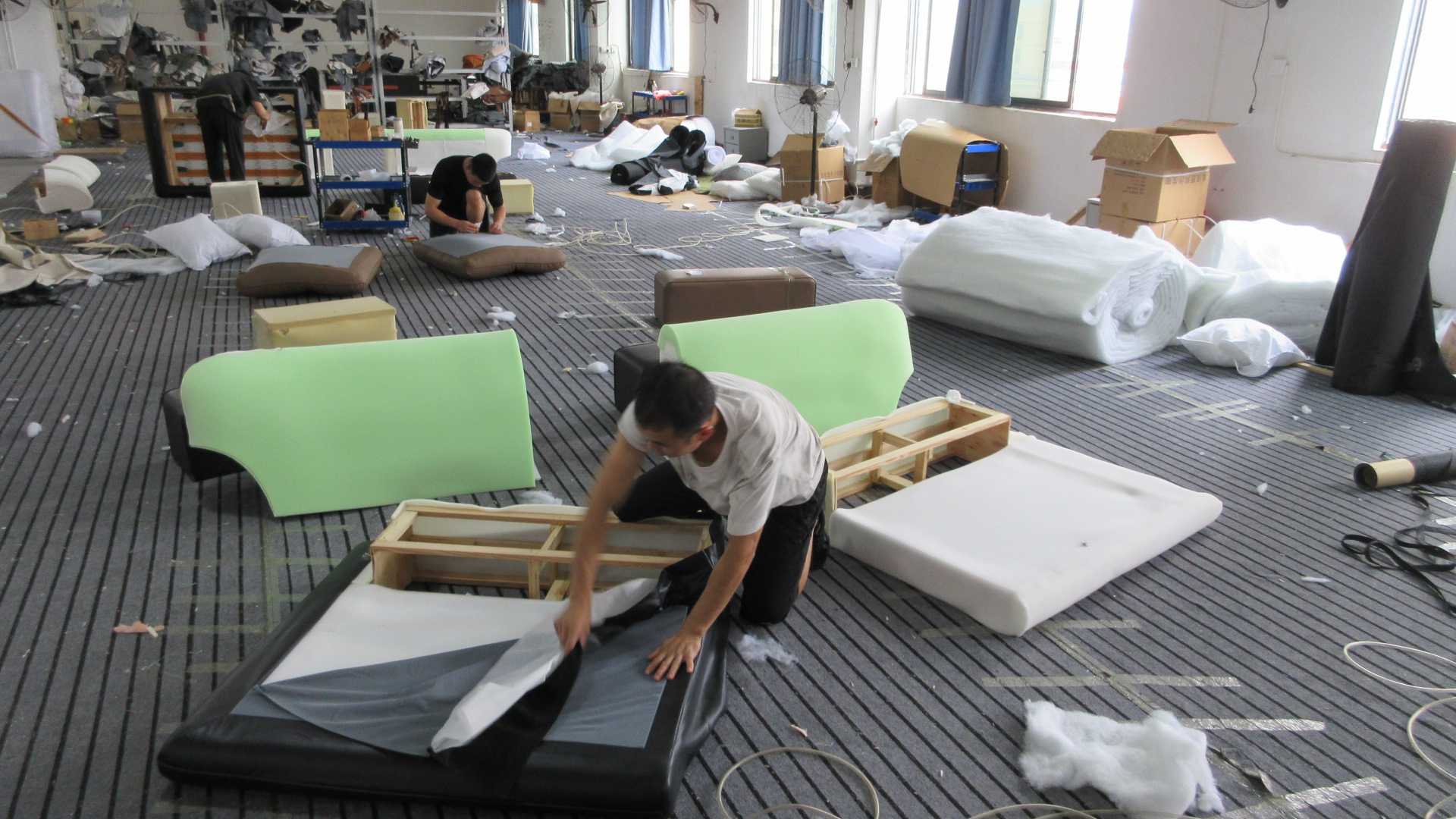
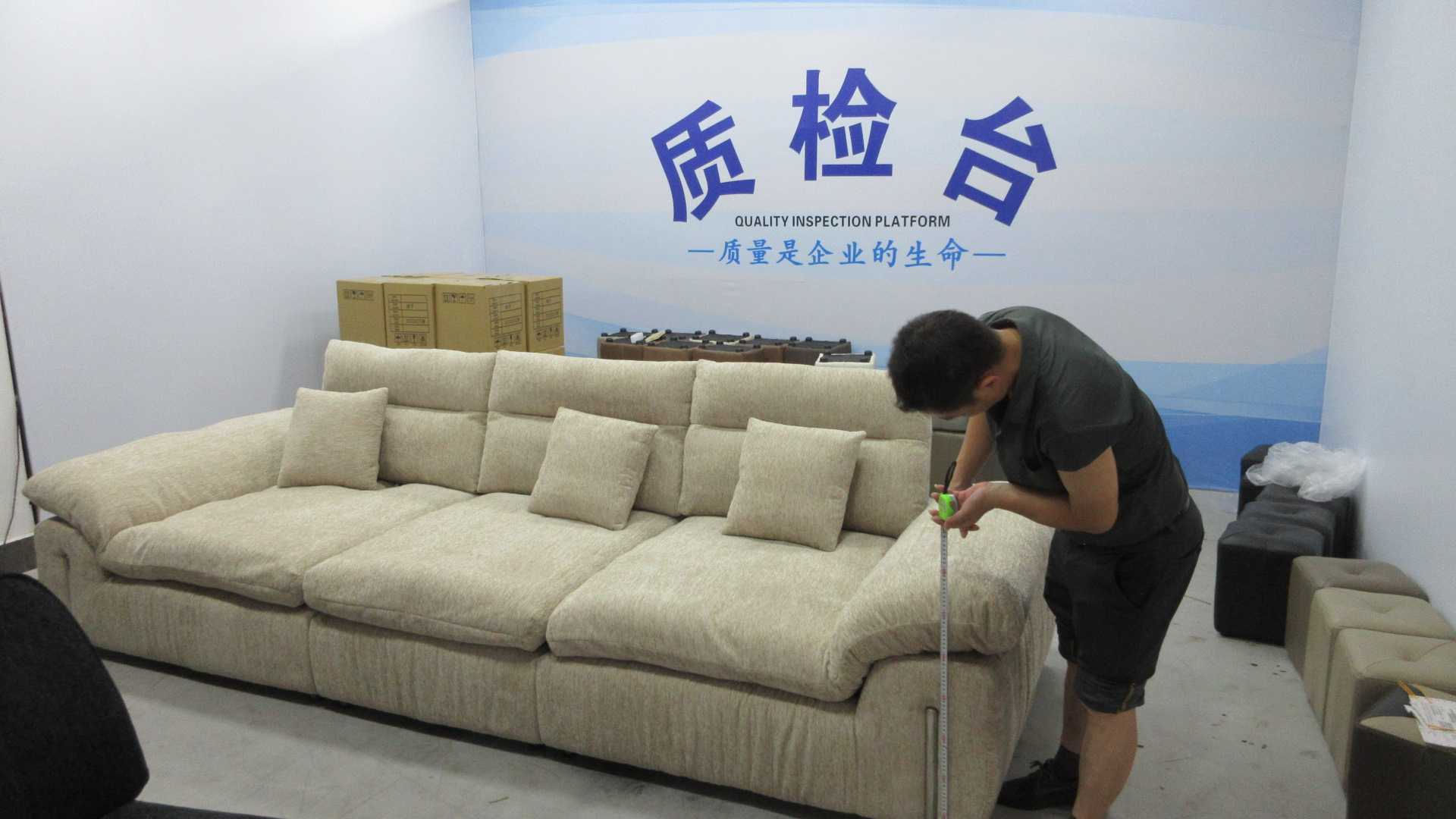
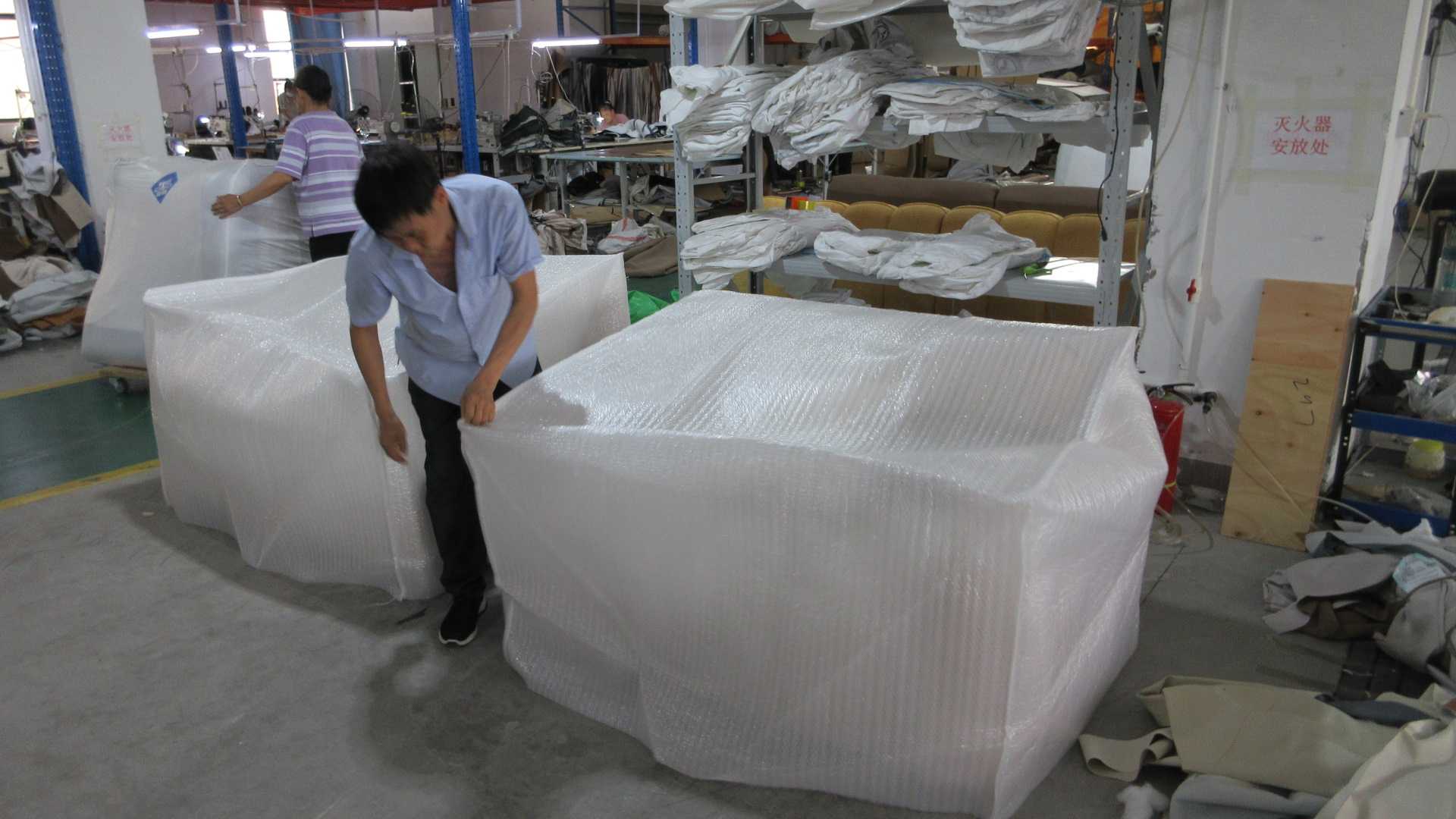
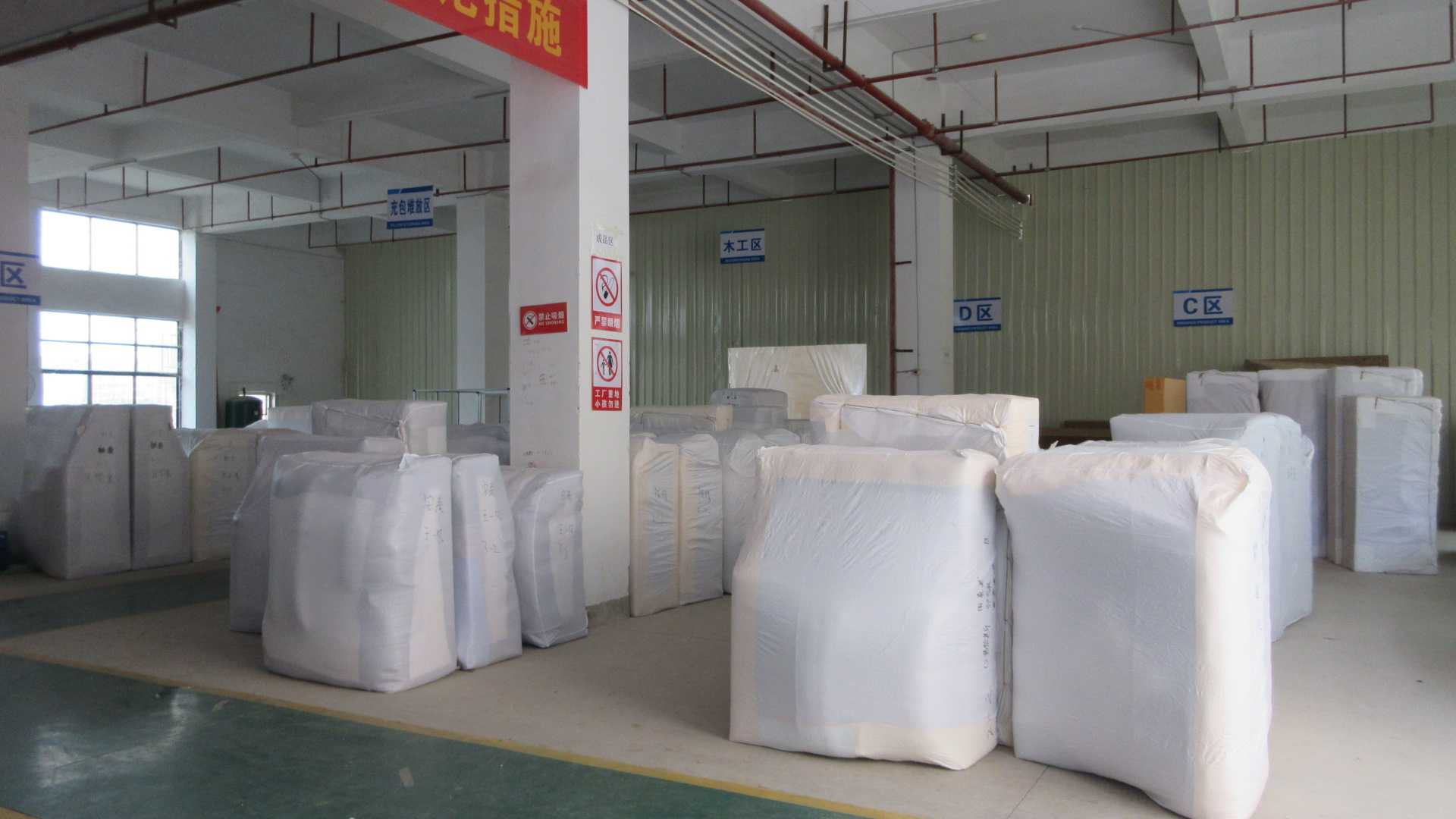
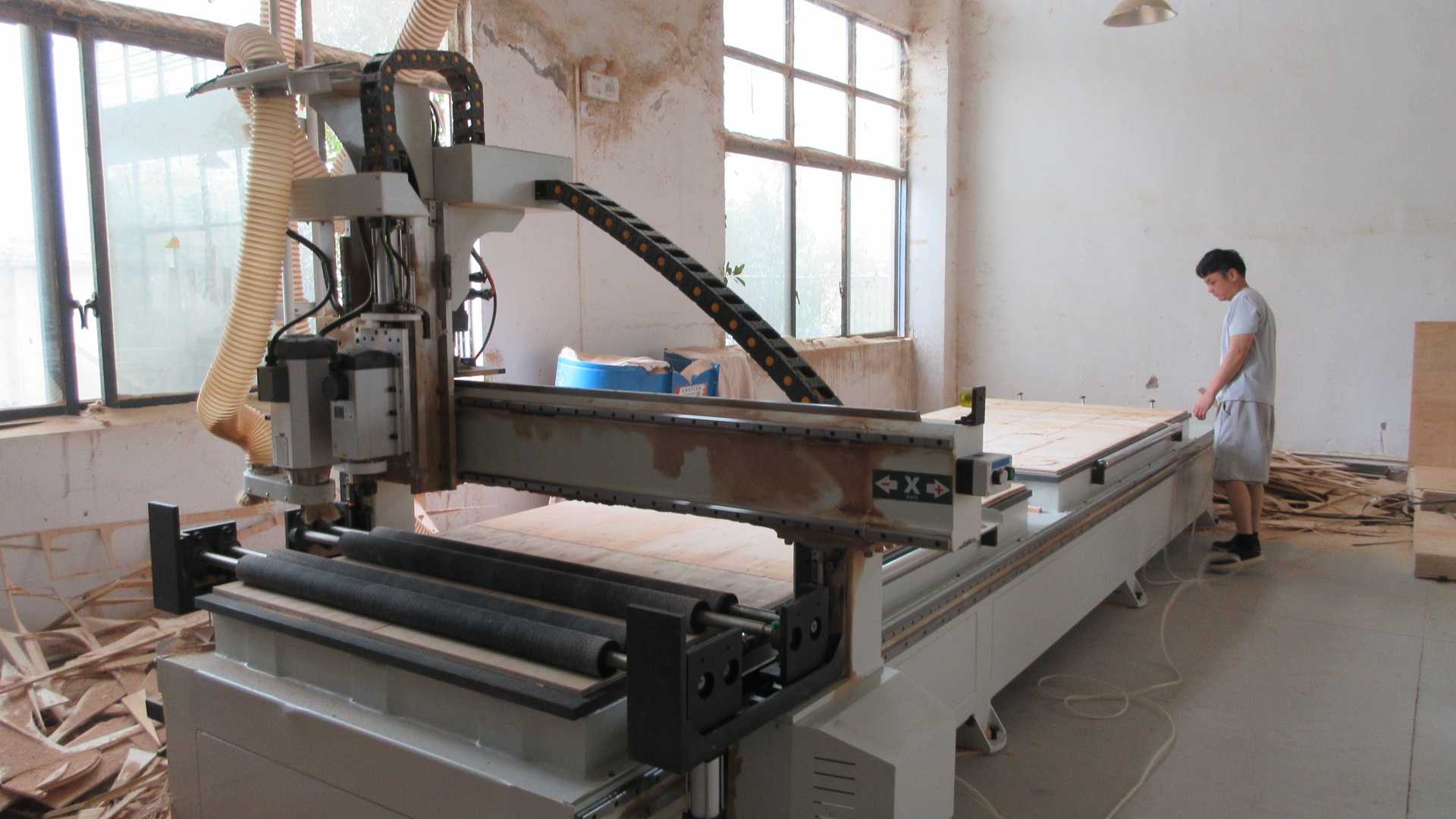
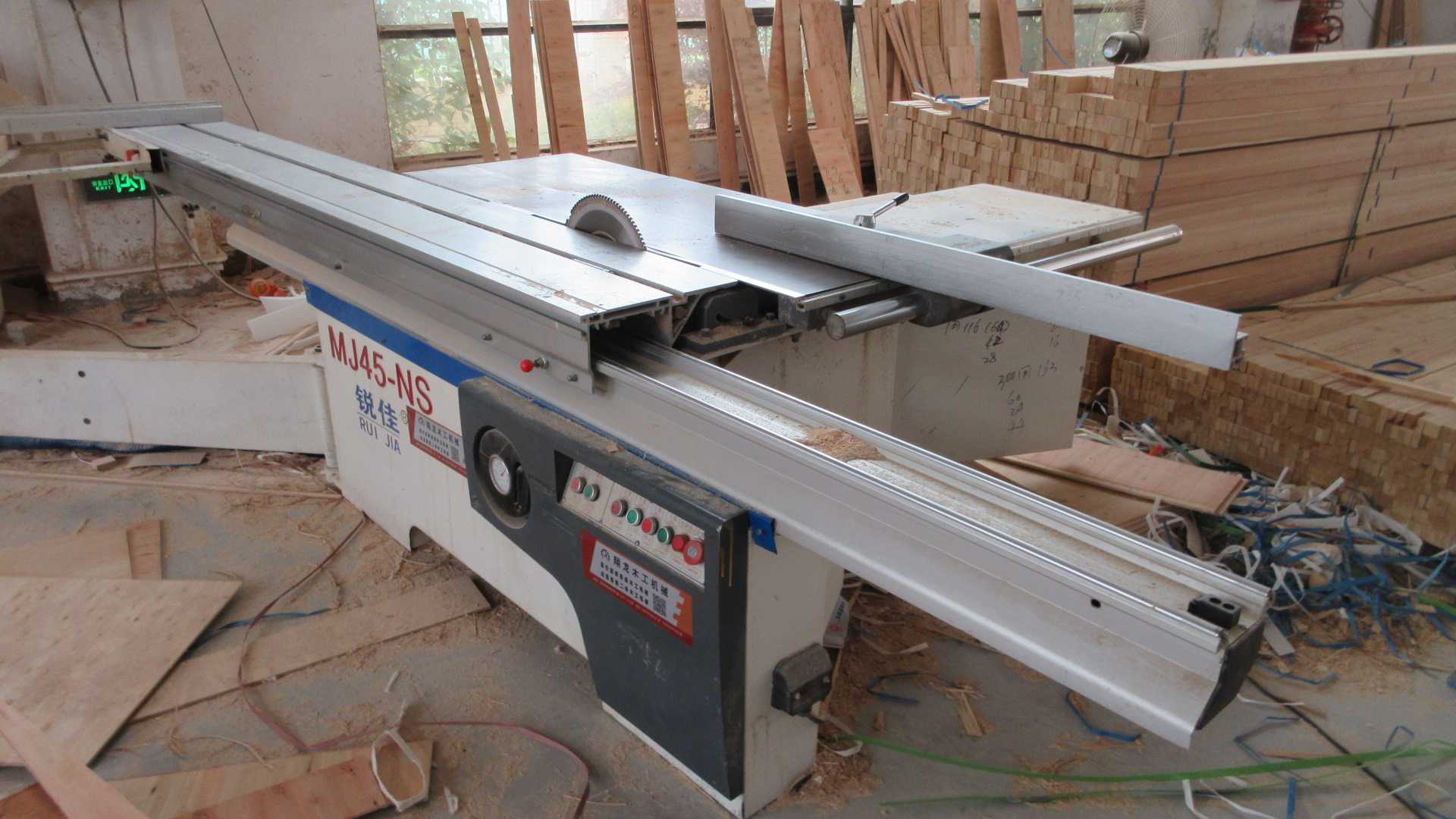
Exploring mechanical test directives, structural performance criteria, and timber lifecycle management.
CE marking on commercial wooden furniture is not a cosmetic label; it represents rigorous adherence to European standard frameworks. Specifically, EN 12520 determines the strength, durability, and safety of seating products for domestic use, while EN 16139 establishes the criteria for non-domestic/contract furniture (e.g., office waiting zones, public hospitality environments, restaurants, and lounges). These standards subject furniture prototypes to extreme testing stress vectors:
Wood is a living hygroscopic material that continuously exchanges moisture with its surroundings. Under high relative humidity, it swells; in low-humidity environments, it shrinks. To mitigate structural shifting, MAZIS Furniture implements computerized kiln drying profiles. The target Equilibrium Moisture Content (EMC) is calculated as:
EMC = [ ( -ln(1 - h) ) / ( A * T^B ) ] ^ (1 / C)
Where h represents relative humidity and T is the temperature in Kelvin. Operating within standard parameters, we ensure all export-bound timber achieves an EMC of 9% ± 2%, minimizing dimensional variation during transit across international climate zones.
Tailoring seating structures to match regional weather conditions, architectural expectations, and local compliance demands.
The performance requirements for wooden seating vary significantly depending on localized microclimates and regional regulations. An exporter must understand these variables to deliver products that perform well over decades of use.
In Western and Northern European countries, outdoor seating must withstand frequent rainfall and rapid temperature shifts. Materials like Teak, FSC-certified Eucalyptus, and modified thermal ash are preferred for these conditions. Surface treatment must include UV-stabilized, water-borne acrylic sealers that resist cracking under freeze-thaw cycles. Structurally, space-saving features like quick-fold mechanisms or nestable stacking options are critical for urban environments where sidewalk furniture is brought indoors overnight.
Exporters serving North American commercial channels must align their products with ANSI/BIFMA performance criteria (such as ANSI/BIFMA X5.1 for office chairs and X5.4 for lounge seating). Additionally, fire-retardant compliance remains a key factor. Materials used in California and major commercial centers must meet TB117-2013 standards, requiring combustion-resistant barrier technologies beneath the upholstery.
Seating destined for coastal regions faces exposure to high UV index ratings and salt fog corrosion. Standard fasteners will degrade rapidly under these conditions. Factories must utilize 316 Marine-Grade stainless steel hardware, treated with passivation processes to prevent galvanic corrosion. Woven synthetic rattan elements must incorporate high-density polyethylene (HDPE) formulations containing hindered amine light stabilizers (HALS) to protect against degradation from sunlight and UV exposure.
How automation, bio-adhesives, and circular economy design principles are shaping the next generation of wood manufacturing.
The wooden chair manufacturing industry is transitioning from linear production models to a circular economy framework. Over the next five years, technological developments will focus on three main areas: low-carbon raw material inputs, automation, and end-of-life material recovery.
Traditional urea-formaldehyde resins are being phased out in favor of soy-based bio-adhesives. These natural binders match the structural performance of synthetic alternatives while maintaining formaldehyde emissions well below strict E0 limits, creating safer indoor air environments.
Modern facilities are integrating CNC milling lines with robotic vision sorting systems. Automated scanners evaluate wood grain direction and locate knots, optimizing cut patterns to minimize material waste and improve structural stability across production runs.
Additionally, modern product design increasingly prioritizes easy disassembly. By using modular joints instead of permanent glue lines, individual parts can be repaired or replaced. At the end of the product's lifespan, this modular design allows components to be separated for recycling or clean energy recovery, keeping materials out of landfills.
Answering critical compliance, engineering, and shipping questions for global furniture buyers.
CE compliance for commercial seating is verified through mechanical testing under the EN 16139 standard. These tests evaluate structural strength, frame fatigue, stability, and safety. The seat must withstand static vertical loads up to 2000 N and backrest loads up to 560 N for at least 100,000 cycles, and exhibit zero tipping under front, lateral, and rear loading tests.
We monitor moisture levels throughout the manufacturing process. Kiln drying programs reduce moisture content to 8%-12%. Production areas are climate-controlled to maintain this equilibrium range, ensuring structural stability after export to North America or Europe.
For high-traffic outdoor commercial spaces, we recommend durable timbers like Teak and Robinia, or heat-treated options such as Thermowood. These species offer natural resistance to rot, fungal decay, and boring insects. When paired with high-performance marine oils or water-based acrylic sealers, they provide excellent longevity in outdoor environments.
Yes, our R&D department provides full CAD/CAM engineering services. We convert architectural concepts into production-ready specifications, ensuring customized joint shapes and material options maintain structural safety and stability standards.
Engineered with weather-resistant materials for residential projects, resorts, and commercial properties.