Explore our highly integrated production lineup featuring robust outdoor materials, ergonomic design, and architectural aesthetics engineered for commercial durability.
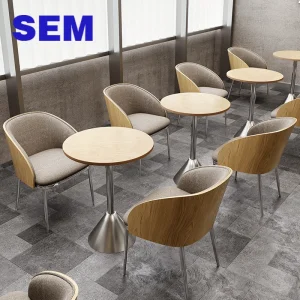
The global casual seating sector, specifically the market for bean bag chairs and unstructured lounge systems, has undergone a fundamental transformation over the last decade. Historically dismissed as temporary or youth furniture, contemporary bean bag structures are now recognized as essential components of ergonomic indoor and outdoor residential landscapes, dynamic enterprise workspaces, and commercial hospitality environments. The demand for flexible, modular, and lightweight seating solutions has driven compound annual growth rates (CAGR) of over 5.8% internationally, as organizations and consumers shift away from heavy, rigid, traditional wood and metal frameworks.
"According to recent market intelligence reports, the commercial adoption of bean bag furniture within co-working offices, educational institutions, and luxury resorts has surged by 42% since 2021. B2B buyers require suppliers that can integrate fire-retardant materials, UV-stable textiles, and structural resilience to survive high-frequency public usage."
From a material science perspective, the performance of a modern bean bag relies on advanced textile technology and filling composition. Leading manufacturers are moving away from basic, low-density Expanded Polystyrene (EPS) beads toward high-rebound virgin polyurethane foam shreds, specialized micro-bead integrations, and eco-friendly biodegradable natural fillings. Outer covers must now satisfy multi-layered performance metrics: water repellency, stain resistance, oil resistance, and international fire retardancy codes such as California Technical Bulletin 117 (CAL 117) in North America, and BS 5852 in the United Kingdom.
The concentration of high-volume furniture manufacturing in China, particularly within Zhejiang Province, provides international B2B clients with unmatched logistical and structural benefits. Sourcing from a consolidated manufacturing cluster gives buyers access to raw material abundance, specialized machinery fabrication, and efficient export channels via major deepwater hubs like Ningbo-Zhoushan and Shanghai.
For bean bag chair production, manufacturing efficiency requires precision in textile cutting, sewing durability, and automated filling calibration. A standardized supply chain relies on:
We source raw components certified by OEKO-TEX, REACH, and fire safety systems to satisfy strict regulatory standards in North America and the EU.
Our dedicated design engineers turn concept sketches into production-ready physical samples in under 10 working days.
Advanced vacuum-compression systems maximize shipping density, cutting ocean freight costs for bulk cargo import.
Zhejiang MAZIS Furniture Co., Ltd. is a modern enterprise specializing in the design, research and development, and manufacturing of high-quality outdoor furniture. The company is committed to creating durable, comfortable, and aesthetically refined outdoor living solutions for global customers.
Located in Zhejiang Province, MAZIS Furniture benefits from a strong regional manufacturing foundation and a well-developed industrial supply chain. The company operates with a dedicated independent R&D department, enabling continuous innovation in product design, materials, and manufacturing techniques.
MAZIS Furniture is equipped with advanced production facilities, including laser welding systems, precision cutting equipment, and automated plastic spraying lines. These capabilities ensure high production efficiency and consistent product quality across all categories.
The company's main product range includes Teslin mesh furniture, synthetic rattan furniture, and other premium outdoor leisure furniture series, widely used in gardens, patios, balconies, hotels, resorts, and commercial outdoor spaces.
With a strong focus on quality control, sustainable materials, and modern design aesthetics, Zhejiang MAZIS Furniture Co., Ltd. has established long-term cooperative relationships with buyers in more than 10 countries and regions, including Europe and North America. Its products are well recognized in international markets for their durability, weather resistance, and contemporary style.
Looking ahead, MAZIS Furniture continues to uphold the principles of innovation, quality, and customer satisfaction, striving to become a trusted global supplier in the outdoor furniture industry.
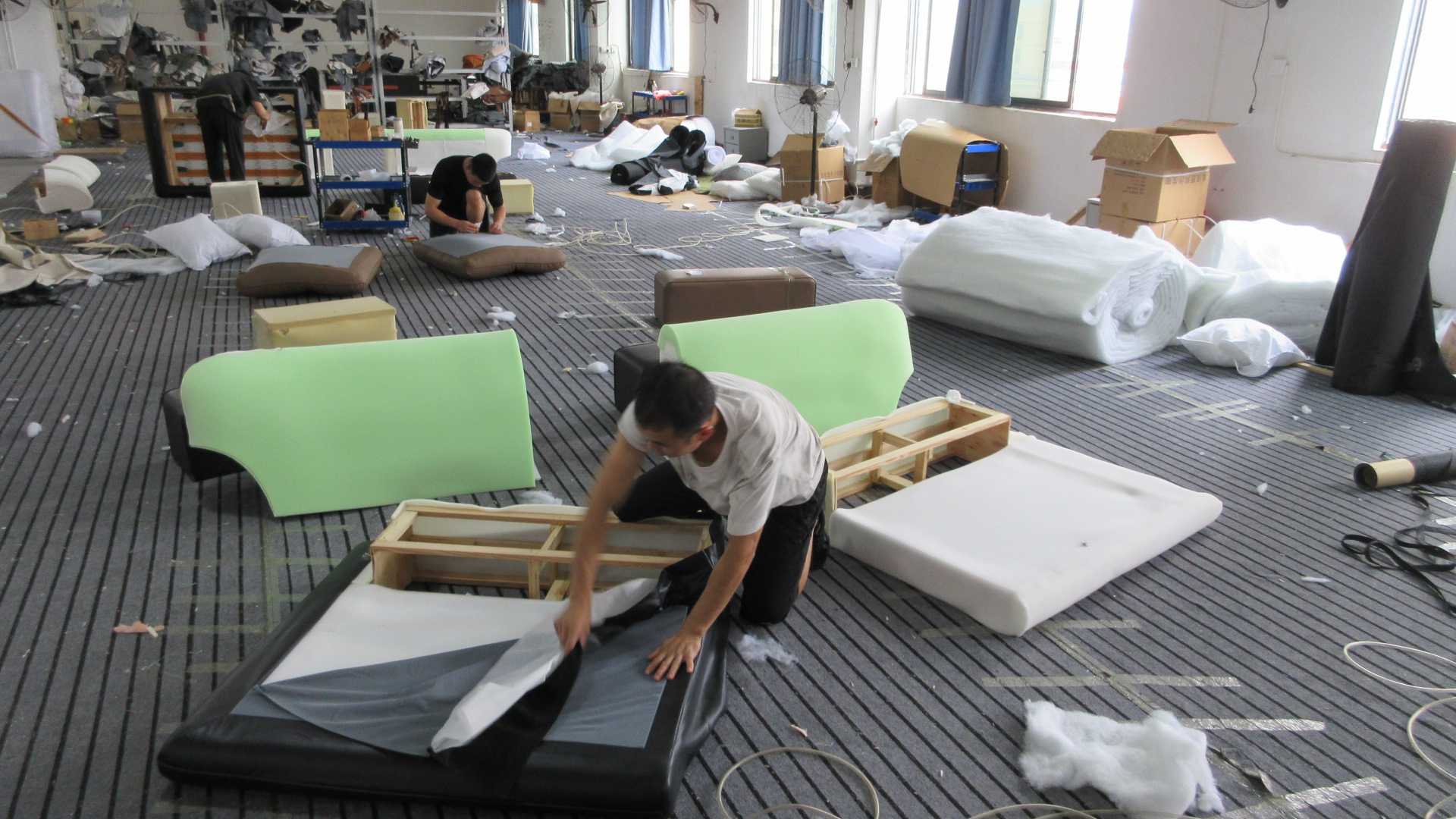
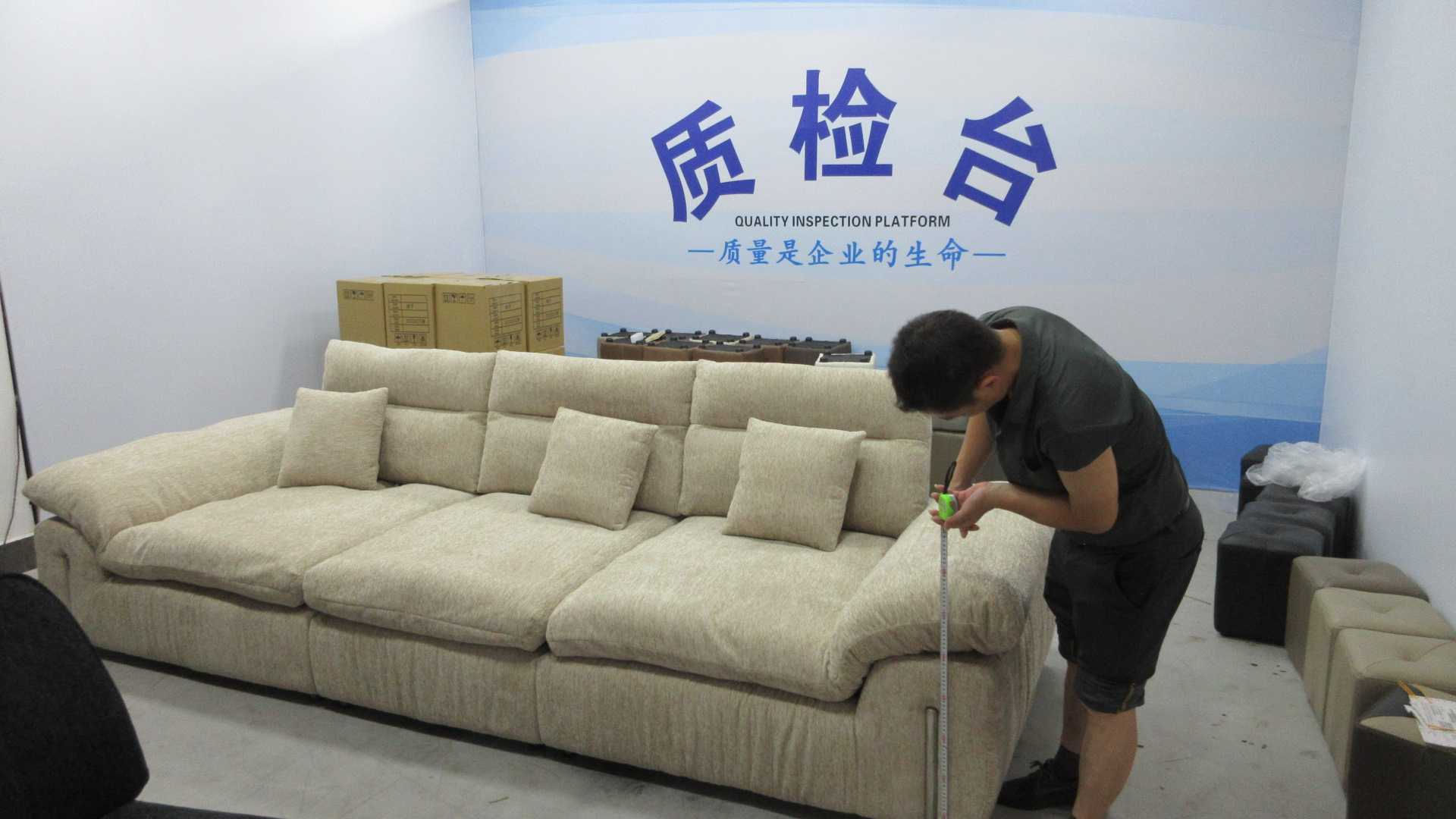
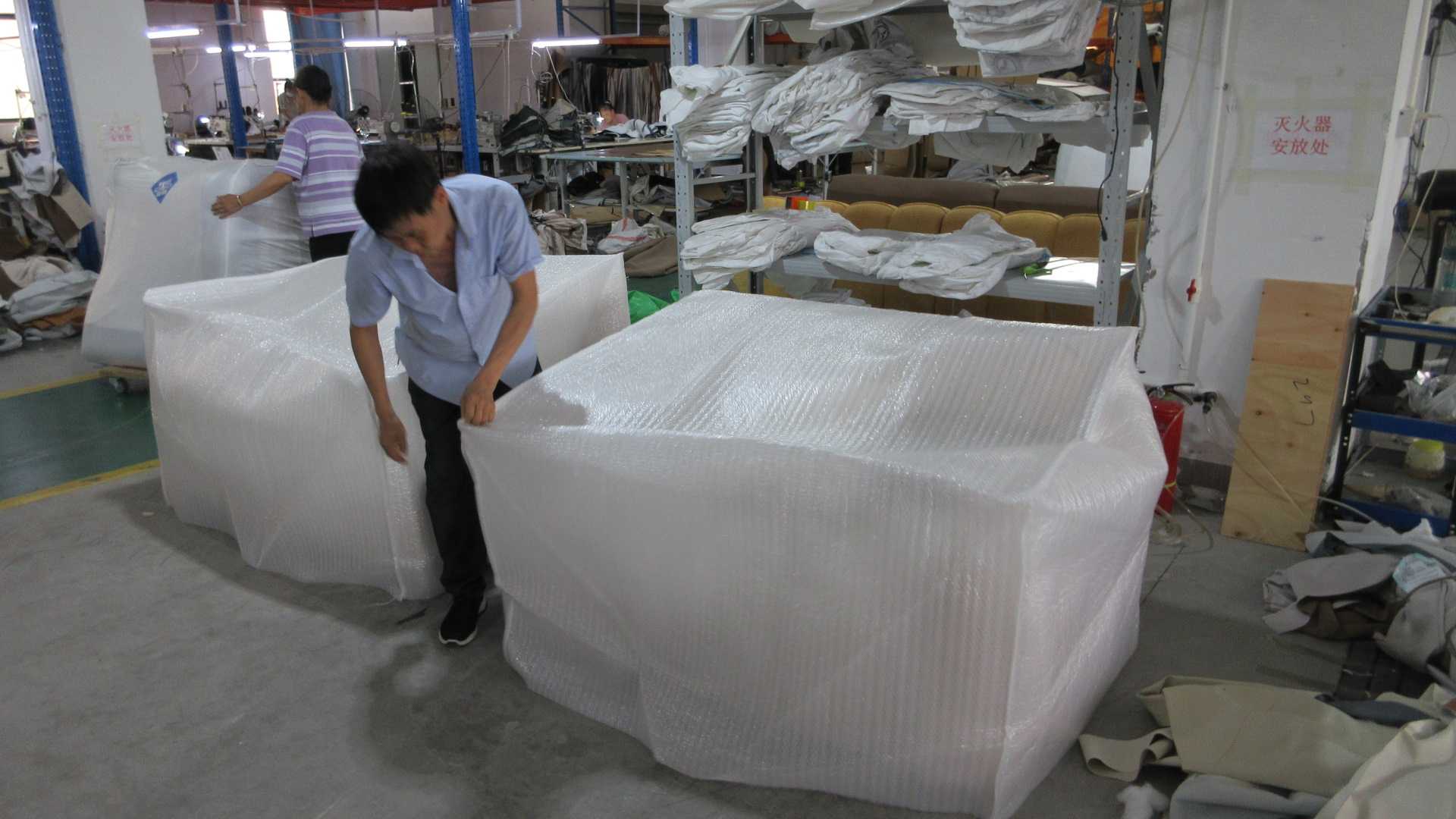
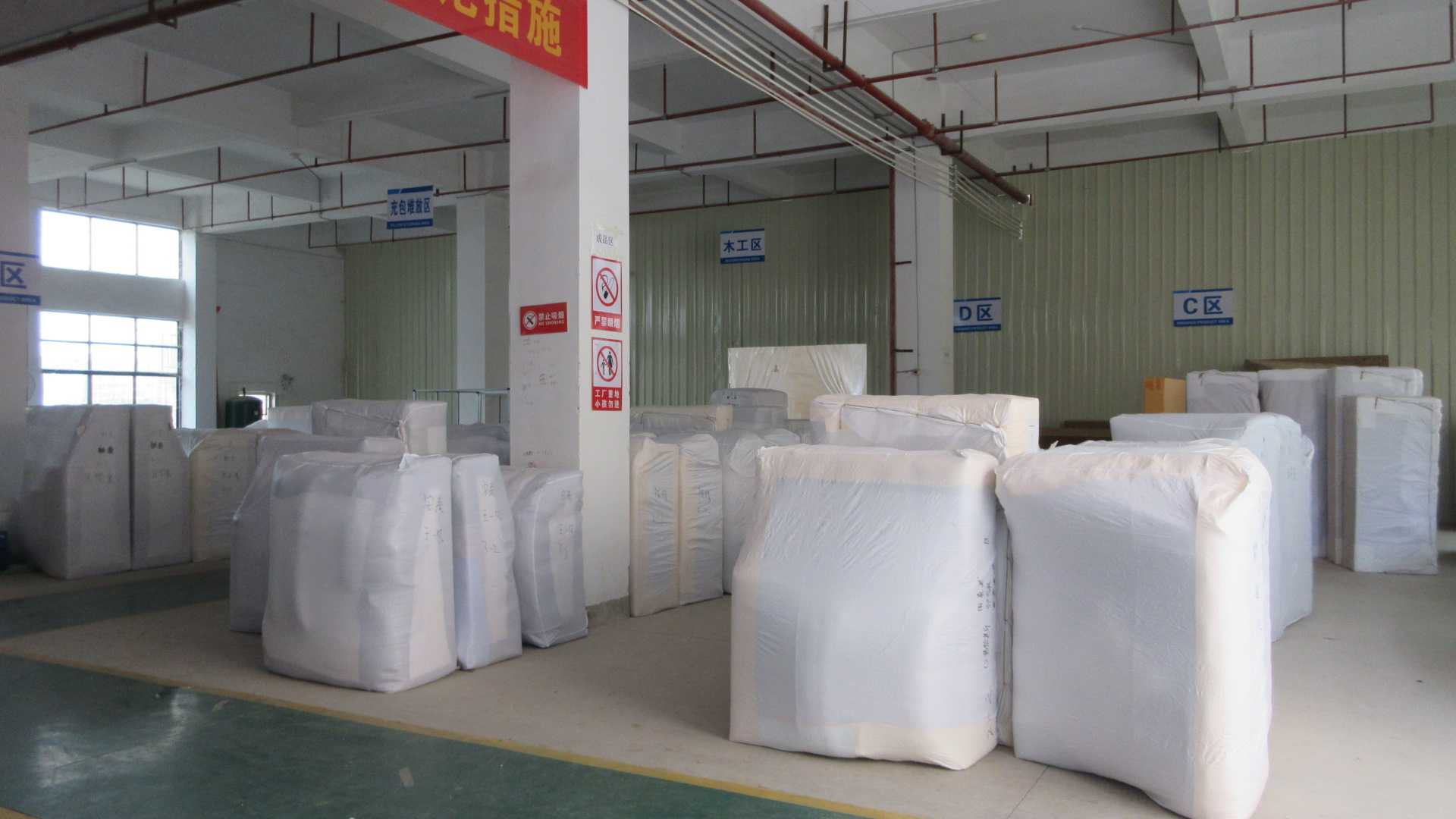
Our manufacturing plant controls every step of production. Below is the step-by-step process used to build our outdoor and indoor furniture collections.
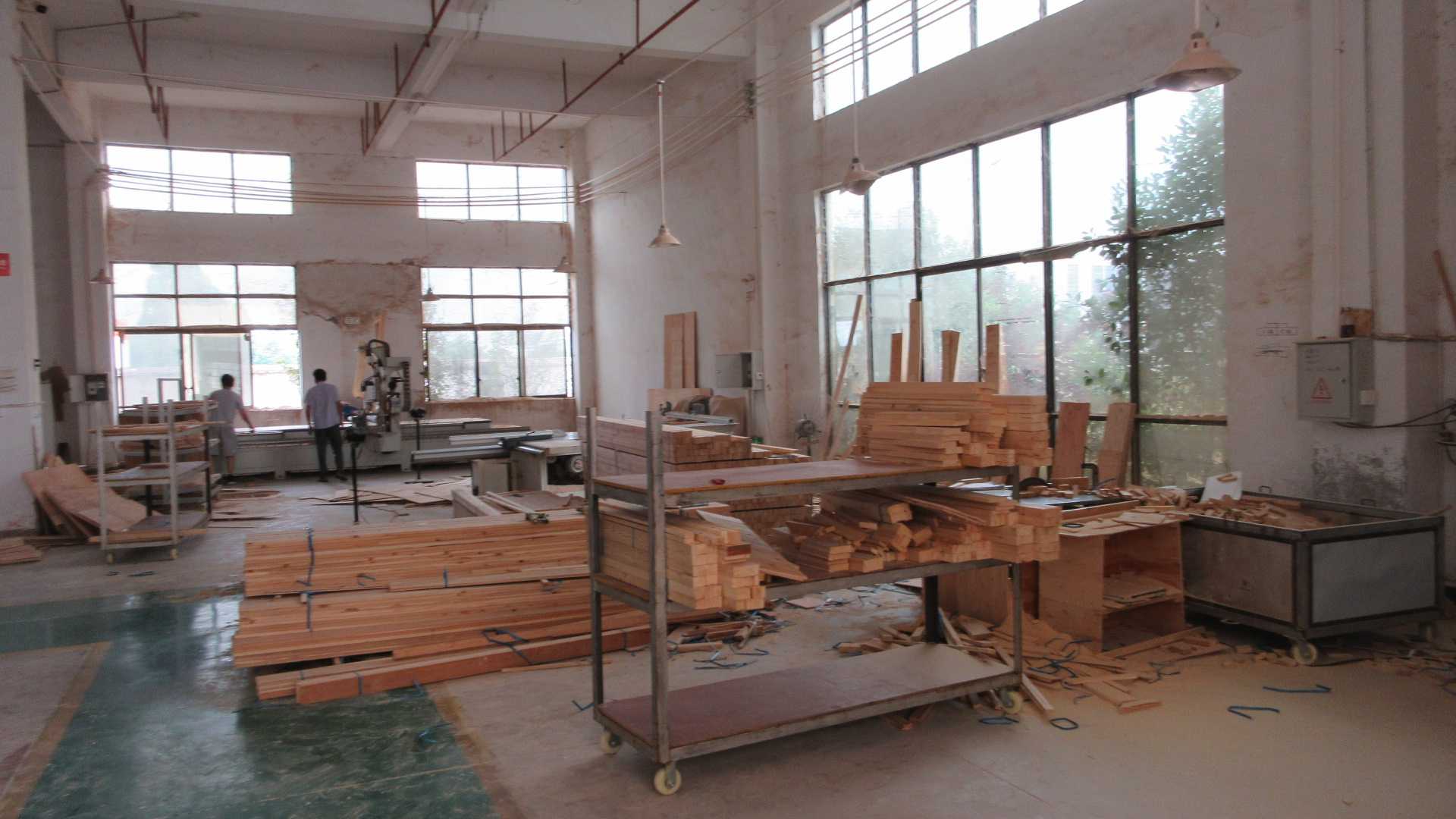
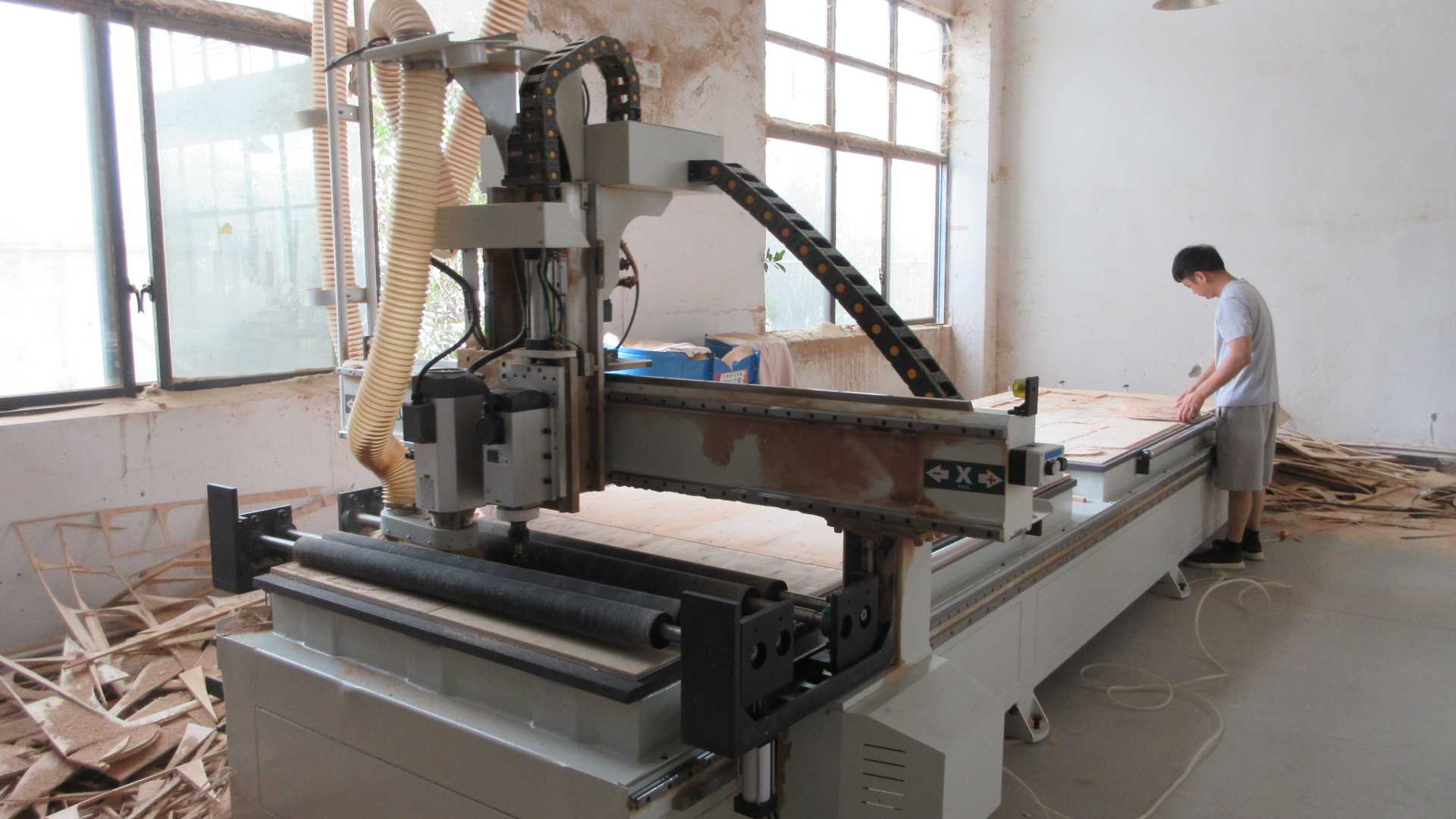
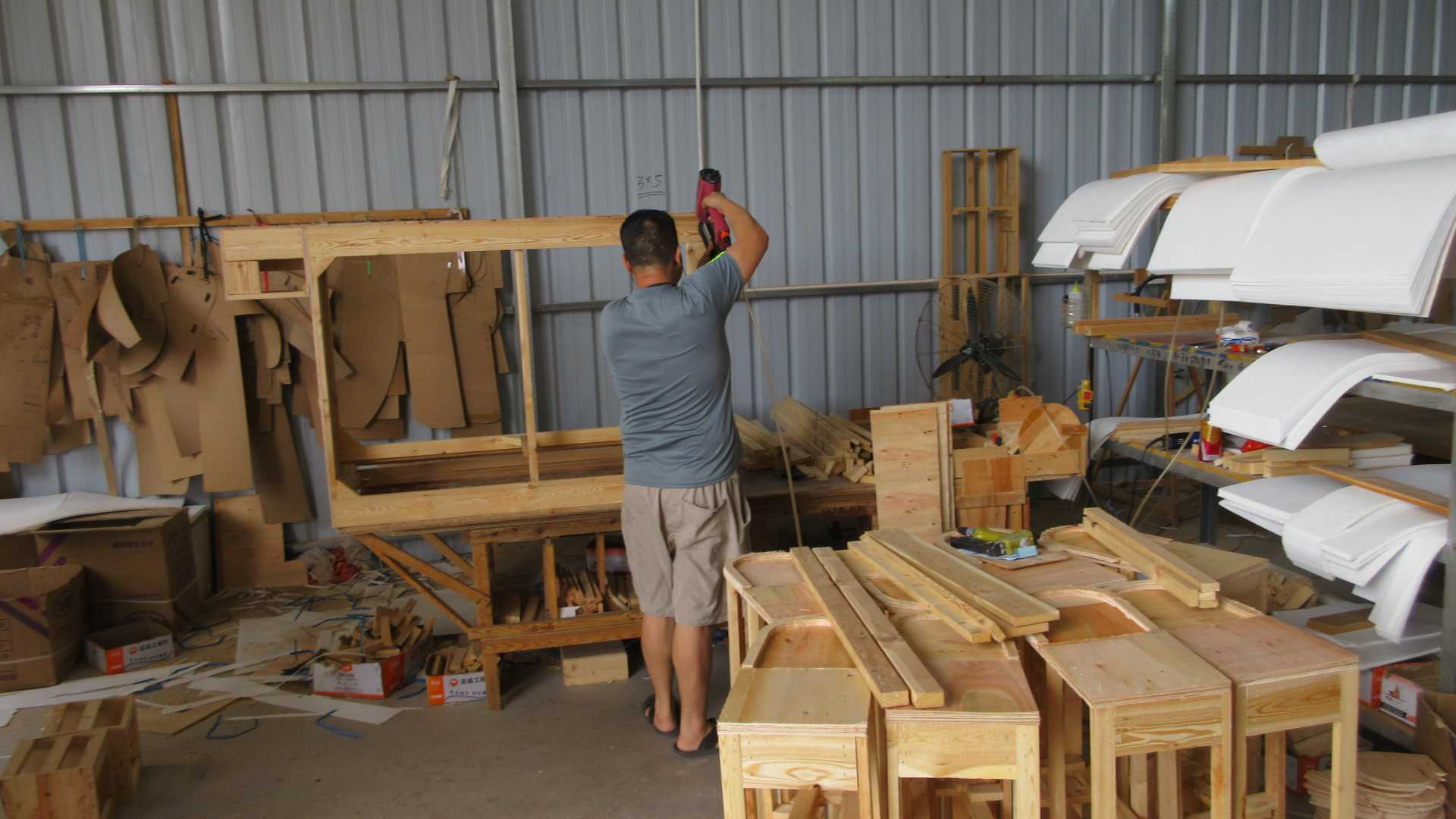
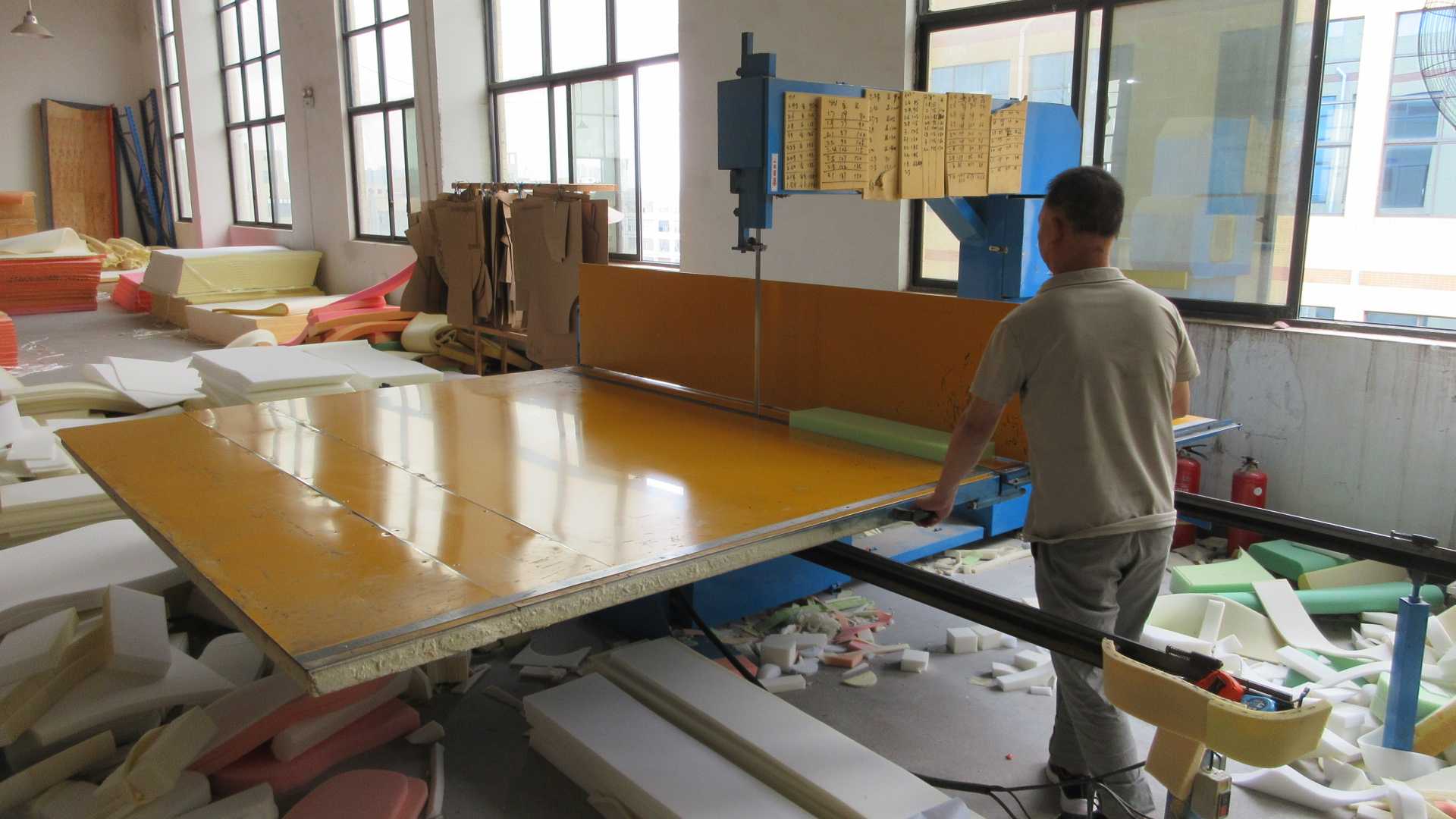
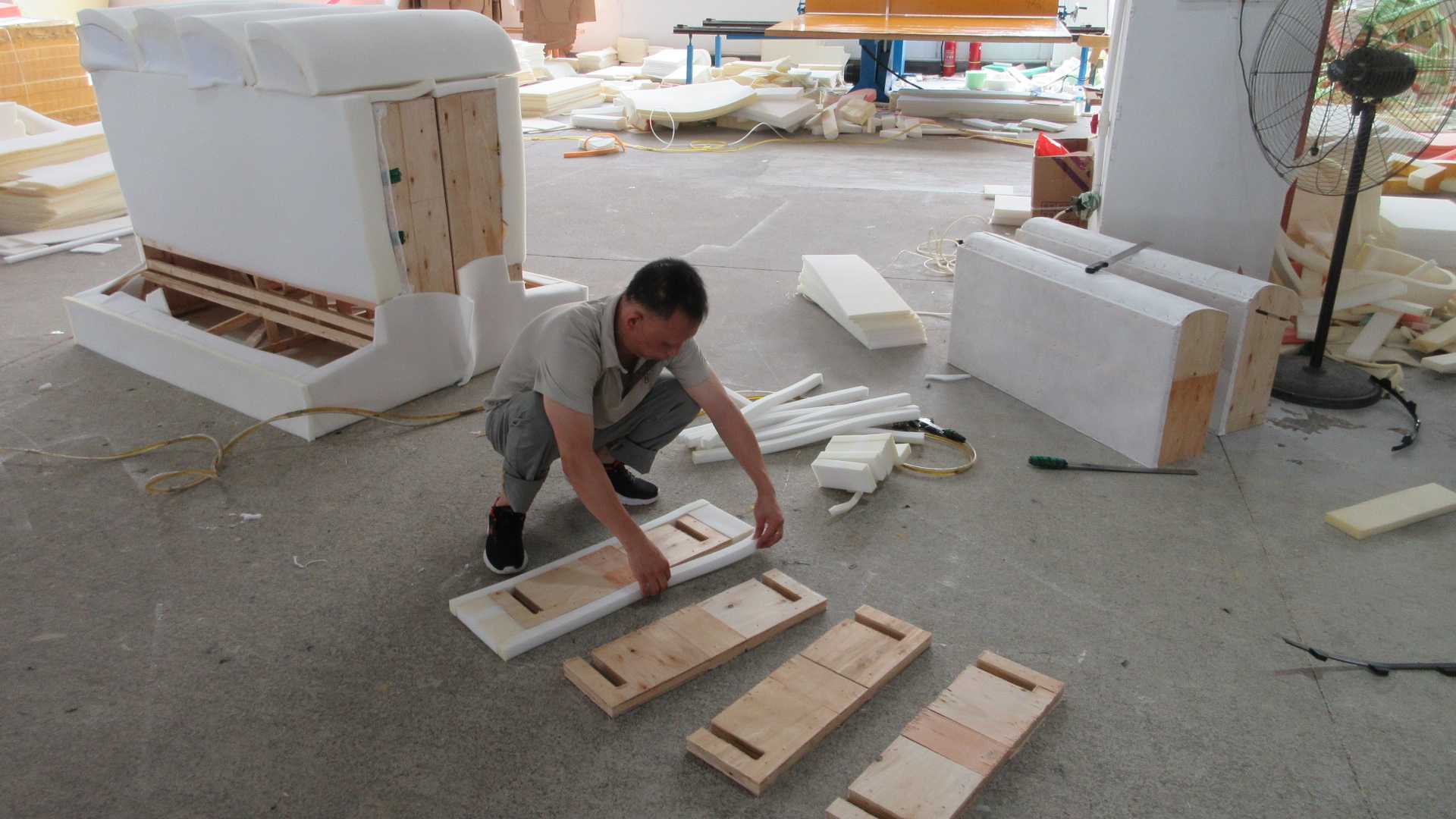
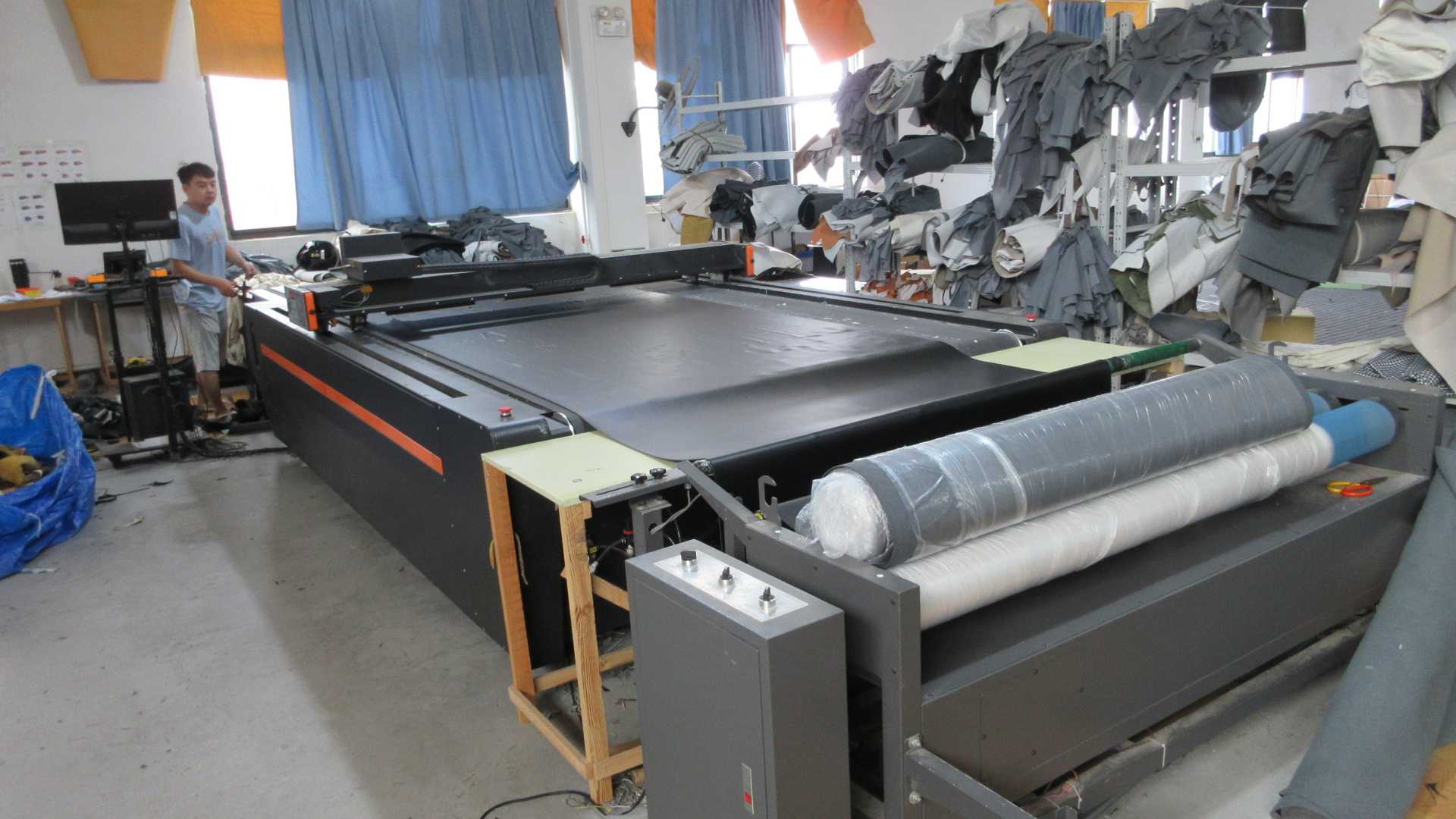
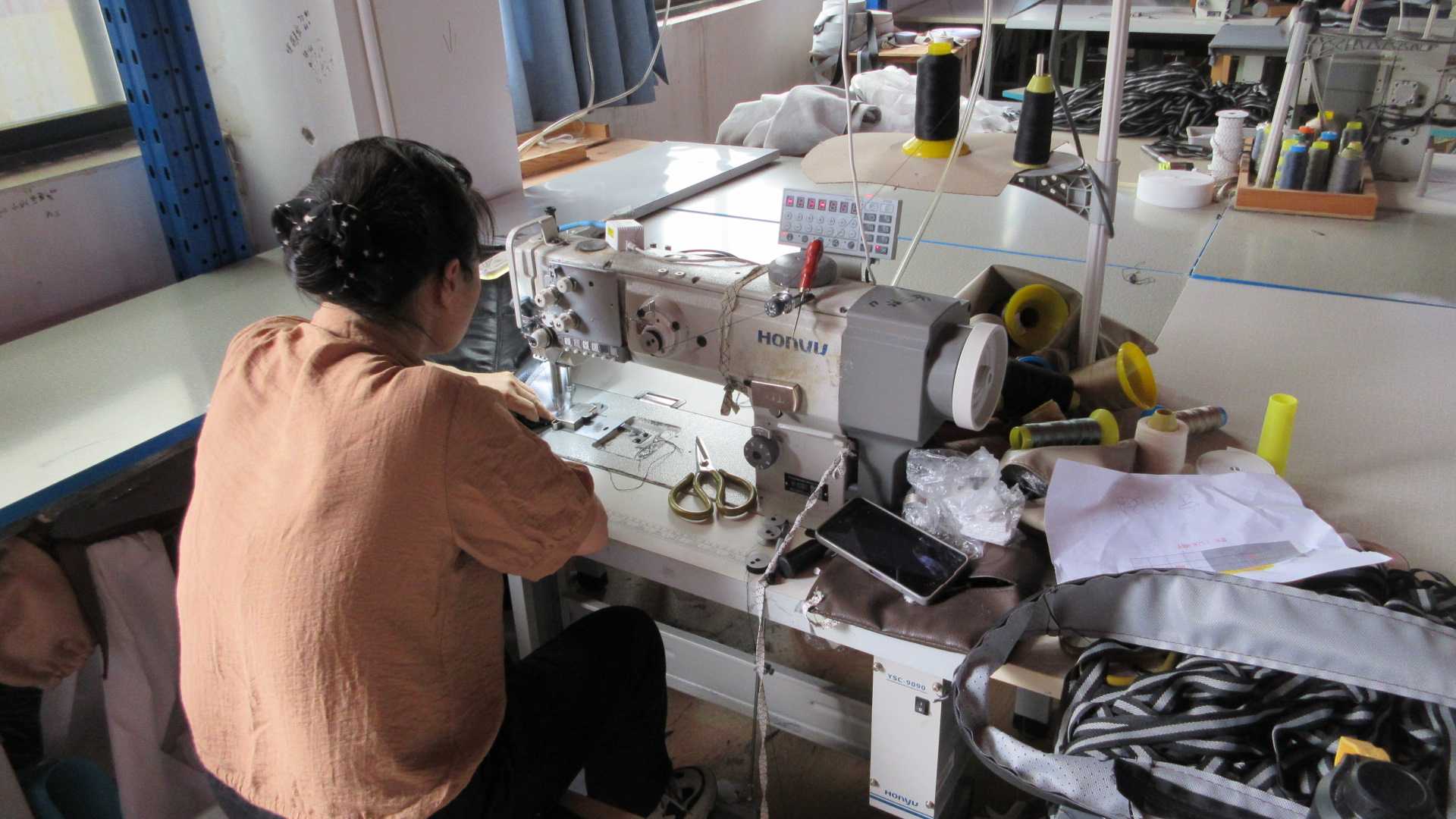
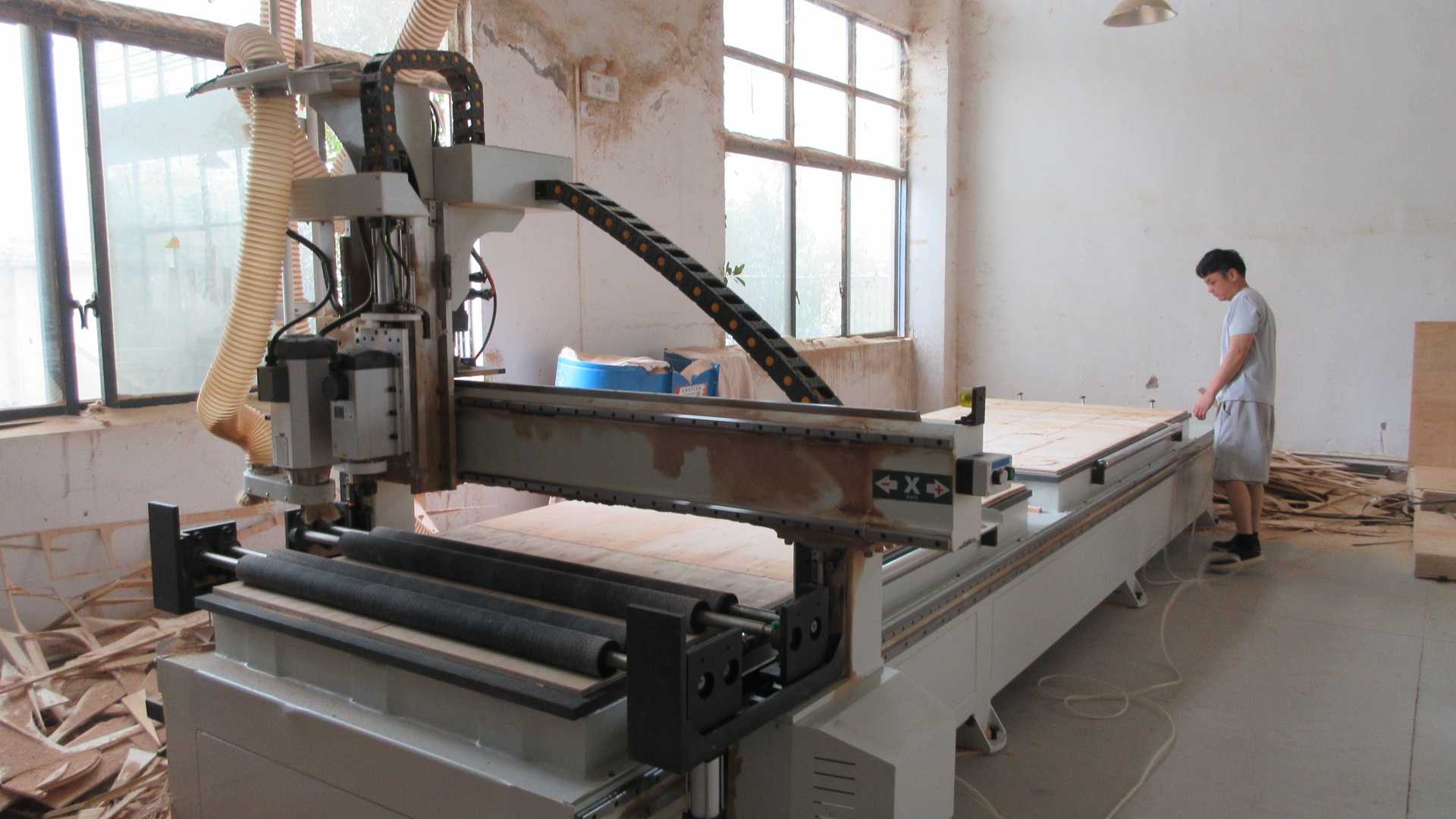
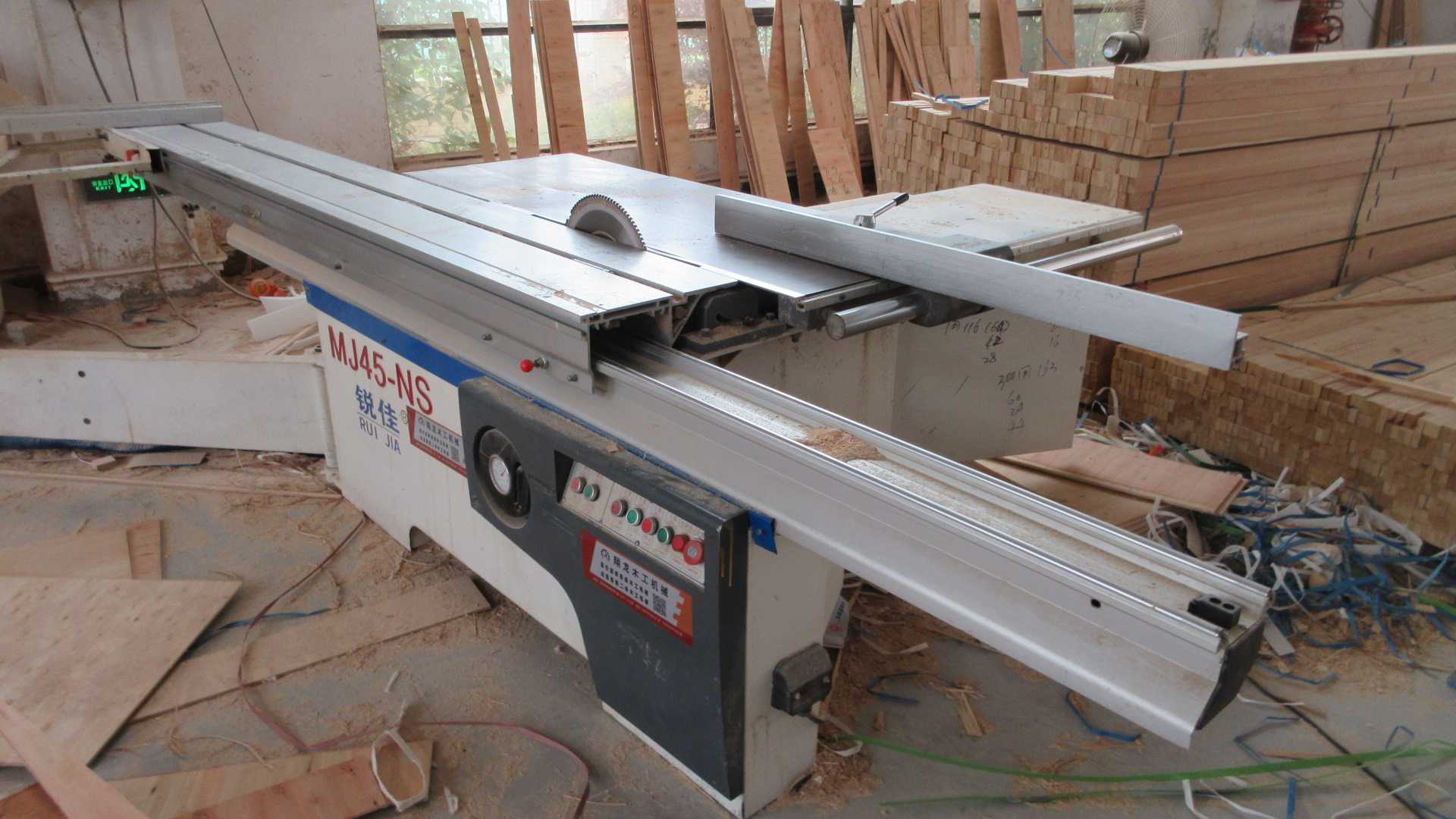
B2B procurement managers require precise technical metrics to ensure products comply with regional safety laws and performance requirements. The table below outlines our typical manufacturing tolerances, material properties, and certification parameters.
| Material Element | Standard Specification | Commercial Grade Option | Certifications Met |
|---|---|---|---|
| Outer Covers | 600D Polyester with PVC backing, waterproof | solution-dyed Olefin, UV rating 80+ | EN71-3, REACH, azo-free |
| Inner Liners | Breathable non-woven spunbond polypropylene | Durable knit polyester mesh (with childproof zip) | CPSC Safety Standard |
| Internal Fillings | Standard virgin Expanded Polystyrene (EPS) | Shredded memory foam (high rebound) | CertiPUR-US, CAL 117-2013 |
| Structural Seams | Double-stitched flat-felled seam construction | Reinforced binding with 5-ply nylon threads | ASTM Seam Strength Test |
| Zipper Systems | Standard heavy-duty nylon zipper coil | Childproof locking zipper with secure pouch | US CPSIA & UK safety certified |
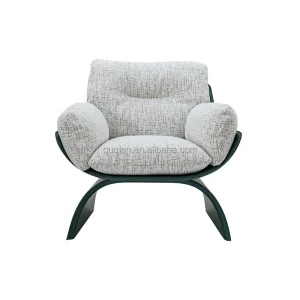
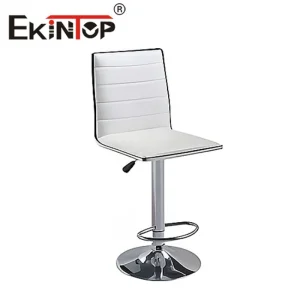
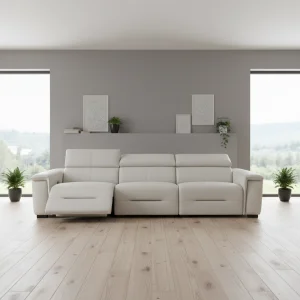
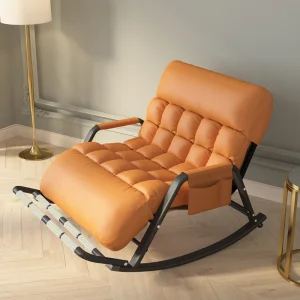
Our extended collection features ergonomic chairs, custom patio systems, and adjustable seating engineered for commercial spaces.
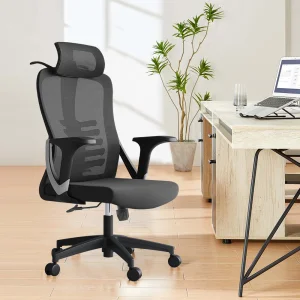
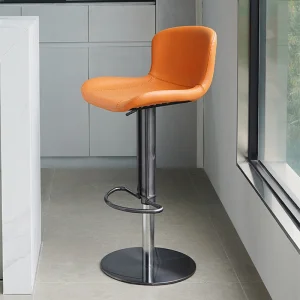
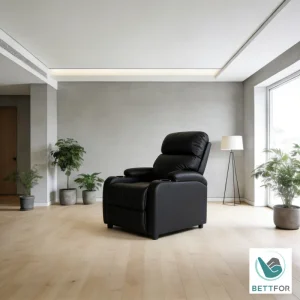
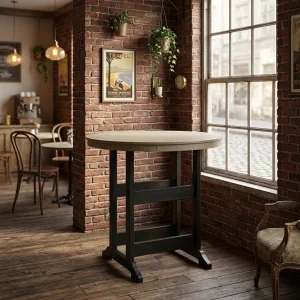
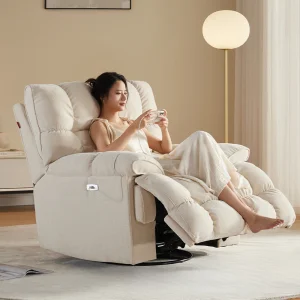
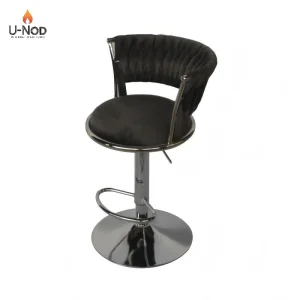
For enterprise-level procurement officers, purchasing large volumes of soft furnishings requires balancing unit costs, transport volume, and product quality. A primary issue in bean bag procurement is the decision to ship products filled or unfilled.
Shipping pre-filled bean bags is highly inefficient. EPS beads are mostly composed of air, meaning buyers pay high ocean freight costs for empty space. To optimize shipping density, we recommend shipping unfilled outer covers and inner liners. Procurement departments can then source the EPS or foam fill locally, or use vacuum-assisted packing to reduce the shipping volume of pre-filled items.
For outdoor lounges, UV exposure is the primary cause of material degradation. Traditional vat-dyed polyester fades within a single summer season of intense sunlight. MAZIS uses solution-dyed materials. In this process, color pigments are injected directly into the polymer matrix during fiber extrusion. This delivers a colorfastness rating of Grade 7-8 under ISO 105-B02 testing, ensuring long-term color retention in sunny environments.
Commercial venues must satisfy strict fire safety codes. We use chemical back-coatings or inherent flame-resistant (IFR) yarns that meet BS 5852 Crib 5 and CAL 117-2013 specifications. To prevent children from accessing the filling, all inner covers are fitted with auto-locking zippers that require a specialized tool to open, in compliance with ASTM F1912 safety standards.
Expert answers addressing the most common questions raised by international logistics managers, product developers, and procurement agents.
Contact Zhejiang MAZIS Furniture Co., Ltd.'s B2B contract sales division to request material swatch books, physical factory inspections, or custom price proposals for your upcoming projects.
Contact Our Sales Engineers