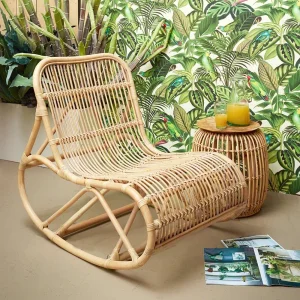
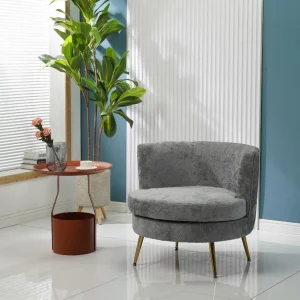
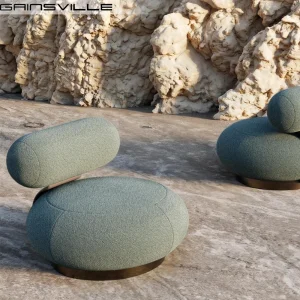
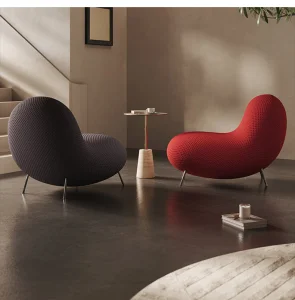
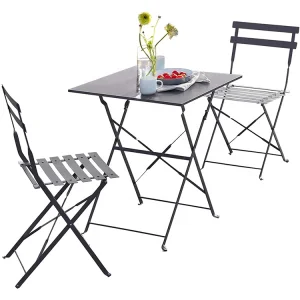
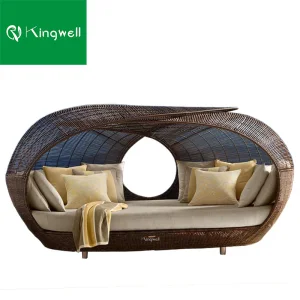
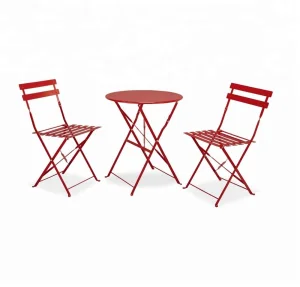
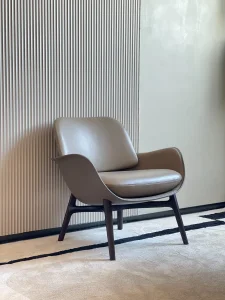
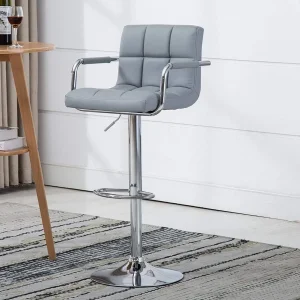
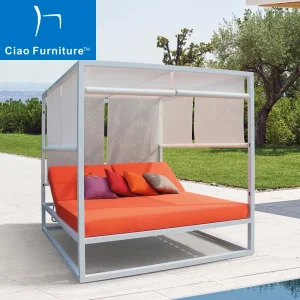
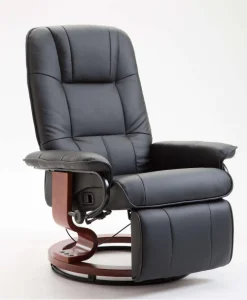
Explore our highly requested commercial outdoor lounging, architectural seating systems, and heavy-duty hotel amenity units designed for architectural compliance and high-traffic performance.
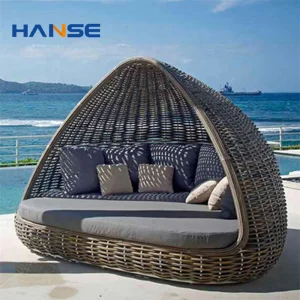

The commercial outdoor seating market is shifting from temporary setups to highly engineered, low-maintenance urban furniture installations.
In the modern commercial landscape, outdoor seating solutions are no longer treated as an afterthought. Large-scale public developments, business parks, school campuses, and hospitality venues are shifting toward high-density infrastructure investments. Picnic benches and heavy-duty outdoor tables form the backbone of these micro-communal ecosystems. As urban planning prioritizes green spaces and open-air workplaces, procurement departments seek products that balance aesthetic adaptability with extreme structural integrity.
The global demand for commercial outdoor benches has driven rapid material innovation. Traditional softwoods, which require annual treatment and remain susceptible to rotting, splintering, and vandalism, are steadily being replaced by advanced composite materials, architectural-grade aluminum alloys, and structural steel treated with anti-corrosive powder finishes. Municipalities and corporate buyers evaluate their investments through the lens of Total Cost of Ownership (TCO)—prioritizing products that remain functional and visually appealing over a 10-to-15-year lifecycle with minimal maintenance overhead.
Furthermore, ESG (Environmental, Social, and Governance) targets are reshaping procurement guidelines. Institutional buyers across North America and Europe mandate that outdoor installations incorporate circular economy principles, such as utilizing post-consumer recycled HDPE plastics or sustainably sourced, FSC-certified hardwoods. Sourcing managers must look to manufacturers capable of integrating these strict material standards without compromising load capacity or increasing logistics margins.
Why global brands, hospitality giants, and public works planners partner with Zhejiang-based manufacturing hubs.
China's dominance in the global outdoor furniture manufacturing market is sustained by mature industrial clusters, deep raw material supply integrations, and high levels of technological automation. Zhejiang Province stands at the center of this sector. By clustering primary steel mills, precision extruders, powder coating formulation labs, and heavy-duty packaging material suppliers within narrow geographical zones, Zhejiang manufacturers eliminate the transit delays and mid-tier markups that inflate costs in other regions.
This industrial synergy allows Chinese factories to achieve unmatched economies of scale. Advanced manufacturing setups process raw materials directly through integrated workflows—ranging from multi-axis laser cutting machines and automated robotic welding arms to high-volume electrostatic powder-coating lines. These robotic lines apply thermosetting polymer coatings, ensuring uniform thickness, scratch resistance, and long-term UV protection. This automated precision ensures that every picnic bench meets tight tolerances, eliminating field assembly errors for international buyers who import knocked-down (KD) furniture assemblies in volume.
Crucially, local factories offer robust customization (OEM/ODM) support. Whether a project requires integrated power outlets for smart park benches, specialized anti-theft anchoring mechanisms, or custom branding cut into metal frames, China's design engineers can produce prototypes and iterate designs quickly, compressing time-to-market compared to Western competitors.
Zhejiang MAZIS Furniture Co., Ltd. is a modern enterprise specializing in the design, research and development, and manufacturing of high-quality outdoor furniture. The company is committed to creating durable, comfortable, and aesthetically refined outdoor living solutions for global customers.
Located in Zhejiang Province, MAZIS Furniture benefits from a strong regional manufacturing foundation and a well-developed industrial supply chain. The company operates with a dedicated independent R&D department, enabling continuous innovation in product design, materials, and manufacturing techniques.
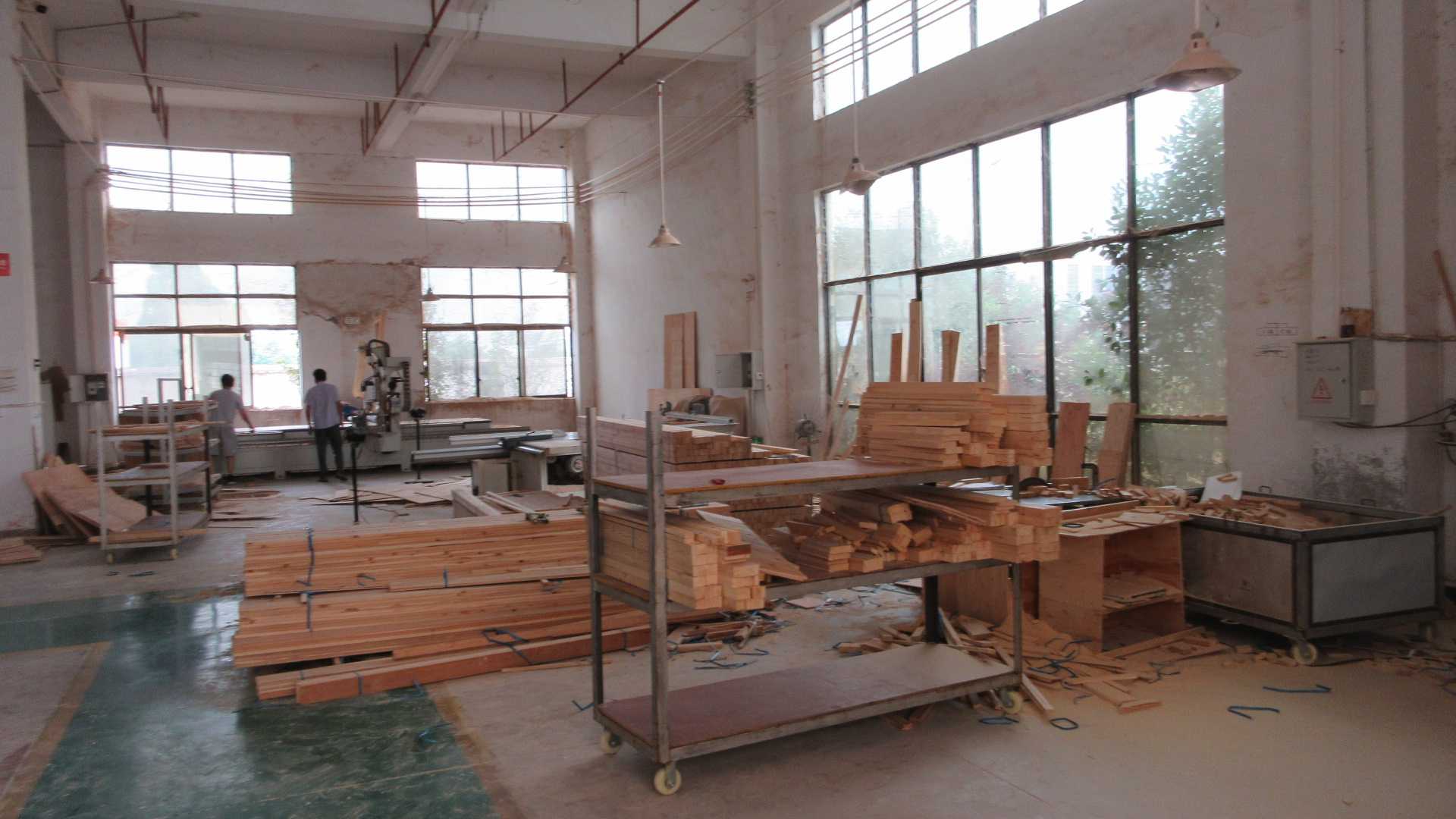
MAZIS Furniture is equipped with advanced production facilities, including laser welding systems, precision cutting equipment, and automated plastic spraying lines. These capabilities ensure high production efficiency and consistent product quality across all categories.
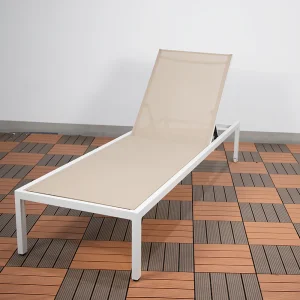
The company’s main product range includes Teslin mesh furniture, synthetic rattan furniture, and other premium outdoor leisure furniture series, widely used in gardens, patios, balconies, hotels, resorts, and commercial outdoor spaces.
With a strong focus on quality control, sustainable materials, and modern design aesthetics, Zhejiang MAZIS Furniture Co., Ltd. has established long-term cooperative relationships with buyers in more than 10 countries and regions, including Europe and North America. Its products are well recognized in international markets for their durability, weather resistance, and contemporary style.
Looking ahead, MAZIS Furniture continues to uphold the principles of innovation, quality, and customer satisfaction, striving to become a trusted global supplier in the outdoor furniture industry.
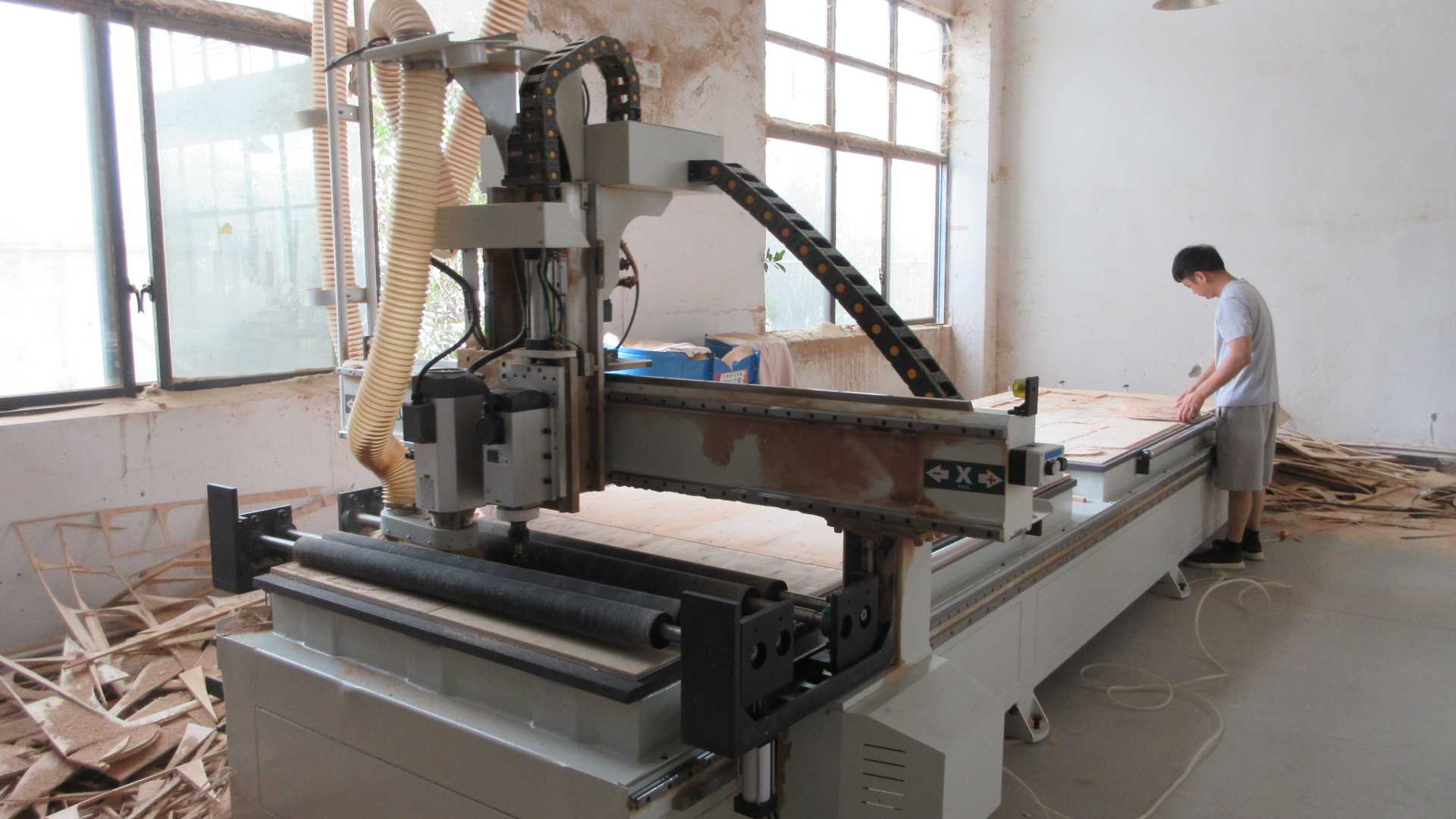
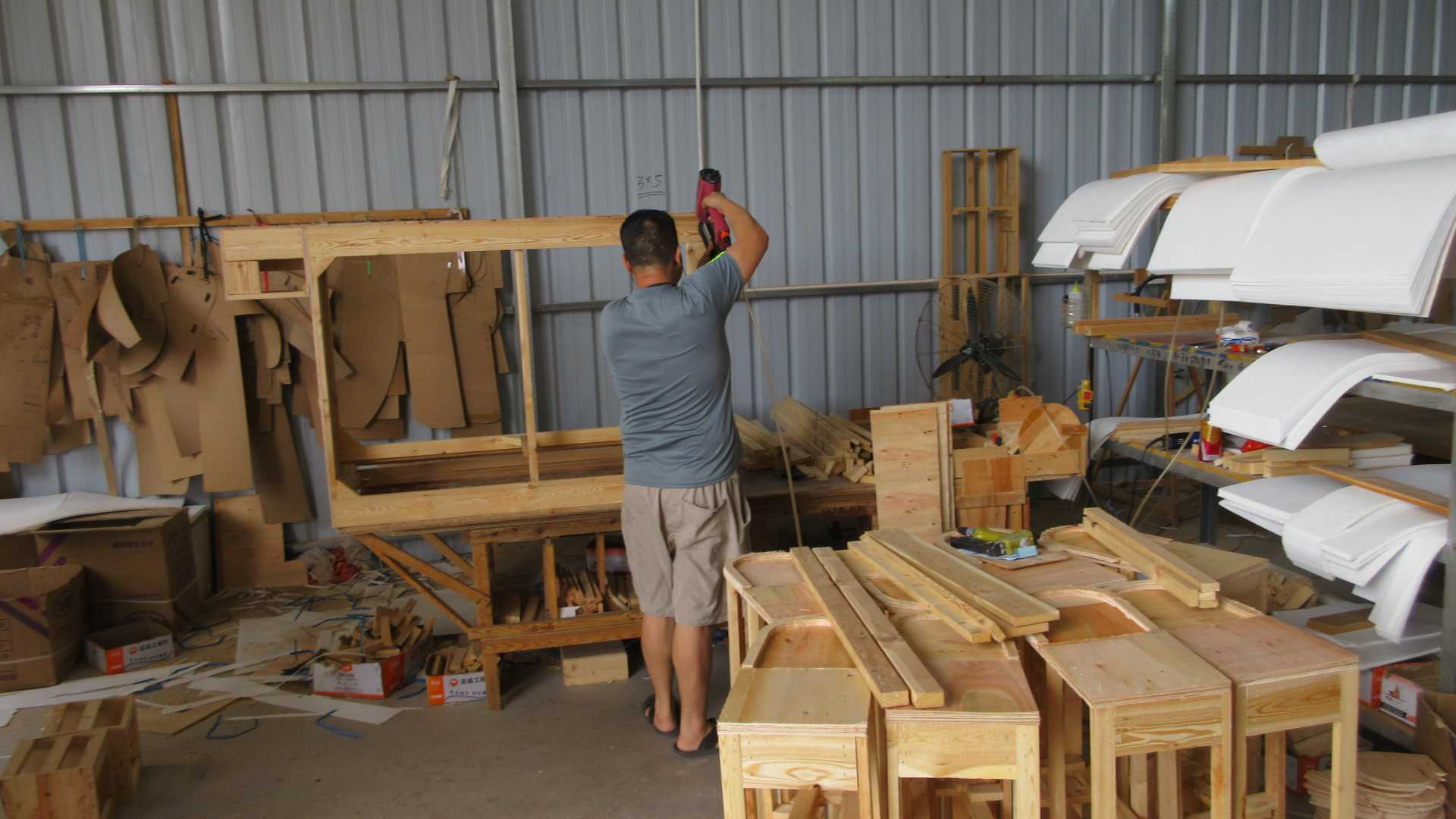
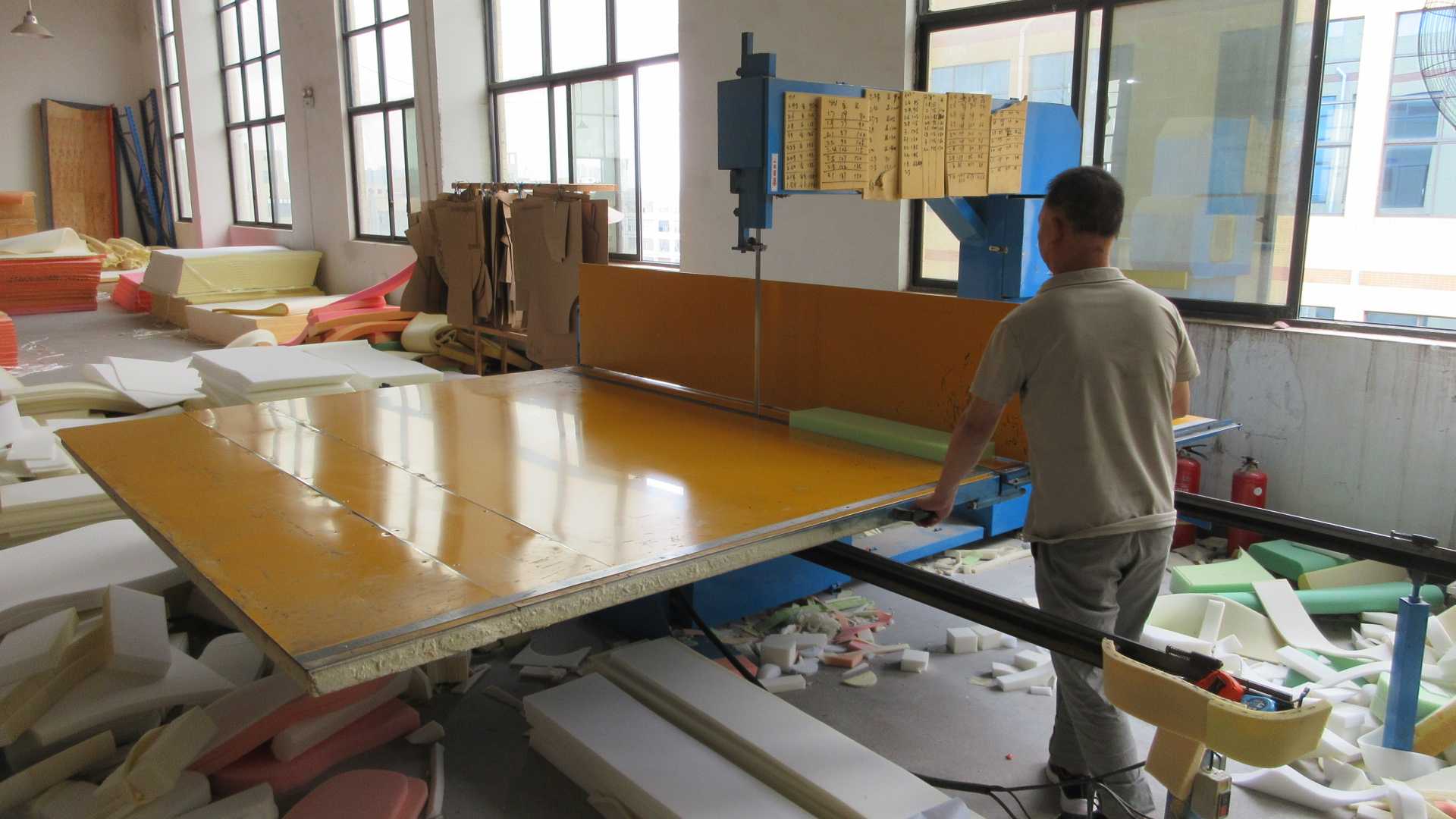
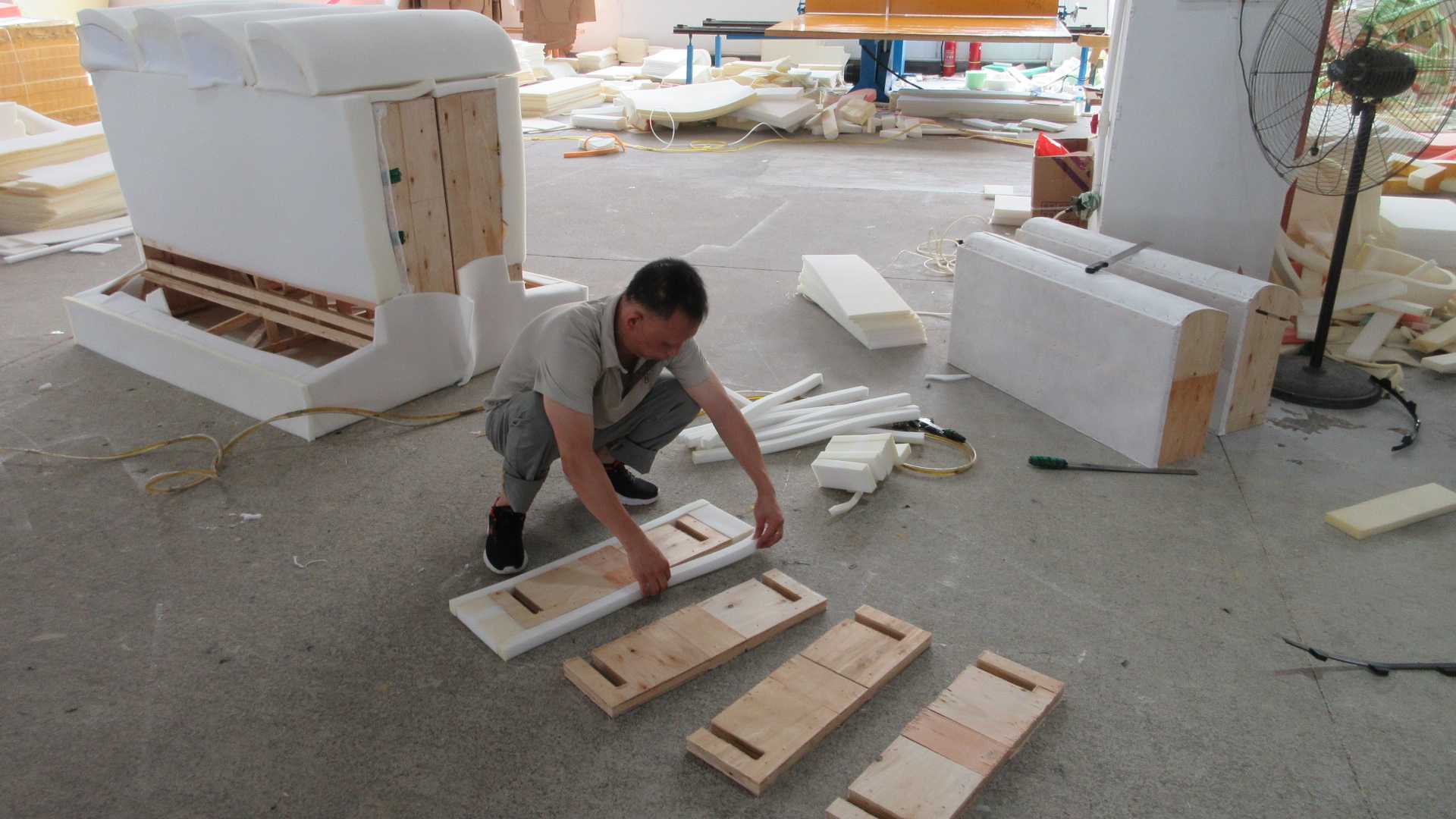
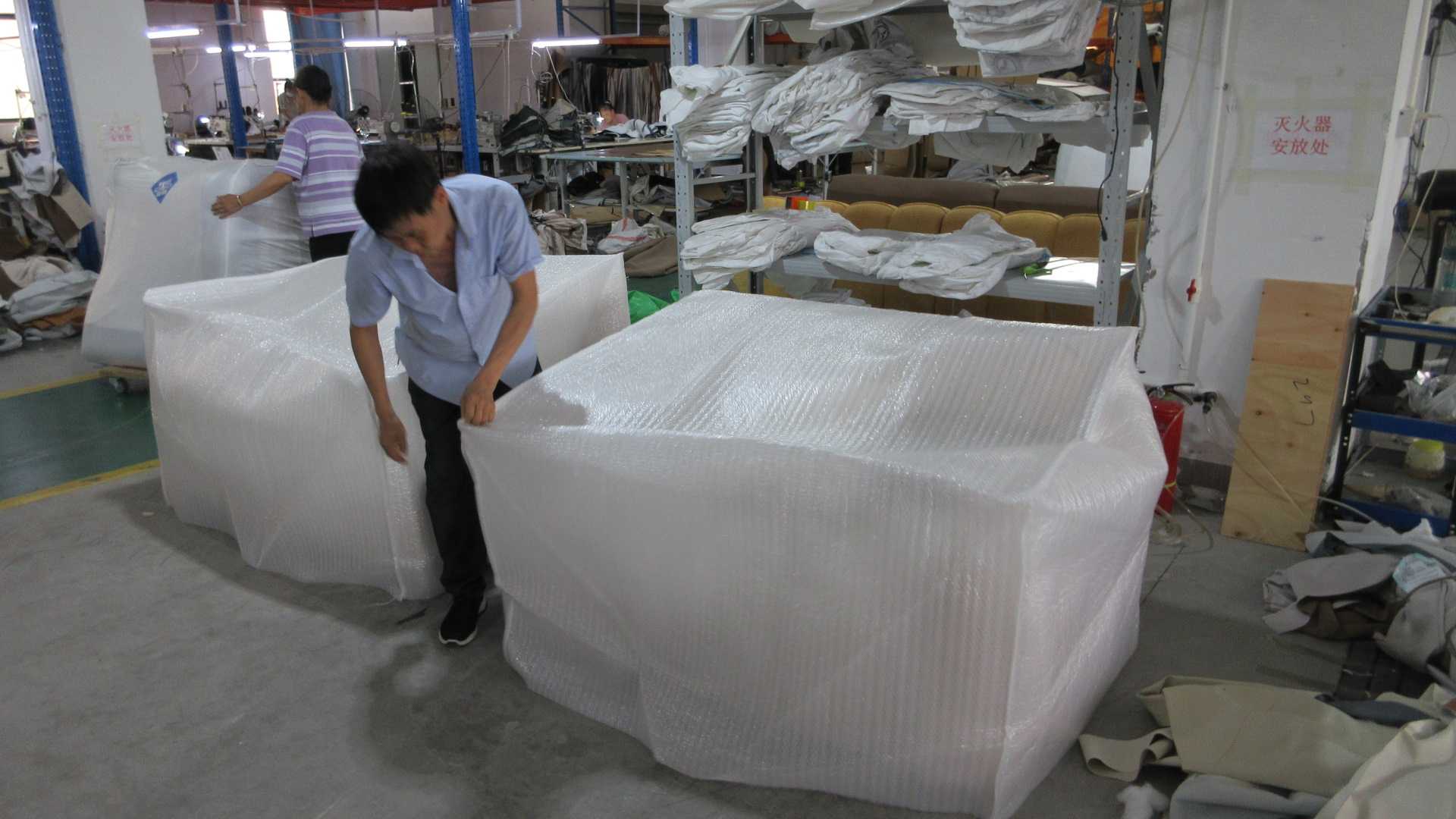
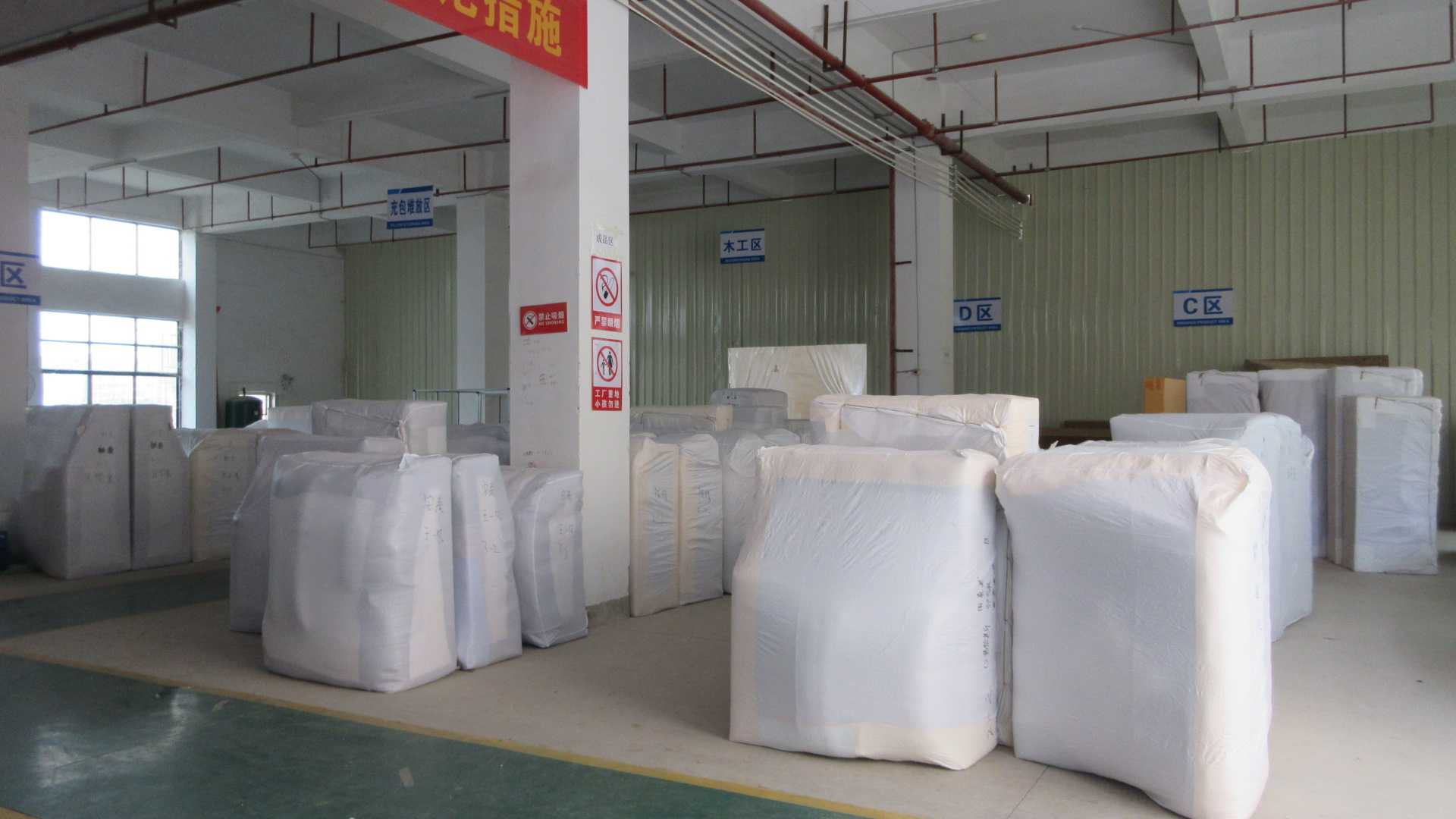
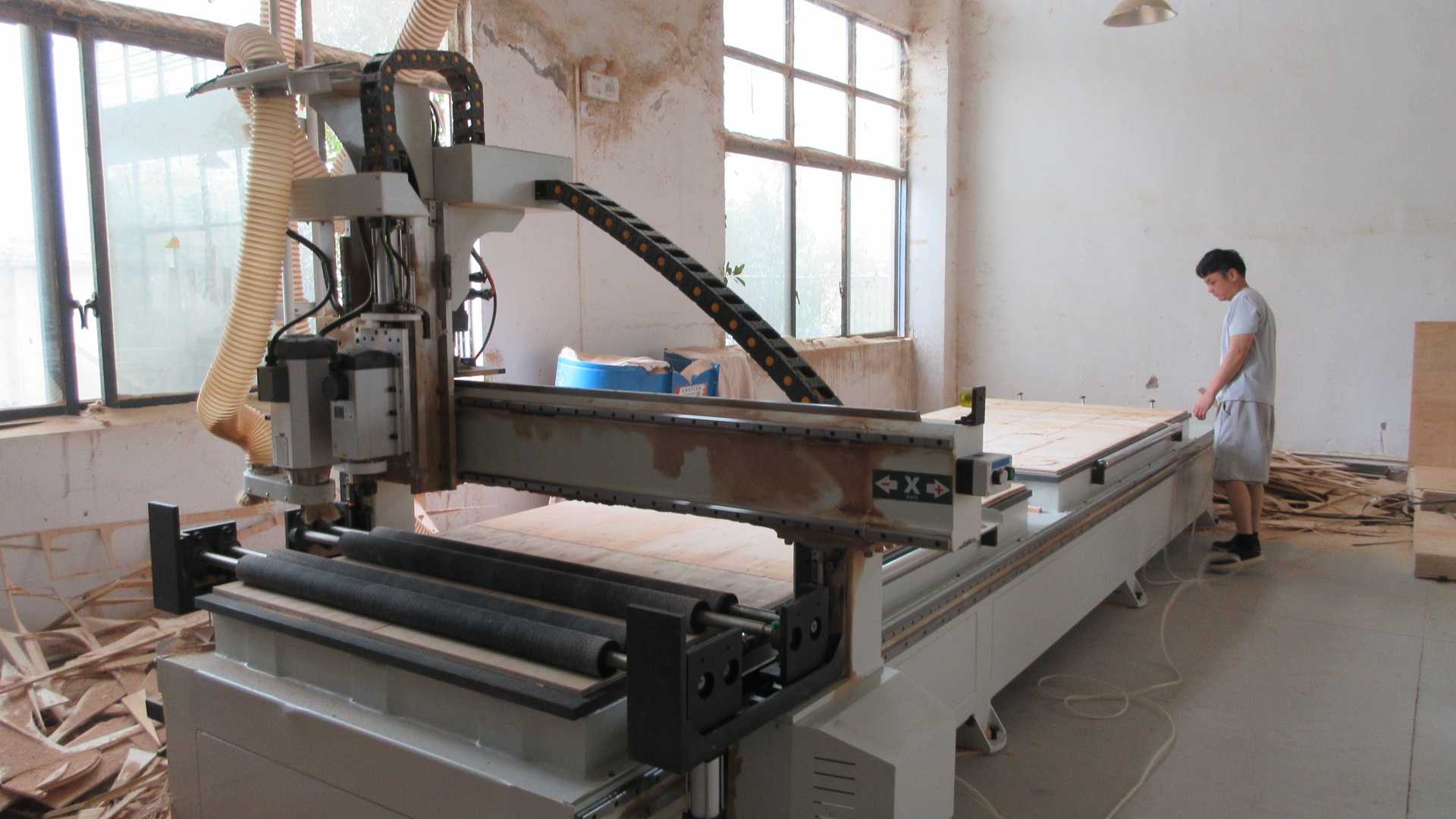
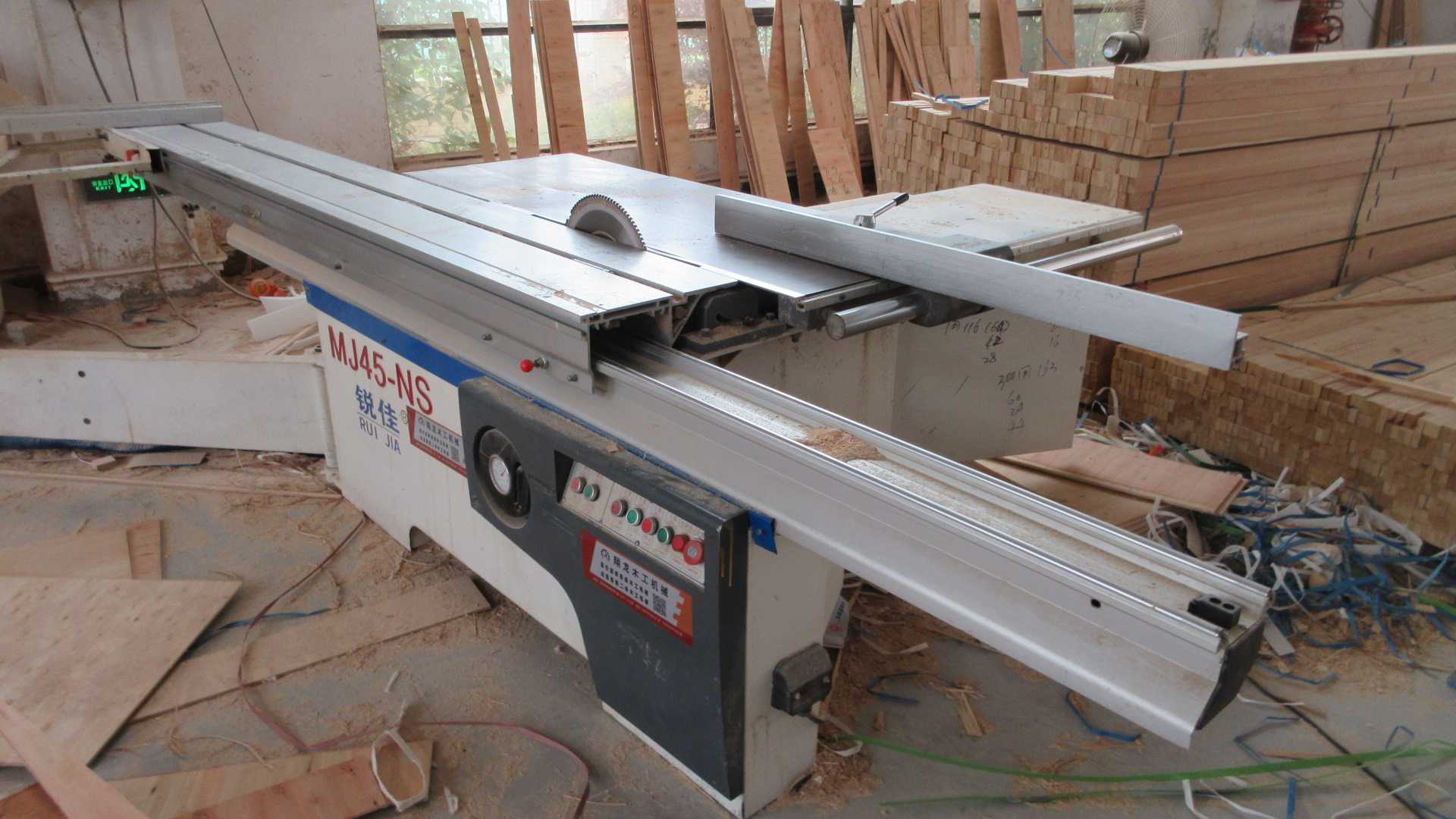
A transparent look into our rigorous, step-by-step production line, blending precision automation with skilled craftsmanship to guarantee heavy-duty contract performance.
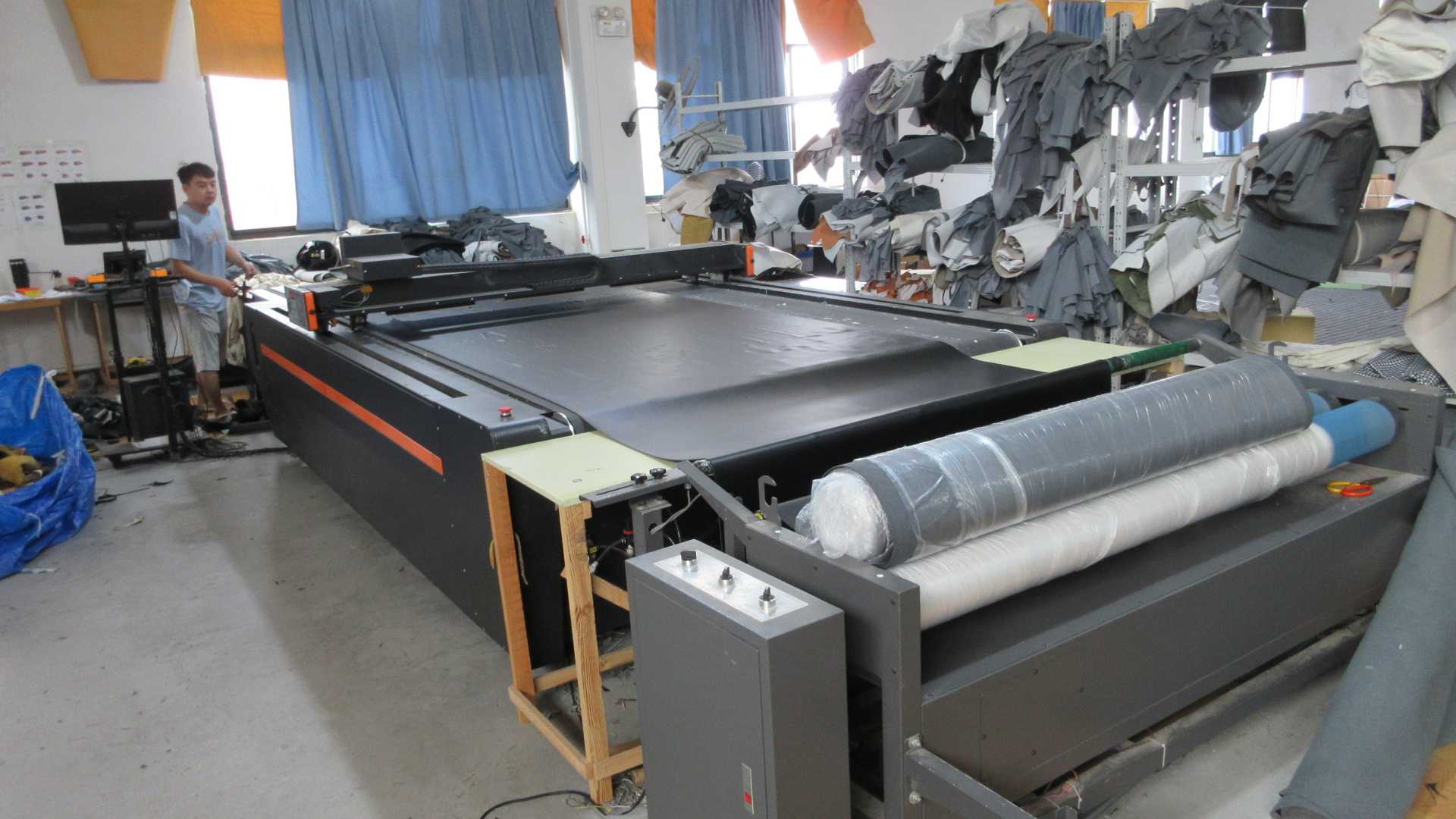
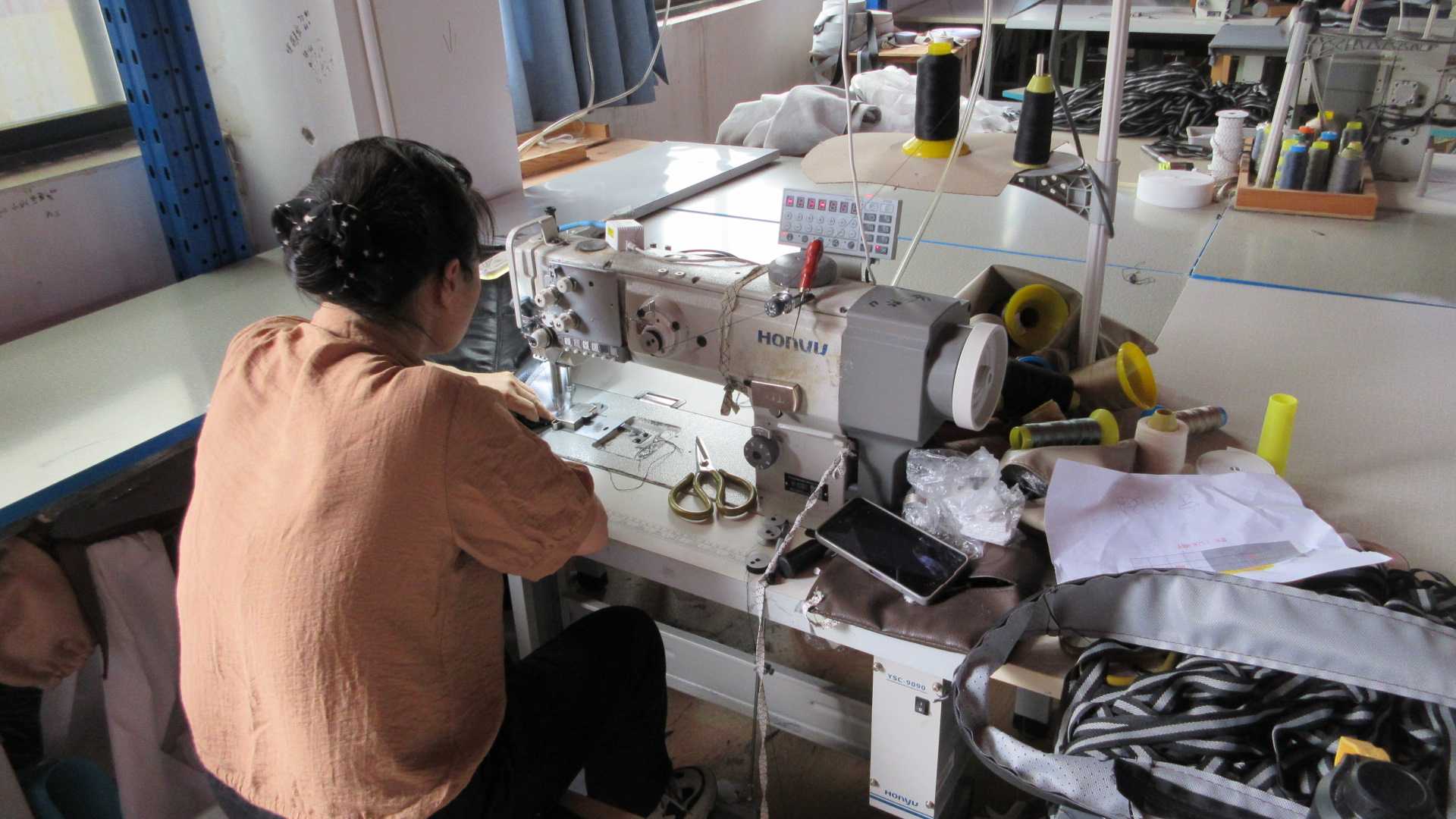
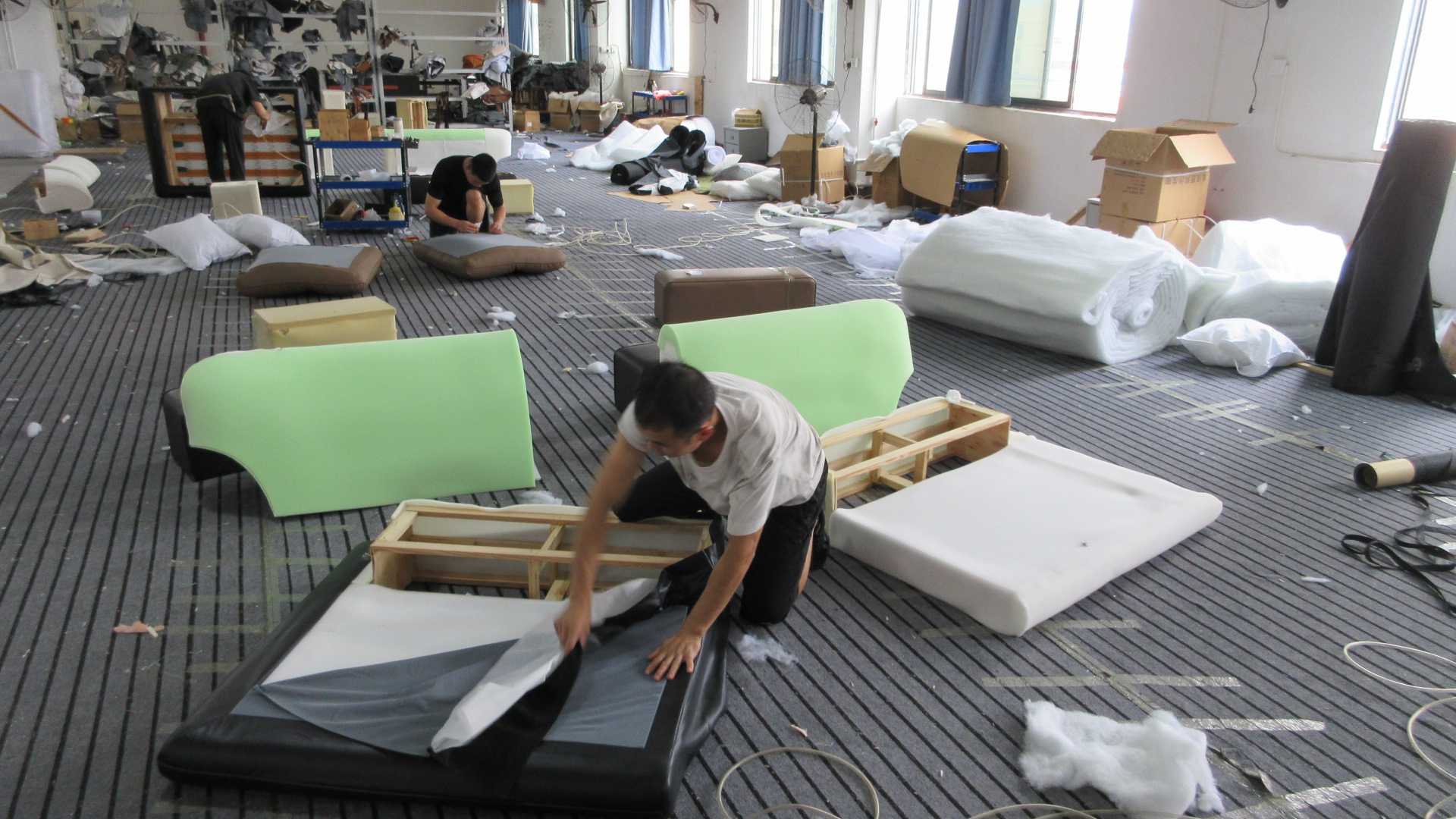
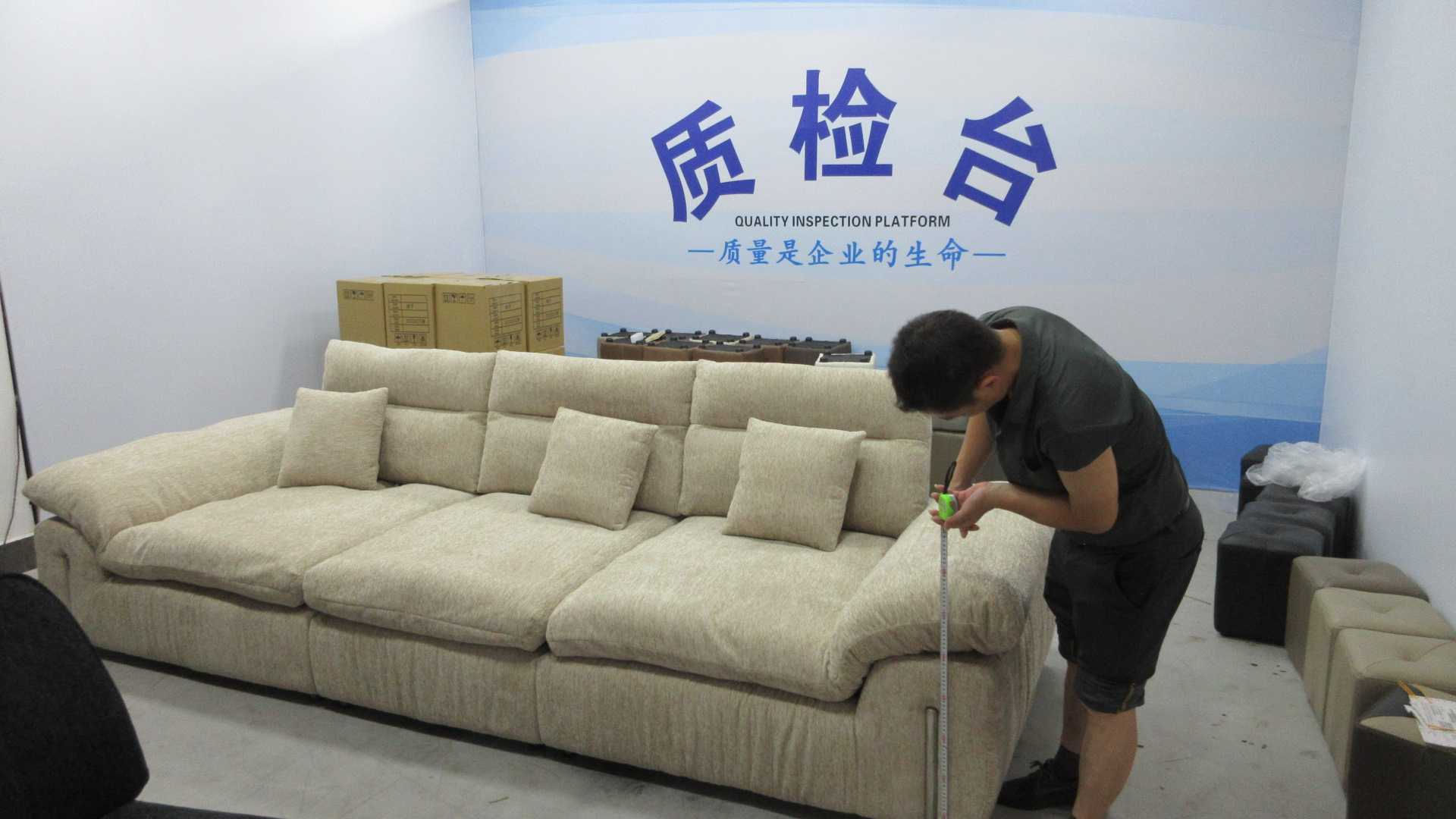
Adapting outdoor infrastructure products to satisfy diverse climate profiles, regional standards, and legal compliance parameters.
Public park equipment and commercial patio tables across the US and Canada must comply with the Americans with Disabilities Act (ADA). Accessible table layouts require specific clearance heights and wheelchair path integration. Additionally, high static load margins are standard requirements for municipality tenders, alongside thermal resistance coatings to withstand harsh seasonal cycles.
European urban planning prioritizing dense outdoor setups requires picnic benches with space-saving, streamlined profiles. Products must comply with the strict EN 581-1/2/3 European safety standards, which regulate mechanical strength, structural stability, and safety against entrapment points. Eco-certified materials with low carbon footprints are frequently required for public bidding.
Coastal developments across Australia and New Zealand face extreme UV radiation and high salinity. Regular finishes fail quickly under these conditions. Solutions require marine-grade aluminum alloy substrates, AkzoNobel powder coatings, and rust-proof stainless steel 316 hardware to guarantee structural integrity and protect against premature salt-air degradation.
Strategic factors driving procurement planning for commercial furniture contracts.
The outdoor furniture sector is shifting toward materials with long-term recyclability. High-density polyethylene (HDPE) lumber made from post-consumer plastics, combined with recycled aluminum frames, is becoming the default choice for eco-conscious procurement. Progressive factories are investing in closed-loop recycling processes to reduce material costs and align with corporate ESG requirements.
Urban seating is evolving to support public connectivity. Modern picnic benches frequently incorporate off-grid solar panels, weather-resistant USB charging ports, and IoT sensors to track park usage. Forward-looking manufacturers are adapting their product lines to integrate these electronic and structural elements smoothly.
Global procurement teams must navigate tariff changes, freight fluctuations, and regional anti-dumping regulations. To manage these risks, sourcing managers partner with factories that offer flexible logistics configurations, transparent HS Code classification, and verified bills of materials to avoid unexpected customs delays.
Frequently asked questions from commercial importers, corporate developers, and municipal purchasing agents.
Further explore our premium seating collection, designed to meet the aesthetic and functional needs of modern commercial spaces.