An authoritative analysis of anthropometric growth matching, chemical compliance, and robotic manufacturing configurations for the modern educational and residential brand.
Designing seating structures for pediatric users requires a fundamental shift away from simple volumetric downsizing. Children’s skeletal systems are characterized by rapid epiphyseal ossification and high joint laxity, making them exceptionally vulnerable to repetitive postural stress. As leading OEM/ODM kids chair suppliers, the engineering matrix must account for dynamic pelvic stability, lumbar support geometry, and pressure redistribution dynamics across varying developmental phases.
The standard ergonomic roadmap is segmented into distinct growth bands: Early Childhood (Ages 3-6) and Pre-Adolescent (Ages 7-12). In the early stage, the focus is placed on a slightly forward-slanted seat pan (ranging between 1° to 3°) to encourage natural pelvic tilt and minimize lumbar kyphosis. For pre-adolescent seating, mechanical adjustability becomes the primary structural requirement. This is achieved by integrating synchronized gas lifts with specialized stroke limitations and sliding seat-pan adjusters that maintain a 90-degree popliteal angle, preventing vascular restriction in the lower limbs.
Integrating a contoured coccyx relief zone and a dual-curve waterfall seat front to decrease contact pressures in the ischial tuberosities by up to 35%.
Tension-regulated backrest systems that respond directly to the child's shifts in center of gravity, maintaining continuous thoracic support during both active learning and rest.
Zhejiang MAZIS Furniture Co., Ltd. is a modern enterprise specializing in the design, research and development, and manufacturing of high-quality outdoor furniture. The company is committed to creating durable, comfortable, and aesthetically refined outdoor living solutions for global customers.
Located in Zhejiang Province, MAZIS Furniture benefits from a strong regional manufacturing foundation and a well-developed industrial supply chain. The company operates with a dedicated independent R&D department, enabling continuous innovation in product design, materials, and manufacturing techniques.
MAZIS Furniture is equipped with advanced production facilities, including laser welding systems, precision cutting equipment, and automated plastic spraying lines. These capabilities ensure high production efficiency and consistent product quality across all categories.
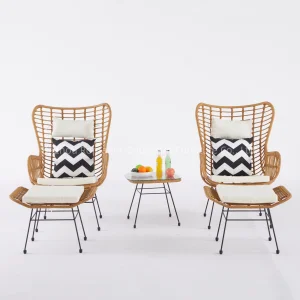
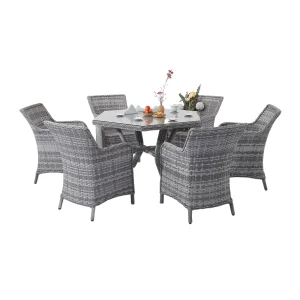
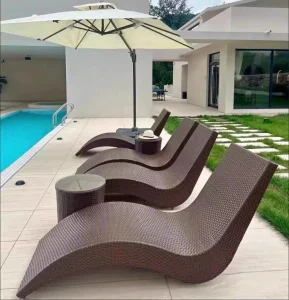
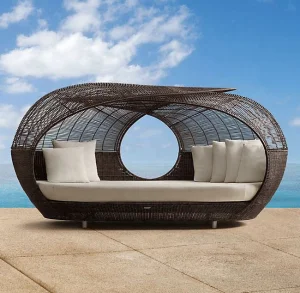
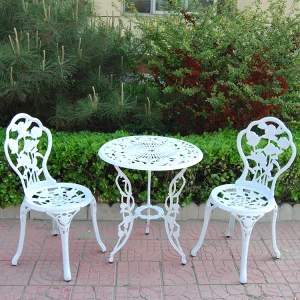
The company’s main product range includes Teslin mesh furniture, synthetic rattan furniture, and other premium outdoor leisure furniture series, widely used in gardens, patios, balconies, hotels, resorts, and commercial outdoor spaces.
With a strong focus on quality control, sustainable materials, and modern design aesthetics, Zhejiang MAZIS Furniture Co., Ltd. has established long-term cooperative relationships with buyers in more than 10 countries and regions, including Europe and North America. Its products are well recognized in international markets for their durability, weather resistance, and contemporary style.
Looking ahead, MAZIS Furniture continues to uphold the principles of innovation, quality, and customer satisfaction, striving to become a trusted global supplier in the outdoor furniture industry.
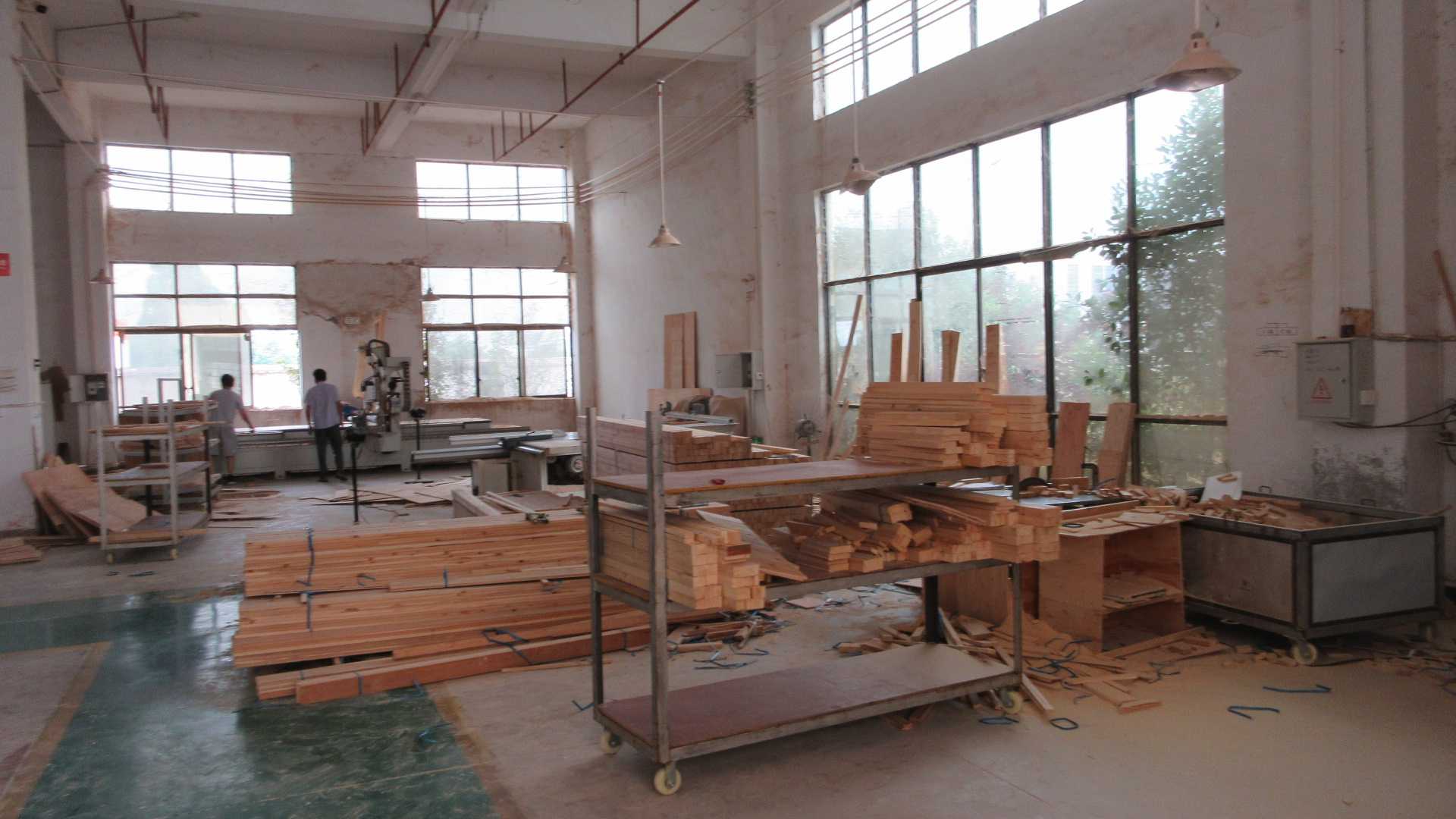
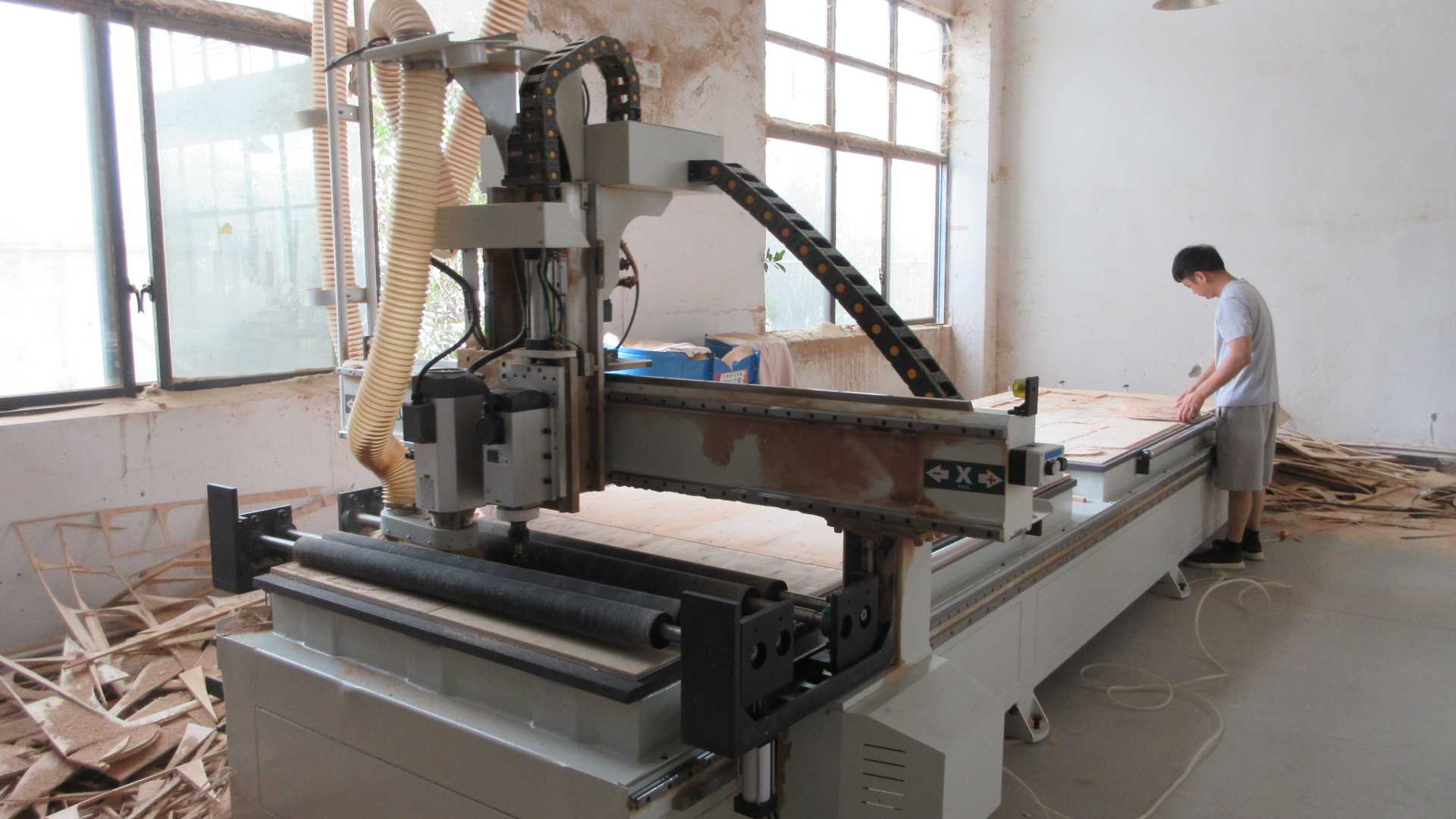
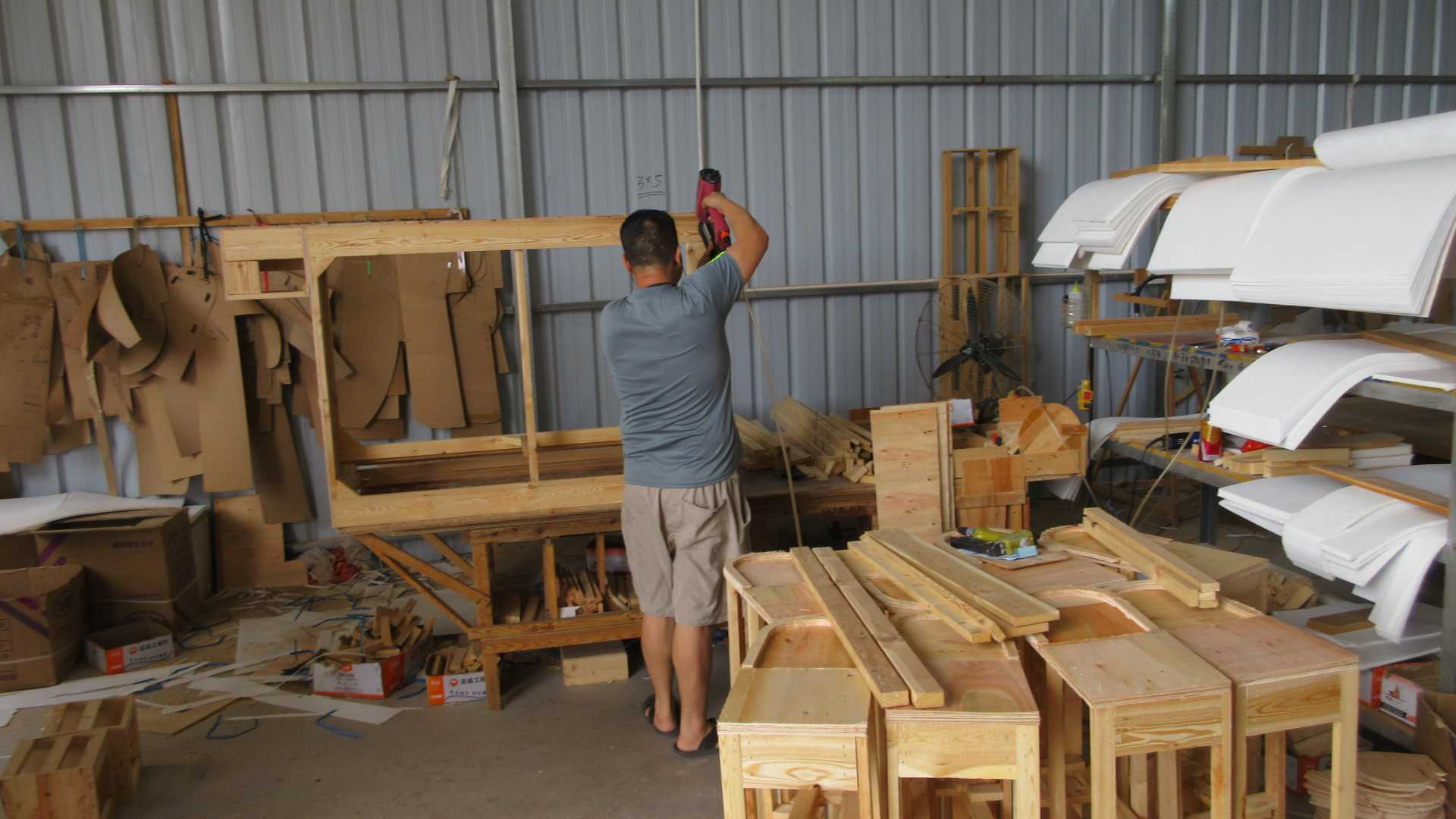
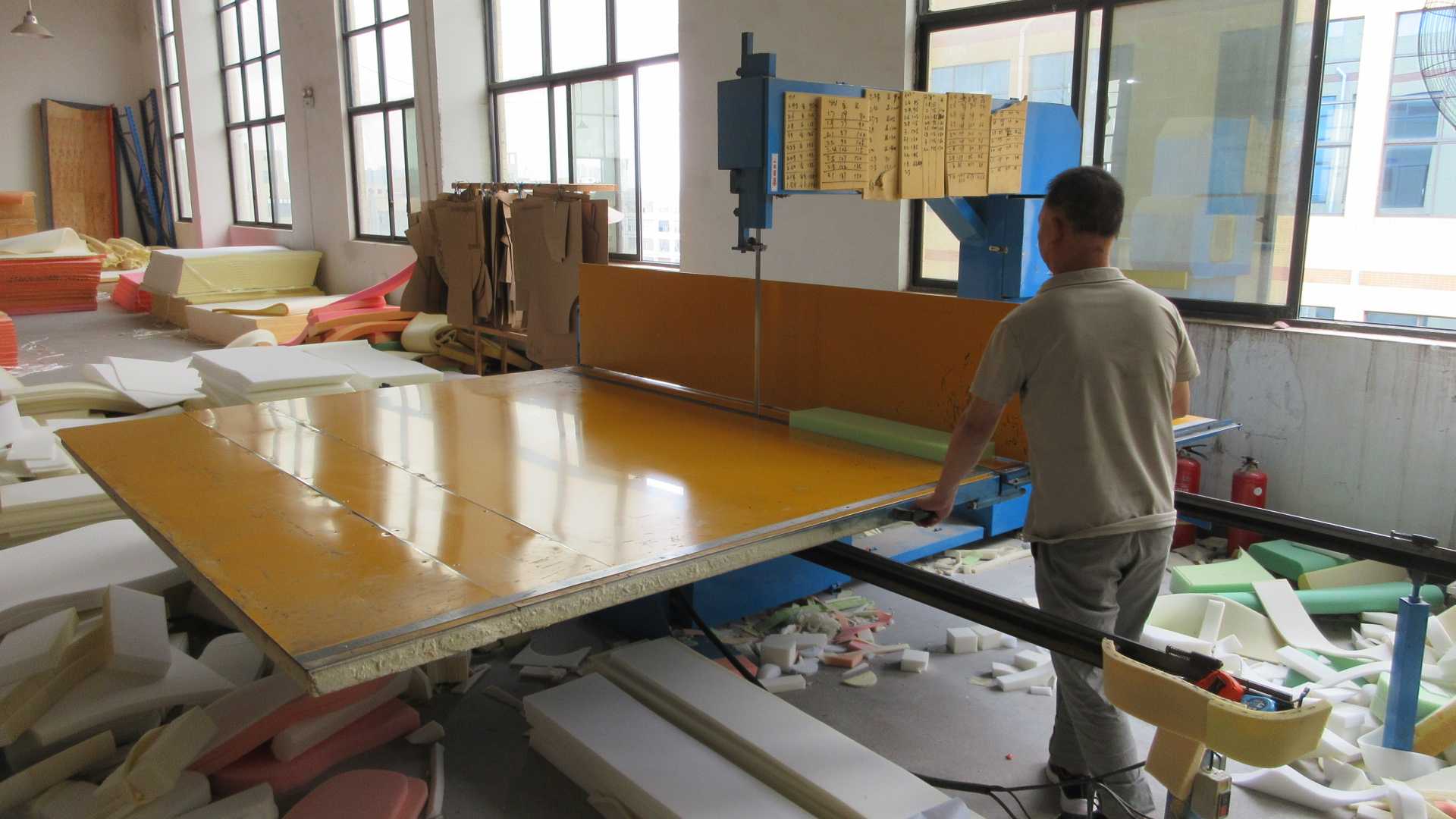
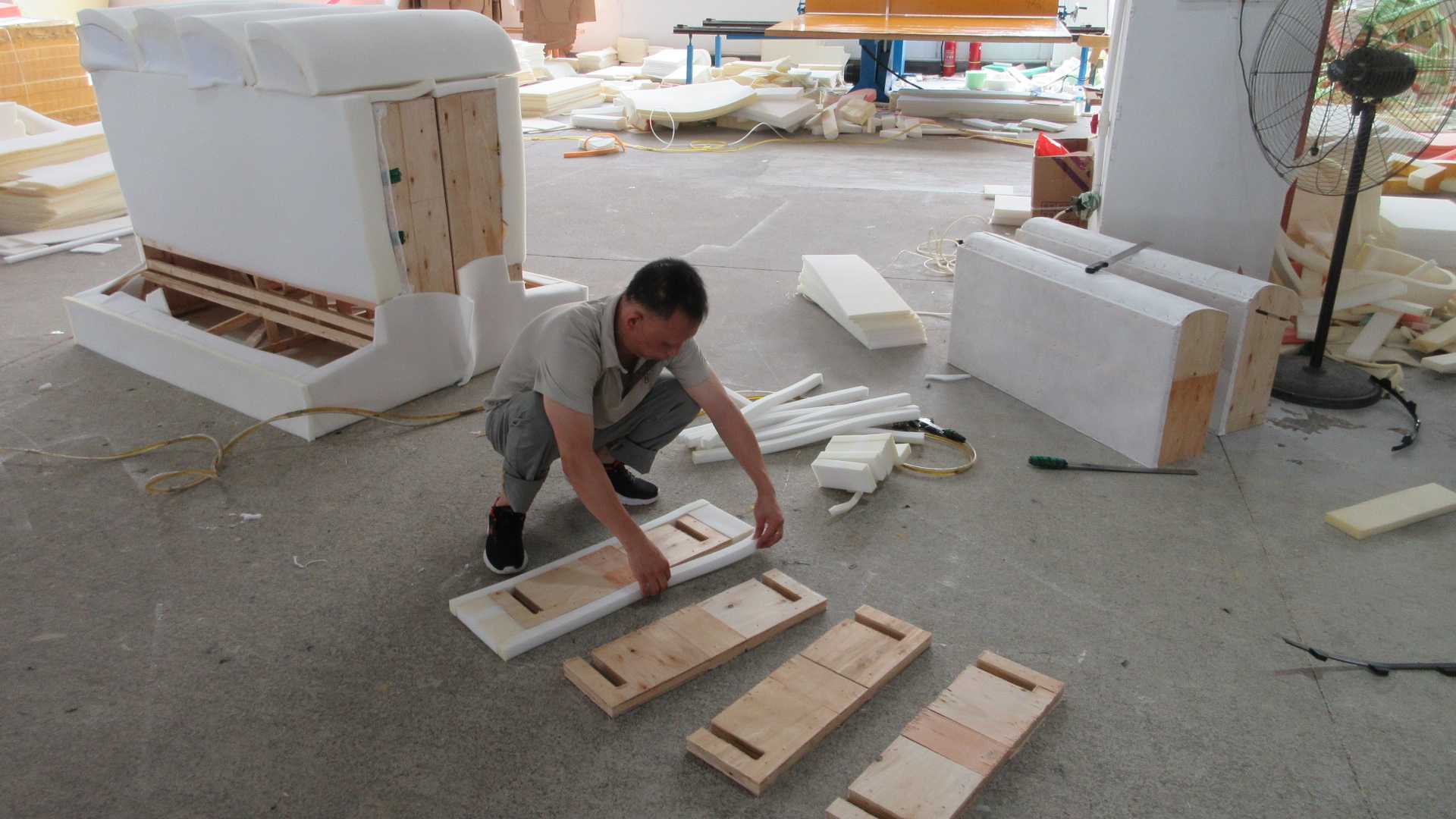
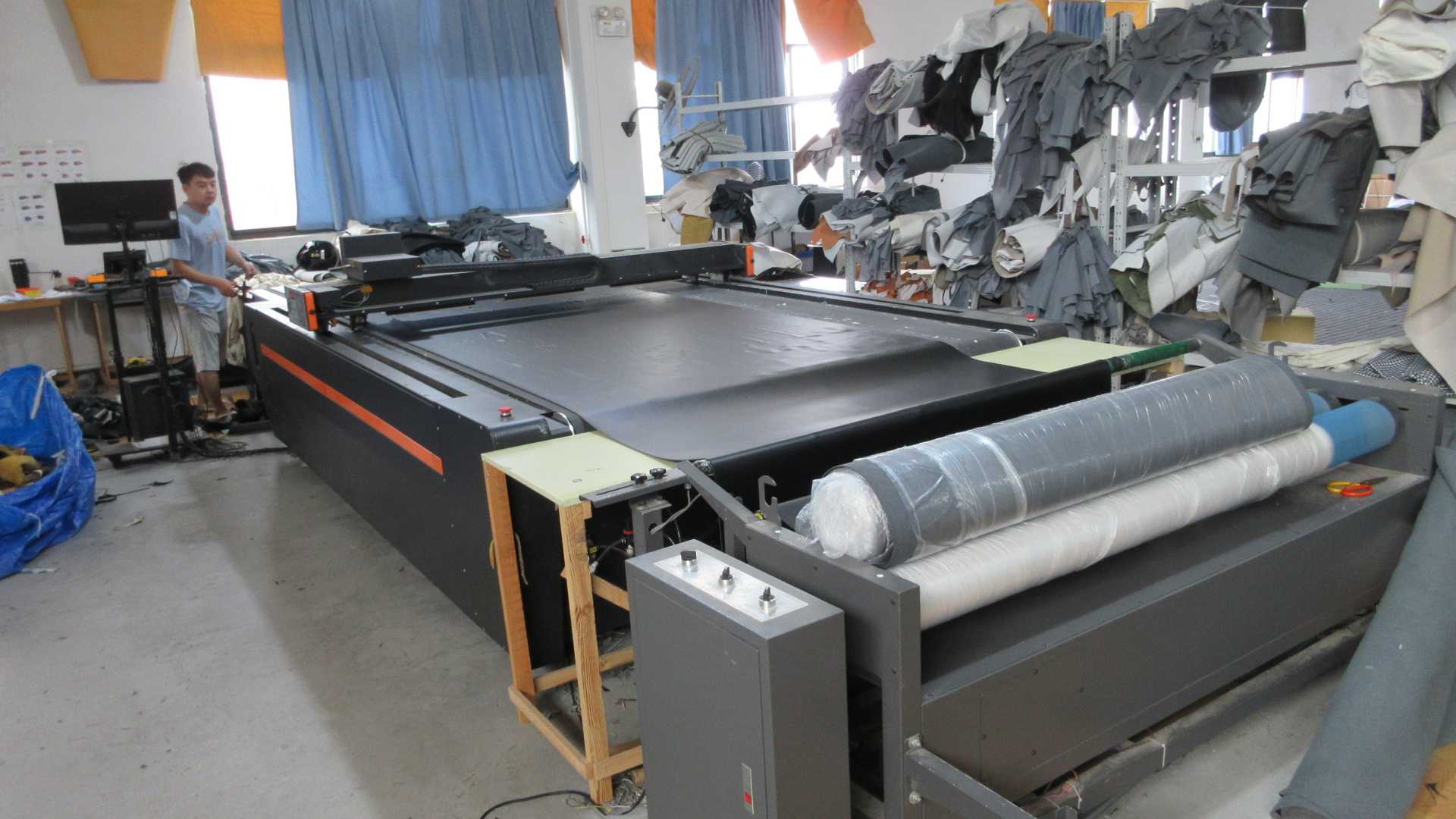
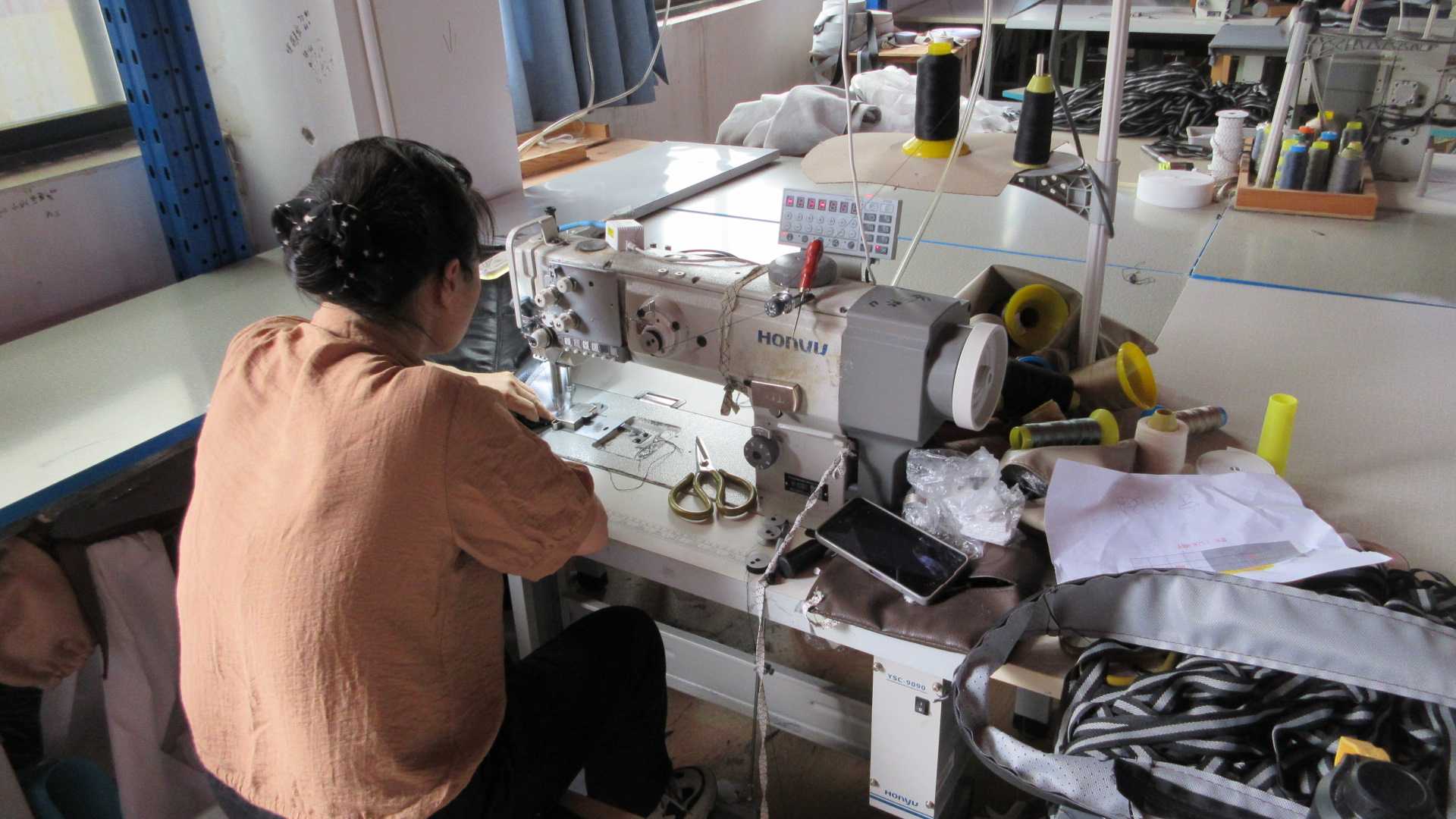
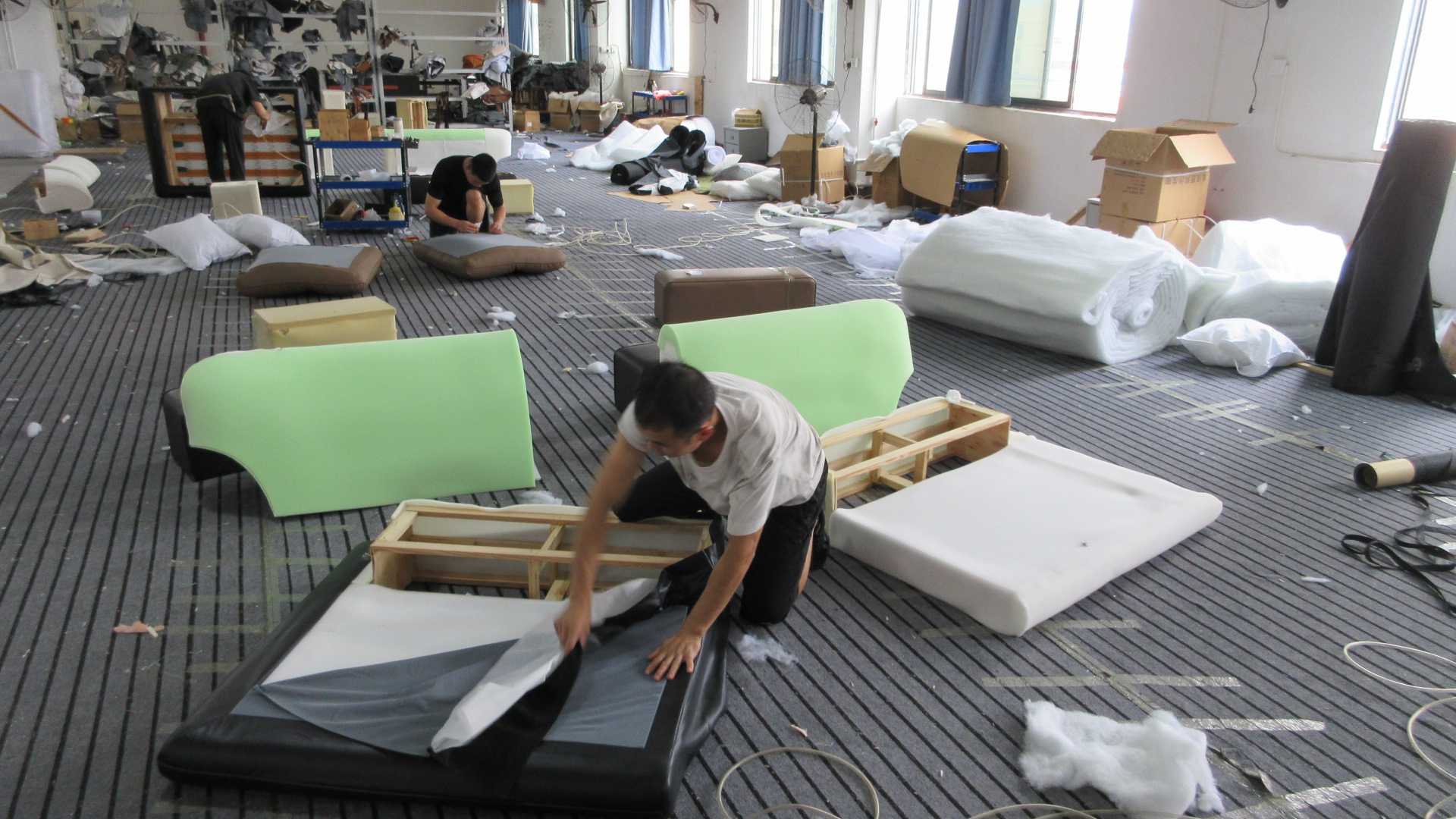
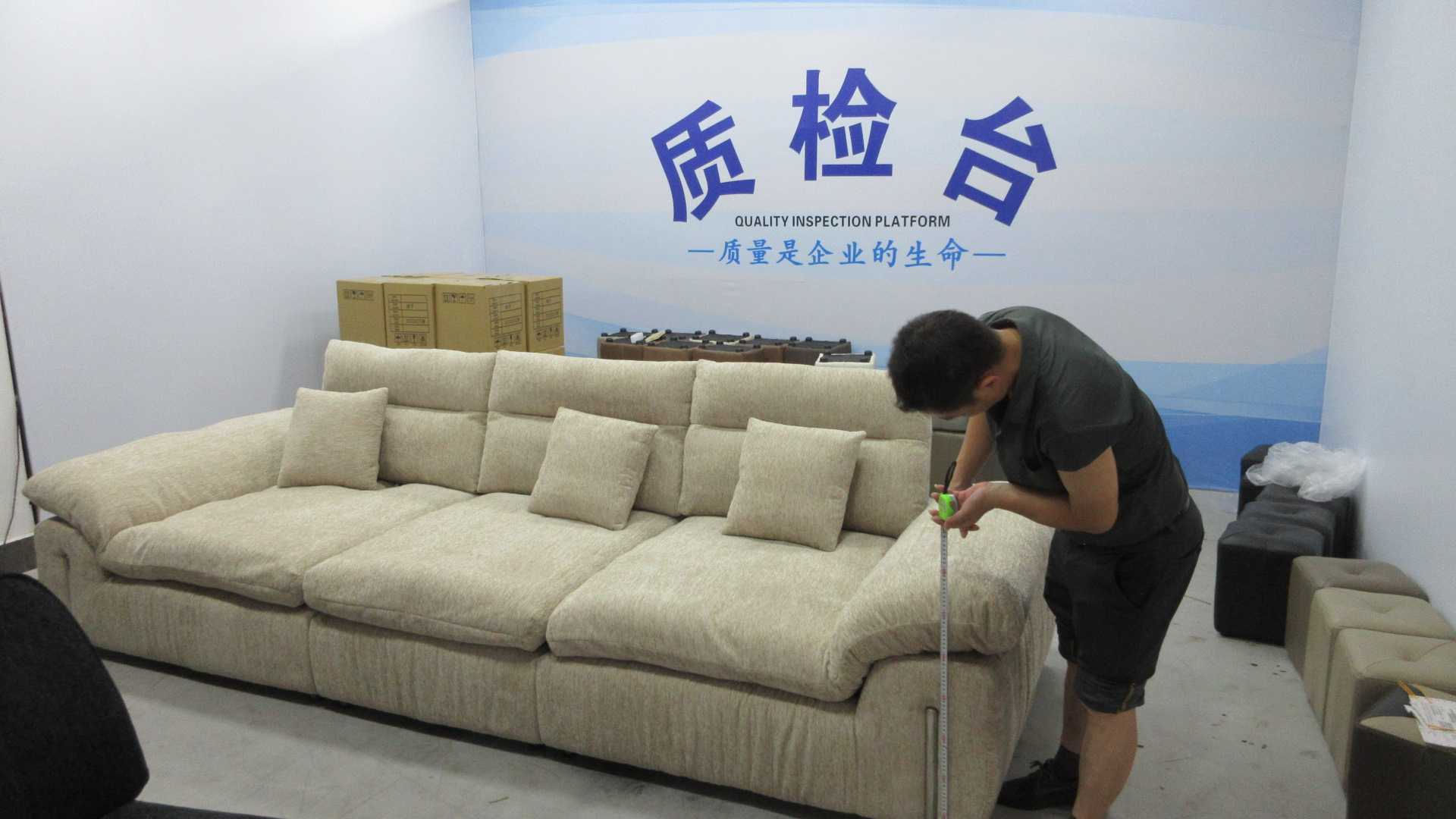
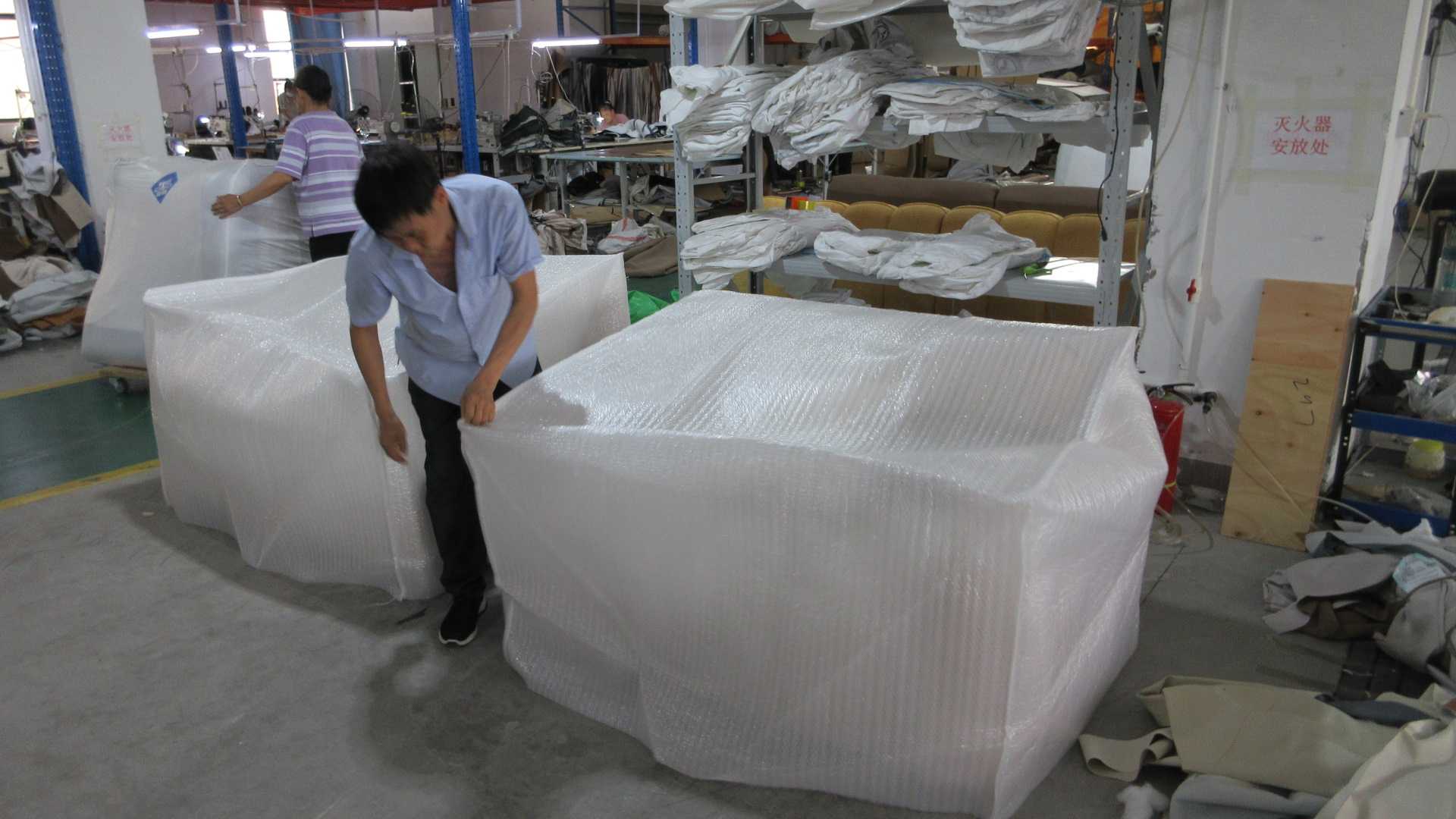
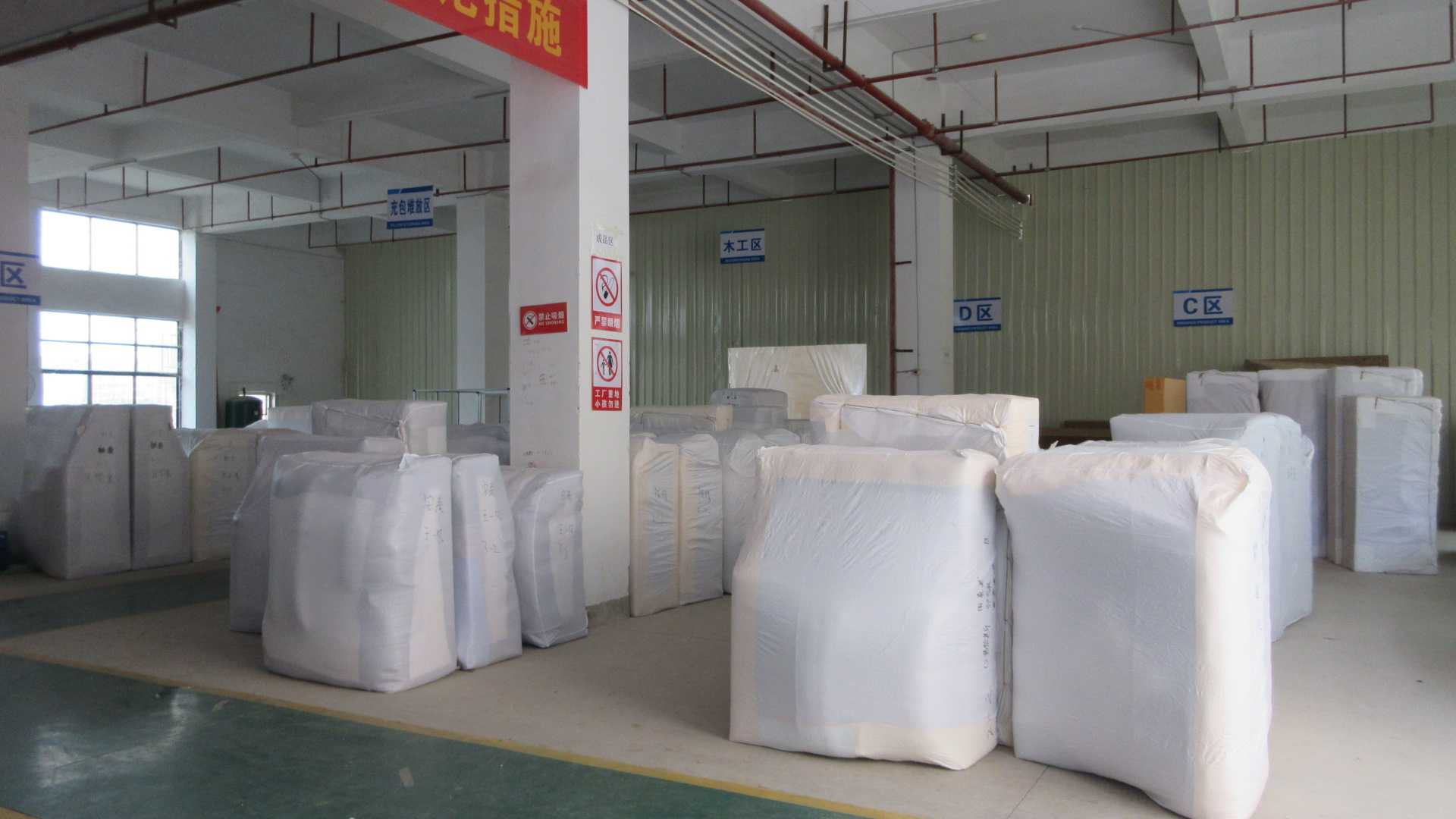
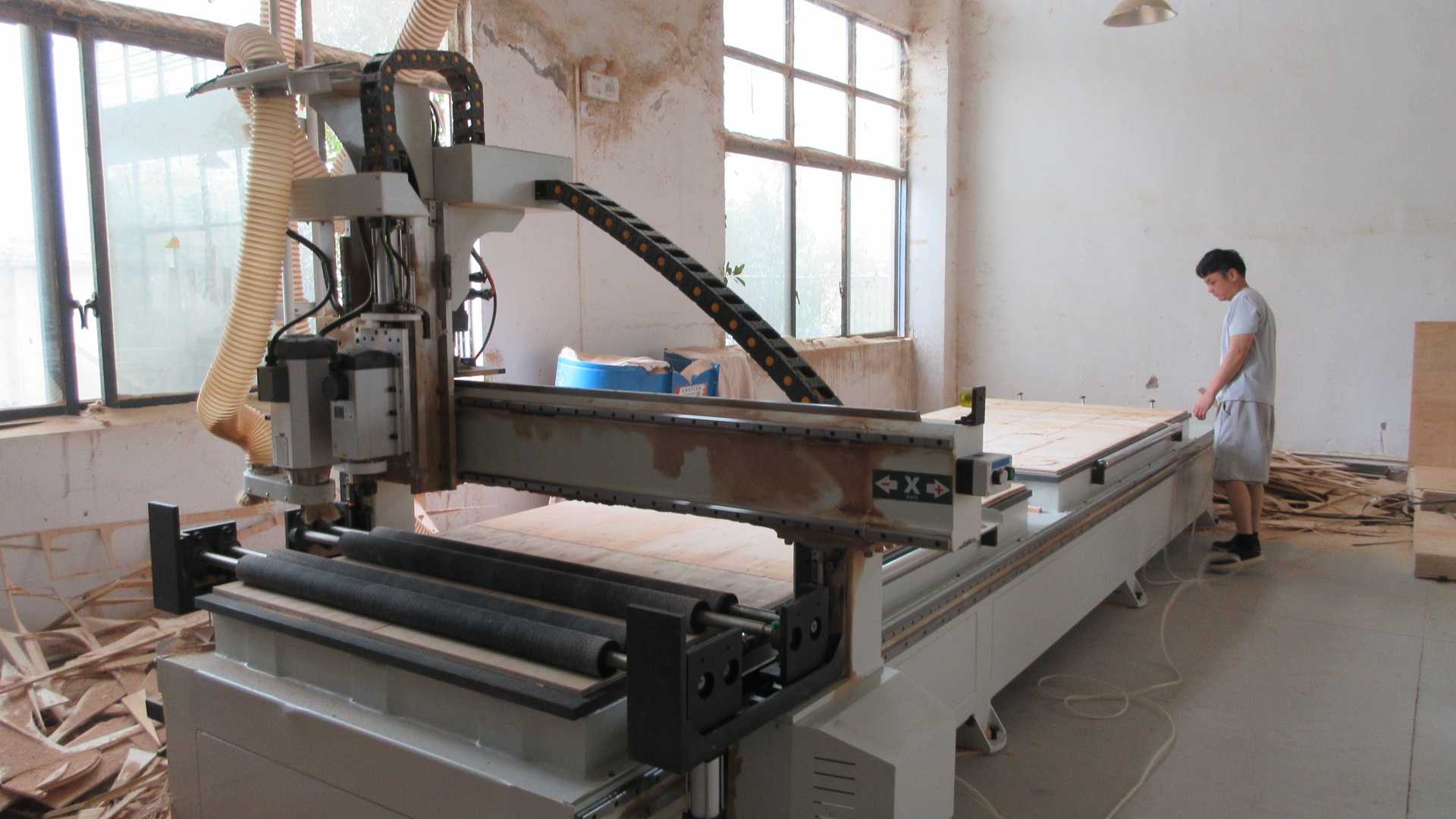
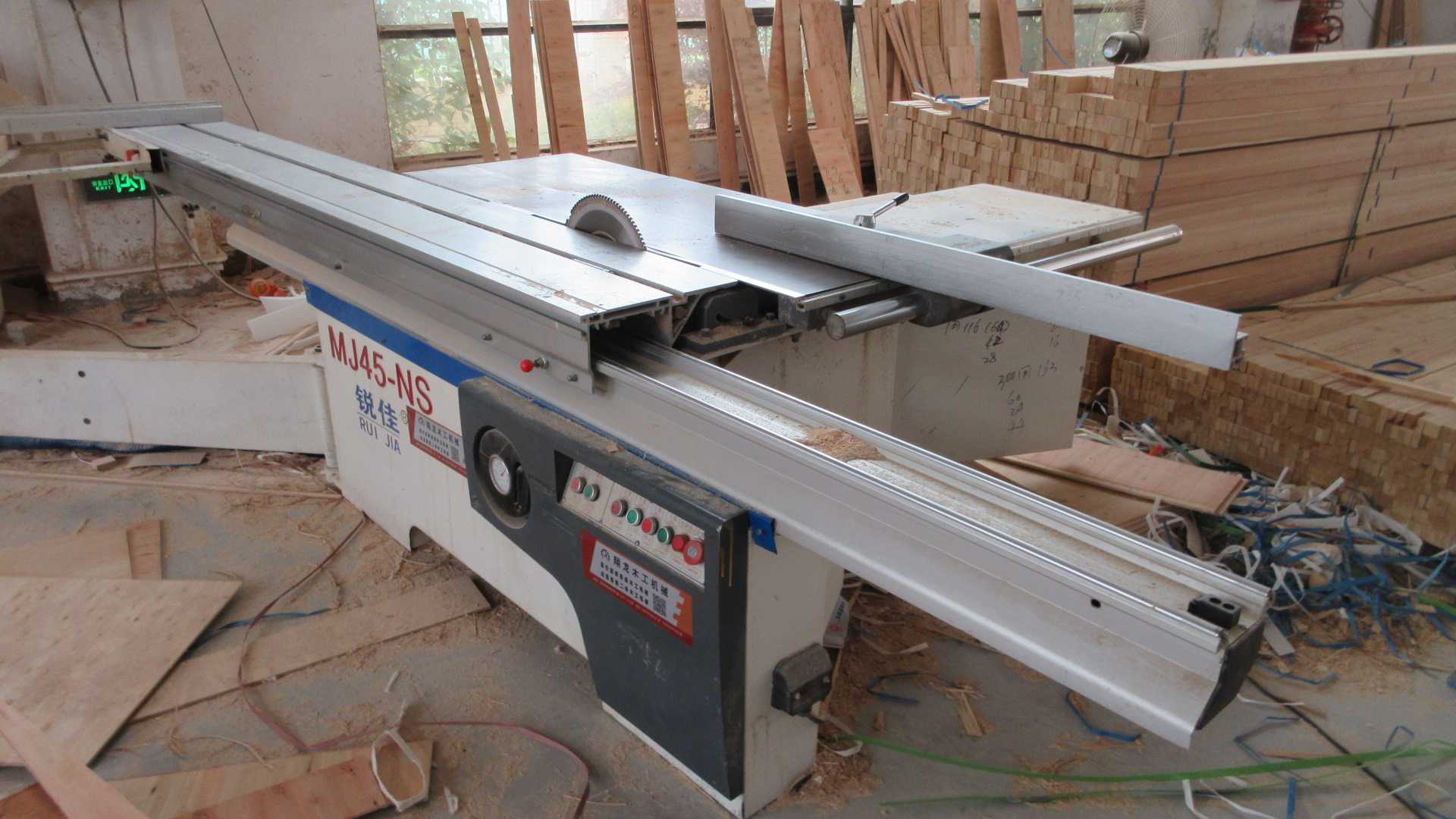
Modern furniture sourcing requires deep reliance on automated infrastructure to achieve zero-defect manufacturing. By employing advanced automated woodworking machinery—such as automatic sawing systems, precision mechanical cutters, and high-speed multi-axis CNC drilling arrays—we achieve dimensional tolerances of less than 0.2mm. This precision is critical for the child safety ecosystem, ensuring that interlocking joints, structural load paths, and dowel points lock with high consistency, eliminating wobbles and structural failure.
Furthermore, our integrated Factory 4.0 infrastructure in Zhejiang leverages a close-looped regional material supply chain. Synthetic rattan, powder-coated aluminum, steel tubing, and high-density polyurethanes are processed in-house. Our automated powder-coating and spraying lines deposit a cross-linked polyester resin matrix onto the frames. This protective outer layer is tested using copper-accelerated acetic acid salt spray (CASS) chambers to ensure zero oxidation, maintaining structural integrity even when exposed to demanding residential and outdoor recreational zones.
Supply chain resilience is backed by our ERP-driven raw material replenishment model. Critical items like solid beech, native ash, and premium polymer pellets are maintained at a minimum buffer stock of 45 days of standard manufacturing output. This buffers against container shipping irregularities and ensures that global OEM/ODM orders achieve consistent timelines, keeping delivery windows within a strict 30-to-40-day target.
Global procurement teams must navigate complex, region-specific legislative mandates for pediatric equipment. Sourcing from a certified manufacturer is crucial to avoiding expensive import delays or product recalls. In the United States, children's products must comply with the Consumer Product Safety Improvement Act (CPSIA) and meet the performance metrics dictated under ASTM F2613. This standard includes rigorous mechanical testing cycles, such as backward tip-over parameters, armrest static load resistances, and vertical downward static strength thresholds.
For European distribution channels, compliance with EN 1728 (strength and durability) and EN 1729 (functional dimensions for educational institutions) is mandatory. Chemically, all textiles, polymers, and coatings must be verified under REACH and EN 71-3 regulations, which limit the bio-accessibility of elements like lead, cadmium, and organic tin compounds. Our manufacturing processes implement rigorous GC-MS testing protocols at the raw material reception gates, preventing any non-compliant materials from entering the wood-assembly or sewing stages.
Verification that all accessible paint, substrate materials, and plasticized parts contain less than 100 ppm total lead content and less than 0.1% phthalate esters.
Continuous testing for 19 specific elements in scraped-off material coatings, ensuring absolute safety for younger age ranges prone to mouthing behaviors.
The next decade of kids chair design will be defined by the integration of physical therapy insights and advanced material engineering. Our R&D roadmap is focused on three key technological advancements:
1. Passive Postural Biofeedback Systems: We are testing mechanical elastomer hinges that adjust in real-time to a child's natural movements. Instead of locking the spine into a rigid posture, these dynamic joints distribute muscular workload, reducing physical fatigue during long study sessions.
2. Bio-based Composites & Anti-microbial Surfaces: The market is moving away from fossil-fuel-based polymers. We are incorporating bio-based polyamide formulations made from castor oil and agricultural residues. Additionally, we are integrating silver-ion and copper-based anti-microbial additives directly into the polymer matrix during injection molding, ensuring long-term hygiene for school environments.
3. Parametric Customization Platforms: Using 3D scanner apps, institutional buyers can upload anthropometric profiles of students, allowing our robotic assembly lines to customize seat pans and back heights to the specific needs of different classrooms.
For customized OEM projects requiring injection molding modifications or custom steel frames, lead times are approximately 35 to 45 days, following a 15-day prototyping phase. Standard MOQs are 500 units per model, though we support lower volumes for initial market verification.
All structural wood elements use CARB Phase II and EPA TSCA Title VI certified plywoods. Our foam materials are CertiPUR-US certified, ensuring low VOC emissions (less than 0.5 mg/m³). We verify chemical compliance using GC-MS instrumentation at every step of manufacturing.
Yes. We incorporate high-density polyethylene (HDPE) synthetic rattan alongside 304/316 grade stainless steel and powder-coated aluminum. These are treated with UV stabilizers to ensure colorfastness and structural durability under UV exposure (up to 3000 hours of weatherometer testing).
We regularly undergo audits by organizations like SGS, TÜV, and Intertek. Our facilities are open for remote video audits and third-party quality control inspections, verifying our ISO 9001, ISO 14001, and BSCI social compliance certifications.