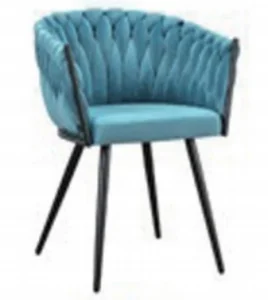
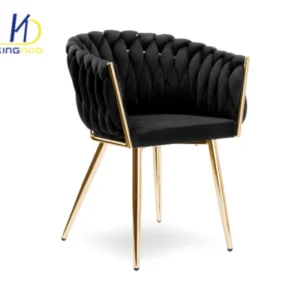
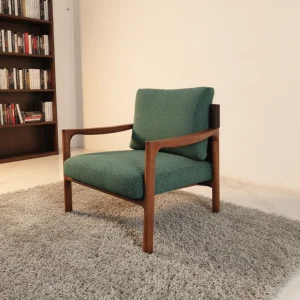
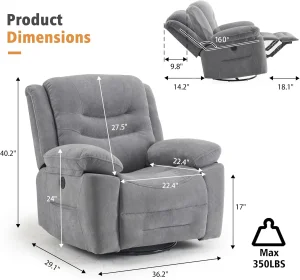
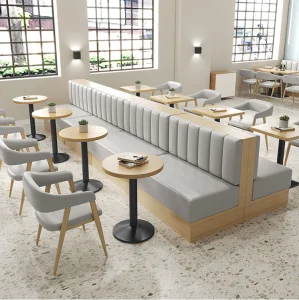
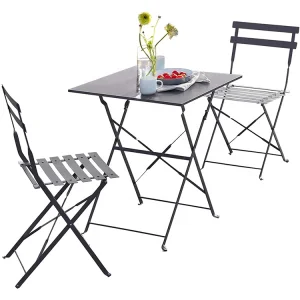
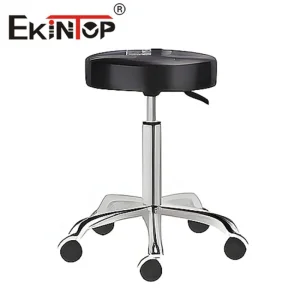
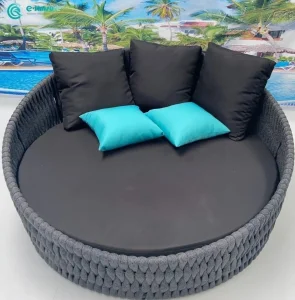
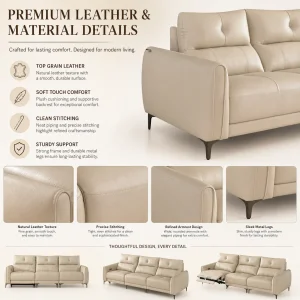
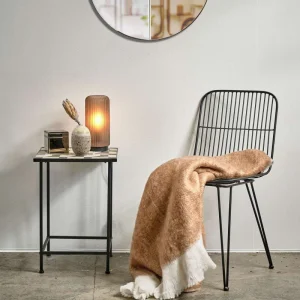
Explore our curated selection of top-performing modern furniture configurations designed for residential, commercial, and outdoor settings.
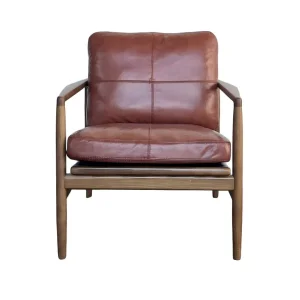
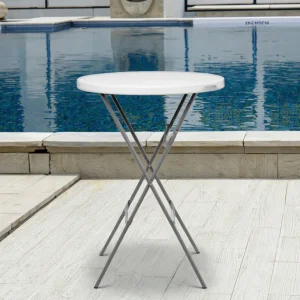
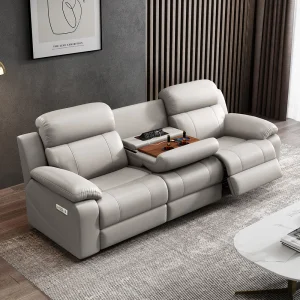
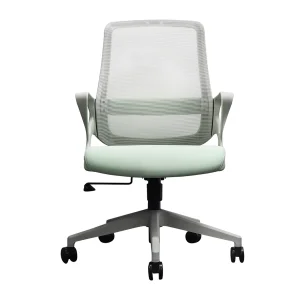
The global reclining chair market has transformed from basic mechanical living room seating into high-performance, ergonomically advanced, smart-sensor-enabled furniture. As modern workspaces blend with residential leisure and hospitality requirements evolve, commercial buyers face complex procurement criteria. Evaluating a reclining chair manufacturer & supplier goes beyond unit price; it requires analyzing mechanical durability, ergonomic testing, certifications, and structural design standards.
Today's B2B buyers—ranging from corporate interior specifiers, resort procurement managers, to major online furniture retailers—must navigate a landscape shaped by micro-innovations. Structural integrity, motor performance (for power recliners), fabric/leather wear resilience (Wyzenbeek double rub limits), and environmental certifications form the foundation of smart sourcing.
China remains the center of global furniture manufacturing, particularly for complex motion furniture like reclining chairs. This position is supported by three core industrial advantages:
Chinese furniture clusters bring steel mechanical frame foundries, motor designers, foam fabricators, and premium textile mills together in close proximity. This geographic density reduces component lead times, streamlines customization, and lowers domestic shipping costs.
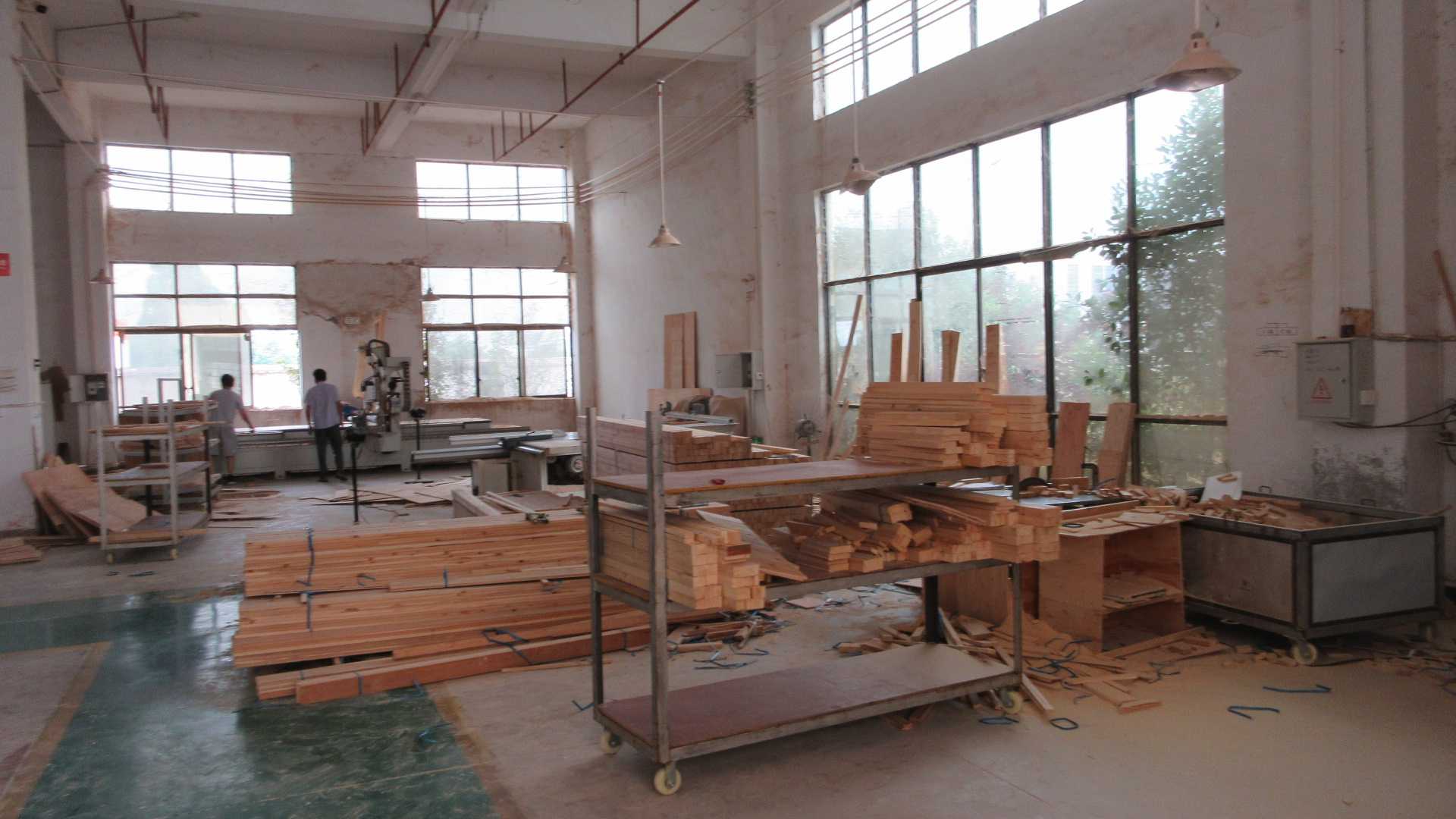
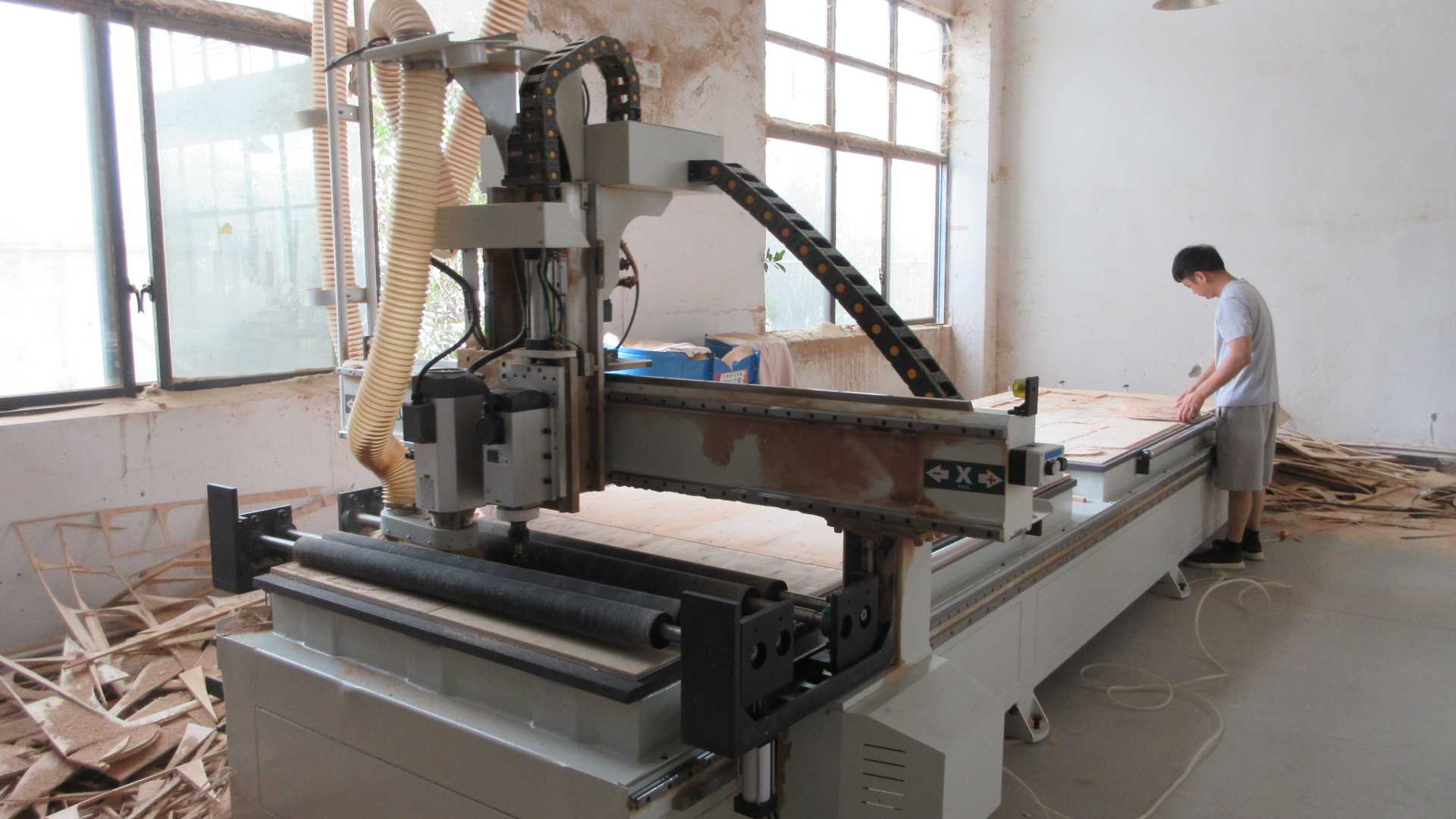
Advanced factories leverage heavy capital investments in robotic fiber laser welding, computer numerical control (CNC) wood routing, and automated eco-friendly powder coating. This guarantees repeatable precision, reducing structural failure rates below 0.05%.
Leading suppliers design products to comply with international regulatory bodies. They run internal testing facilities to perform continuous cyclic loading, stability, drop, and surface resistance tests to match BIFMA X5.4 and EN 1728 criteria.
Zhejiang MAZIS Furniture Co., Ltd. is a modern enterprise specializing in the design, research and development, and manufacturing of high-quality outdoor furniture. The company is committed to creating durable, comfortable, and aesthetically refined outdoor living solutions for global customers.
Located in Zhejiang Province, MAZIS Furniture benefits from a strong regional manufacturing foundation and a well-developed industrial supply chain. The company operates with a dedicated independent R&D department, enabling continuous innovation in product design, materials, and manufacturing techniques.
MAZIS Furniture is equipped with advanced production facilities, including laser welding systems, precision cutting equipment, and automated plastic spraying lines. These capabilities ensure high production efficiency and consistent product quality across all categories.
The company’s main product range includes Teslin mesh furniture, synthetic rattan furniture, and other premium outdoor leisure furniture series, widely used in gardens, patios, balconies, hotels, resorts, and commercial outdoor spaces.
With a strong focus on quality control, sustainable materials, and modern design aesthetics, Zhejiang MAZIS Furniture Co., Ltd. has established long-term cooperative relationships with buyers in more than 10 countries and regions, including Europe and North America. Its products are well recognized in international markets for their durability, weather resistance, and contemporary style.
Looking ahead, MAZIS Furniture continues to uphold the principles of innovation, quality, and customer satisfaction, striving to become a trusted global supplier in the outdoor furniture industry.
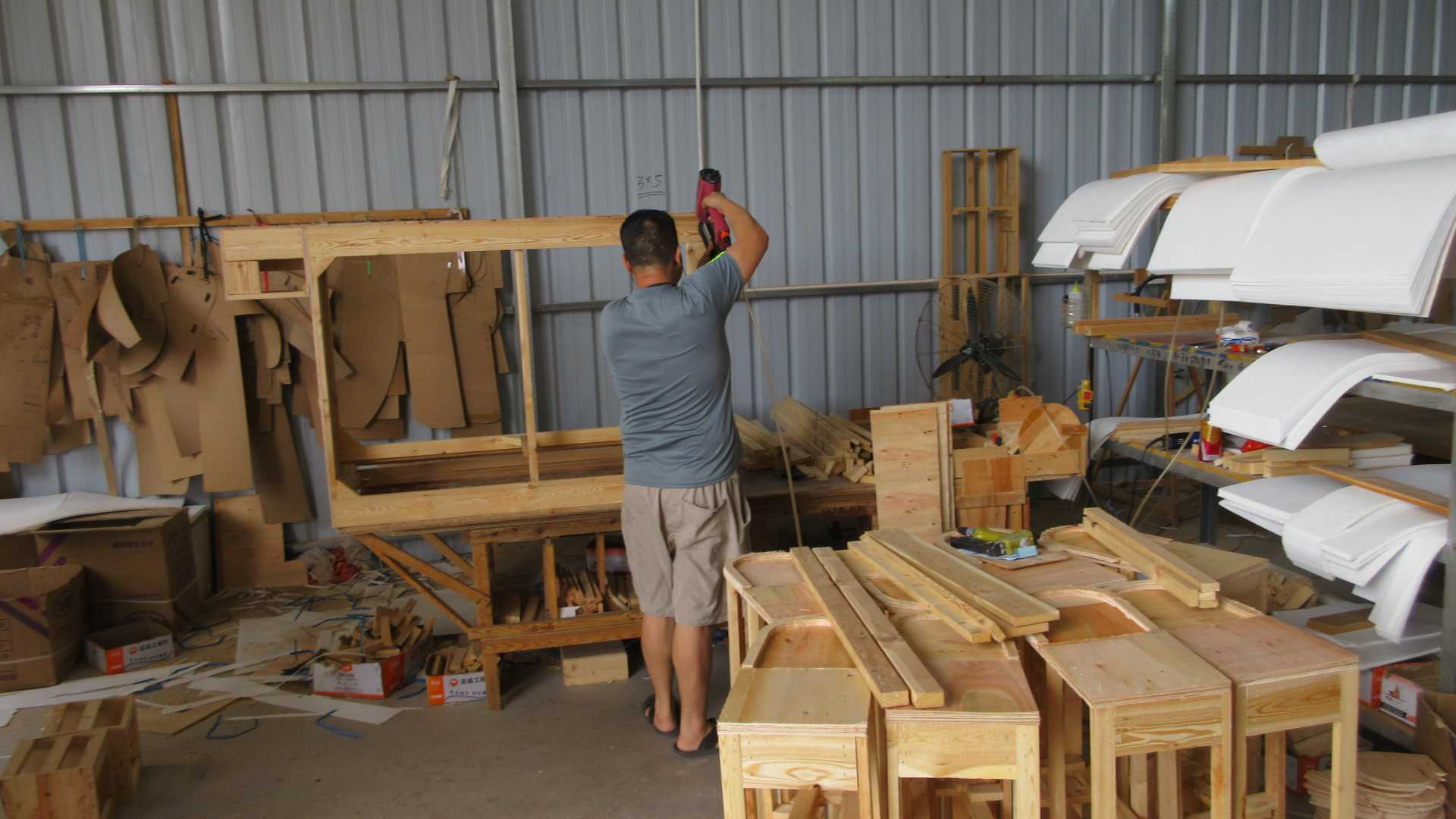
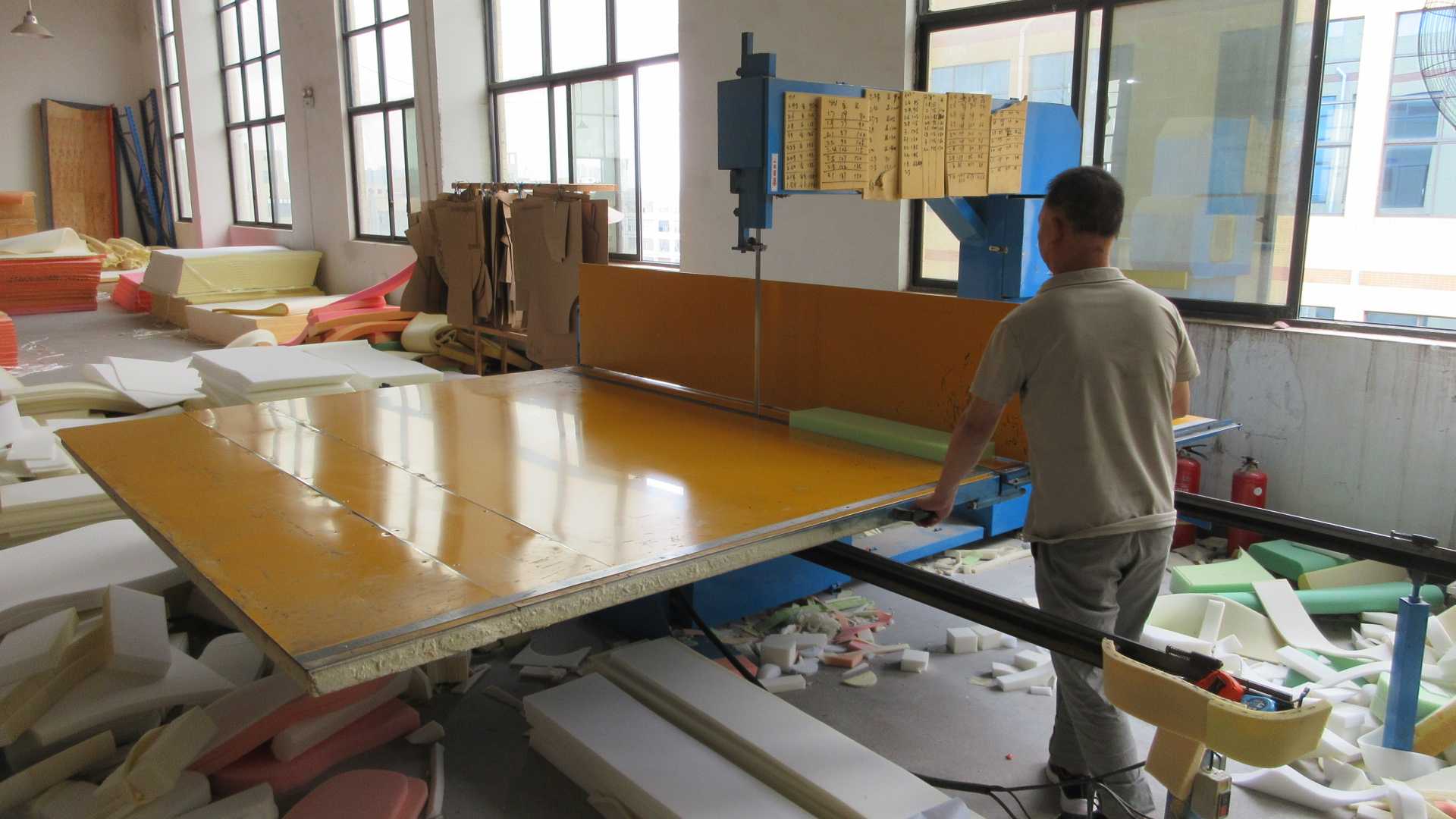
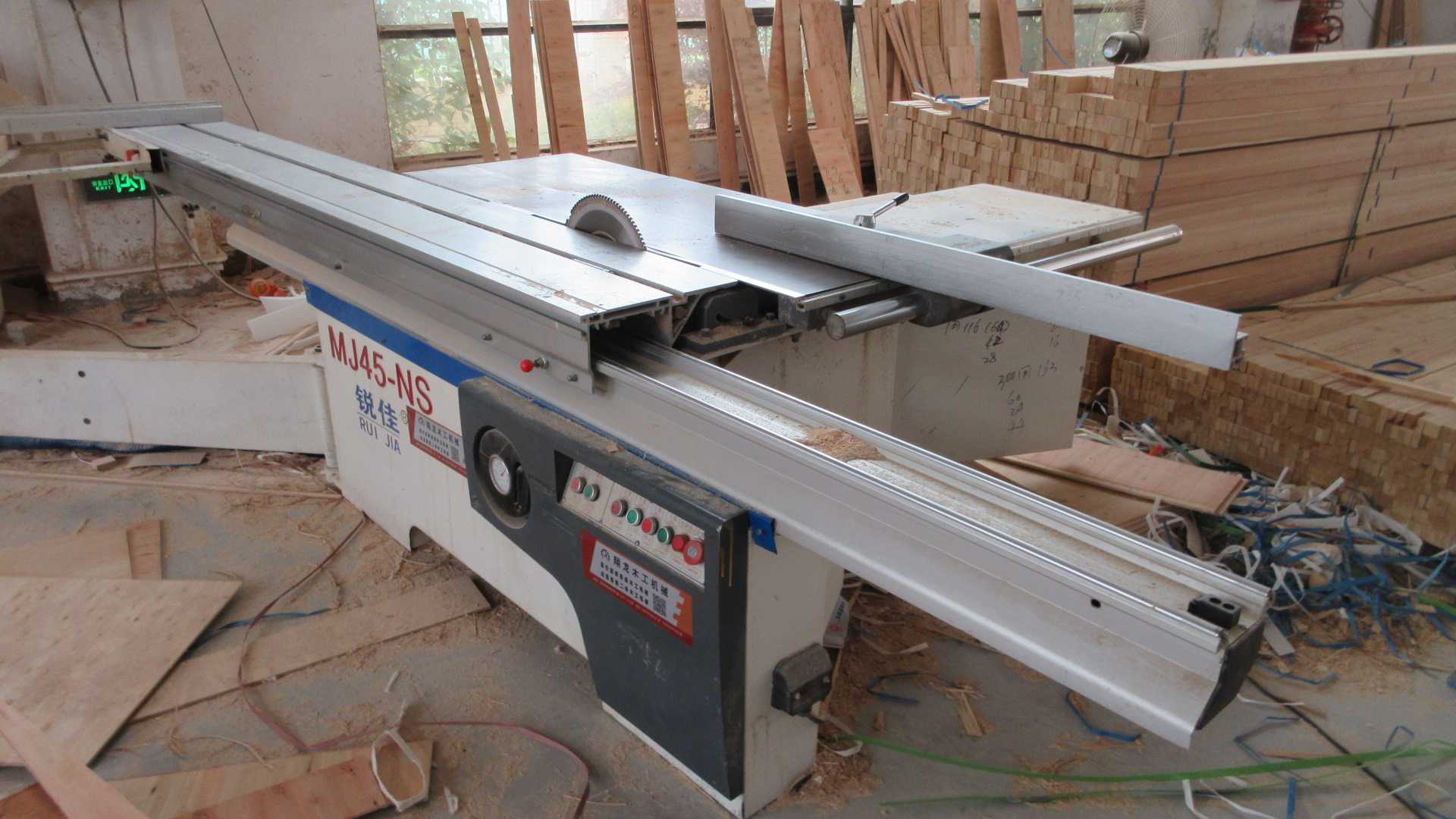
An inside look at our vertically integrated production line, highlighting material handling, frame engineering, precision sewing, and final quality control checks.
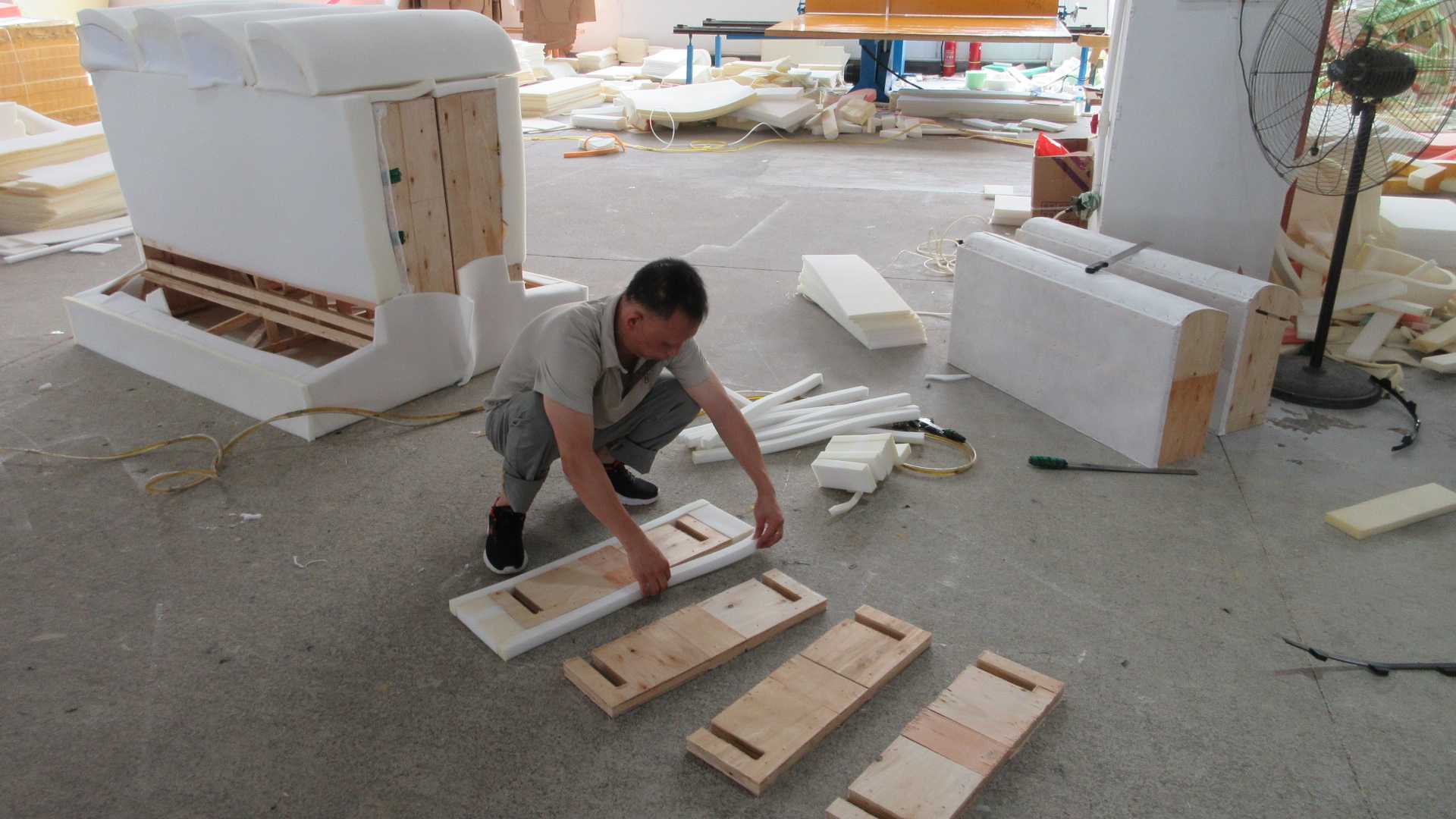
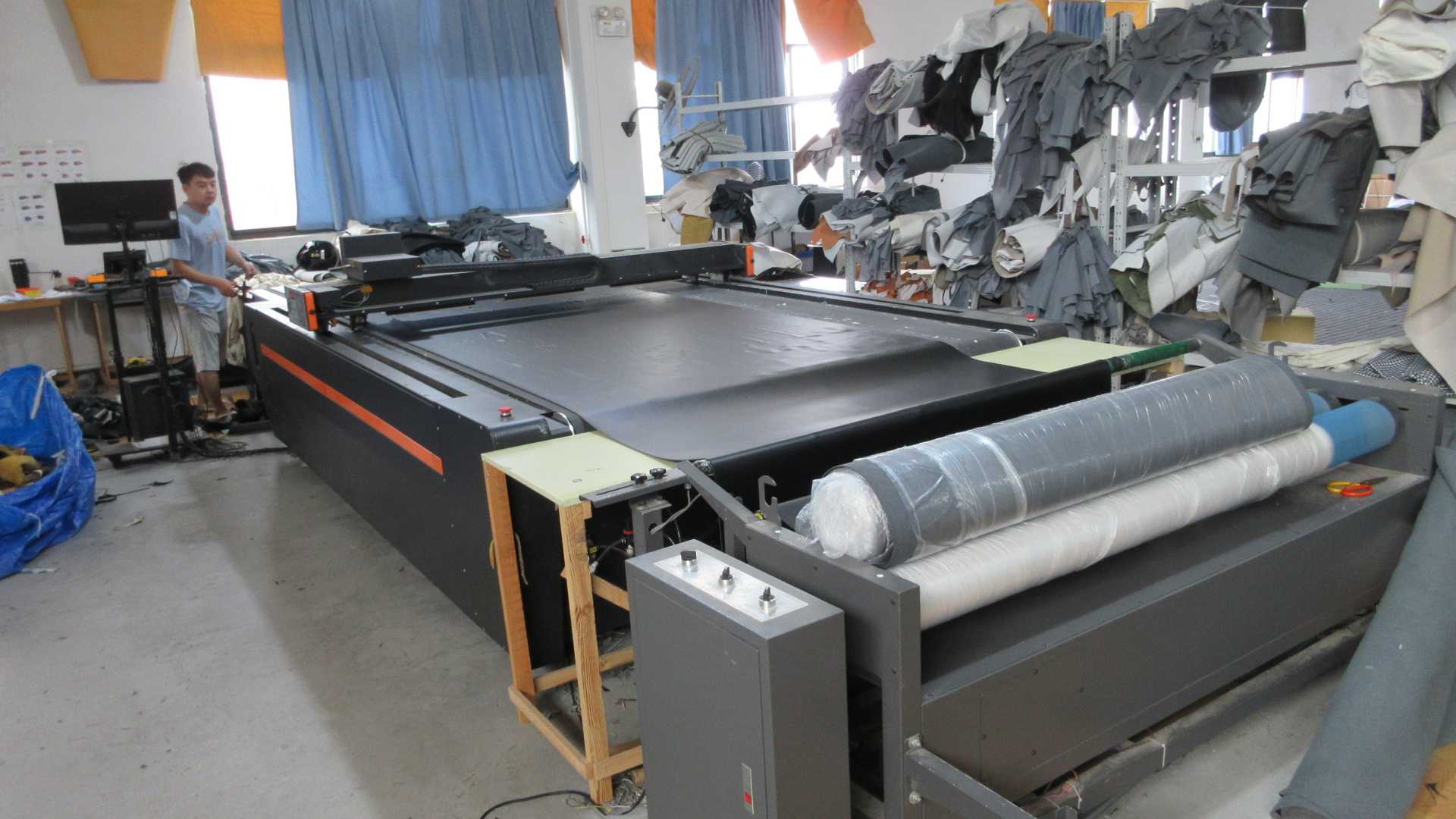
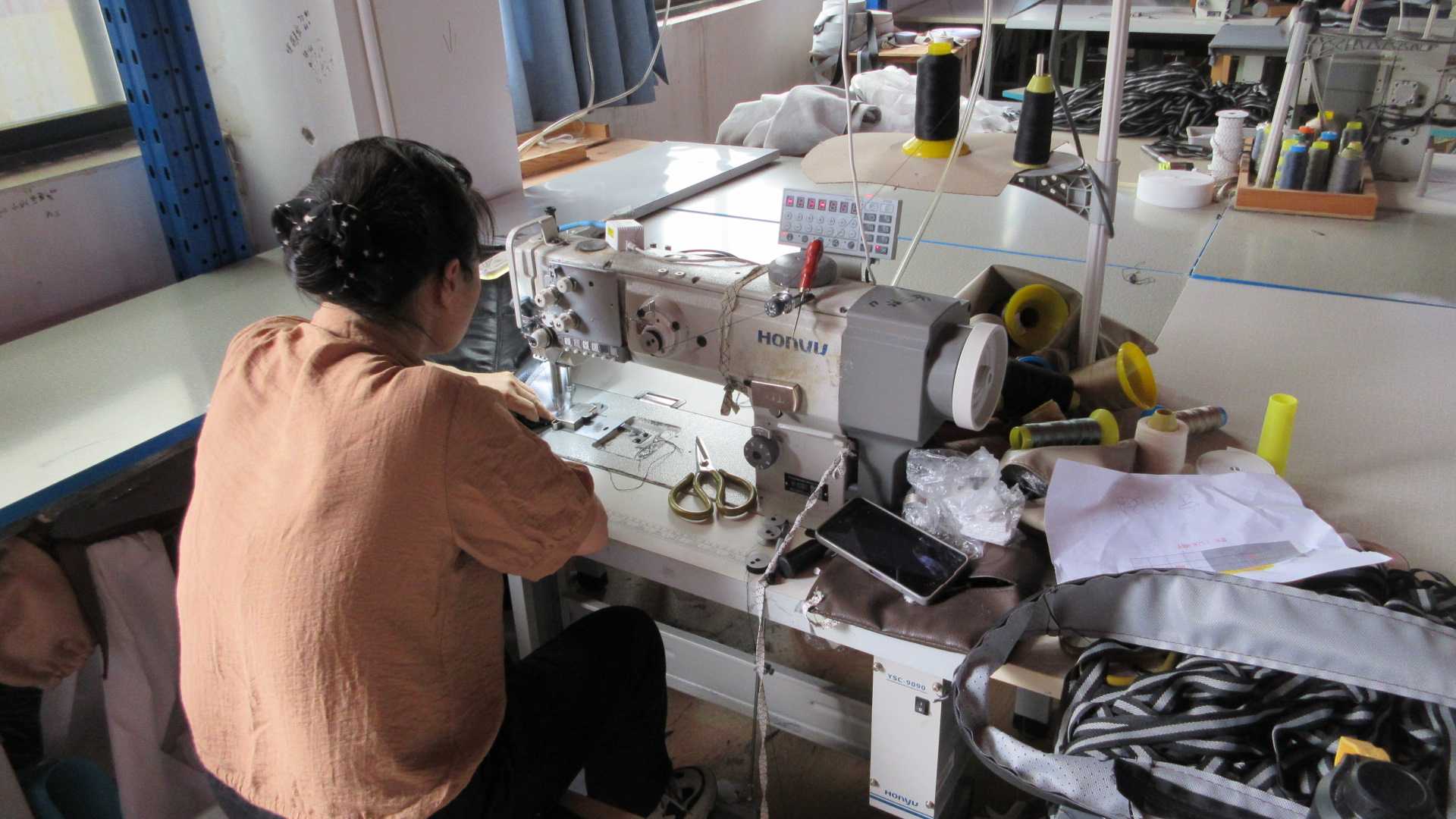
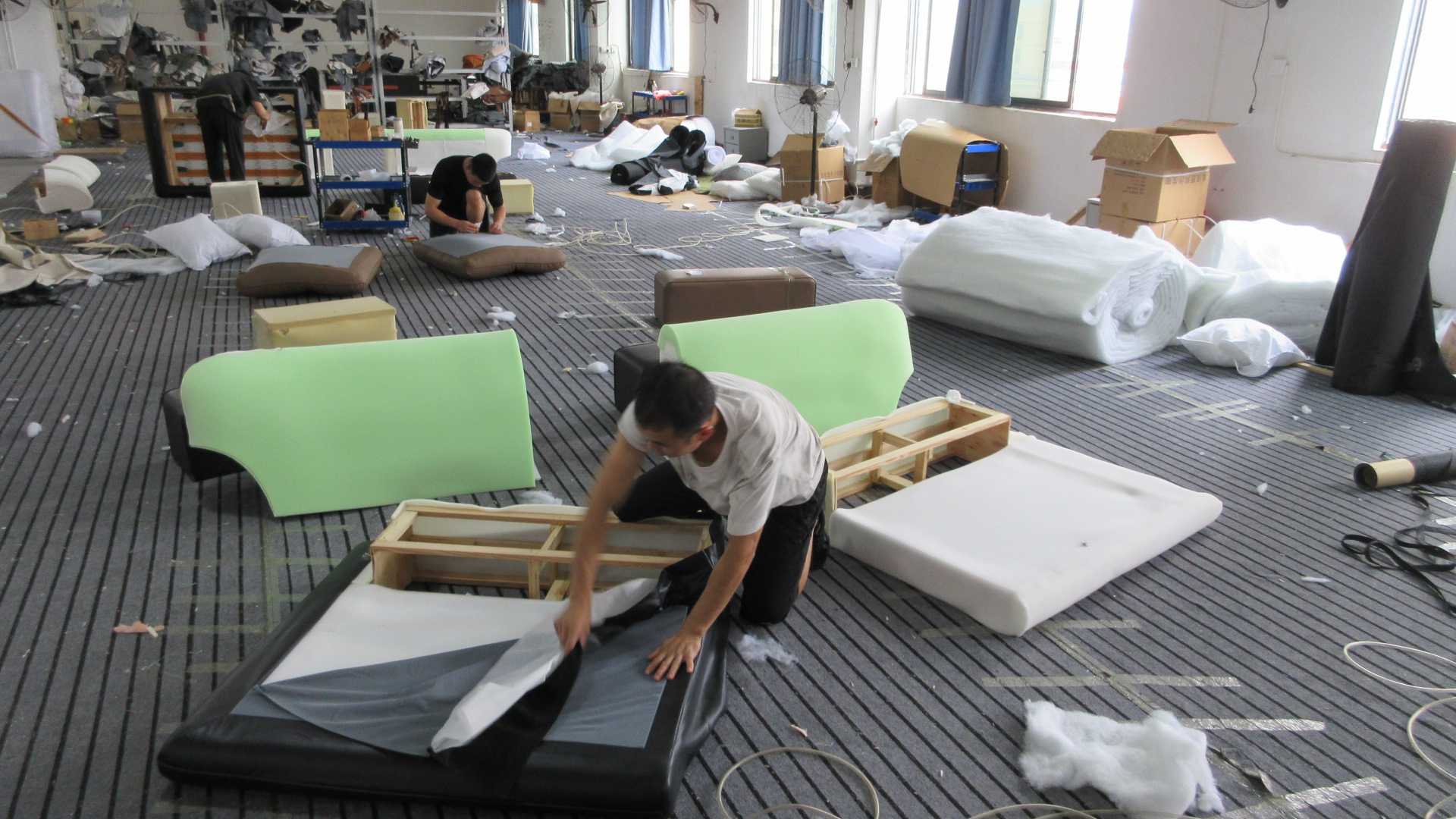
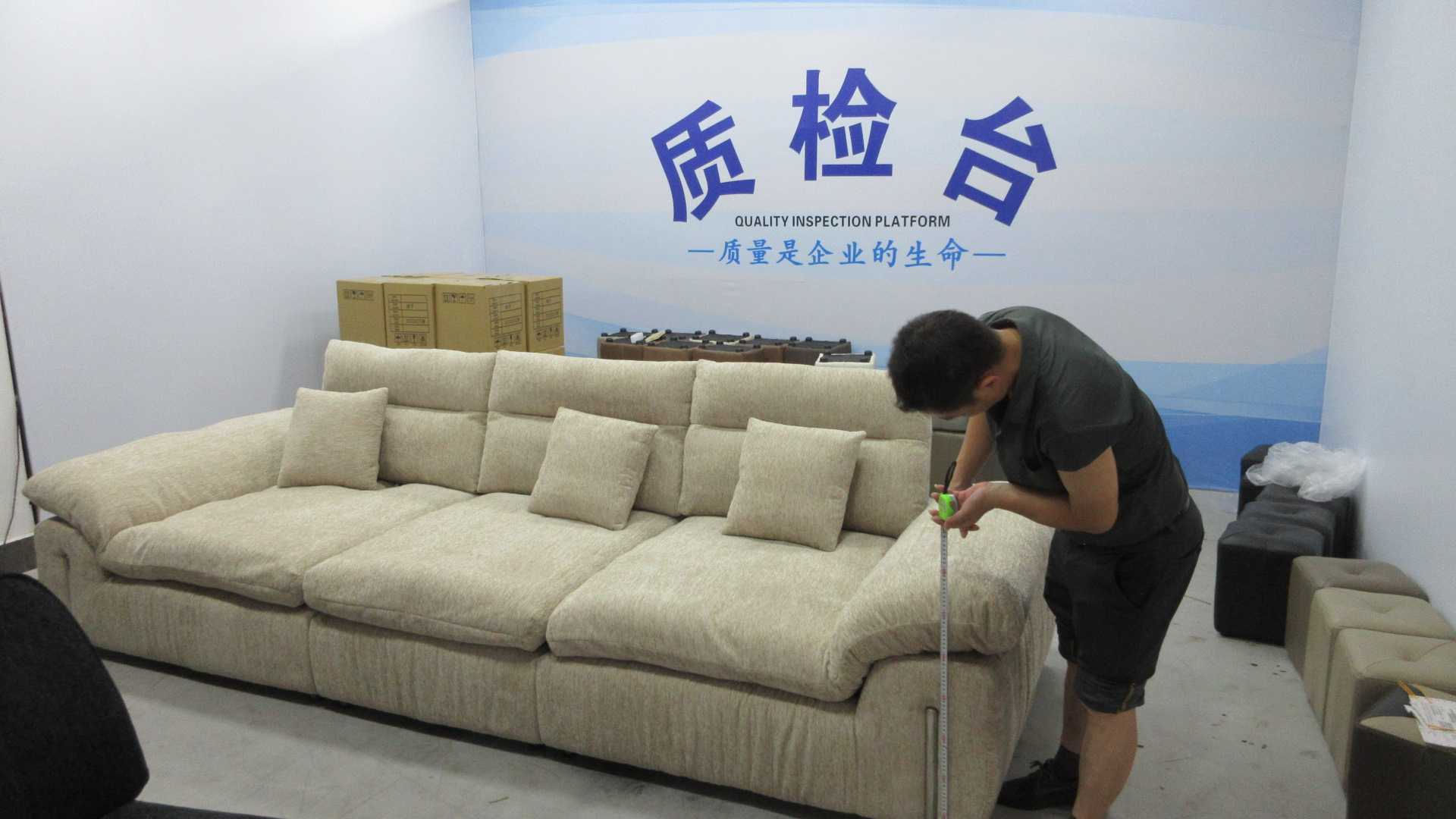
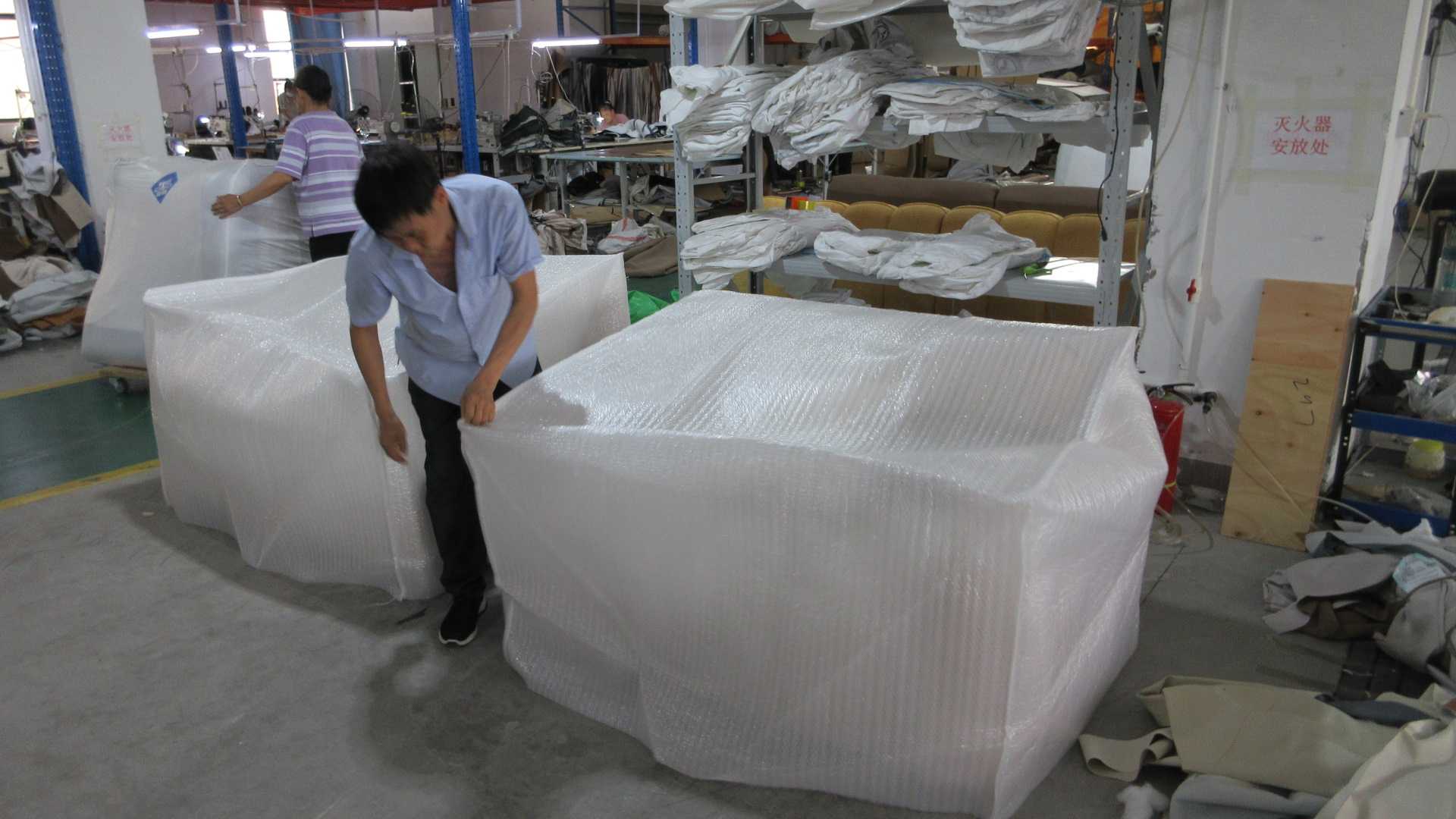
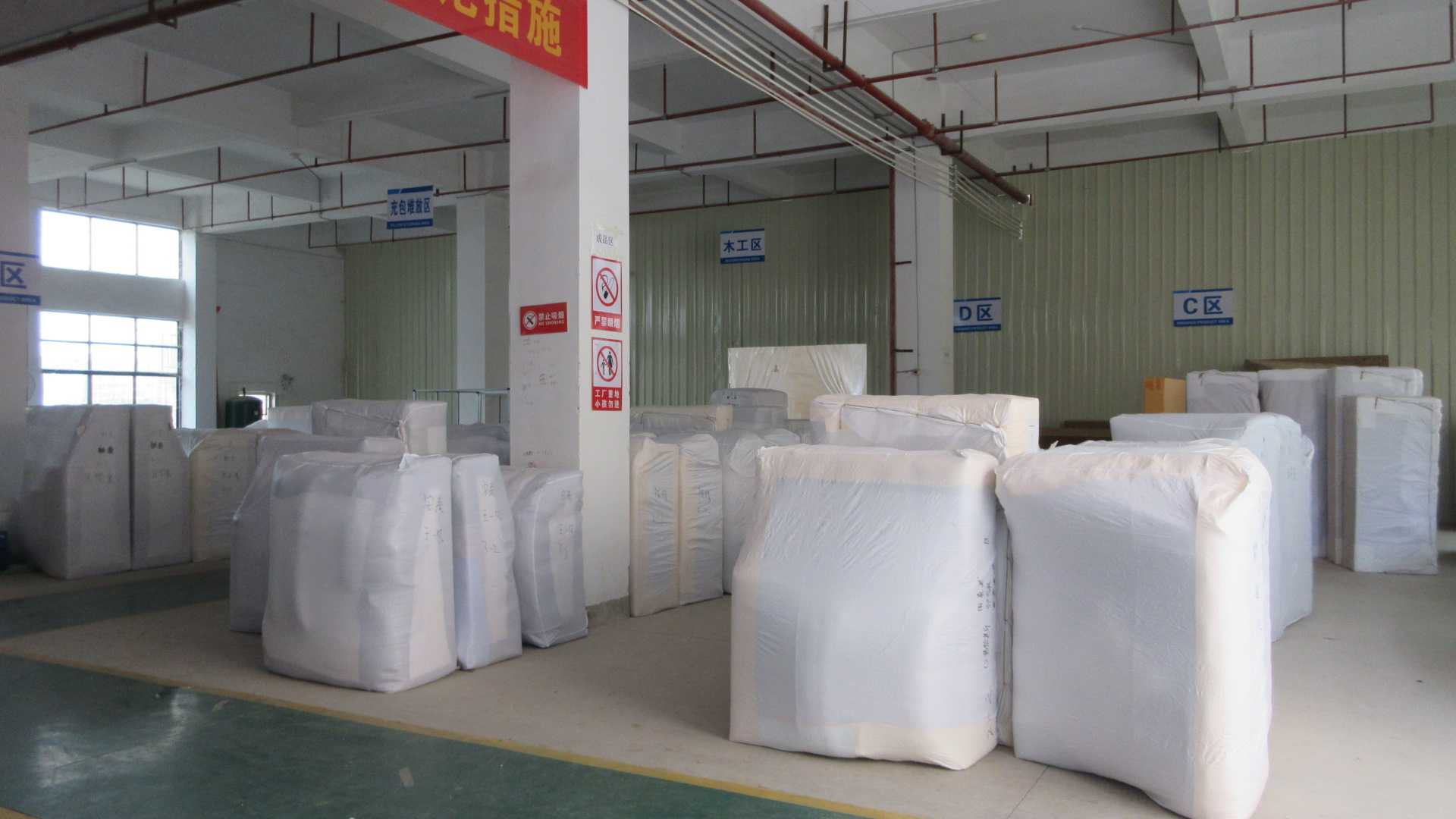
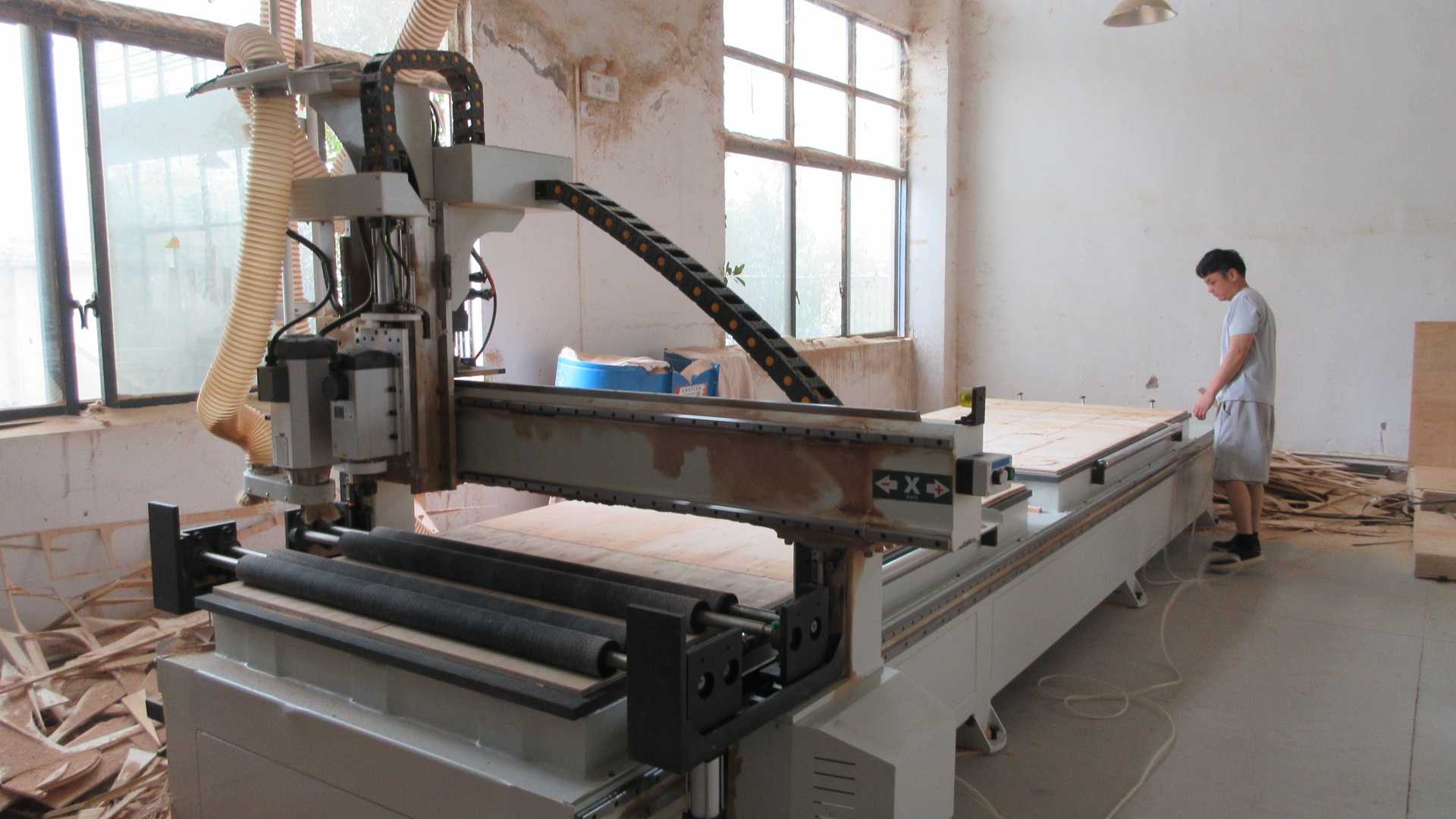
As contract furniture integration becomes more complex, "one-size-fits-all" recliner units are no longer sufficient. Today, suppliers offer targeted solutions tailored to specific commercial projects:
The transition toward therapeutic furniture has heightened demand for medical-grade recliner chairs. These chairs integrate specialized features such as zero-clearance wall-hugging, lay-flat trendelenburg positions, and chemical-resistant, anti-microbial fabrics. Power-lift mechanisms assist users in standing with minimal lower-body strain, reducing physical strain on caregivers.
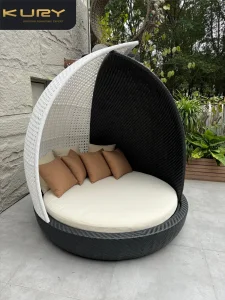
Resorts require outdoor-rated daybeds, loungers, and accent chairs that can withstand variable weather. Materials like powder-coated aluminum, high-density polyethylene (HDPE) structures, and solution-dyed acrylic fabrics (such as Sunbrella) protect against UV rays, chlorine, and saltwater. Incorporating design-forward accents, like premium ropes or woven PE rattan, adds high-end aesthetic appeal.
As modern workplaces adopt activity-based layouts, task chairs and accent loungers must adapt. High-density mesh backs, adjustable 3D/4D armrests, dynamic lumbar support, and pneumatic gas lift mechanisms support active working postures. Swivel loungers offer dedicated areas for focused work or phone calls.
Understanding emerging trends helps procurement teams make future-proof purchasing decisions. The industry is currently moving toward three key developments:
Sourcing furniture internationally requires a clear framework to manage lead times, control quality, and ensure regulatory compliance. Below is a structured checklist for procurement teams:
Ensure the manufacturer's testing lab is certified by ISO/IEC 17025. Key testing procedures to verify include:
The reclining mechanism is the core of any motion furniture piece. Verify if the factory sources from top-tier component brands (like Leggett & Platt) or uses in-house stamped metal components. Insist on structural steel linkages with riveted joints and protective anti-rust coatings.
Improper shipping layouts can warp frames or damage upholstery during transport. Request ISTA-3A or ISTA-6 packaging standards for drop tests to ensure the product survives logistics handling and transit vibration.
Browse our expanded selection of tables, dining configurations, accent seating, and premium weather-resistant outdoor furniture.