In the global commercial design and hospitality landscape, soft furnishings—particularly throw pillows and cushions—are no longer considered mere aesthetic accents. They represent a key touchpoint in user experience, ergonomics, and structural brand identification. Selecting the ideal manufacturing partner requires analyzing raw materials, certified supply chains, and technical engineering that withstands heavy commercial usage.
This B2B industry whitepaper provides searchers with deep information gain regarding the global supply chain for throw pillows, detailing regional production capabilities, material technologies, and localized compliance standards. While focusing on the top manufacturers globally, we highlight the integrated supply chain model of Zhejiang MAZIS Furniture Co., Ltd., an industry leader specializing in high-performance outdoor leisure solutions and premium upholstered components.
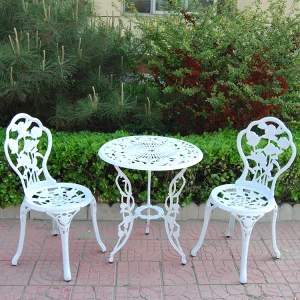
Zhejiang MAZIS Furniture Co., Ltd. is a modern enterprise specializing in the design, research, development, and manufacturing of high-quality outdoor furniture, custom upholstery, and technical soft cushioning systems. Located in Zhejiang Province, MAZIS Furniture leverages a robust regional manufacturing cluster and a deeply integrated industrial supply chain to produce highly resilient, weatherproof, and aesthetically advanced outdoor leisure products.
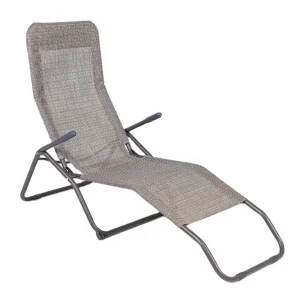
Equipped with state-of-the-art production machinery—including high-precision laser welding systems, digital cutting equipment, and automated sewing systems—MAZIS ensures that every throw pillow, daybed cushion, and lounge chair pad conforms to strict international quality standards. The company's primary product ranges include Teslin mesh furniture, synthetic rattan configurations, and luxury upholstered commercial components, serving developers and hospitality buyers across Europe, North America, and the Middle East.
True product longevity is built from the core. Below is the step-by-step production flow employed by MAZIS Furniture, showing how raw materials are transformed into certified, export-grade upholstered furniture, seat pads, and outdoor accessories.
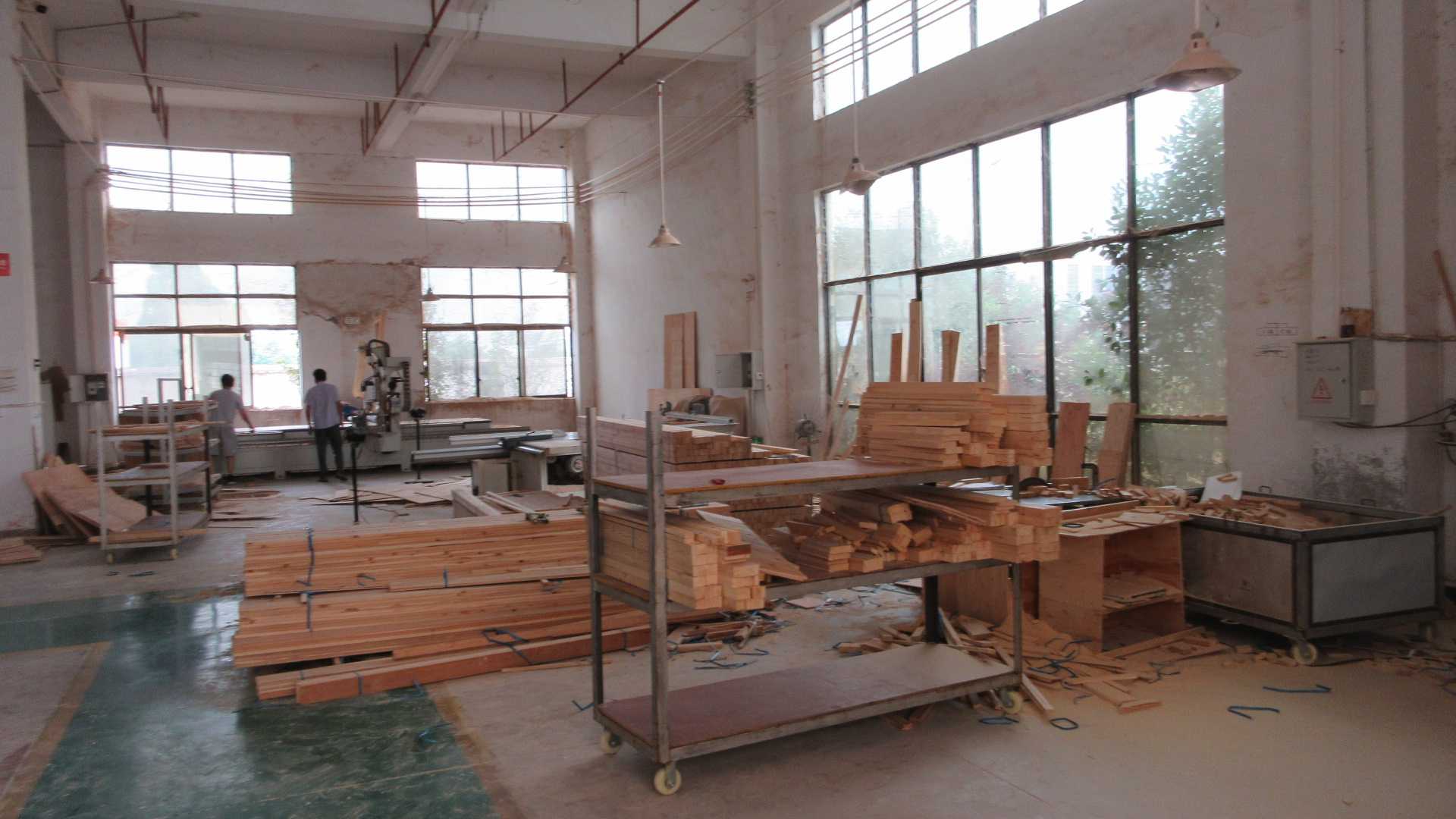
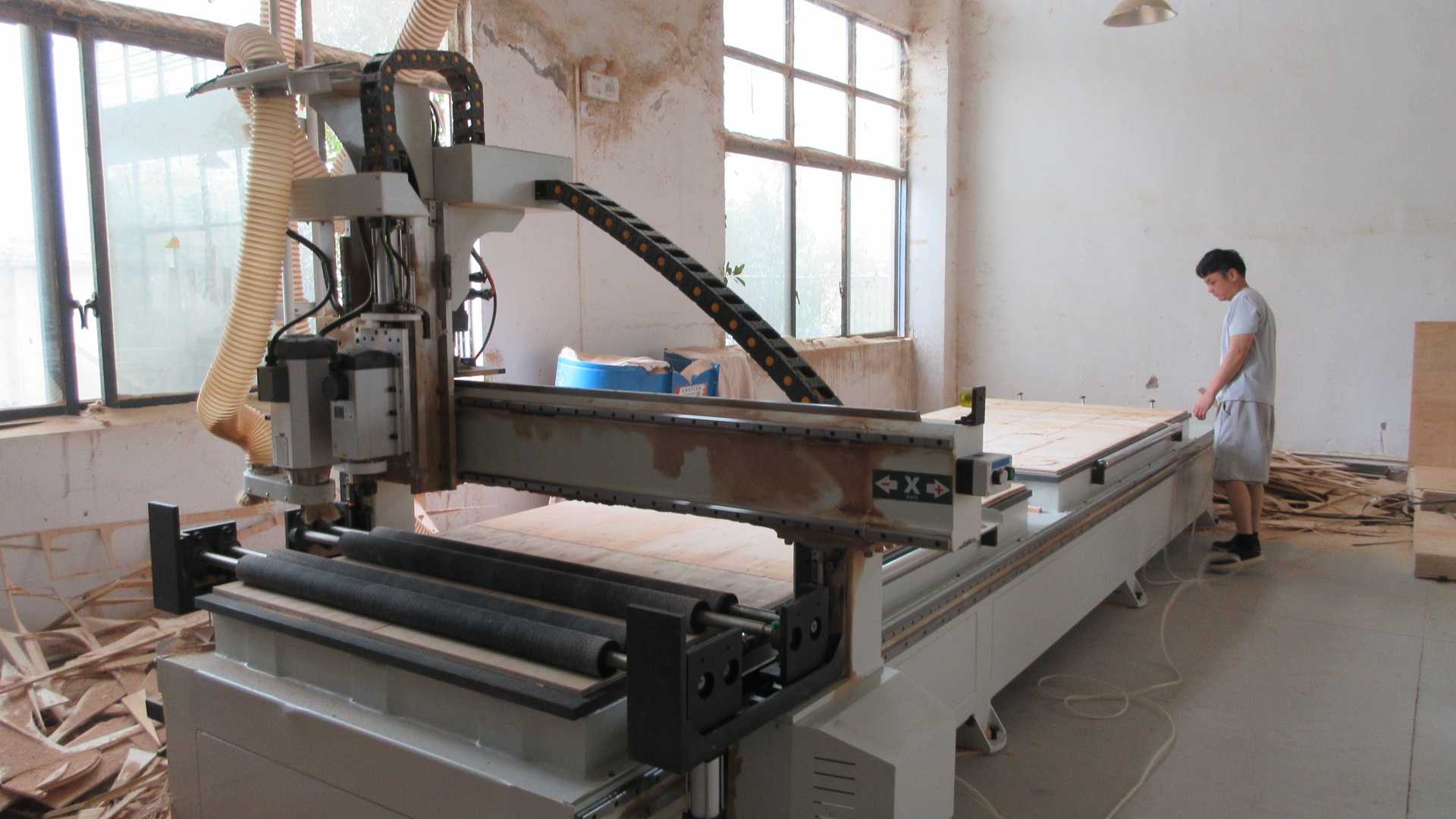
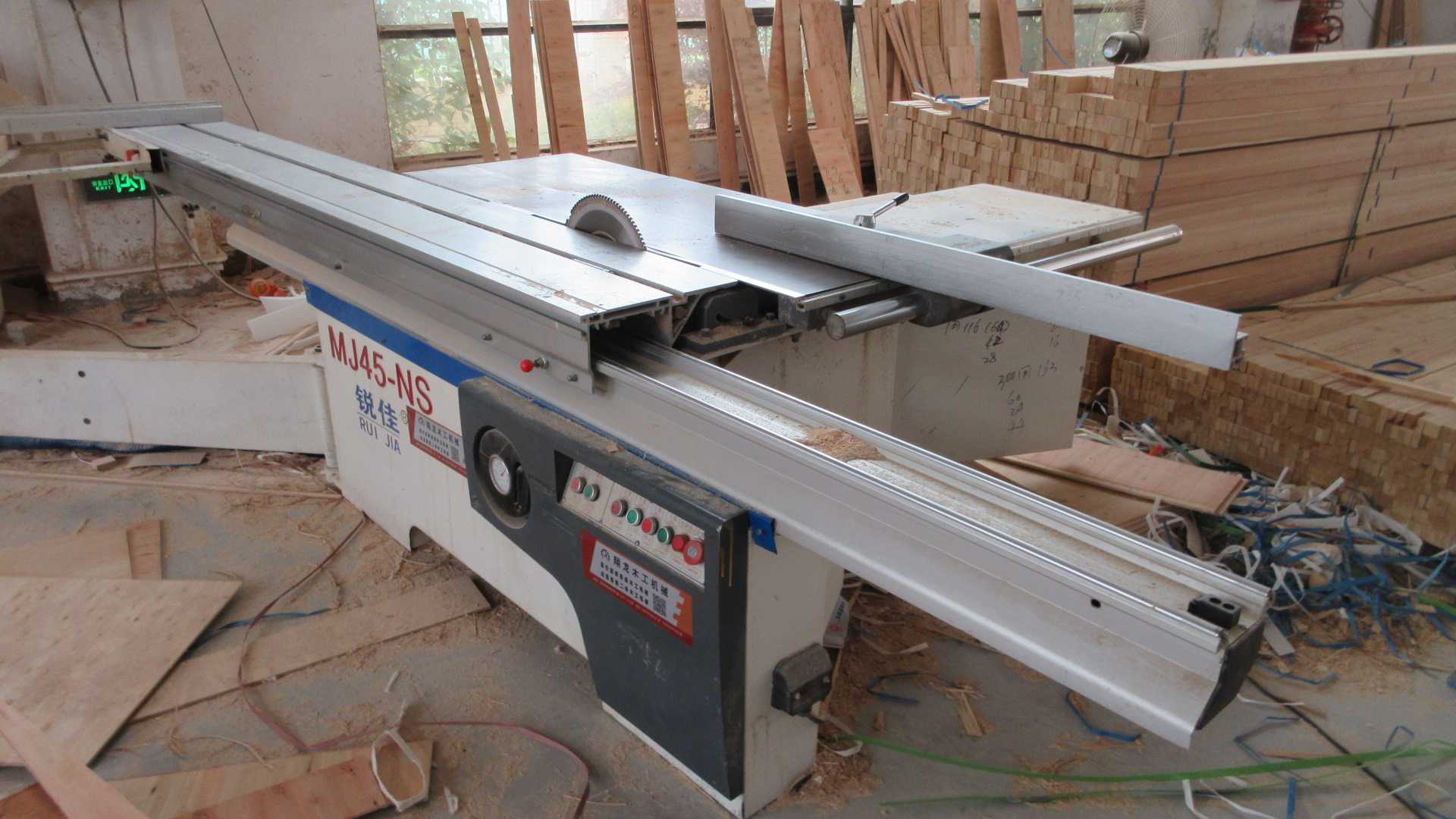
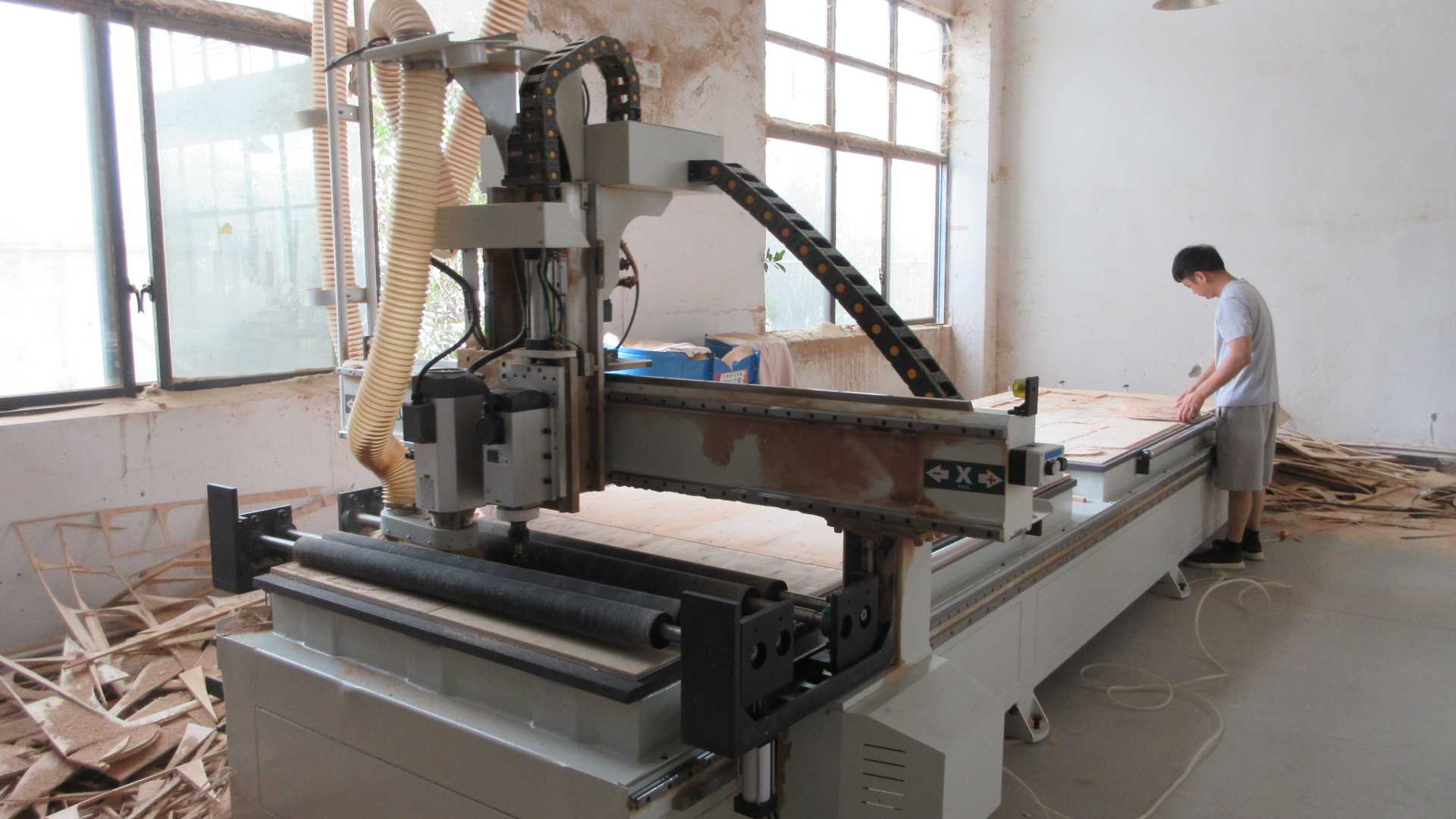
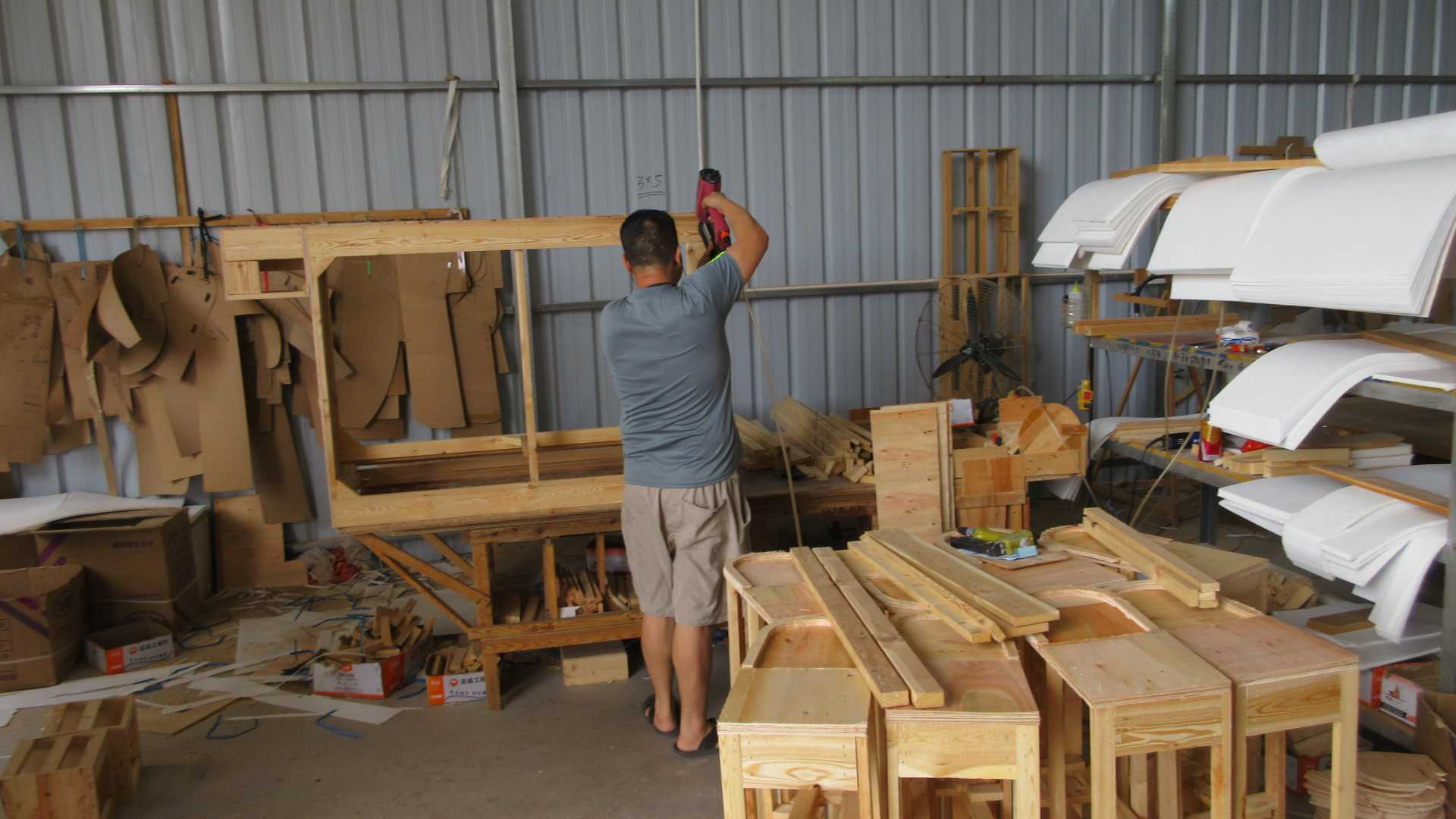
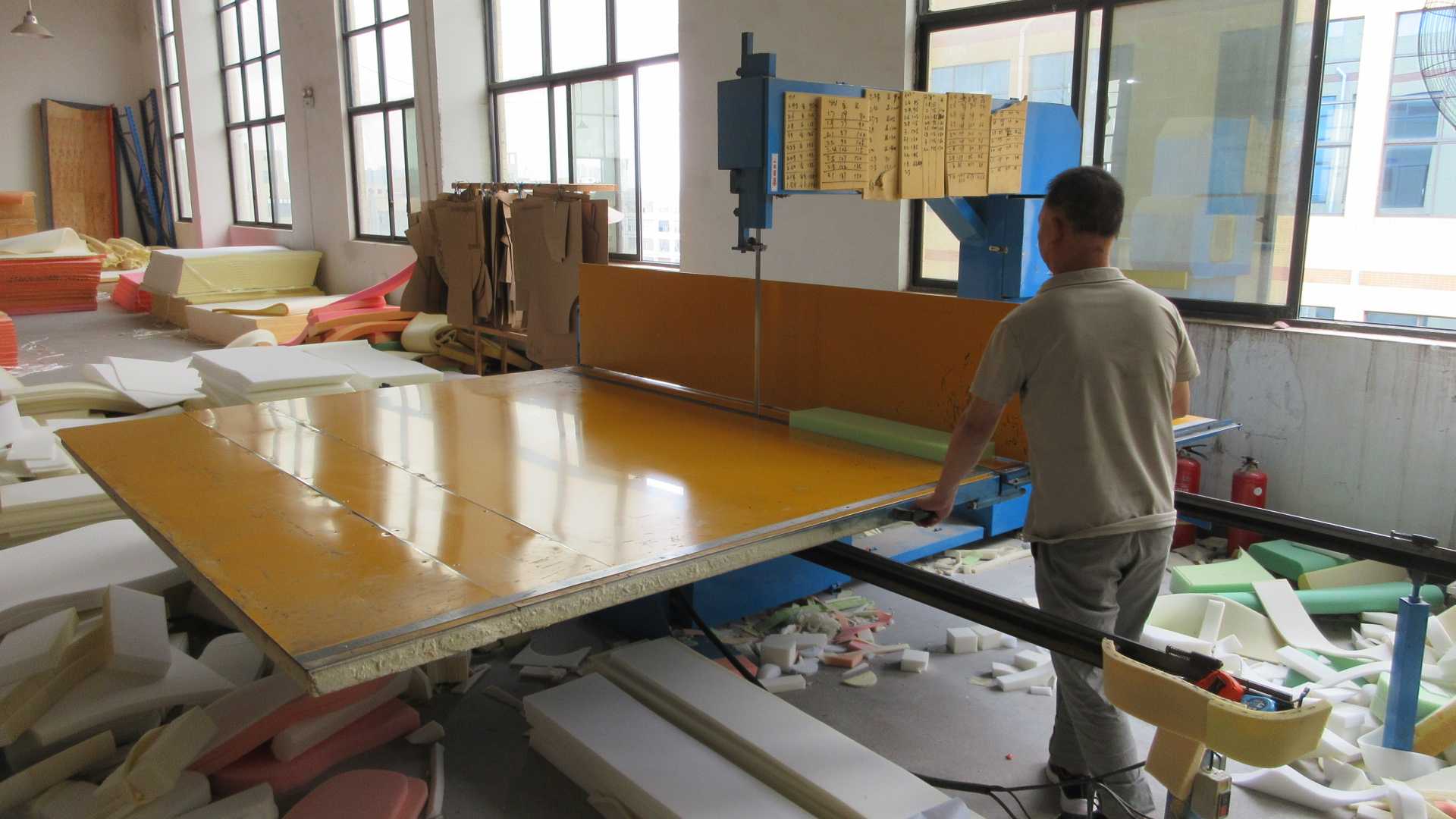
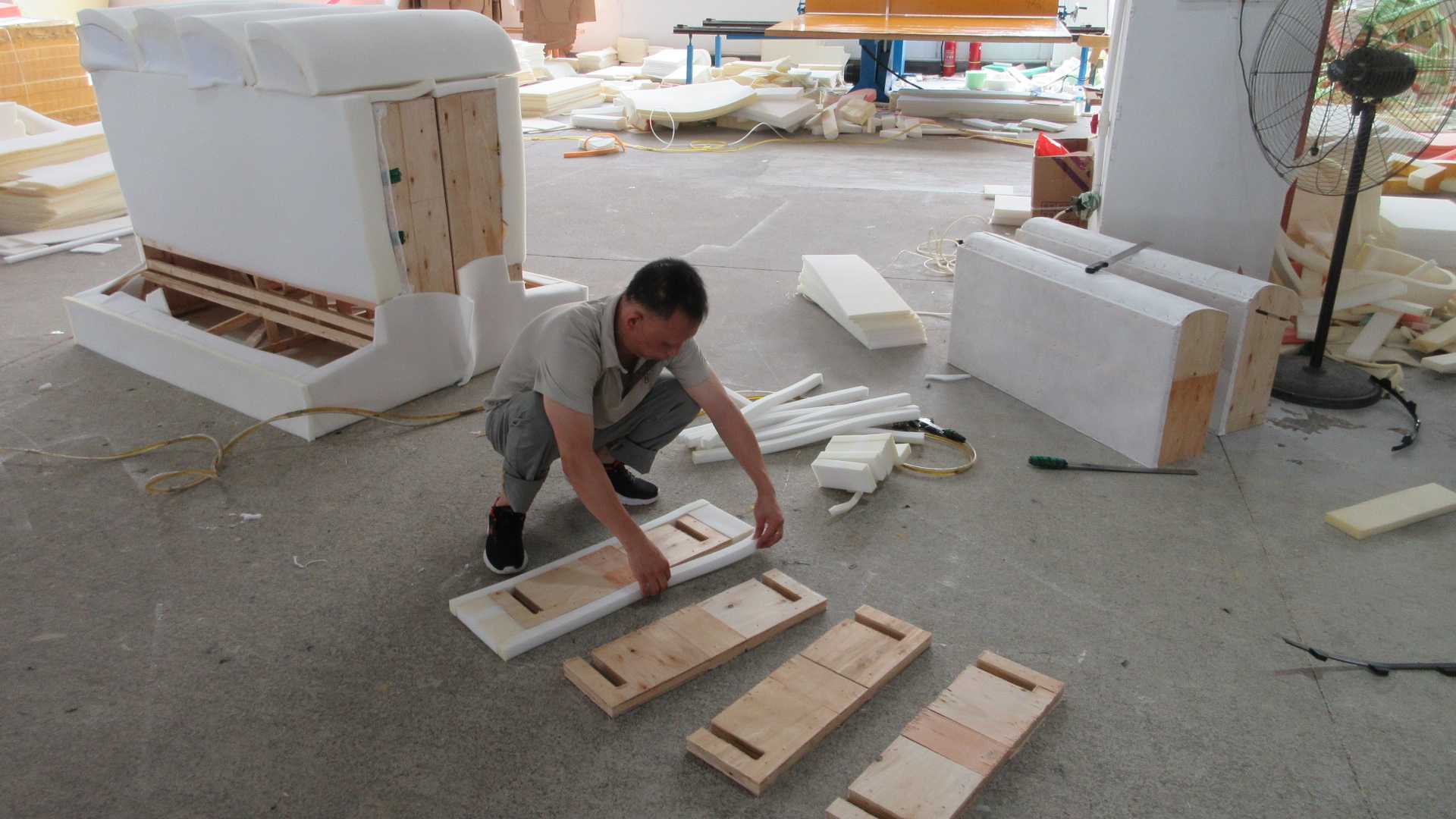
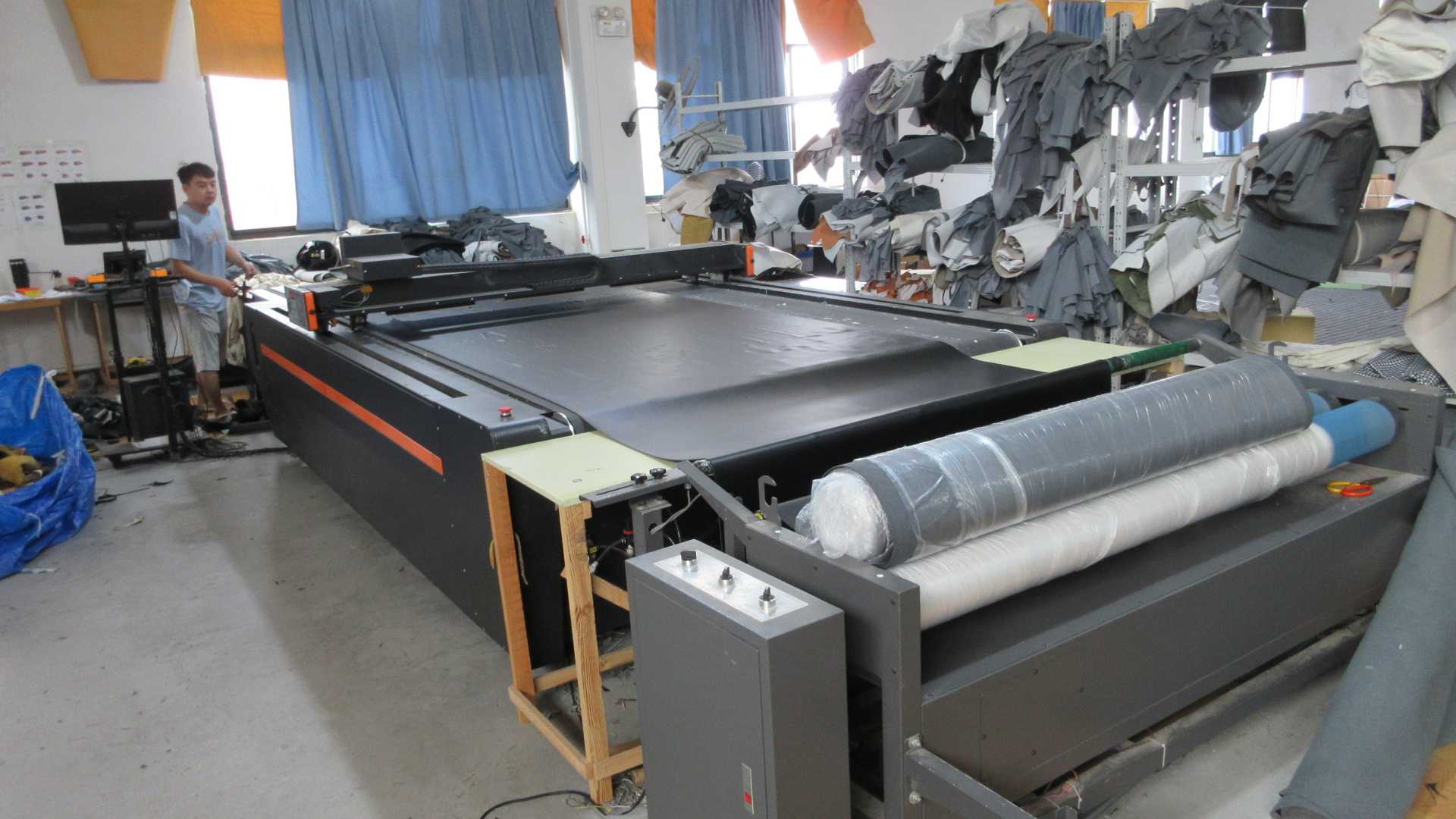
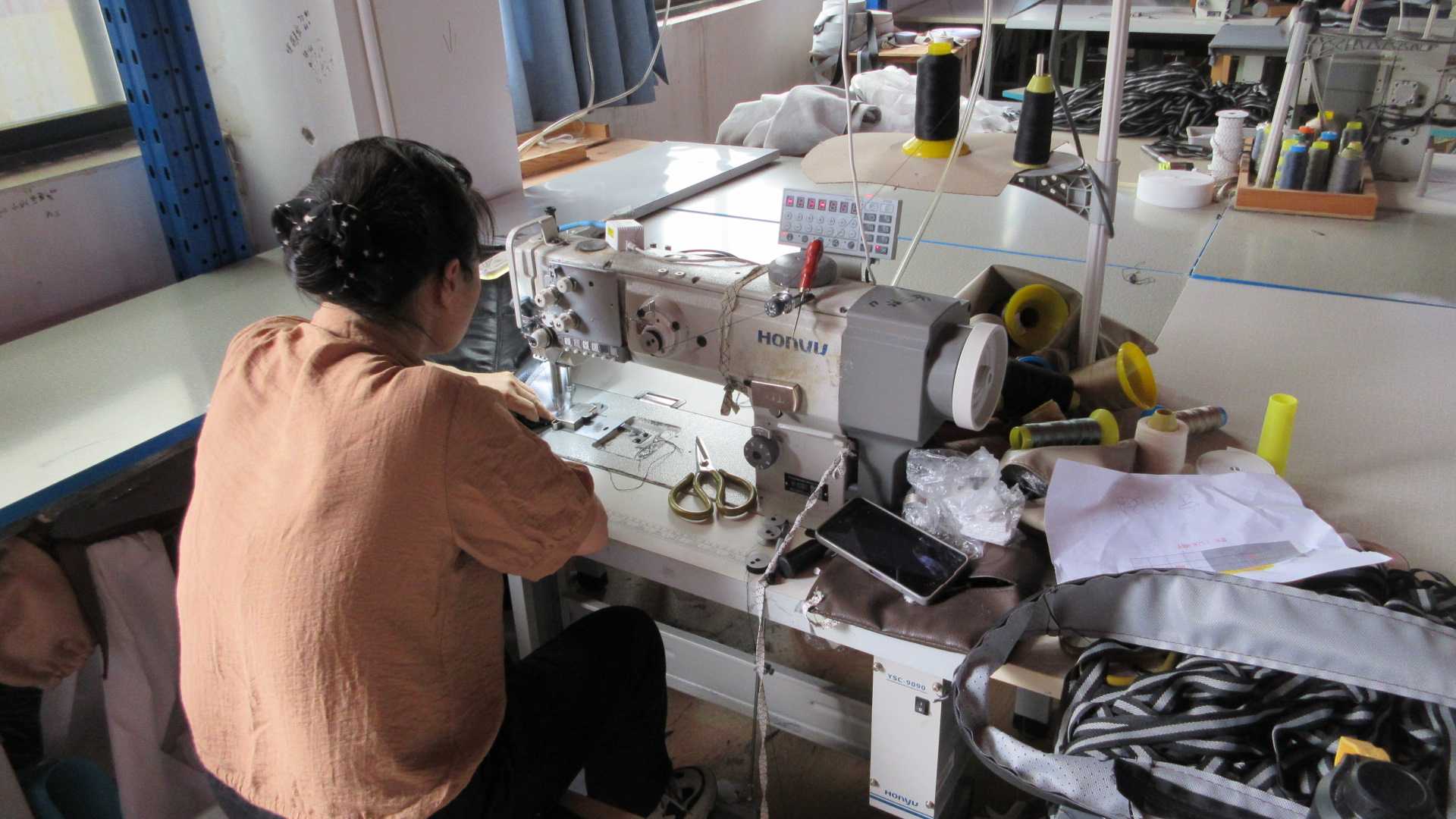
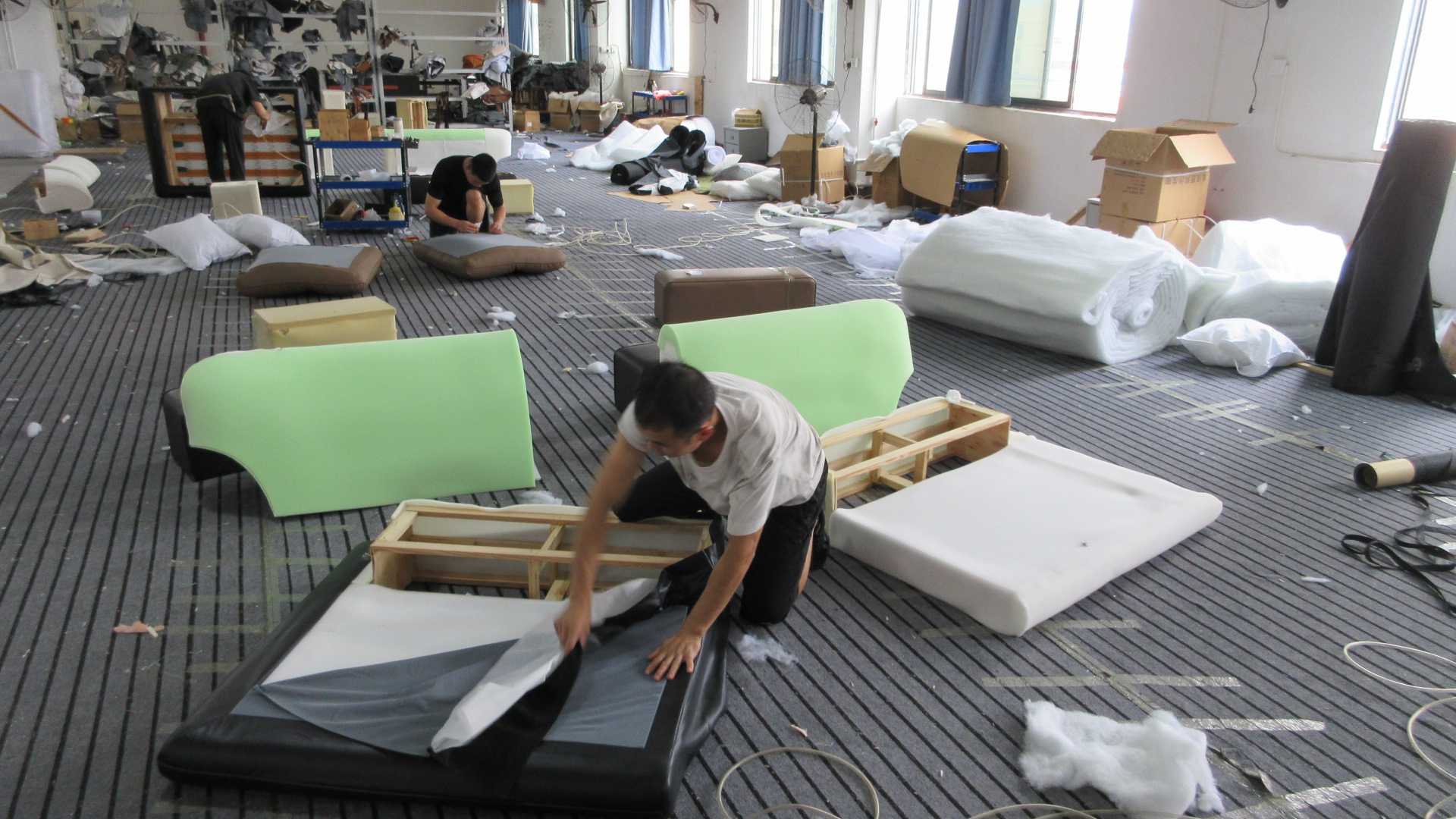
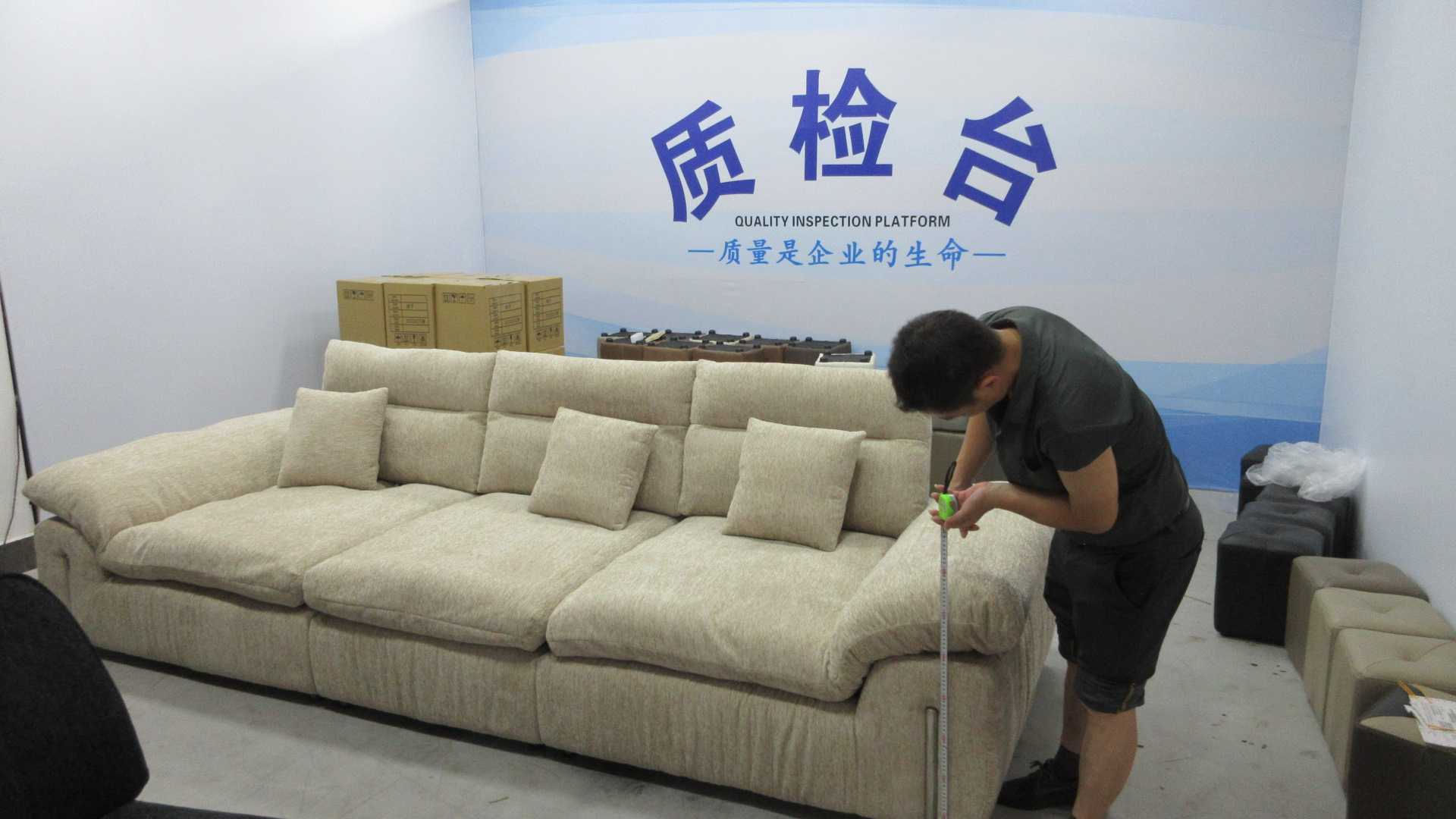
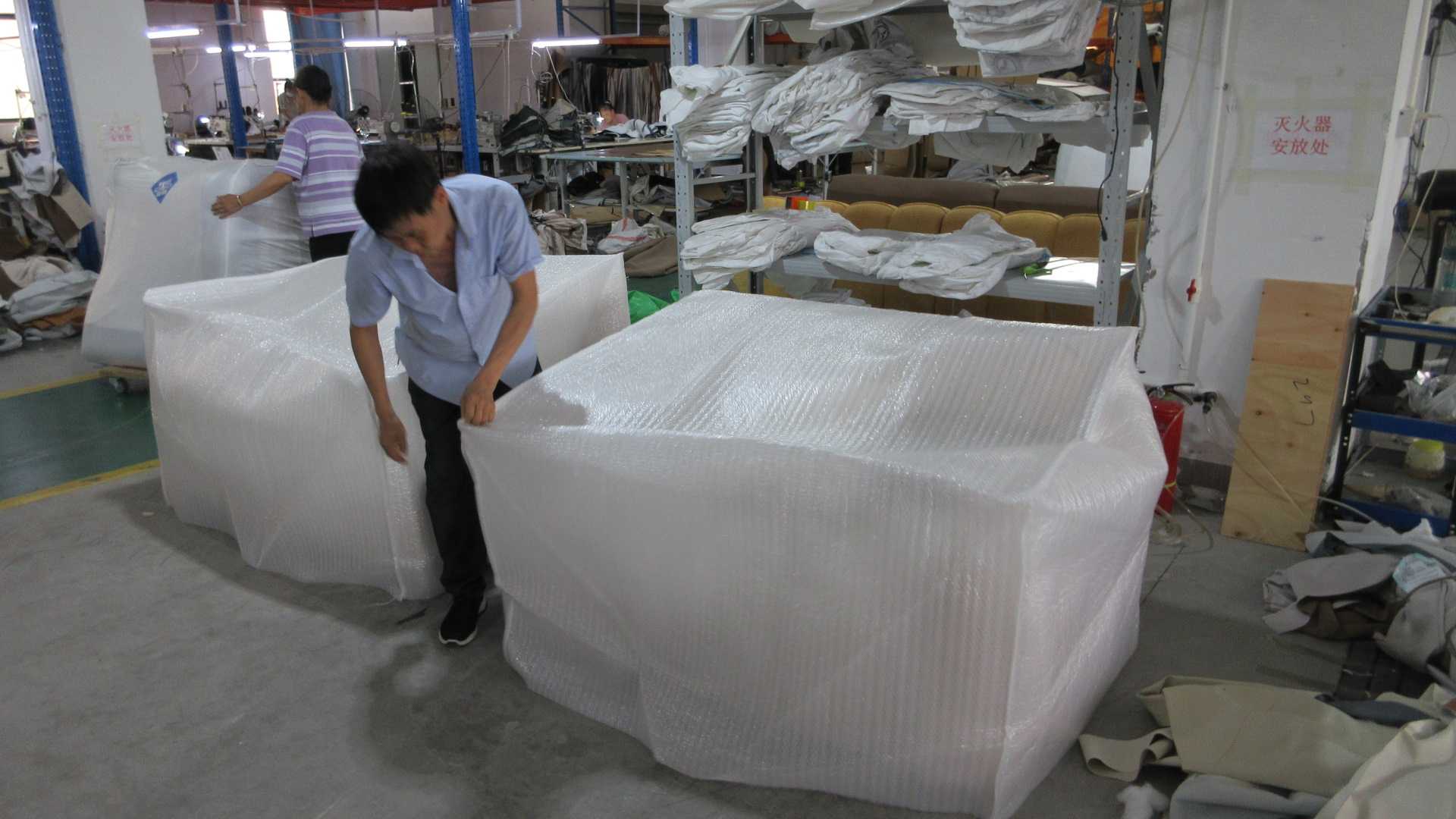
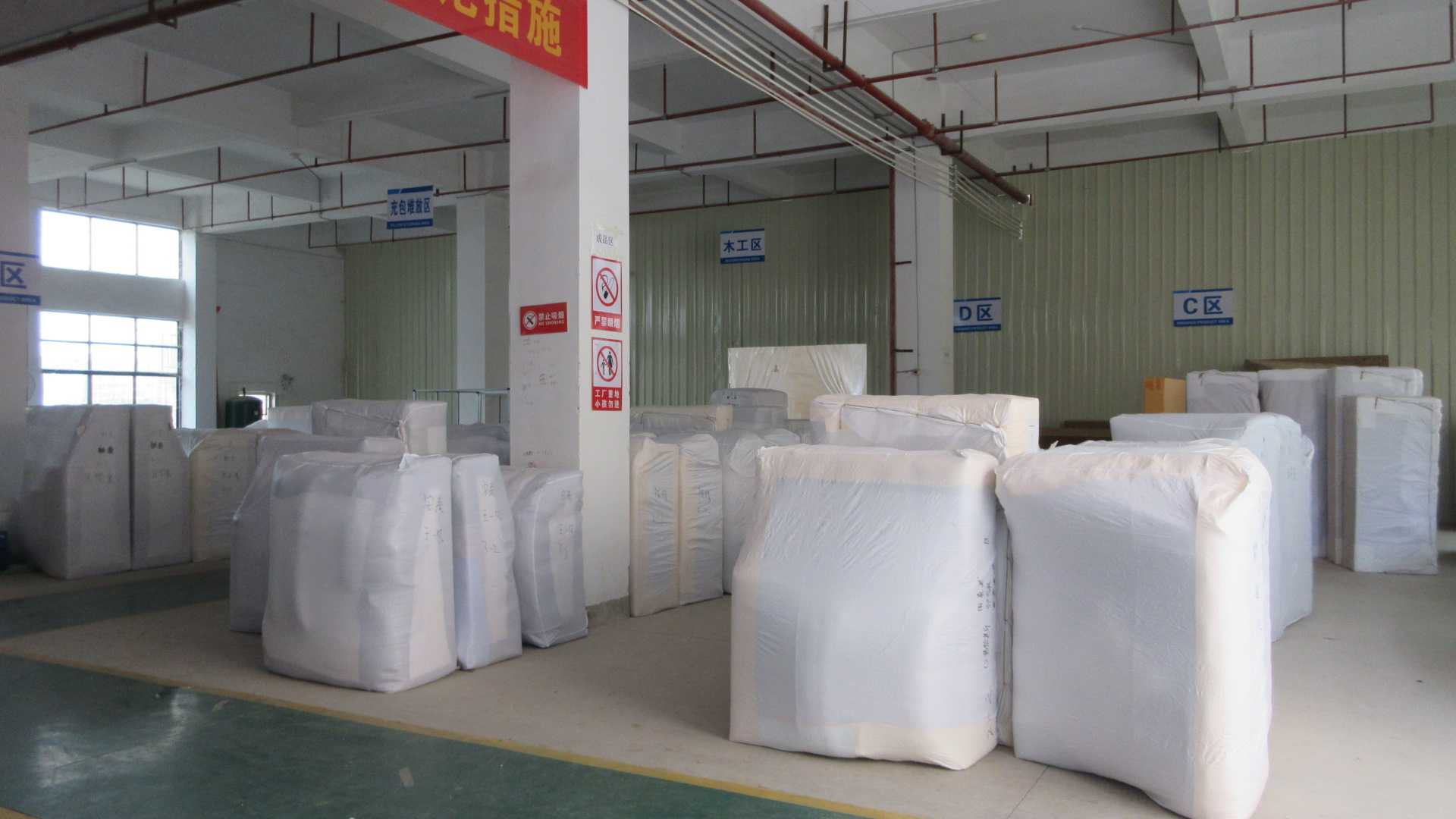
By housing wood processing, frame construction, padding application, and automated sewing within a single industrial campus, Chinese manufacturers reduce intermediate markup, ensuring competitive FOB pricing and tight lead times.
Zhejiang's local textile clusters provide direct access to high-performance fibers: solution-dyed acrylics, UV-resistant spun polyester, and high-density anti-microbial quick-dry foam inserts.
Leveraging high-tech digital cutting systems, factories can transition from an architectural blueprint or designer's sketch to a physical prototype in under 72 hours, matching fast-paced project lifecycles.
Corporate procurement departments in hotels, commercial centers, and cruise lines face distinct issues when importing decorative soft furnishings at scale. Below is how top-tier manufacturers address these demands:
The convergence of biophilic design, circular economy goals, and smart workspaces is reshaping the textile industry. Sourcing directors should look for key manufacturing trends, including:
Rising demand for filling fibers and outer covers woven entirely from recycled ocean plastics (RPET), certified by the Global Recycled Standard (GRS).
Earthy pigments, textured bouclés, and organic geometric patterns that blur the boundary between indoor lounges and outdoor nature retreats.
Fillings engineered with natural latex or down-alternatives that resist mold growth, maintaining shape even in high-humidity climates.
Cushions featuring interchangeable covers with hidden zippers, allowing fast-paced hotels to swap designs seasonally without discarding structural inner cores.
Product performance depends directly on the environment where it is used. Manufacturers configure materials to match specific regional climates:
Environments with high salt spray and humidity require materials resistant to saline degradation. Zippers must be heavy-duty polymer rather than standard metal, and foam cores must feature mesh vents for moisture escape.
Intense solar radiation rapidly degrades dyes. Solution-dyed acrylics are essential here, as color pigments are locked into the fiber core before weaving, ensuring lasting vibrant shades.
Hotels and public reception areas require stain-repellent, abrasion-resistant covers. Fabrics must pass Wyzenbeek or Martindale double-rub tests exceeding 50,000 cycles for lasting wear.
To qualify for international supply chains, manufacturers must maintain standardized audits and certifications. Professional B2B sourcing partners verify compliance against the following standards: