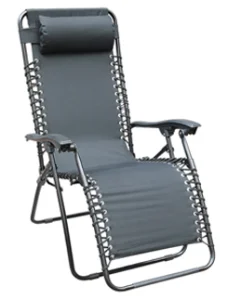
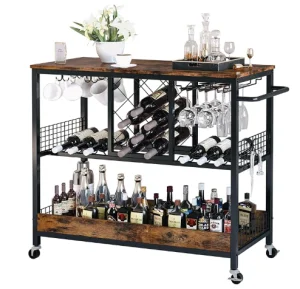
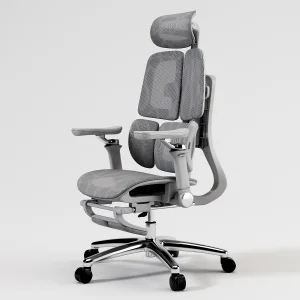
Explore our highly-engineered commercial and residential seating designs, manufactured for absolute structural stability.
A strategic analysis of Chinese production power, supply chain integrity, and material innovation.
In modern architectural design, the transitional zone—specifically the residential mudroom and the commercial foyer—has evolved from a purely functional layout into a core brand statement. Entryway benches represent a critical micro-architectural element that coordinates logistics, storage, and aesthetic intent. As global demand for multi-functional, space-optimizing furniture continues to grow, professional procurement teams are shifting focus to high-efficiency industrial clusters capable of supporting customized, large-scale production.
China's furniture manufacturing clusters, particularly in Zhejiang and Guangdong provinces, represent the apex of integrated supply chains. By utilizing advanced raw material sourcing, robotic precision assembly, and strict ecological compliance, Chinese factories offer unprecedented advantages in cost optimization, quality consistency, and capacity scaling.
When searching for premium Chinese suppliers, it is crucial to analyze their direct engineering capabilities, CAD/CAM design pipelines, and testing certifications (such as BIFMA and FSC) rather than focusing solely on unit price. This whitepaper establishes key evaluation criteria to ensure high product reliability.
Understanding how material science and automated technologies guarantee reliability for worldwide bulk shipments.
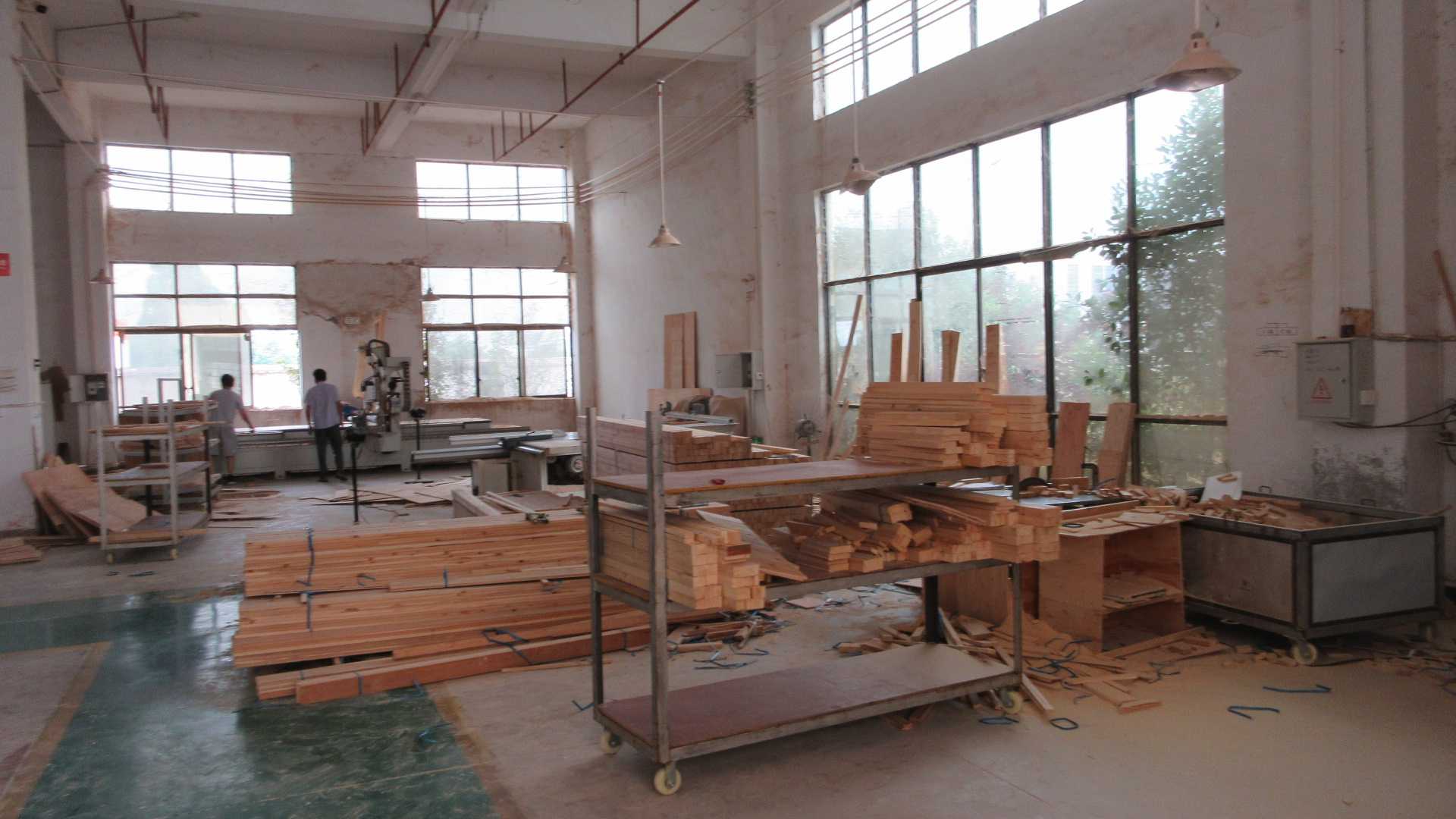
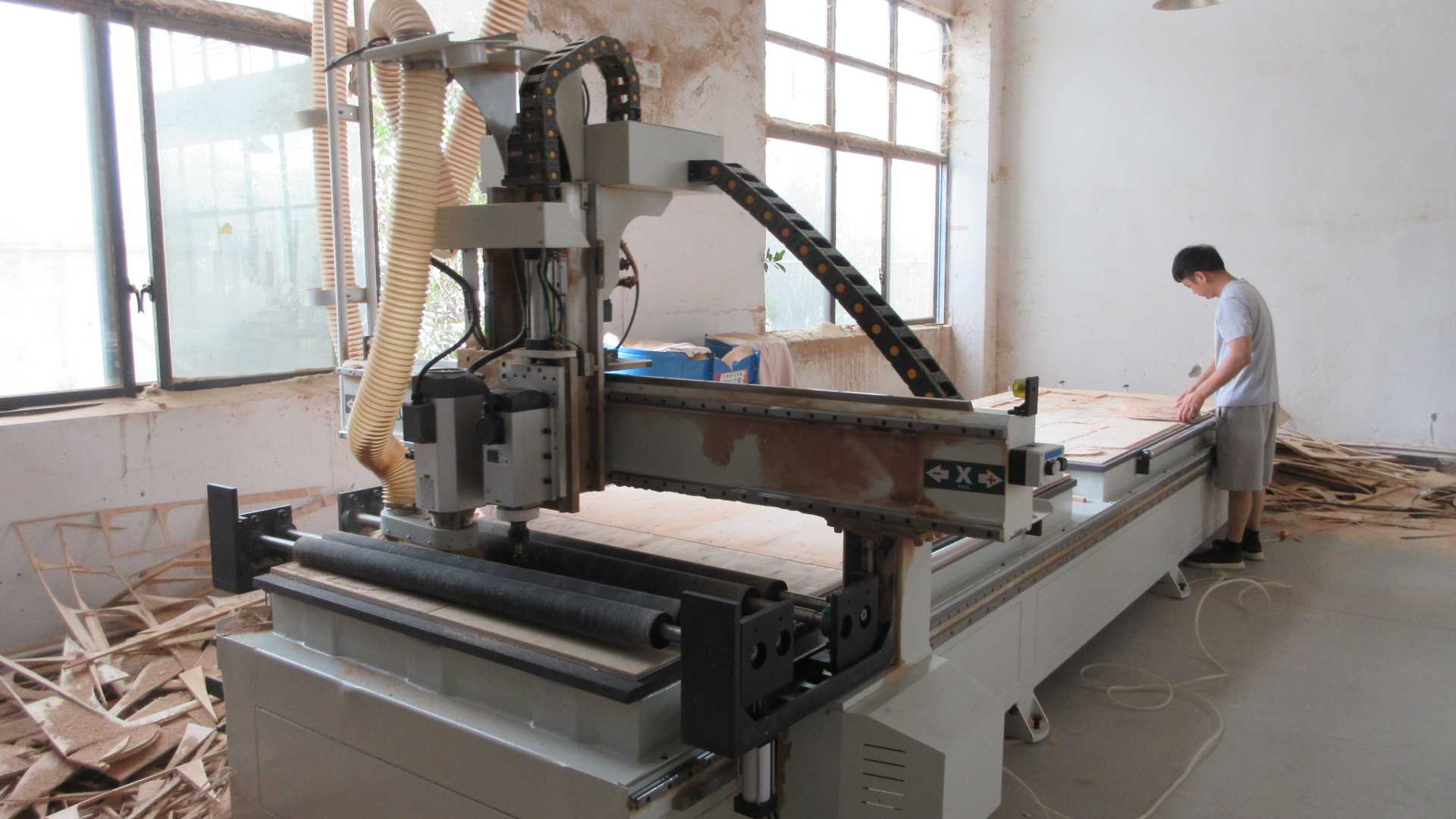
Advanced factories employ multi-axis CNC milling centers to cut and profile hardwood and engineered panels. This ensures tight tolerances (<0.5mm), eliminating structural alignment issues during final customer assembly.
Utilizing automated electrostatic powder coating for metal sub-frames and UV-cured lacquering for timber surfaces. These modern methods prevent moisture degradation, mechanical wear, and chemical stains in high-humidity residential environments.
Leading suppliers source FSC-certified hardwoods, low-formaldehyde MDF (meeting CARB Phase II and E1 standards), and OEKO-TEX certified fabrics. This alignment ensures compliance with strict international import and customs standards.
Aligning product development with modern spatial demands, contract environments, and commercial regulations.
Entryway benches are no longer viewed simply as seating. Our manufacturing partners approach product design with a focus on functional versatility, dividing application strategies into three main target spaces:
Designed for compact urban apartments where storage efficiency is paramount. Features integrated shoe racks, drop-front drawers, and top-access storage chests built into compact footprints.
Designed for hotel lobbies and guest rooms, featuring premium solid oak, brushed stainless steel, and high-resiliency foam upholstery. These items focus on high weight capacities and upscale design.
Designed for transitional zones in modern offices, utilizing fire-retardant fabrics (complying with CAL 117 and BS 5852 standards) and high-impact edge banding to withstand continuous public use.
Furthermore, global buyers increasingly demand modular configurations. Modern entryway designs feature magnetic accessory hooks, built-in USB charging ports, and integrated LED accent lighting. By combining metal components, solid wood, and soft cushioning, manufacturers create complex, high-margin products that stand out in crowded retail markets.
Professional R&D, advanced manufacturing, and global supply of premium outdoor and leisure furniture.
Zhejiang MAZIS Furniture Co., Ltd. is a modern enterprise specializing in the design, research and development, and manufacturing of high-quality outdoor furniture. The company is committed to creating durable, comfortable, and aesthetically refined outdoor living solutions for global customers.
Located in Zhejiang Province, MAZIS Furniture benefits from a strong regional manufacturing foundation and a well-developed industrial supply chain. The company operates with a dedicated independent R&D department, enabling continuous innovation in product design, materials, and manufacturing techniques.
MAZIS Furniture is equipped with advanced production facilities, including laser welding systems, precision cutting equipment, and automated plastic spraying lines. These capabilities ensure high production efficiency and consistent product quality across all categories.
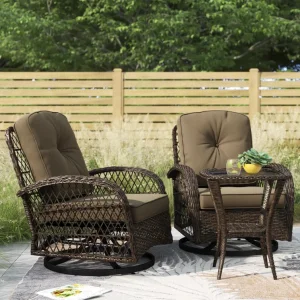
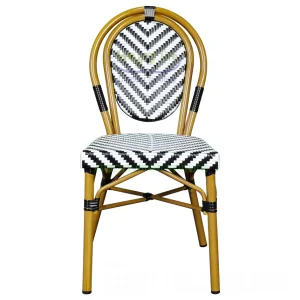
The company’s main product range includes Teslin mesh furniture, synthetic rattan furniture, and other premium outdoor leisure furniture series, widely used in gardens, patios, balconies, hotels, resorts, and commercial outdoor spaces.
With a strong focus on quality control, sustainable materials, and modern design aesthetics, Zhejiang MAZIS Furniture Co., Ltd. has established long-term cooperative relationships with buyers in more than 10 countries and regions, including Europe and North America. Its products are well recognized in international markets for their durability, weather resistance, and contemporary style.
Looking ahead, MAZIS Furniture continues to uphold the principles of innovation, quality, and customer satisfaction, striving to become a trusted global supplier in the outdoor furniture industry.
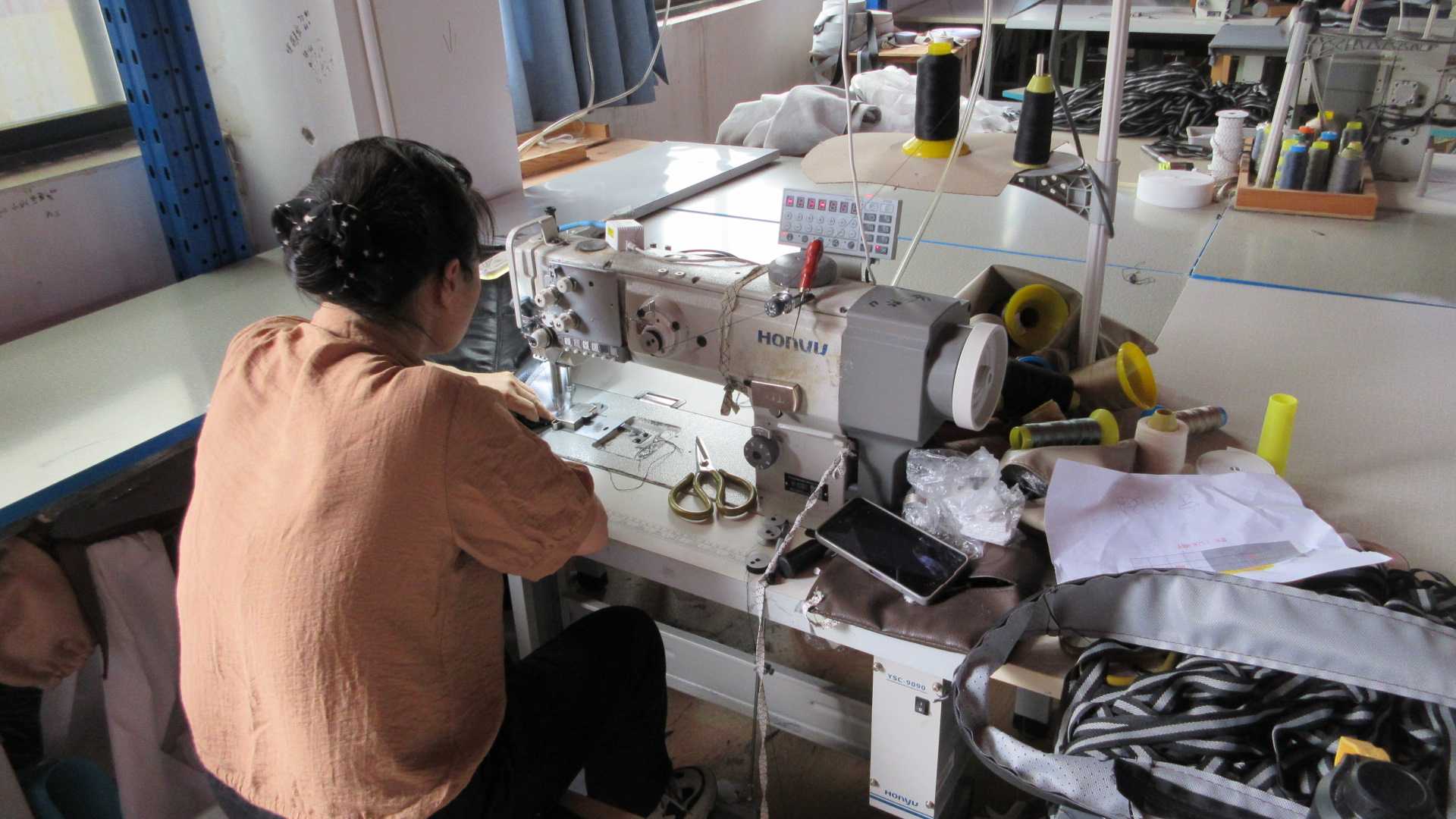
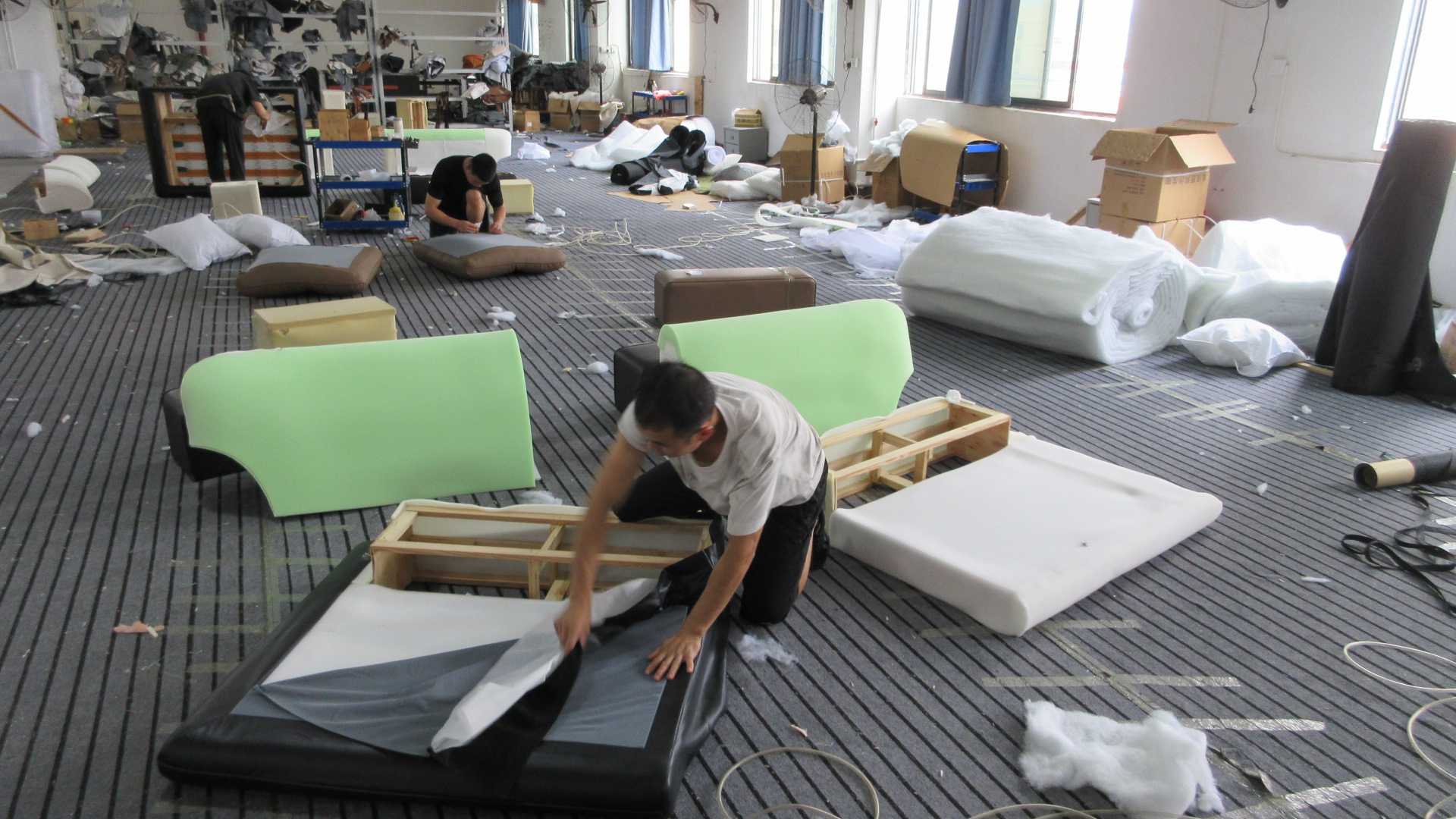
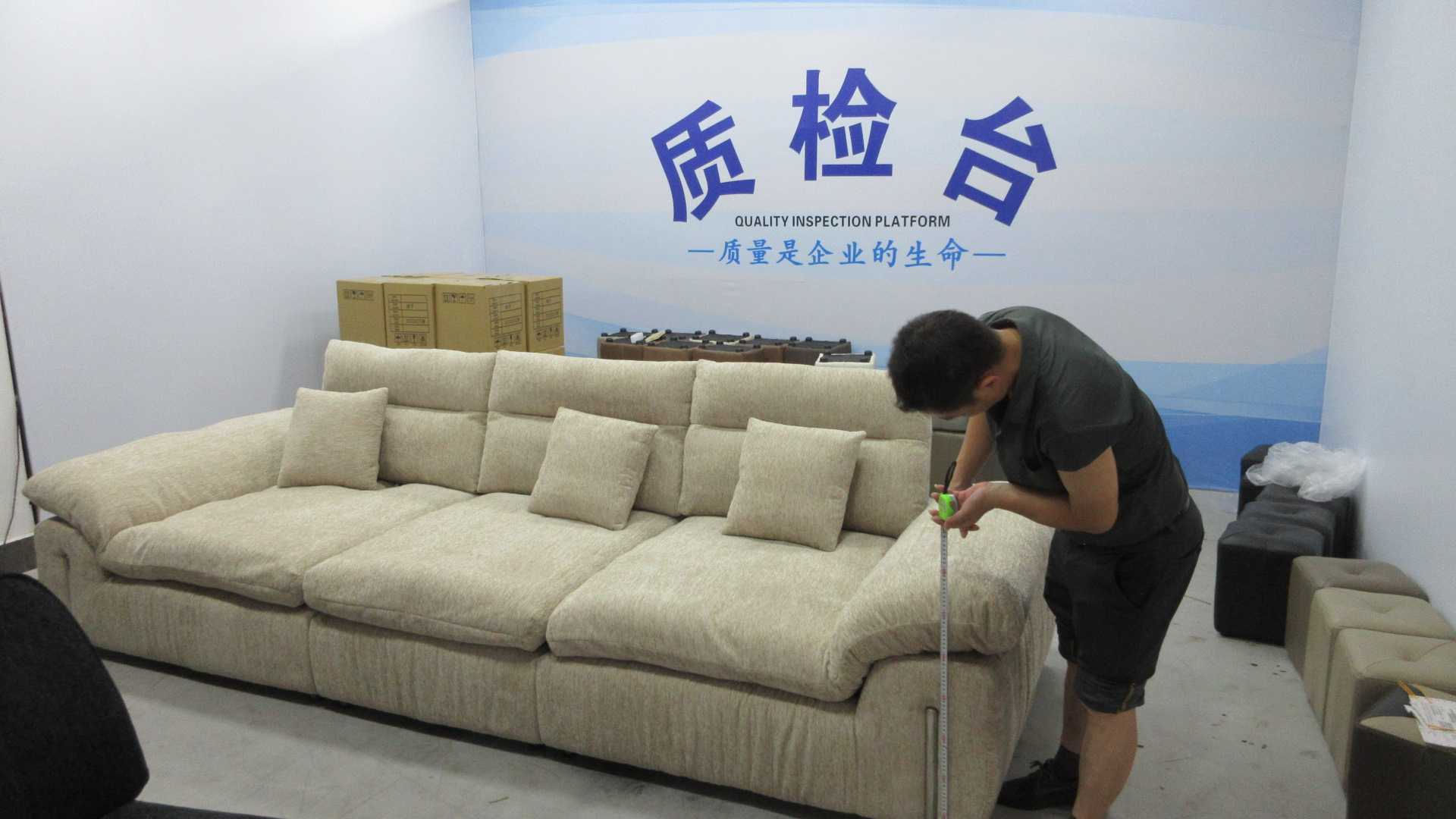
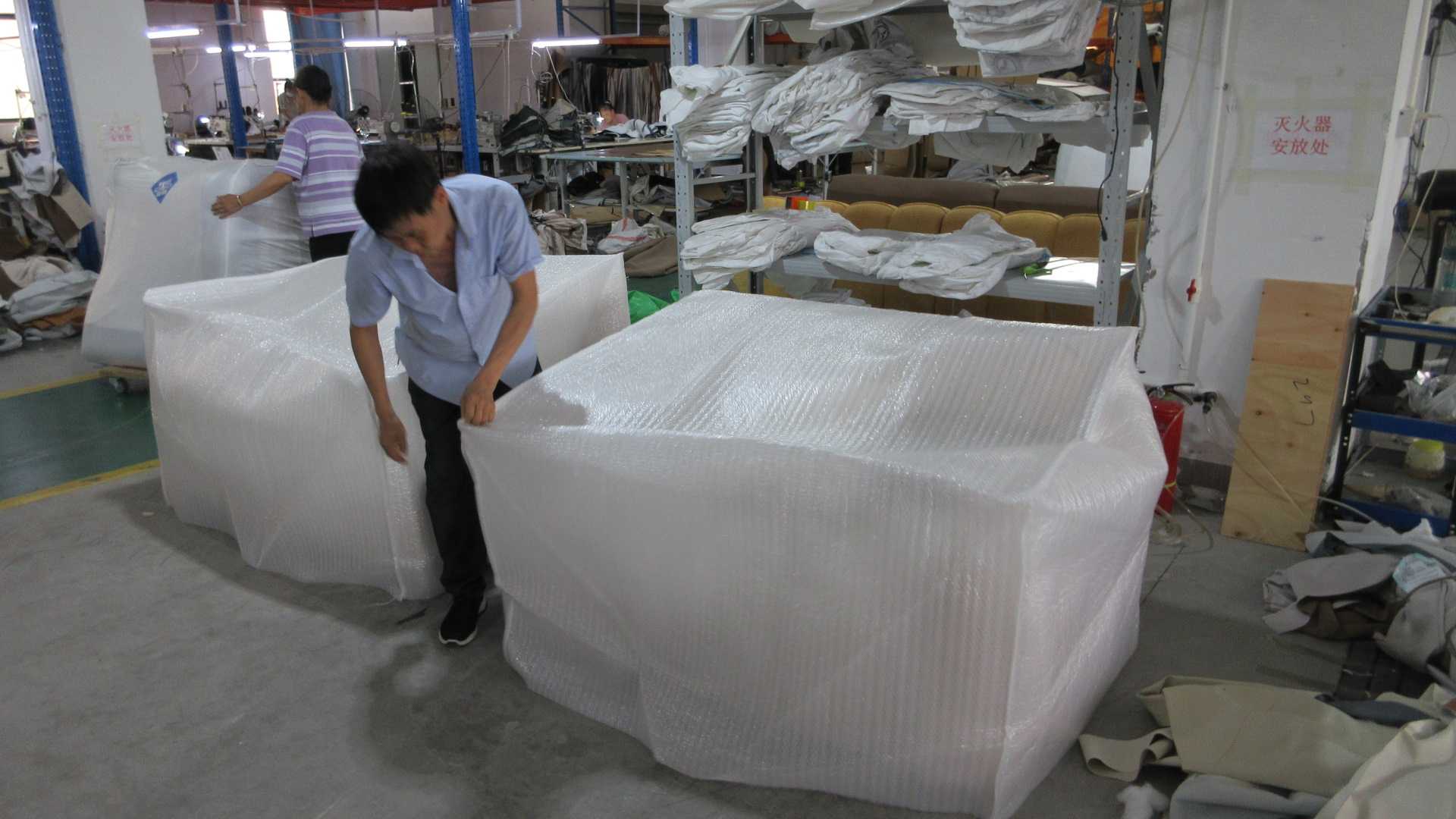
A step-by-step look at our advanced engineering, precision manufacturing, and strict quality control workflows.
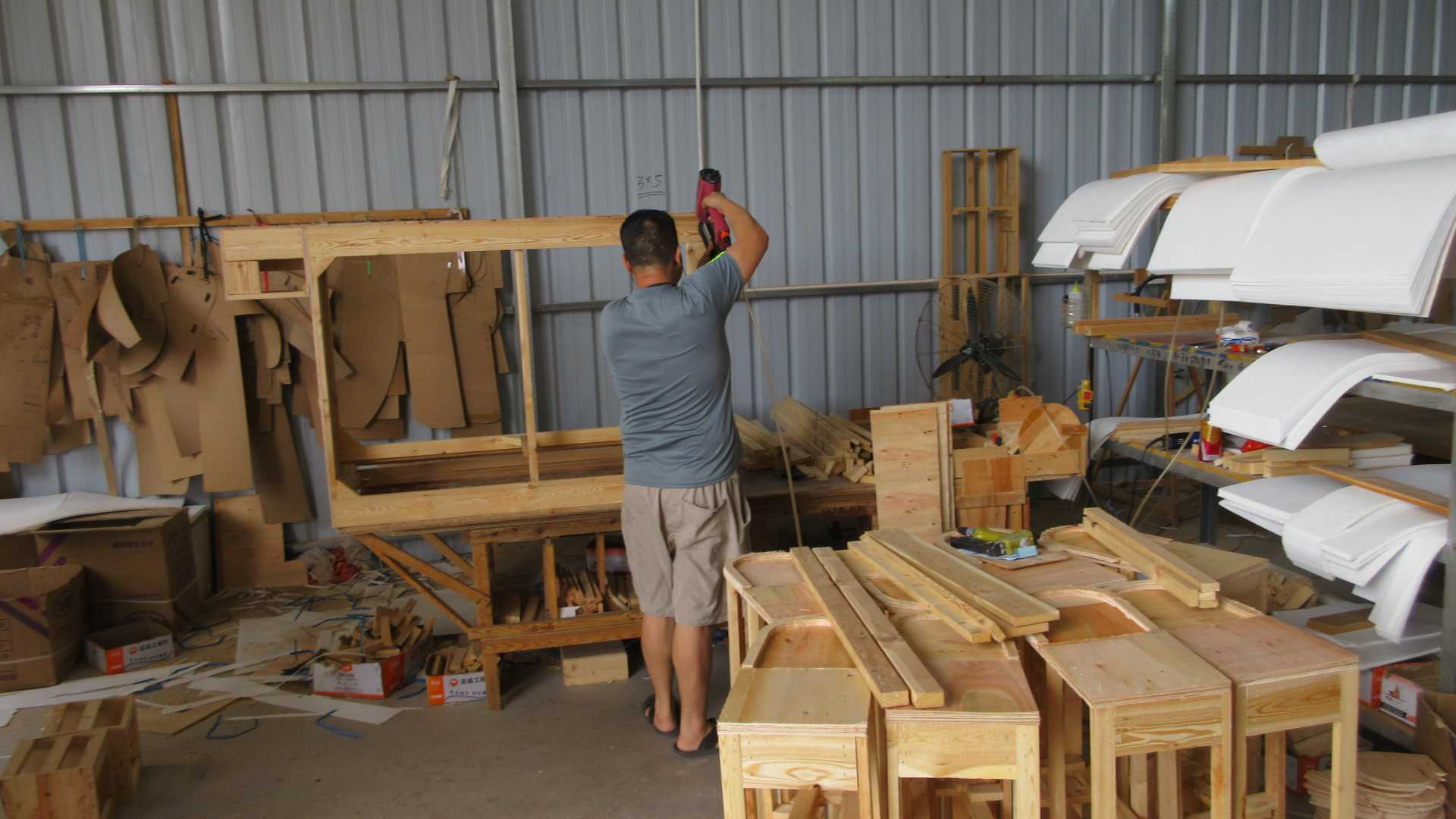
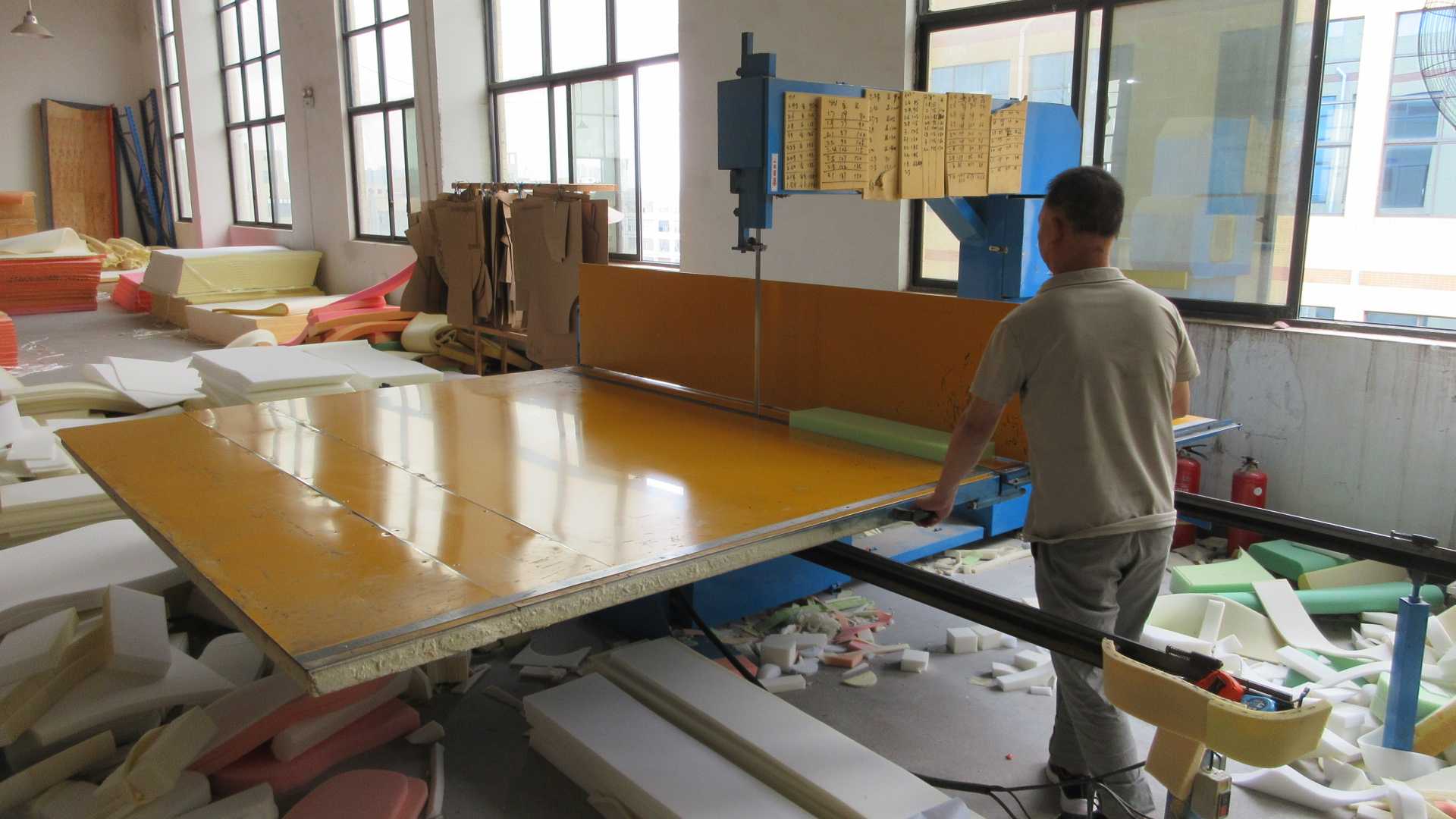
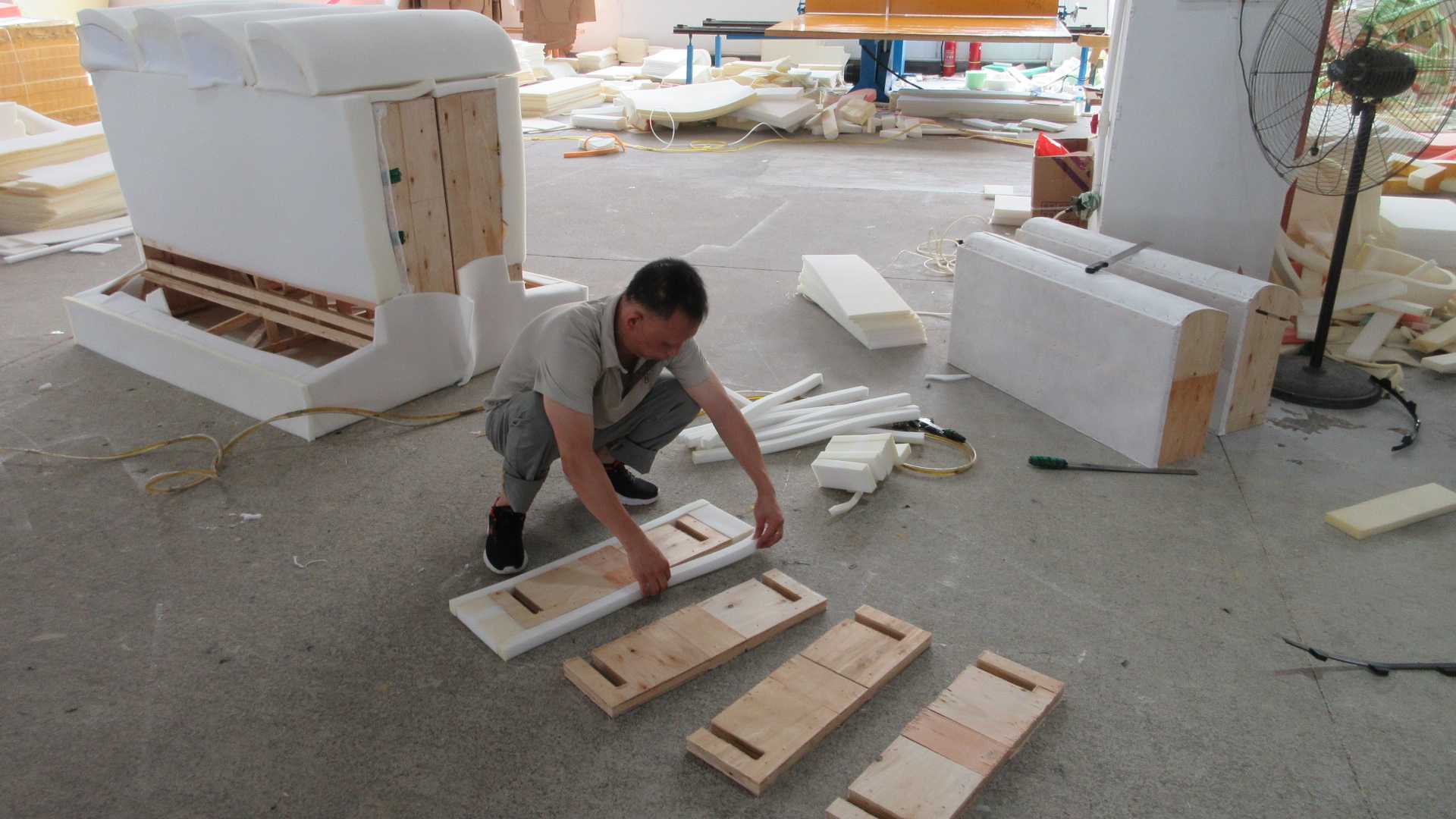
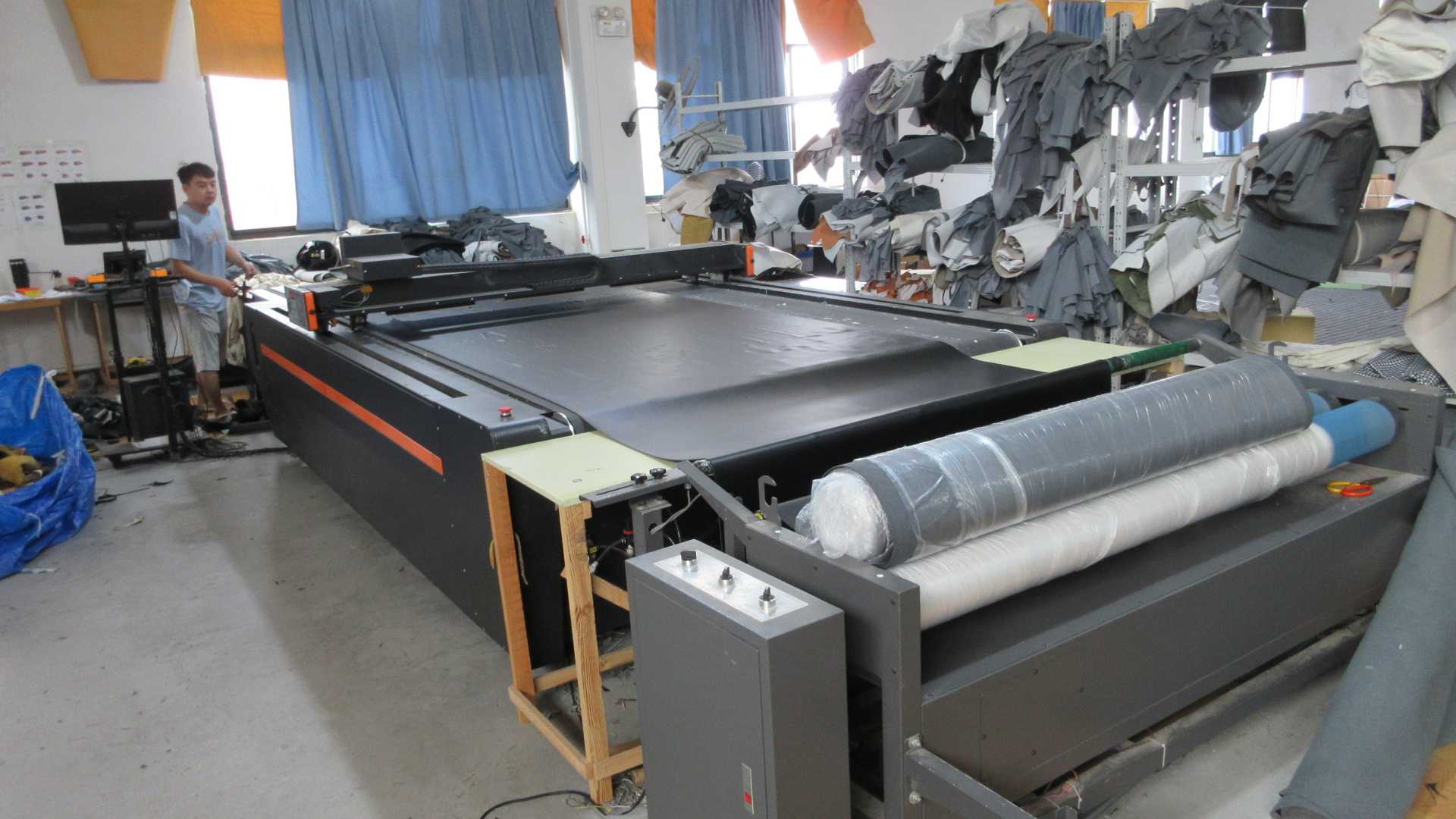
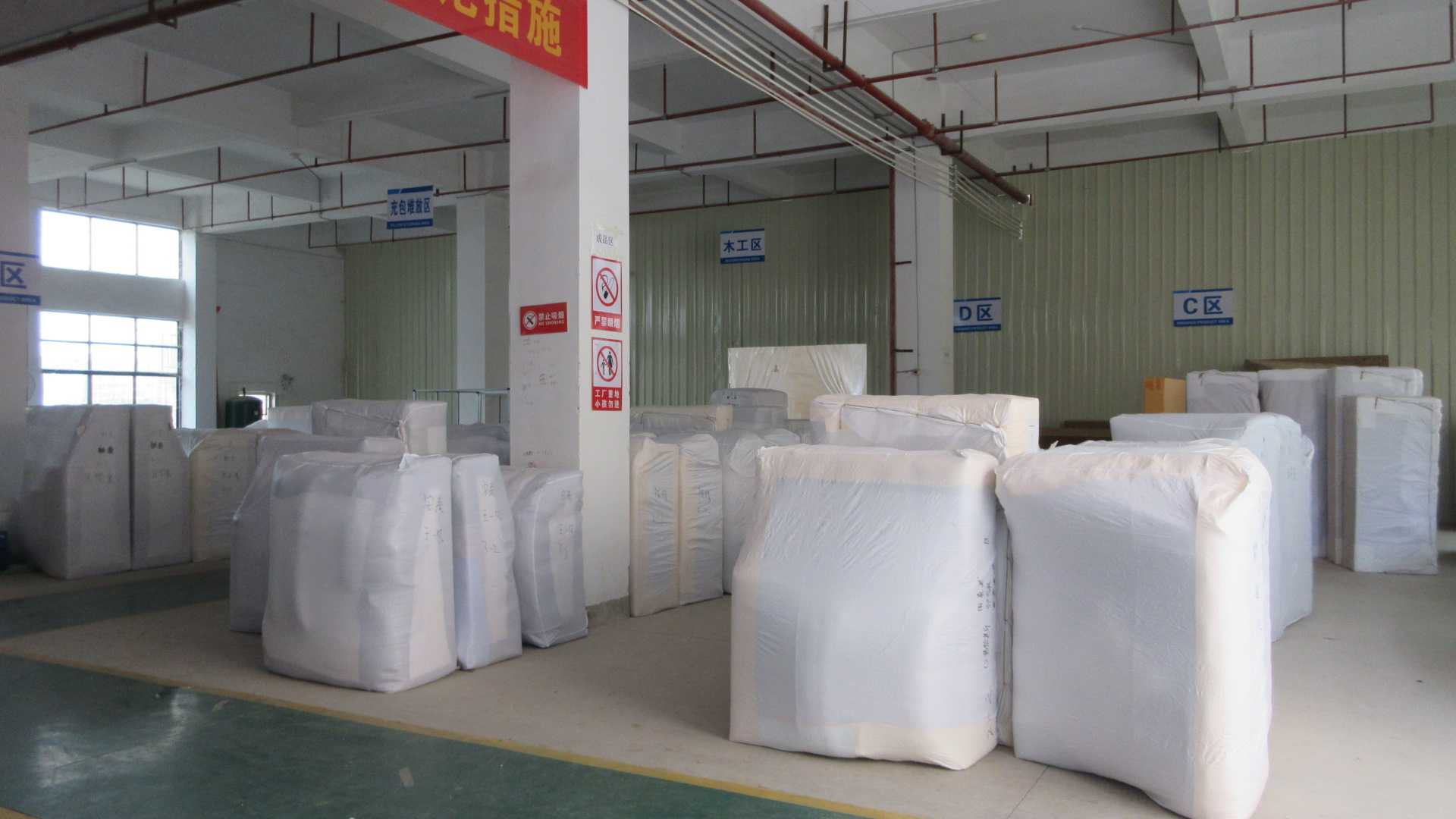
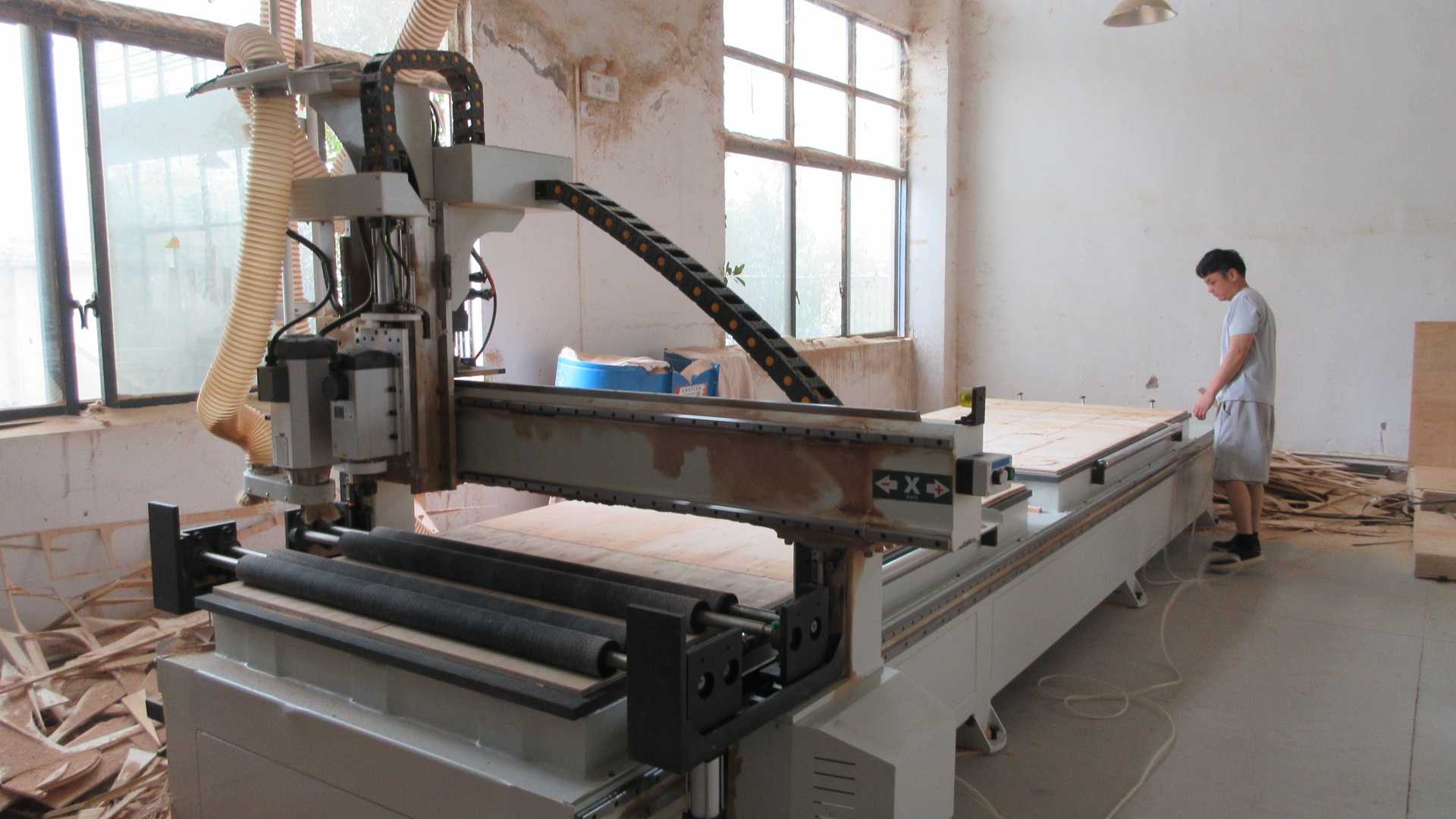
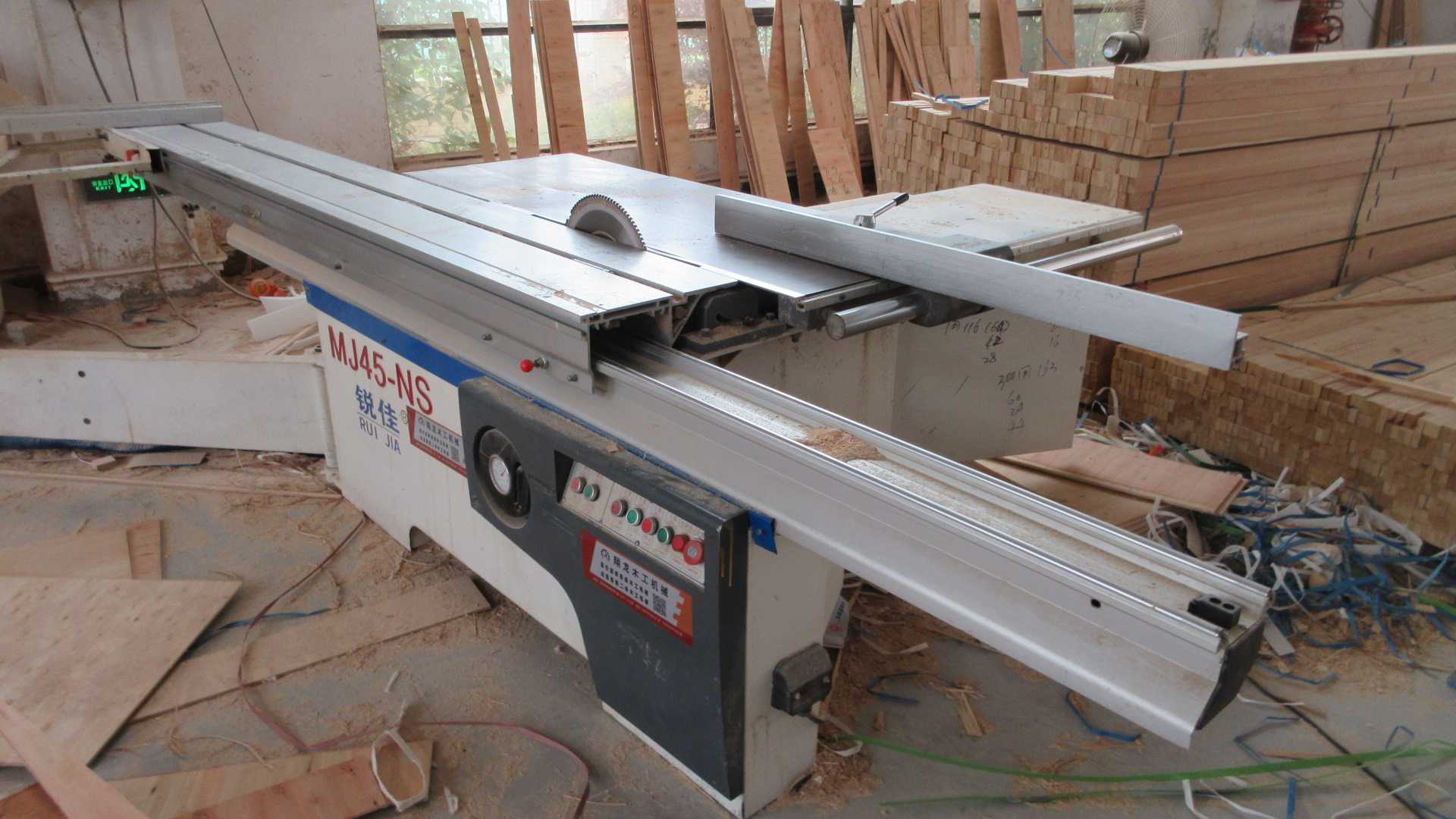
Key quality control factors, shipping options, and compliance standards for corporate buyers.
To minimize supply chain risks in bulk furniture sourcing, procurement directors should implement a structured evaluation framework. Below, we outline the primary testing requirements and logistics standards for importing entryway benches from Chinese factories:
An entryway bench must be built to support heavy loads. Professional suppliers should provide test reports from independent testing firms (such as SGS or TÜV) certifying compliance with BIFMA X5.4 (standard for public area seating) or EN 12520 (European strength, durability, and safety requirements for domestic furniture). Static loading tests should confirm support of at least 150 kg (approx. 330 lbs) without structural deformation.
For e-commerce and direct-to-consumer distribution models, packaging design is as critical as the product itself. Demand that suppliers perform ISTA 1A or 3A drop tests. This testing process requires reinforced edge protection, high-density polyethylene (HDPE) foam sheets, and five-layer corrugated carton packaging to protect the product during long-distance shipping and parcel transit.
To maintain a strong competitive position, B2B buyers require flexible design services. Experienced manufacturers offer complete OEM and ODM services, utilizing digital design software to deliver 3D CAD models within 48 hours. This allows for fast adjustments to meet specific client dimensions, storage drawer configurations, and custom upholstery materials.
As ESG regulations tighten globally, importing firms must verify that all wood components are sourced from responsibly managed forests. Ask your factory for their FSC (Forest Stewardship Council) chain-of-custody certificate code and ensure that timber components can be tracked from harvest to shipping.
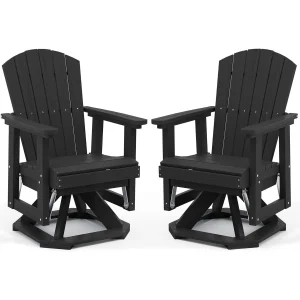
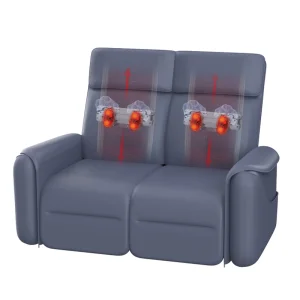
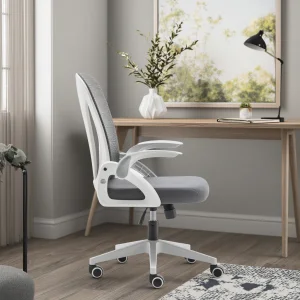
Browse our selection of heavy-duty outdoor tables, high-performance office seating, and modern bar options.


Expert answers addressing the practical concerns of global furniture buyers, contract distributors, and project managers.