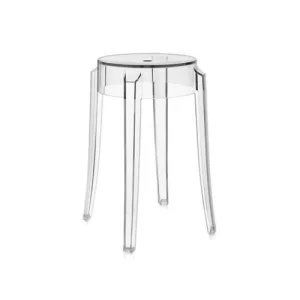
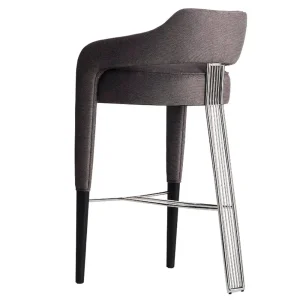
In the landscape of modern hospitality development, corporate offices, and urban residential setups, selecting the right commercial-grade seating is a critical decision. Real estate developers, procurement managers, and interior designers face complex logistics when planning projects in fast-growing economies like Ethiopia. This comprehensive whitepaper analyzes the current status of counter stool factories in Ethiopia, local production capabilities, trade bottlenecks, and how direct-to-factory partnerships with leading Chinese manufacturing centers like Zhejiang MAZIS Furniture Co., Ltd. present the most viable economic and quality-assured alternative.
Designed for commercial elegance, industrial durability, and ergonomic support in modern spaces.

Ethiopia, recognized as one of the fastest-growing economies in East Africa, has experienced a construction boom over the last decade. From high-rise commercial structures in Addis Ababa to the emergence of international hospitality brands (such as Sheraton, Hilton, and Radisson Blu), the demand for high-end interior solutions—specifically bar and counter stools—has grown exponentially. However, local production capabilities encounter substantial manufacturing hurdles.
While there are localized furniture workshops in the industrial zones of Akaki-Kality, Adama, and Hawassa, their production output is heavily concentrated on standard wooden household items. Precision metalworking, custom-molded plastics, and advanced structural upholstery are still in developmental stages. Local factories encounter several systemic issues:
Because of these issues, local sourcing often leads to project delays, high prices, and inconsistent product quality. For global developers executing projects in Ethiopia, the most cost-efficient and reliable approach is sourcing from specialized overseas manufacturers who understand international quality standards and logistics coordination.
For large-scale commercial real estate developments, high-traffic restaurants, and residential projects, structural integrity and design accuracy are non-negotiable. Below is a comparative assessment of sourcing counter stools from specialized Chinese industrial hubs versus local Ethiopian workshops.
The CKD (Completely Knocked Down) Solution: Many developers leverage the best of both worlds by importing components in CKD format from China. Because flat-packed shipments require less cargo volume, freight costs are reduced. The components are then assembled locally in Ethiopian industrial zones. This method helps optimize import duties while ensuring high product quality.
Engineered to withstand heavy use in busy commercial hubs across East Africa.
Zhejiang MAZIS Furniture Co., Ltd. is a modern enterprise specializing in the design, research and development, and manufacturing of high-quality outdoor furniture. The company is committed to creating durable, comfortable, and aesthetically refined outdoor living solutions for global customers.
Located in Zhejiang Province, MAZIS Furniture benefits from a strong regional manufacturing foundation and a well-developed industrial supply chain. The company operates with a dedicated independent R&D department, enabling continuous innovation in product design, materials, and manufacturing techniques.
MAZIS Furniture is equipped with advanced production facilities, including laser welding systems, precision cutting equipment, and automated plastic spraying lines. These capabilities ensure high production efficiency and consistent product quality across all categories.
The company’s main product range includes Teslin mesh furniture, synthetic rattan furniture, and other premium outdoor leisure furniture series, widely used in gardens, patios, balconies, hotels, resorts, and commercial outdoor spaces.
With a strong focus on quality control, sustainable materials, and modern design aesthetics, Zhejiang MAZIS Furniture Co., Ltd. has established long-term cooperative relationships with buyers in more than 10 countries and regions, including Europe and North America. Its products are well recognized in international markets for their durability, weather resistance, and contemporary style.
Looking ahead, MAZIS Furniture continues to uphold the principles of innovation, quality, and customer satisfaction, striving to become a trusted global supplier in the outdoor furniture industry.
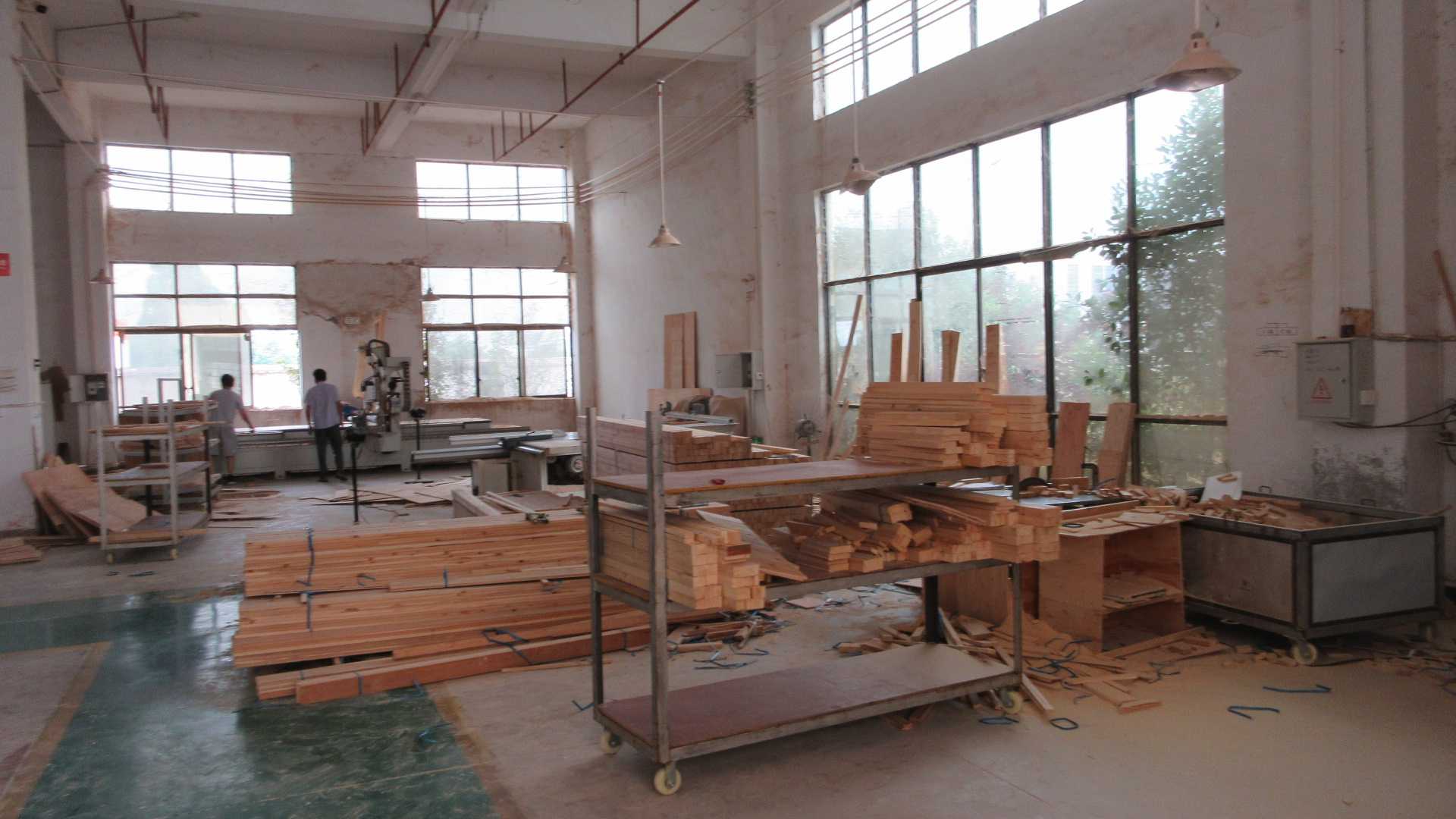
We implement a strict 13-stage manufacturing process to ensure every piece meets global commercial standards before export.
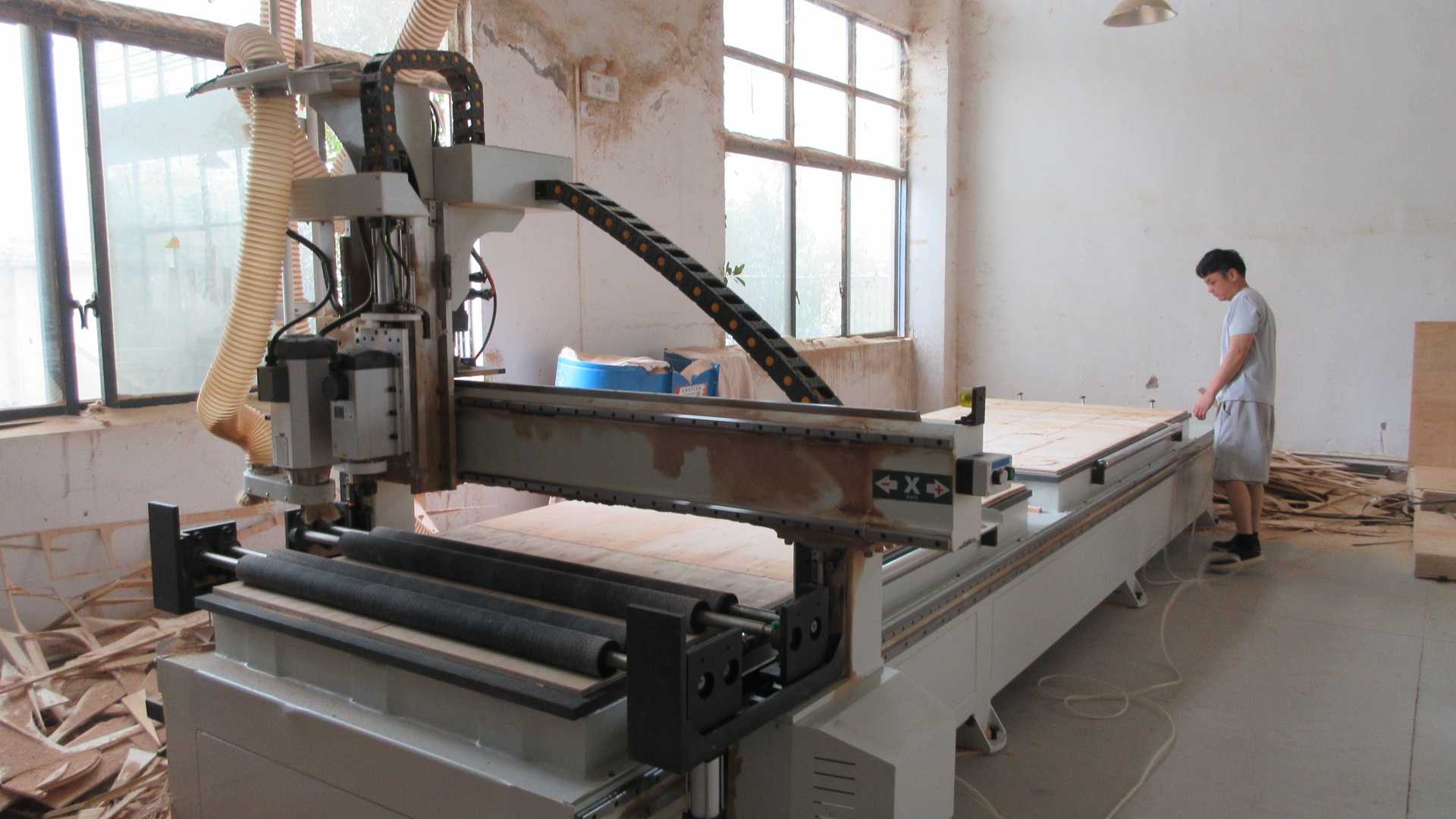
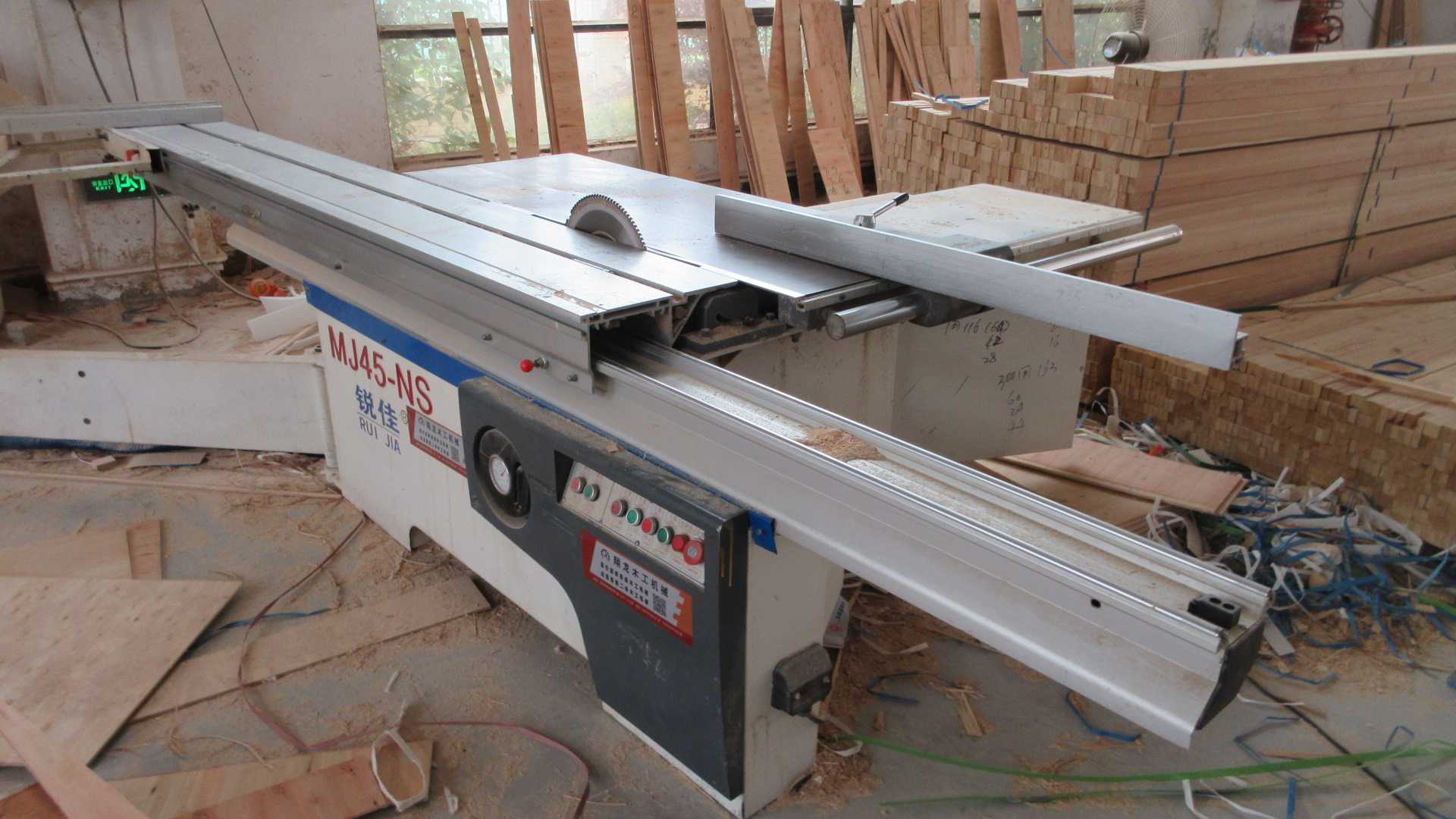
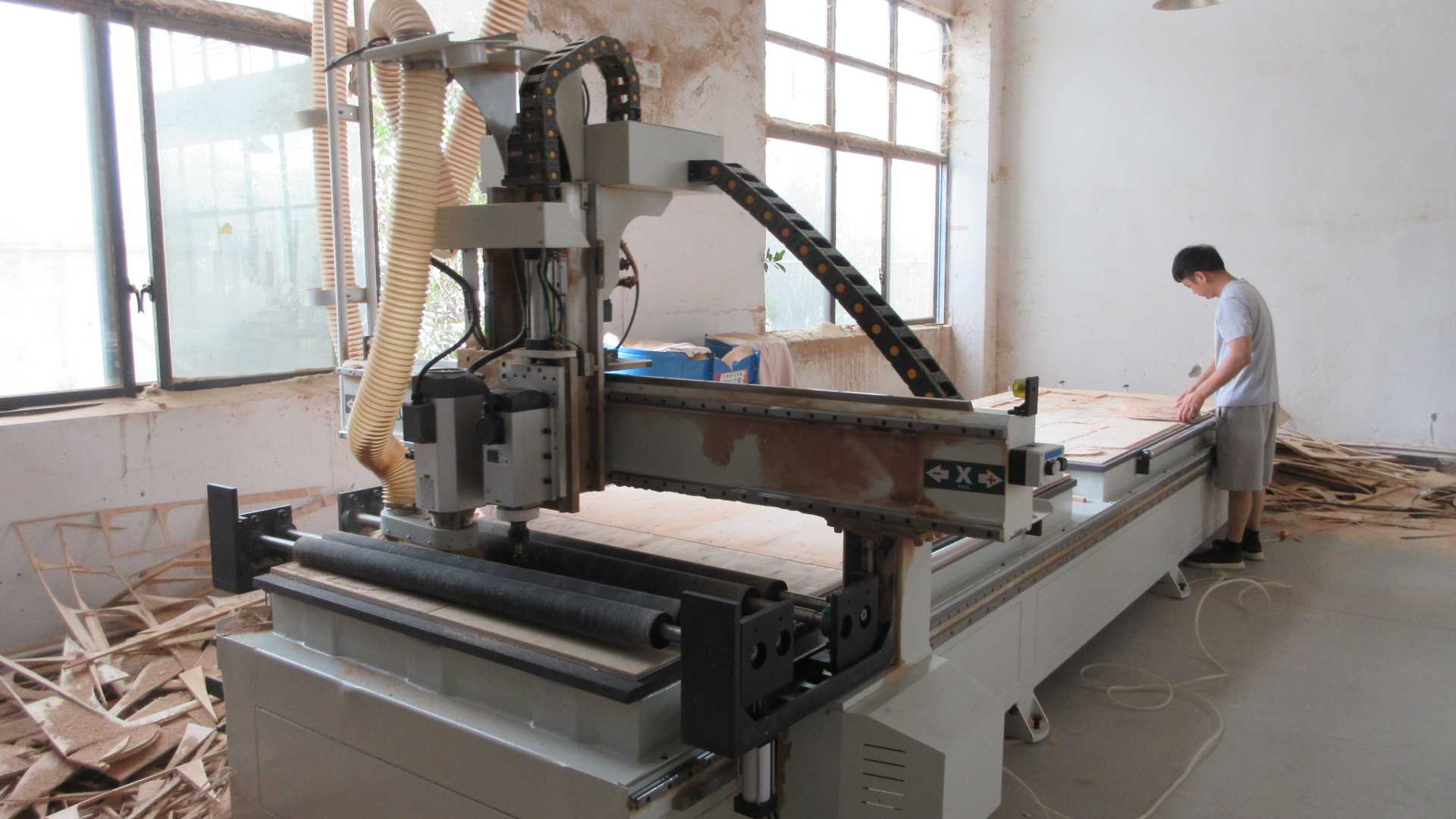
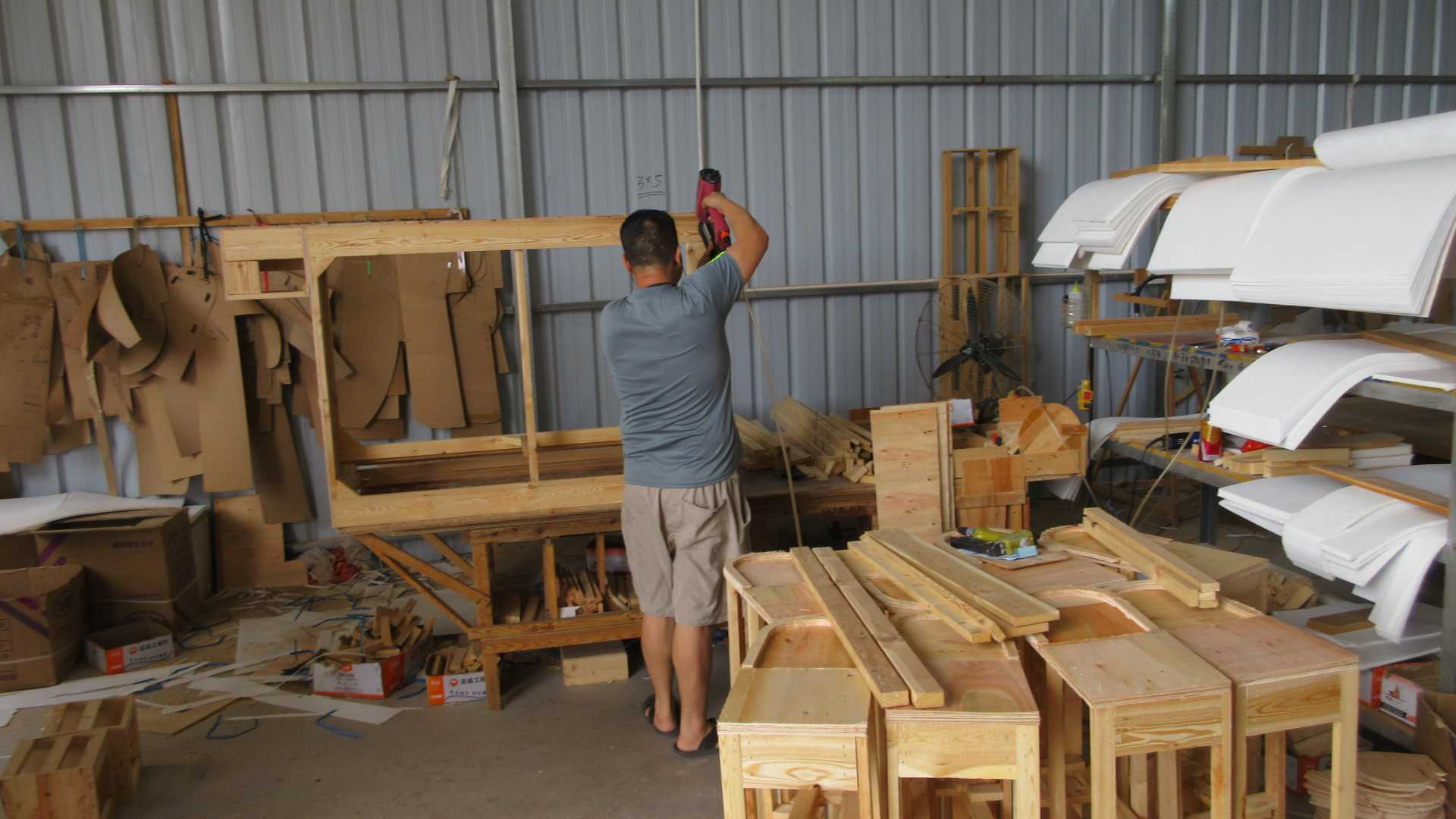
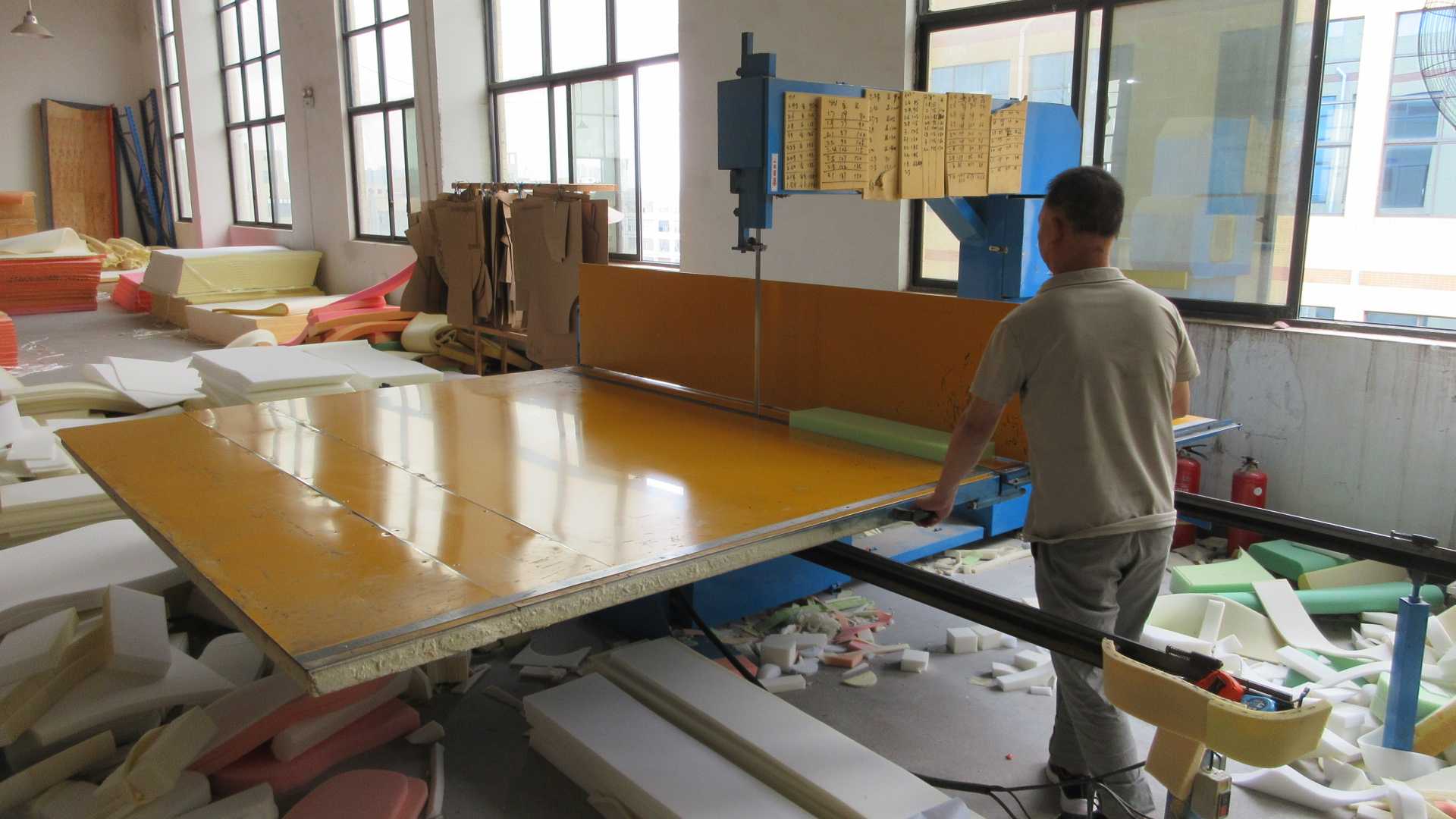
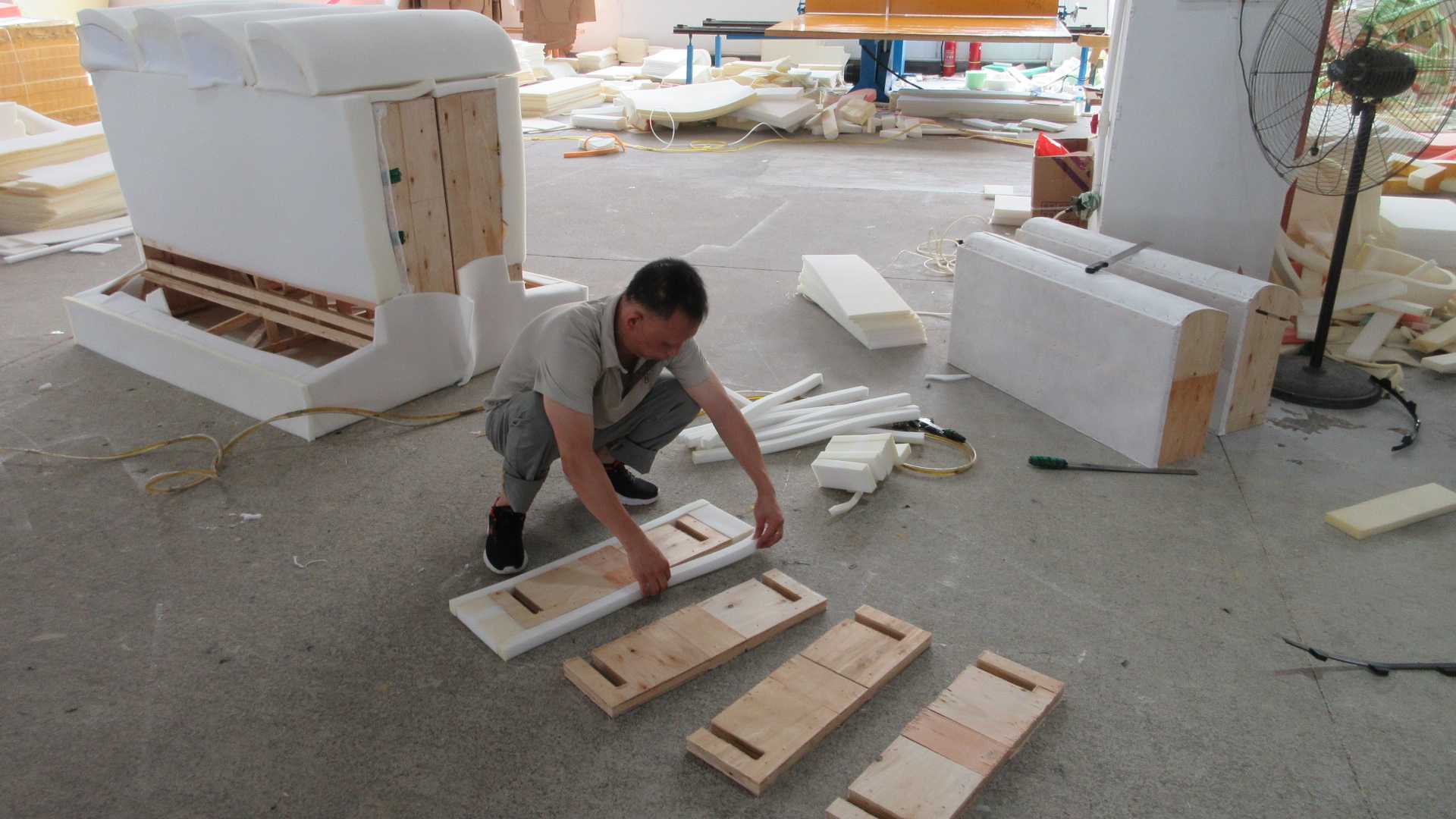
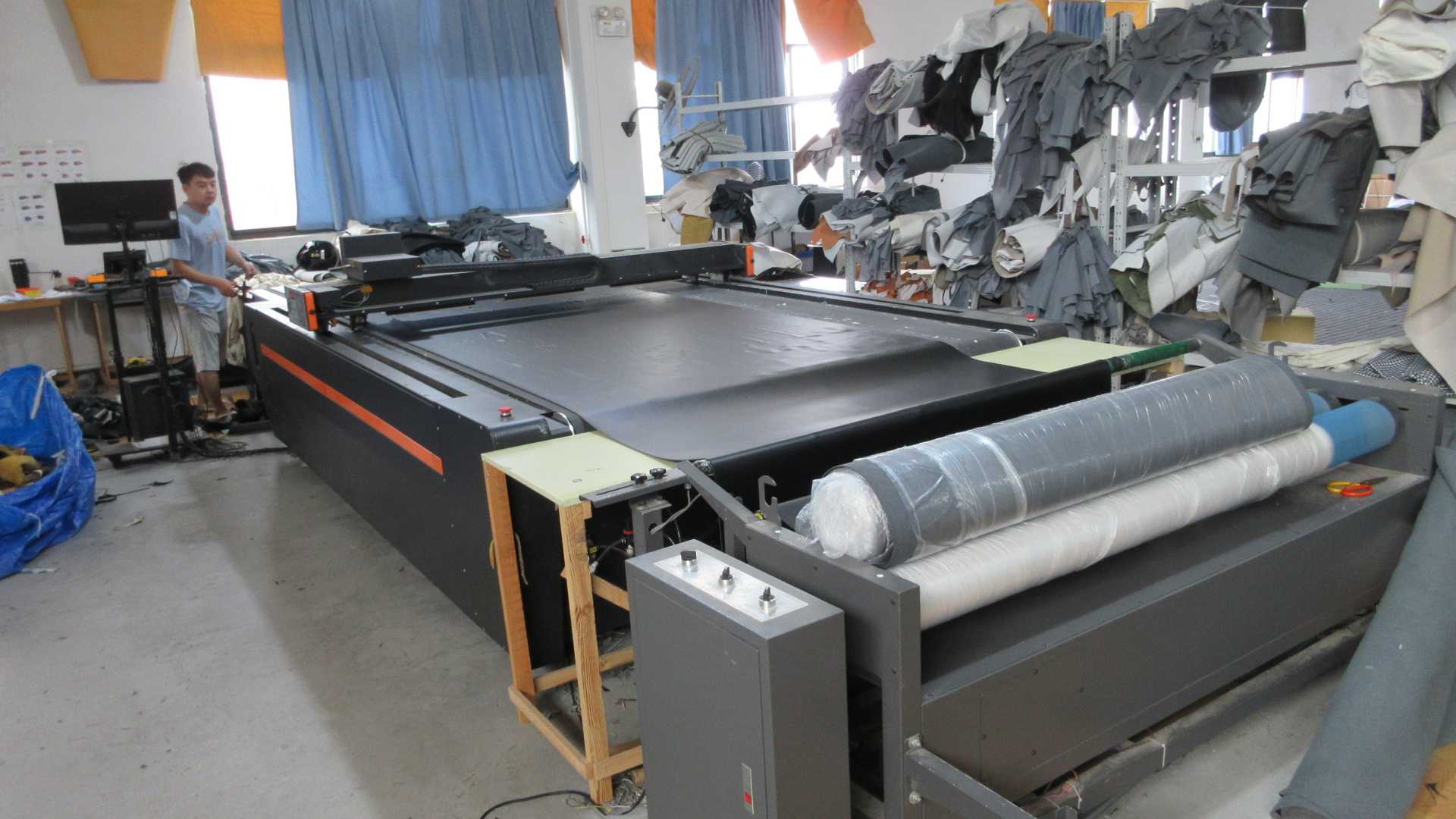
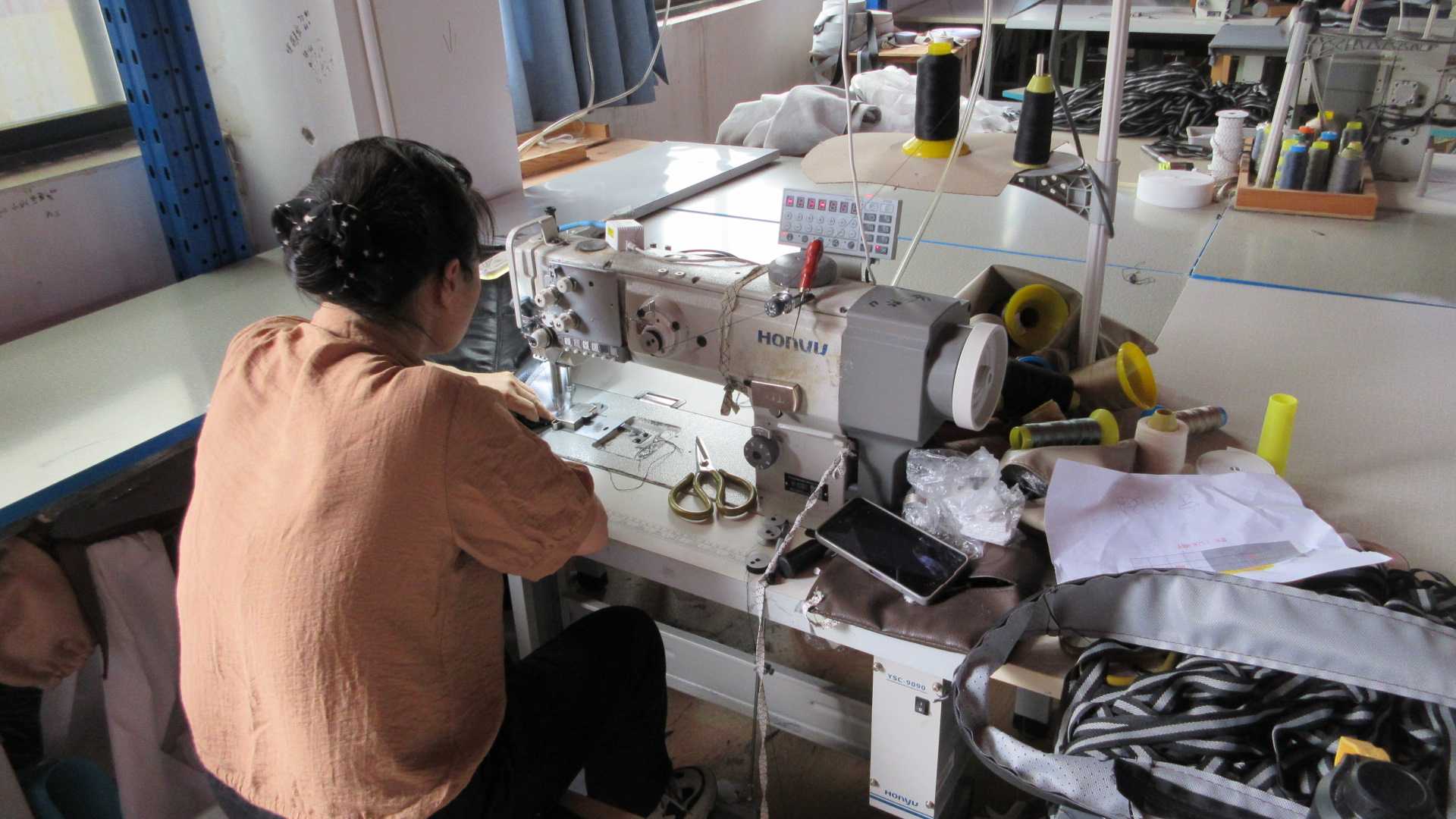
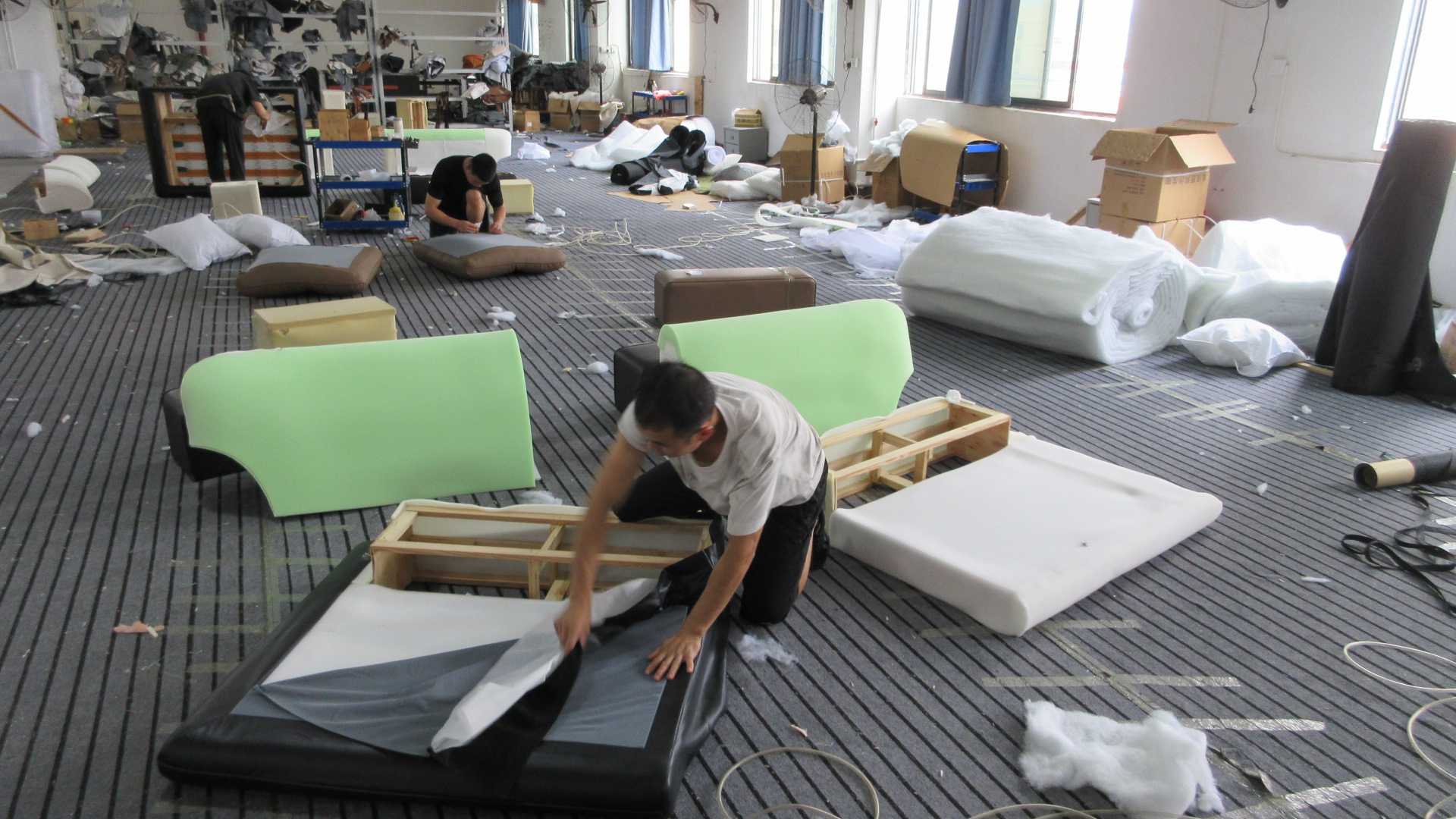
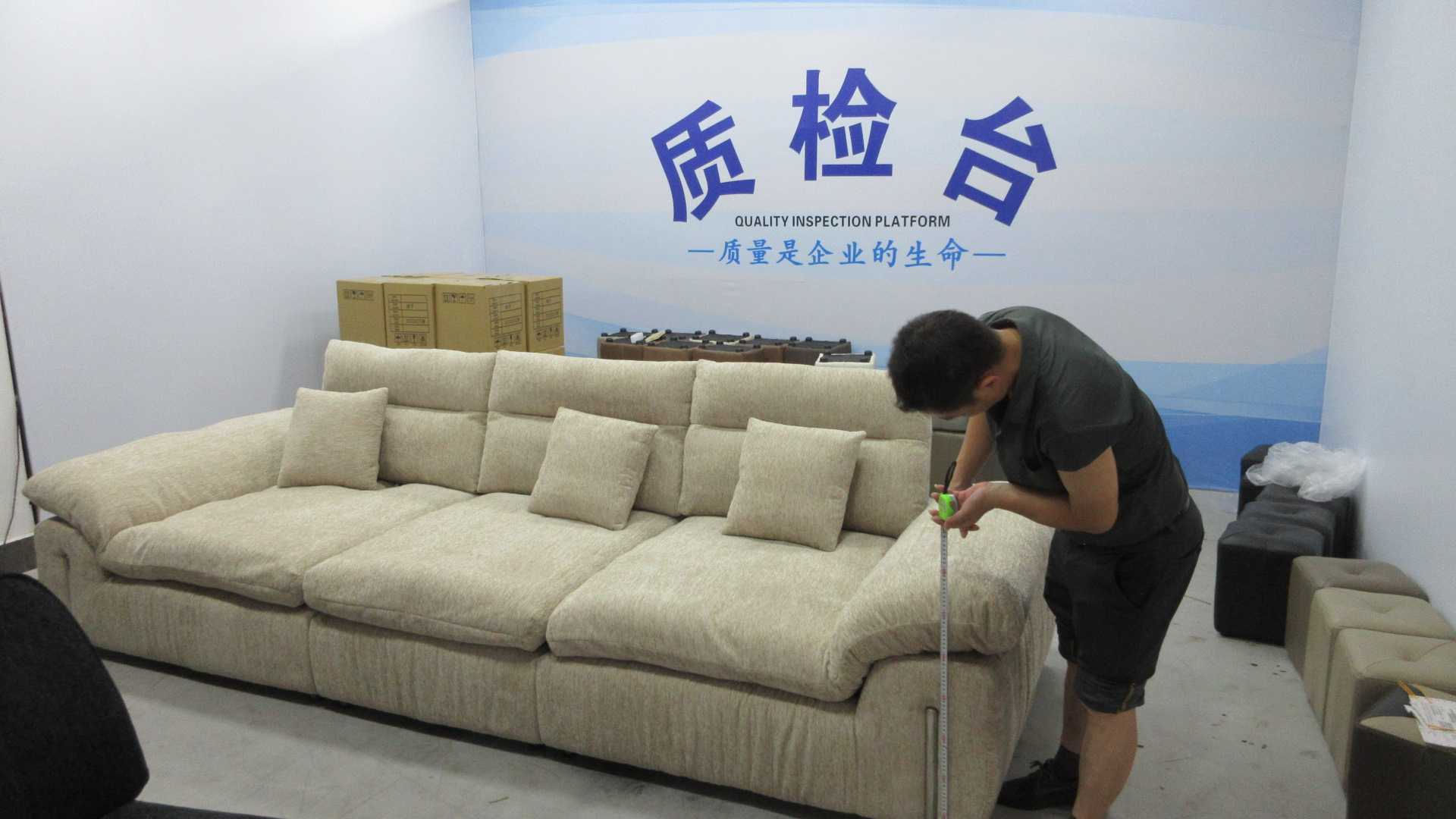
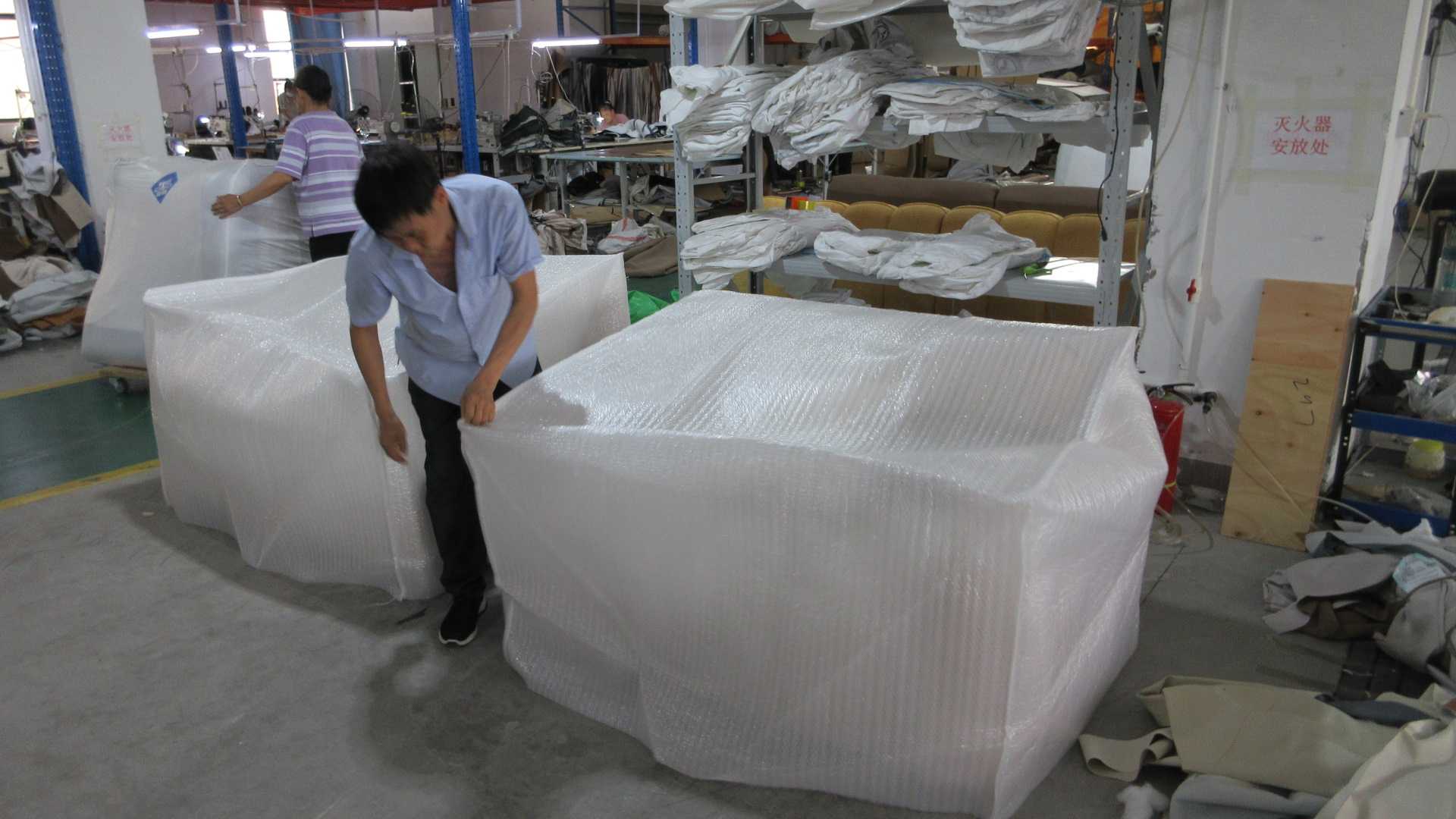
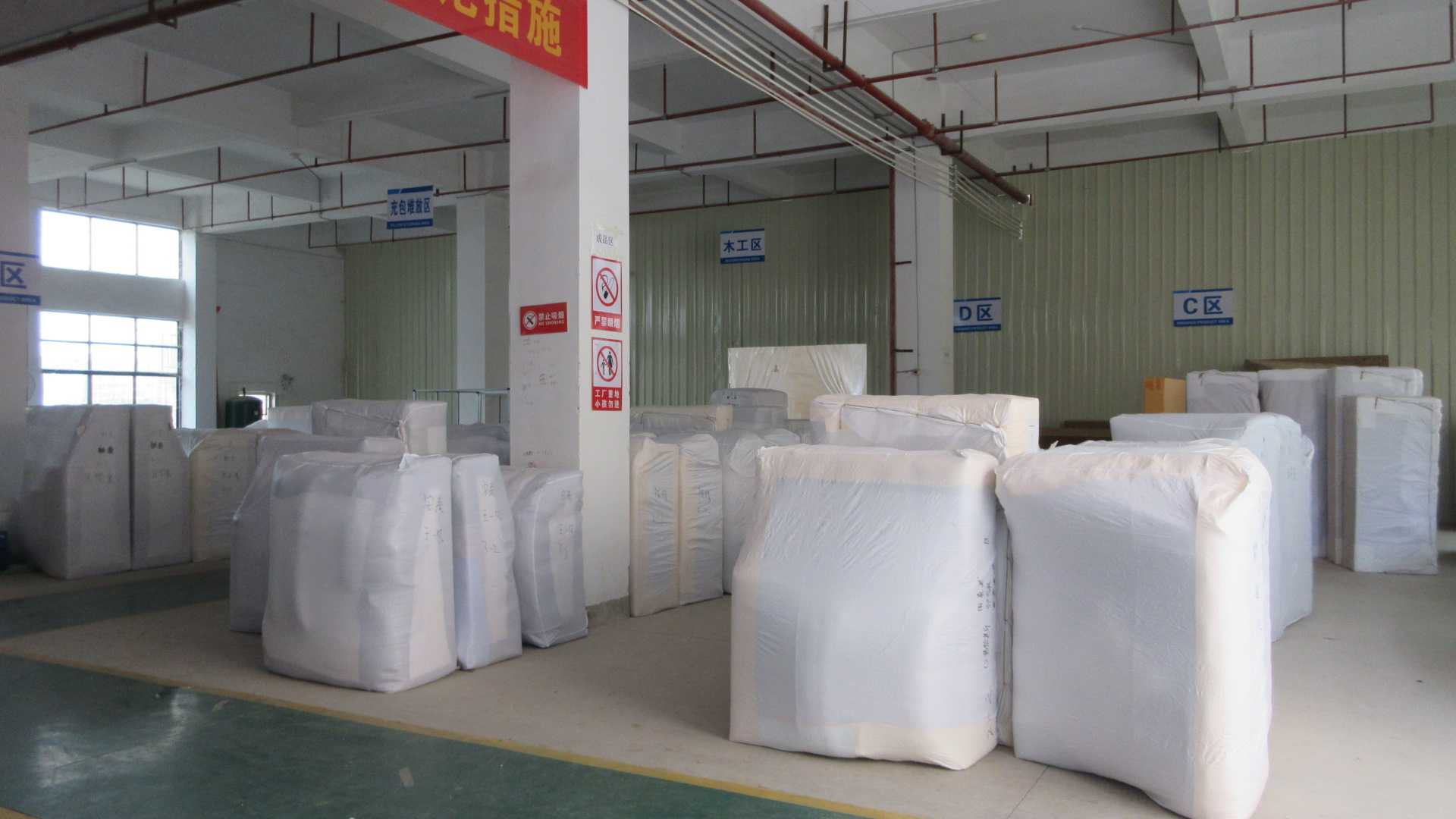
MAZIS State-of-the-Art Finished Goods Warehouse Ready for Global Container Loading
Procuring contract furniture for the East African market requires prioritizing durability. In high-traffic venues such as Addis Ababa business district lounges or regional lakeside resorts, seating must withstand both heavy wear and varying climate conditions.
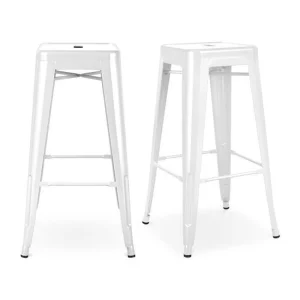
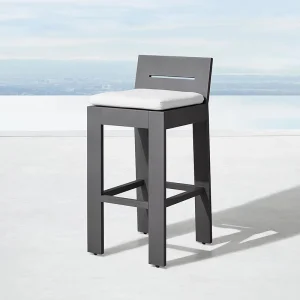
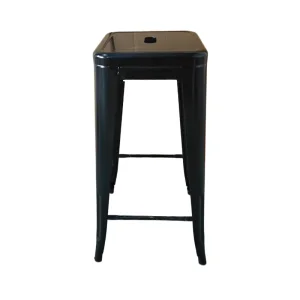
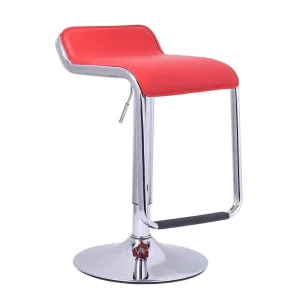
Bistros and cafes require space-saving solutions. Counter stools with a small footprint, footrests, and lightweight aluminum frames make cleaning and layout shifts simple, while offering durable performance.
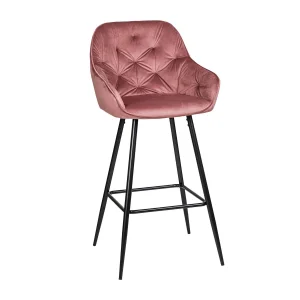
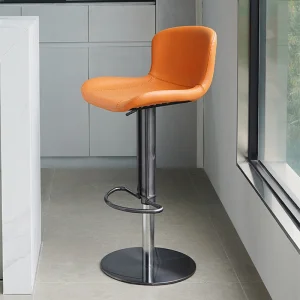
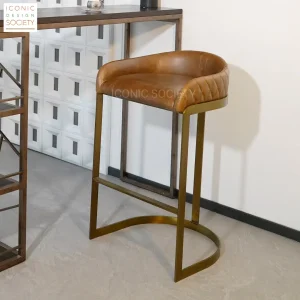
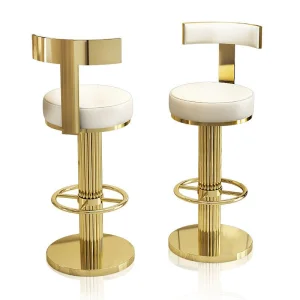
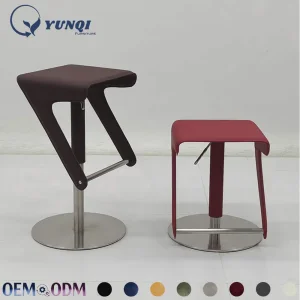
High-end hotels need elegant furniture. Velvet and leather counter stools with gold-finished bases provide a premium look, while heavy-duty frames ensure long-term stability under frequent use.
Given Ethiopia’s varied weather, outdoor furniture must withstand intense sun and seasonal rain. Using UV-resistant synthetic wicker and rustproof aluminum guarantees that patio seating remains clean and stable over time.
Essential insights for importing, custom fabrication, and commercial seating procurement.
Designed for commercial venues, cafes, and hospitality spaces in East Africa.