Ergonomic motion seating optimized for modern Japanese layouts and high-performance commercial deployments.
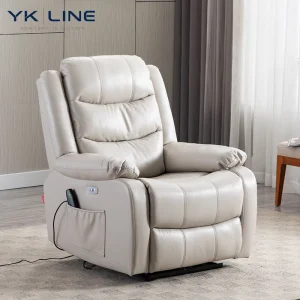
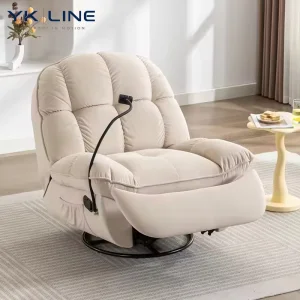
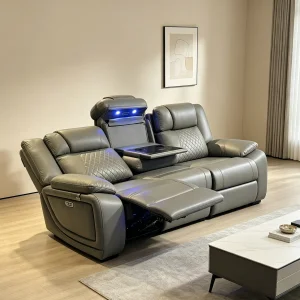
The Greater Tokyo Area, housing over 37 million residents, represents one of the most sophisticated, space-constrained, and quality-driven furniture markets in the world. For commercial project specifiers, hospitality developers, and home furniture importers in Tokyo, sourcing recliner sofas involves navigating distinct spatial, cultural, and technical requirements. Unlike North American or European markets where expansive floor plans permit oversized furniture, Tokyo residential spaces, such as typical mansion (modern apartments) and apāto, require compact, multifunctional, and highly reliable motion furniture designs.
“The Tokyo furniture paradigm is defined by micro-ergonomics. Every millimeter of clearance counts. Standard reclining furniture that sweeps backward is virtually unusable in high-density urban residential layouts. Forward-sliding zero-wall mechanisms are no longer optional—they are an structural necessity.”
Typical Tokyo living spaces dictate that sofas are positioned directly against the wall. Traditional recliners require a clearance of 20 to 30 centimeters behind the backrest to fully tilt. Our state-of-the-art power reclining mechanisms are designed to slide forward along a double-track linear path as they recline. This ensures a minimal clearance requirement of less than 5 centimeters from the wall, maximizing usable floor space while delivering a full 160-degree recline. For Tokyo's real estate market, where property values per square meter are premium, this engineering approach unlocks crucial floor area value.
Japan is home to one of the world's most rapidly aging populations. Tokyo's demographic landscape shows an increasing demand for motion furniture that provides health benefits without compromising residential aesthetics. Electric power lift features, zero-gravity seating angles (which raise the knees above the heart to promote circulation), and lumbar support systems are essential requirements. Importers targeting Tokyo’s wellness market must focus on quiet, low-vibration motors that align with the peaceful environment expected in Japanese households.
The convergence of IoT, advanced materials, and mechanical reliability in modern motion furniture.
Next-generation recliners feature integrated smart home hubs. Connecting seamlessly with voice assistants, users can adjust seating angles, configure massage sequences, and toggle under-sofa ambient LED lighting with simple commands.
Japanese Industrial Standards (JIS) demand rigorous mechanical testing. Our electric recliners incorporate low-voltage brushless DC motors operating under 45dB, built-in anti-pinch sensor plates, and thermal overload protection.
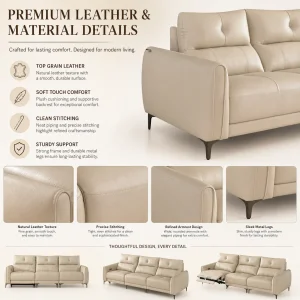
Combining the premium look of top-grain leather with the breathability of woven fabrics, air leather addresses the high humidity of Tokyo summers. It offers wear resistance (>100,000 double rubs) and is easy to clean.
Zhejiang MAZIS Furniture Co., Ltd. is a modern enterprise specializing in the design, research and development, and manufacturing of high-quality furniture solutions. Strategically situated in Zhejiang Province, the company benefits from robust regional raw material access, a mature industrial supply chain, and a highly skilled technical workforce. Equipped with advanced precision manufacturing facilities—including robotic laser welding systems, automated metal cutting centers, and computerized sewing arrays—MAZIS ensures consistently high output quality across all product lines.
To meet the precise demands of the Tokyo and broader East Asian markets, we utilize advanced raw material selection, eco-friendly adhesive technologies, and robust internal metal frame designs. Our specialized independent R&D department continuously tests mechanical components under load cycles exceeding 100,000 operations, ensuring long-term durability for both residential and high-traffic commercial spaces, such as premium cinema lounges, executive offices, and wellness centers.
Our commitment to quality is built on a structured, 13-stage manufacturing process. By maintaining close oversight of each step, from raw wood cutting to packaging, we deliver motion furniture that meets the expectations of international buyers.
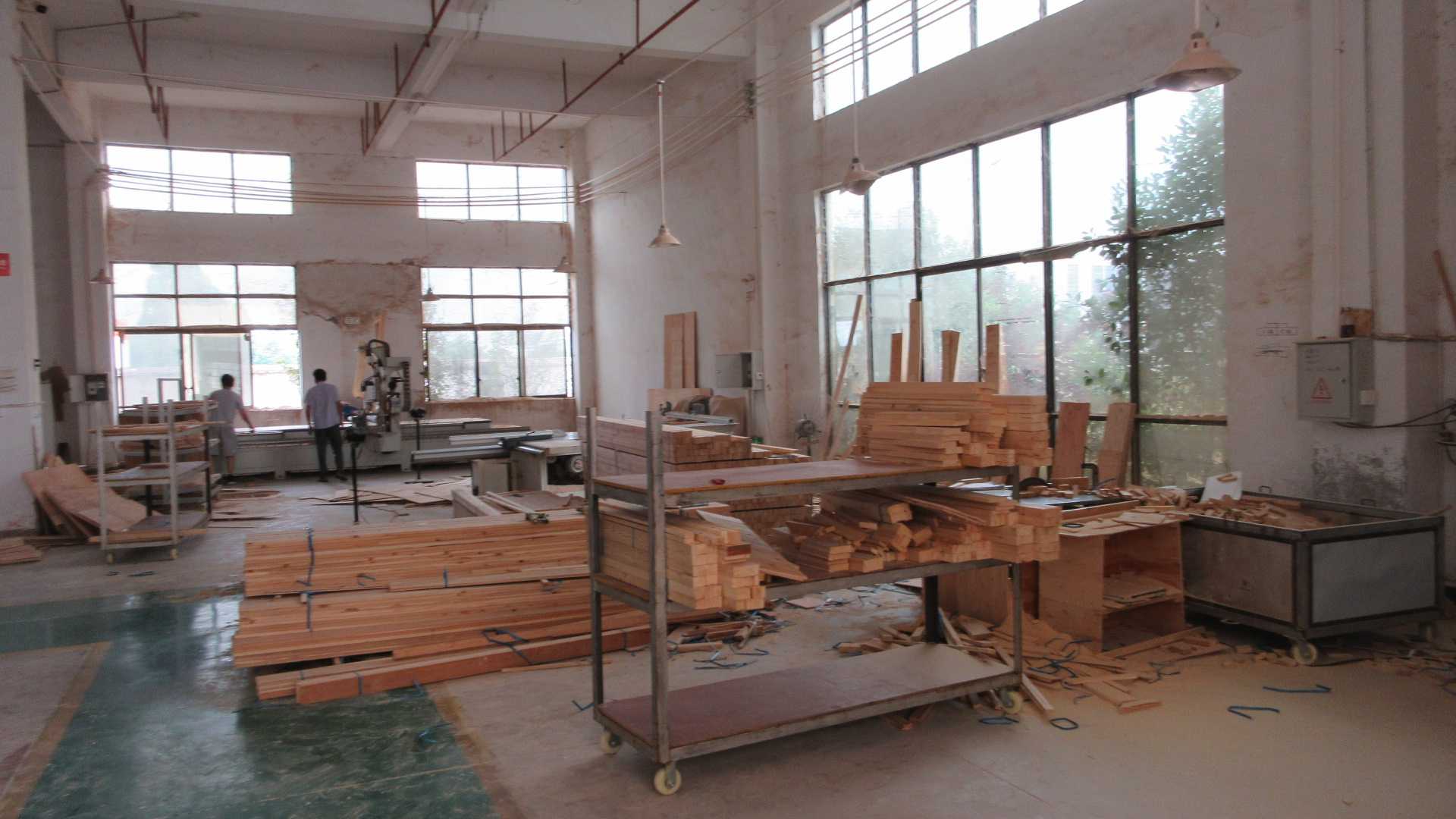
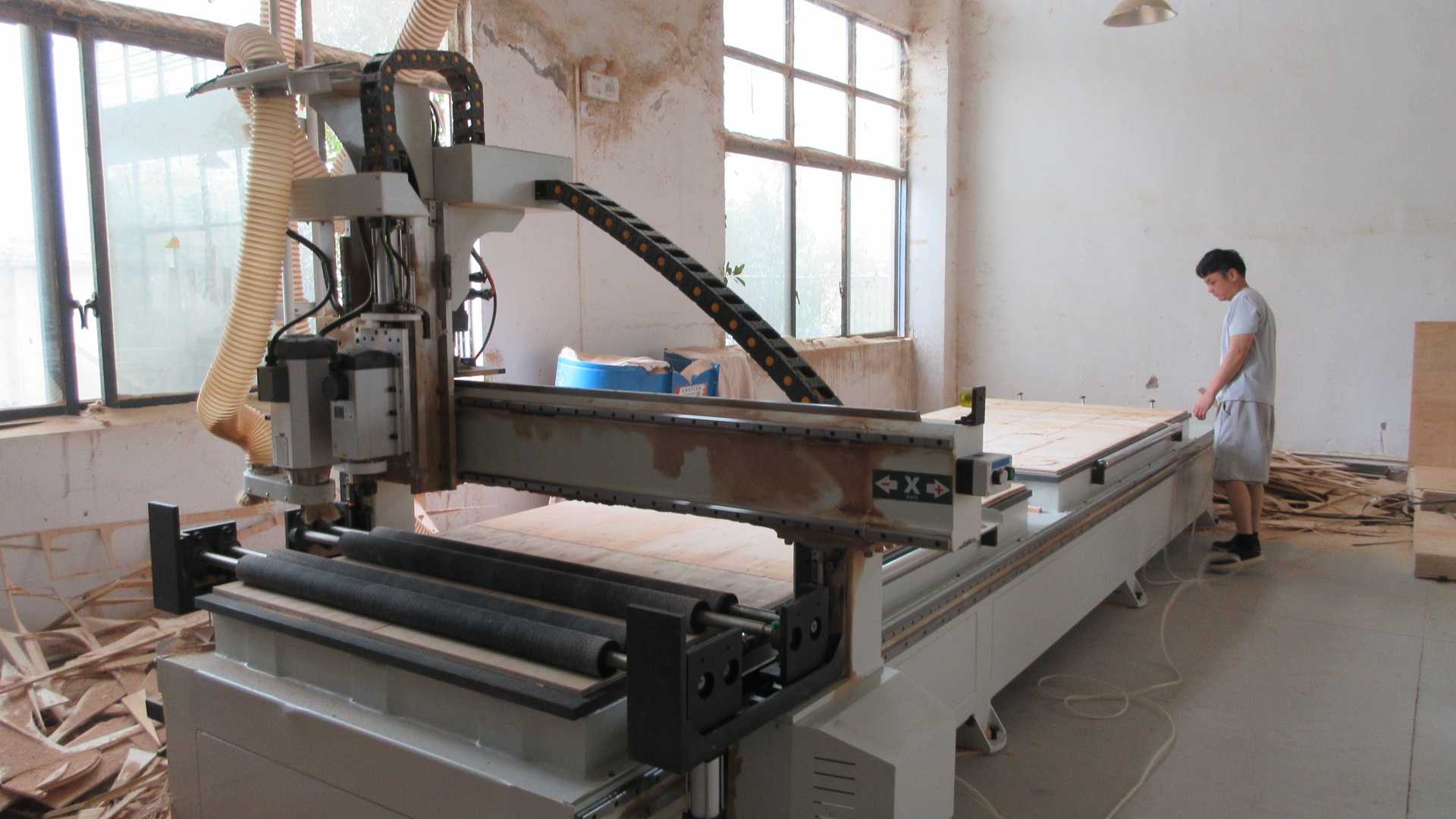
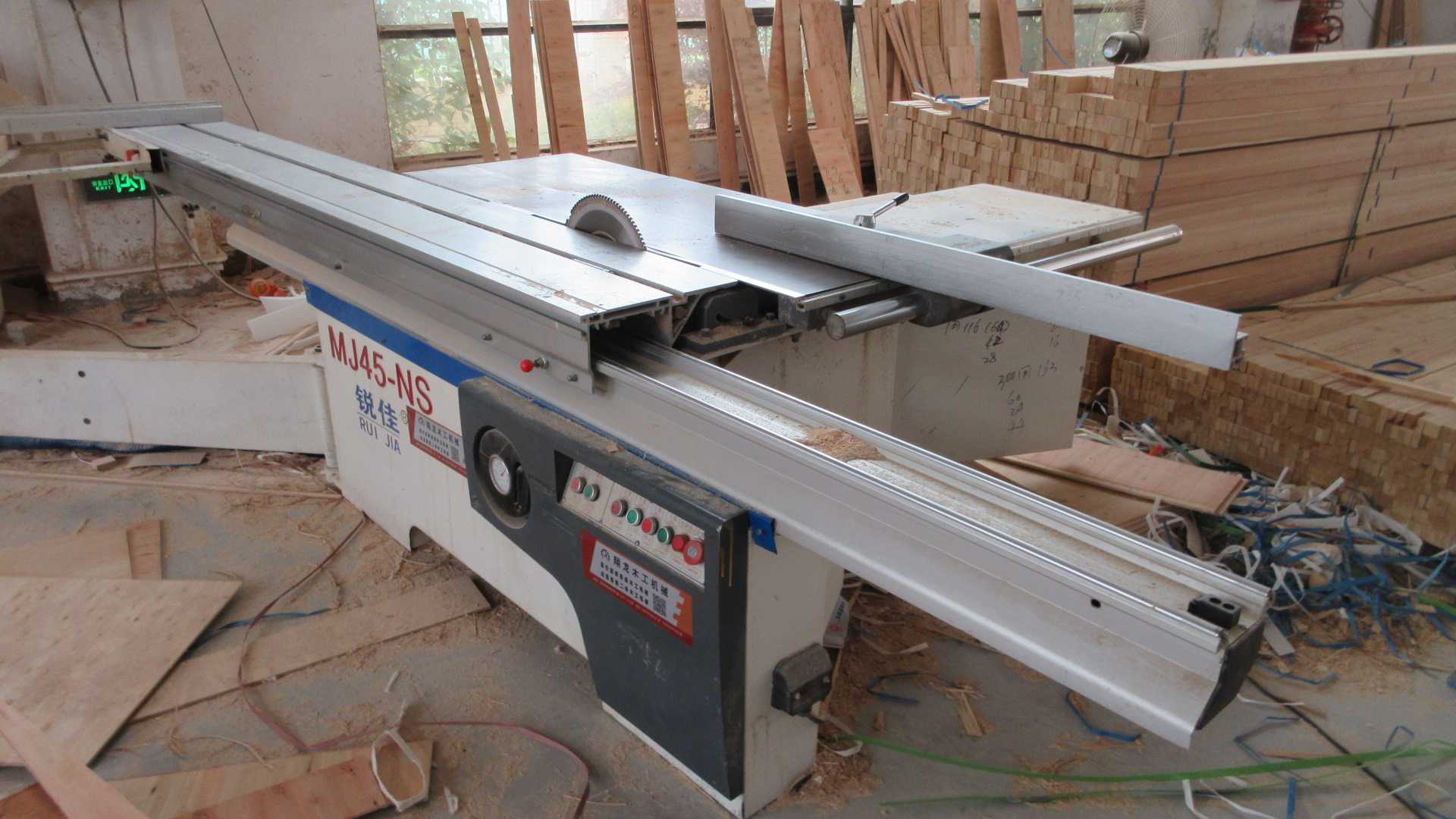
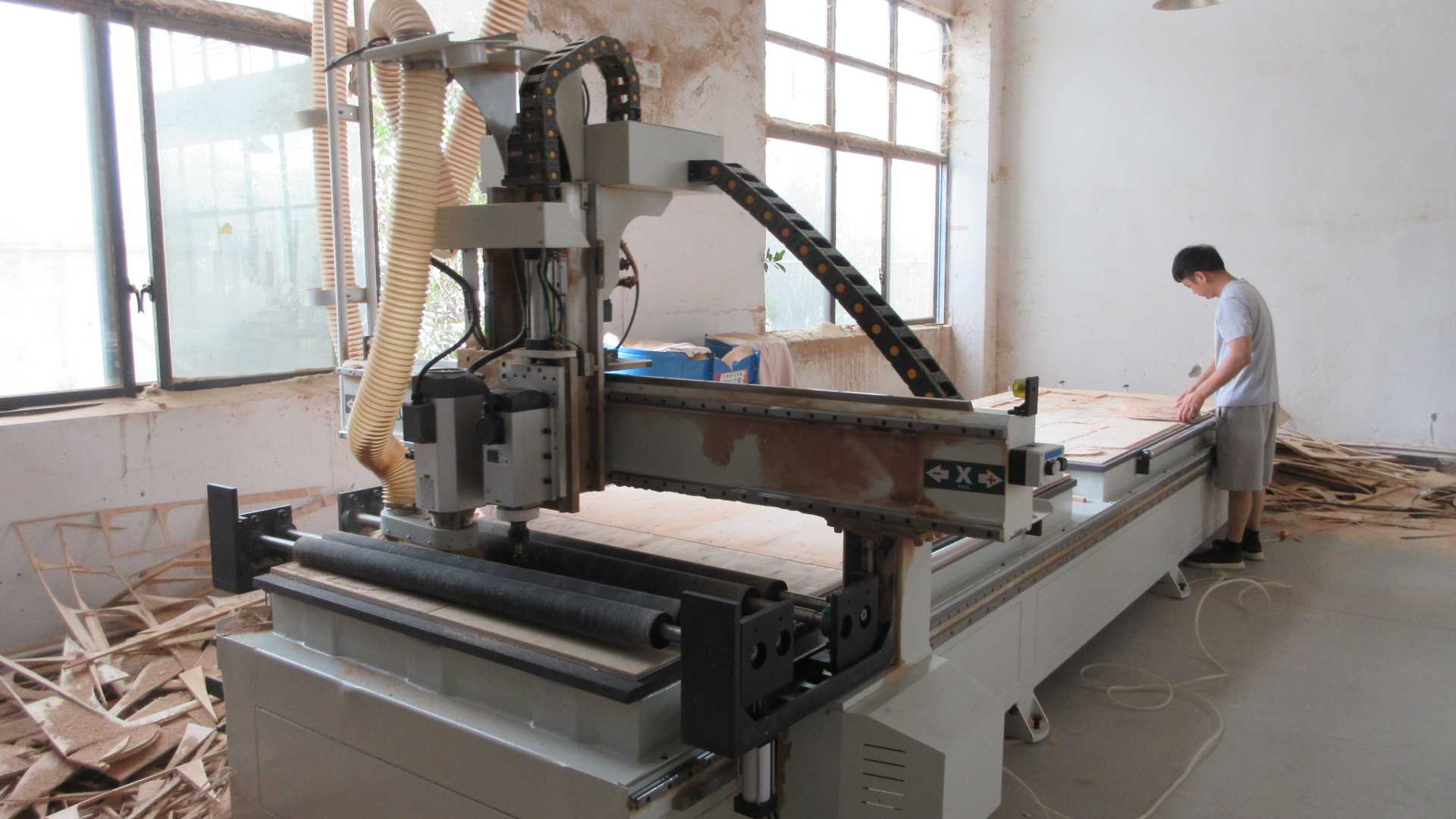
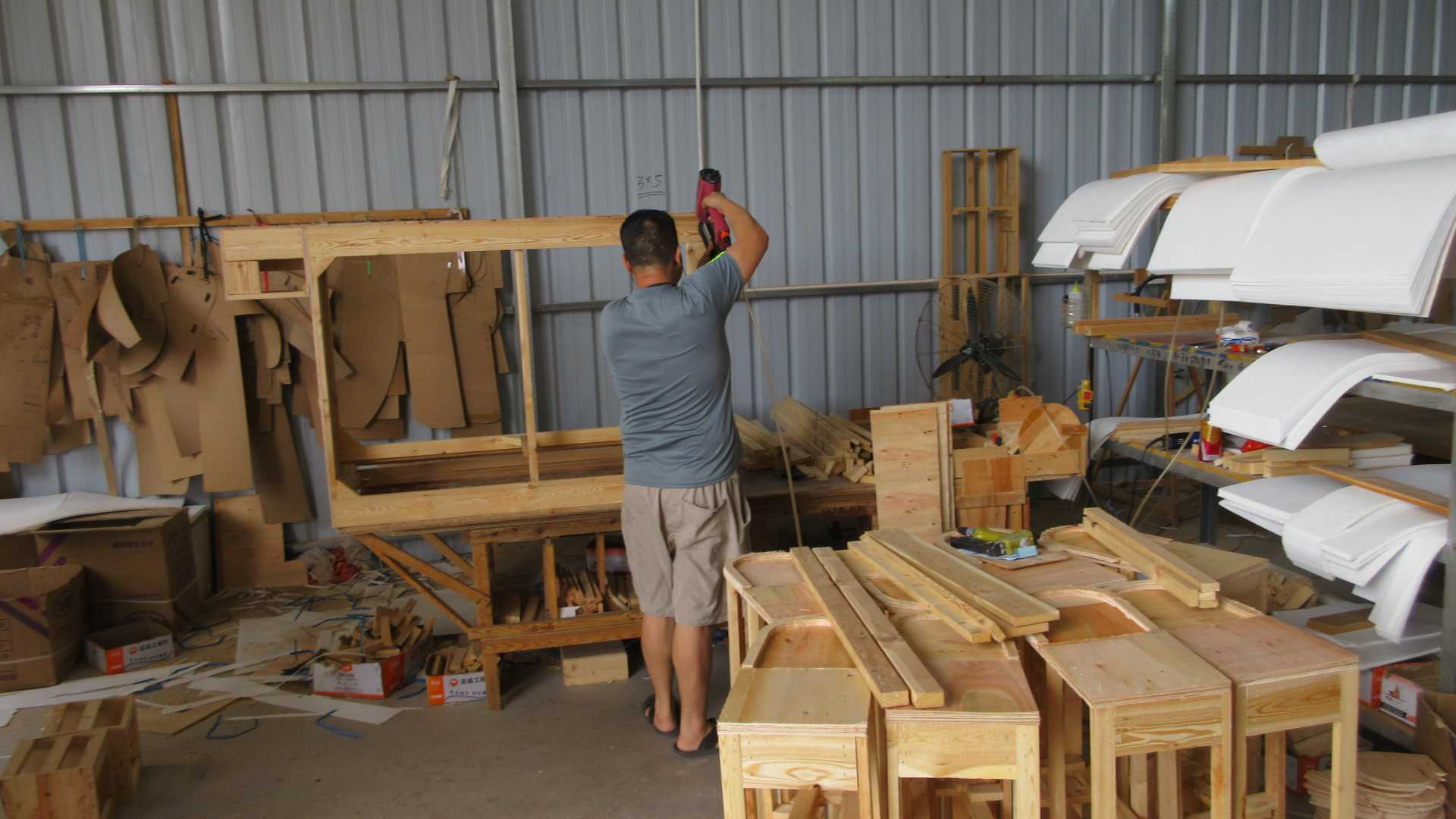
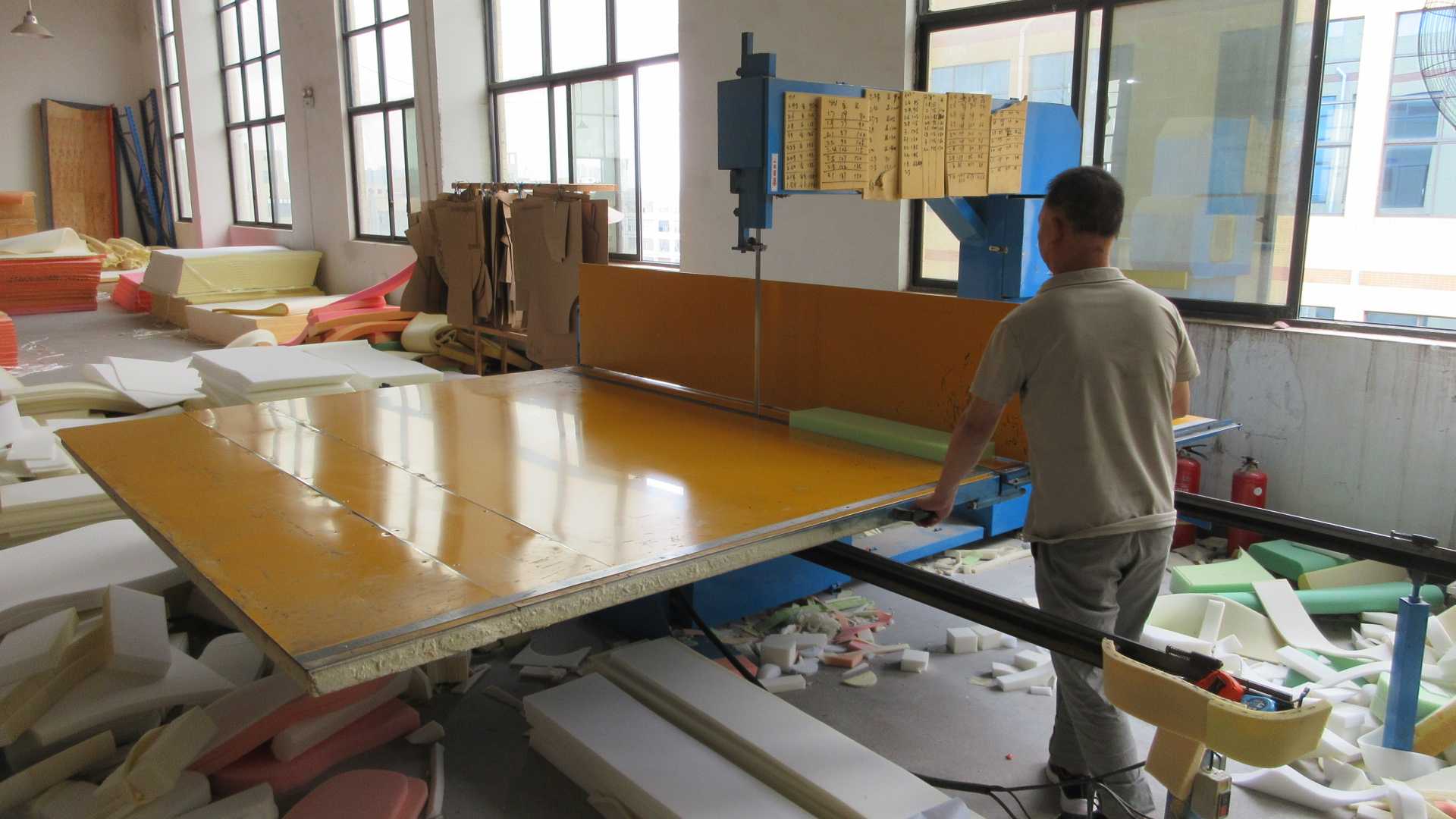
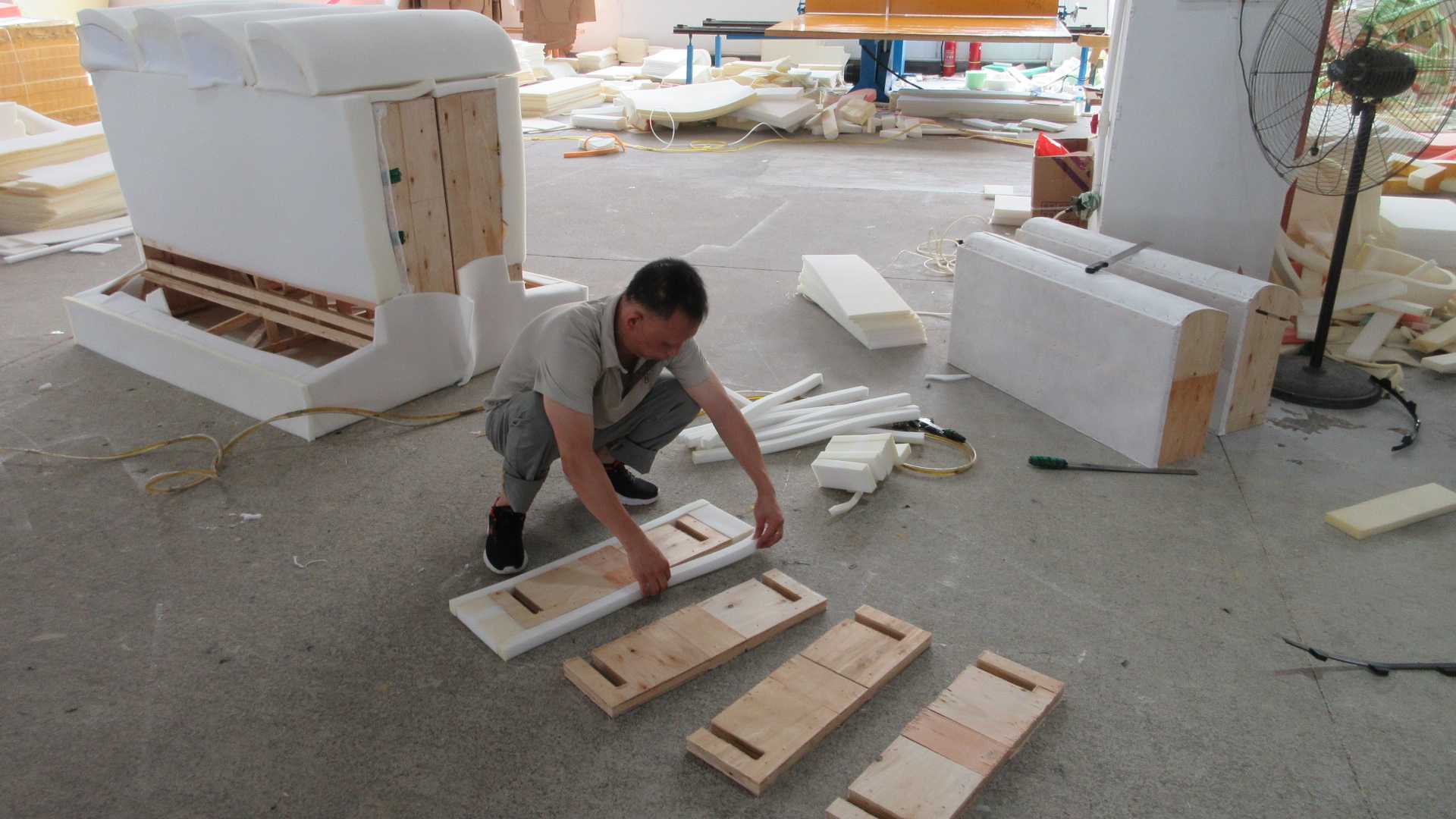
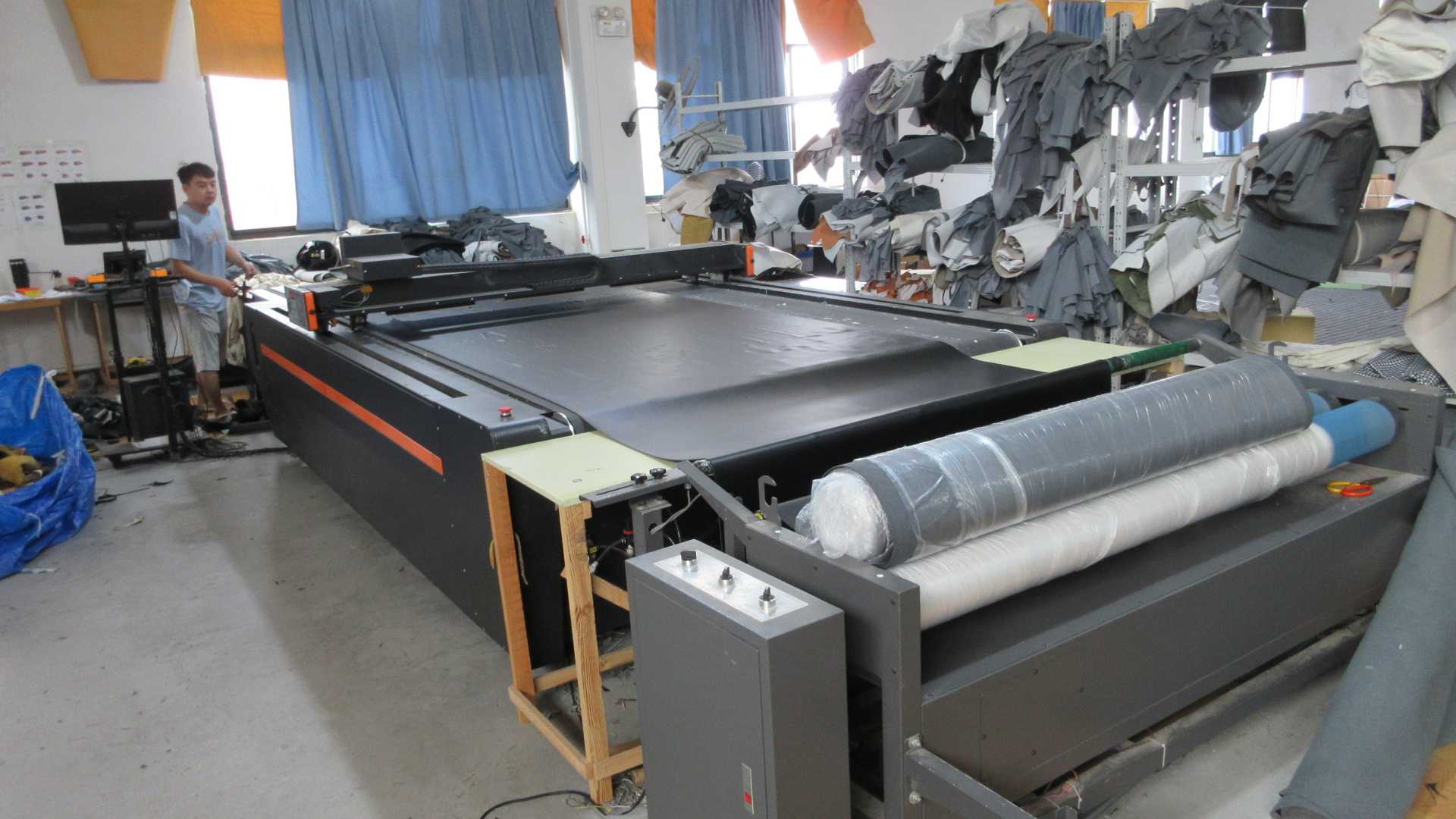
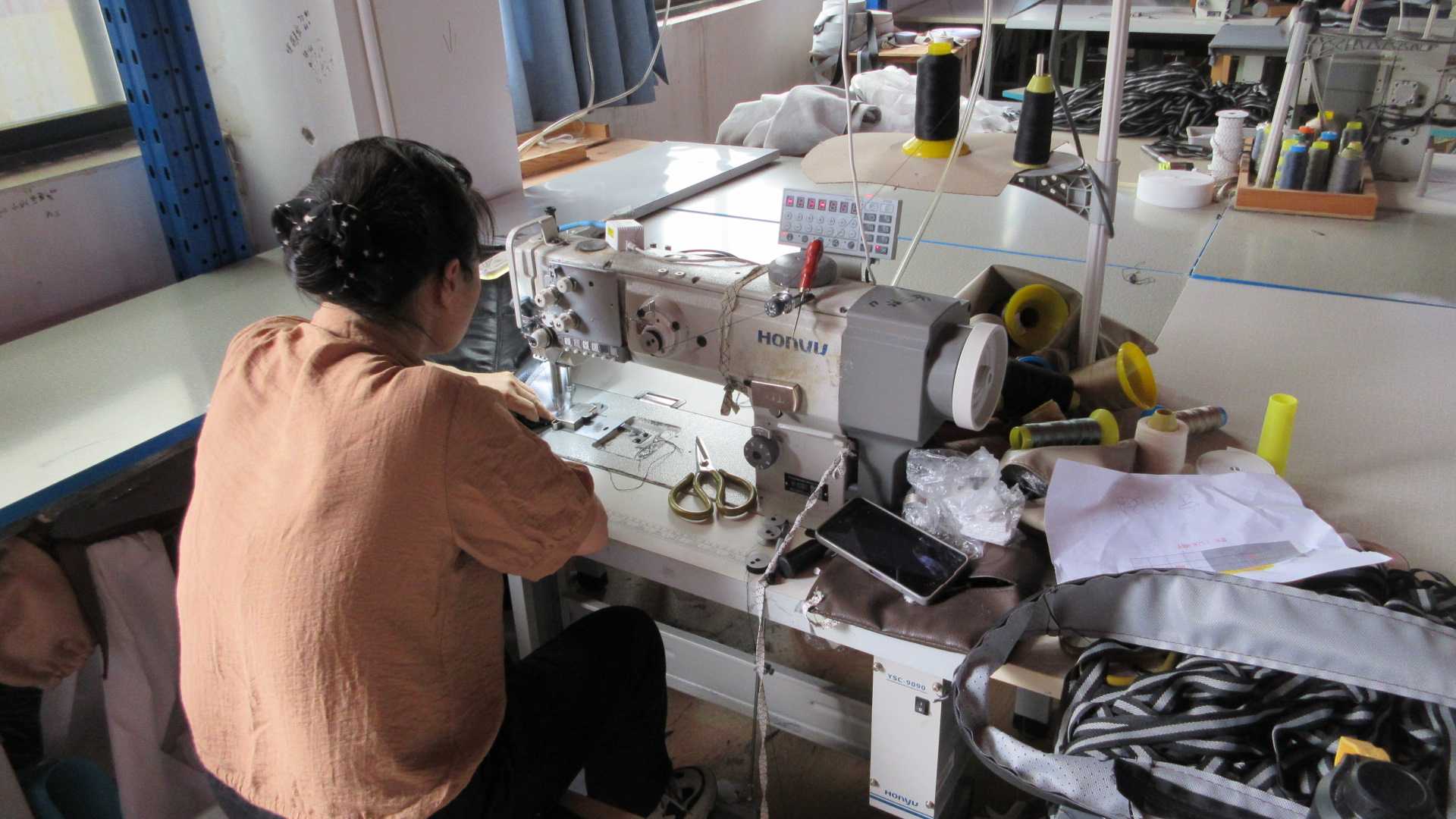
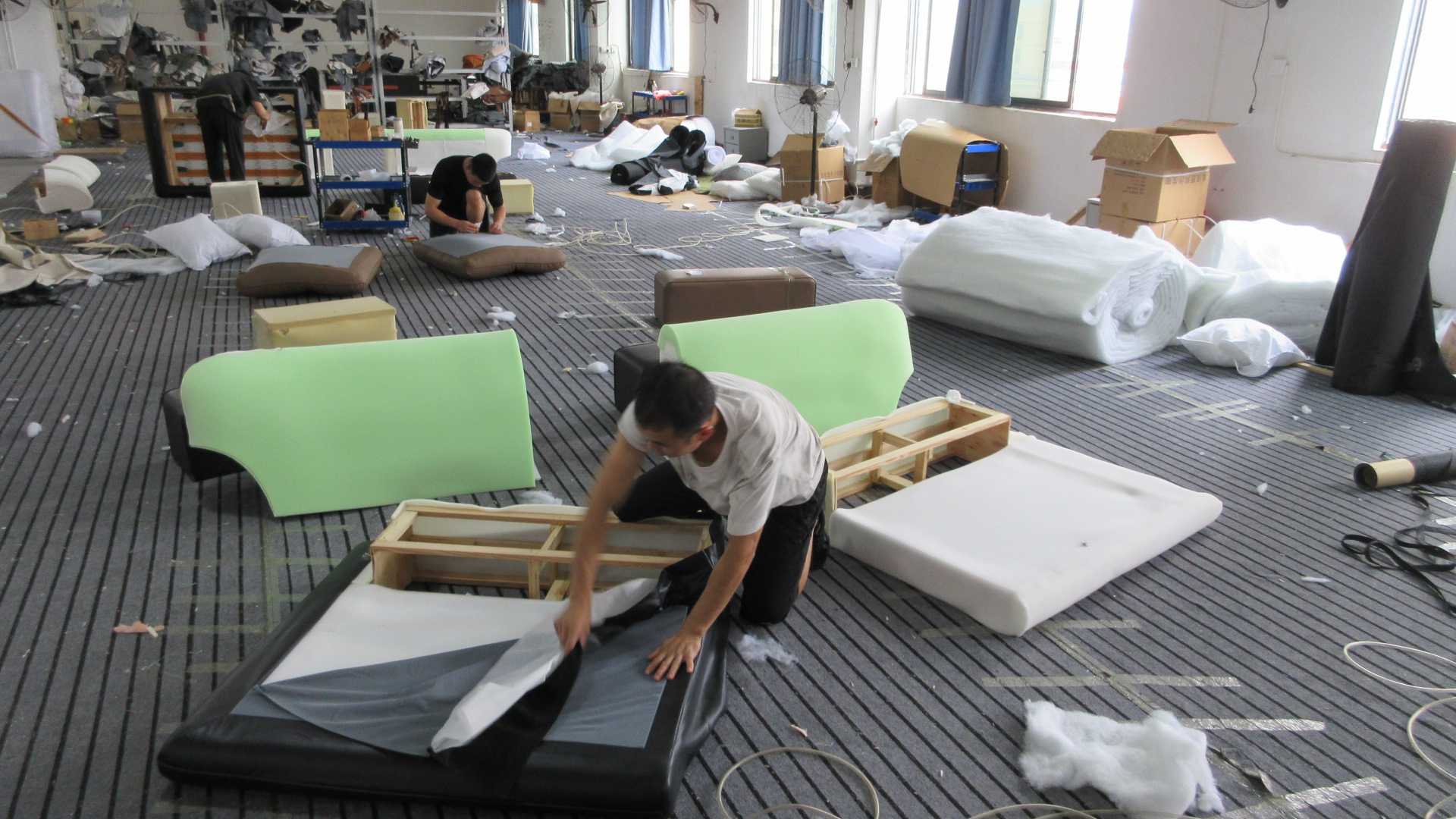
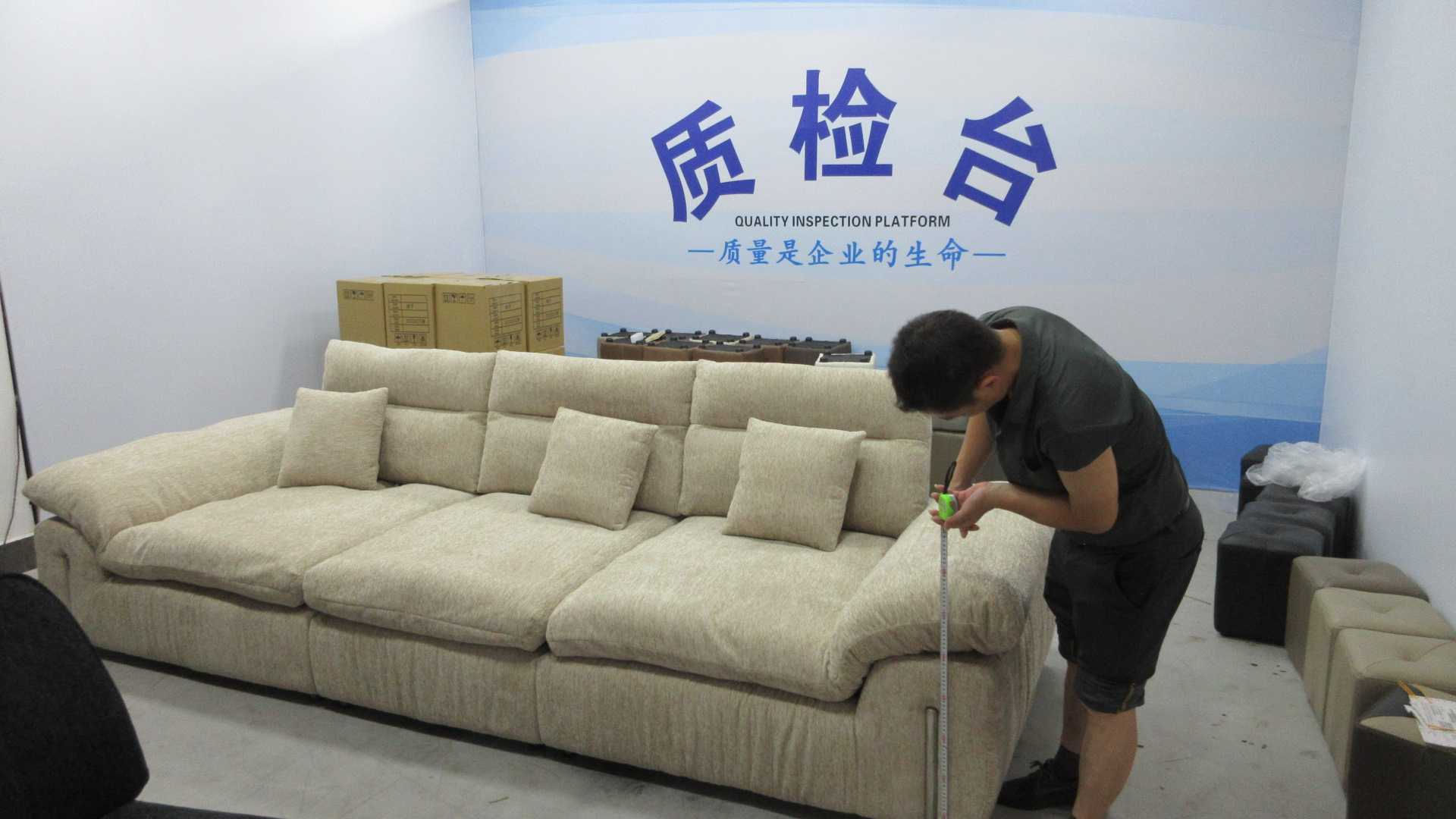
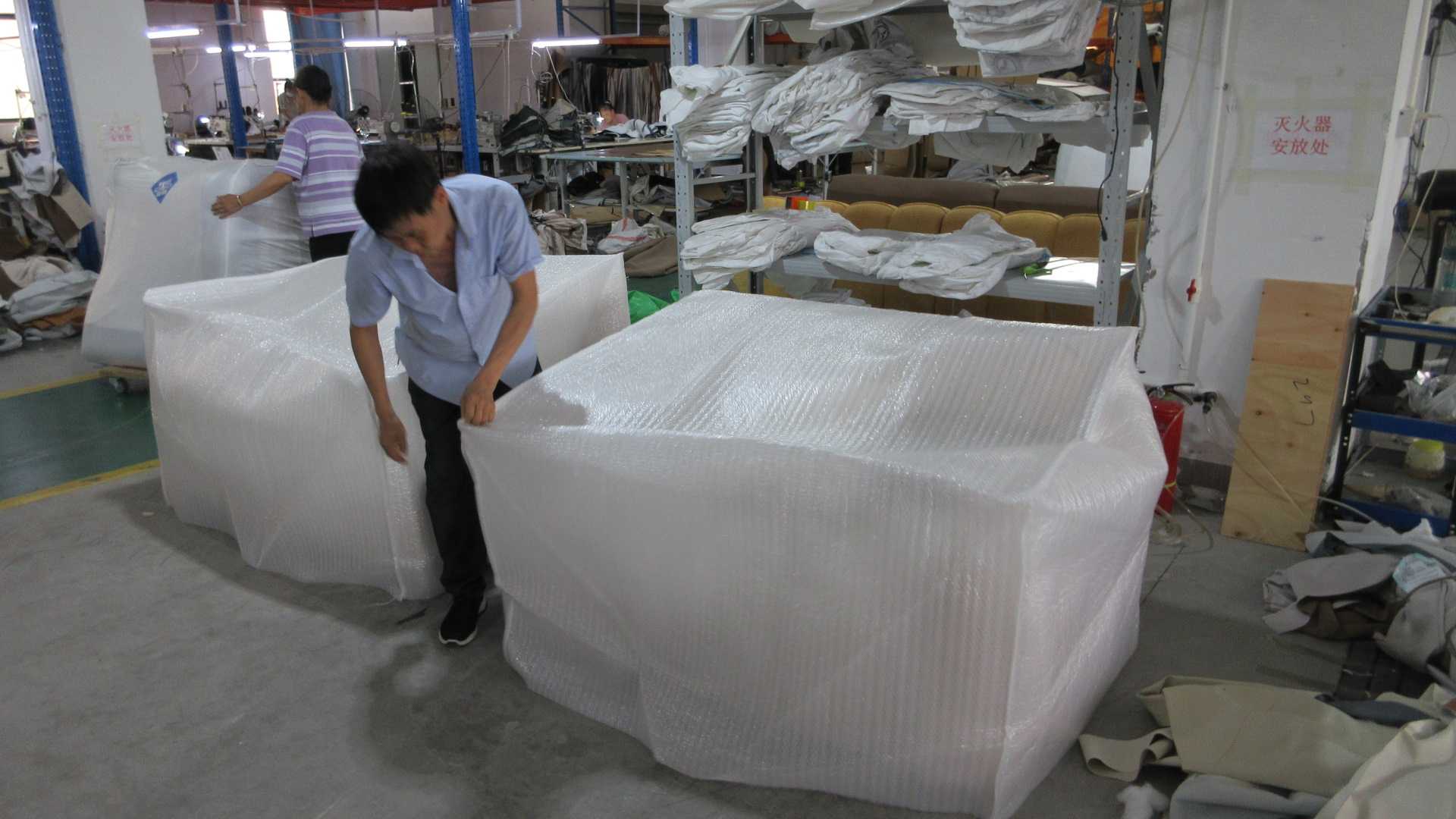
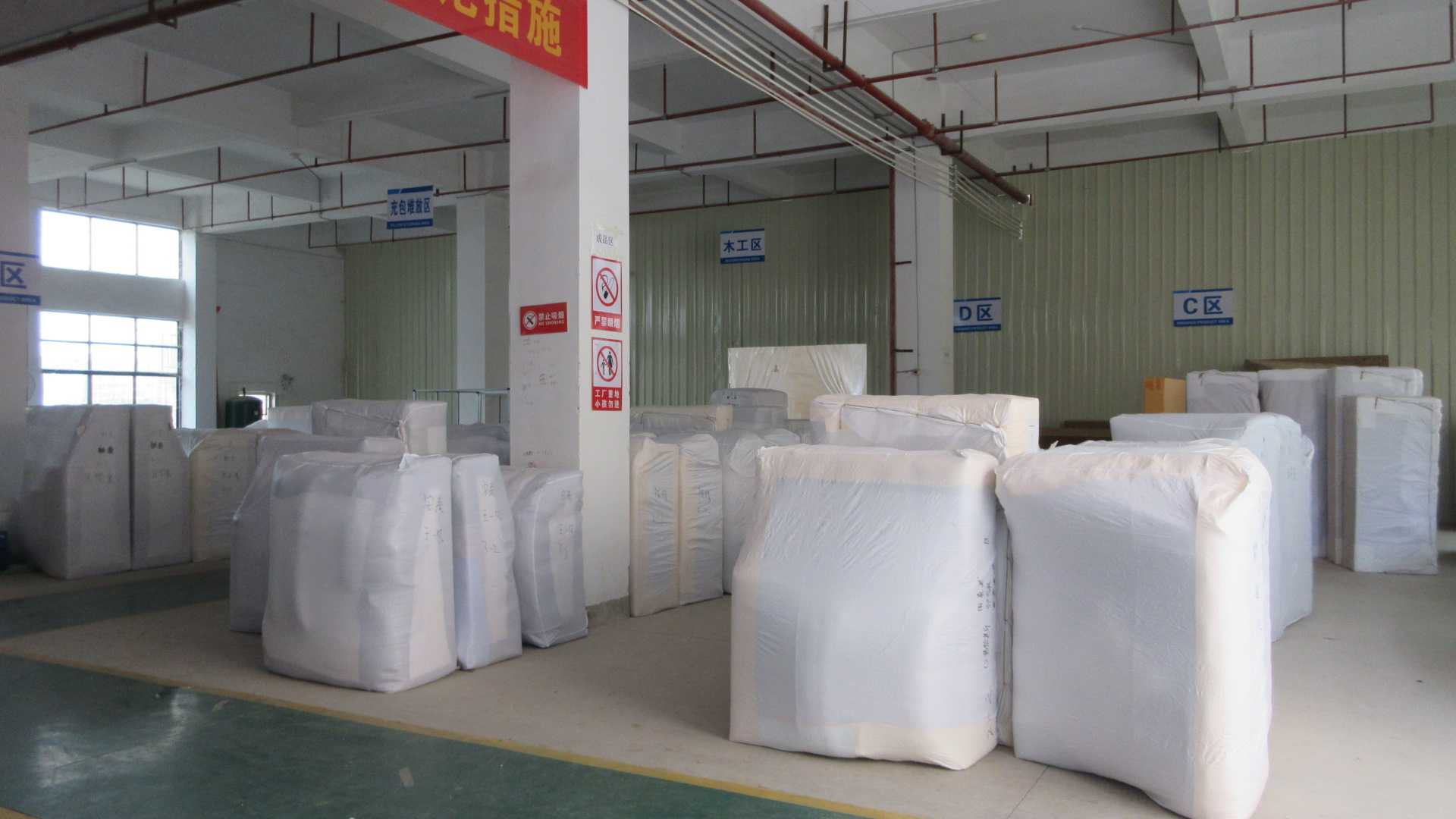
Our commercial-grade furniture solutions cater directly to B2B segments in the Tokyo metro area, optimizing spatial layouts for multi-tenant offices, wellness centers, and high-end residential real estate developments.
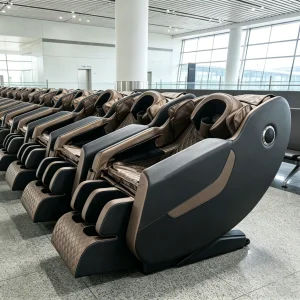
Tokyo's luxury hotel suites and premium airport lounges require durable, low-maintenance, and elegant seating options. Our power recliners with integrated USB-C charging ports, wireless charging docks, and modular adjustments provide guests with high-performance convenience while keeping structural maintenance costs low.
With Japanese corporate initiatives focusing on employee well-being, many offices in Chiyoda, Otemachi, and Shibuya are introducing relaxation zones. Installing zero-gravity recliner chairs in office wellness spaces helps staff reduce fatigue and strain during breaks, boosting productivity and office morale.
Explore our full range of smart, customizable, and high-comfort reclining options.
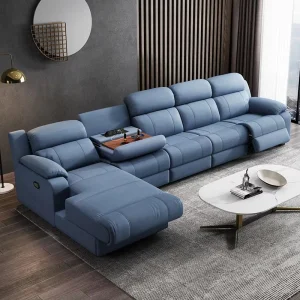
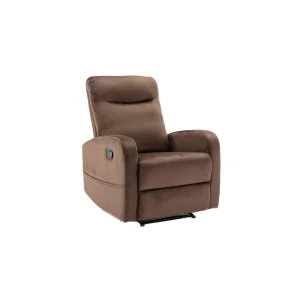
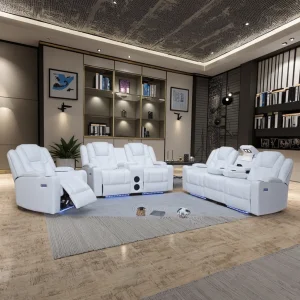
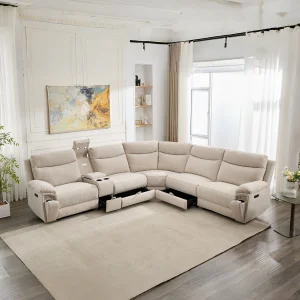
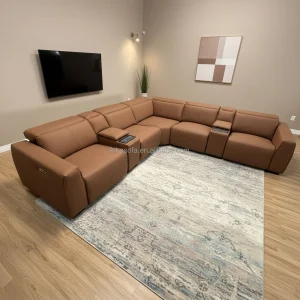
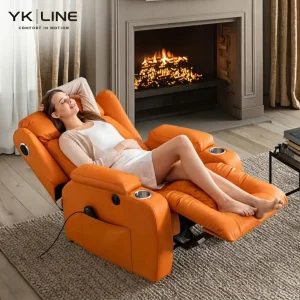
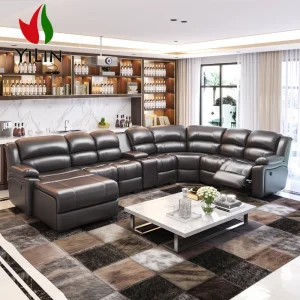
Sophisticated designs for high-end residential interiors and commercial theater lounge developments.
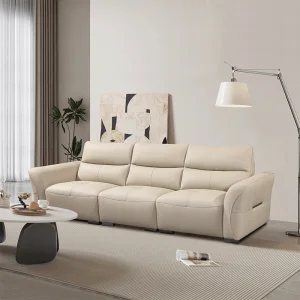
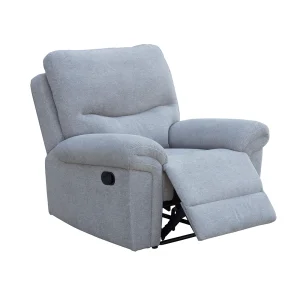
Key information regarding compliance, space utilization, and shipping parameters for Japanese buyers.
Speak with our senior design engineering team. Receive customized CAD files, material certifications, and a comprehensive B2B quotation tailored to your market requirements.
Contact Our Growth Director