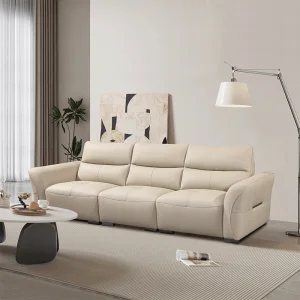
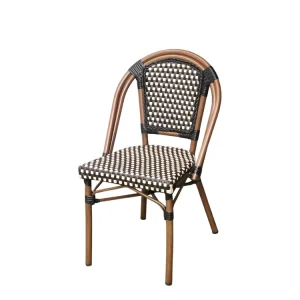
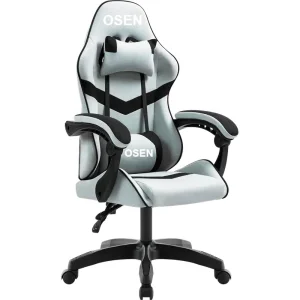
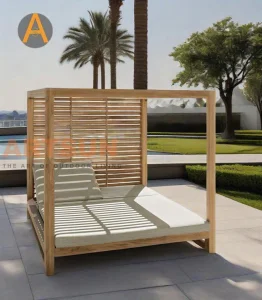
Explore our commercial-grade, weather-resistant solutions designed for global hospitality, corporate spaces, and high-end residential installations.
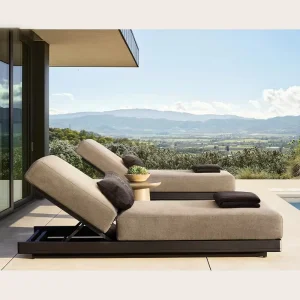
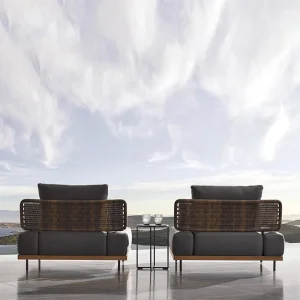
The global outdoor furniture market is undergoing a structural transition. No longer treated as secondary seasonal fixtures, outdoor sofas, lounges, and daybeds are now expected to mirror the comfort, aesthetic diversity, and structural complexity of indoor luxury furniture. Architectural trends in the hospitality, commercial office, and residential sectors demand seamless indoor-to-outdoor transitions. This evolution requires manufacturers to engineer furniture capable of withstand extreme UV exposure, high relative humidity, airborne salt particles, and rigorous cleaning protocols.
According to recent global industrial trade analyses, European and North American buyers are progressively tightening their regulatory, environmental, and structural expectations. Sourcing and procurement directors are shifting their focus away from low-cost, short-lifecycle products toward high-durability, repairable, and eco-certified configurations. A major key to unlocking these high-barrier markets is compliance with European standard directives, notably the CE Certification framework.
Why European safety and structural standards are critical for global hotel projects, luxury residential complexes, and public spaces.
Specifies fundamental safety demands for outdoor furniture, focusing on the prevention of pinch points, shear points during assembly/folding, sharp edges, and potential user injuries under normal loading conditions.
Defines mechanical performance parameters, structural stability tests, and load capacities. It verifies that chairs, loungers, and sofa frames will not tip over or collapse under static load, impact, or structural fatigue testing.
Dictates performance guidelines for outdoor dining and coffee tables, testing vertical static loads, horizontal stability, impact limits, and structural deflection under temperature fluctuations.
As a premier exporter, our engineering department ensures that every frame design—whether built from high-tensile extruded aluminum, premium natural teak, or high-performance polymers—undergoes numerical Finite Element Analysis (FEA) testing before physical tooling. This guarantees that frame integrity matches or exceeds the rigorous demands of contract-grade hospitality and commercial projects.
Zhejiang MAZIS Furniture Co., Ltd. is a modern enterprise specializing in the design, research and development, and manufacturing of high-quality outdoor furniture. The company is committed to creating durable, comfortable, and aesthetically refined outdoor living solutions for global customers.
Located in Zhejiang Province, MAZIS Furniture benefits from a strong regional manufacturing foundation and a well-developed industrial supply chain. The company operates with a dedicated independent R&D department, enabling continuous innovation in product design, materials, and manufacturing techniques.
MAZIS Furniture is equipped with advanced production facilities, including laser welding systems, precision cutting equipment, and automated plastic spraying lines. These capabilities ensure high production efficiency and consistent product quality across all categories.
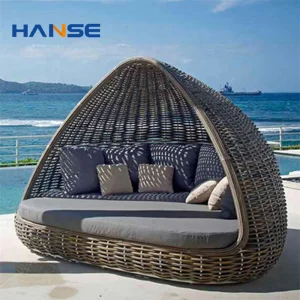
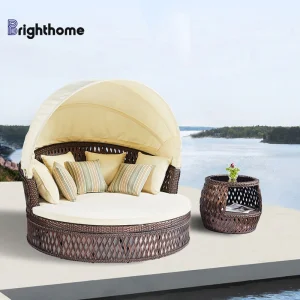
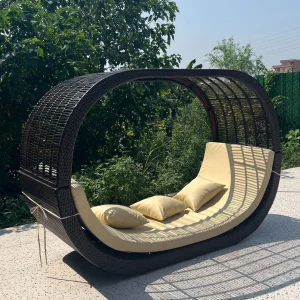
The company’s main product range includes Teslin mesh furniture, synthetic rattan furniture, and other premium outdoor leisure furniture series, widely used in gardens, patios, balconies, hotels, resorts, and commercial outdoor spaces.
With a strong focus on quality control, sustainable materials, and modern design aesthetics, Zhejiang MAZIS Furniture Co., Ltd. has established long-term cooperative relationships with buyers in more than 10 countries and regions, including Europe and North America. Its products are well recognized in international markets for their durability, weather resistance, and contemporary style. Looking ahead, MAZIS Furniture continues to uphold the principles of innovation, quality, and customer satisfaction, striving to become a trusted global supplier in the outdoor furniture industry.
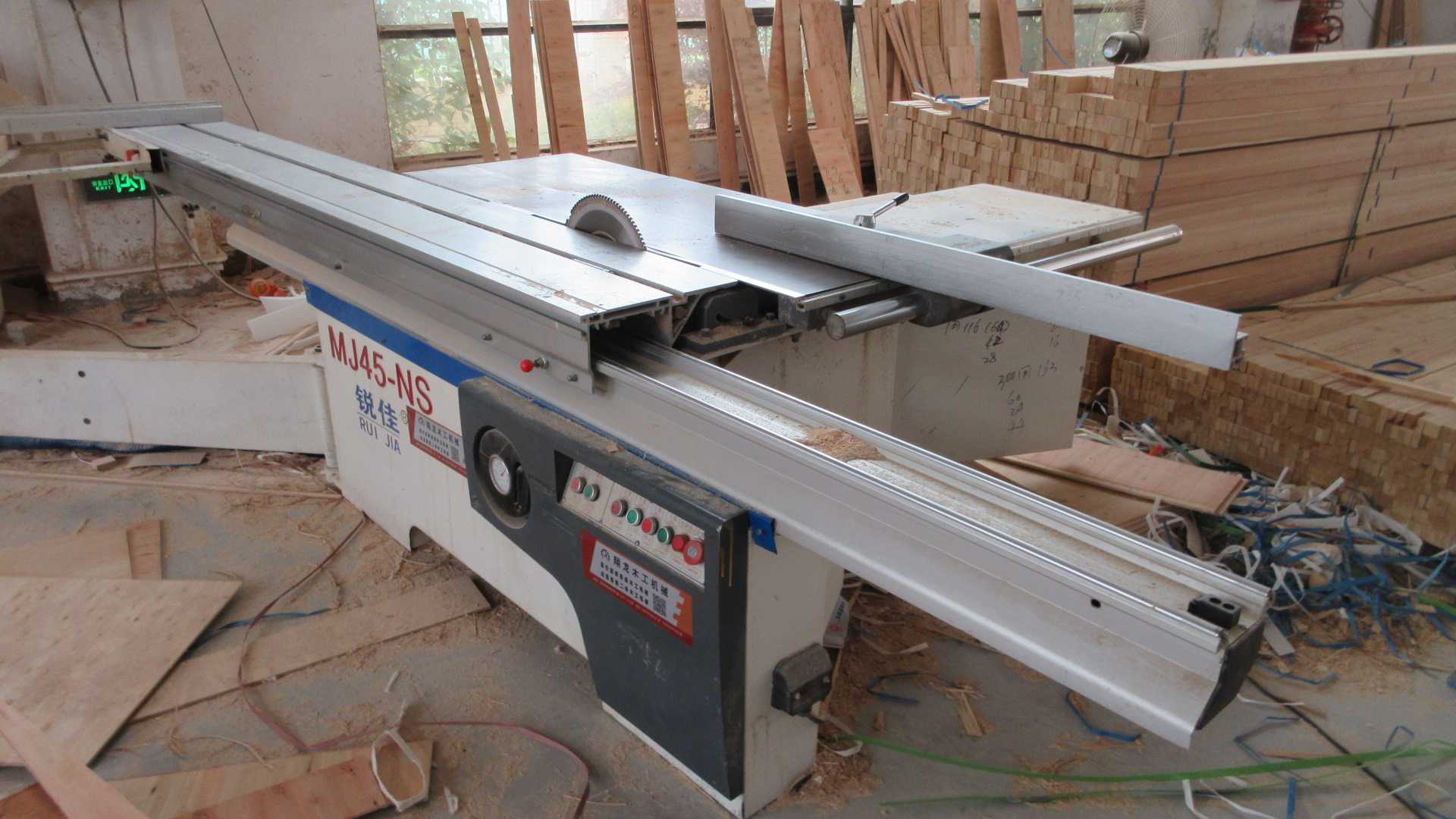
Our state-of-the-art production line operates under ISO 9001 and CE directives, ensuring every material cut, weld, and stitch aligns with contract furniture standards.
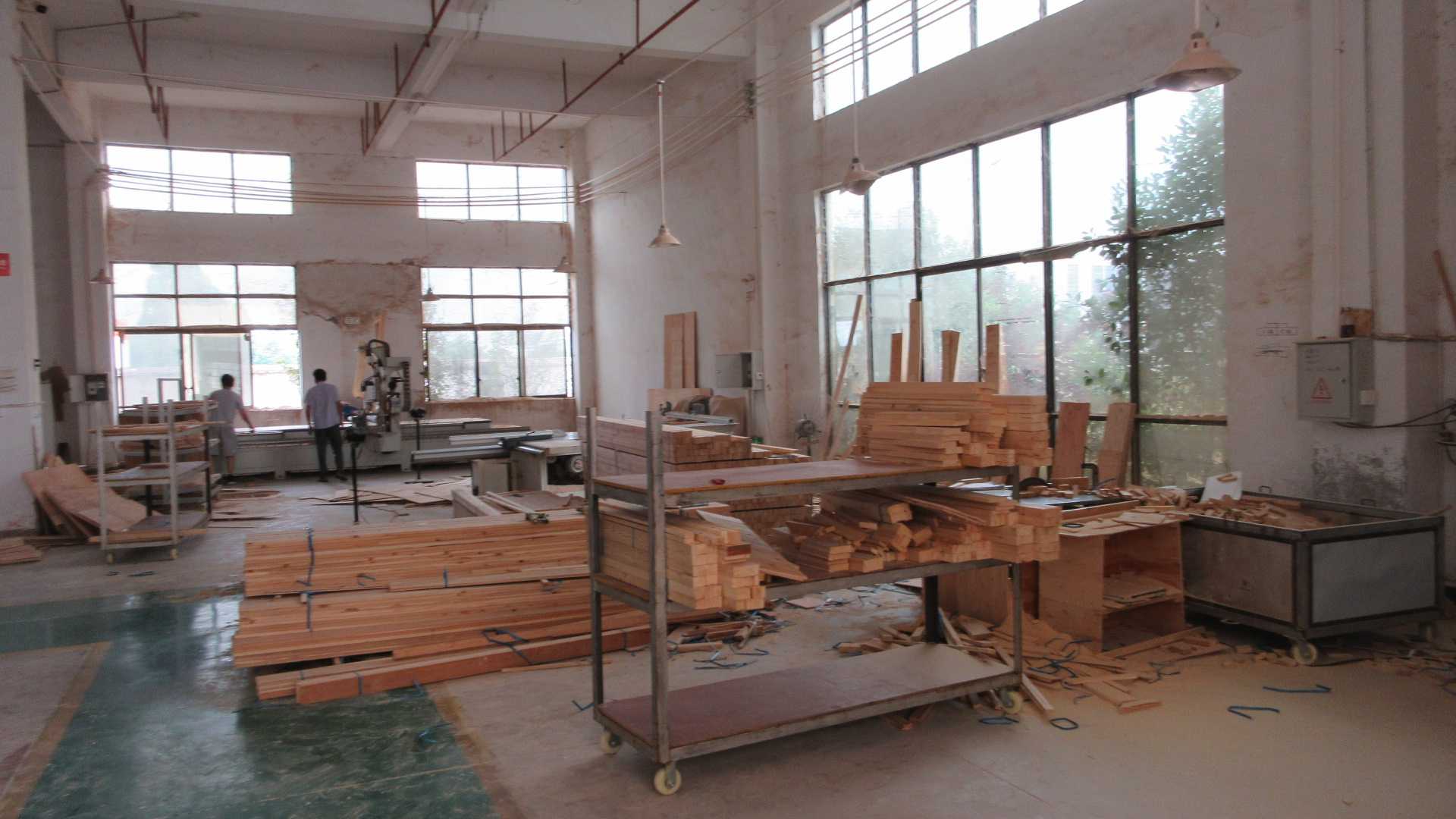
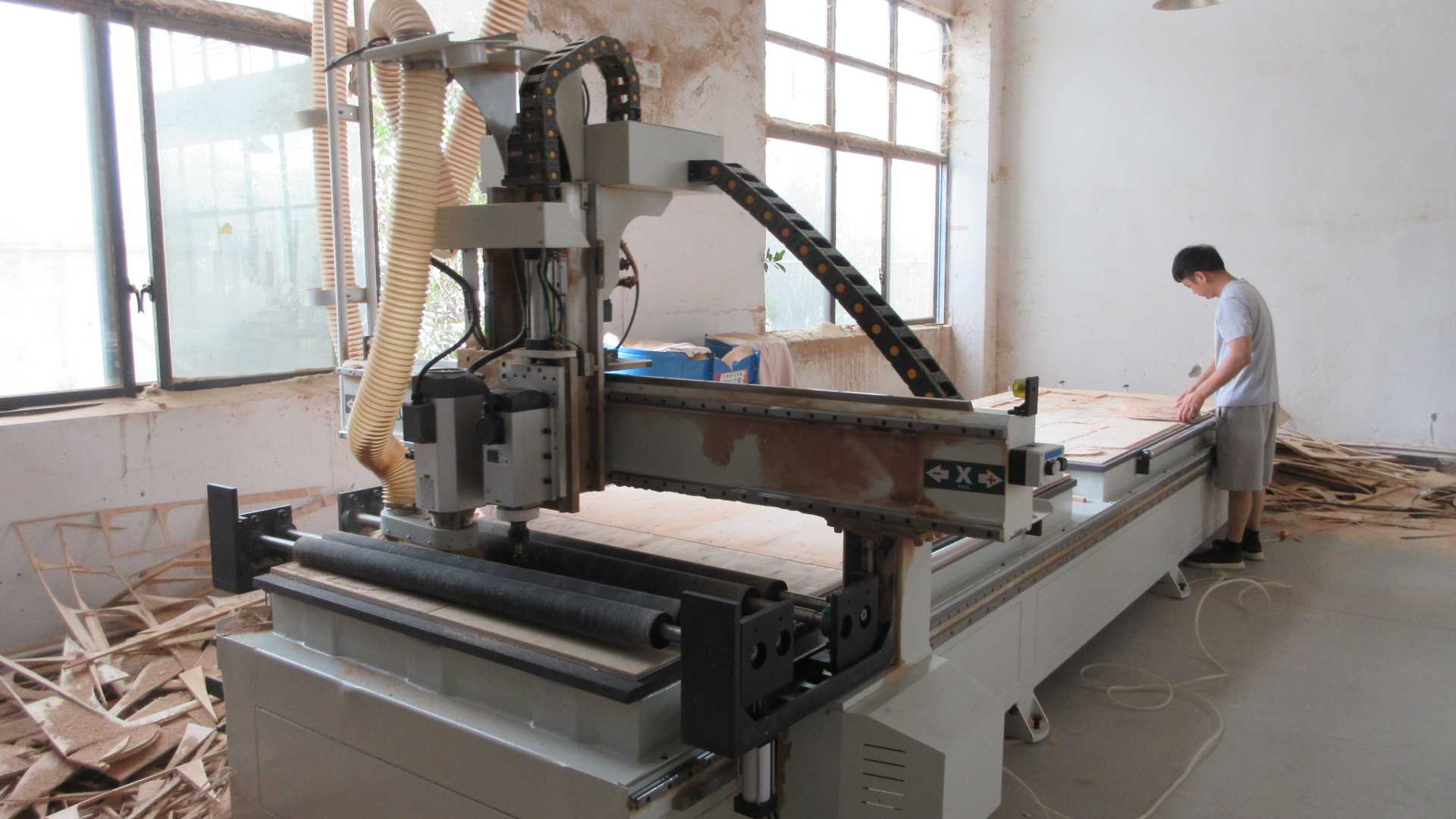
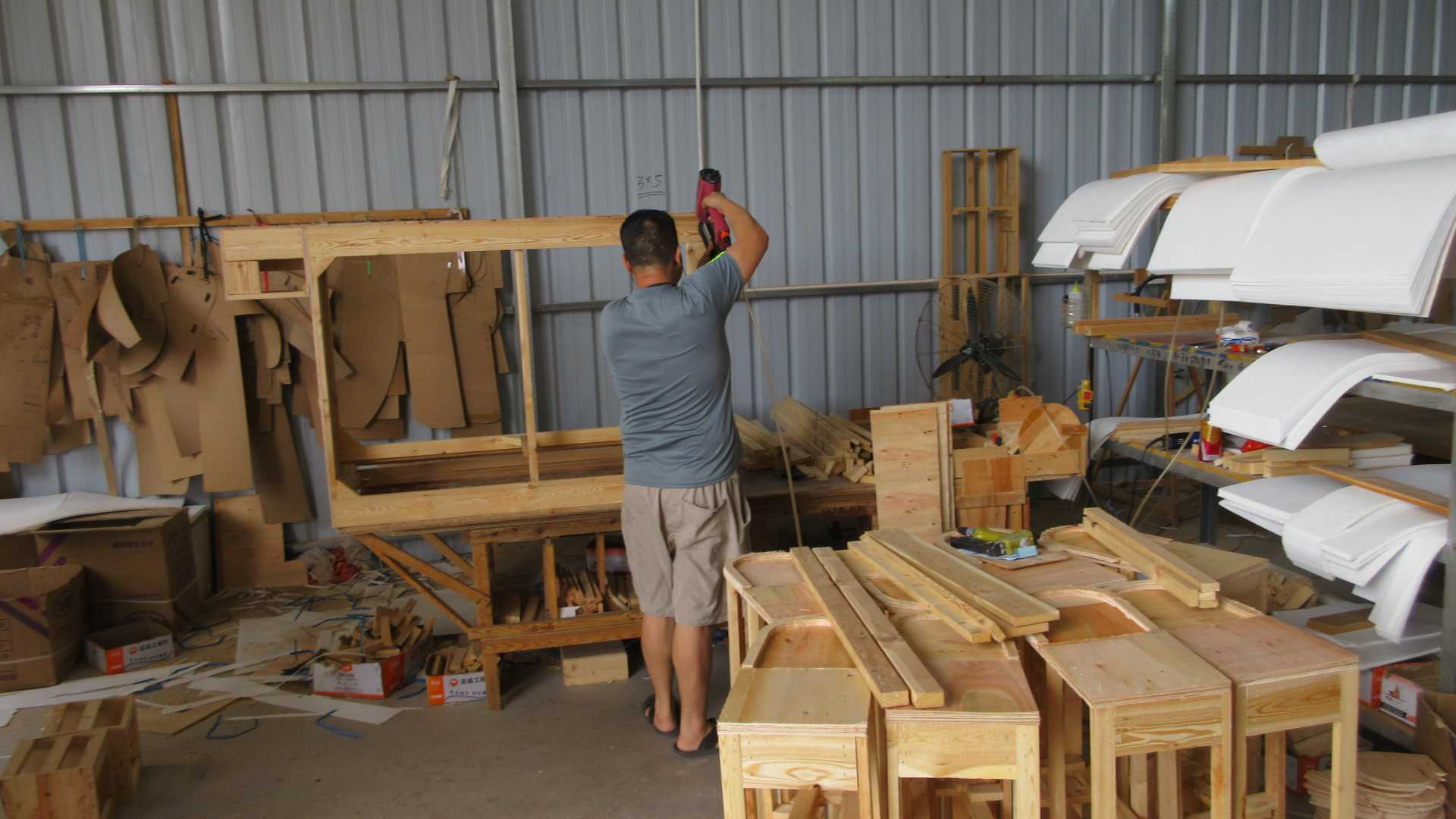
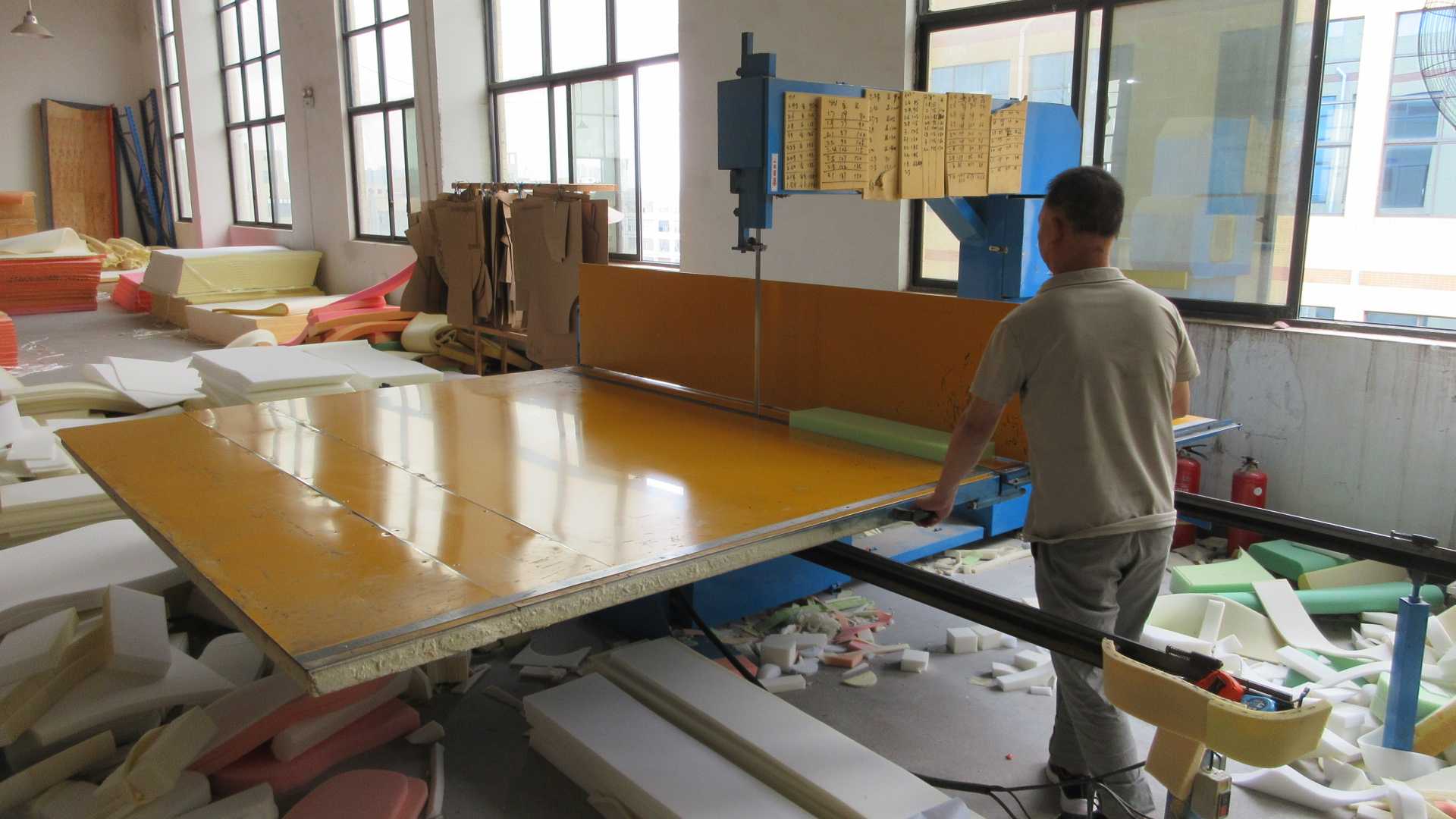
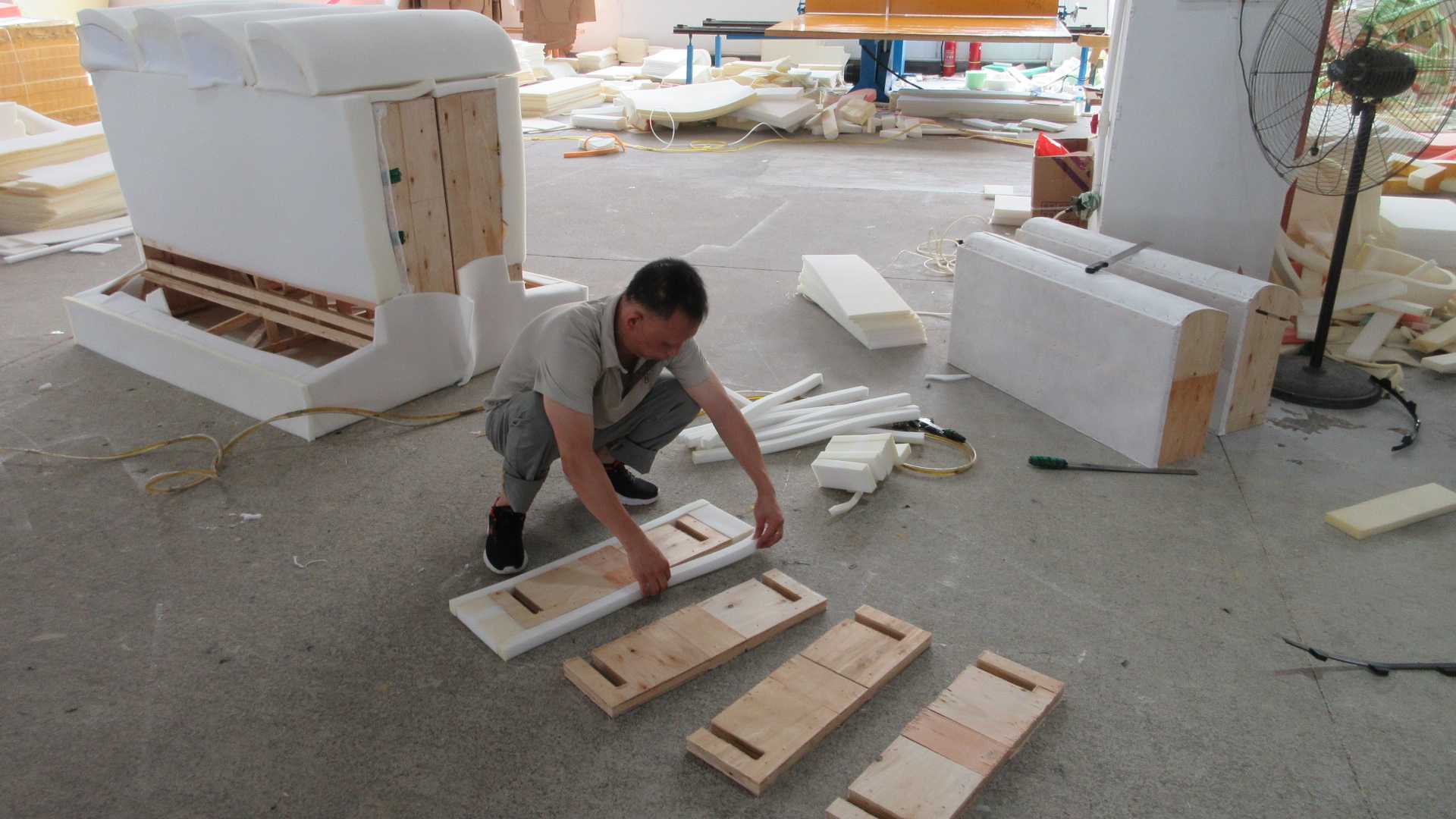
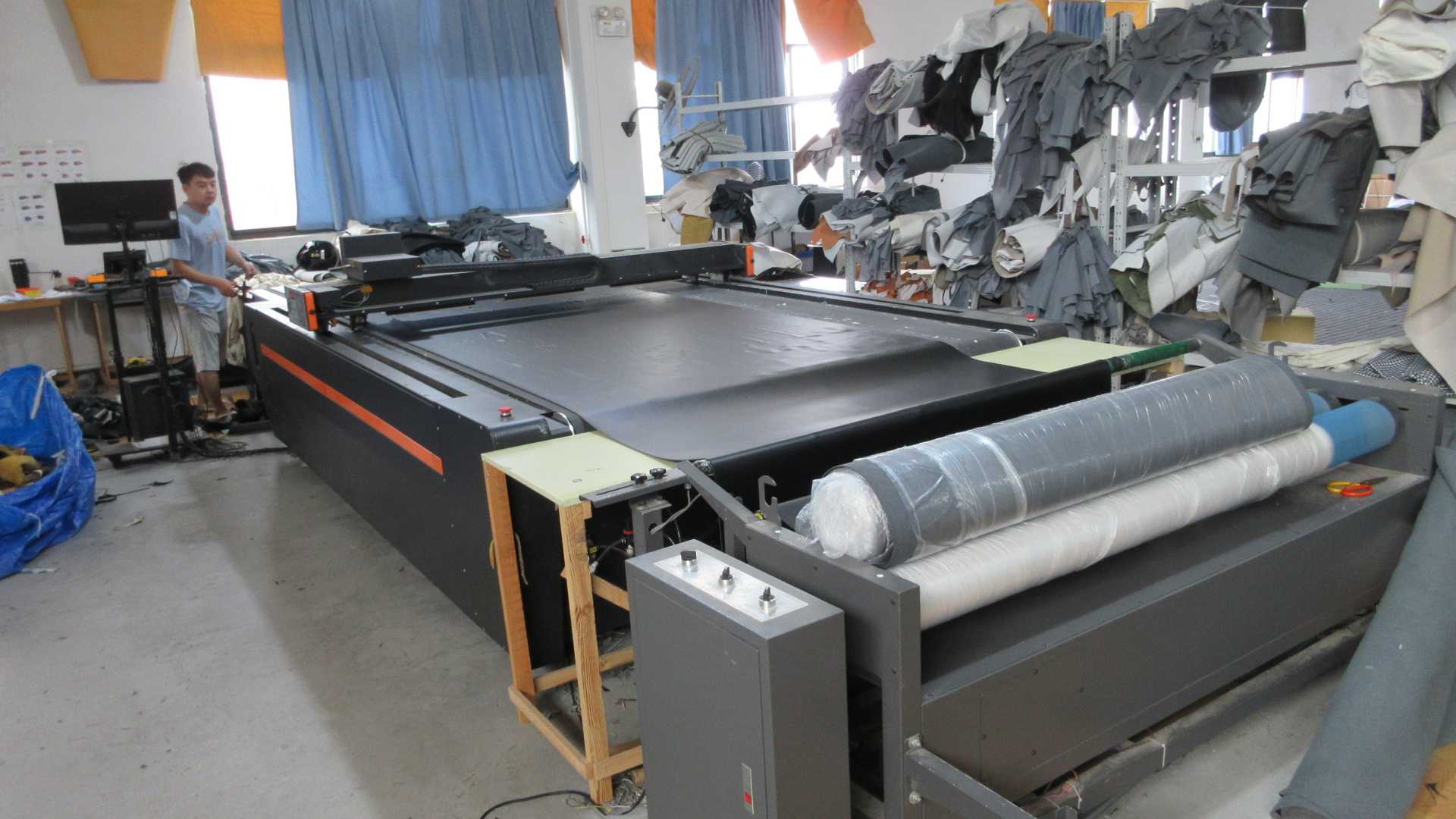
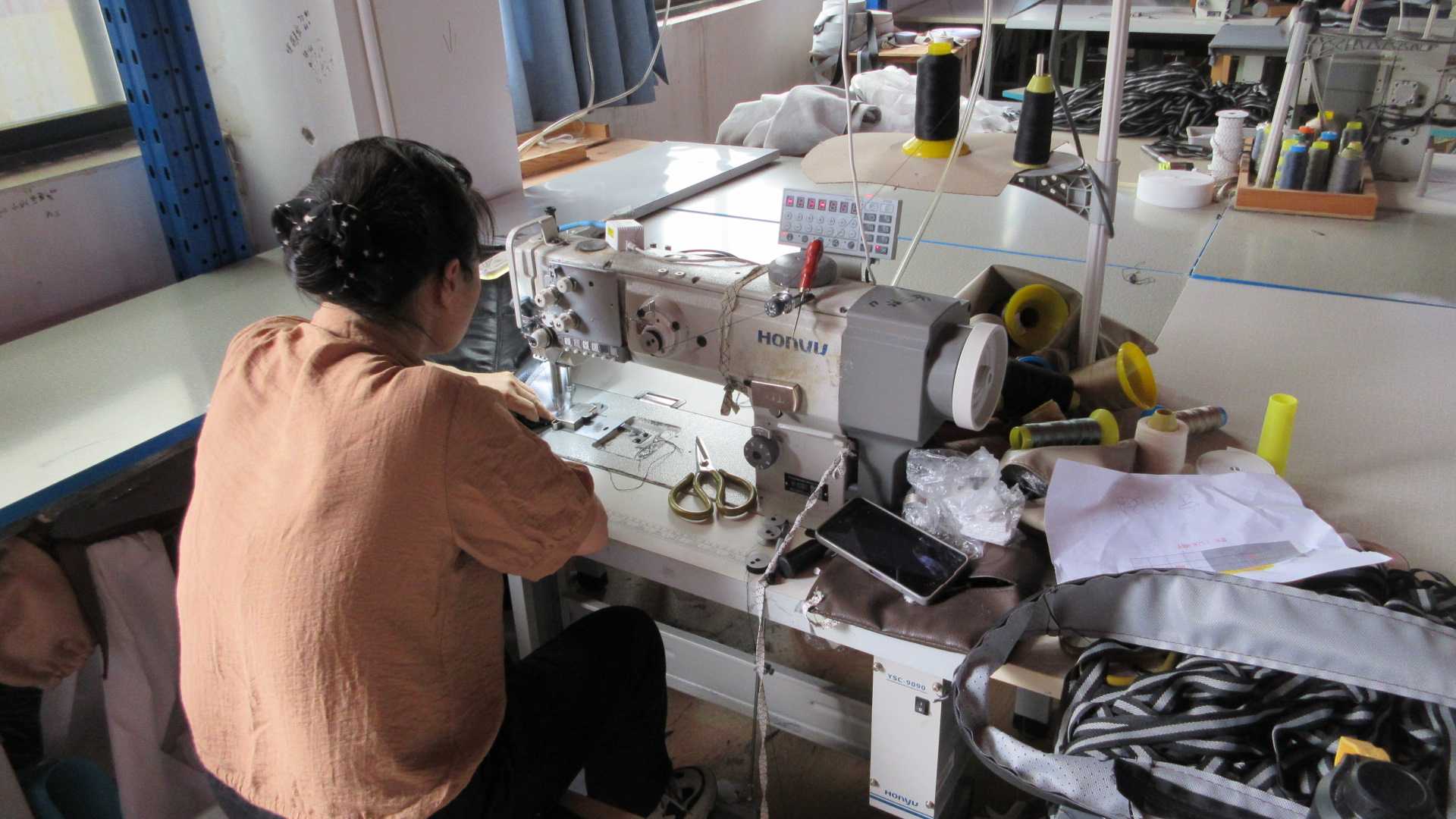
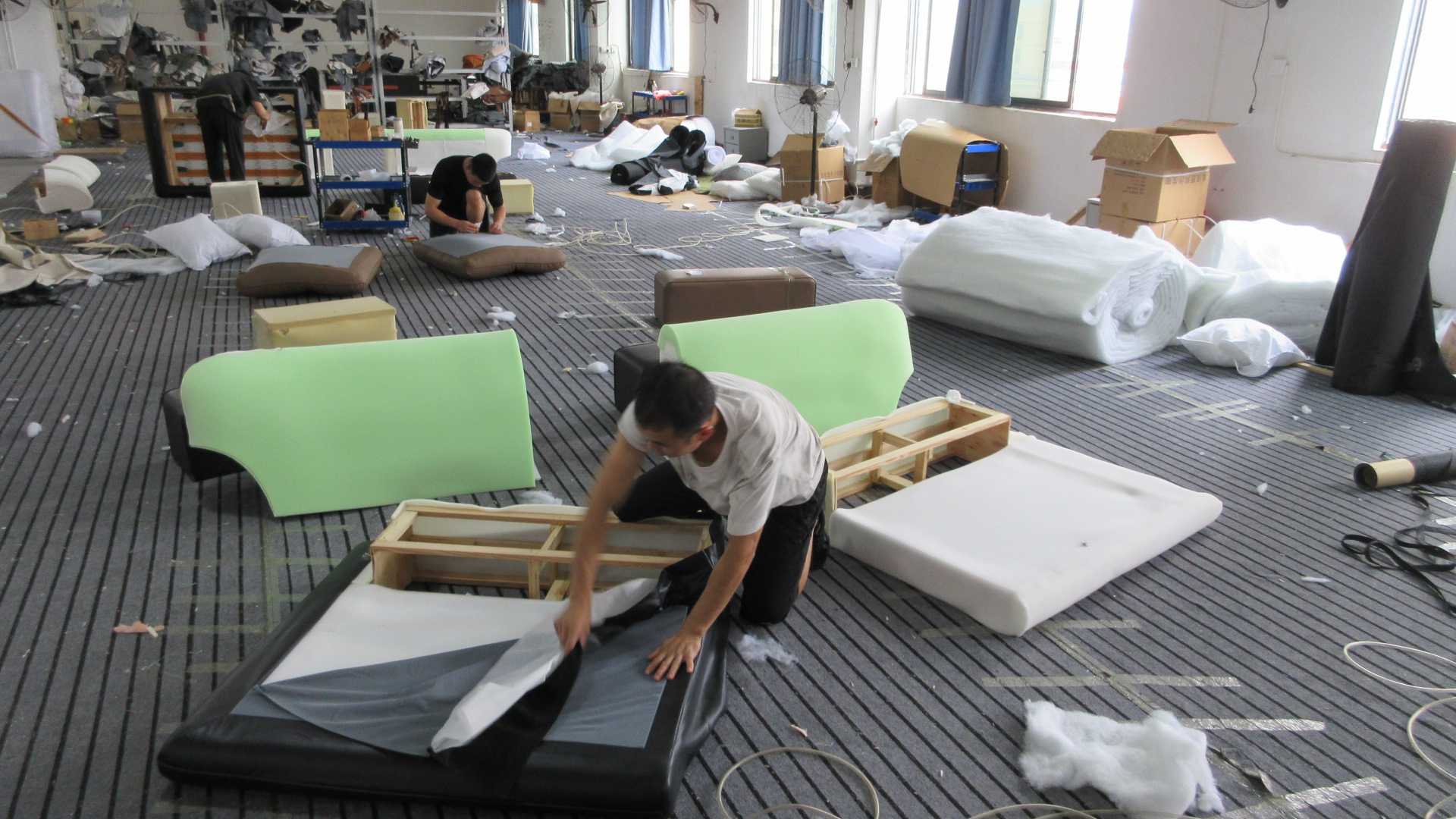
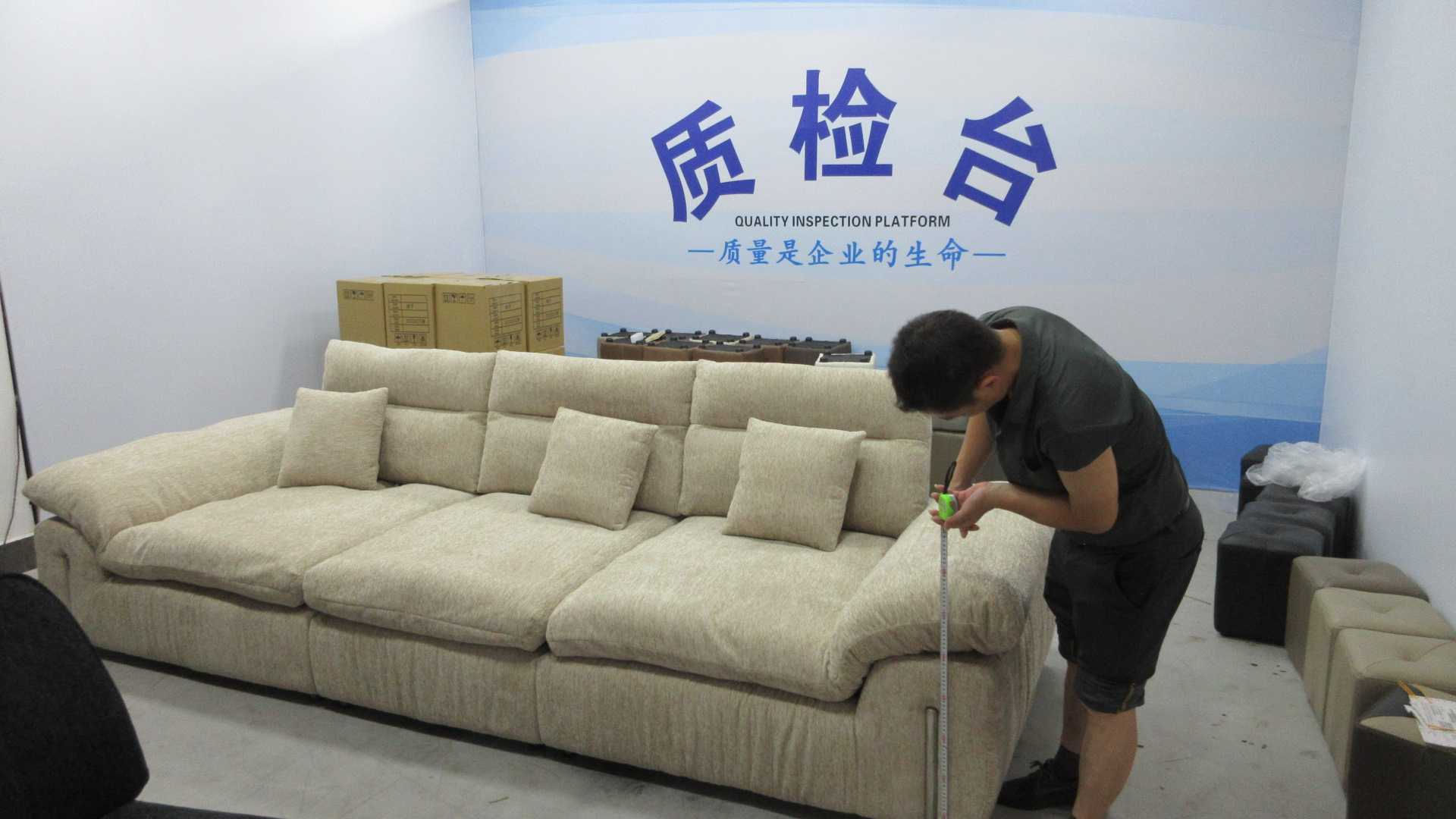
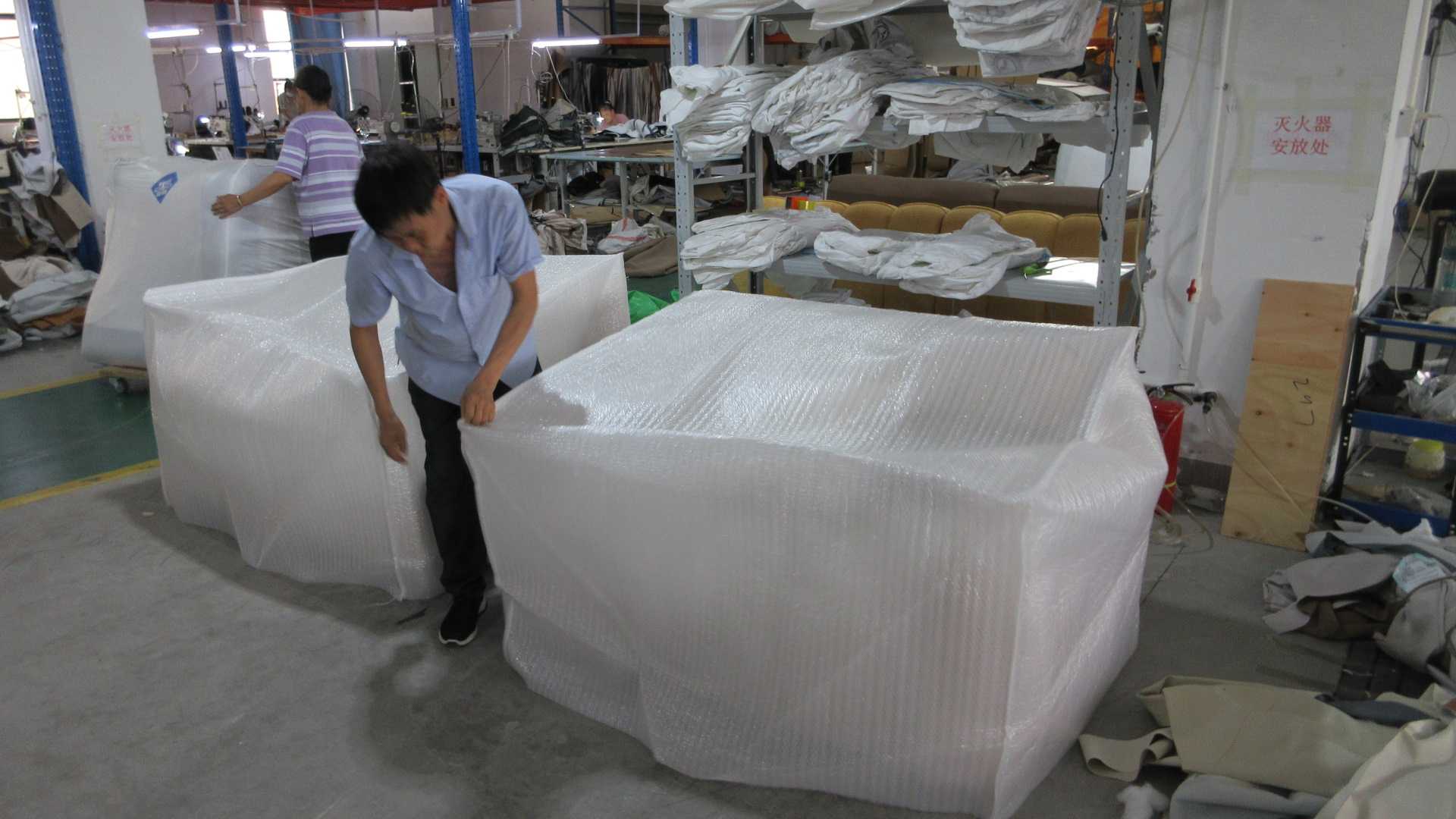
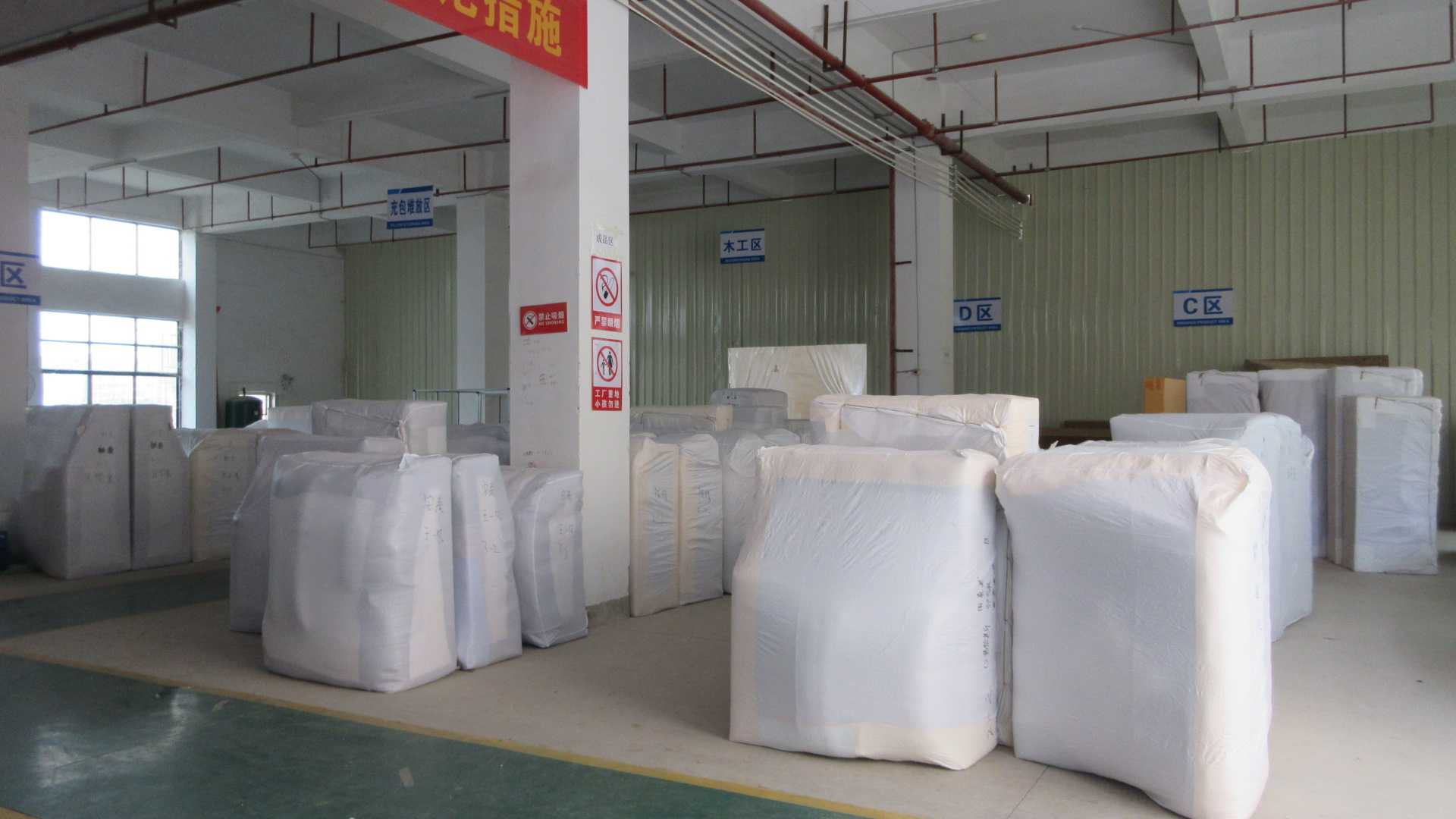
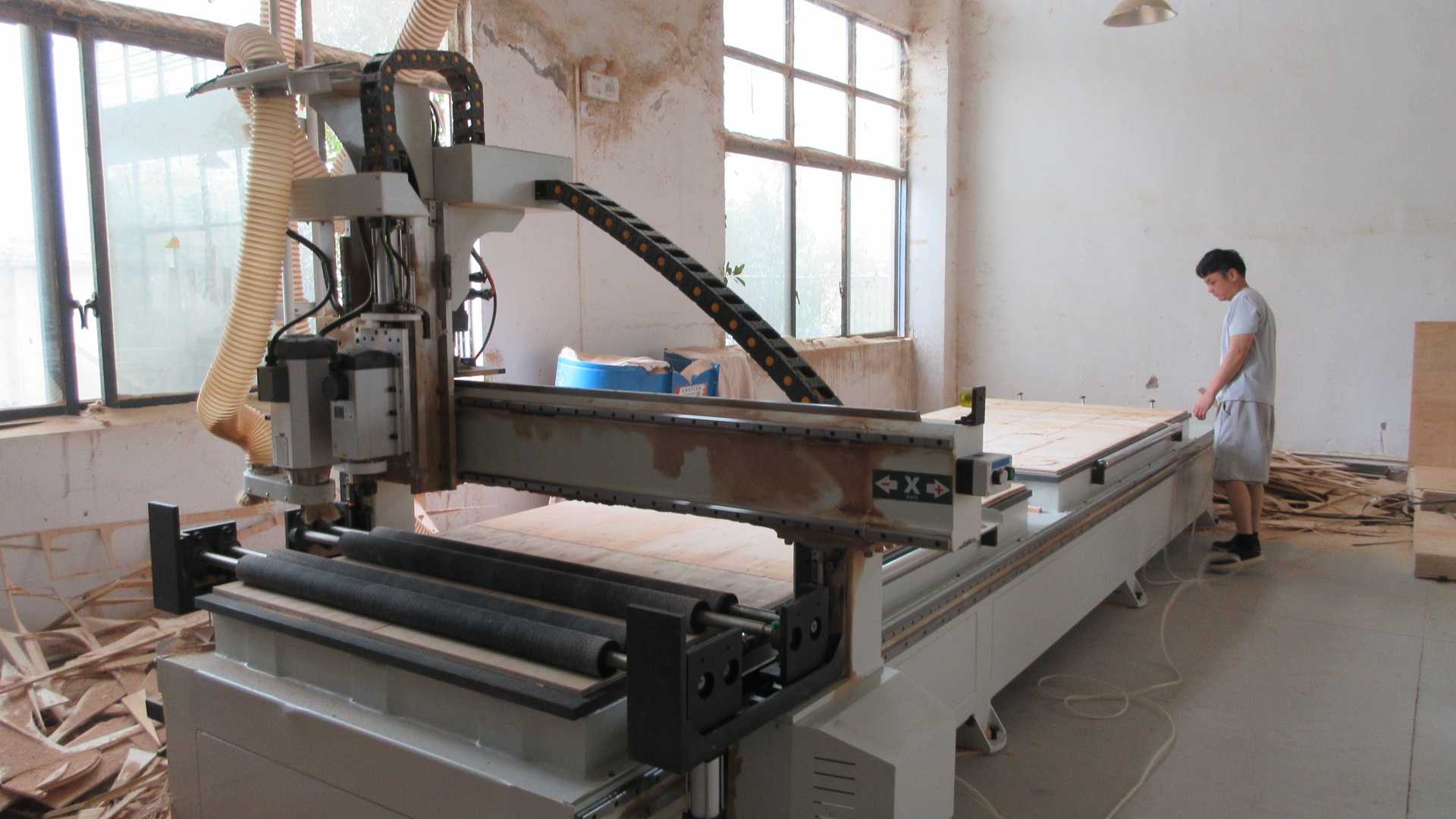
A comprehensive engineering matrix breakdown showing how our materials withstand severe weather conditions, intensive UV radiation, and heavy mechanical usage.
| Material Classification | Technical Characteristics | Weatherproofing Protocol | Standards Compliance |
|---|---|---|---|
| 6063-T5 Structural Aluminum | 1.8mm - 2.5mm wall thickness; high strength-to-weight ratio. High structural resilience against bending and torsional stresses. | AkzoNobel powder coating; salt spray resistant (ASTM B117 > 1500 hours); zero oxidation. | ISO 9227, EN 581-2 (Contract level) |
| Solution-Dyed Acrylic Fabric | 100% solution-dyed yarns; weight: 280-320g/m²; oil, water, and soil-repellent finishes (Fluorocarbon treated). | UV resistance: Grade 7-8 (ISO 105 B02); hydrostatic head water column resistance > 300mm. | BS EN ISO 105-B02, OEKO-TEX Standard 100 |
| Quick-Dry Polyurethane Foam | Open-cell reticulated polyether foam; density 30-45 kg/m³; high resilience factor > 45%. | Rapid water drainage structure; antimicrobial treatment; resists mold, mildew, and rot development. | CAL 117 (Fire retardant options available) |
| High-Grade Synthetic PE Rattan | High-density polyethylene (HDPE); customized extrusion profile (round/flat); highly elastic tensile fibers. | UV stabilizers (UV rating > 3000 hours); ozone and chlorine resistant; colorfastness level 4.5. | EN 581-1 / EN 581-2 Stability Limits |
| Grade A Sustainably Sourced Teak | High natural oil and silica content; kiln-dried to moisture content 8%-12%; machine mortise and tenon joinery. | Natural insect barrier; weather-sealed finishing option; resists splitting, warping, and rotting. | FSC (Forest Stewardship Council) Certified |
Our manufacturing facility has integrated a three-stage pre-treatment phase prior to powder coating: chemical cleaning, deionization, and chromate-free conversion coating. This creates a chemical bond between the aluminum alloy and the powder coating layer, ensuring the paint will not blister or peel in coastal marine environments.
For fabric sewing and upholstery, we employ high-tensile PTFE thread, which resists UV degradation and chemical cleaners far better than standard nylon or polyester threads. These technical advancements are crucial in ensuring the longevity of our outdoor sofa configurations in heavy-duty commercial zones.
We optimize outdoor sofa specifications to suit diverse regional environments and architectural configurations.
Challenge: Excessive solar radiation leads to material brittleness and color fading.
Engineering Solution: We implement specialized UV-absorbers during PE rattan manufacturing. Fabrics are specified with solution-dyed acrylics displaying Grade 8 lightfastness, and frames are built with thicker structural-grade aluminum profiles to handle heat dissipation without structural deformation.
Challenge: Salt spray rusts metals, while high humidity creates mold on cushions.
Engineering Solution: Frame joints are fully welded with robotic gas metal arc welding (GMAW) to prevent water ingress. We use open-cell quick-dry foam and mesh venting in cushion covers to allow rapid air circulation and immediate moisture evaporation.
Challenge: Wind loading, constant public usage, and stain risks from drinks/food.
Engineering Solution: Weighted modular frames preventing wind displacement. Fabrics are treated with liquid barriers and fluorocarbon coatings, allowing easy cleanup. All joints meet commercial-grade EN 581-2 stability criteria.
Our R&D department continues to innovate, ensuring our products match the ecological and technological expectations of tomorrow.
Commercial spaces are increasingly demanding integrated power solutions. We are testing modular outdoor sofas incorporating hidden monocrystalline solar panels. These panels feed low-voltage power into weather-resistant lithium batteries, allowing users to charge devices via wireless chargers or waterproof USB ports embedded in teak armrests.
As global ESG (Environmental, Social, and Governance) targets tighten, our designs prioritize disassembly. All plastic elements, metal frames, and fabrics can be easily separated at the end of their lifecycle. We are steadily increasing the percentage of PCR (Post-Consumer Recycled) plastic in our synthetic PE rattan fibers without compromising tensile strength.
The line between "work" and "leisure" has blurred. Outdoor sofas are now being configured to support active working postures, incorporating adjustable seat depths, integrated tablet shelves, and acoustic privacy panels. We use 3D modeling to simulate spine load, developing ergonomic seating angles that provide prolonged comfort for both lounging and remote outdoor working.
Through CAD and computerized fabric laying, we provide custom sizing, configurations, and branding options for large-scale procurement. Architects can select from modular units, L-shaped setups, built-in planters, and integrated lighting, ensuring complete cohesiveness within high-end architectural plans.
Answers to critical questions asked by procurement directors, contract specifiers, and global importers.
A comprehensive range of high-performance interior and exterior contract seating, crafted for maximum durability and timeless aesthetics.