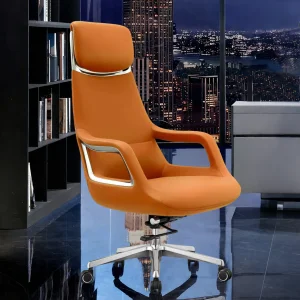
Explore our engineering portfolio featuring top-tier designs tailored for ergonomic comfort, high durability, and commercial-grade applications.
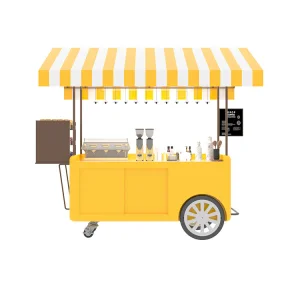
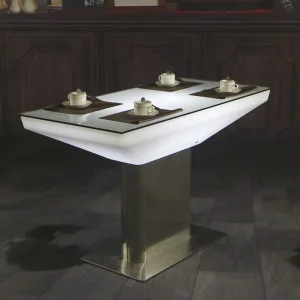
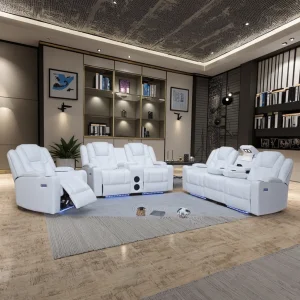
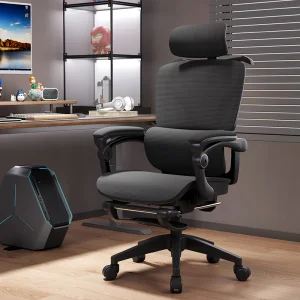
In-depth insights into market evolution, material engineering breakthroughs, global B2B procurement optimization, and advanced Chinese smart manufacturing systems.
The global portable sleep and outdoor leisure market has undergone a significant paradigm shift. Once considered mere temporary solutions for camping or emergency lodging, modern inflatable beds and air-supported furniture have evolved into sophisticated, high-performance systems. Today’s global procurement requirements demand high structural integrity, exceptional wear resistance, rapid inflation technologies, and eco-friendly raw materials. Zhejiang MAZIS Furniture Co., Ltd., a modern enterprise specializing in the design, research, and development of high-quality outdoor and leisure furniture, is at the forefront of this industrial transformation. By leveraging localized supply chains and integrated engineering excellence in Zhejiang Province, the company offers premium global buyers unparalleled reliability, durability, and customized adaptability.
The evolution of the air bed industry is directly linked to breakthroughs in polymer material sciences. Historically, Polyvinyl Chloride (PVC) dominated the manufacturing sector. However, traditional PVC suffered from several distinct limitations: it tended to stiffen and crack in colder environments, released harmful plasticizers over time, and offered limited structural support under high loads. The rise of Thermoplastic Polyurethane (TPU) composite materials has addressed these issues, yielding stronger, more flexible, and environmentally sound products.
Concurrently, the internal structure of air beds has evolved from basic longitudinal chamber patterns to advanced Coil-Beam Structures and Comfort-Cell Technologies. These internal systems utilize high-tensile polyester fibers to connect the top and bottom surfaces, distributing pressure evenly. The outcome is a sleep surface that mirrors the support and comfort of premium traditional mattresses. This transition has unlocked opportunities across new sectors, including luxury eco-resorts, medical recovery spaces, high-end hospitality, and modern office relaxation suites.
"Modern air comfort design focuses on biomechanical support. Realizing proper spinal alignment in an inflatable platform requires precision engineering of internal drop-stitch fibers and reliable multi-chamber inflation chambers."
Commercial B2B buyers—ranging from multinational retail brands and distributors to real estate developers and humanitarian agencies—demand high performance and compliance from their supply chain partners. For an inflatable bed manufacturer to succeed in international markets, compliance with several rigorous safety and environmental frameworks is essential:
Furthermore, procurement strategies are shifting towards "Total Cost of Ownership (TCO)" metrics. Distributors prioritize manufacturers who offer zero-leakage guarantees, robust warranties, compact package sizes for lower shipping costs, and customizable OEM/ODM solutions to build competitive advantages in crowded markets.
Located in Zhejiang Province, Zhejiang MAZIS Furniture Co., Ltd. benefits from a strong regional manufacturing foundation and a well-developed industrial supply chain. Known for its durable and aesthetically refined outdoor and leisure furniture, the company integrates advanced manufacturing technologies to supply buyers in over 10 countries, including Europe and North America.
With an independent R&D department, MAZIS continuously pushes the boundaries of material performance and ergonomics. Their facility is equipped with laser cutting systems, precision welding machines, and automated spraying lines. While renowned for premium synthetic rattan and Teslin mesh furniture, MAZIS utilizes these high-precision metalwork and sewing lines to manufacture composite materials and premium hybrid leisure platforms, ensuring high production efficiency and consistent product quality.
A step-by-step showcase of the modern manufacturing workflow, highlighting our precision engineering, high-efficiency equipment, and rigorous quality controls.
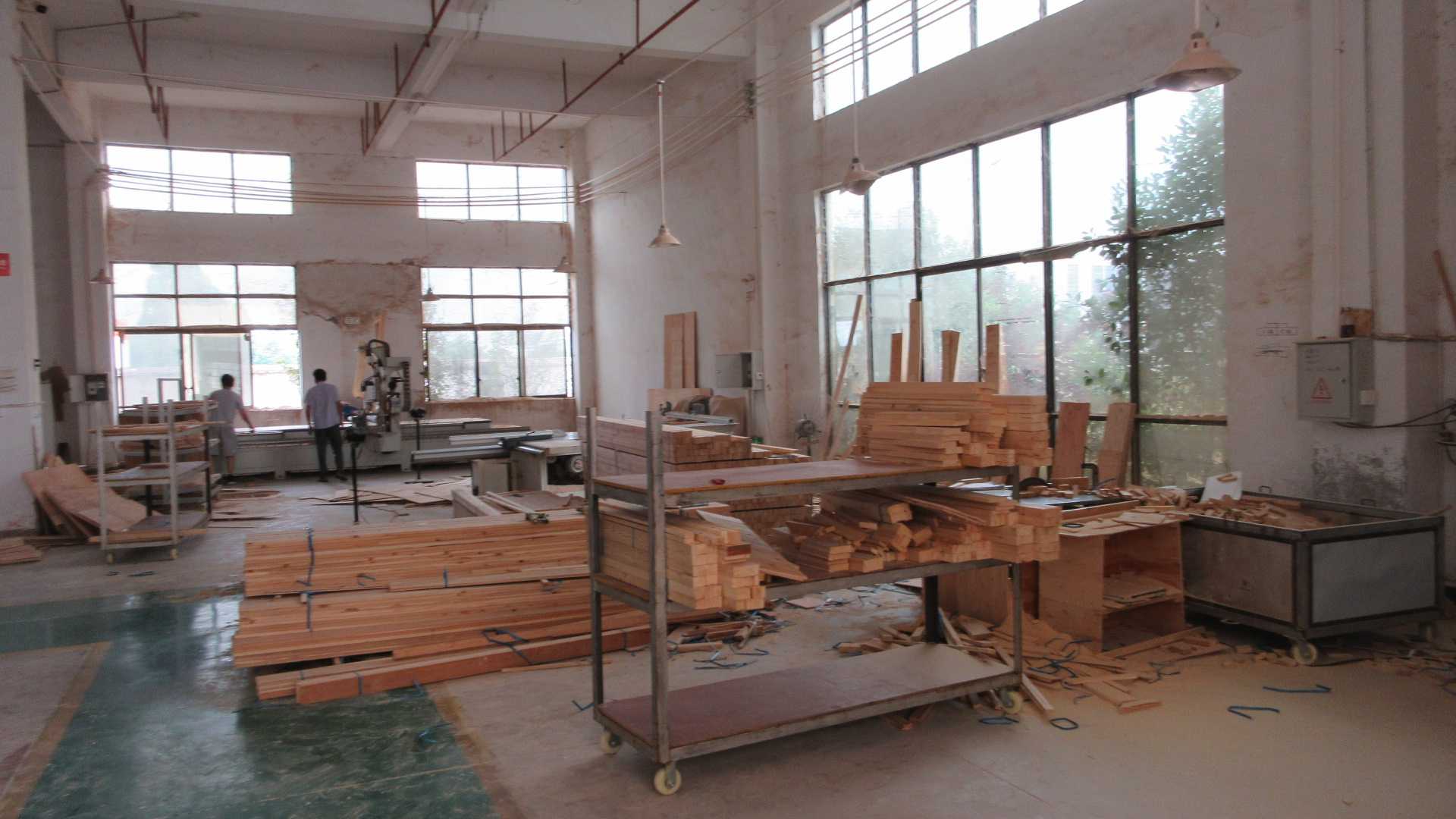
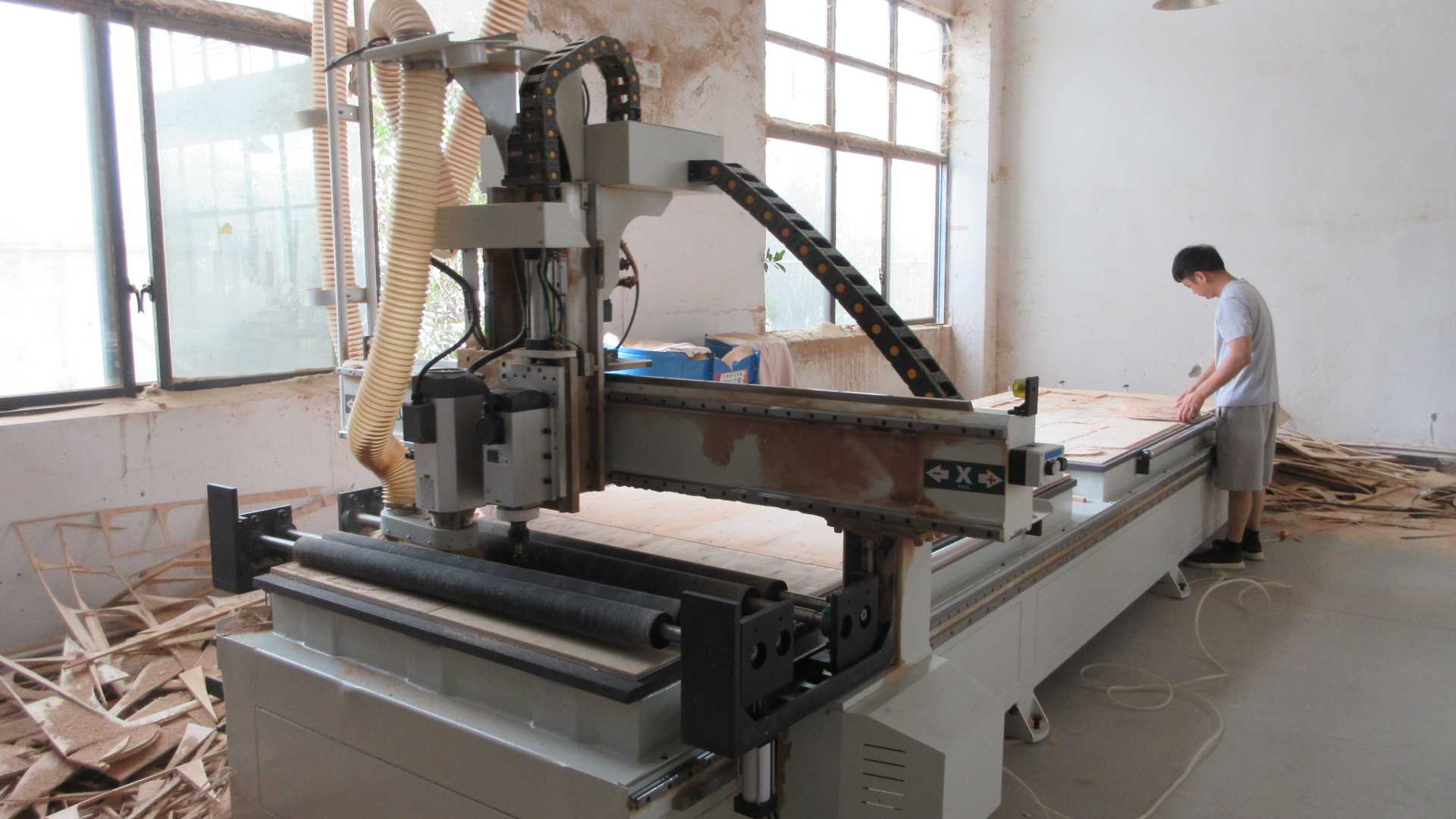
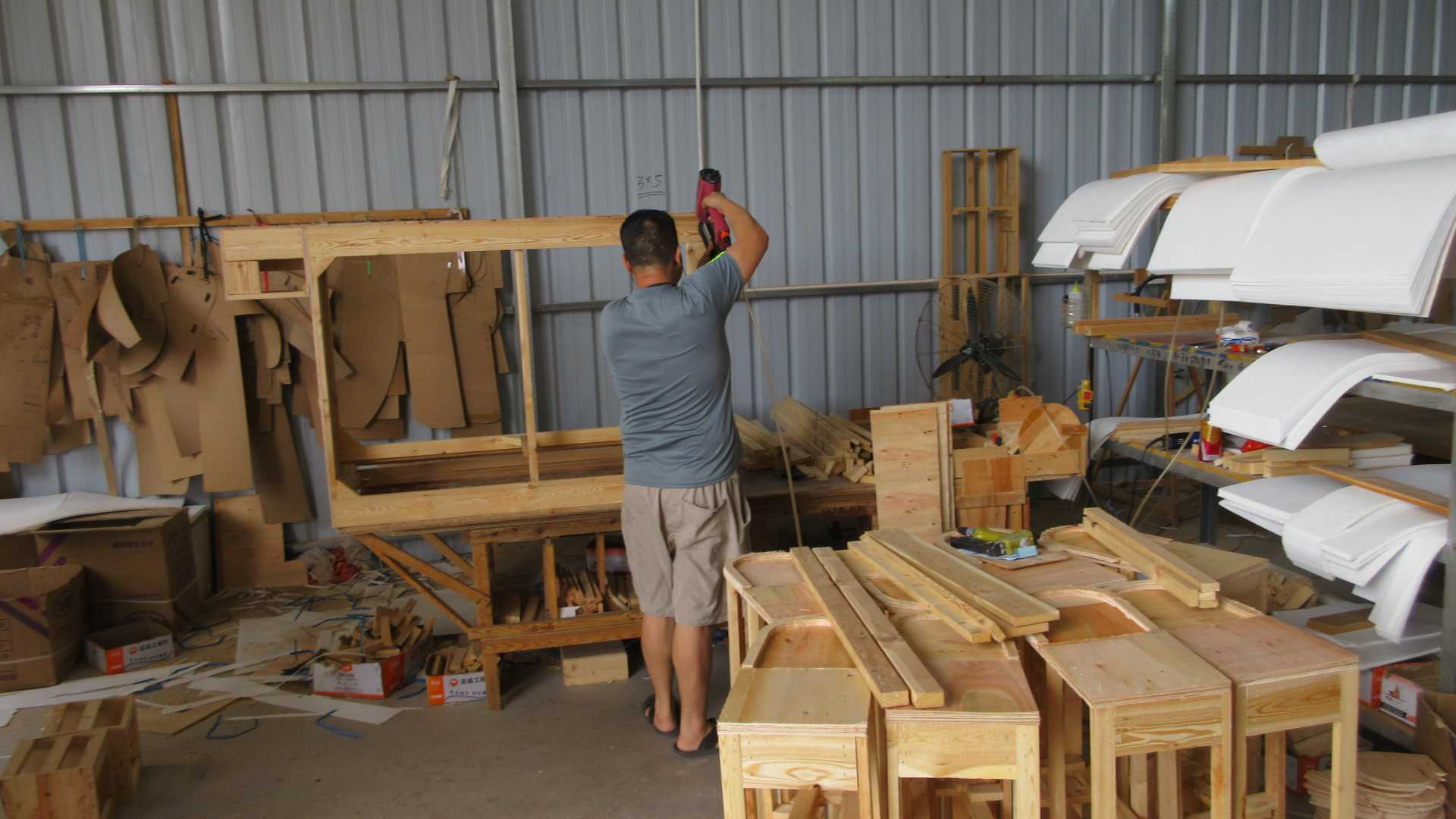
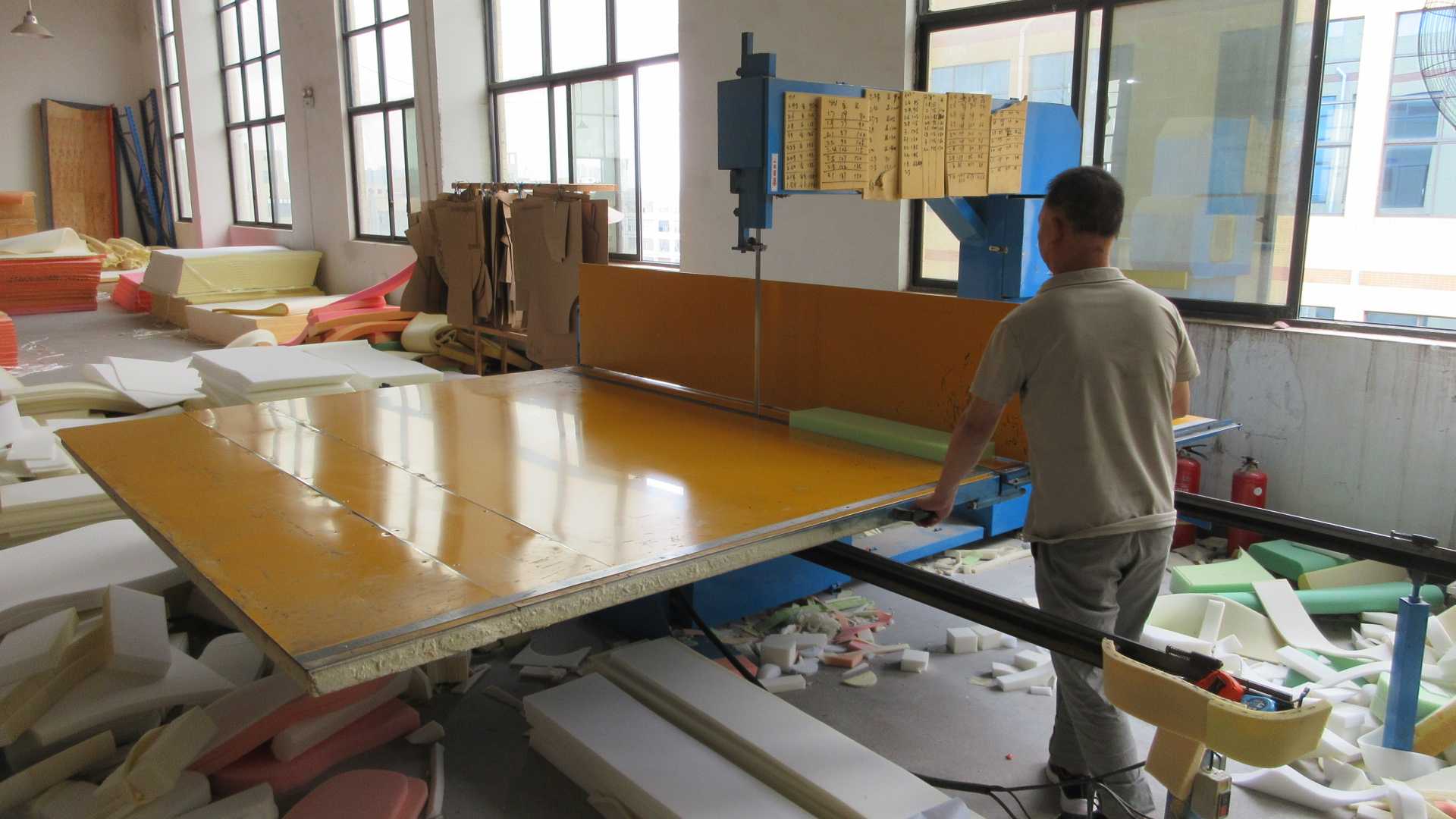
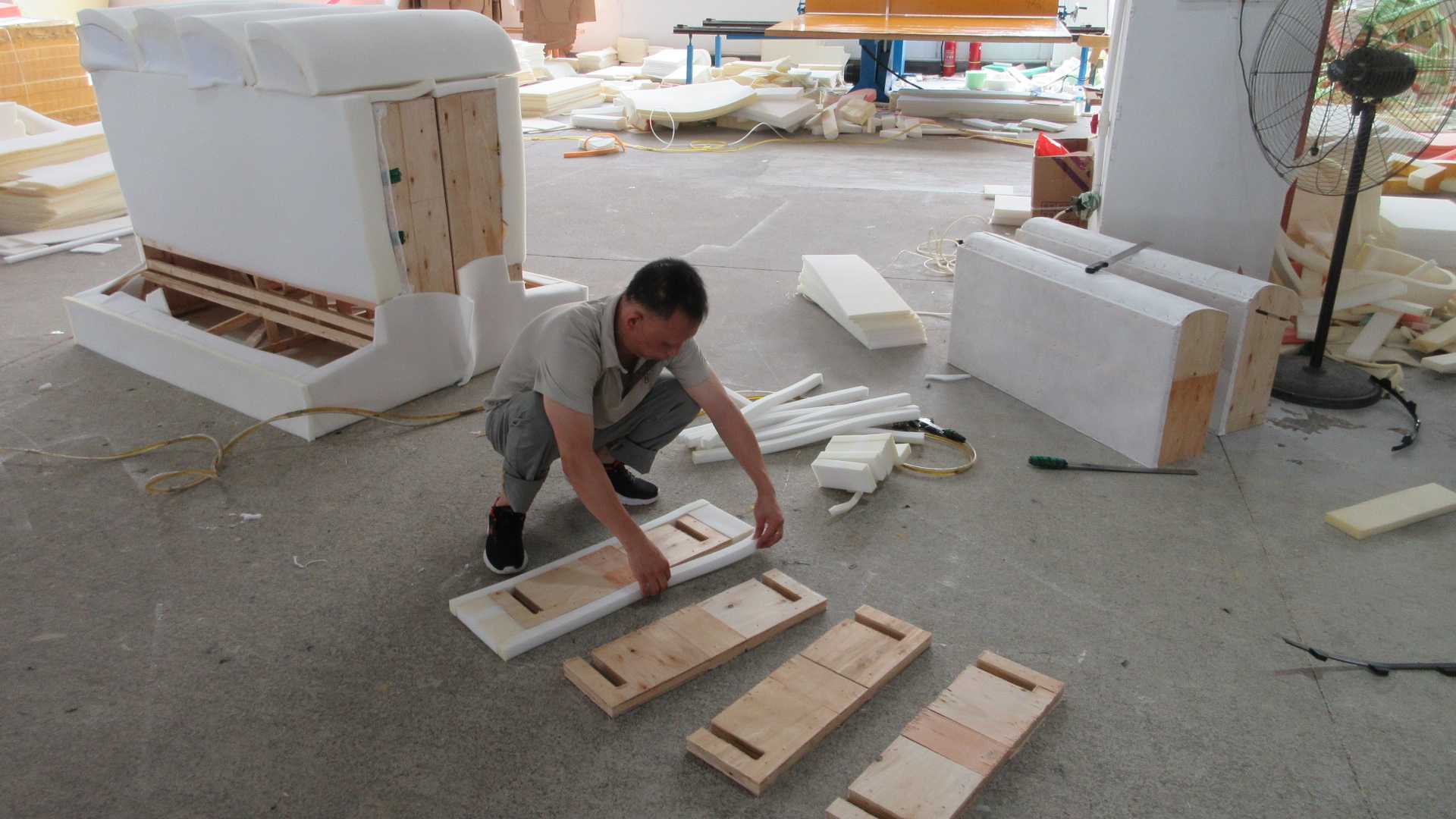
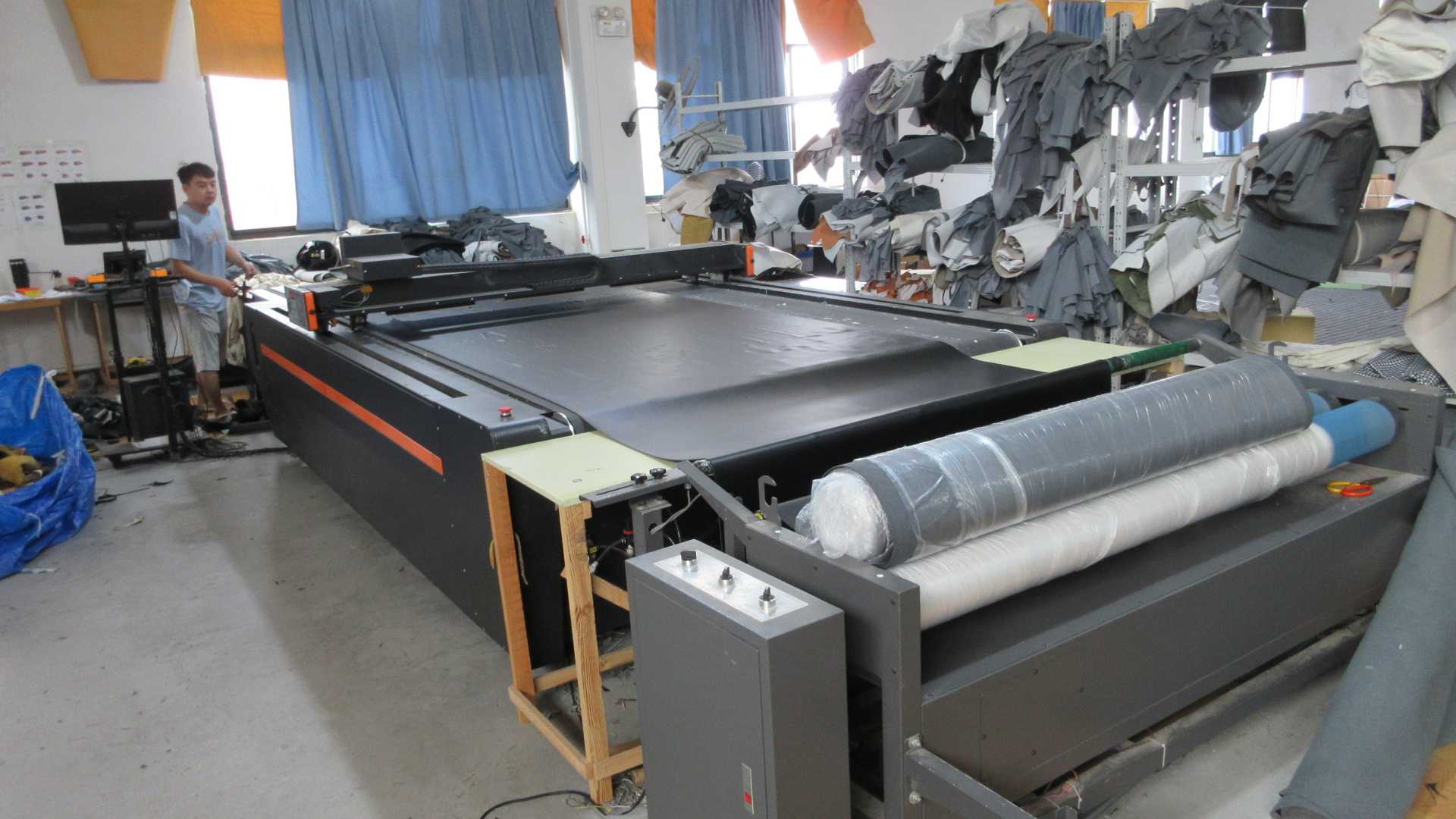
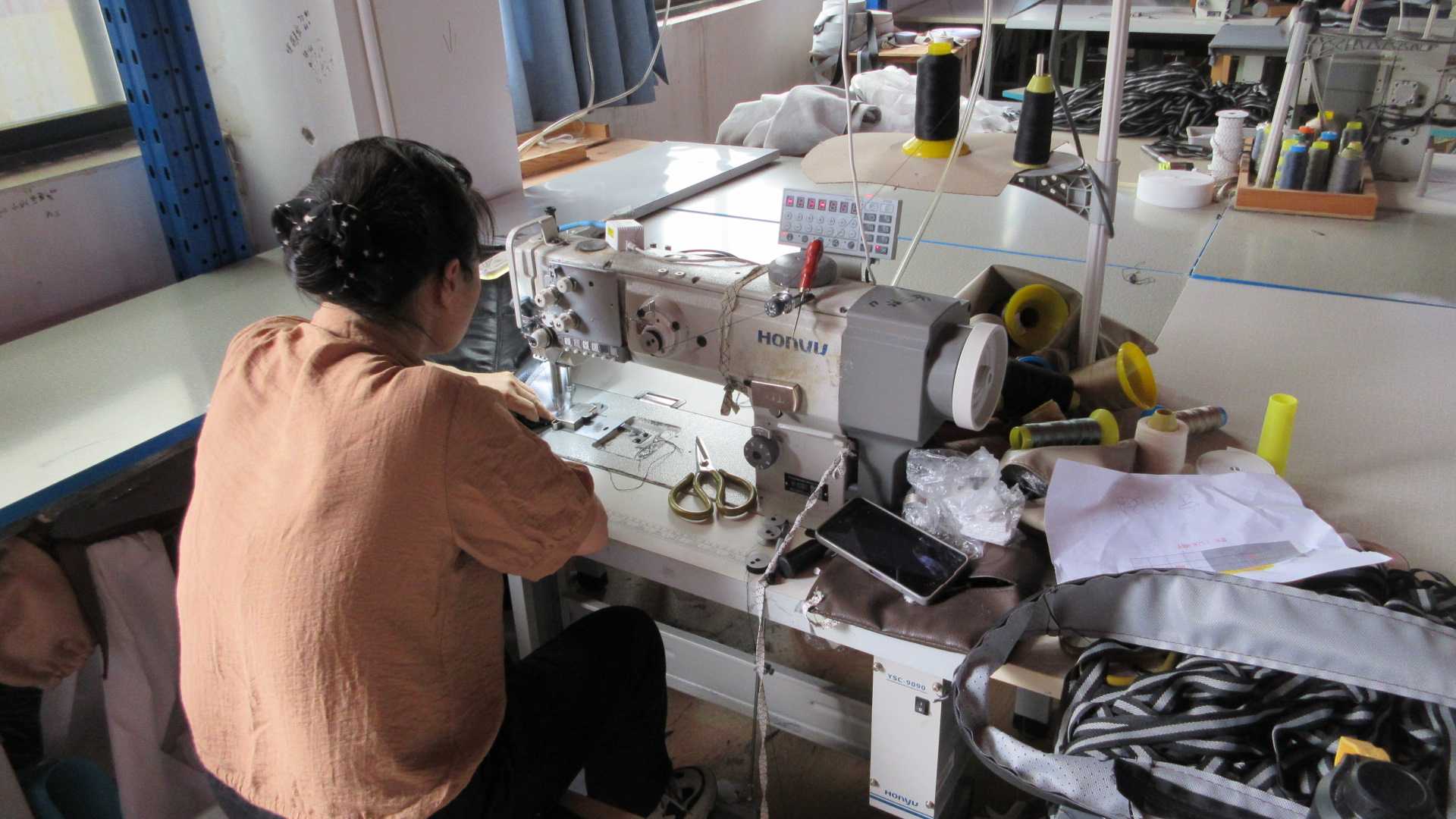
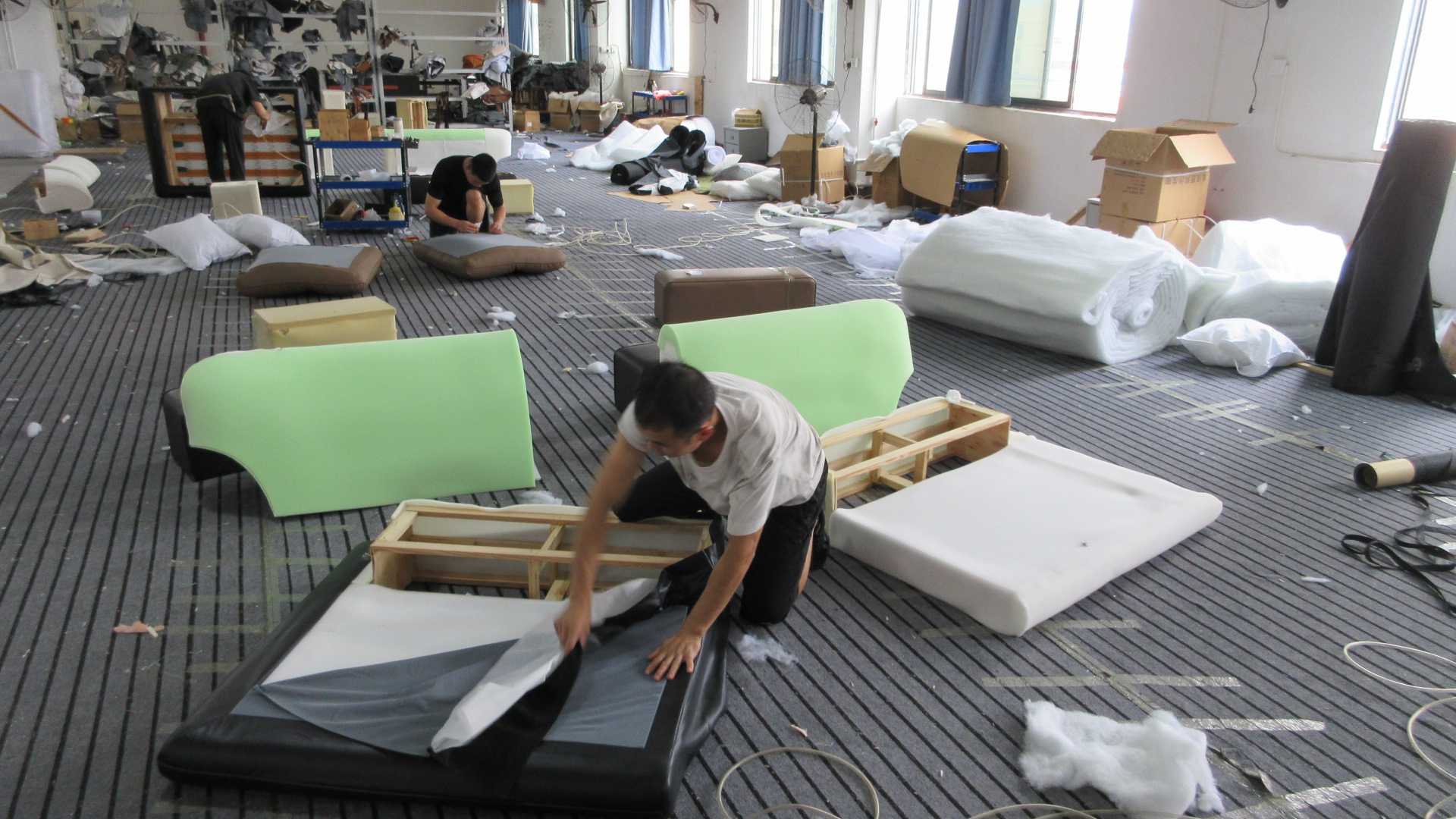
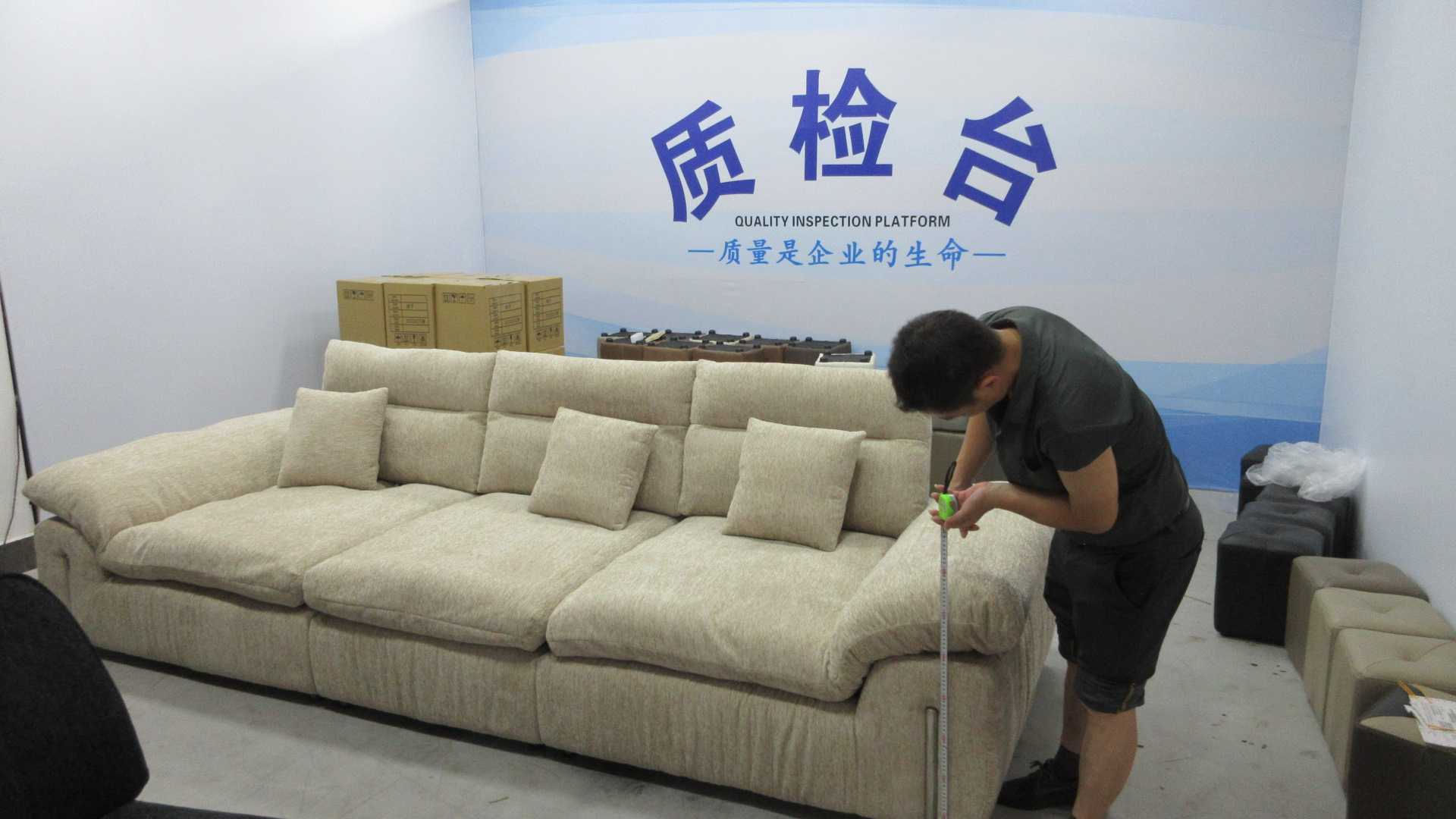
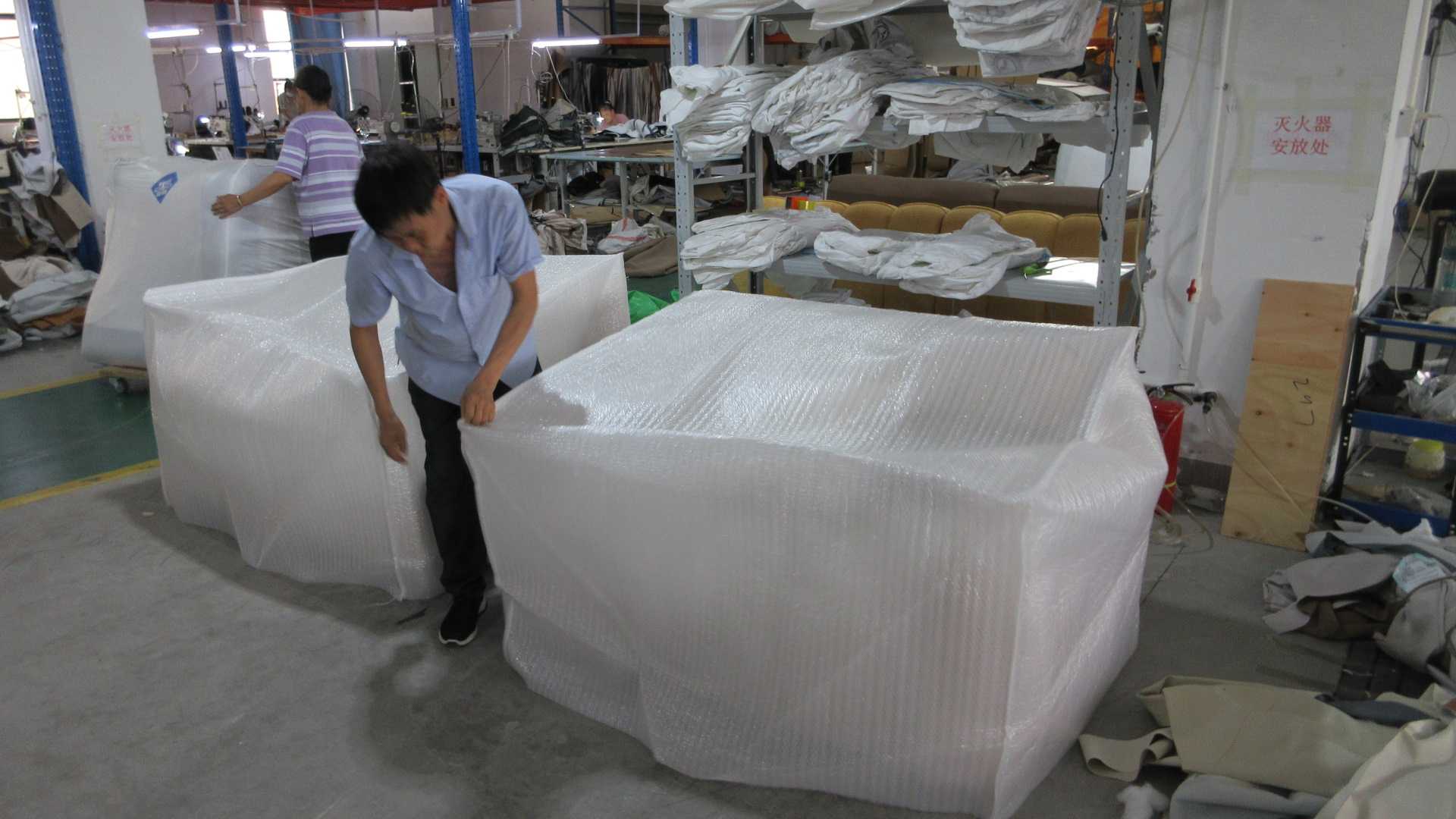
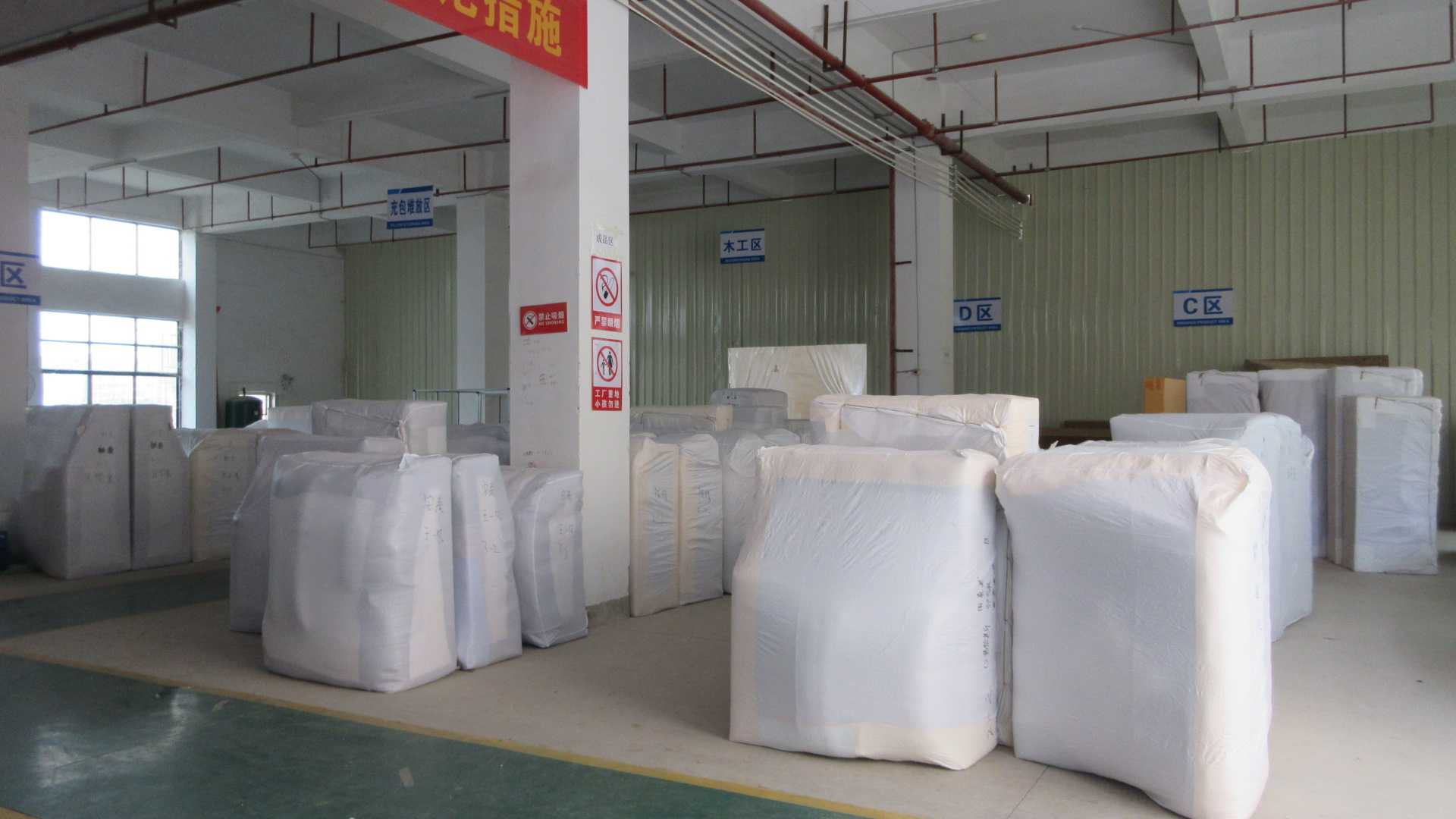
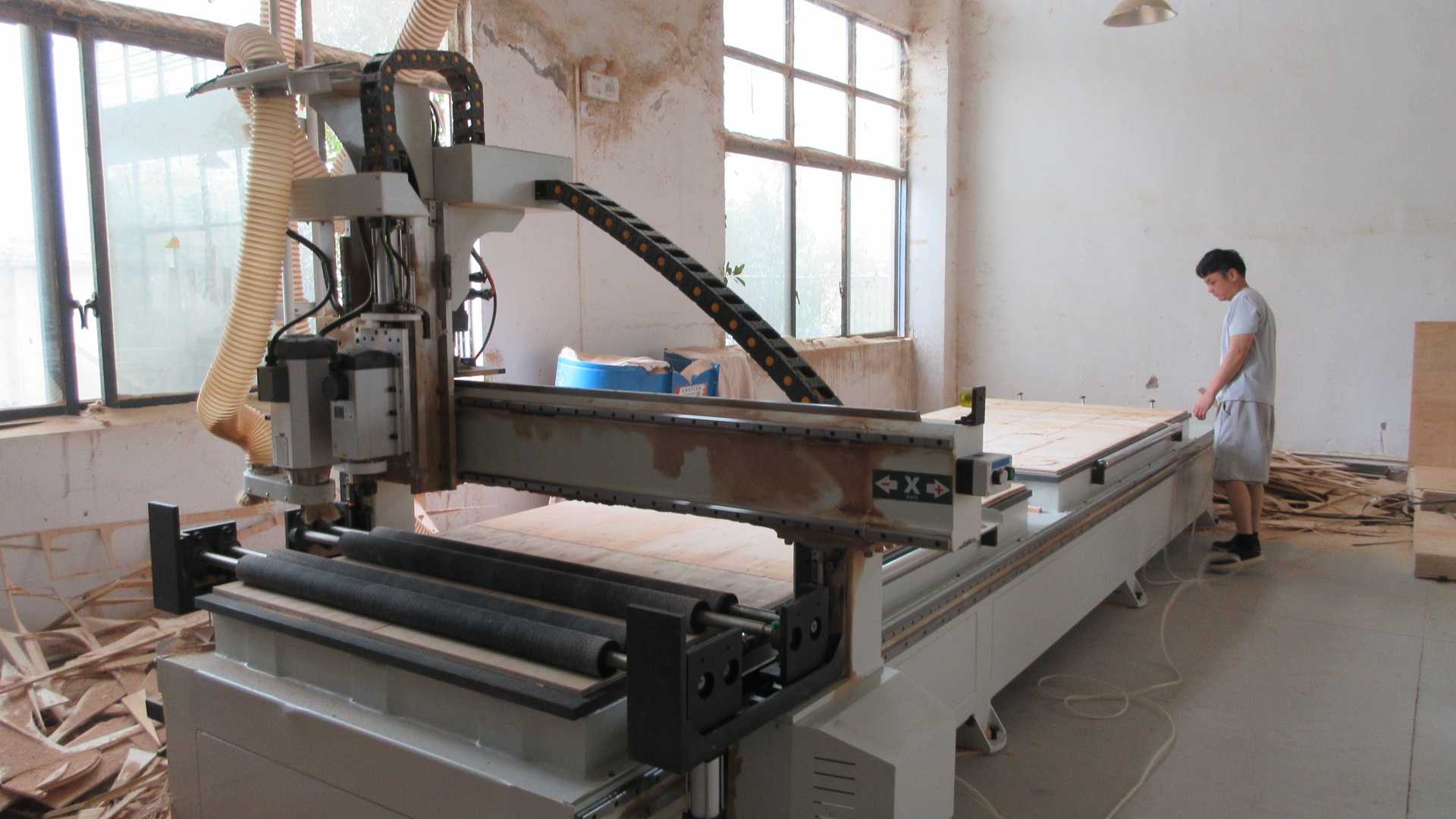
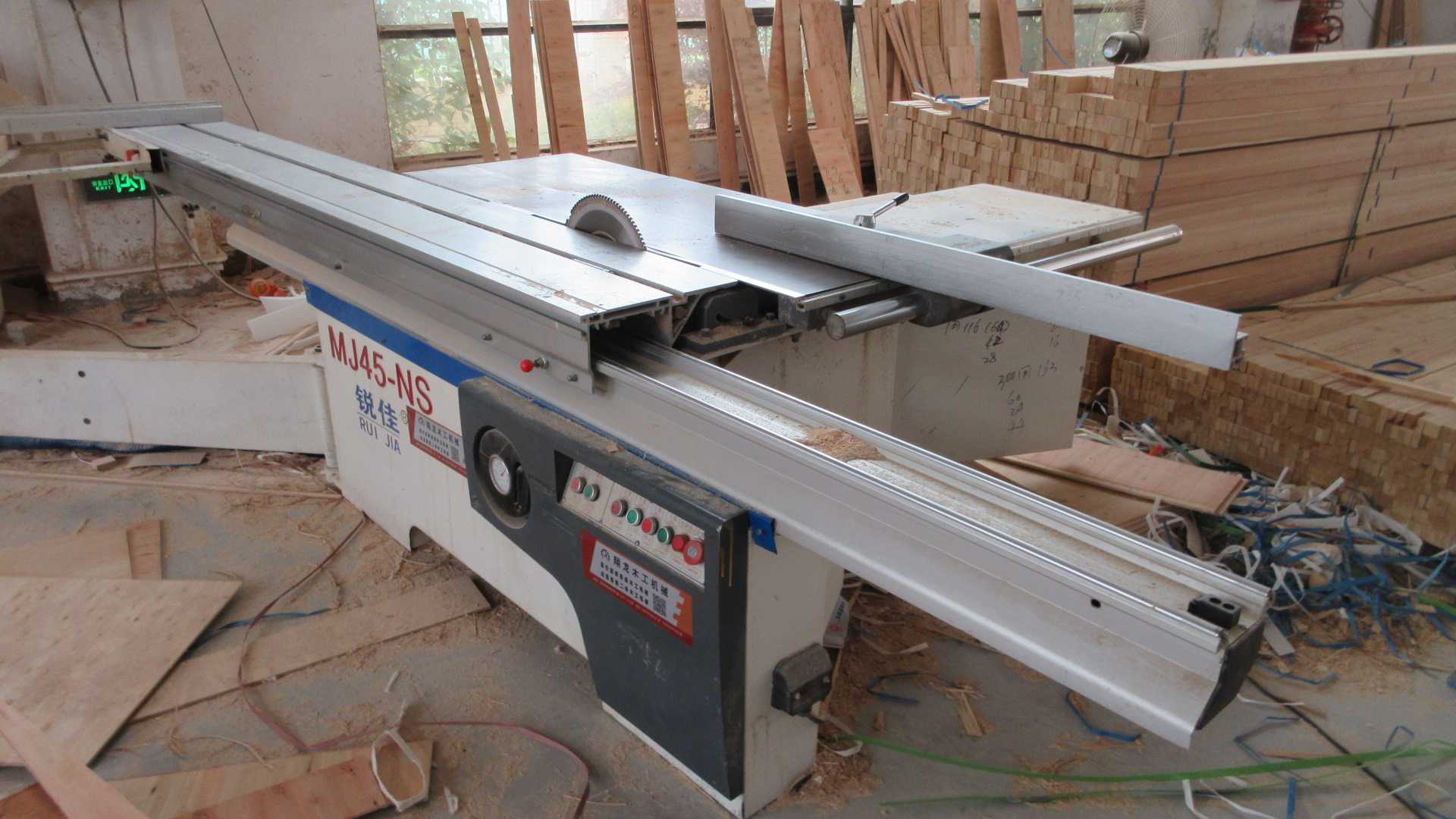
To deliver true "Information Gain" to our clients, our engineering division continually develops and refines composite structures. Below are the key technological highlights incorporated into our manufacturing standards:
Moving beyond basic PVC, we utilize Thermoplastic Polyurethane (TPU) composite sheets. TPU boasts up to 300% greater tensile strength and superior puncture resistance, while remaining fully recyclable and flexible down to -30°C.
Our integrated air pump designs feature automatic pressure sensing. These intelligent sensors detect drops in pressure due to changes in room temperature and quietly top off the air, maintaining consistent firm support.
Designed with internal aerodynamic valves that minimize airflow resistance, allowing for full inflation or complete deflation in under 120 seconds, drastically optimizing ease of use.
By blending organic cotton fiber, micro-flocked velvet, and TPU-laminated membranes, we eliminate the classic 'squeaking' sound of plastic, delivering a sleeping surface that is soft, quiet, and breathable.
The versatility of advanced air beds extends far beyond simple residential spare bedding. In our global distribution network, we serve several unique micro-markets:
Expert answers addressing the key technical and procurement inquiries of global distributors and brand managers.
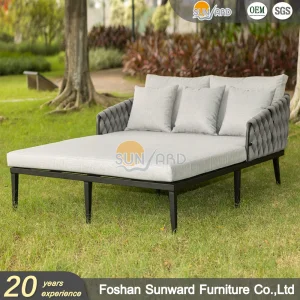
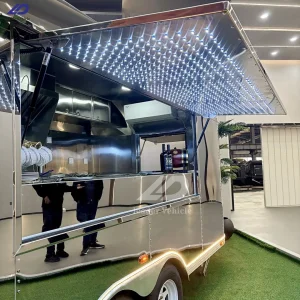
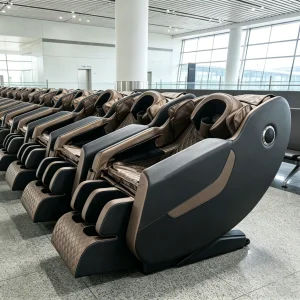
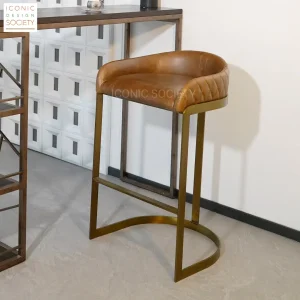
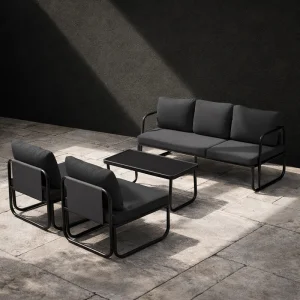
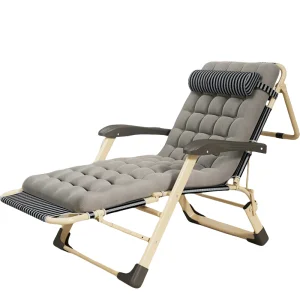
Premium outdoor and indoor options manufactured with high-precision components to enhance commercial and residential spaces.