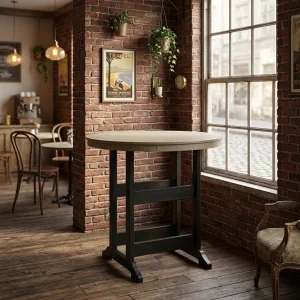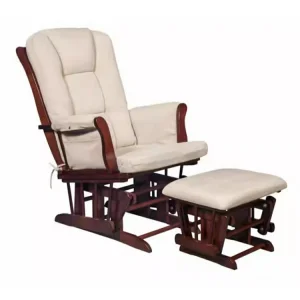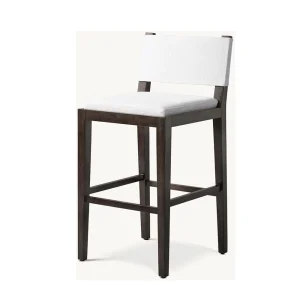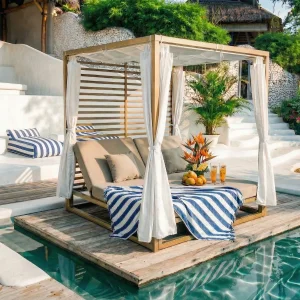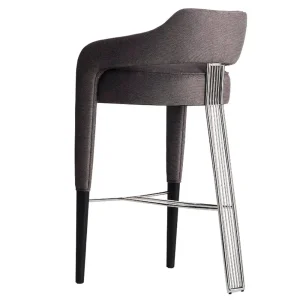
The global furniture market is experiencing a profound architectural shift, with side tables—historically considered peripheral accent pieces—emerging as crucial functional elements in both modern residential and commercial design. Valued at billions of dollars globally, the demand for versatile, space-optimized accent furniture is driven by rapid urbanization, the rise of multi-functional spaces, and a booming hospitality industry that requires durable, high-aesthetic solutions.
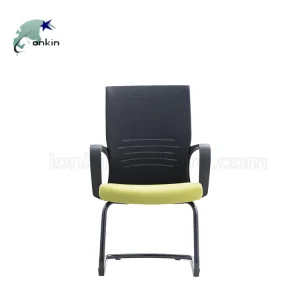
In modern office environments, the traditional cubicle has given way to hybrid lounge spaces where workers collaborate informally. Here, a side table is no longer merely a place to set a coffee cup; it serves as a dynamic workspace accessory, often integrating wireless charging docks, cable management, and adjustable height controls. In the hospitality sector, from luxury beach resorts to boutique hotels, outdoor side tables must resist extreme weather conditions (UV radiation, salt spray, and heavy moisture) while maintaining structural integrity. Sourcing professionals must therefore look beyond aesthetics to evaluate material engineering, structural safety standards, and long-term durability metrics.
As urban living footprints contract globally, flexible, modular furniture options such as nesting tables and C-shaped laptop side tables are seeing unprecedented demand volumes.
Global hospitality developers are prioritizing high-durability, weather-resistant outdoor side tables to reduce replacement rates and enhance guest outdoor dining experiences.
ESG compliance is forcing top importers to seek out factories utilizing non-toxic powder coatings, sustainably harvested teak, and highly recyclable polymer substrates.
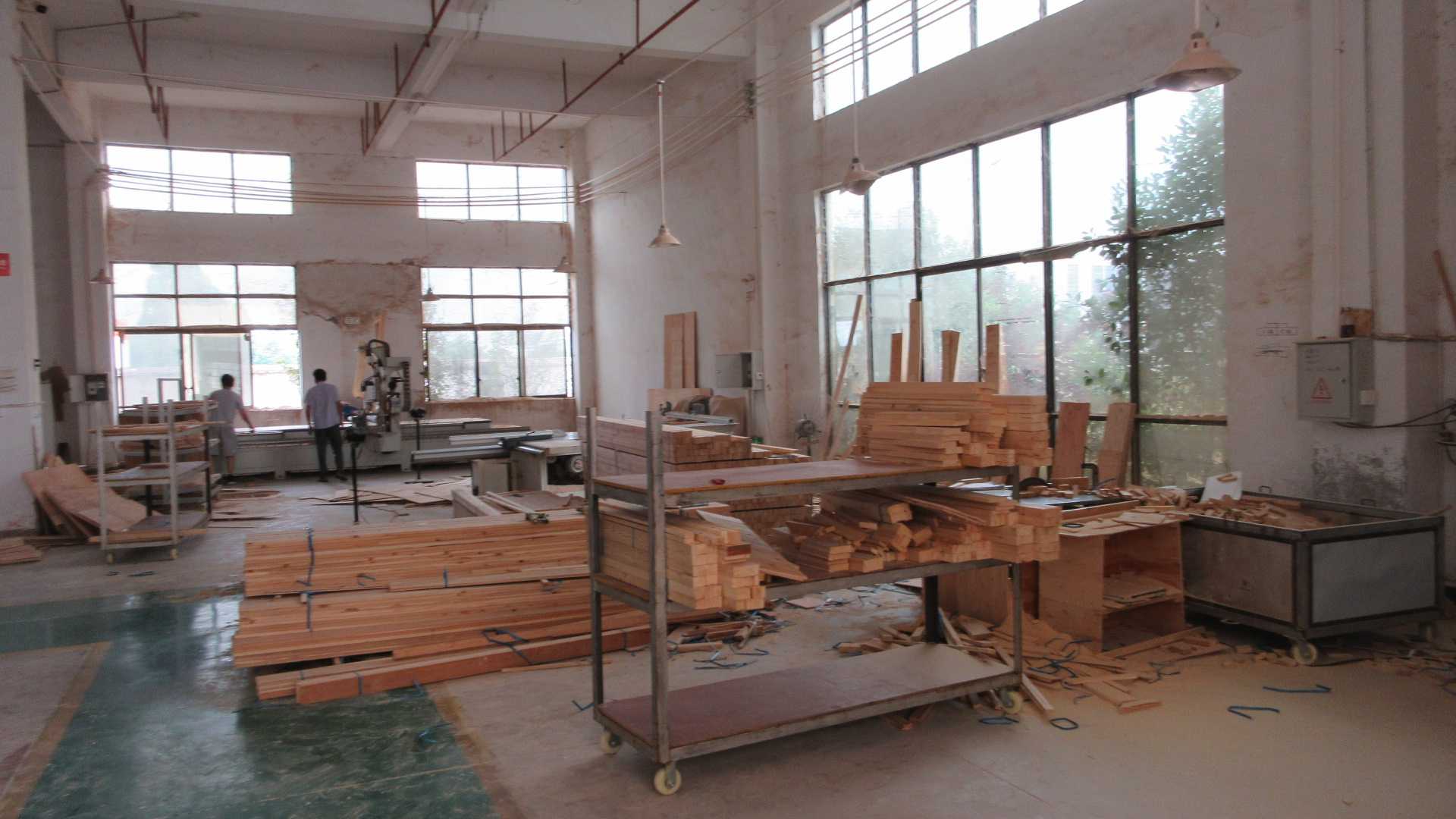
Why does China remain the undisputed leader in side table manufacturing? The answer lies in the unmatched structural synergy of its industrial clusters. In regions like Zhejiang Province, furniture factories do not exist in isolation; they are embedded in dense, localized supply chain ecosystems. This layout ensures that raw materials, precision machinery providers, casting mills, powder coating centers, and container shipping ports are all located within a 50-kilometer radius.
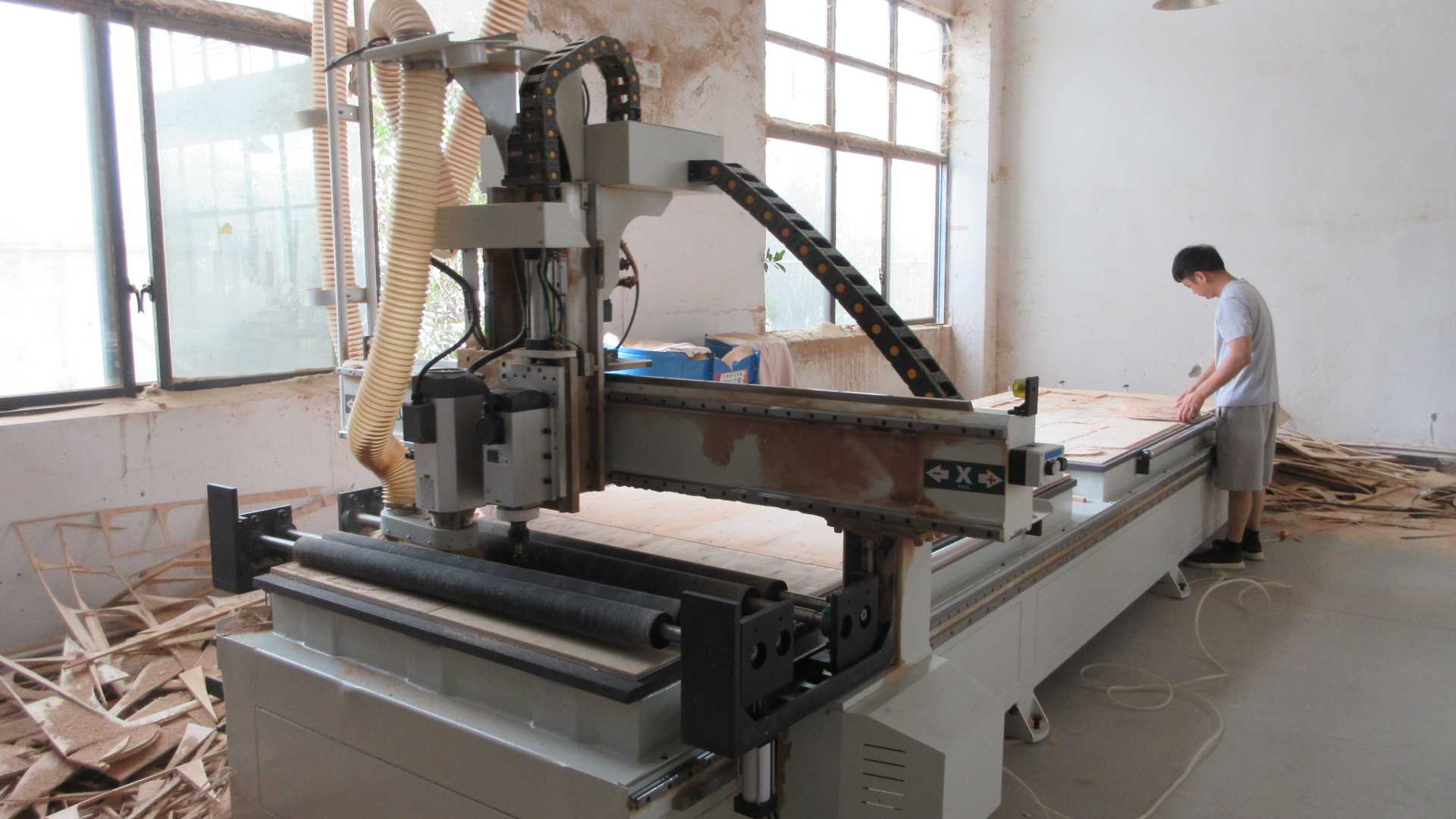
This proximity dramatically reduces lead times, minimizes logistics overhead, and provides Chinese exporters with unparalleled flexibility to scale production up or down. Furthermore, Chinese manufacturers have heavily invested in advanced automated hardware—such as laser tube cutters, robotic arm welding systems, and multi-stage automatic electrostatic powder lines. These technologies eliminate human error, guarantee consistent tolerance standards (crucial for flat-pack retail models), and keep pricing highly competitive even during volatile economic periods.
Zhejiang MAZIS Furniture Co., Ltd. is a modern enterprise specializing in the design, research and development, and manufacturing of high-quality outdoor furniture. The company is committed to creating durable, comfortable, and aesthetically refined outdoor living solutions for global customers.
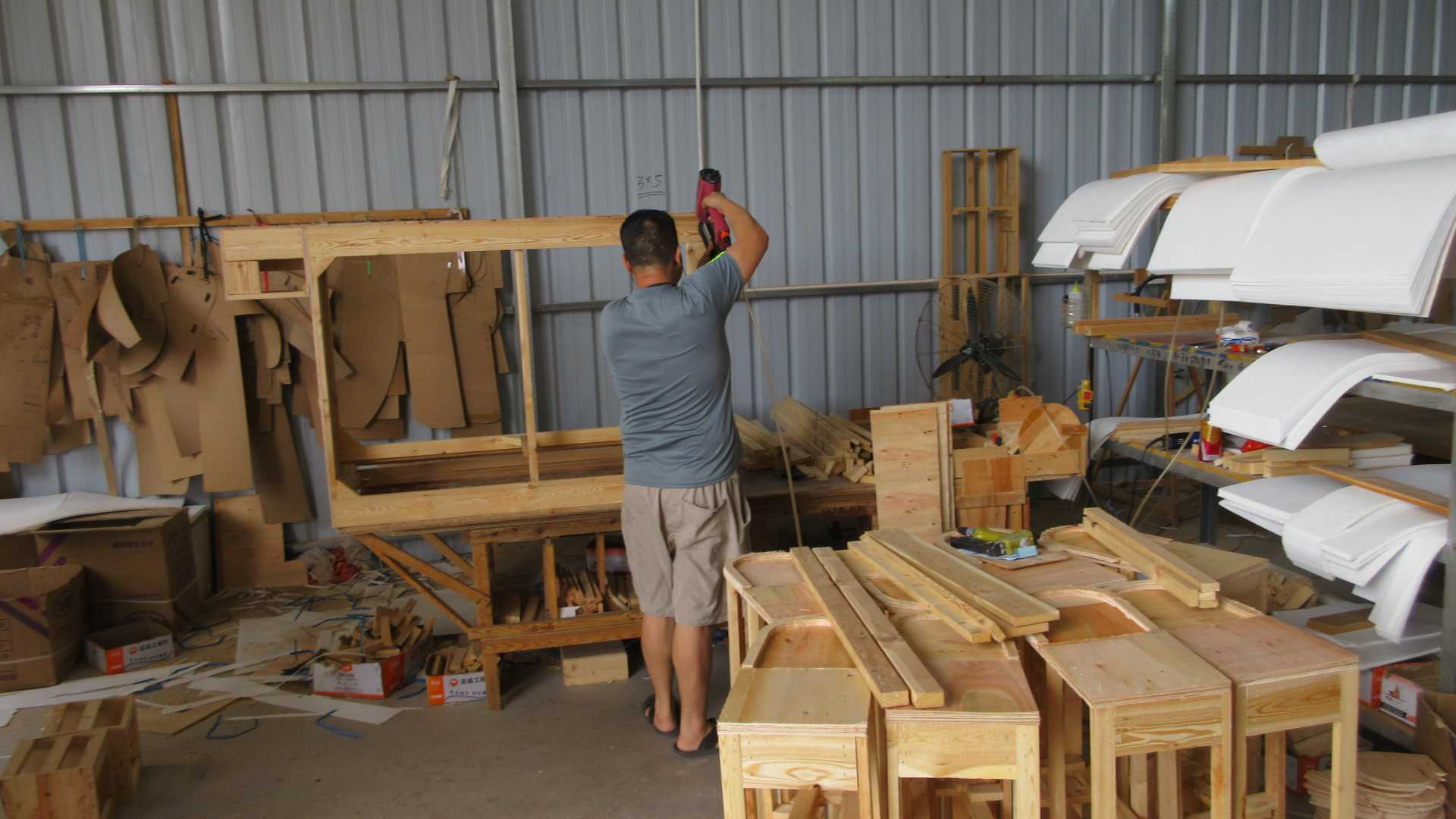
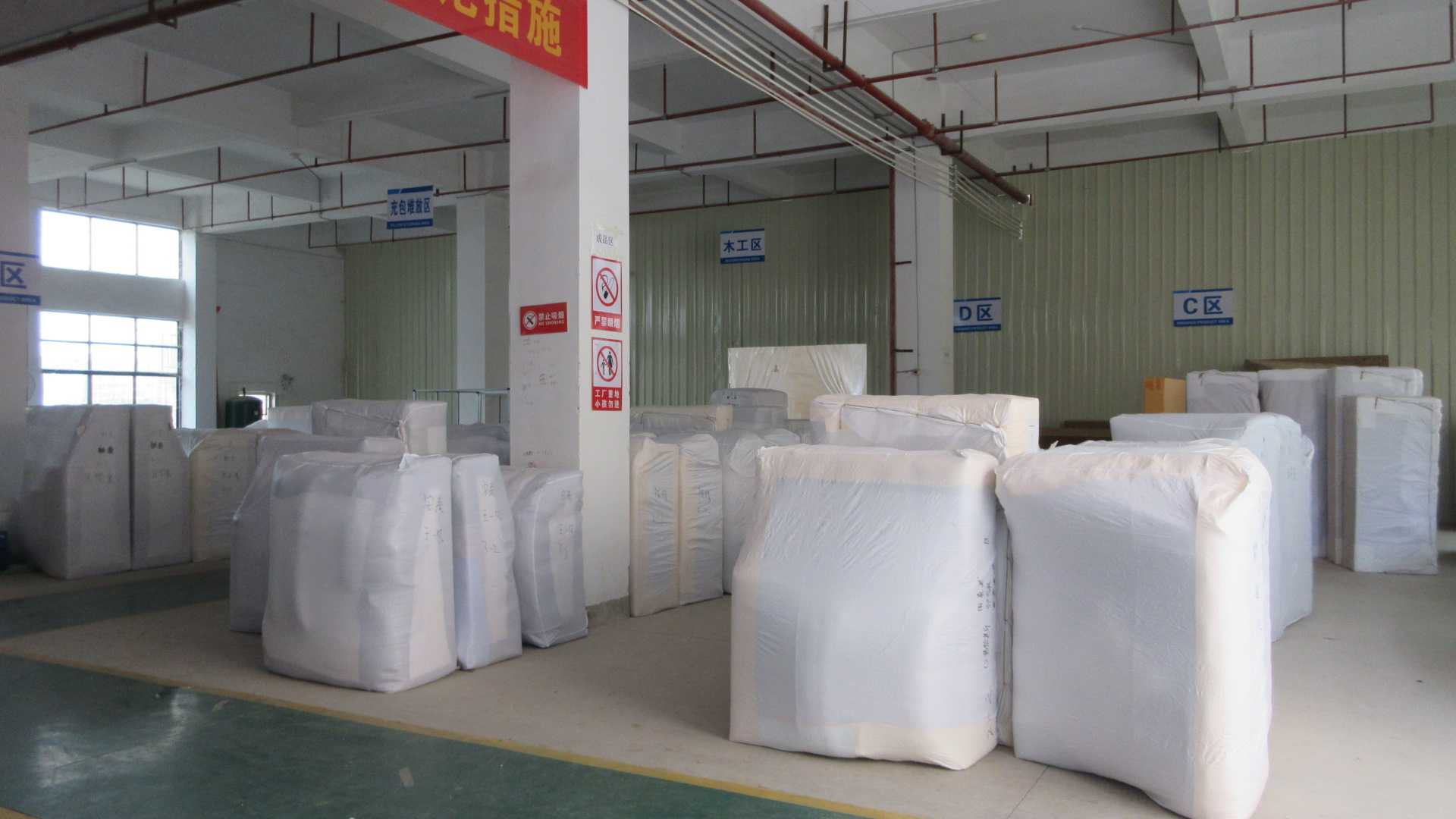
Located in Zhejiang Province, MAZIS Furniture benefits from a strong regional manufacturing foundation and a well-developed industrial supply chain. The company operates with a dedicated independent R&D department, enabling continuous innovation in product design, materials, and manufacturing techniques.
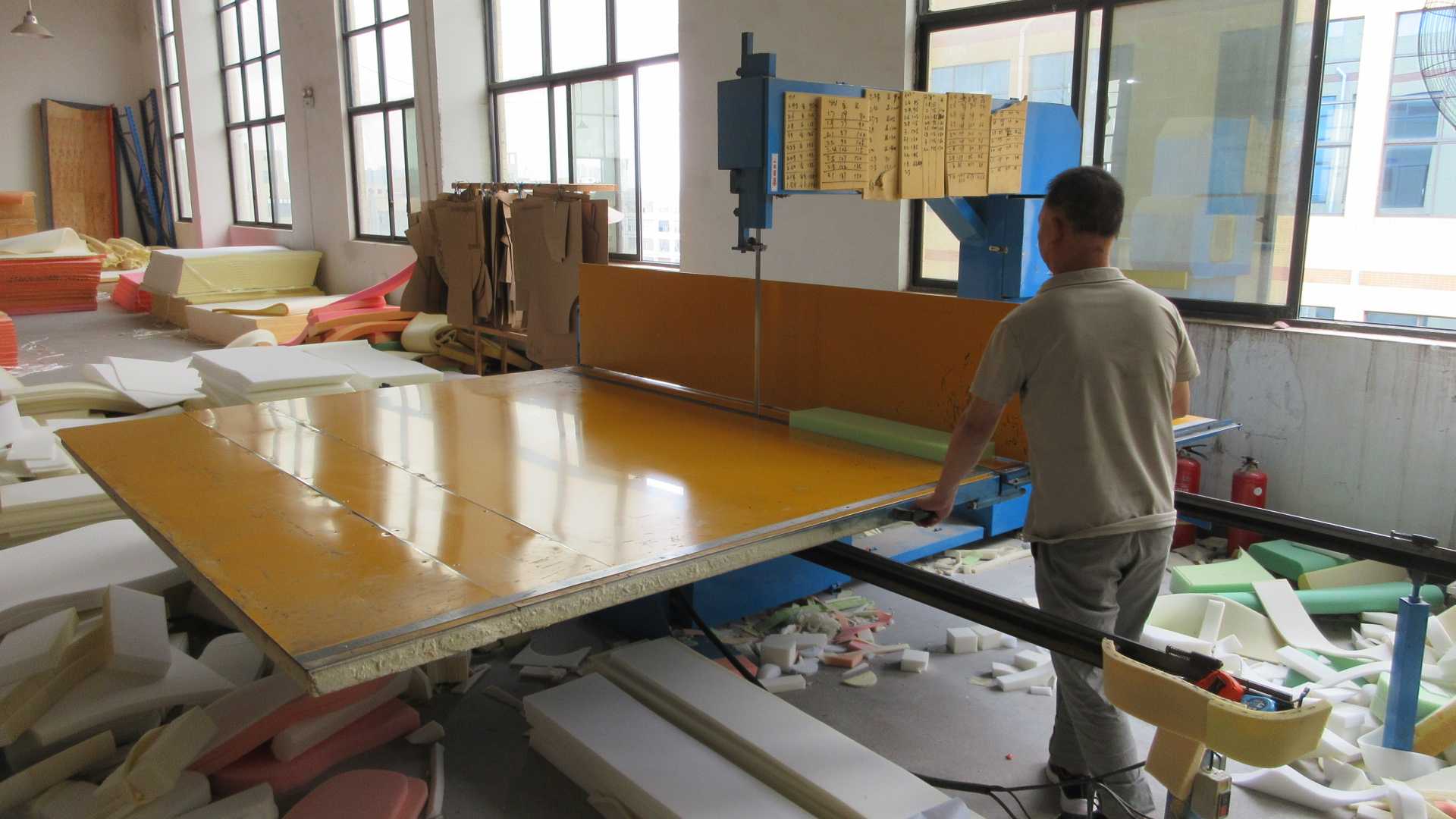
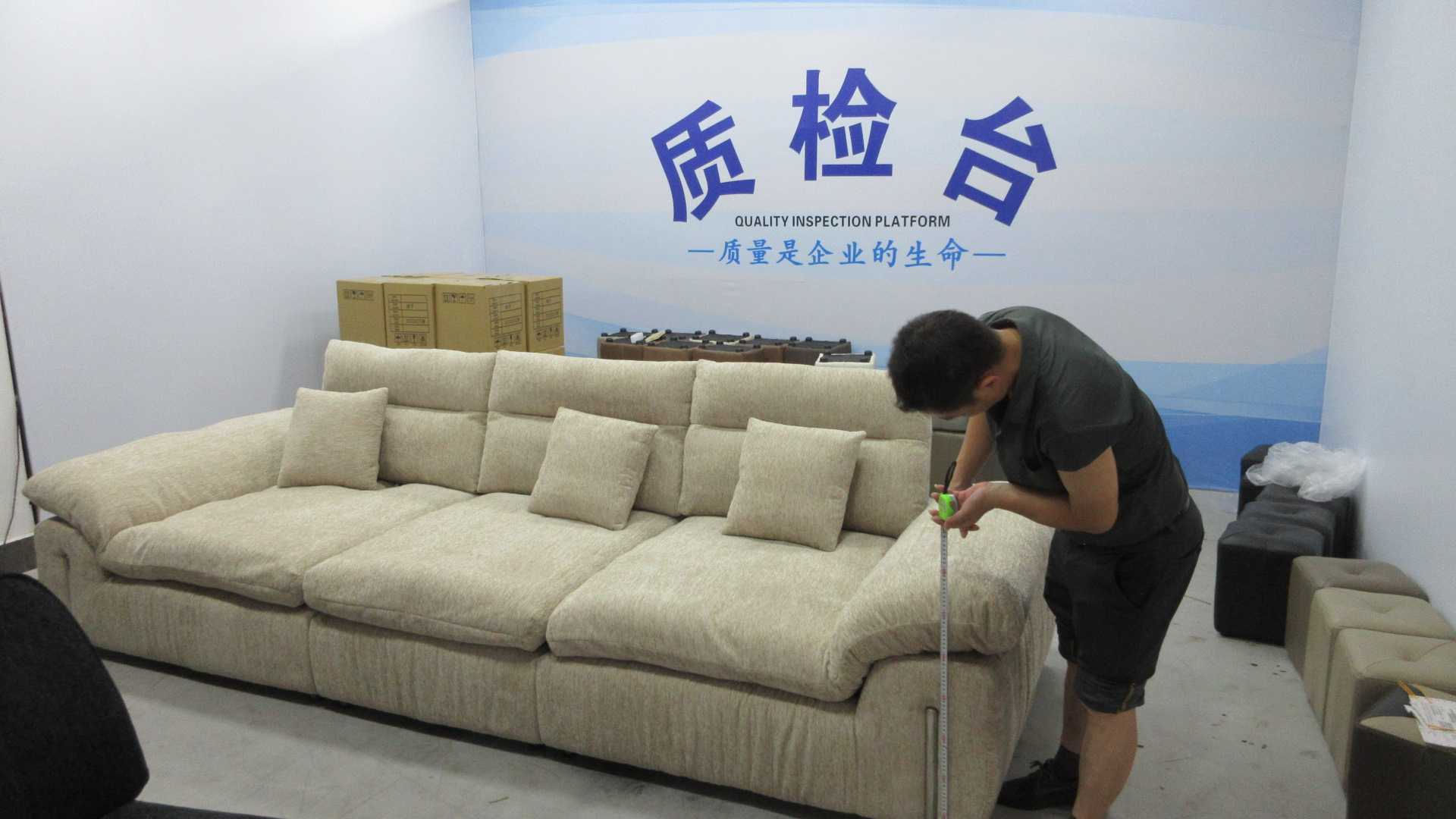
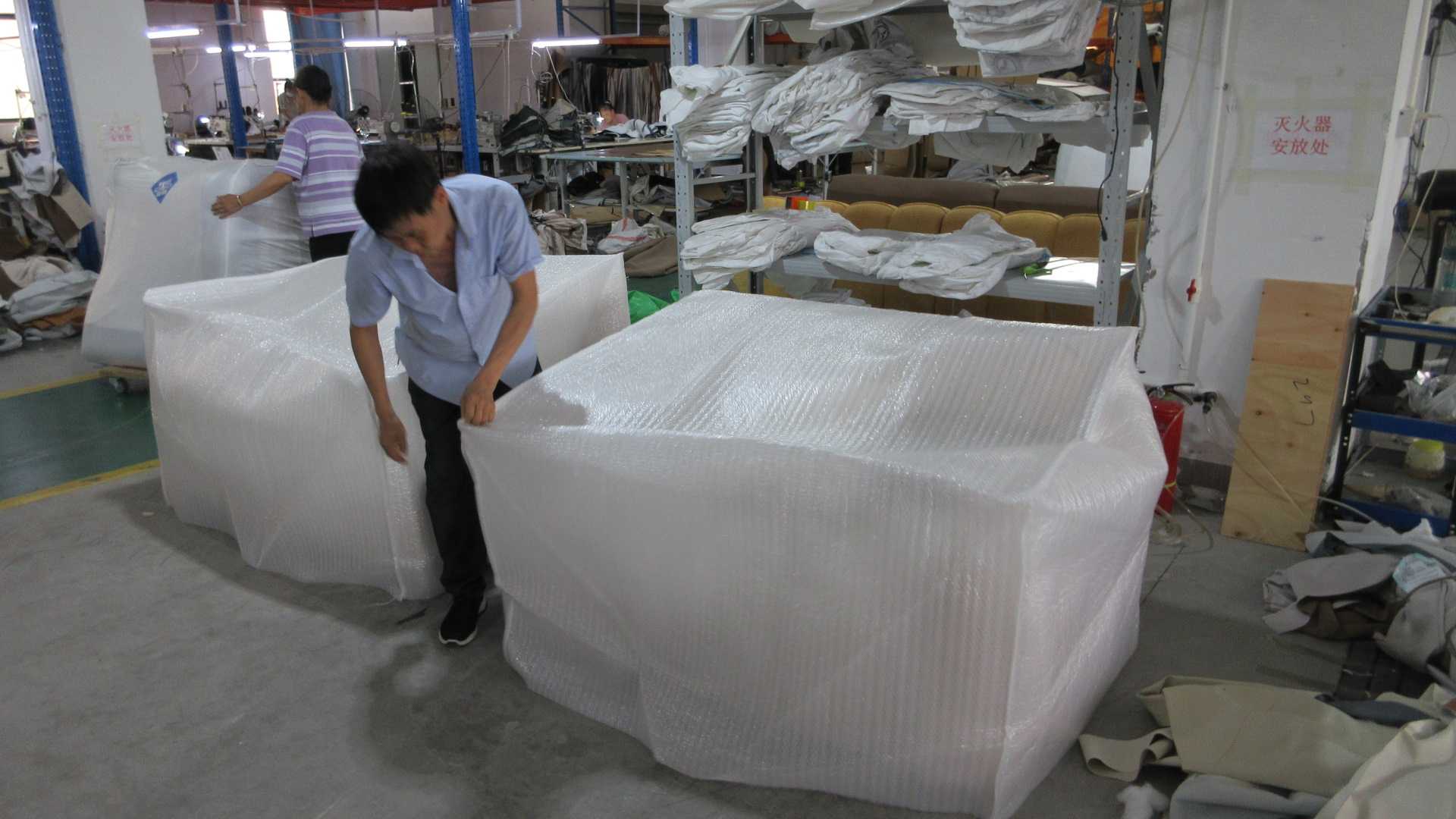
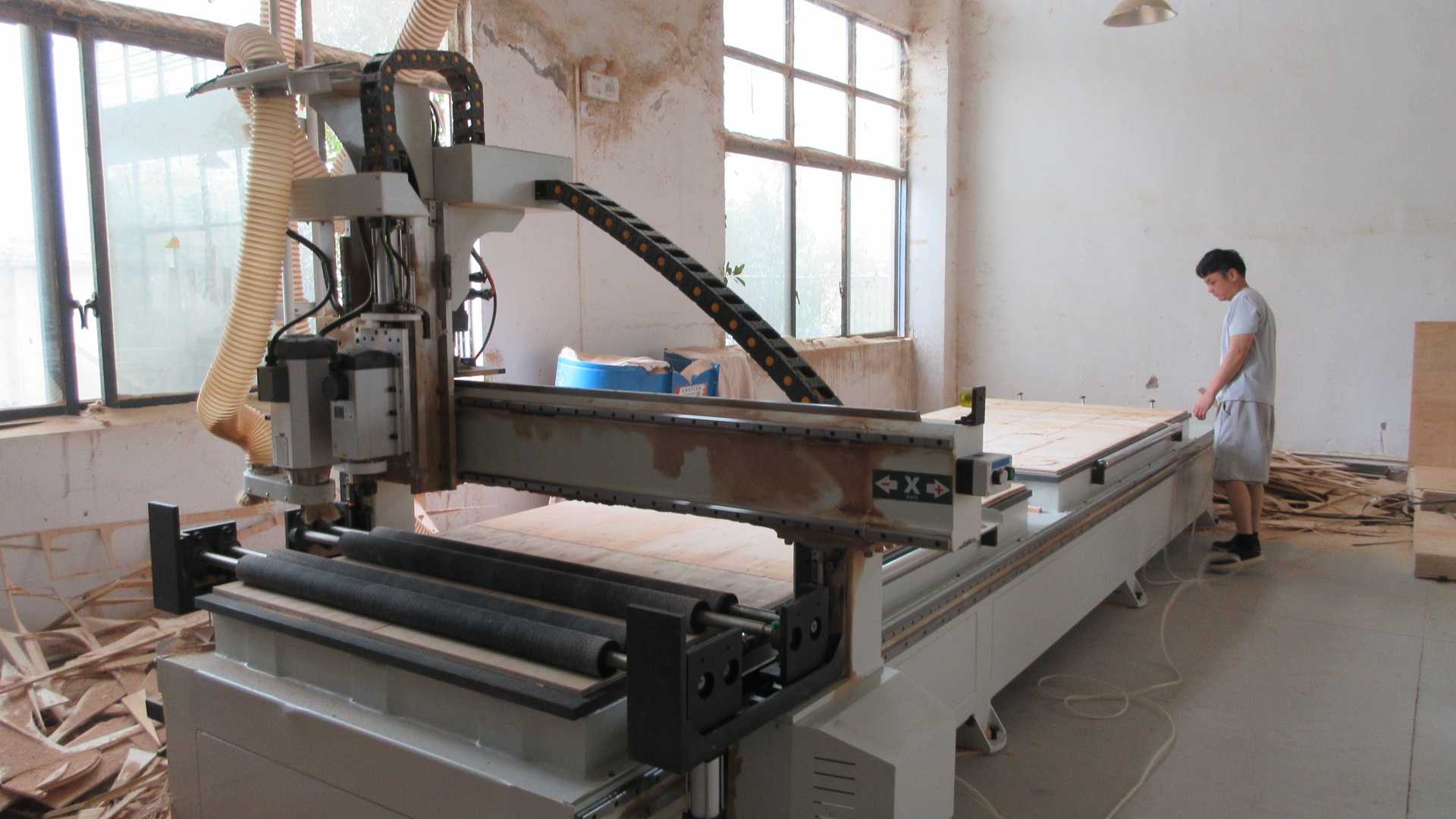
MAZIS Furniture is equipped with advanced production facilities, including laser welding systems, precision cutting equipment, and automated plastic spraying lines. These capabilities ensure high production efficiency and consistent product quality across all categories.
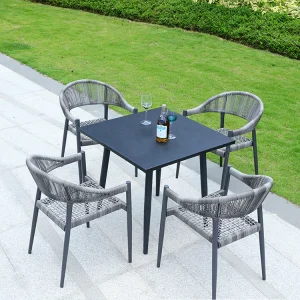
The company’s main product range includes Teslin mesh furniture, synthetic rattan furniture, and other premium outdoor leisure furniture series, widely used in gardens, patios, balconies, hotels, resorts, and commercial outdoor spaces.
With a strong focus on quality control, sustainable materials, and modern design aesthetics, Zhejiang MAZIS Furniture Co., Ltd. has established long-term cooperative relationships with buyers in more than 10 countries and regions, including Europe and North America. Its products are well recognized in international markets for their durability, weather resistance, and contemporary style.
Looking ahead, MAZIS Furniture continues to uphold the principles of innovation, quality, and customer satisfaction, striving to become a trusted global supplier in the outdoor furniture industry.
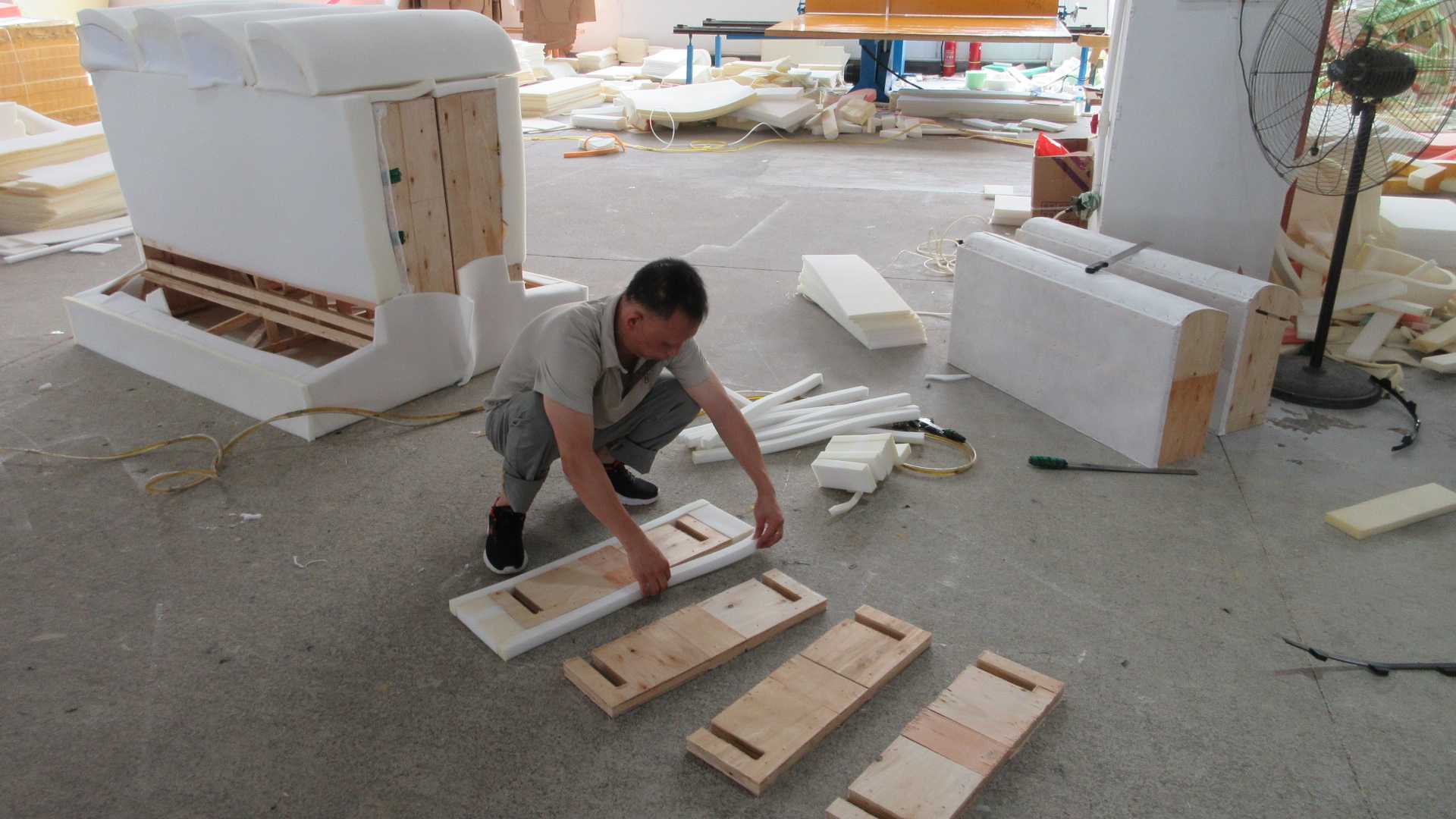
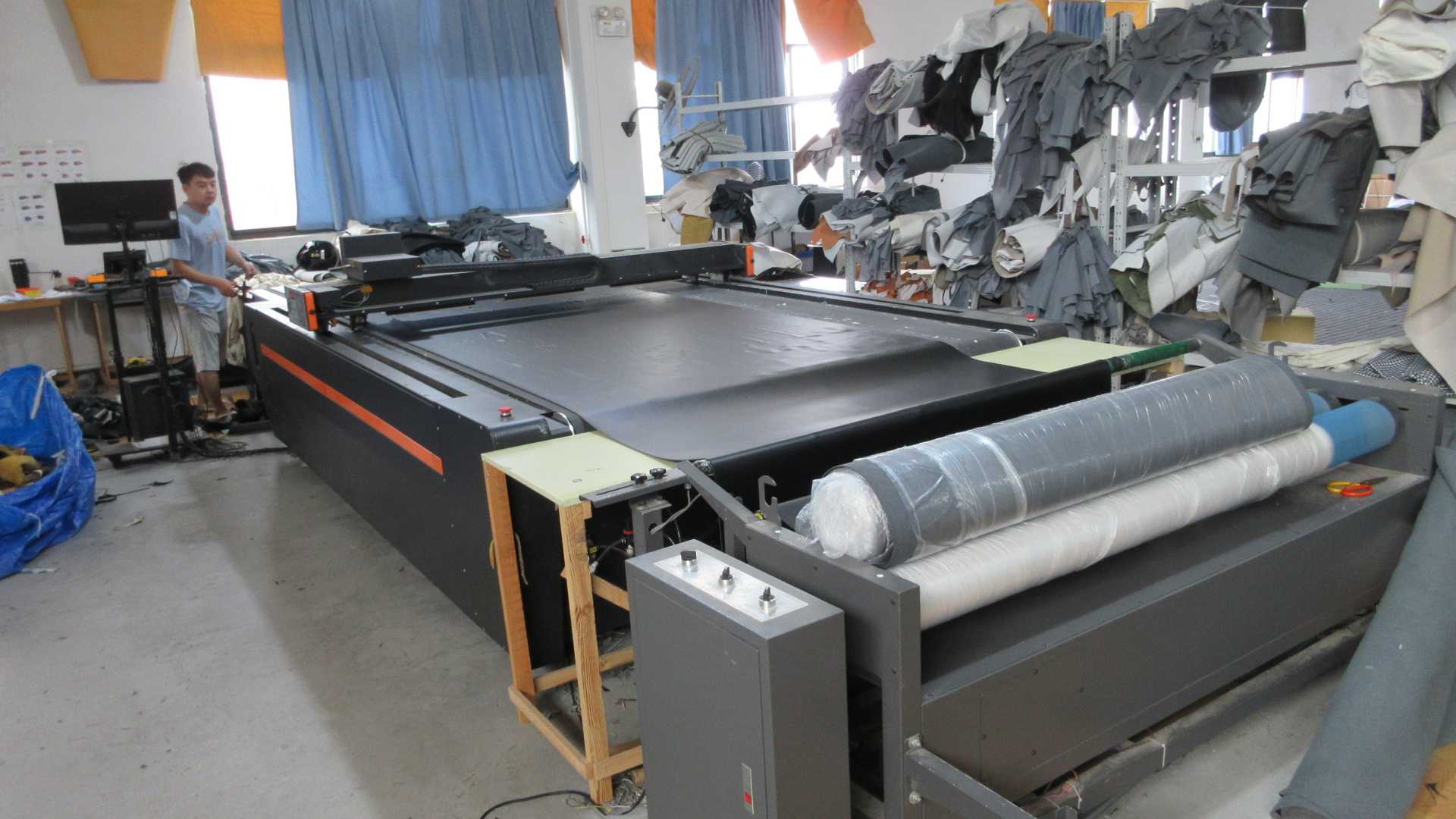
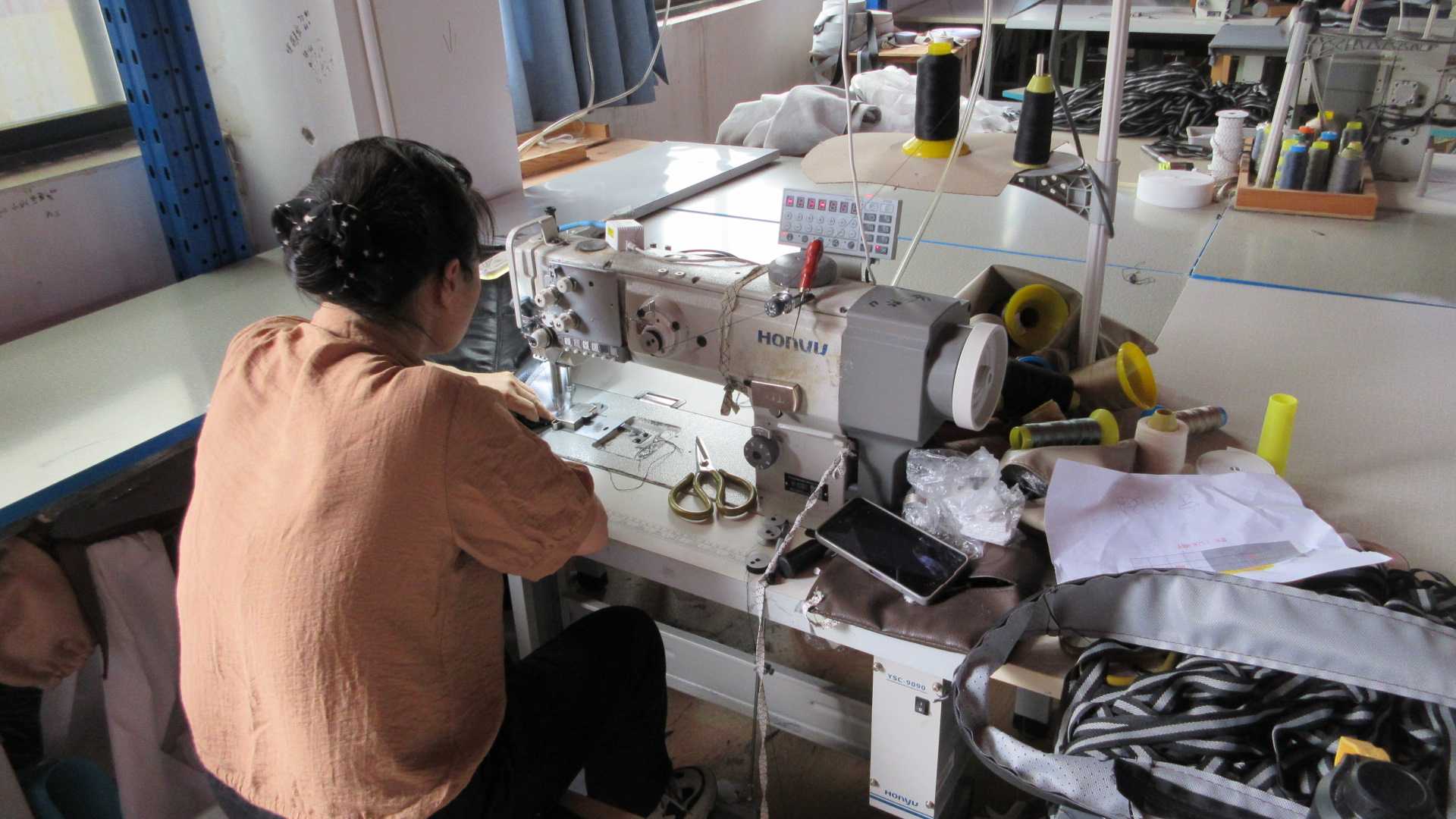
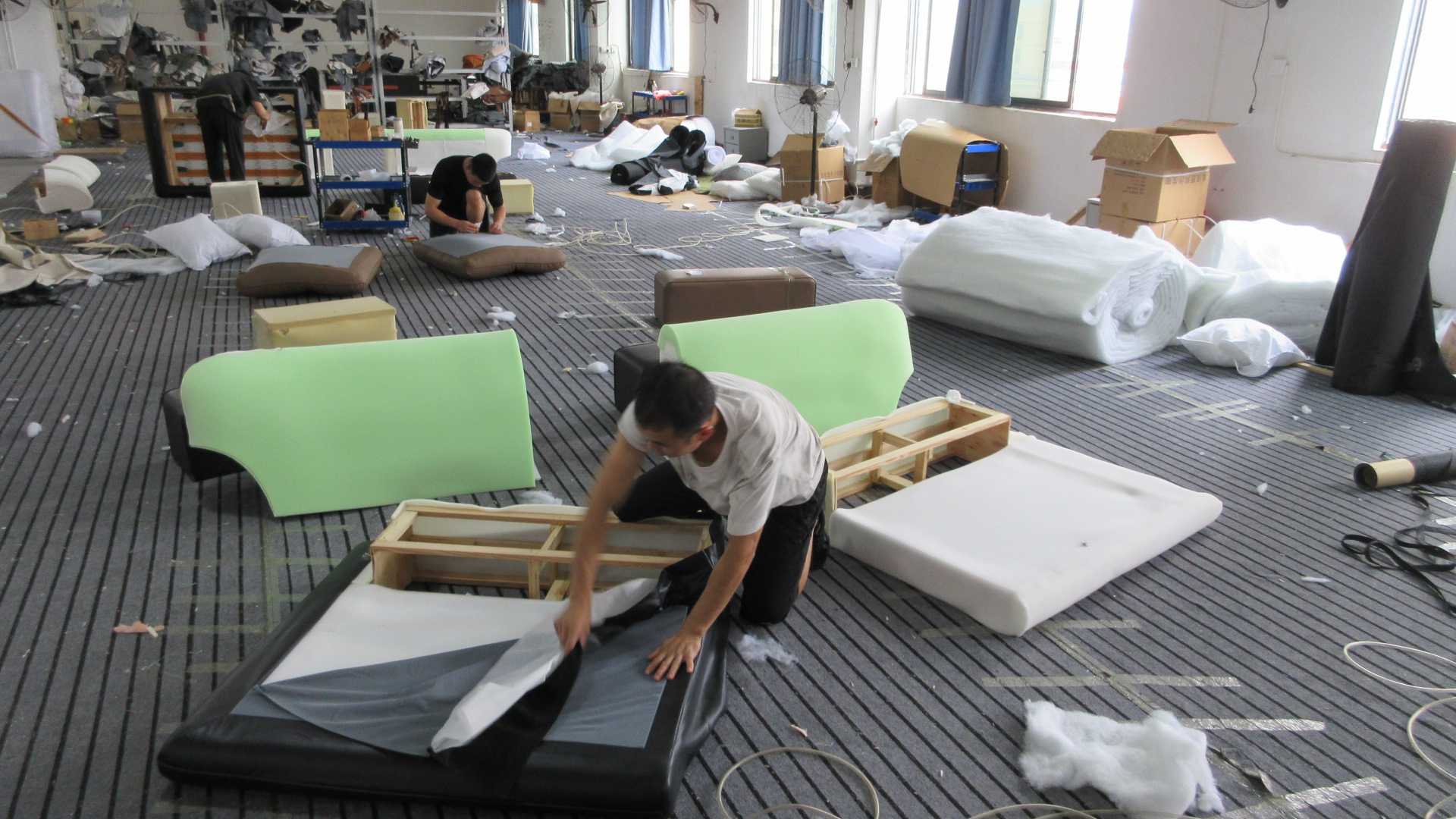
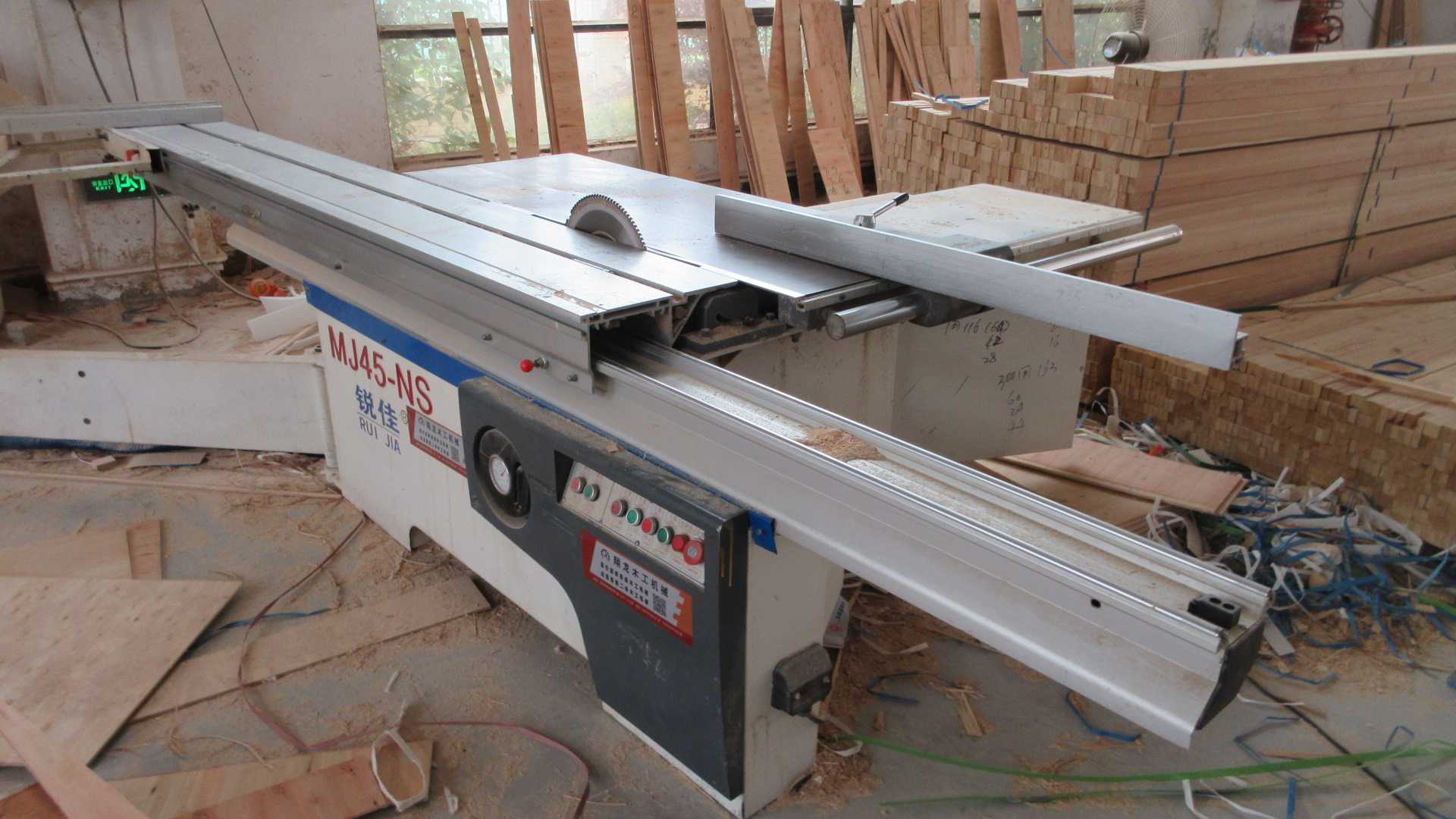
A side table is the ultimate design chameleon, shifting its identity and structure depending on its targeted location. Top exporters design tables based on the distinct localized environments where they will be deployed:
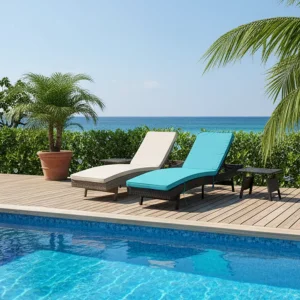
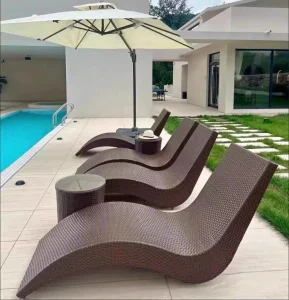
Under intense UV light and salty air, standard furniture degrades in months. Side tables optimized for resort pooldecks utilize highly durable HDPE (High-Density Polyethylene) lumber, Marine-grade Stainless steel frames, or corrosion-resistant aluminum protected by specialized PVDF powder coating. These tables must also include drainage slots to prevent chlorine water collection.
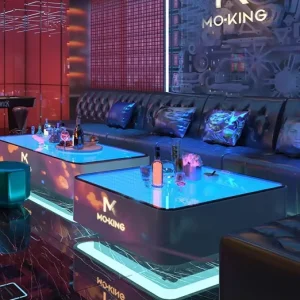
High-end entertainment spaces require dramatic lighting, luxury textures, and strong surface protection. In these scenarios, custom LED-illuminated side tables with tempered glass or artificial stone tops are preferred. These systems require a high level of electrical safety compliance, hidden rechargeable lithium-ion battery cells, and scratch-resistant surfaces to handle heavy glass contact.
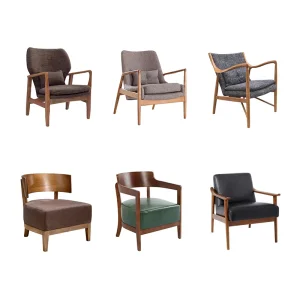
In dense metropolitan markets like New York, Tokyo, or London, spaces are incredibly constrained. Nested side table sets, folding tables, and items featuring storage baskets or integrated racks allow homeowners to customize their layouts on the fly, without sacrificing structural stability or aesthetics.
When professional furniture buyers source side tables from overseas suppliers, they must navigate several technical benchmarks to protect their brands and supply chain stability. Here are the core specifications to request during the RFQ (Request for Quote) phase:
All commercial tables must conform to global structural standards. In the US, request reports for ANSI/BIFMA X5.5 (desk and table products). For European markets, demand certification compliance with EN 581-1 and EN 581-3 (outdoor furniture stability and mechanical safety).
High shipping freight costs make container density critical. Choose Knocked-Down (KD) designs with clear, visual manuals. A properly engineered KD side table can improve container load volume by up to 250% compared to fully welded pre-assembled units.
Require certified lab test reports demonstrating high color fastness (minimum Grade 4-5 on the Grey Scale after 1,000 hours of Xenon Arc weather exposure) and robust salt-spray chamber testing (ASTM B117 compliance) for all metal parts.
The furniture industry is undergoing rapid innovation. Importers who stay ahead of these key design and material trends will secure a significant competitive advantage in their home markets:
With environmental protection regulations tightening in Western nations, the market share of traditional virgin plastics is dropping. Modern buyers prefer high-grade recycled HDPE, FSC-certified sustainable timber, and non-toxic, bio-based resin binders that minimize chemical off-gassing.
Intelligent accent tables are no longer concept pieces. Manufacturers are embedding low-profile solar charging panels into the tabletops of outdoor models, allowing customers to power their devices without running electrical lines across patios. In hospitality settings, tables with built-in NFC ordering chips allow resort guests to order food directly to their lounge chair.
Minimalist lines are merging with brutalist and organic aesthetics. Modern consumer markets prefer tables combining contrasting materials—such as raw concrete bases with brass accents, or weather-proof rope-woven columns capped with highly polished teak wood tops.
A1: Standard MOQs vary depending on the complexity of the design and material processing. For common metal frame tables or plastic models, MOQs typically range from 100 to 300 units. For fully customized OEM orders involving special materials (such as LED-embedded acrylic glass or specific wood finishes), factories usually require a minimum order of 500 units or a full 20ft container equivalent.
A2: Premium suppliers utilize a multi-step anti-corrosion procedure. This starts with chemical cleaning and pickling to remove surface oxides, followed by an electro-phoretic primer coating (E-coat) that covers every internal cavity. Finally, an outdoor-rated polyester powder coat is electrostatically applied and cured at high heat to create a hard, moisture-resistant barrier.
A3: Sourcing departments should request verifying documents including: ISO9001 and ISO14001 certificates, third-party factory audits (such as BSCI, SMETA, or SGS), past lab test reports for structural safety (ANSI/BIFMA or EN581), and custom shipping manifests to prove consistent export volume to major international buyers.
A4: Typically, the sample development process takes 7 to 15 days, depending on design complexity. Once samples are approved and deposit payments cleared, standard mass production takes 30 to 45 days. Sourcing teams should account for an additional 15 to 30 days for ocean shipping, depending on the destination port.