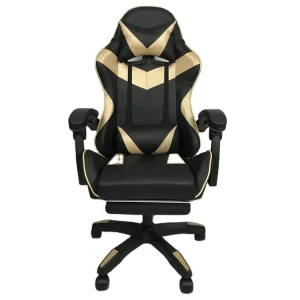
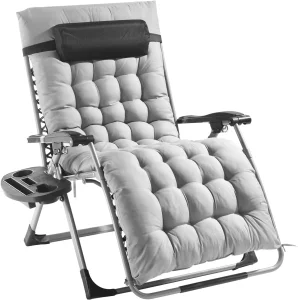
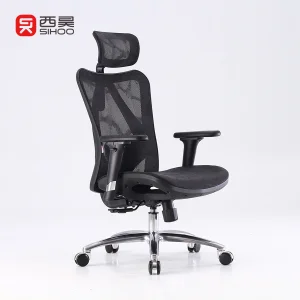
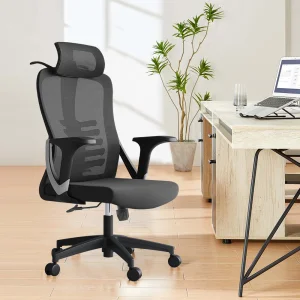
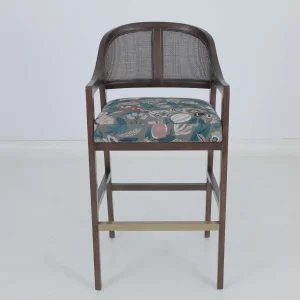
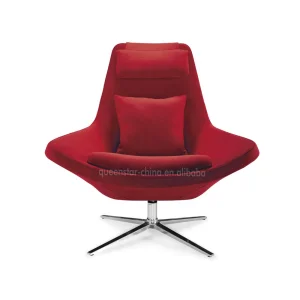
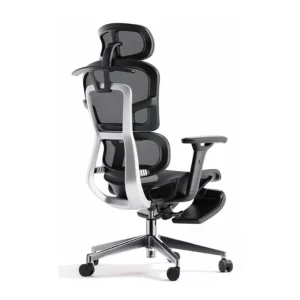
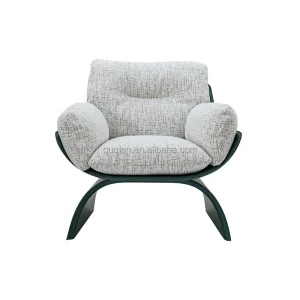
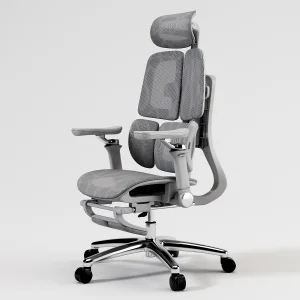
Explore our top engineered seating and structural frames designed for maximum structural support and durability, serving as the foundational support for premium cushioning systems.
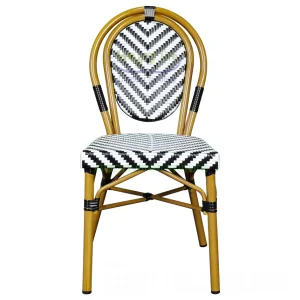
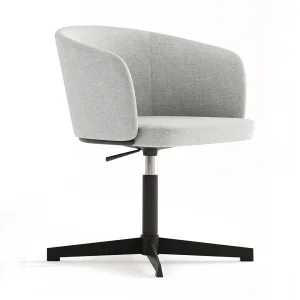
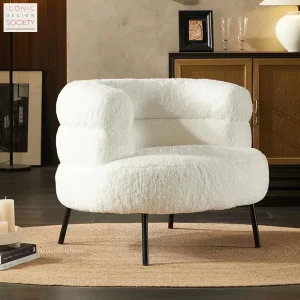
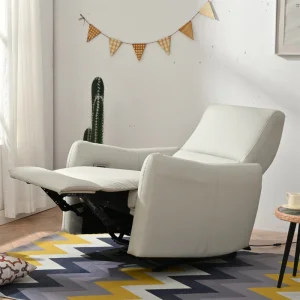
In the highly competitive commercial furniture ecosystem, sourcing the ideal chair cushion factory goes far beyond aesthetic appeal. Modern enterprise procurement teams require high-performance materials capable of maintaining their elastic memory under high-frequency load cycles. The focus of search intent in seating procurement has rapidly shifted from superficial style parameters to measurable ergonomics: weight distribution capabilities, compliance certifications, breathability coefficients, and localized distribution logistics. High-quality seating requires a symbiotic alignment between structural frames and physical cushion technology, ensuring long-term orthotic health and durability.
When selecting the top chair cushion suppliers, multinational enterprises are looking for scalable OEM and ODM pipelines. These factories must possess the capability to process advanced polyurethane (PU) formulations, natural latex, non-deforming gel grids, and flame-retardant engineered textiles. In this comprehensive B2B buyer's guide, we detail the core technical requirements, raw material criteria, and manufacturing methodologies that define the elite class of global cushion manufacturers.
Enterprise procurement teams in North America and the European Union operate under strict compliance mandates. The purchase of seating cushions requires a robust audit trail, encompassing ecological safety, social responsibility, and chemical traceability. High-performance cushion manufacturing requires strict control over raw ingredients, foam density uniformity, and precise cover stitch tension. Below is the technical matrix utilized by tier-one buyers during factory evaluations:
| Evaluation Parameter | Standard Criteria (Residential) | Enterprise Contract Grade (Commercial) | Testing & Compliance Reference |
|---|---|---|---|
| Foam Core Density | 28 kg/m³ – 35 kg/m³ | 45 kg/m³ – 60 kg/m³ (Cold-Cured Polyurethane) | ASTM D3574 Test A (Density Test) |
| Indentation Load Deflection (ILD) | 24 lbs – 32 lbs (Soft to Medium) | 36 lbs – 45 lbs (Firm/High-Support Profile) | ISO 2439 / ASTM D3574 Test B |
| Fire Retardancy (FR) | TB 117-2013 (Sponge Flammability) | BS 5852 Crib 5 (UK) / CAL 133 (US Contract) | NFPA 260 / EN 1021 Part 1 & 2 |
| Textile Tensile & Tear Strength | Standard domestic weave | High-denier solution-dyed acrylic / anti-microbial PU | ASTM D5034 (Grab Test) / ISO 13934 |
| Colorfastness to Light (UV) | Grade 3 (approx. 200 hours) | Grade 4-5 (1000+ hours solution-dyed yarn) | AATCC 16.3 / ISO 105-B02 |
Selecting a partner capable of executing custom ILD profiles for different components of a chair (e.g., dual-density zones with softer thigh sections and firmer pelvic support) prevents ergonomic fatigue and increases the real-world lifespan of the asset.
Zhejiang MAZIS Furniture Co., Ltd. is a modern enterprise specializing in the design, research and development, and manufacturing of high-quality outdoor furniture and premium cushion integrations. The company is committed to creating durable, comfortable, and aesthetically refined outdoor living solutions for global customers. Located in Zhejiang Province, MAZIS Furniture benefits from a strong regional manufacturing foundation and a well-developed industrial supply chain. The company operates with a dedicated independent R&D department, enabling continuous innovation in product design, materials, and manufacturing techniques.
MAZIS Furniture is equipped with advanced production facilities, including laser welding systems, precision cutting equipment, and automated plastic spraying lines. These capabilities ensure high production efficiency and consistent product quality across all categories. The company’s main product range includes Teslin mesh furniture, synthetic rattan furniture, and other premium outdoor leisure furniture series, widely used in gardens, patios, balconies, hotels, resorts, and commercial outdoor spaces.
"With a strong focus on quality control, sustainable materials, and modern design aesthetics, Zhejiang MAZIS Furniture Co., Ltd. has established long-term cooperative relationships with buyers in more than 10 countries and regions, including Europe and North America. Its products are well recognized in international markets for their durability, weather resistance, and contemporary style."
Looking ahead, MAZIS Furniture continues to uphold the principles of innovation, quality, and customer satisfaction, striving to become a trusted global supplier in the outdoor furniture and cushion integration industry.
Advanced chair cushion manufacturing is no longer a labor-intensive cut-and-sew operation. The integration of China Factory 4.0 methodology ensures that raw material optimization, digital plotting, and automated processing work in perfect harmony. MAZIS Furniture implements a high-precision, 13-stage manufacturing process to eliminate variations in shape, comfort index, and structural longevity.
By automating the initial raw material selection, utilizing advanced wood and fabric cutting machines, and deploying specialized quality inspectors at each point of transition, we guarantee structural consistency. Below is our visual manufacturing flowchart, detailing the precise steps from raw material processing to final export packaging.
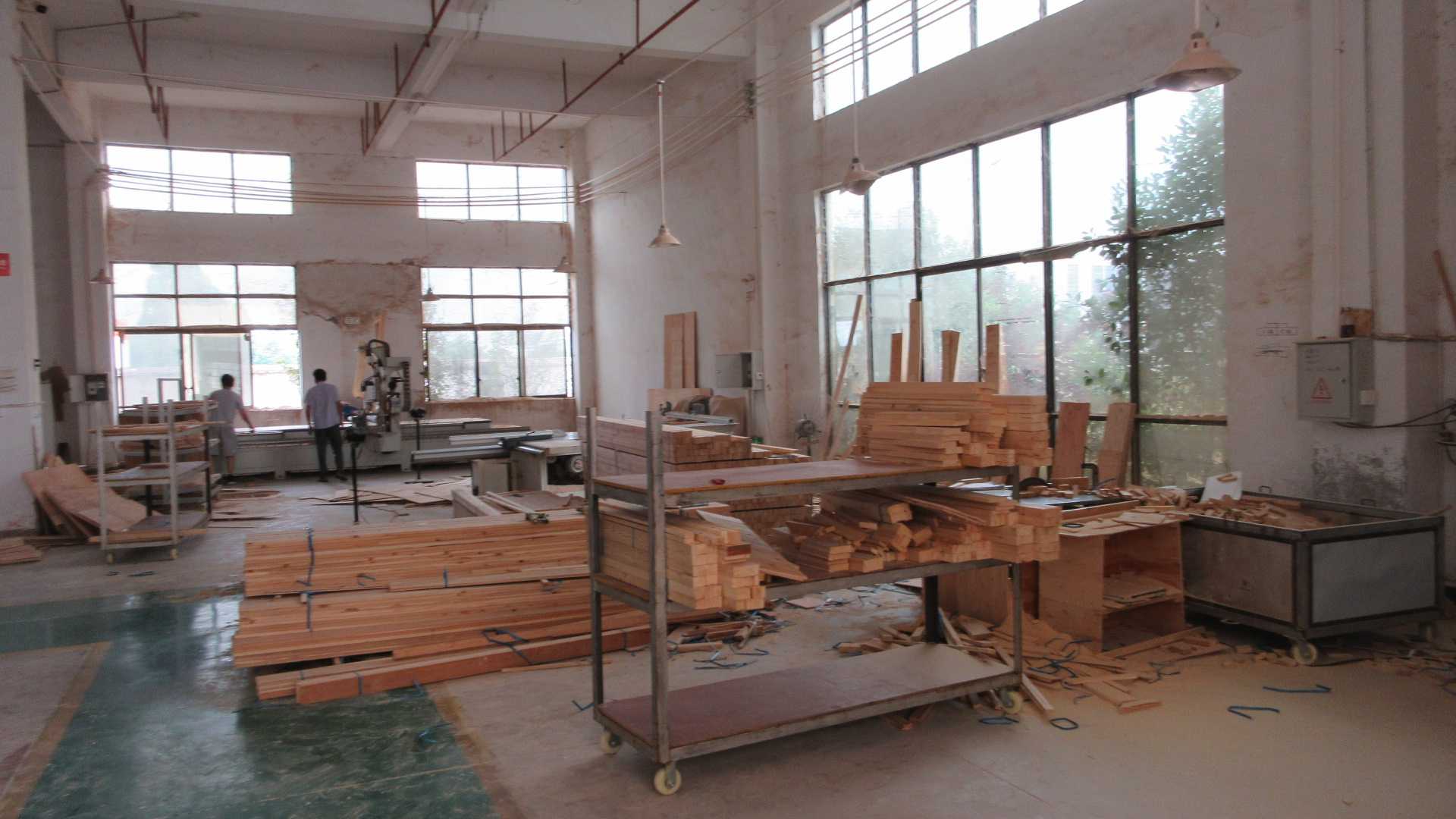
1. Raw Material Inspection
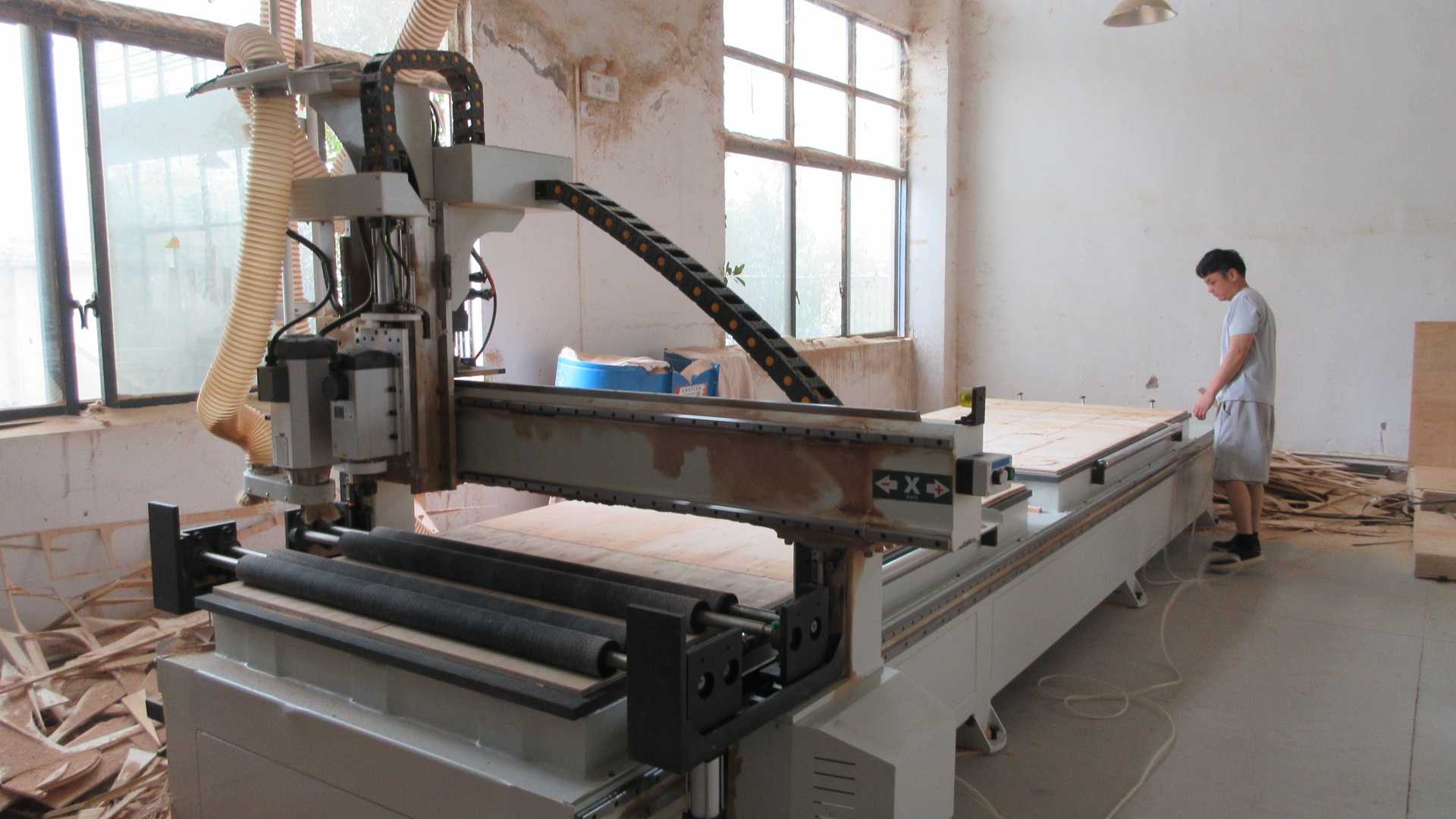
2. Automatic Sawing
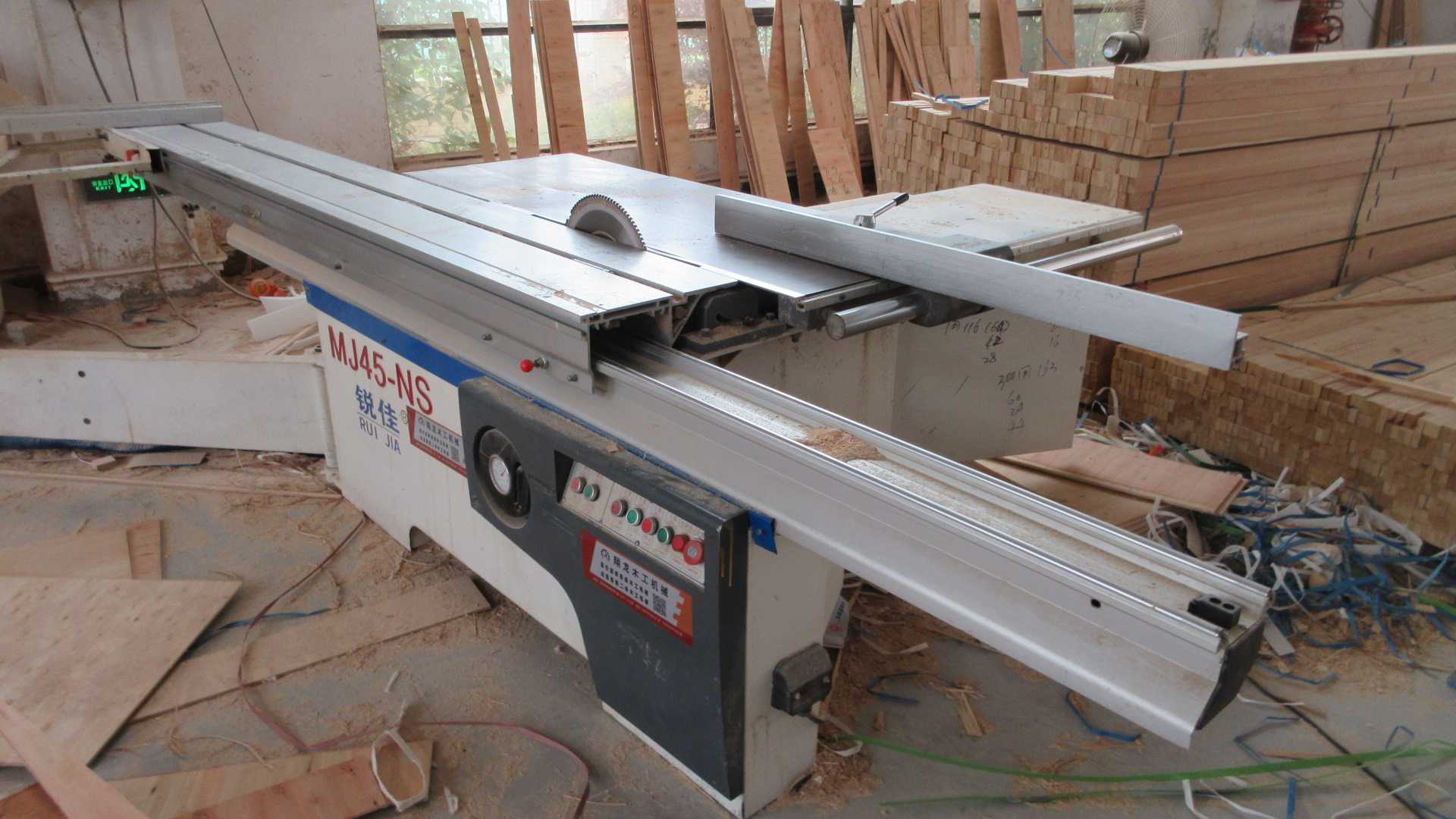
3. Precision Sawing
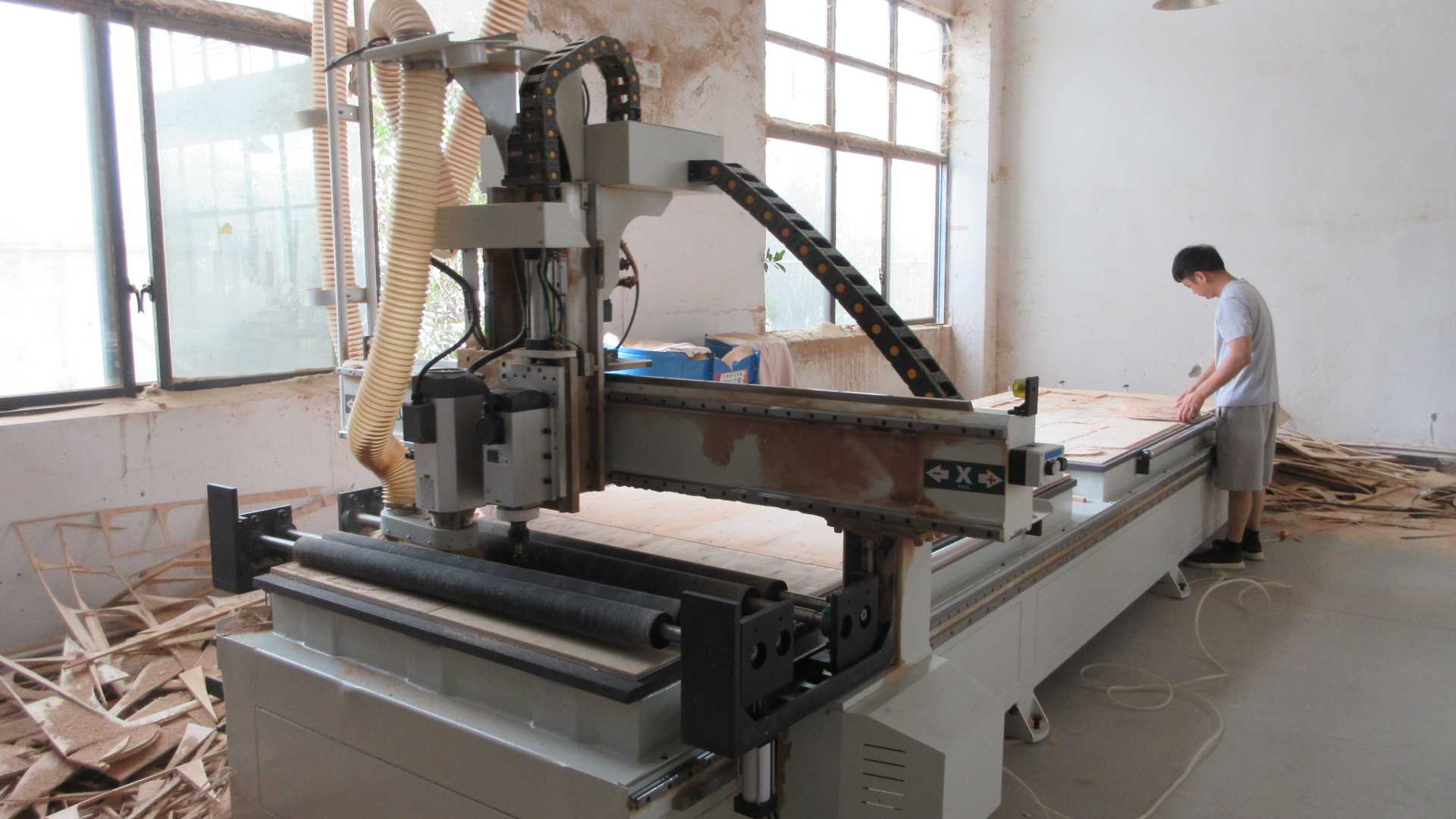
4. Wood Cutting & Shaping
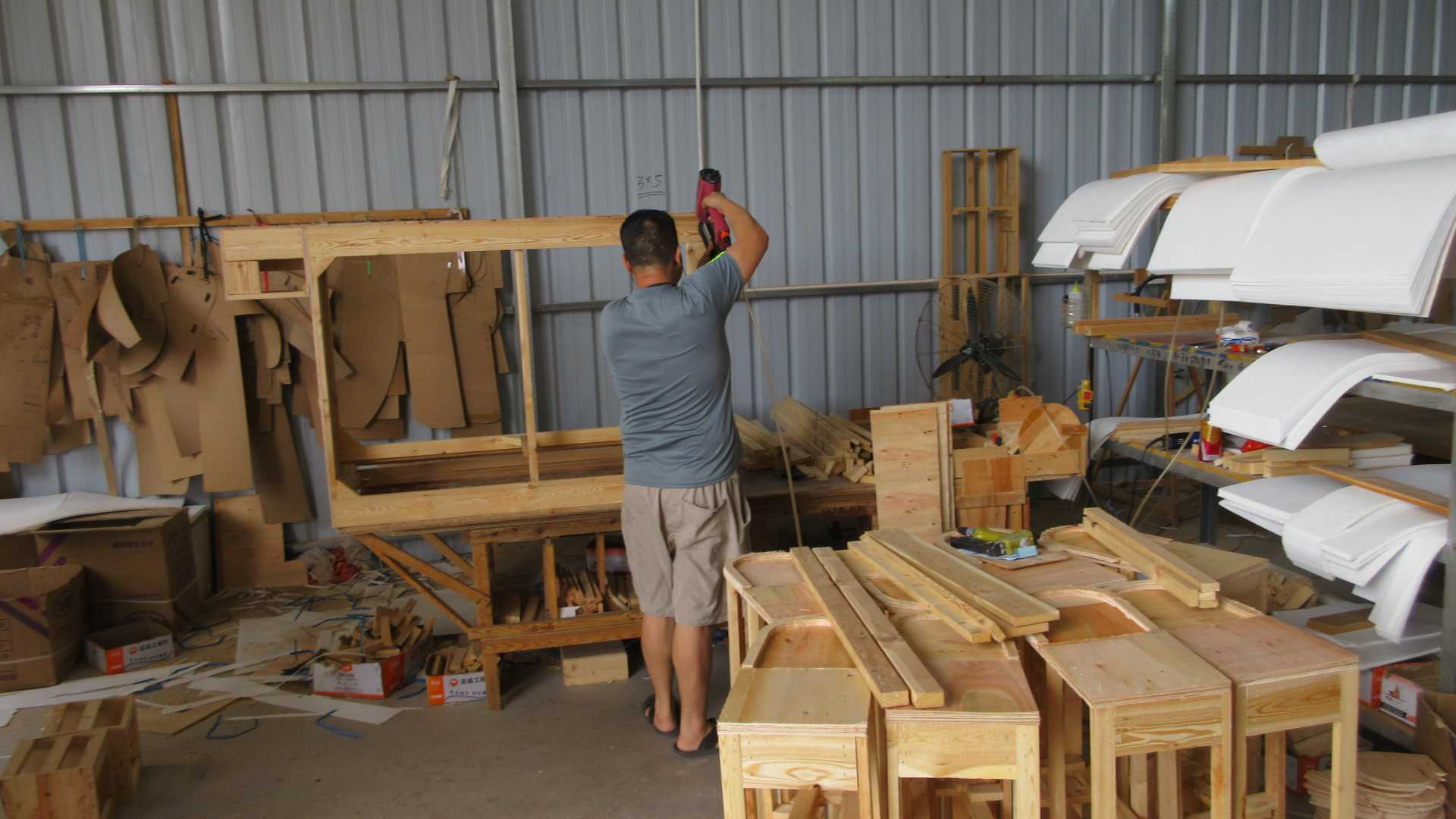
5. Wood Frame Assembly
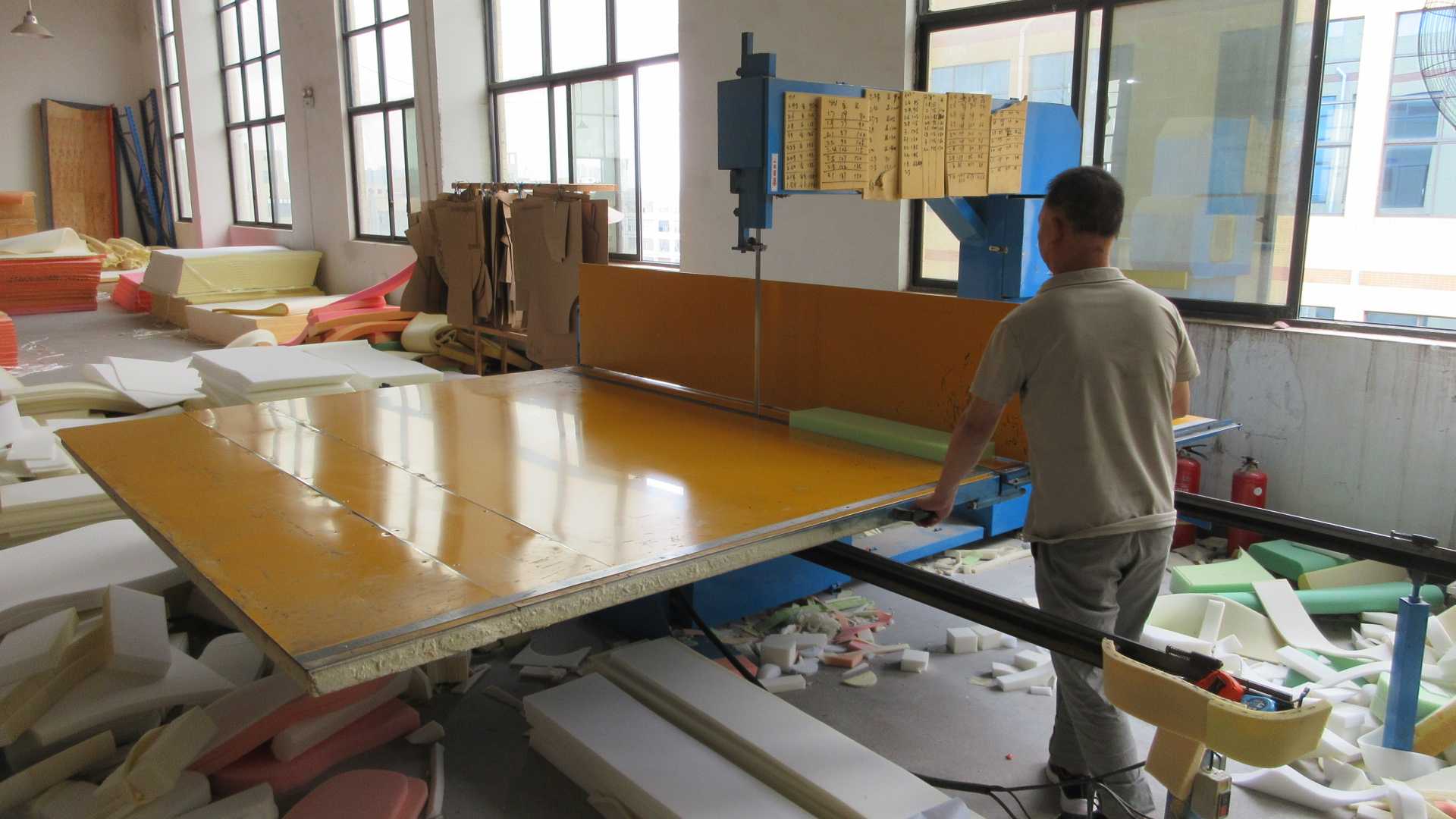
6. Cotton Cutting & Layering
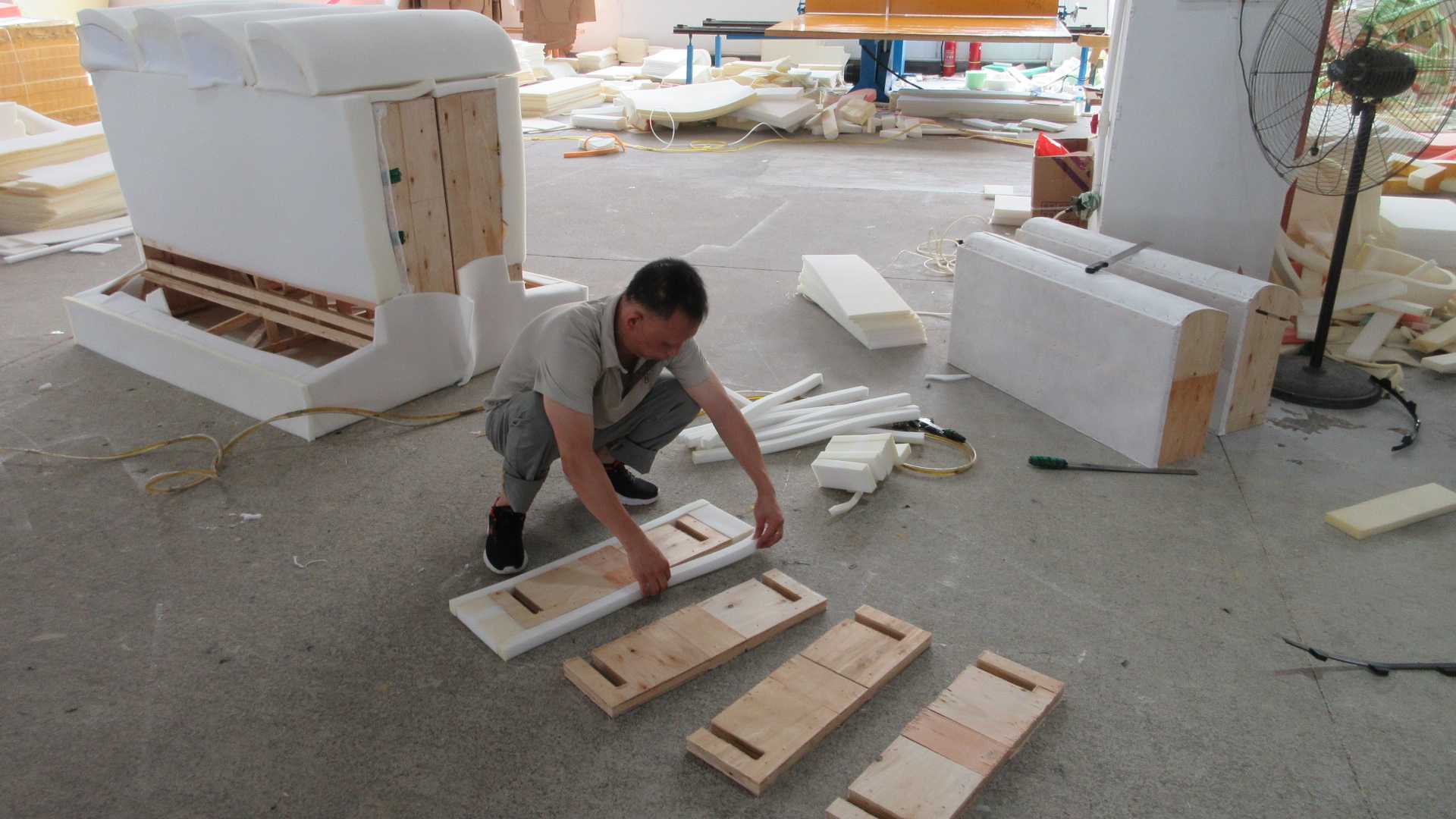
7. Cotton Padding Application
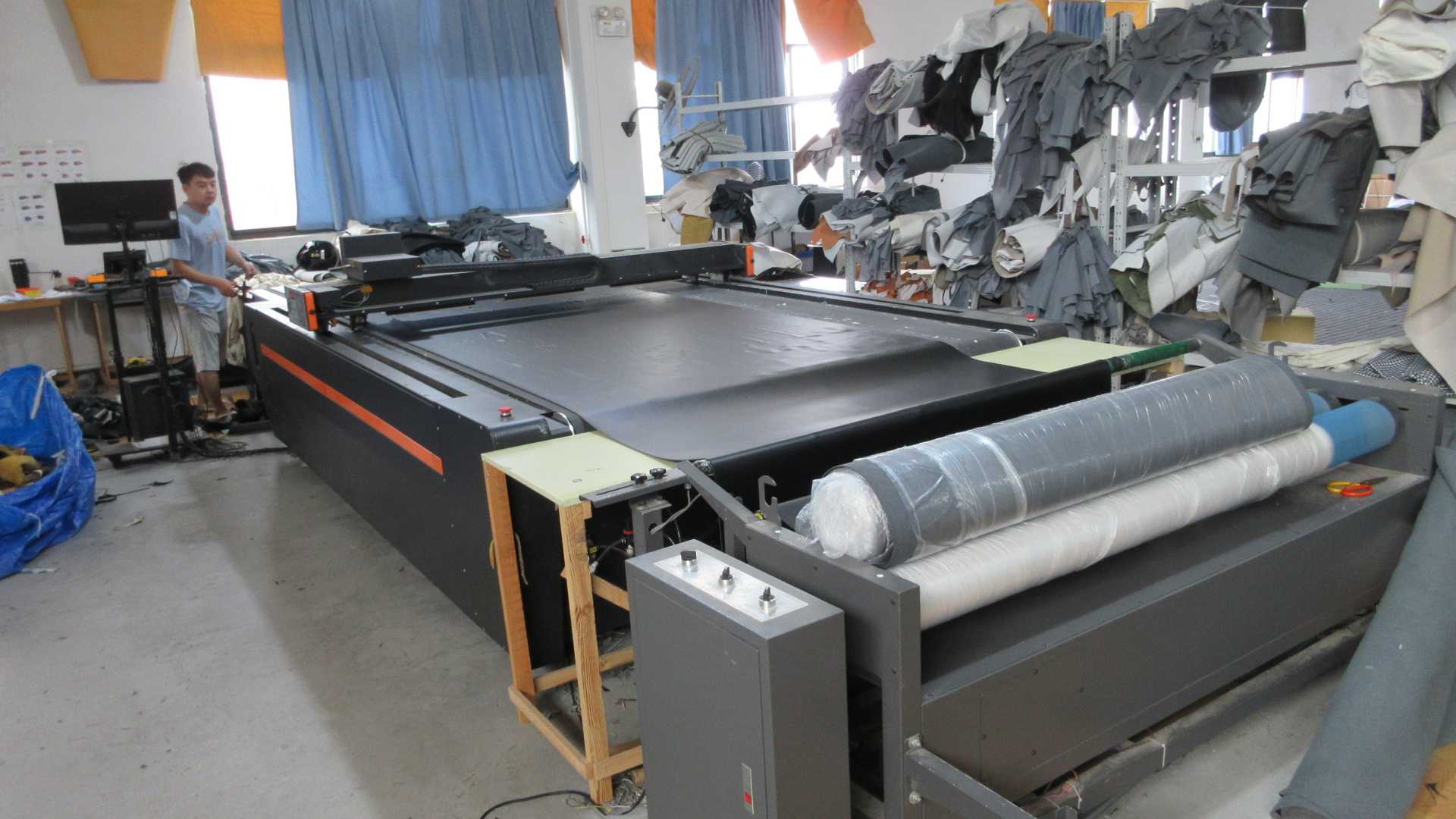
8. Leather & Fabric Cutting
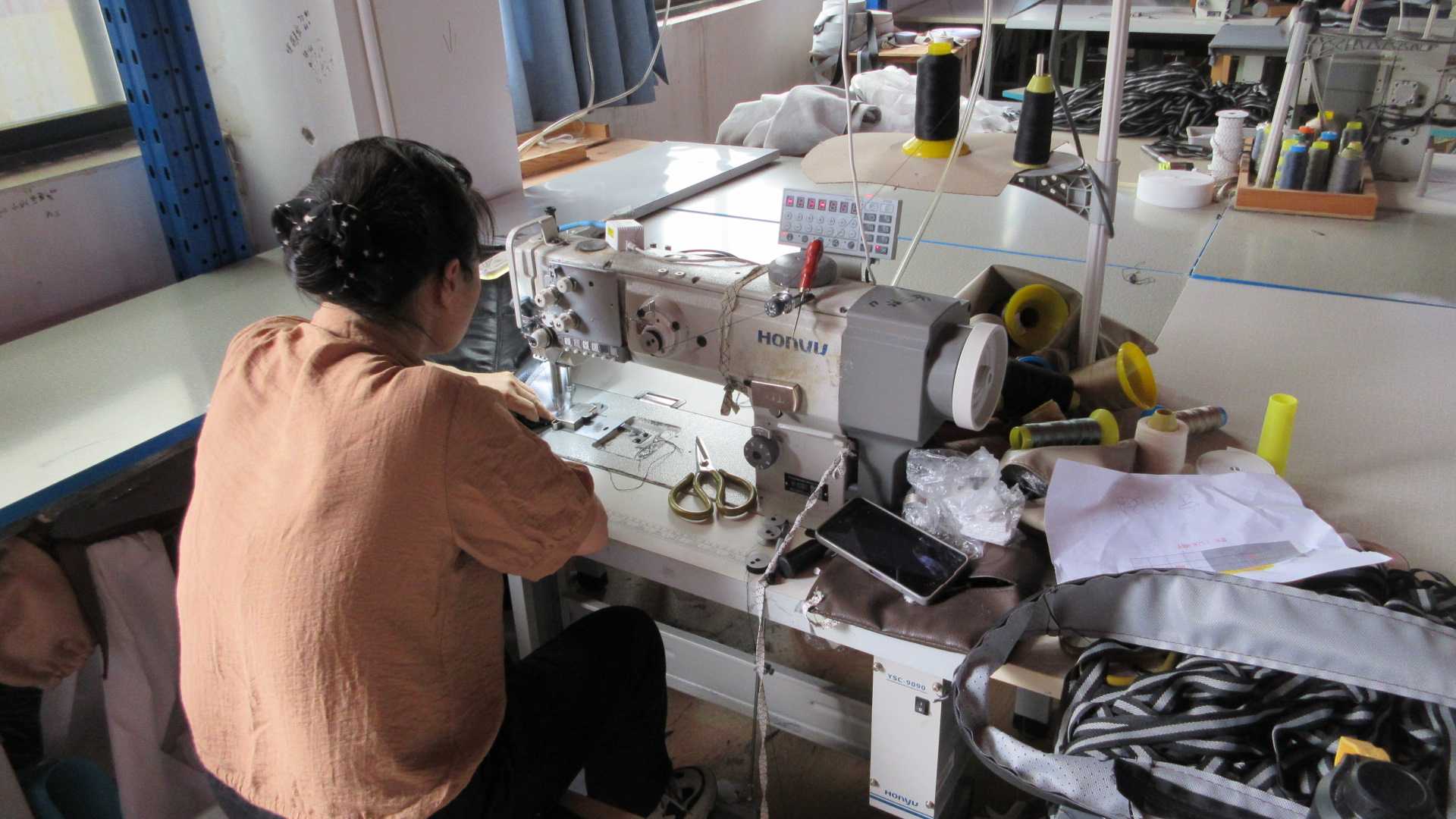
9. High-Tension Sewing
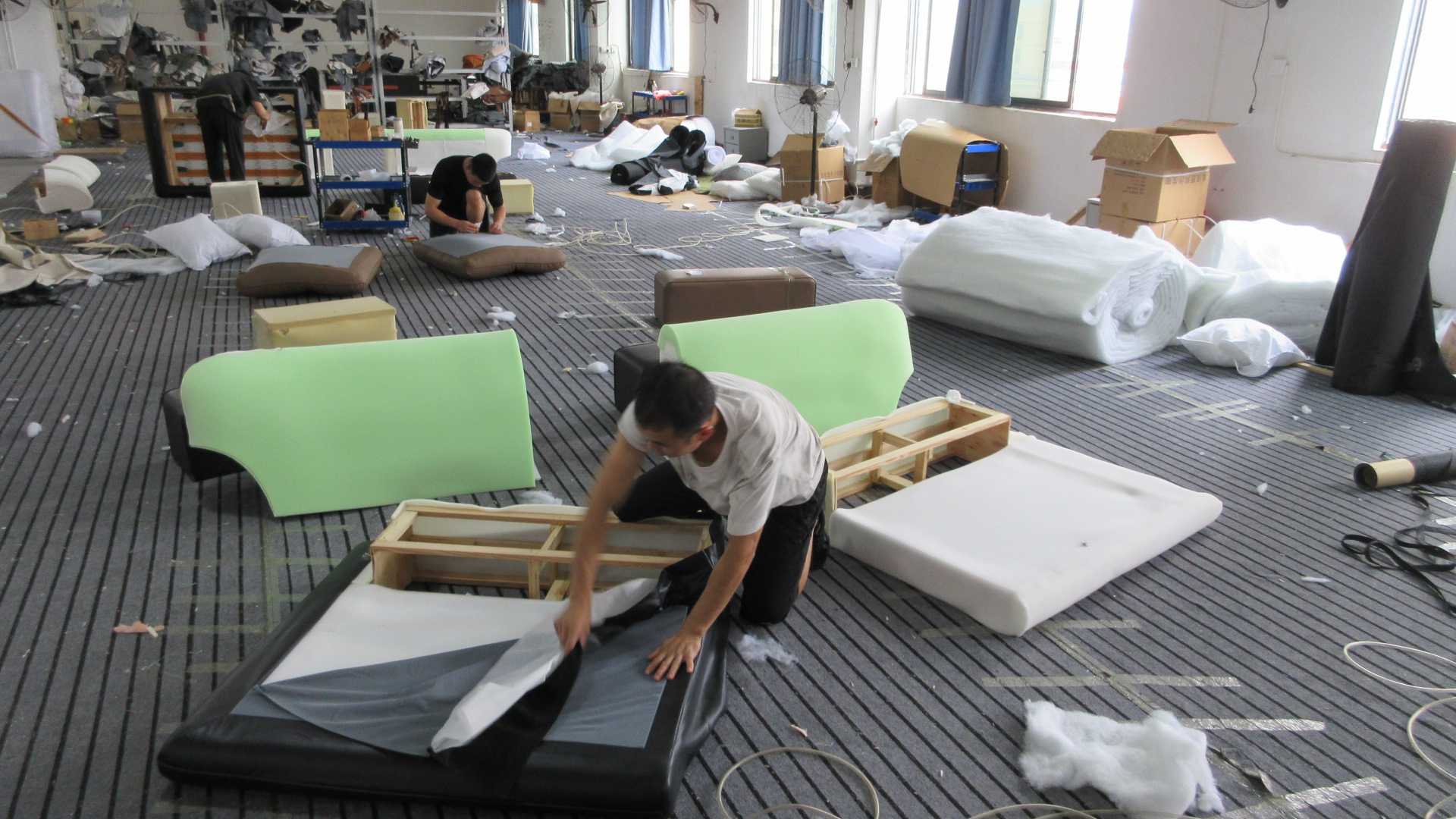
10. Finished Product Integration
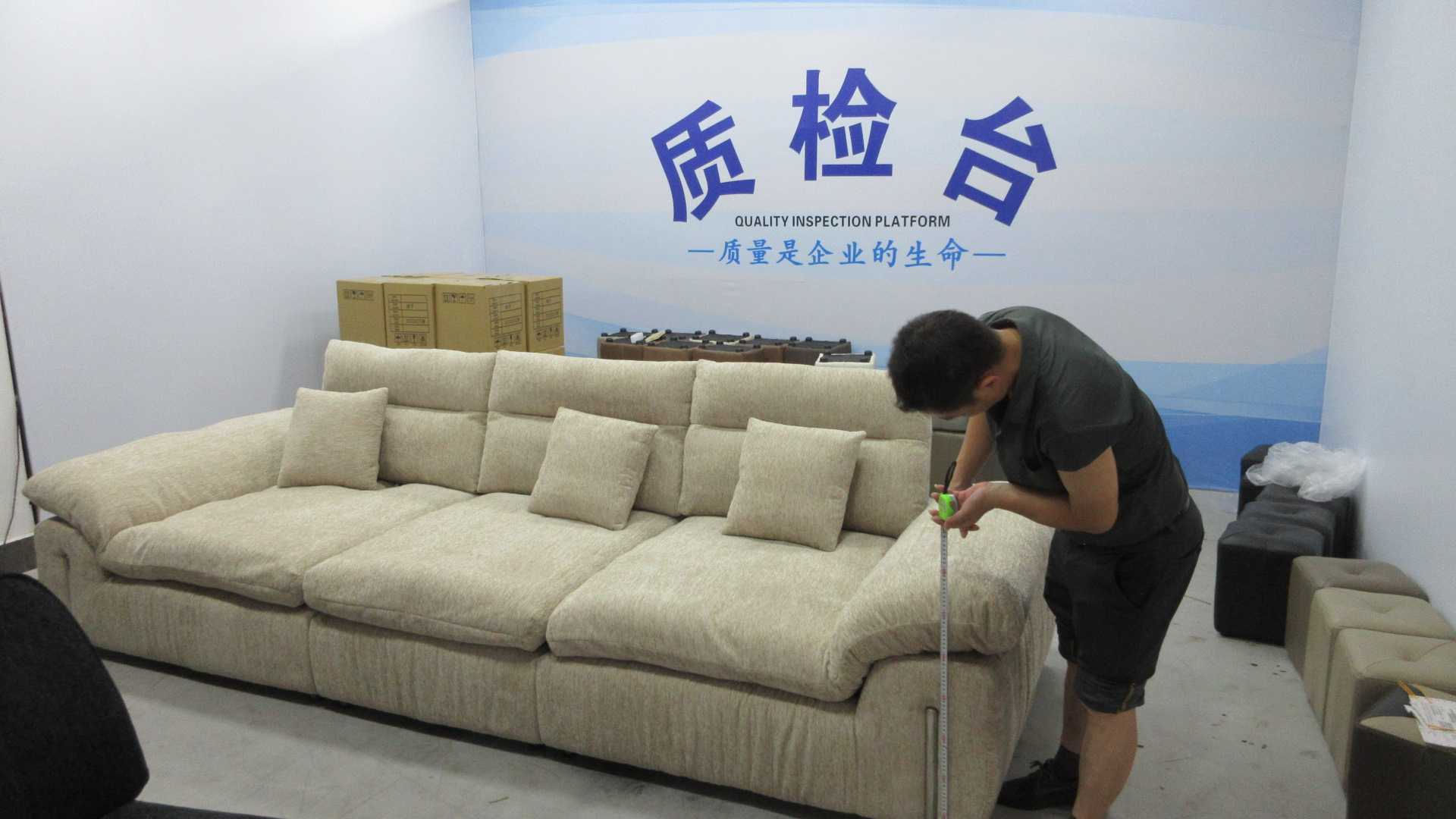
11. Quality Assurance Testing
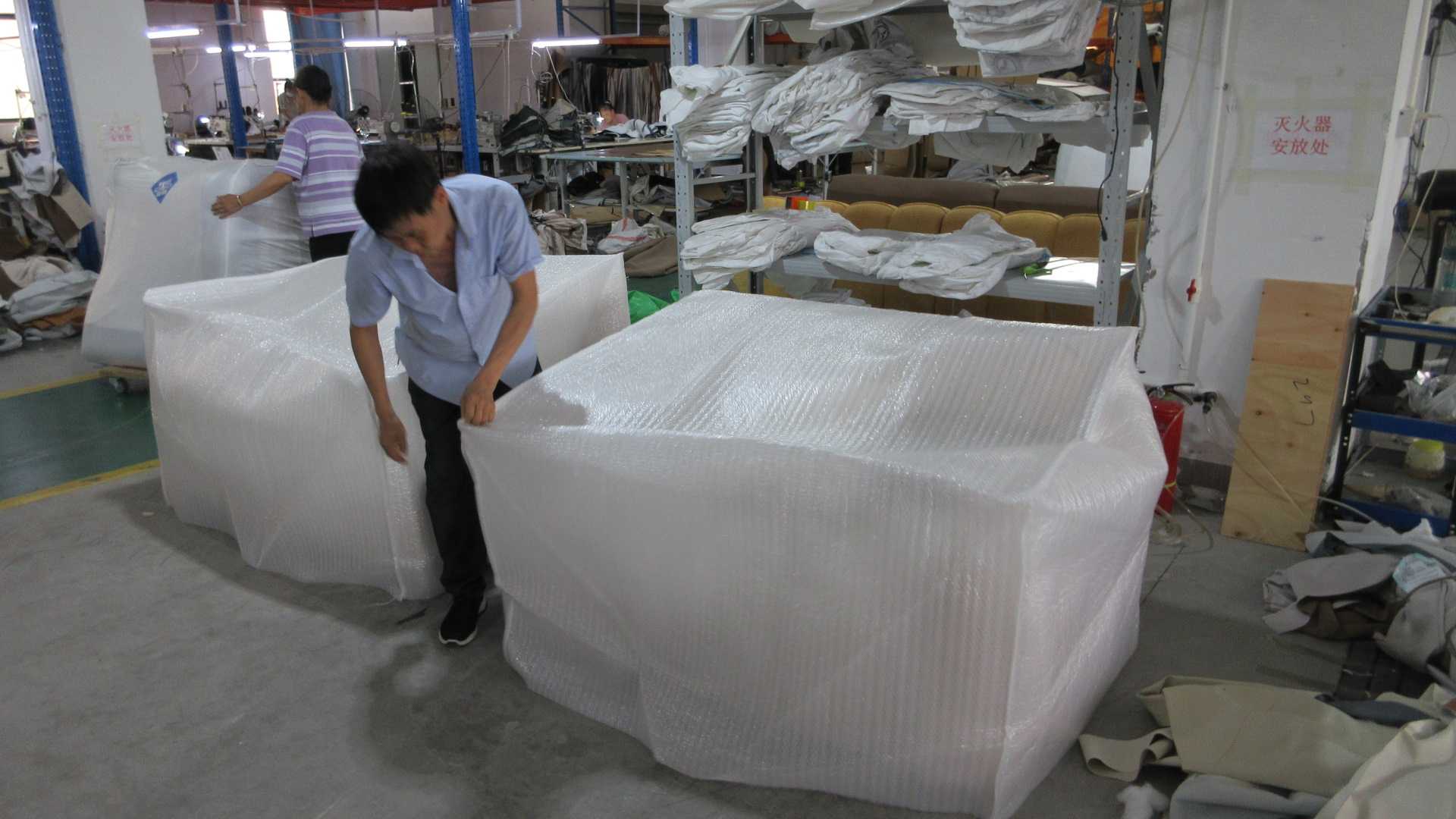
12. Protective Export Packaging
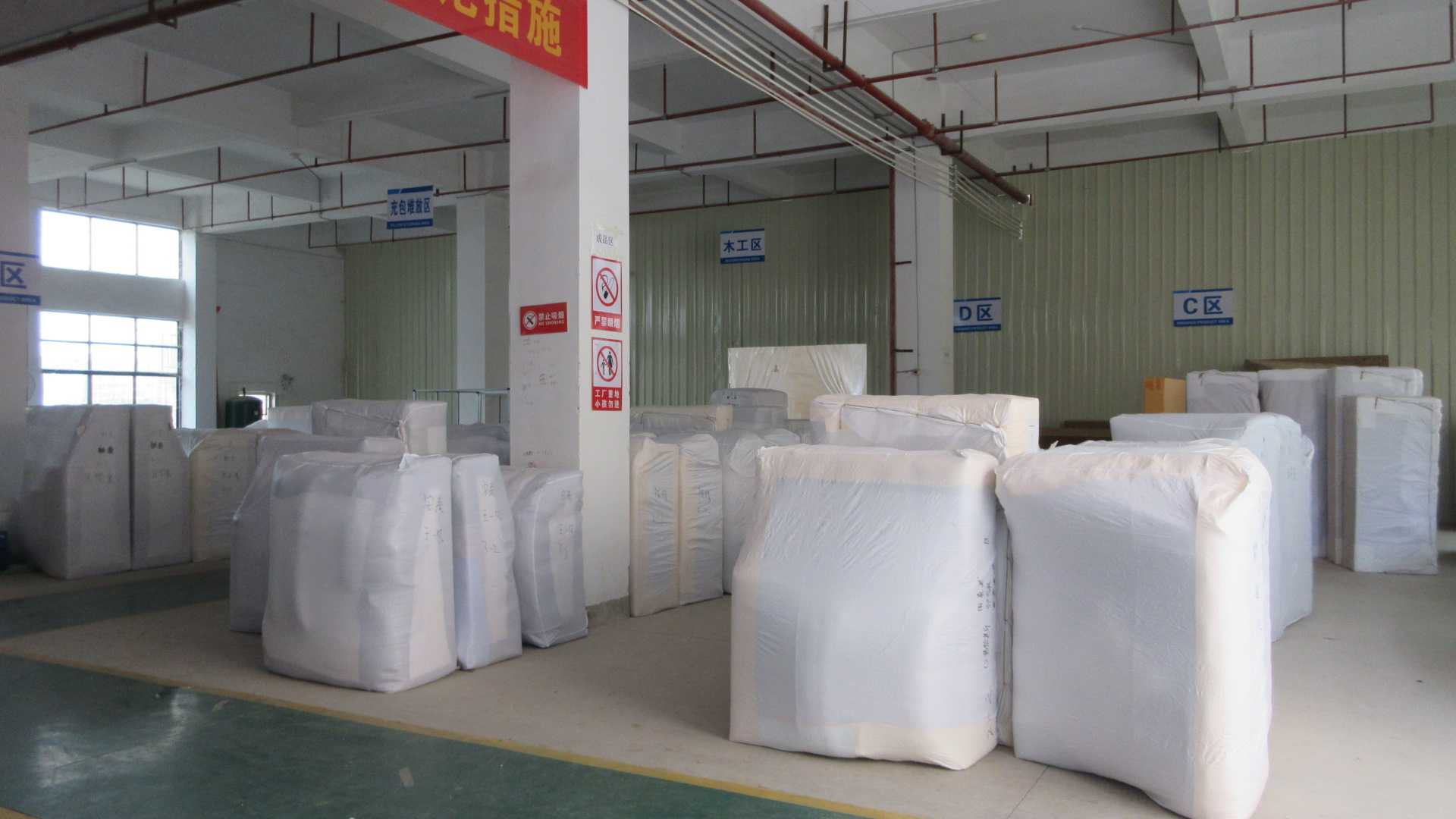
13. Finished Goods Warehouse & Logistics Dispatch
The chair cushion market is transitioning from simple foam layers to complex, dynamic structural matrices. Leading manufacturers are investing heavily in advanced research areas like Phase Change Materials (PCMs), dynamic pressure mapping systems, and bio-based, circular economy foams. These technologies aim to enhance user health while minimizing environmental impact.
Micro-encapsulated phase change materials integrated directly into the upper layer of viscoelastic foam. By absorbing, storing, and releasing heat energy, these active cushions regulate skin temperature to keep the user comfortable throughout the day.
Advanced 3D-mapped matrix design where the outer layers feature varying density zones. High density at the ischial tuberosities provides pelvic alignment, while lower density zones at the thighs prevent blood flow constrictions.
Switching from conventional petroleum polyols to bio-derived alternatives (such as castor oil and soy proteins). This reduces carbon footprints by up to 35% without compromising elastic recovery or tear strength.
A reliable supplier must offer solutions tailored to specific commercial environments. Each industry has unique demands that dictate the chemical composition of the cushion and its outer cover:
For global furniture brands and commercial developers, supply chain disruption is a major operational risk. Top manufacturers mitigate this by establishing localized warehousing systems, offering flexible minimum order quantities (MOQs), and maintaining clear compliance documentation. Working with a manufacturer that carries ISO 9001, ISO 14001, and BSCI social audits simplifies customs clearance and ensures reliable delivery schedules.
Additionally, localized customs support, DDP (Delivered Duty Paid) shipping solutions, and product liability insurance protect global buyers from unforeseen financial risks. This comprehensive support structure ensures that products meet or exceed the performance requirements of their destination markets.
Quality is determined by density (measured in kg/m³) rather than thickness. For commercial use, demand a density of at least 45-50 kg/m³. A professional factory should provide ASTM D3574 compression fatigue testing reports, showing less than 5% height loss after 80,000 cycles.
For the US market, materials must comply with California Technical Bulletin 117-2013 (TB117) and NFPA 260. For the UK and EU, British Standard BS 5852 (particularly Crib 5) or EN 1021 Part 1 & 2 are required. Check that your manufacturer has these independent test certifications before placing large orders.
We use high-grade solution-dyed fabrics (such as acrylics or heavy-duty Teslin mesh) treated with water-repellent, oil-resistant, and stain-resistant finishes. Internally, we use reticulated fast-drying foam that lets water drain through quickly, preventing mold and mildew growth in humid climates.
MOQs vary depending on the customization requested. Standard fabric and core formulations typically require 100-300 units per style. Highly customized materials, custom-molded foam cores, or specialized custom-dyed colors may require a minimum of 500-1000 units per production run.
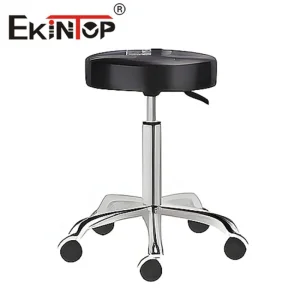
Explore our additional line of professional office, bar, and outdoor structural seating models, engineered to integrate with high-performance cushioning systems.