Discover premium contract-grade solutions engineered for luxury commercial spaces, resorts, and modern corporate interiors.
In the modern hospitality, commercial real estate, and residential architectural design sectors, the humble outdoor umbrella has undergone a profound evolution. Once considered a basic sunshade accessory, the demand for highly sophisticated, multi-functional outdoor equipment has paved the way for the Lighted Umbrella segment. Integrating advanced Photovoltaic (PV) solar panels, high-density Lithium-ion energy storage systems (BMS), high-CRI energy-efficient LED modules, and smart ambient controls, the modern lighted umbrella has become a focal point of commercial outdoor space design. This whitepaper analyzes the top manufacturers, engineering architectures, supply chain advantages, and selection criteria for global procurement professionals.
From a procurement standpoint, "Lighted Umbrellas" satisfy a crucial commercial crossover: they bridge day-use solar sun protection with night-use atmospheric lighting. This eliminates the necessity of running complex, high-voltage underground wiring across outdoor terraces, gardens, and poolside decks. Global buyers look for key technical indicators when sourcing:
A comparative technical analysis mapping structural, electrical, and commercial lifecycle differences.
| Performance Attribute | High-Performance Solar-LED Umbrellas | Conventional Outdoor Umbrellas | Commercial Value Impact |
|---|---|---|---|
| Energy Source | Monocrystalline Solar PV + Lithium-ion BMS (Integrated) | None (Passive) / Direct grid wiring (High cost) | Zero carbon footprint, self-sustaining illumination. |
| Frame Construction | Anodized Aluminum (Laser-Welded) with internal wire conduits | Standard aluminum extrusion or hollow wood shafts | Vastly improved structural integrity & aesthetic wiring. |
| Canopy Material | Solution-Dyed Acrylic / Heavy-duty Teslin (UV 50+) | Standard polyester or nylon blends | Minimizes color fading; extends usable life by 3-5 years. |
| Wind Resistance | Dual-vent system, wind-tested up to 55 km/h (Beaufort 7) | Single-vent or unvented, unstable under sudden gusts | Mitigates risk of property damage and patron injury. |
| ROI Period | 12 - 18 Months (Offsets installation & wiring overheads) | None (Ongoing operational cost for external lighting) | Maximizes night-time hospitality seat turnover. |
The eastern province of Zhejiang stands as the unrivaled epicentre of global outdoor furniture and shade manufacturing. Sourcing from Zhejiang grants buyers immediate access to a highly integrated vertical supply chain. From precision metallurgical extrusion mills to advanced polymer canopy weaving, and high-tech semiconductor LED packaging, the region provides unique manufacturing advantages.
Furthermore, manufacturers like Zhejiang MAZIS Furniture Co., Ltd. leverage this regional network to implement high-precision machinery, such as automated laser welding systems, CNC wood and metal cutting machines, and computerized powder-coating lines. This level of automation ensures components are produced to exact dimensional tolerances, minimizing human error and ensuring long-term batch consistency.
Crucially, the consolidation of electronic component suppliers and raw material processors in this cluster lowers logistics costs, which translates to a competitive FOB or CIF price structure for global B2B procurement managers.
Zhejiang MAZIS Furniture Co., Ltd. is a modern enterprise specializing in the design, research and development, and manufacturing of high-quality outdoor furniture. The company is committed to creating durable, comfortable, and aesthetically refined outdoor living solutions for global customers. Located in Zhejiang Province, MAZIS Furniture benefits from a strong regional manufacturing foundation and a well-developed industrial supply chain.
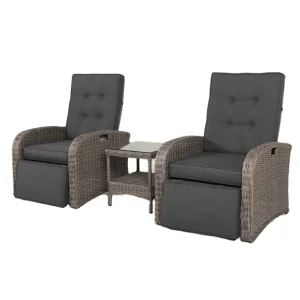
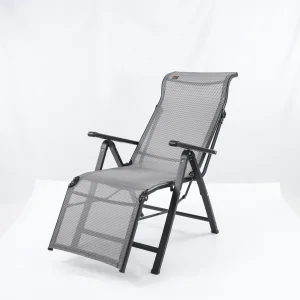
Equipped with advanced production facilities, including laser welding systems, precision cutting equipment, and automated plastic spraying lines, MAZIS ensures high production efficiency and consistent product quality across all categories. Its main product range includes Teslin mesh furniture, synthetic rattan furniture, and other premium outdoor leisure furniture series, widely used in gardens, patios, balconies, hotels, resorts, and commercial outdoor spaces.
Every stage of production—from raw material selection to automated assembly and testing—is rigorously monitored to exceed global compliance standards.
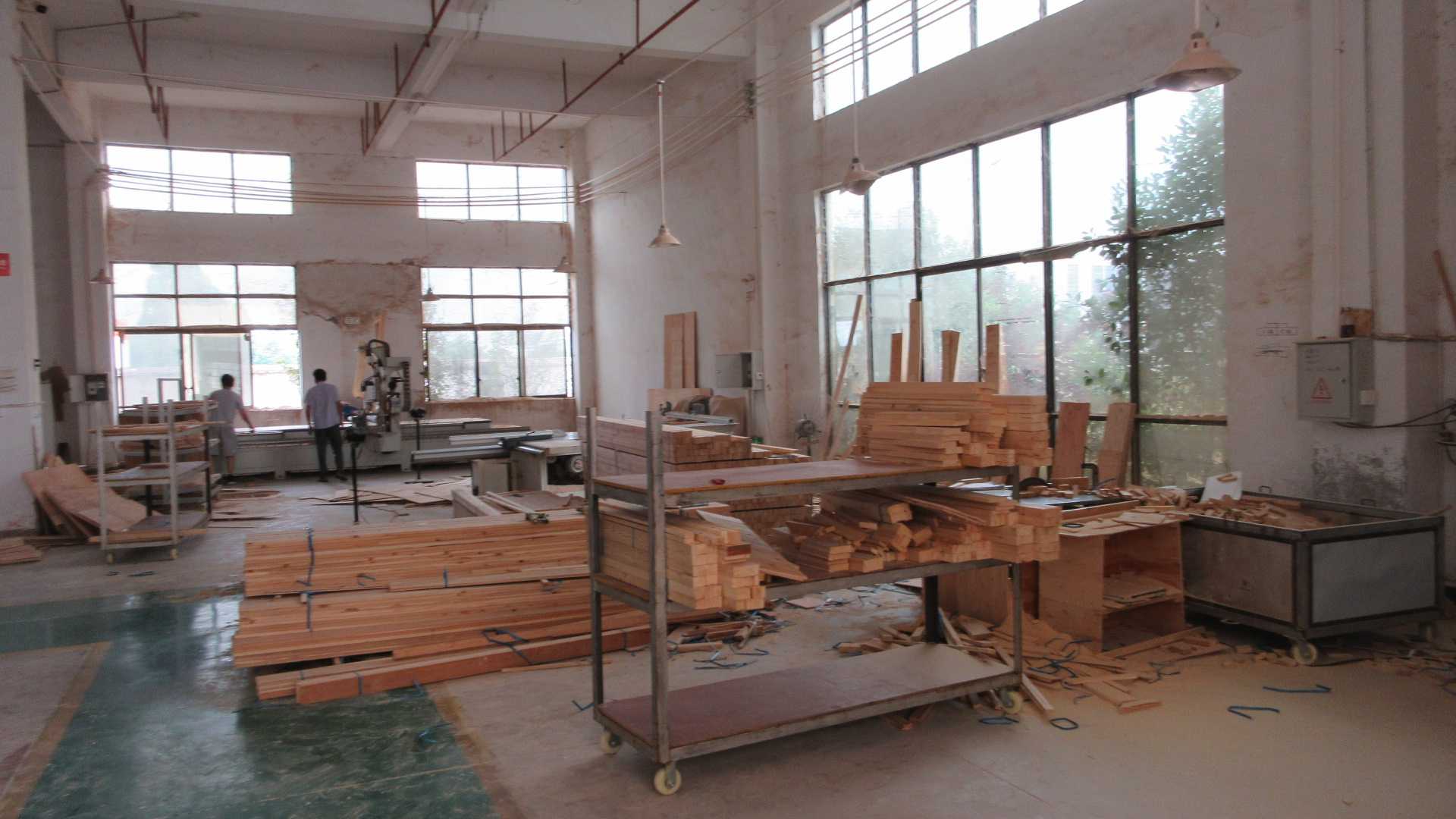
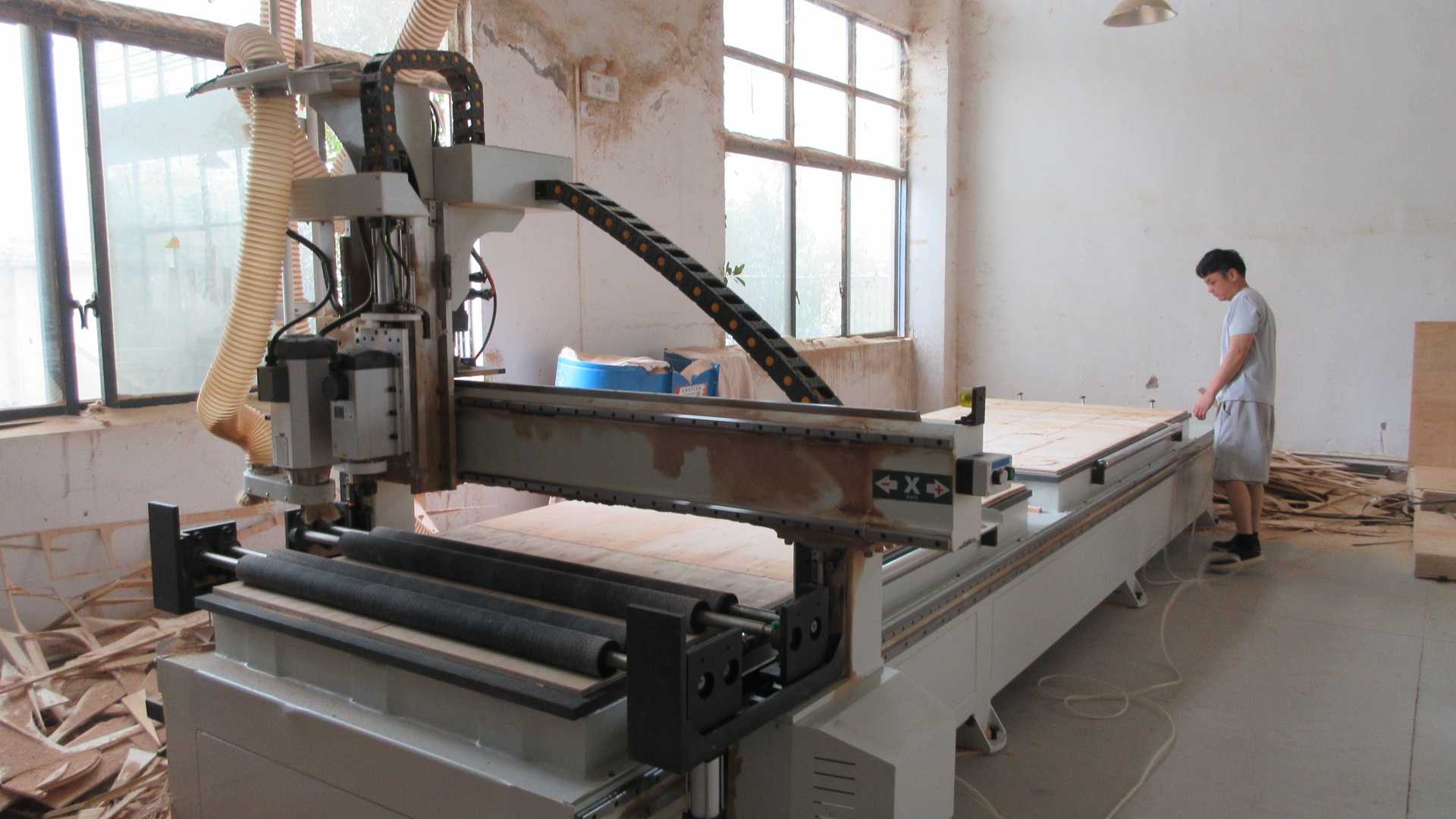
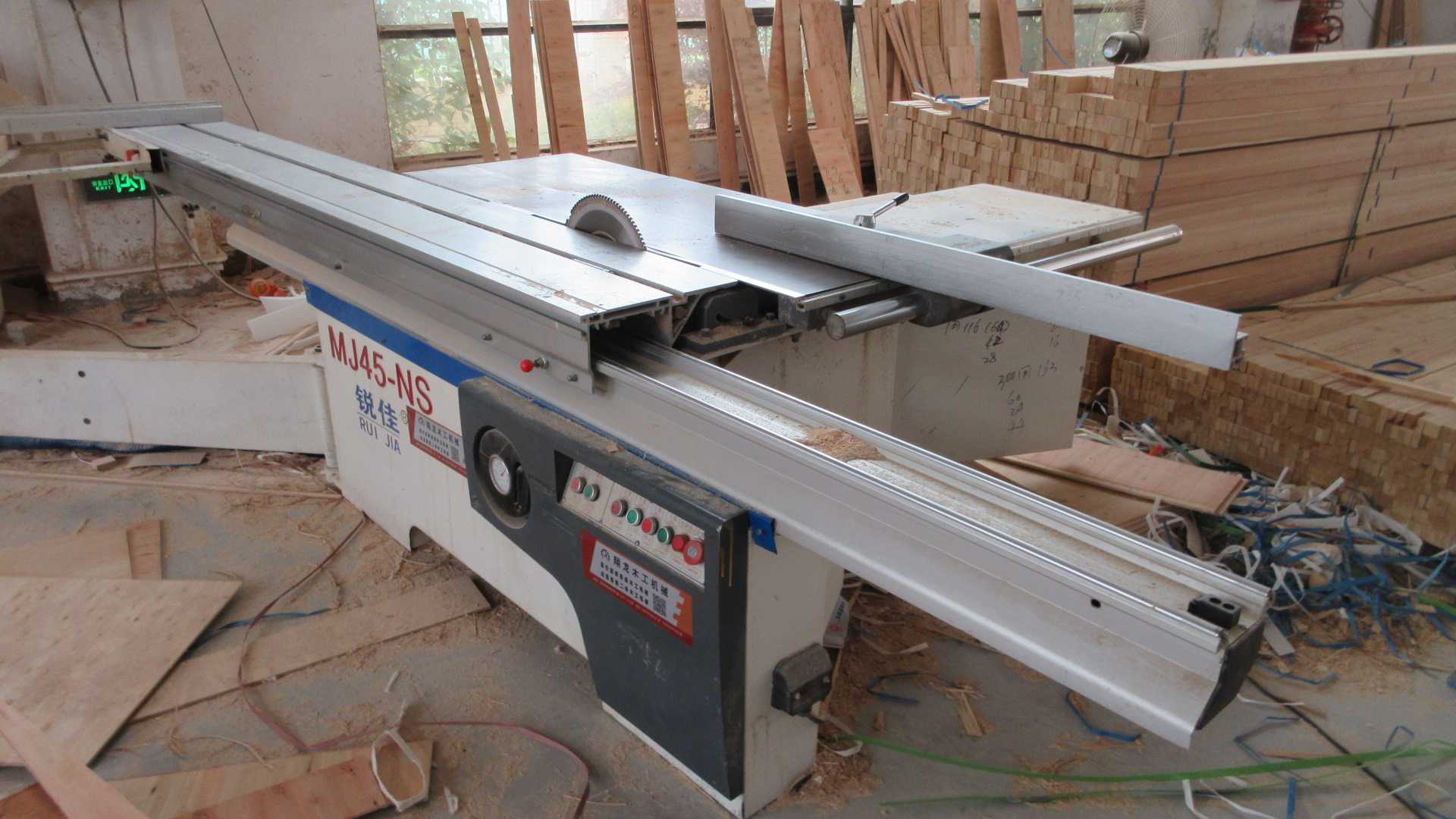
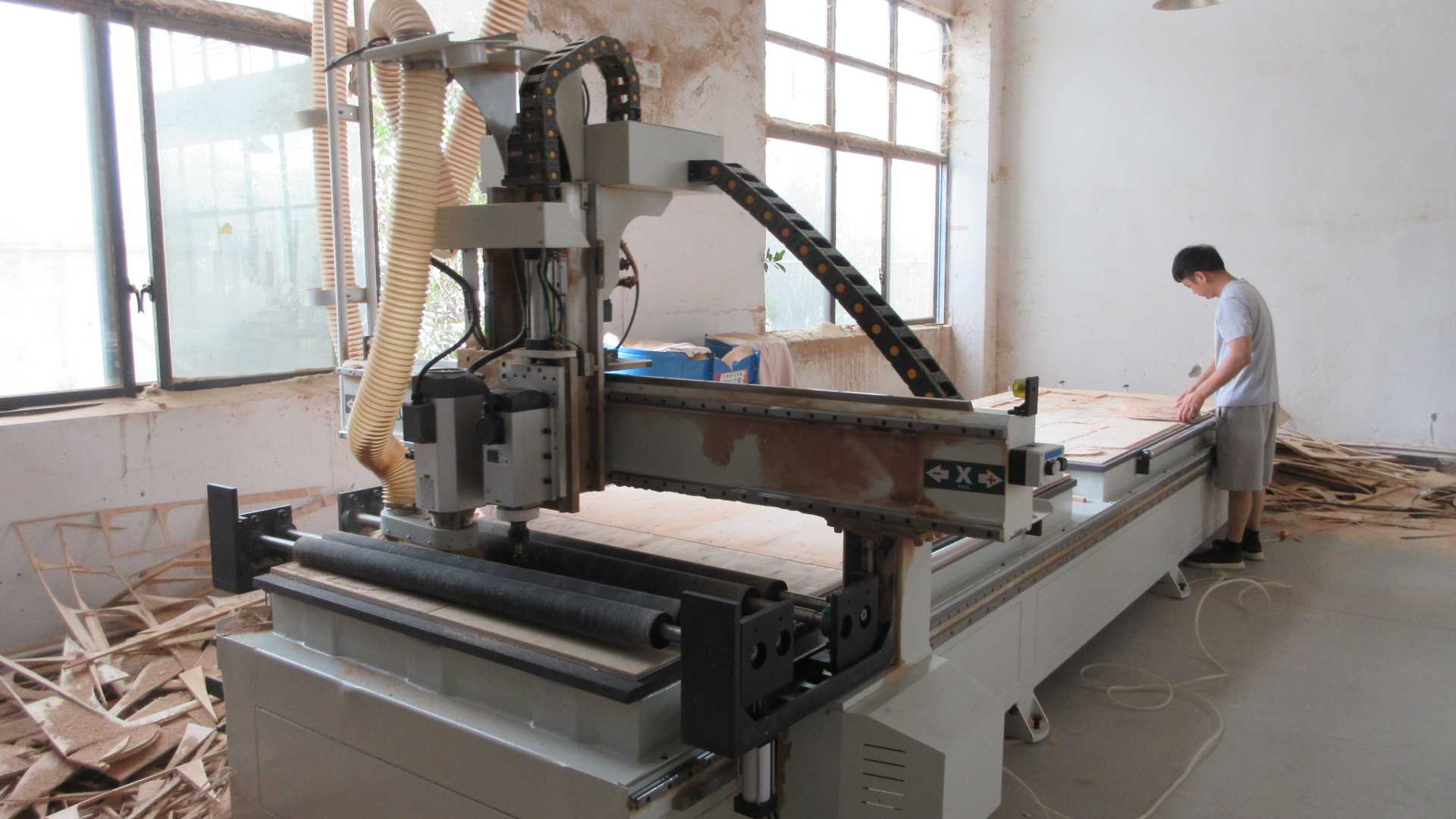
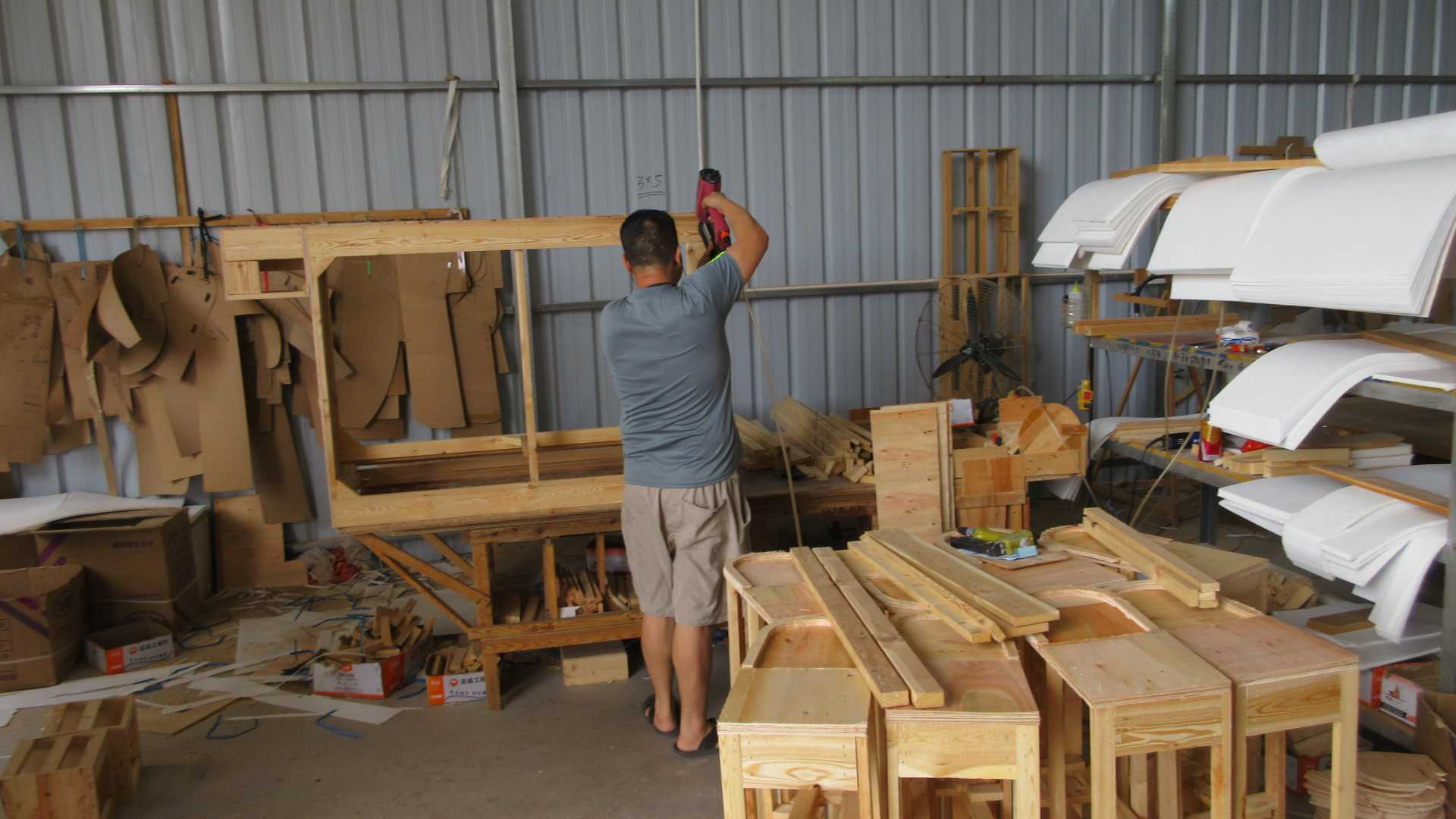
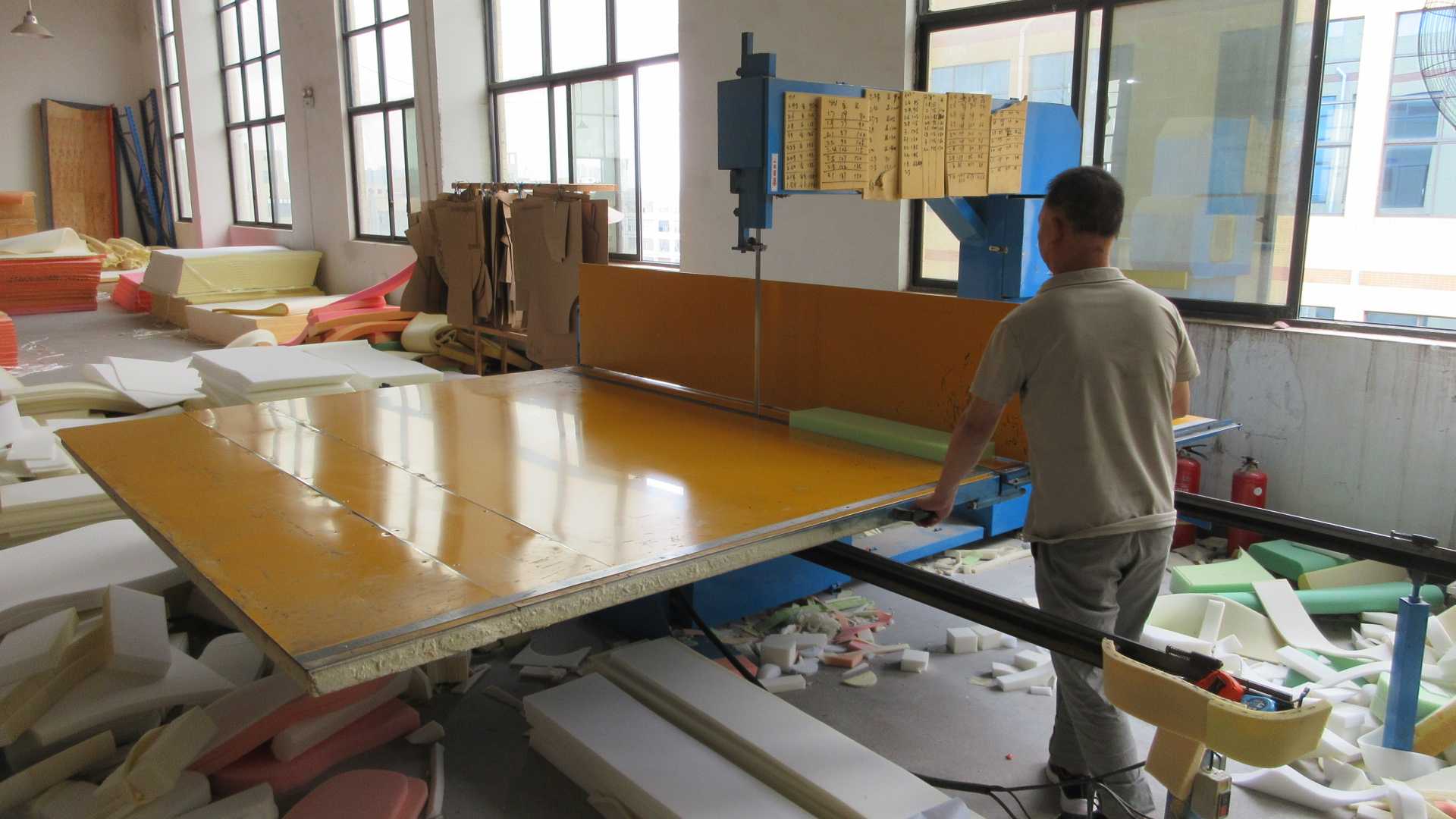
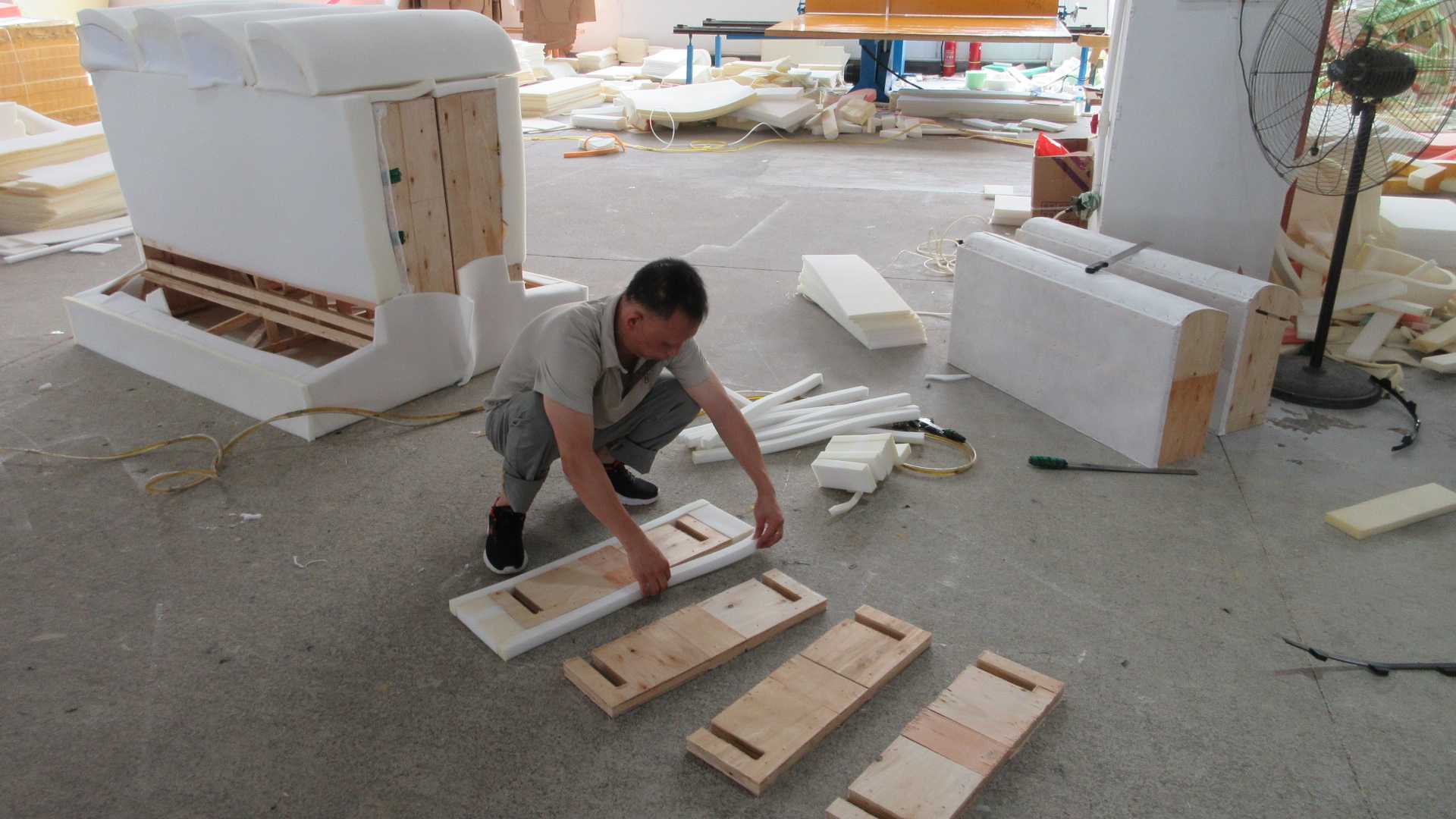
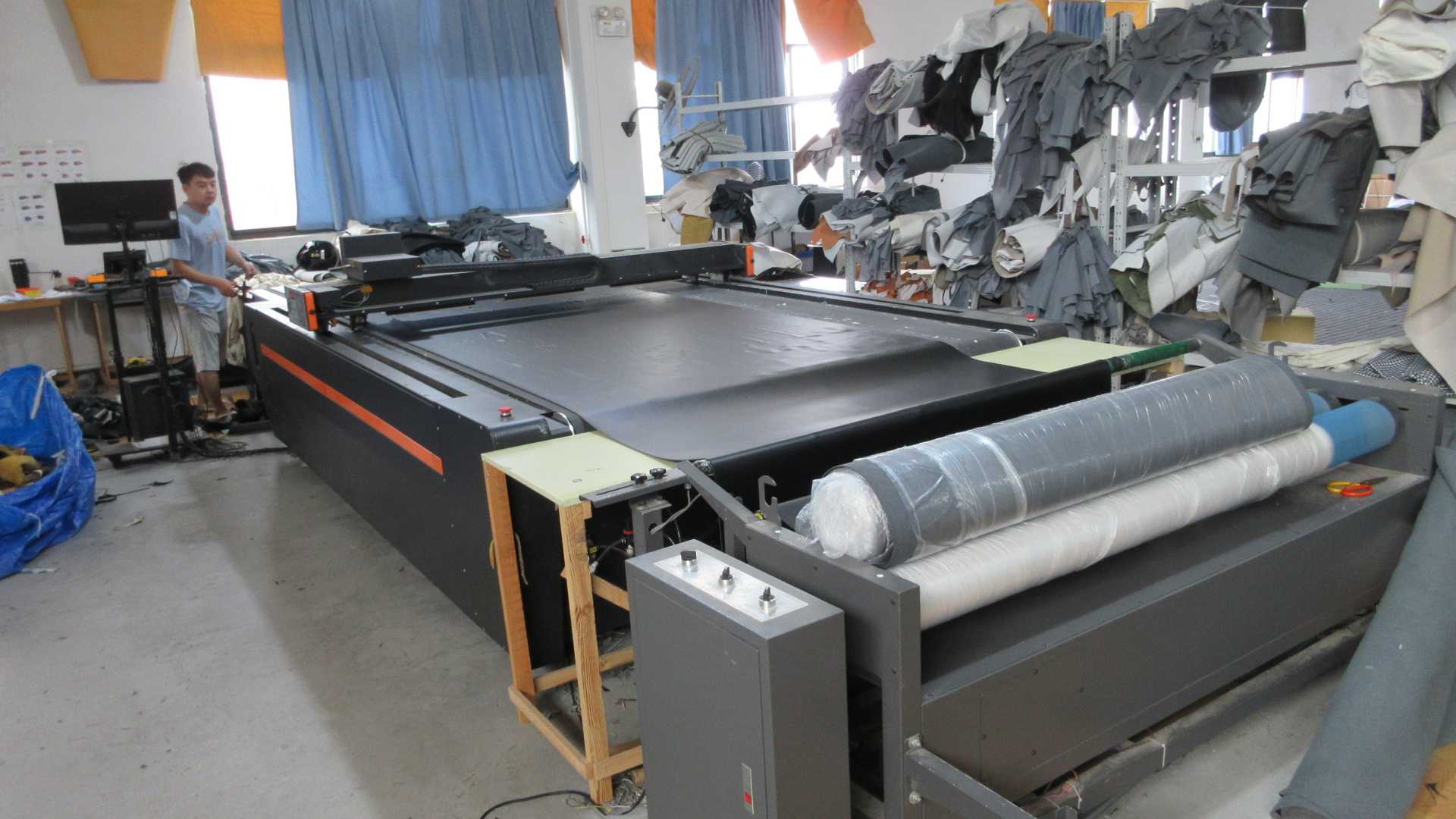
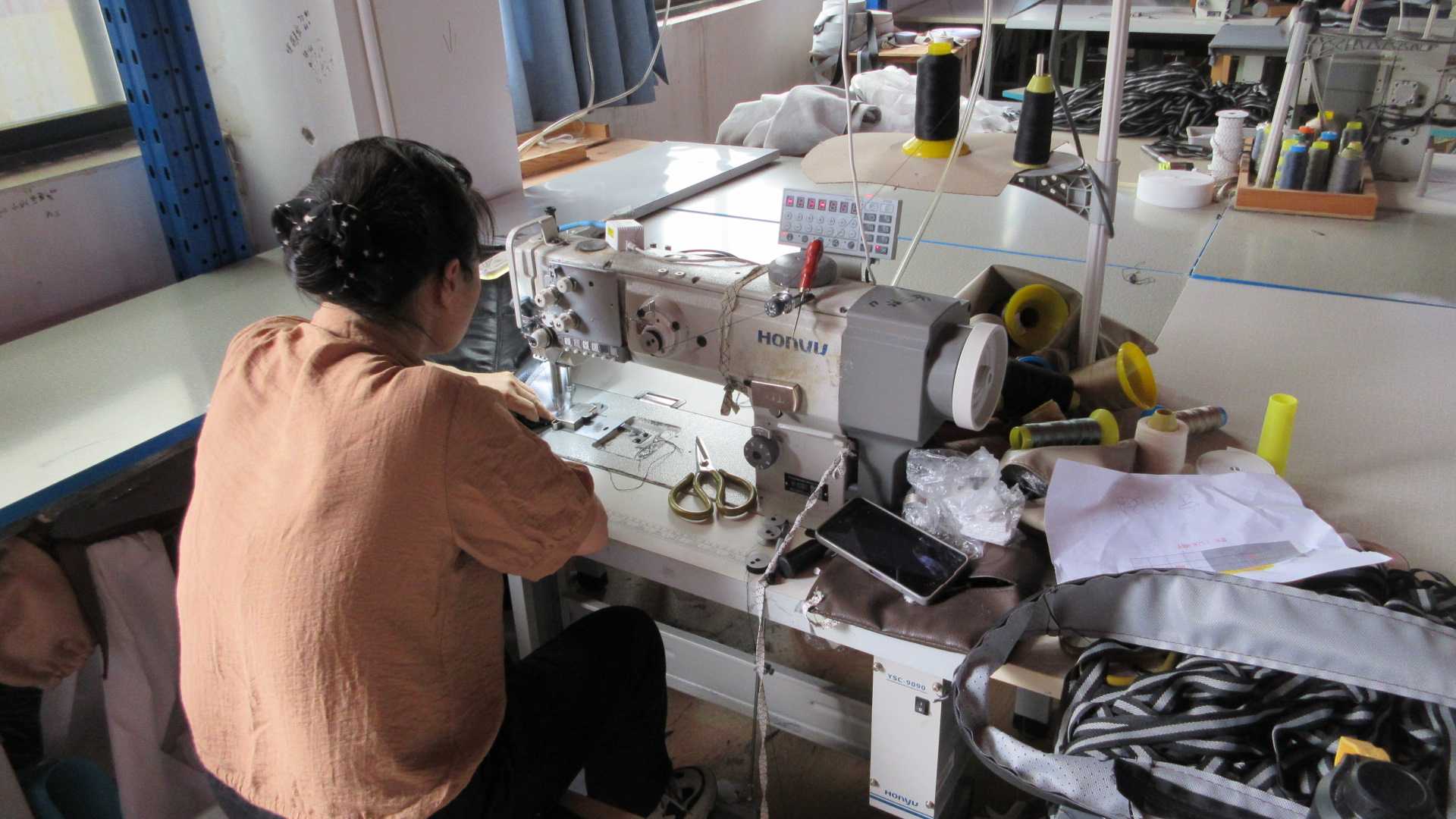
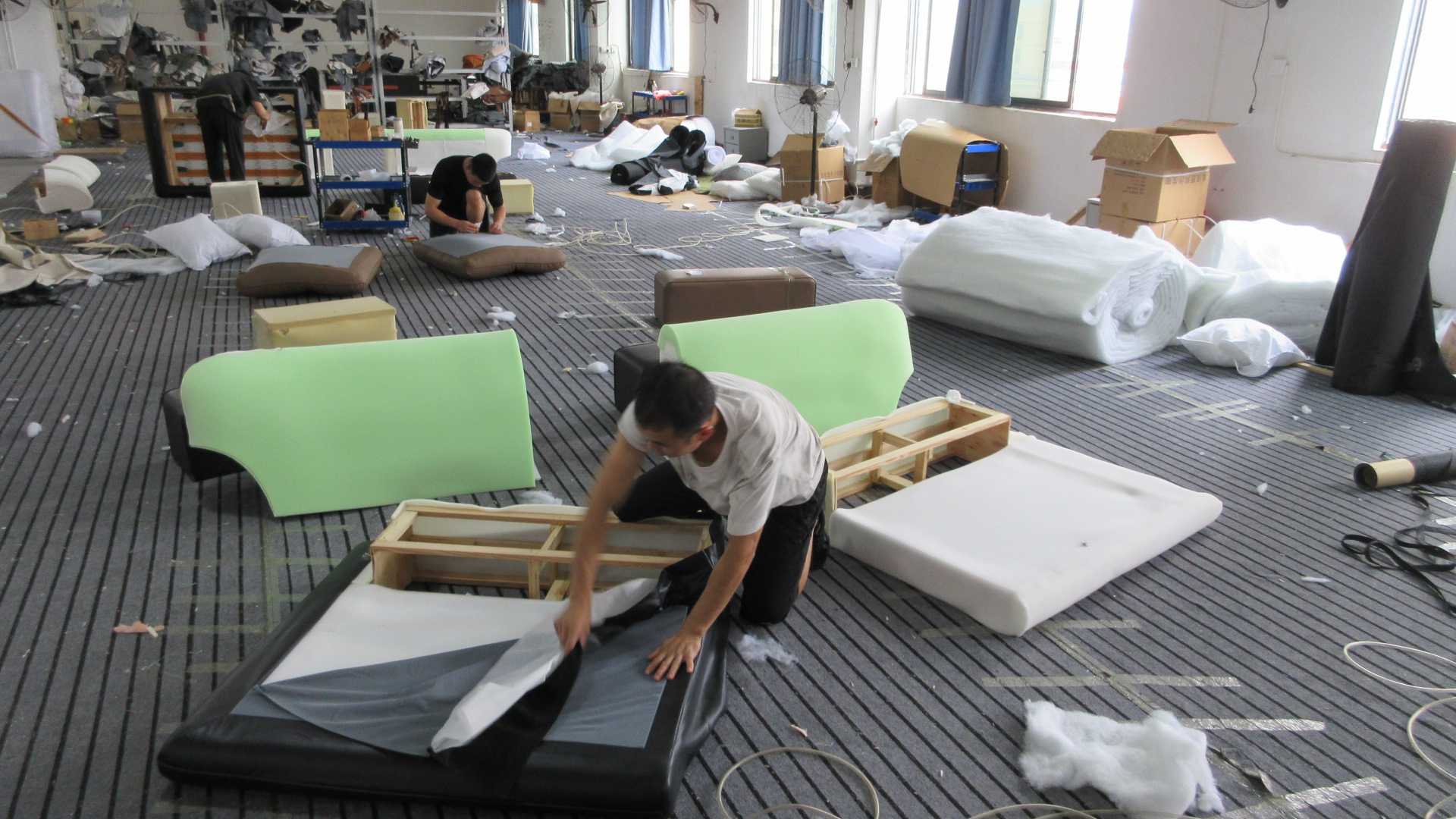
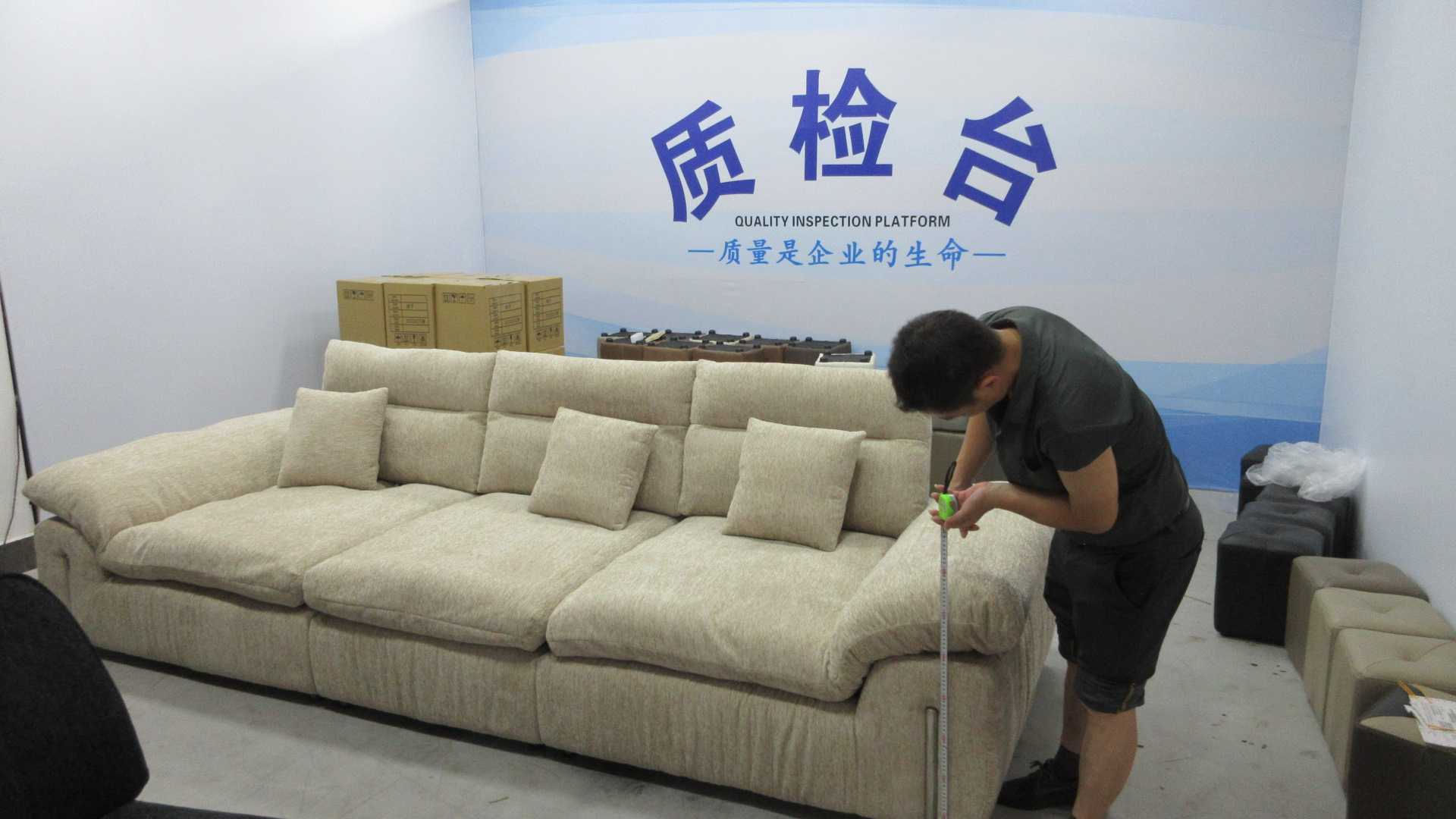
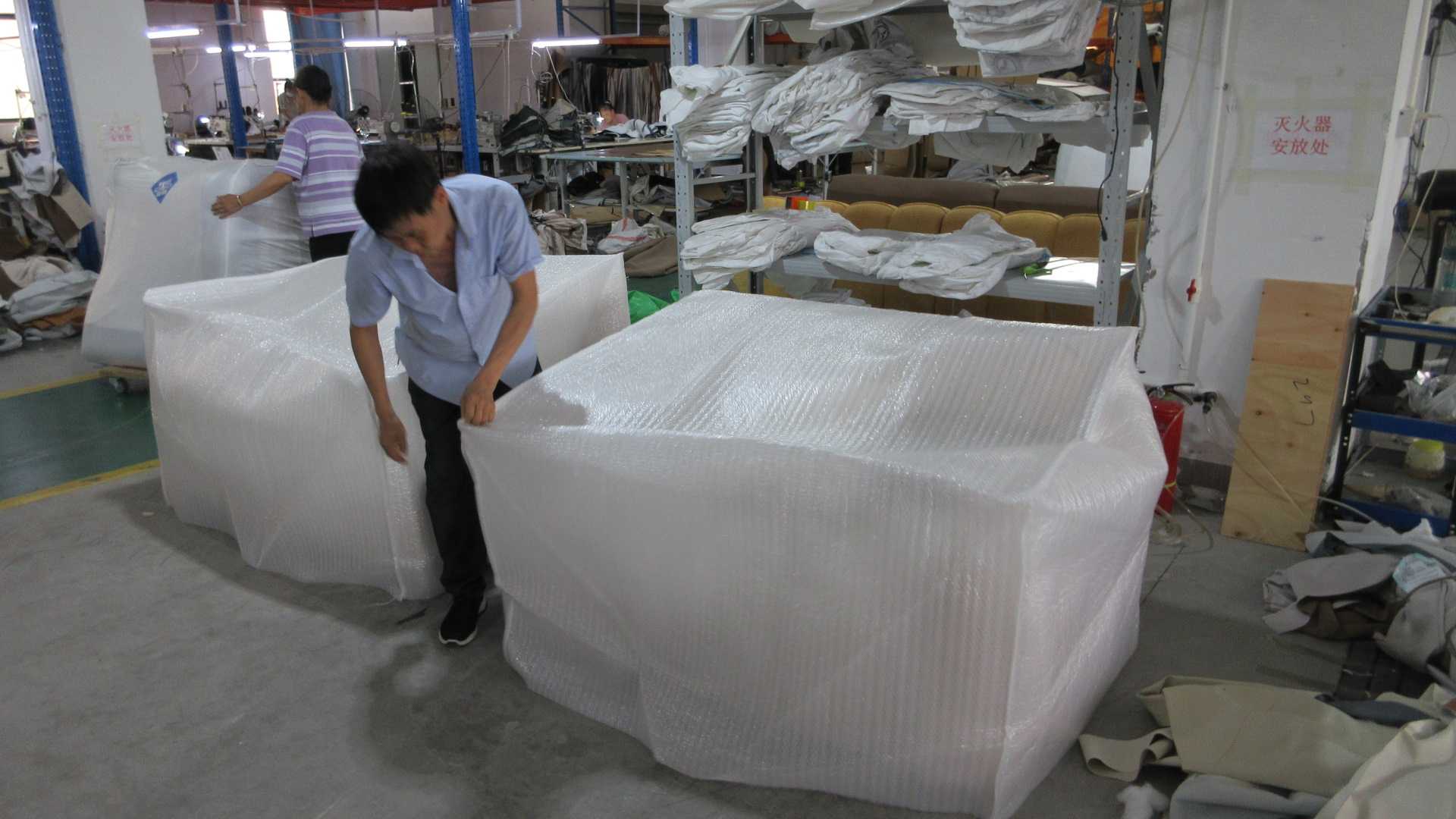
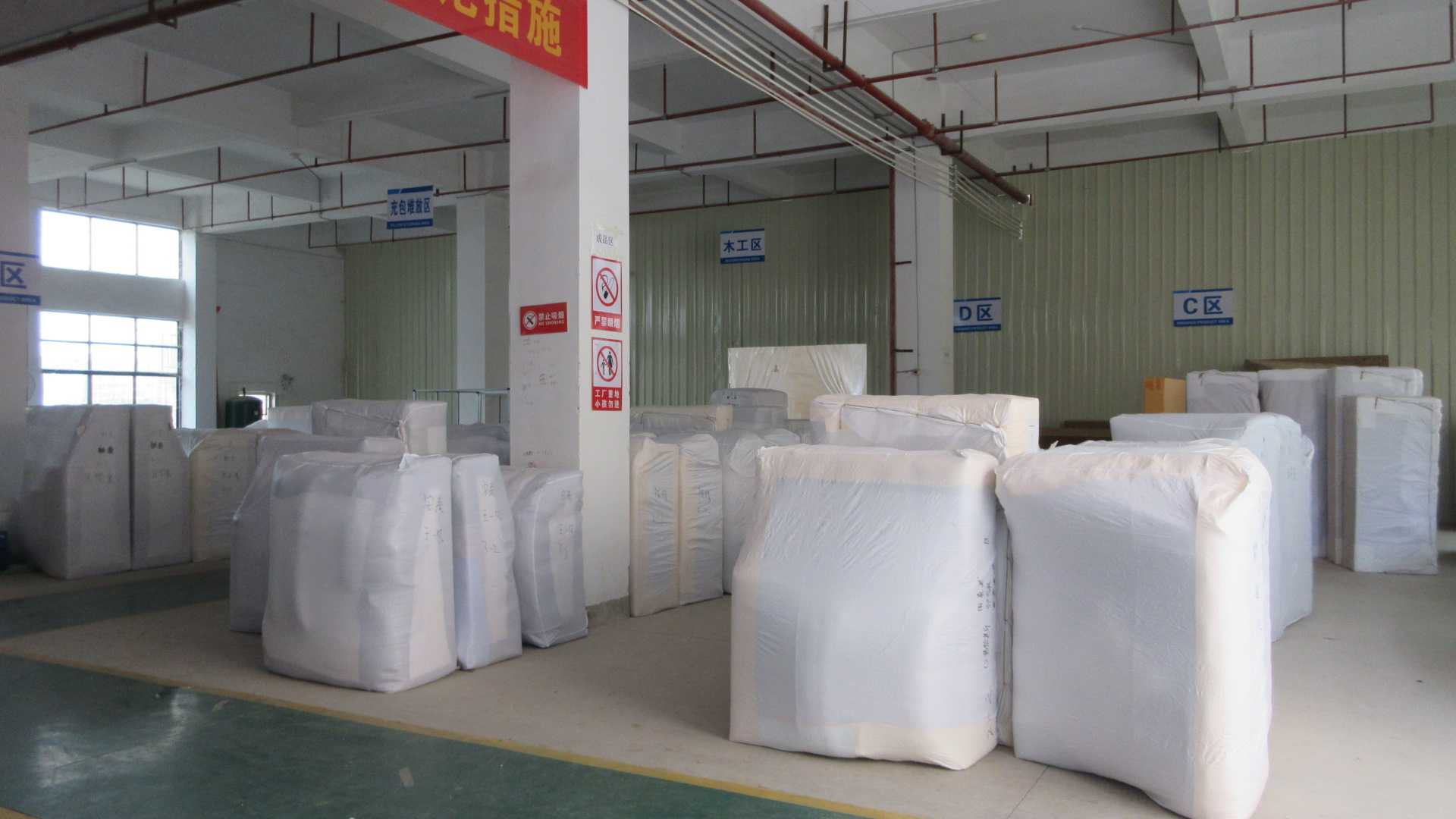
Double-checked, heavy-duty packaged, and ready for immediate global logistics and distribution.
Modern architectural planning emphasizes biological compatibility. The lighted umbrella is no longer seen as a detached fixture, but rather as an organic extension of natural landscapes. Commercial grade solar fabrics mimic leaf photosynthesis to absorb light, store energy, and redistribute it at night, minimizing light pollution via soft, diffused, warm spectrum LEDs (2700K).
The integration of IoT sensor matrices within central control units enables smart shading networks. High-end systems can automatically close canopies when wind velocities exceed critical levels, self-adjust angles based on sun trajectory, and report battery health directly to hotel facility management dashboards via Zigbee or Wi-Fi.
Sustainable sourcing initiatives are driving high demand for circular polymer fabrics. Reclaimed ocean plastics are transformed into high-durability fabrics. In tandem, the use of Teslin mesh (a combination of PVC-coated high-tenacity polyester core yarns) ensures breathable, highly resilient surfaces that endure severe tropical rain, solar exposure, and commercial pool chemical splashback.
We answer the most critical engineering, logistical, and commercial questions asked by international buyers.
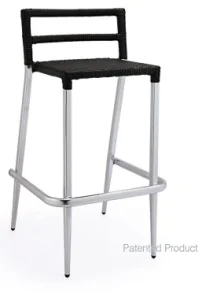
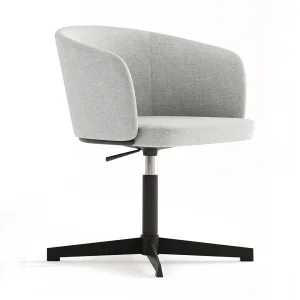
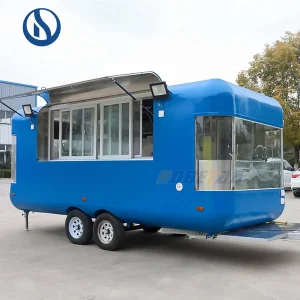
Select premium selections to round out your luxury outdoor, patio, and contract dining layouts.