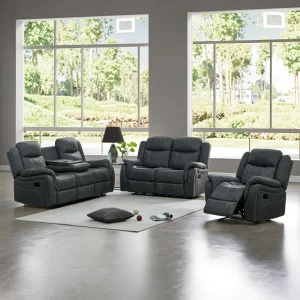
Engineered for Commercial, Residential, and High-Traffic Hospitality Environments Globally
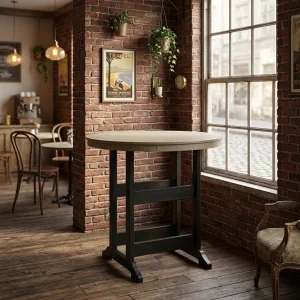
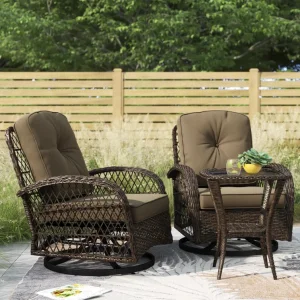
Zhejiang MAZIS Furniture Co., Ltd. is a modern enterprise specializing in the design, research and development, and manufacturing of high-quality outdoor furniture. The company is committed to creating durable, comfortable, and aesthetically refined outdoor living solutions for global customers.
Located in Zhejiang Province, MAZIS Furniture benefits from a strong regional manufacturing foundation and a well-developed industrial supply chain. The company operates with a dedicated independent R&D department, enabling continuous innovation in product design, materials, and manufacturing techniques.
MAZIS Furniture is equipped with advanced production facilities, including laser welding systems, precision cutting equipment, and automated plastic spraying lines. These capabilities ensure high production efficiency and consistent product quality across all categories.
The company's main product range includes Teslin mesh furniture, synthetic rattan furniture, and other premium outdoor leisure furniture series, widely used in gardens, patios, balconies, hotels, resorts, and commercial outdoor spaces.
With a strong focus on quality control, sustainable materials, and modern design aesthetics, Zhejiang MAZIS Furniture Co., Ltd. has established long-term cooperative relationships with buyers in more than 10 countries and regions, including Europe and North America. Its products are well recognized in international markets for their durability, weather resistance, and contemporary style.
Looking ahead, MAZIS Furniture continues to uphold the principles of innovation, quality, and customer satisfaction, striving to become a trusted global supplier in the outdoor furniture industry.
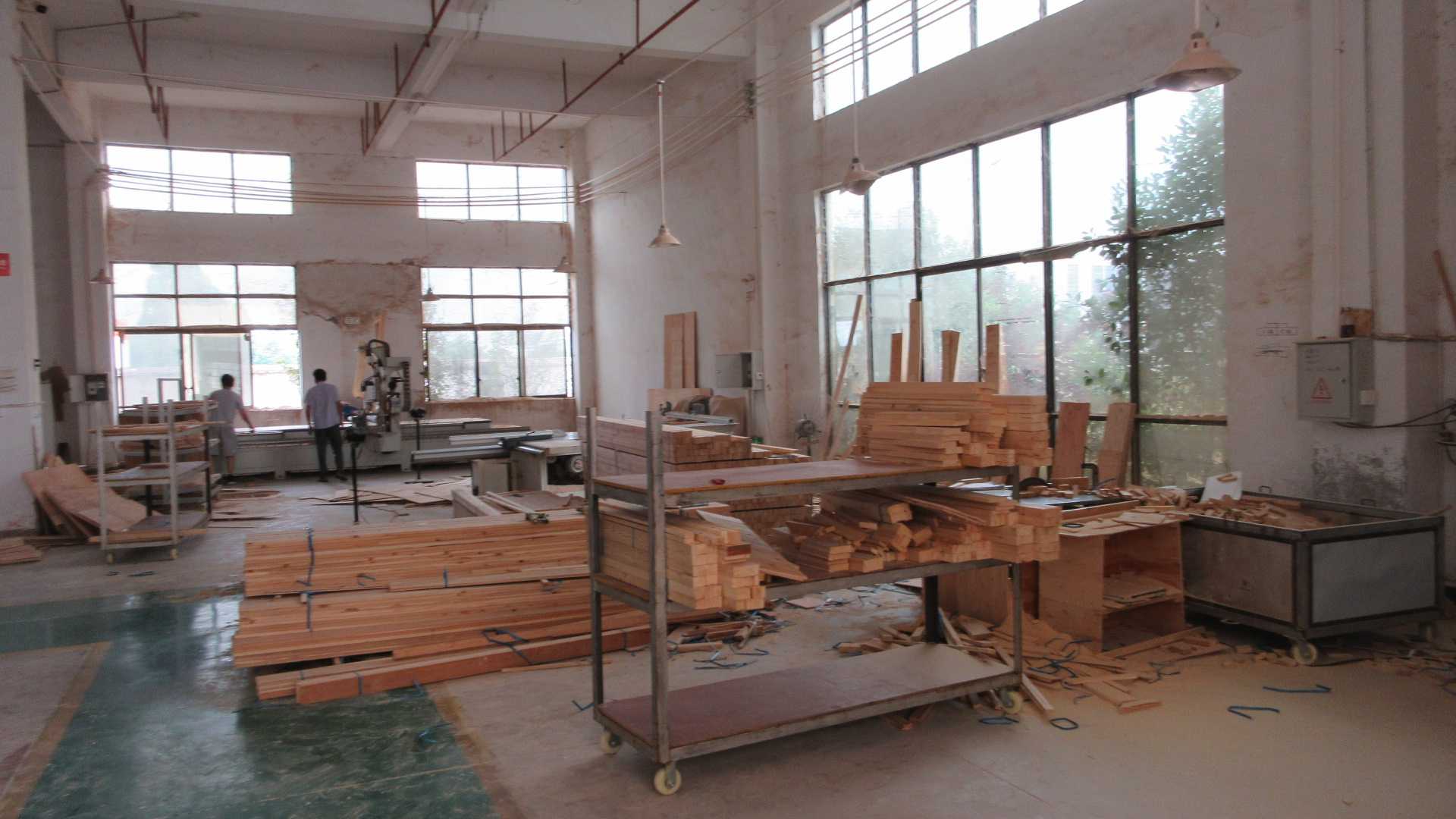
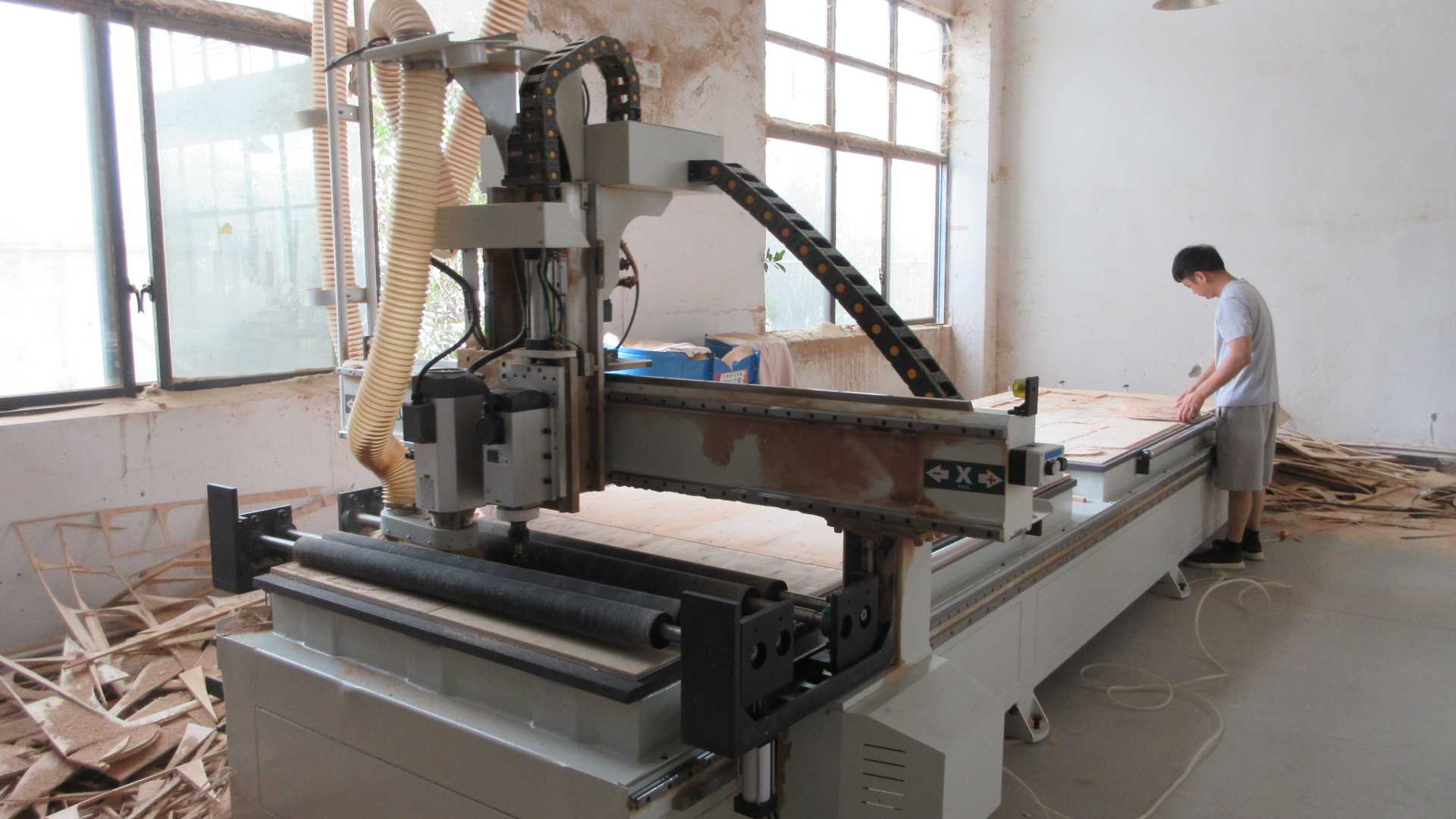
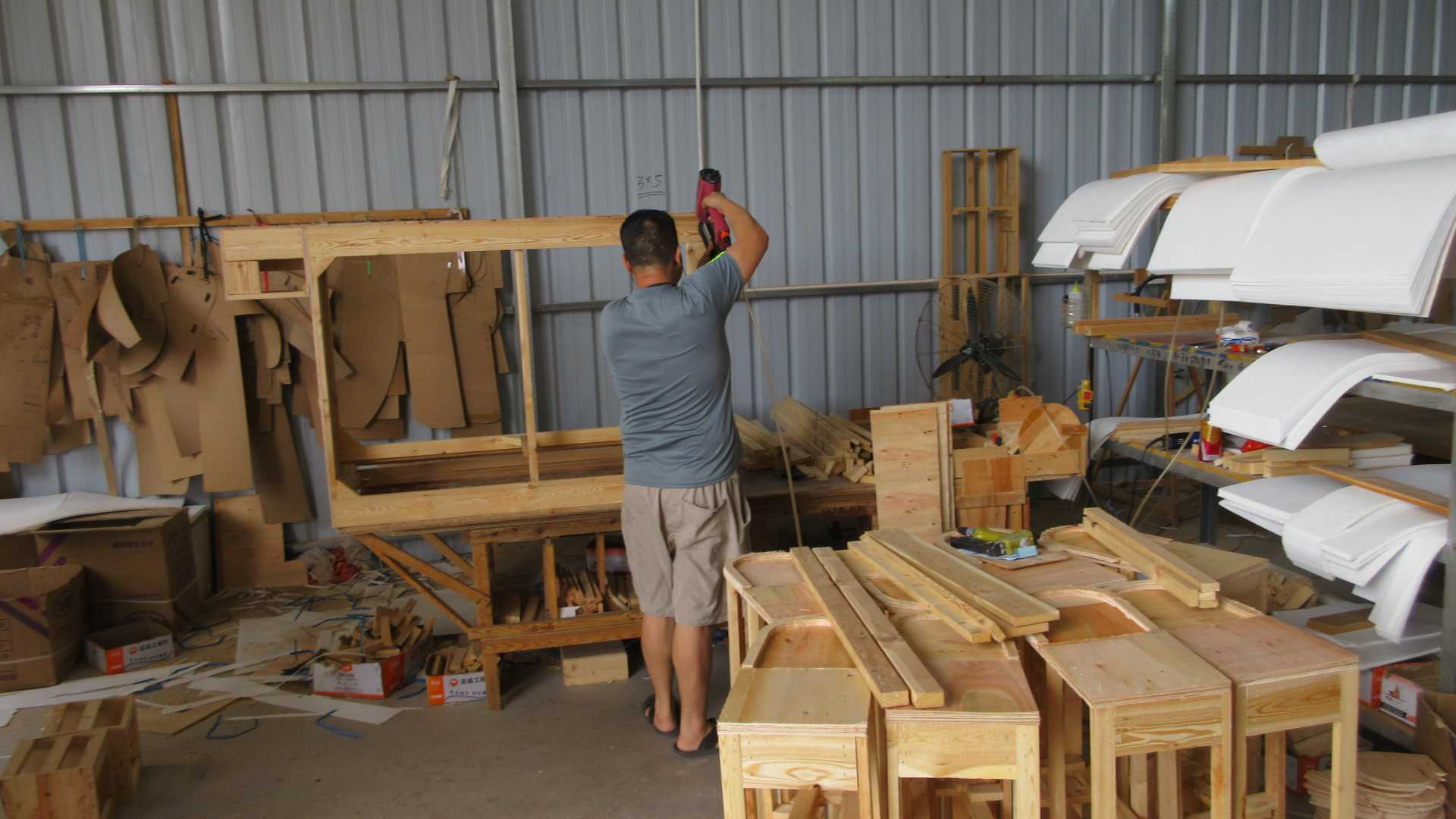
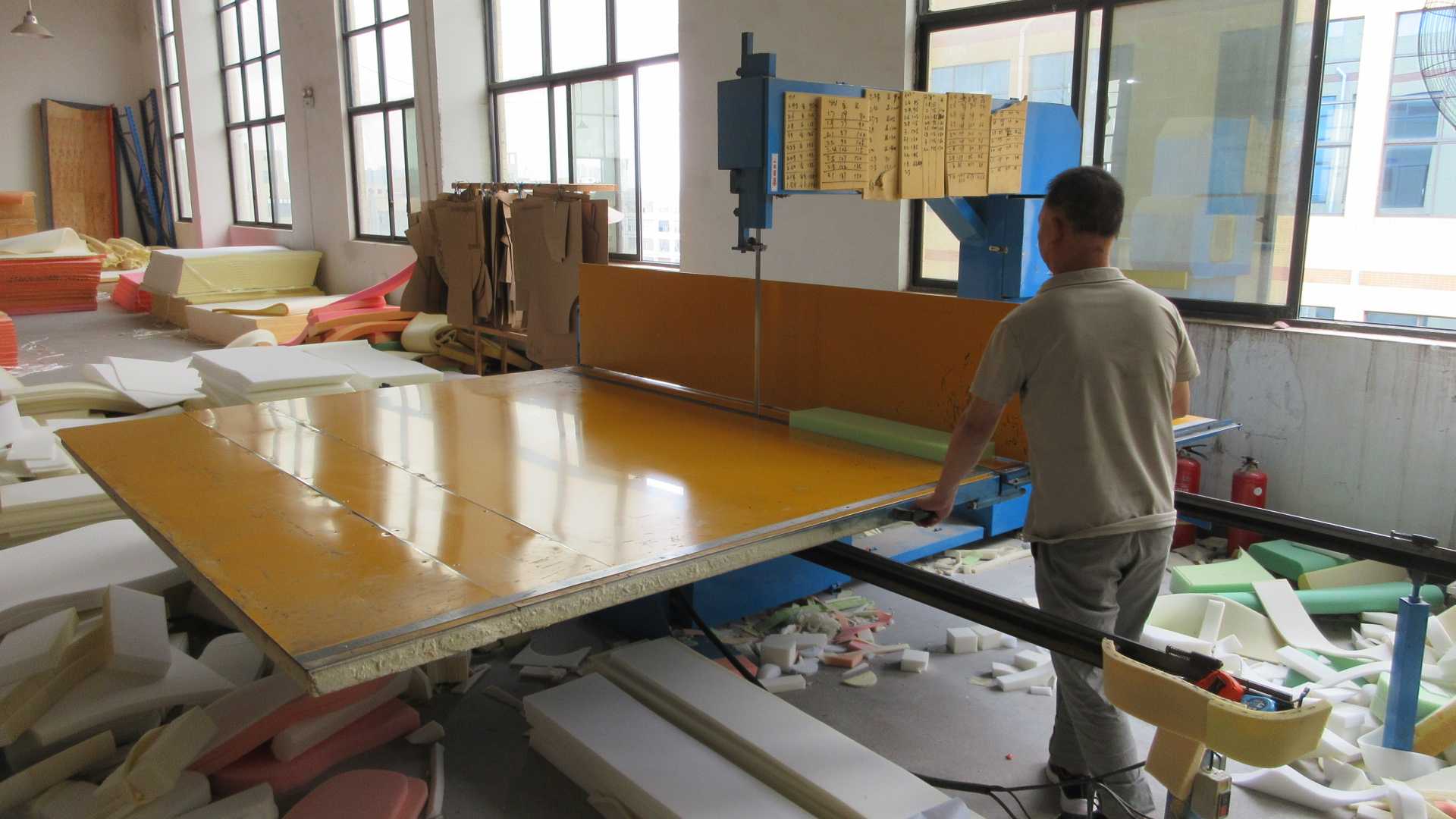
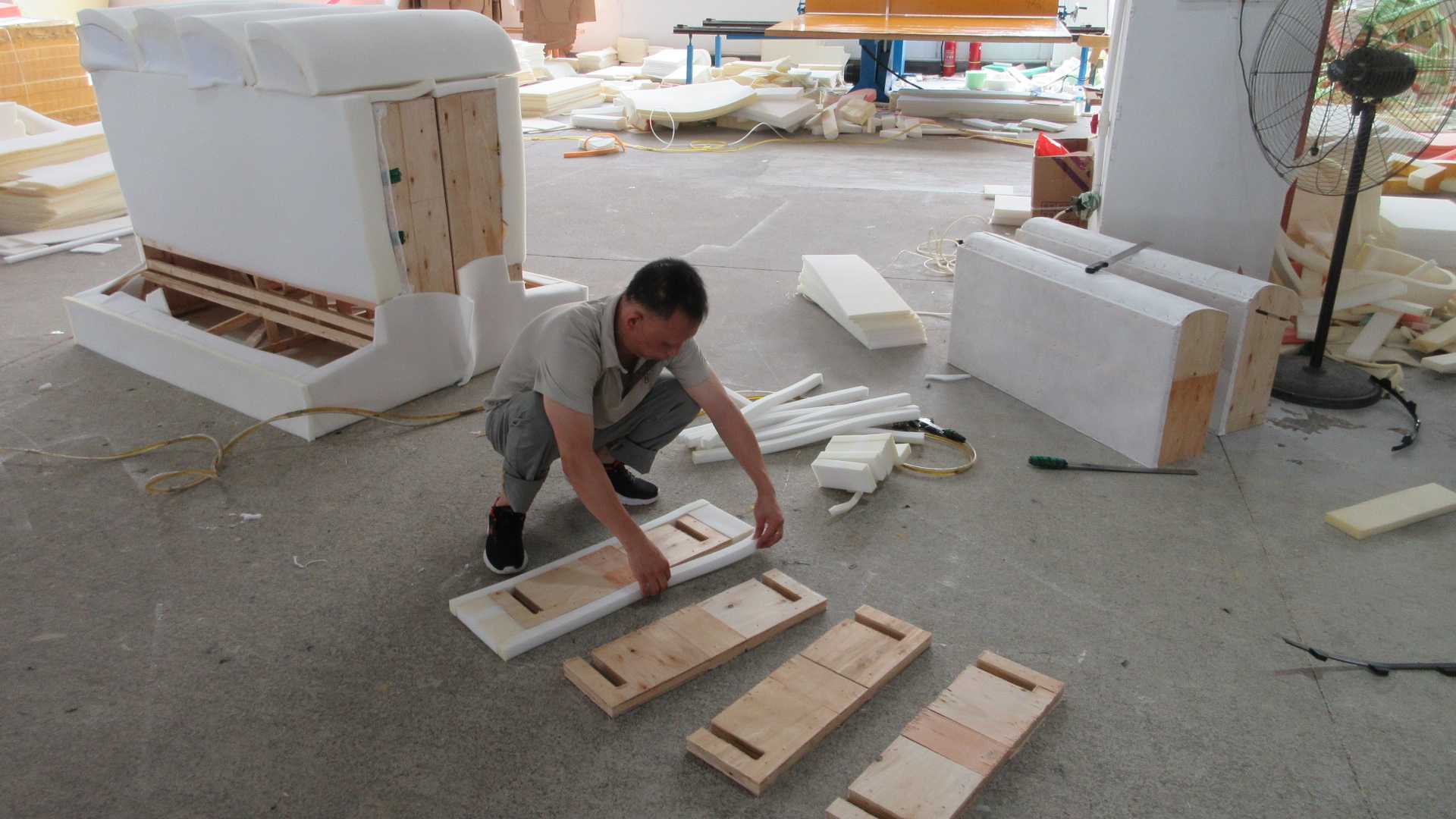
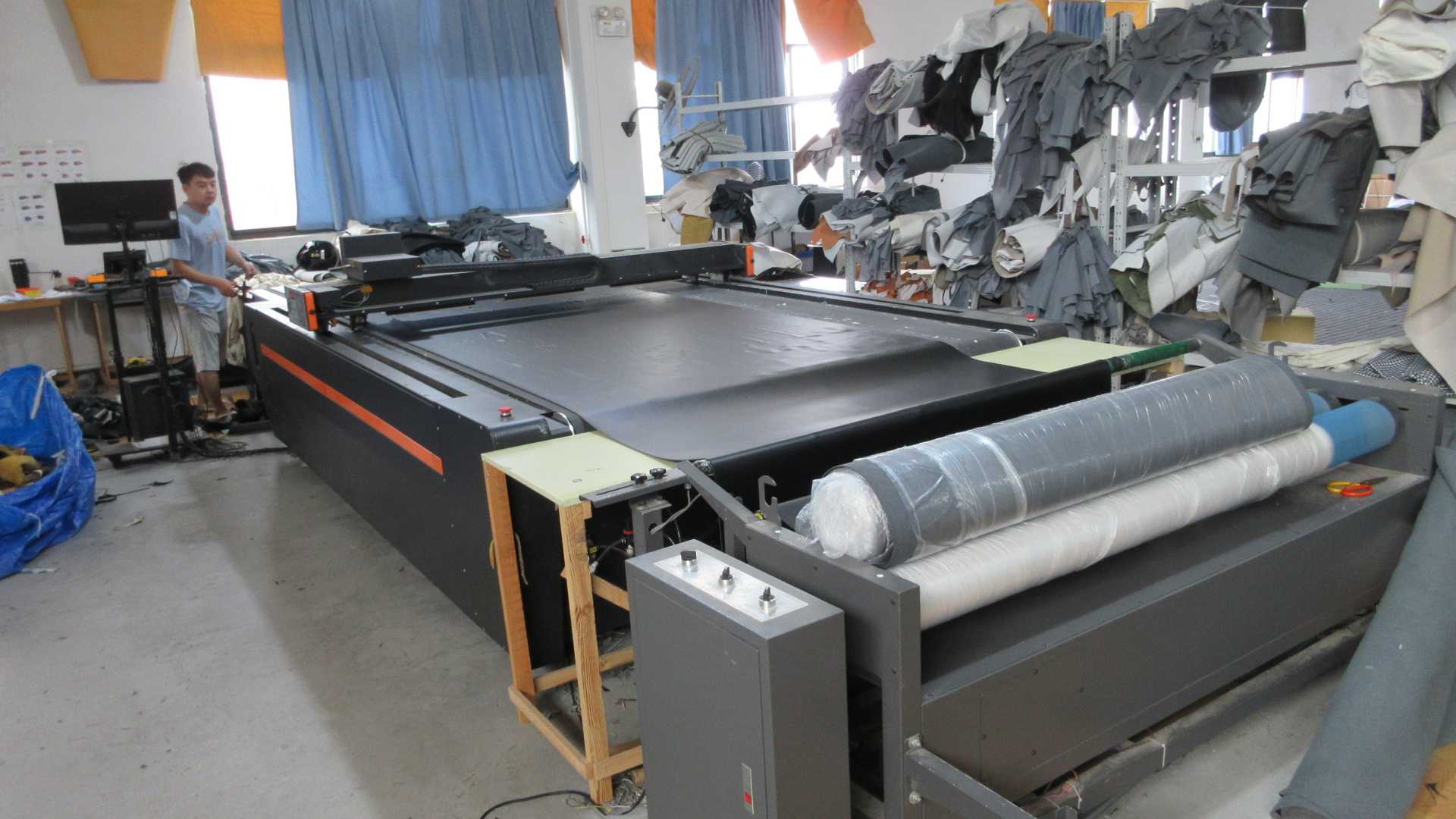
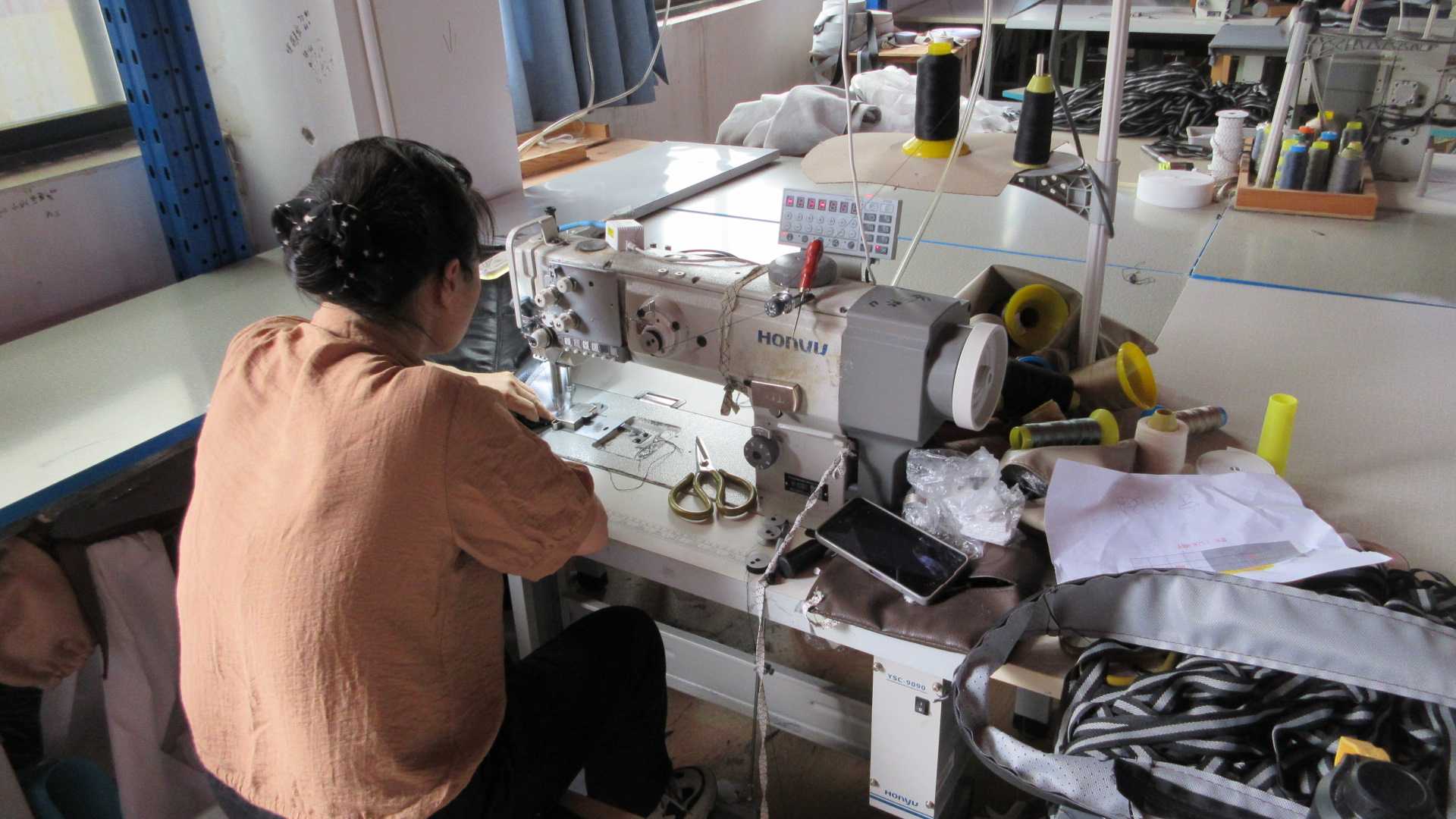
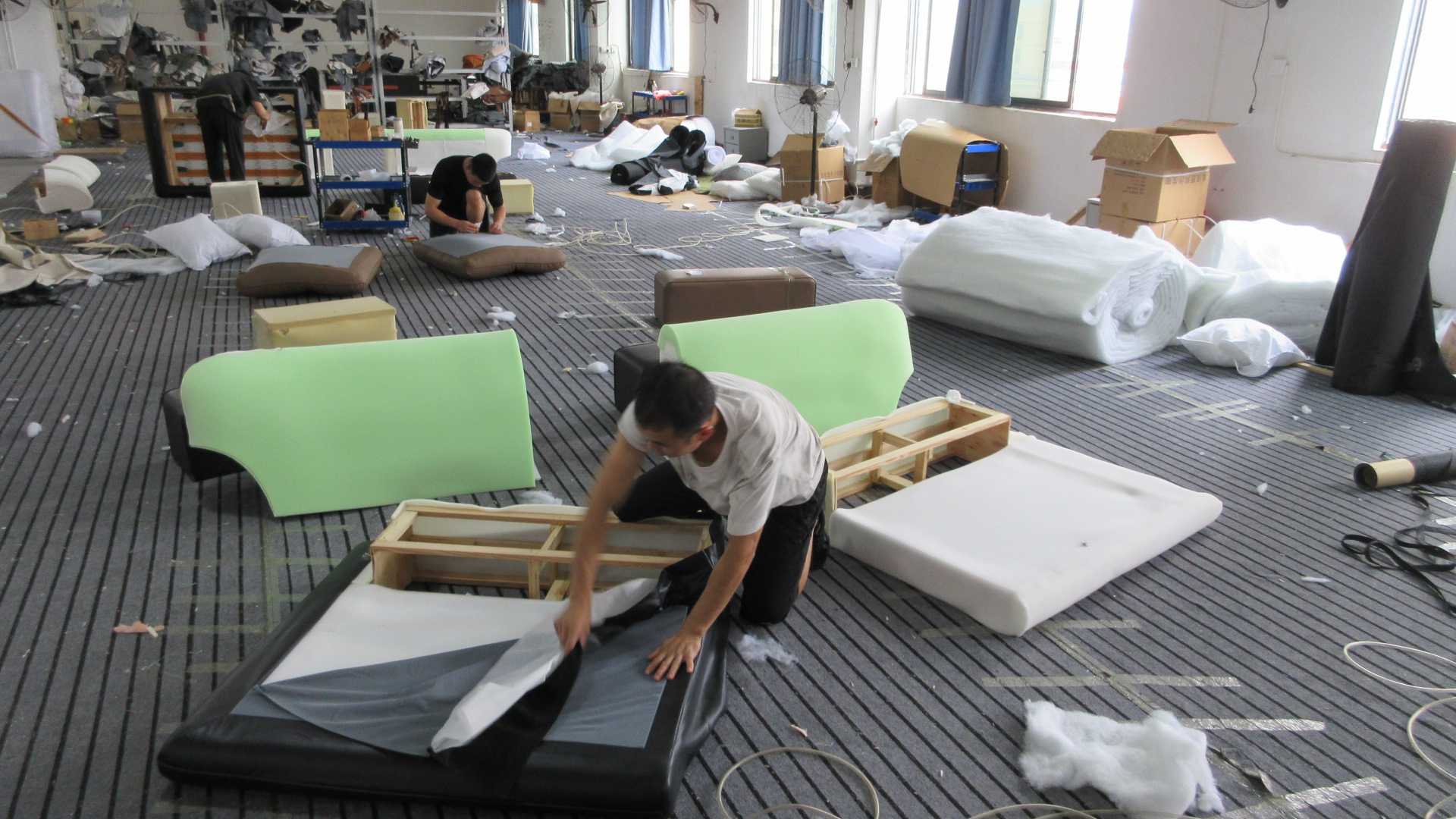
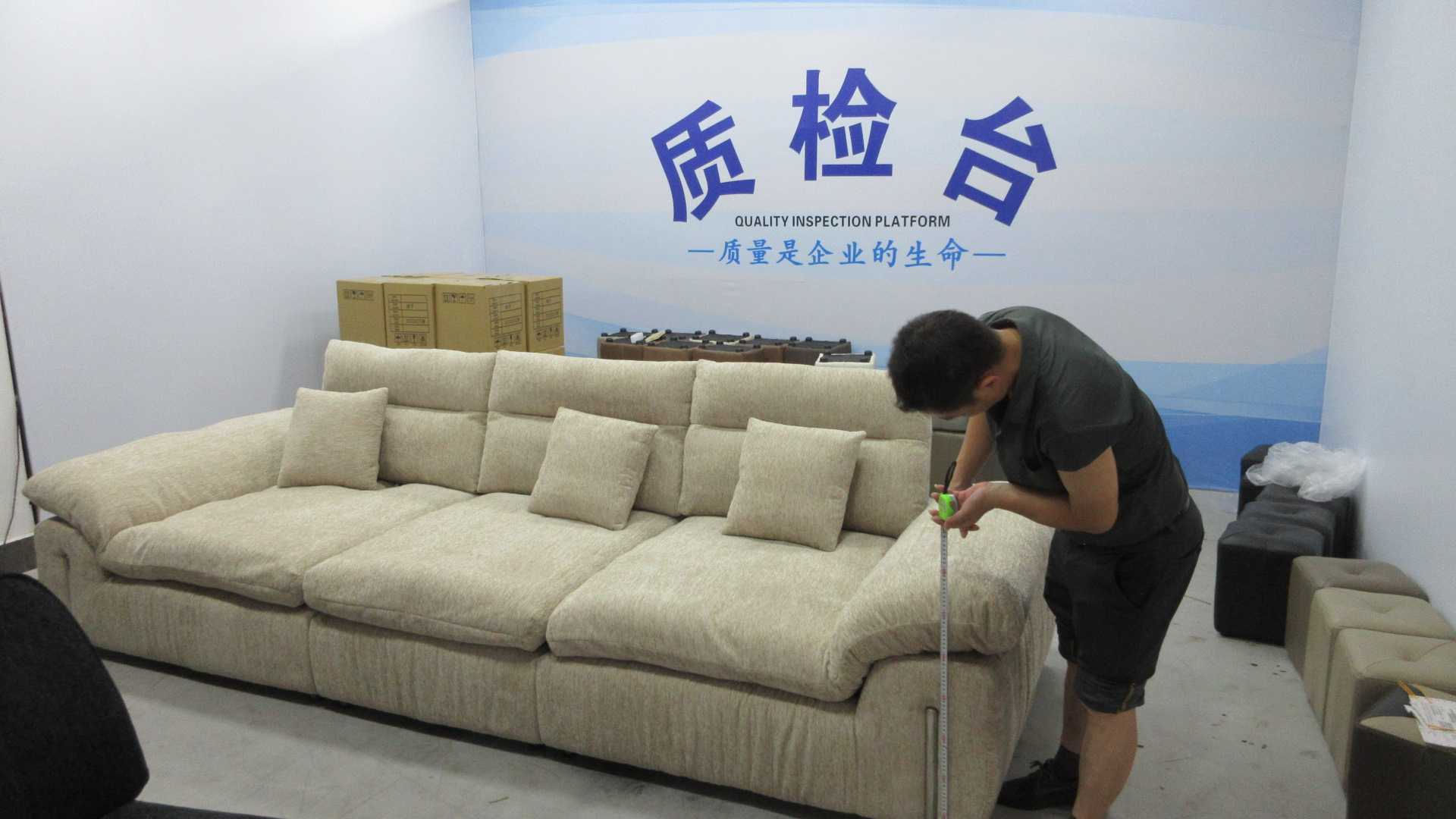
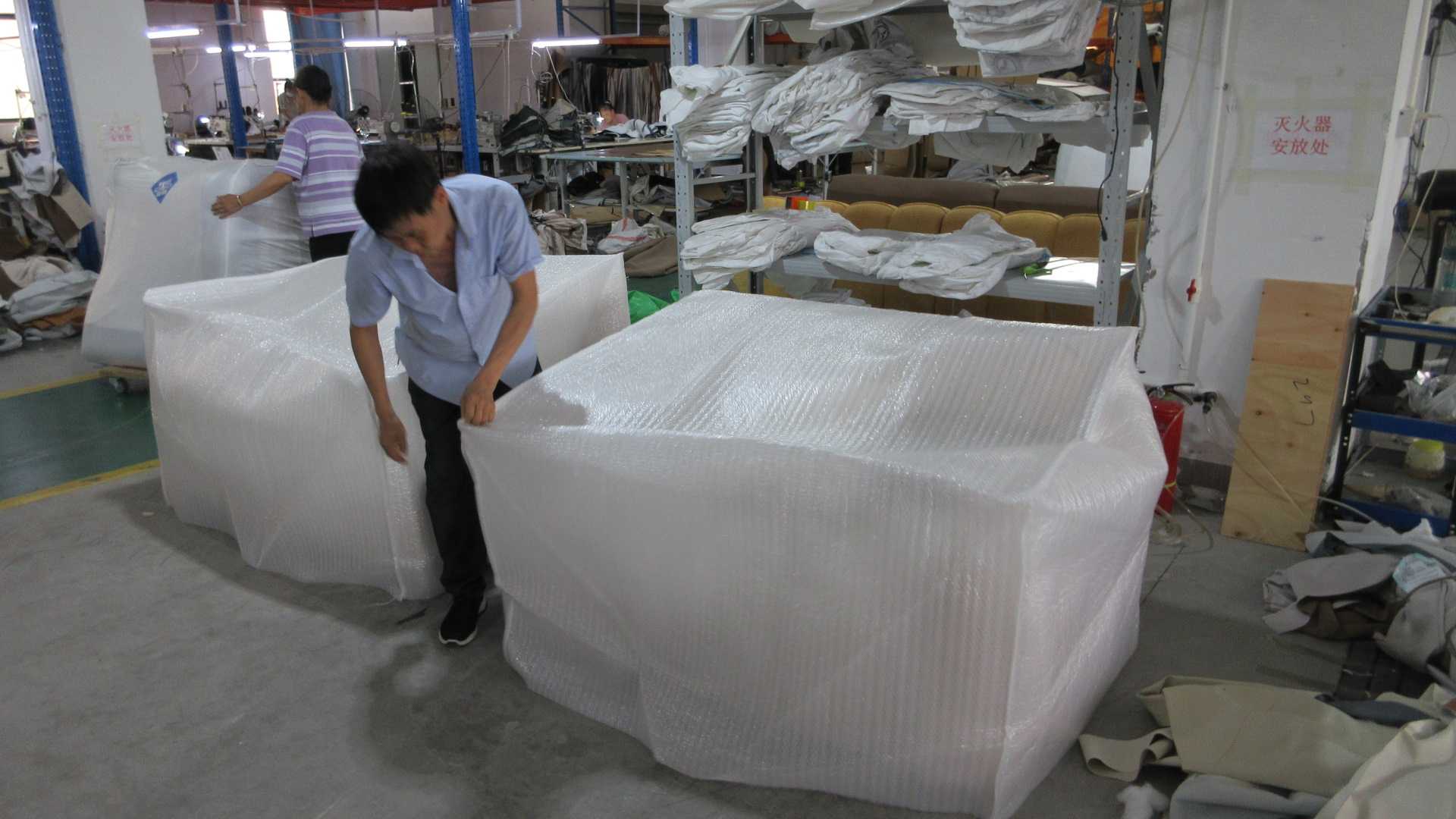
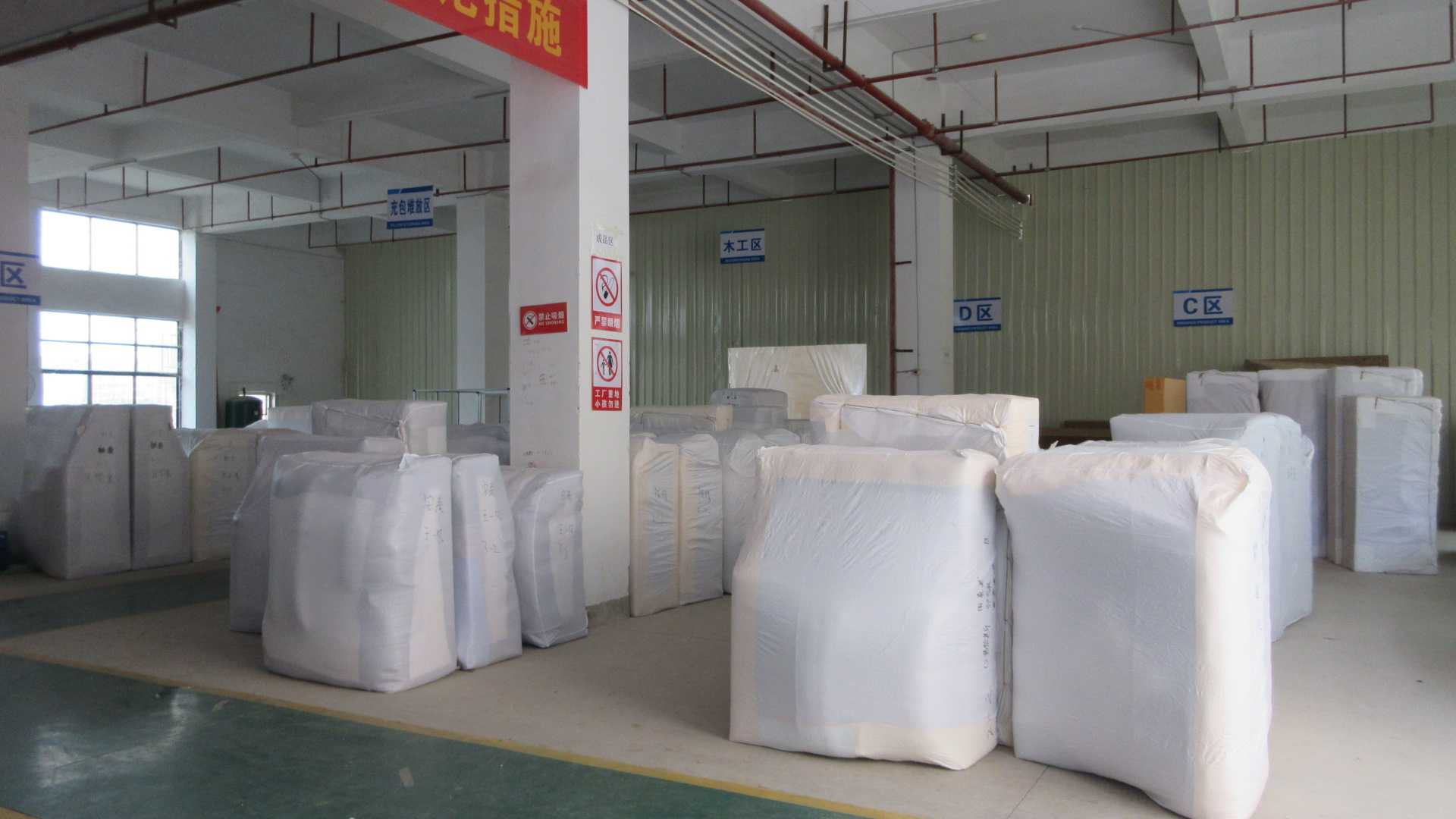
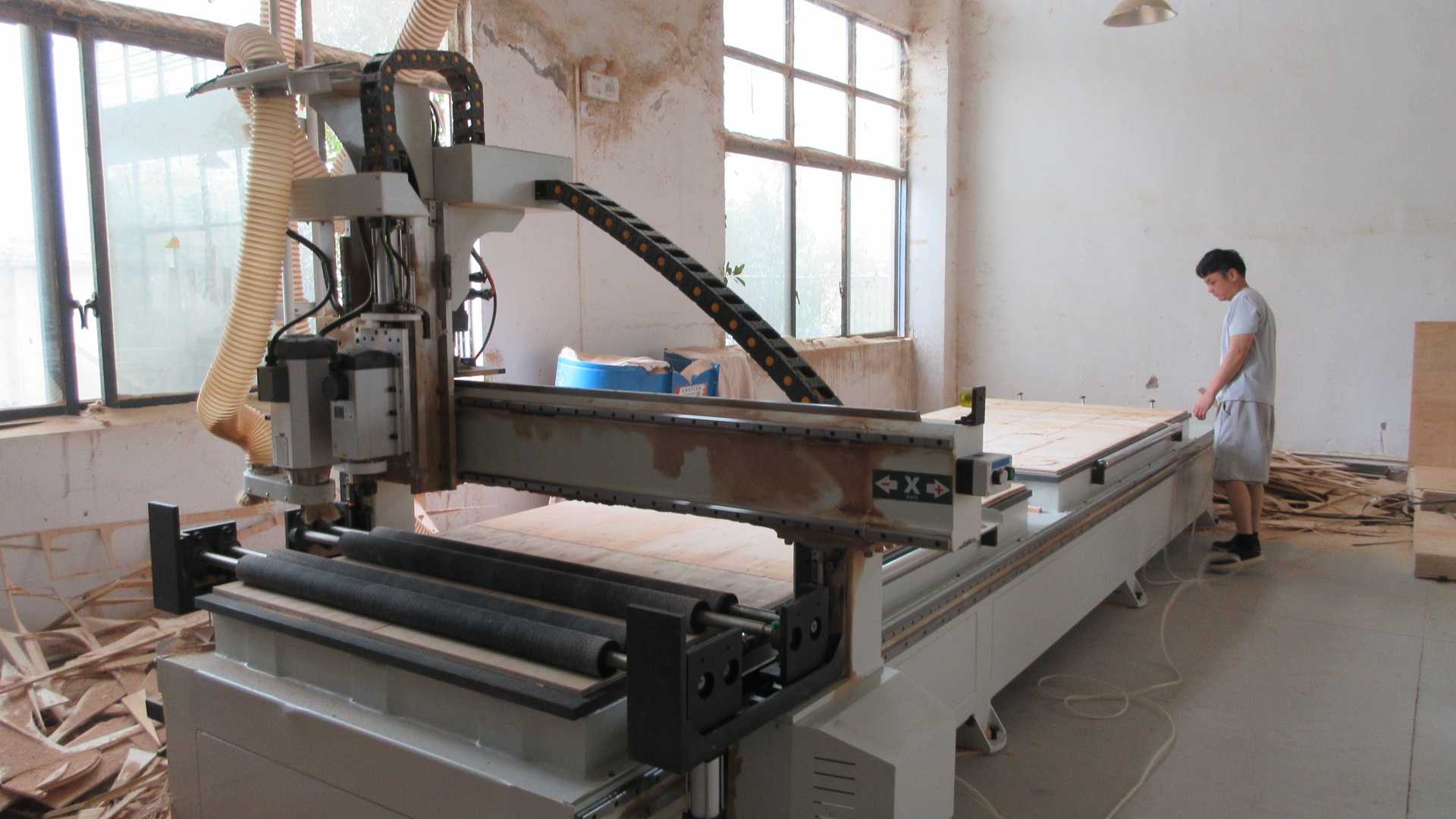
Step-by-Step Visualization of the Modern Armchair Assembly Pipeline
Crucial Procurement Insights for B2B Furniture Buyers, Architects, and Project Planners
The global armchair manufacturing sector is transitioning through a massive technological evolution, moving away from labor-intensive assembly towards automated precision fabrication. In modern B2B sourcing, selecting the right armchair factories is no longer just about cost per unit; it is about assessing a supplier's technological infrastructure, raw material traceability, and capacity for structural innovation.
Different commercial and residential spaces demand highly specialized material profiles. Top-tier factories specialize in tailoring raw material outputs to match local environmental demands. For outdoor applications, standard metals are replaced by architectural-grade aluminum alloys treated with electrostatically deposited powder coatings. The goal is to maximize rust resistance even in coastal locations with elevated atmospheric salinity.
In high-end indoor applications, genuine top-grain leathers and high-density, fire-retardant polyurethane foams (such as those meeting CAL117 and BS5852 requirements) represent the standard. These materials ensure that comfort is maintained over long periods, preventing the sagging and material fatigue that typically plagues low-tier products in commercial hospitality or airport lounges.
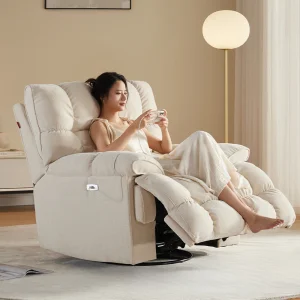
In modern ergonomic designs, the emphasis shifts toward movement and adaptability. Electric smart recliners and rocking systems integrate micro-electric motors and heavy-duty steel linkage mechanisms. These mechanisms are tested over tens of thousands of cycles to guarantee trouble-free operation. Trusted factories integrate safety sensors, zero-gravity weight distribution technology, and silent mechanical operation. This is especially true for upscale home cinemas, hotels, and luxury office lounges where any mechanical noise represents a failure in product quality.
Analyzing physical interaction points to craft seats that distribute weight evenly, reducing muscle fatigue in high-frequency commercial spaces.
Implementing high-strength steel alloy components, offering 180-degree reclining, electric control, and zero-gravity mechanical transitions.
Ensuring compliance with major international performance standards, including BIFMA safety guidelines and European eco-certifications.
Adapting Premium Armchair Configurations for Specific Global B2B Settings
A primary failure mode of generic furniture sourcing is a lack of alignment with local site conditions. Commercial spaces require furniture tailored to specific environmental and functional requirements:
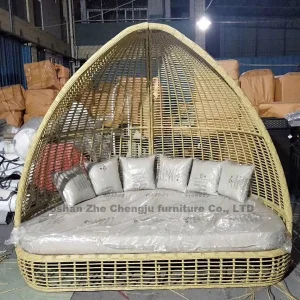
Luxury resort poolsides require furniture with high UV resistance and minimal water retention. MAZIS custom designs use synthetic rattan and open-cell quick-dry foams inside Teslin mesh to prevent mold buildup under humid tropical climates. This guarantees long-term durability in high-traffic tourist areas.
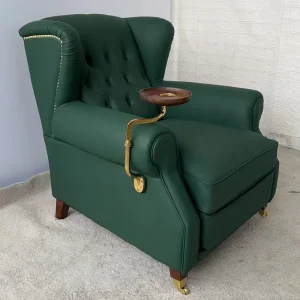
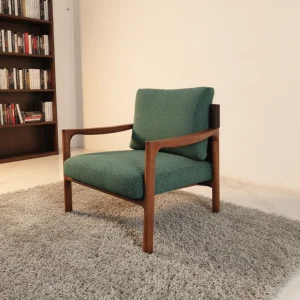
Executive lounges and high-end collaborative workspaces benefit from minimalist mid-century design concepts. Solid walnut bases paired with aniline or top-grain leather offer a sophisticated aesthetic. Ergonomic profiles support lumbar alignment during meetings or independent workspace tasks.
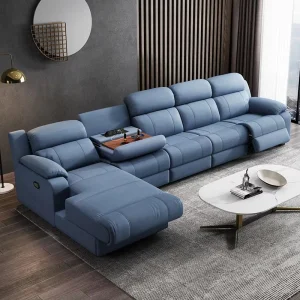
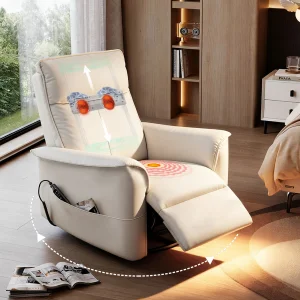
Smart recliners with integrated controls, massage functions, and cup holders are essential for home theaters and luxury commercial cinemas. Electric swivel systems provide 360-degree rotation, giving users ultimate control over their personal relaxation space.
The convergence of sustainable materials and smart technologies is driving new developments in armchair design. Top trusted factories are investing heavily in several key areas:
How MAZIS Benchmarks Manufacturing Quality to Excel in Global B2B Supply Chains
Before manufacturing begins, all raw timber undergoes moisture checks to prevent wrapping. Stainless steel and aluminum components are verified for chemical composition and thickness consistency.
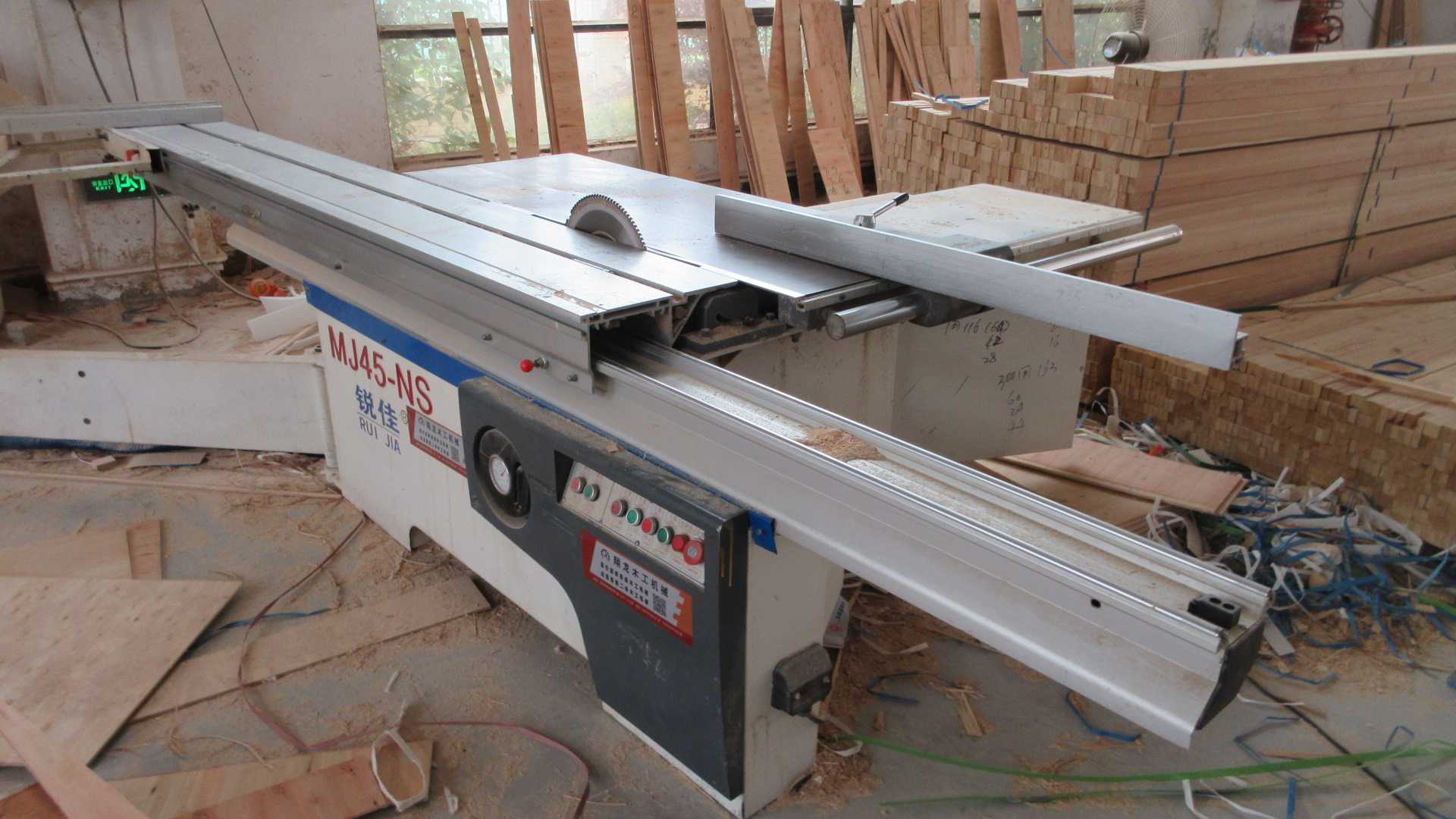
Multi-axis precision sawing systems shape structural components within narrow tolerances. Laser welders form joints with clean penetrations, eliminating weak spots in load-bearing frames.
Finished armchairs undergo rigorous cyclic stress testing. Structural frames are loaded repeatedly to simulate years of continuous usage, ensuring reliable performance in commercial spaces.
Essential Answers from Our Engineering & Supply Chain Experts
A reliable factory must demonstrate full process capability, from raw material validation to final assembly. Key indicators include in-house R&D departments, multi-axis CNC timber processing, automated laser welding, and certifications like ISO 9001 and FSC. Buyers should also verify that the factory's products comply with international fire retardancy and weight capacity standards.
Premium outdoor furniture uses thick-walled, powder-coated aluminum or stainless steel frames rather than simple iron. Upholstery features quick-dry open-cell foam inside high-grade Teslin mesh or UV-stabilized synthetic wicker. This setup prevents rust, color fading, and mold growth, extending the product's lifespan in commercial settings.
B2B buyers should expect detailed CAD blueprints, material sample books, and functional prototypes. Top manufacturers can adapt existing structural frames to meet custom design requirements. They can modify wood species, select custom fabric treatments, and integrate specialized mechanical systems to suit specific commercial environments.
High-quality recliners feature alloy steel frame mechanisms and low-voltage electric actuators. Factories perform cycle testing to verify that motor controllers, pinch-point safety sensors, and internal wiring remain reliable. This ensures trouble-free operation, even in busy home theaters or public lounges.
Heavy-Duty, Architect-Specified Furniture for Modern Venues and Commercial Developments